



Reactive Oxygen Species (ROS) Activator
-
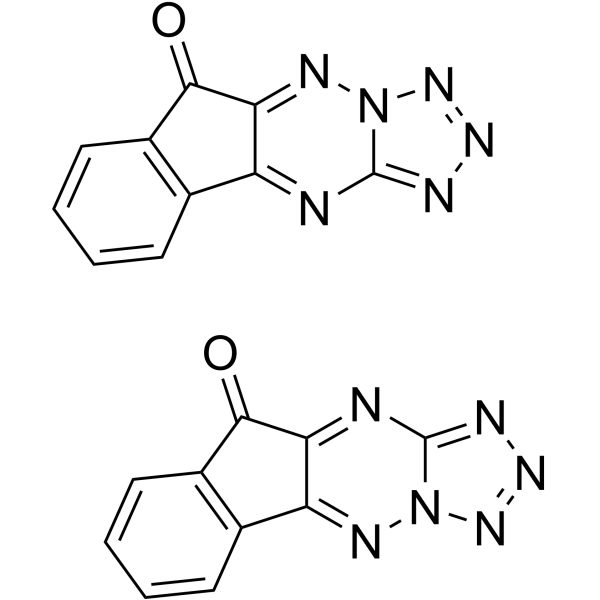
KP372-1
 0 Images
KP372-1 is an Akt inhibitor that inhibits proliferation and induces apoptosis and anoikis. KP372-1 is also an NQO1 redox cycling agent that causes DNA damage (including DNA breakage) by generating ROS. KP372-1 can be used in cancer research (such as head and neck squamous cell carcinoma (HNSCC) and pancreatic cancer).
-
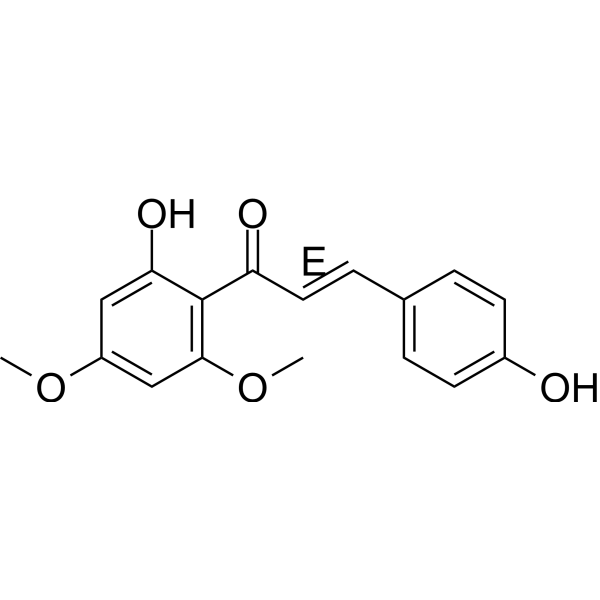
Flavokawain C
 0 Images
Flavokawain C is an orally active natural chalcone. Flavokawain C inhibits the proliferation of various cancer cells. Flavokawain C upregulates GADD153 in cancer cells, inhibits the phosphorylation of Akt and JNK, suppresses early ERK phosphorylation, activates late ERK phosphorylation, activates caspase related subtypes, induces PARP-1 cleavage, causes upregulation of p21 and p27, downregulation of mutant p53 and anti-apoptotic IAP proteins, elevates intracellular ROS levels, reduces SOD activity, and induces apoptosis. Flavokawain C downregulates FABP4, induces autophagy in cancer cells, and activates the AMPK/mTOR pathway. Flavokawain C decreases the expression of glycolysis-related proteins GLUT1 and HK2, and inhibits glycolysis in nasopharyngeal carcinoma cells. Flavokawain C inhibits the activation of the EGFR/PI3K/Akt/mTOR signaling pathway and reduces the expression of HSP90B1. Flavokawain C inhibits angiogenesis by decreasing the expression of angiogenic proteins Ang-1 and VEGF in human umbilical vein endothelial cells. Flavokawain C increases γ-H2AX levels in cells, inhibits the phosphorylation of FAK, PI3K and AKT in cells, and induces DNA damage in cells. Flavokawain C exerts anti-tumor activity in multiple tumor xenograft mouse models. Flavokawain C is applicable to research related to colorectal cancer, colon adenocarcinoma, nephroblastoma, nasopharyngeal carcinoma and liver cancer.
-
Plantaricin A
 0 ImagesSynonyms: PlnA
Plantaricin A is an antimicrobial peptide that can be derived from Lactobacillus plantarum. Plantaricin A has a synergistic effect with Ciprofloxacin. Plantaricin A shows anti-microbial activity. Plantaricin A increases the membrane potential of S. aureus and the level of intracellular ROS. Plantaricin A inhibits the function of the efflux pump by binding it and altering the structure of MepA, NorA, and LmrS. Plantaricin A significantly relieves inflammation, and promotes wound healing. Plantaricin A permeabilizes cancerous rat pituitary cells[1][2].
-
DGAT-1 inhibitor 2
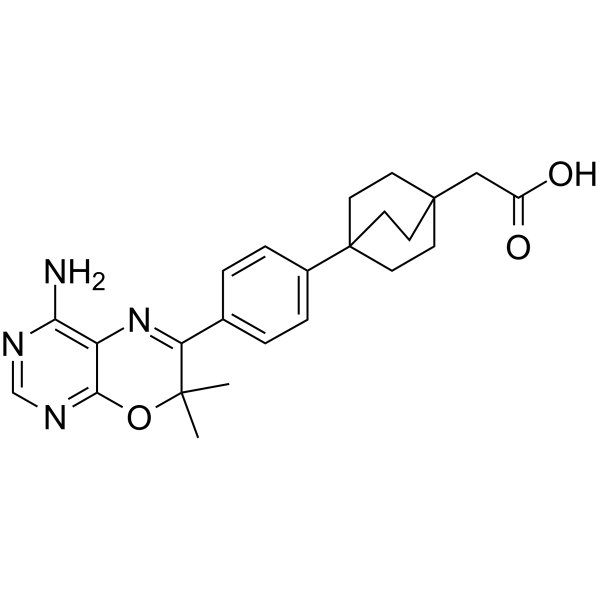 0 ImagesCat. No.: HY-50670CAS No.: 942999-61-3
DGAT-1 inhibitor 2 is an orally active DGAT-1 inhibitor with IC50 values of 15 nM and 9 nM for human DGAT-1 and rat DGAT-1, respectively. DGAT-1 inhibitor 2 increases ROS concentration, GRP78, and PERK protein abundance. DGAT-1 inhibitor 2 increases SREBF1, CPT1A, and MTTP mRNA in fatty acid-treated cells. DGAT-1 inhibitor 2 improves obesity.
-
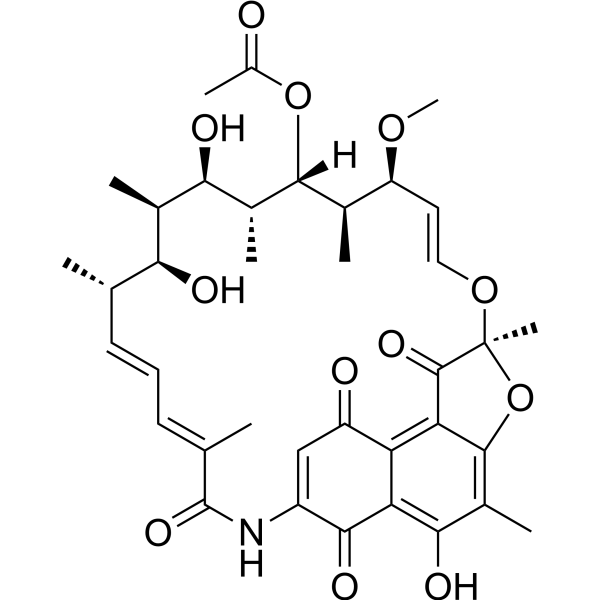
Rifamycin S
 0 Images
Rifamycin S, a quinone, is an antibiotic against Gram-positive bacteria (including MRSA). Rifamycin S is the oxidized forms of a reversible oxidation-reduction system involving two electrons. Rifamycin S generates reactive oxygen species (ROS) and inhibits microsomal lipid peroxidation. Rifamycin S can be used for tuberculosis and leprosy.
-
Diclofenac acyl glucuronide
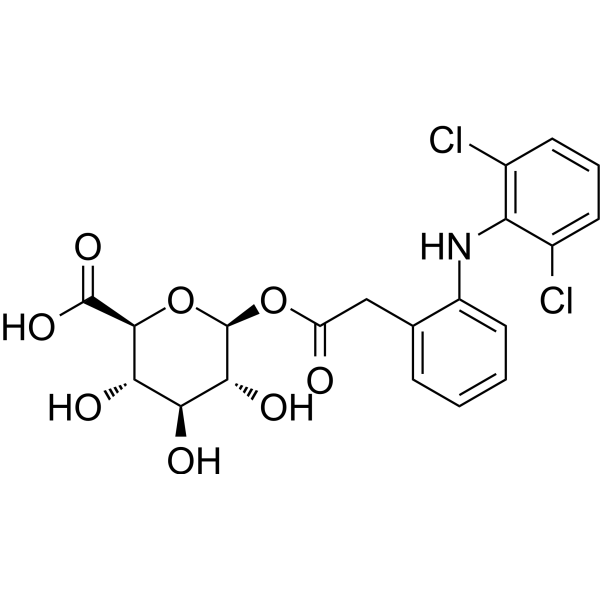 0 ImagesSynonyms: D-1-O-G
Diclofenac acyl glucuronide (D-1-O-G) is an orally active glucuronide metabolite of Diclofenac (HY-15036). Diclofenac acyl glucuronide exhibits SOD inhibitory activity, COX-1 inhibitory activity (IC50 = 0.620 μM), and COX-2 inhibitory activity (IC50 = 2.91 μM). Diclofenac acyl glucuronide induces reactive oxygen species (ROS) production and acts as a substrate of OATP2B1. Diclofenac acyl glucuronide induces small intestinal ulcers. Diclofenac acyl glucuronide can be used in research related to intestinal diseases and small intestinal ulcers.
-
Propiolamide
 0 Images
Propiolamide is a monooxygenase (MMO) system activator and glutathione peroxidase 4 (GPX4) inhibitor. Propiolamide induces ROS production through interaction with the MMO system. Propiolamide promotes the accumulation of intracellular cytotoxic lipid peroxides and induces ferroptosis. Propiolamide induces programmed cell death via the apoptosis pathway. Propiolamide can be used in cancer research.
-
Dihydroartemisinin (Standard)
 0 ImagesCat. No.: HY-N0176RCAS No.: 71939-50-9Synonyms: Dihydroqinghaosu (Standard); β-Dihydroartemisinin (Standard); Artenimol (Standard)
Dihydroartemisinin (Standard) (Dihydroqinghaosu (Standard)) is the analytical standard of Dihydroartemisinin (HY-N0176). This product is intended for research and analytical applications. Dihydroartemisinin is an orally active metabolite of rtemisinin (HY-B0094) and antimalarial agent. Dihydroartemisinin induces Autophagy by inhibiting NF-κB activation. Dihydroartemisinin promotes ROS accumulation. Dihydroartemisinin exhibits anticancer activity in esophageal cancer cells. Dihydroartemisinin shows schistosomicidal activity against juvenile and adult worms of Schistosoma japonicum, reduces worm burden, and displays antiparasitic activity. Dihydroartemisinin can be used in research related to multiple myeloma, promyelocytic leukemia, esophageal cancer, and Schistosoma japonicum infection.
-
AZT triphosphate tetraammonium
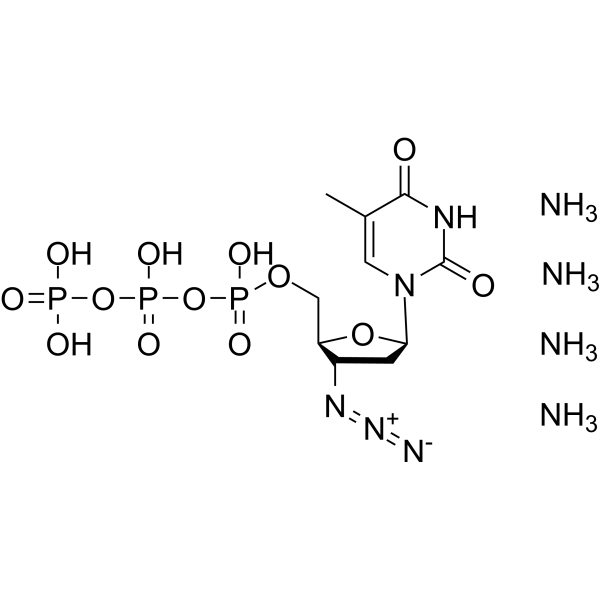 0 ImagesSynonyms: 3'-Azido-3'-deoxythymidine-5'-triphosphate tetraammonium
AZT triphosphate (3'-Azido-3'-deoxythymidine-5'-triphosphate) tetraammonium is an active triphosphate metabolite of Zidovudine (AZT). AZT triphosphate tetraammonium exhibits antiretroviral activity and inhibits replication of HIV. AZT triphosphate tetraammonium also inhibits the DNA polymerase of HBV. AZT triphosphate tetraammonium activates the mitochondria-mediated apoptosis pathway.
-
2-Methoxyestradiol-d5
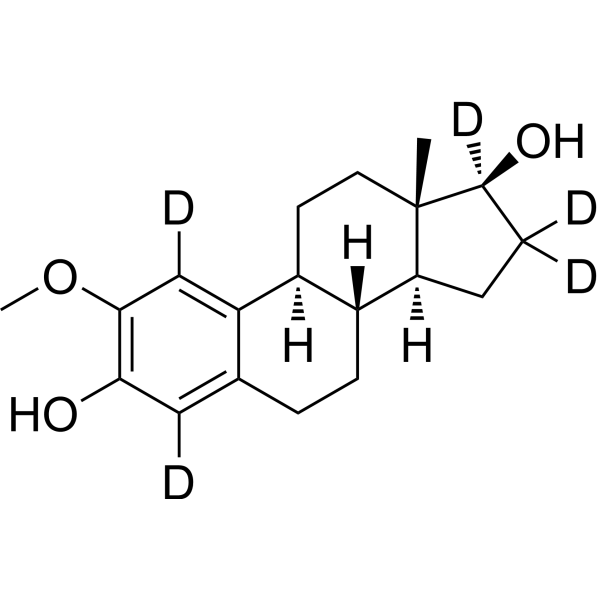 0 ImagesSynonyms: 2-ME2-d5; NSC-659853-d5
2-Methoxyestradiol-d5 is the deuterium labeled 2-Methoxyestradiol. 2-Methoxyestradiol (2-ME2), an orally active endogenous metabolite of 17β-estradiol (E2), is an apoptosis inducer and an angiogenesis inhibitor with potent antineoplastic activity. 2-Methoxyestradiol also destablize microtubules. 2-Methoxyestradio, also a potent superoxide dismutase (SOD) inhibitor and a ROS-generating agent, induces autophagy in the transformed cell line HEK293 and the cancer cell lines U87 and HeLa.
-
Sophoranone
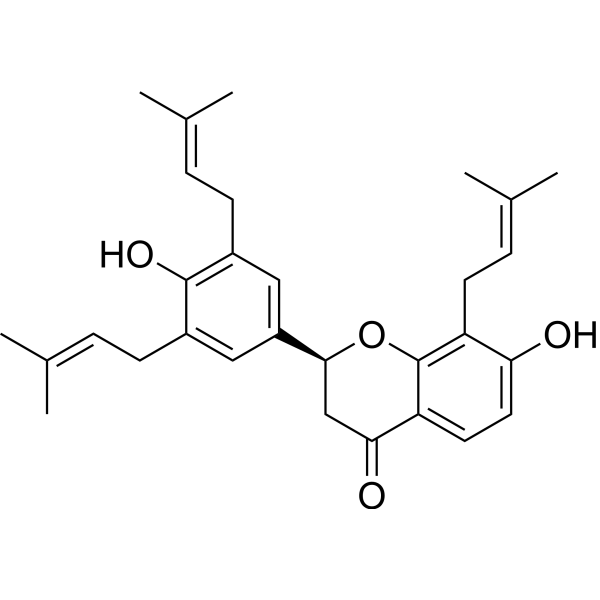 0 ImagesSynonyms: (-)-Sophoranone; Sophoranon
Sophoranone ((-)-Sophoranone; Sophoranon) is an orally active competitive inhibitor of CYP2C9 (IC50 = 0.966 μM) and CYP3A4. Sophoranone is a prenylated flavonoid isolated from the roots of Sophora subprostrata. Sophoranone induces apoptosis by increasing reactive oxygen species (ROS) and opening the mitochondrial channel, while upregulating myogenic genes to promote muscle regeneration. Sophoranone can be used for research on asthma, leukemia, and paralytic strabismus.
-
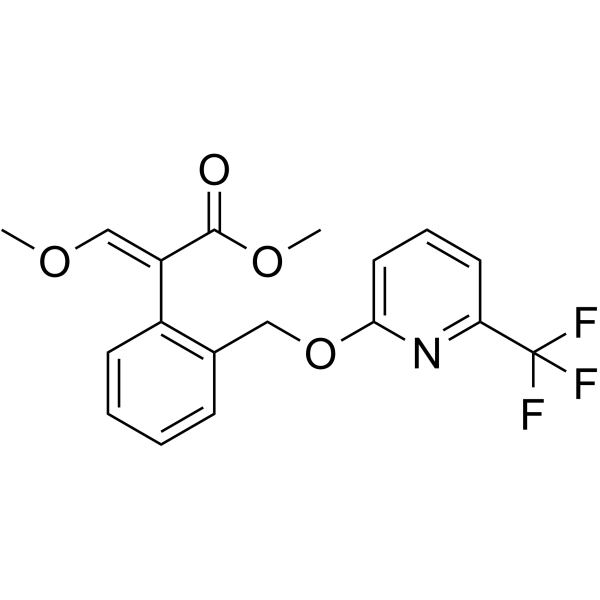
Picoxystrobin
 0 Images
Picoxystrobin is a strobilurin fungicide. Picoxystrobin controls plant diseases by inhibiting mitochondrial respiration. Picoxystrobin is highly toxic to zebrafish embryos, causing developmental abnormalities, oxidative stress, and immunotoxicity.
-
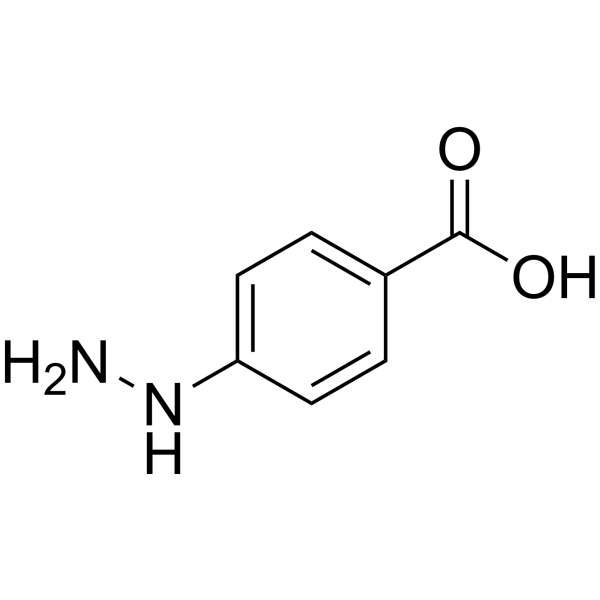
4-Hydrazinobenzoic acid
 0 ImagesSynonyms: p-Hydrazinobenzoic acid
4-Hydrazinobenzoic acid (p-Hydrazinobenzoic acid) is a DNA-damaging agent. 4-Hydrazinobenzoic acid induces copper-dependent oxidative damage, accompanied by strand breaks and base modifications; autoxidation generates hydrogen peroxide and cuprous ion-derived ROS. 4-Hydrazinobenzoic acid is cytotoxic to cancer cells and normal cells. 4-Hydrazinobenzoic acid can be used in cancer research.
-
3-Methoxy-9H-Carbazole
 0 Images
3-Methoxy-9H-Carbazole is a NF-κB inhibitor. 3-Methoxy-9H-Carbazole inhibits NF-κB gene expression. 3-Methoxy-9H-Carbazole induces cell apoptosis, increases cellular caspase-3 activity and promotes ROS production. 3-Methoxy-9H-Carbazole exerts cytotoxic effects on cancer cells. 3-Methoxy-9H-Carbazole can be used in the research of breast cancer.
-
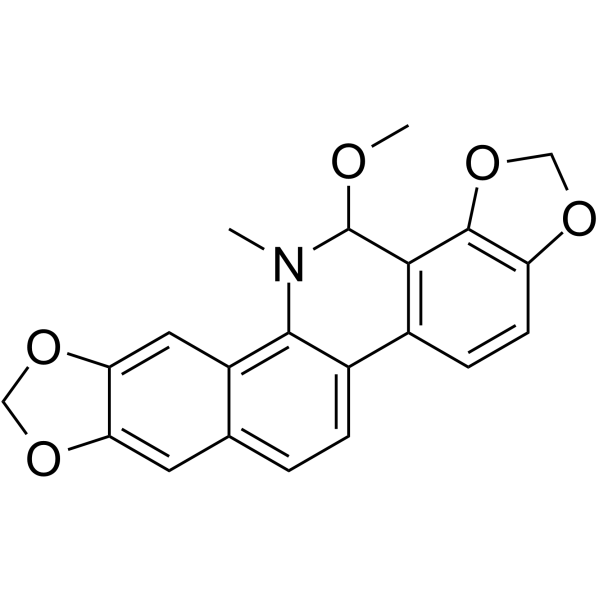
6-Methoxydihydrosanguinarine
 0 Images
6-Methoxydihydrosanguinarine is an alkaloid with activity across multiple cancer cell types. 6-Methoxydihydrosanguinarine activates IRE1/JNK signaling, blocks Akt/mTOR and PI3K/AKT/mTOR pathways, reduces expression of Cdc25C, CyclinB1, Cdc2, YAP/TAZ, Survivin, GPX4, and EGFR, upregulates IRE1 and DR5, and activates JNK and caspases. 6-Methoxydihydrosanguinarine induces apoptosis, G2/M phase arrest, DNA damage, ROS generation, lipid peroxidation, ferroptosis, autophagy, and suppresses cancer cell growth. 6-Methoxydihydrosanguinarine disruptes the biofilm formation of Candida albicans (C. albicans). 6-Methoxydihydrosanguinarine can be used for the research of non-small cell lung cancer, hepatocellular carcinoma, melanoma, colon carcinoma, ovarian cancer and breast cancer.
-
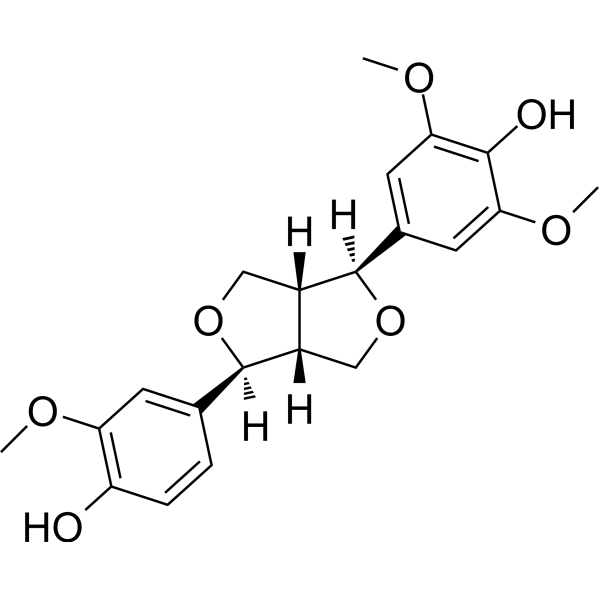
(+)-Medioresinol
 0 Images
(+)-Medioresinol is a furofuran-type lignan with antifungal and antibacterial properties. (+)-Medioresinol synergizes with antibiotics to exert antimicrobial and antibiofilm effects. (+)-Medioresinol induces intracellular ROS accumulation and mitochondrial-mediated apoptosis in Candida albicans. (+)-Medioresinol inhibits LPS (HY-D1056)-stimulated IL-12p40 production. (+)-Medioresinol is a PGC-1α activator that protects against endothelial cell pyroptosis in ischemic stroke via the PPARα-GOT1 axis. (+)-Medioresinol can be used in research on fungal and bacterial infection, inflammation, and ischemic stroke.
-
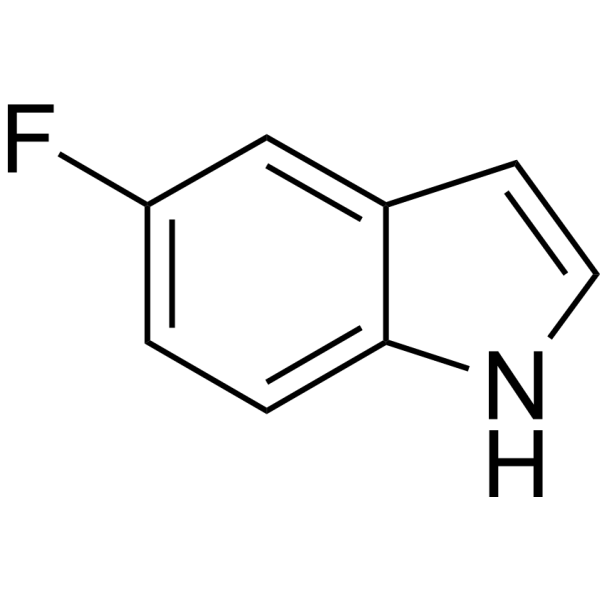
5-Fluoroindole
 0 Images
5-Fluoroindole is an orally active fluorinated indole derivative and antibacterial agent. 5-Fluoroindole induces ROS accumulation and triggers Apoptosis. 5-Fluoroindole inhibits the growth of pan-susceptible Mycobacterium tuberculosis (Mtb) H37Rv strains. 5-Fluoroindole has significant bactericidal activity against Pseudomonas syringae pv. actinidiae (Psa) with an EC50 of 15.34 μg/mL. 5-Fluoroindole introduces fluorine labeling for protein research. 5-Fluoroindole can be used in the study of tuberculosis and kiwifruit bacterial canker.
-
Flubendiamide
 0 ImagesSynonyms: NNI-0001
Flubendiamide (NNI-0001) is an orally active phthalic diamide insecticide that acts by targeting insect ryanodine receptors (RyRs), causing insect muscle dysfunction, paralysis and death. Flubendiamide disrupts molting, metamorphosis and reproductive processes, induces oxidative stress by increasing the levels of ROS/RNS, MDA and 8OHdG and decreasing the levels of SOD, CAT and GST, activates the CncC/Maf apoptosis pathway, impairs calcium homeostasis, promotes adipogenesis, increases triglyceride accumulation, and upregulates the expression of regulatory factors for adipocyte differentiation and adipogenesis.
-
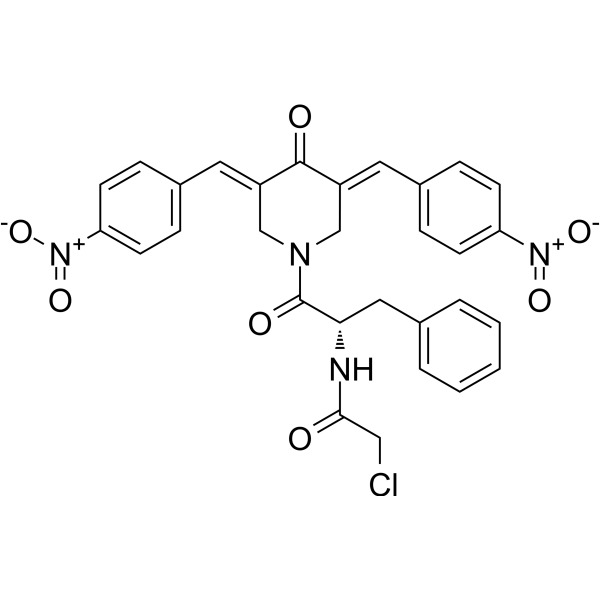
RA375
 0 Images
RA375 is a RPN13 (26S proteasome regulatory subunit) inhibitor. RA375 activates UPR signaling, ROS production and apoptosis. RA375 exhibits ten-fold greater activity against cancer lines than RA190, reflecting its nitro ring substituents and the addition of a chloroacetamide warhead.
-
Nrf2-IN-4 hydrobromide
 0 ImagesCat. No.: HY-175209APurity: 99.48%
Nrf2-IN-4 (Compound PhcY) hydrobromide is a Nrf2 inhibitor. Nrf2-IN-4 hydrobromide induces ferroptosis via NRF2 inhibition. Nrf2-IN-4 hydrobromide disrupts cellular iron homeostasis, facilitates ferritin degradation, and ultimately triggers ferroptosis. Nrf2-IN-4 hydrobromide induces lysosome activation by promoting iron-dependent ROS production and lysosomal acidification. Nrf2-IN-4 hydrobromide demonstrates significant antitumor efficacy. Nrf2-IN-4 hydrobromide can be used for the study of breast cancer.



