



Cell Function Analysiss
-
- Apoptosis Dyes (36)
- Blood Dyes (4)
- Cancer Analysis Dyes (42)
- Cell Viability Dyes (26)
- Cytotoxicity Analysis Dyes (19)
- Endocytosis and pinocytosis Dyes (12)
- Exosome Dyes (5)
- N0S Dyes (24)
- Neuroscience Analysis dyes (74)
- Nucleic Acid Dyes (102)
- PH Indicators (50)
- ROS Dyes (50)
- Other Analysis Dyes (63)
-

Fluorescent Dyes (471)
Classical products, mainly supplied as solid powder
-

FluoroStock & Ready (32)
Easy to use, provided in solution form
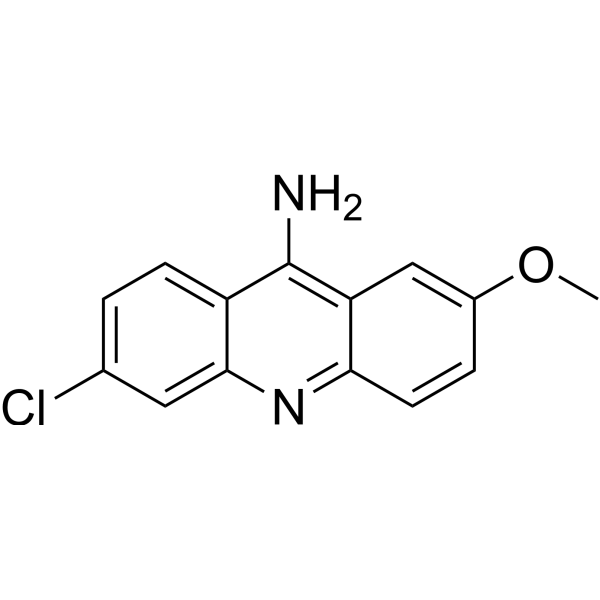
- Formula: C14H11ClN2O
- Molecular Weight: 258.70
9-Amino-6-chloro-2-methoxyacridine (ACMA) is an acridine derivative and Fluorescent probe. 9-Amino-6-chloro-2-methoxyacridine inhibits viral replication, inhibits DNA synthesis and protein metabolism through cell cycle arrest, and induces lipid metabolism regulation, genotoxicity, mutagenicity, and cytotoxicity through DNA strand breaks. 9-Amino-6-chloro-2-methoxyacridine partially intercalates into DNA, forming three distinct complexes, stabilizes the DNA helix, and quenches fluorescence upon intercalation through electron transfer with guanine. 9-Amino-6-chloro-2-methoxyacridine monitors the generation and collapse of the proton motive force, H+ pumping by F1F0-ATP synthase, and the collapse of pH gradients in inverted membrane vesicles. 9-Amino-6-chloro-2-methoxyacridine shows potent anti-BVDV activity. 9-Amino-6-chloro-2-methoxyacridine can be used for research on bovine viral diarrhea virus infection, leishmaniasis, and MRSA infection.
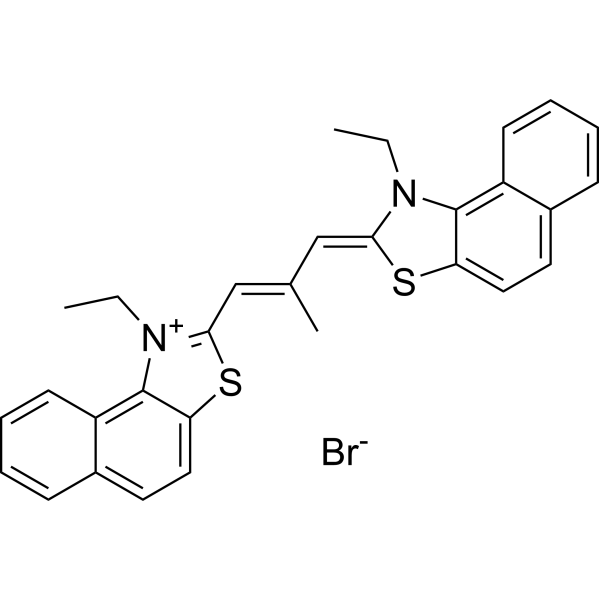
- Formula: C30H27BrN2S2
- Molecular Weight: 559.58
Stains-All, a cationic carbocyanine dye, is a convenient probe to study the structural features of the individual calcium-binding sites of calmodulin (CaM) and related calcium-binding proteins (CaBP).
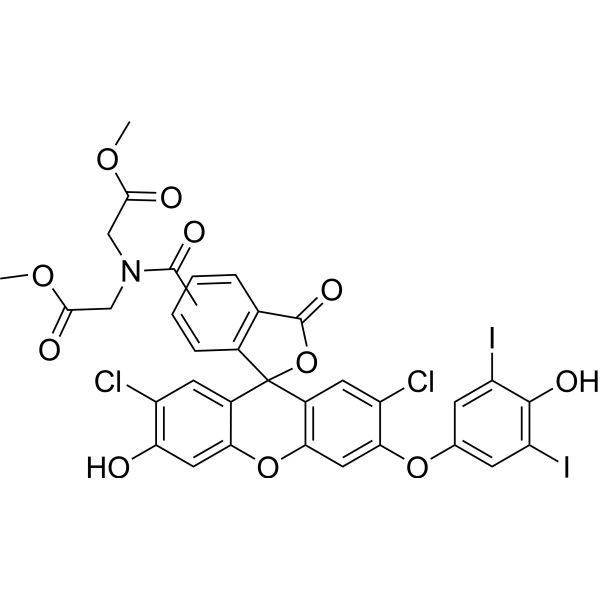
- Formula: C33H21Cl2I2NO11
- Molecular Weight: 938.28
HKOH-1r is a highly sensitive green fluorescent probe for the specific detection of ·OH in living cells with a maximum excitation wavelength and emission wavelength of 500 nm and 520 nm, respectively.
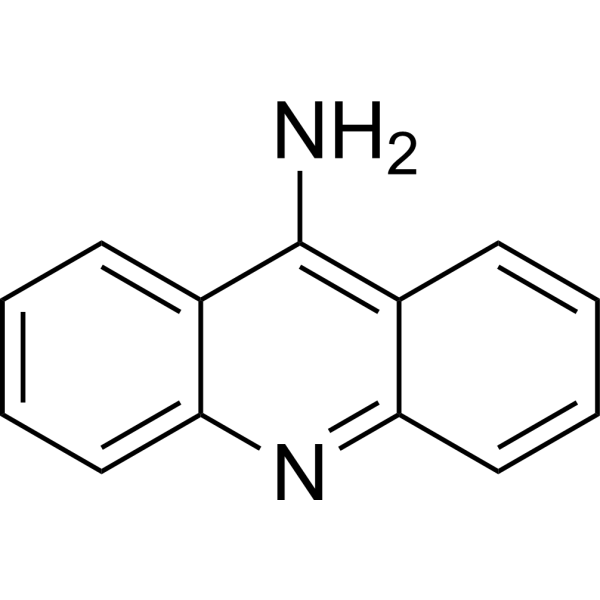
- Formula: C13H10N2
- Molecular Weight: 194.24
9-Aminoacridine, a fluorescent probe, acts as an indicator of pH for quantitative determination of transmembrane pH gradients (inside acidic). 9-Aminoacridine is an antimicrobial. 9-Aminoacridine exerts its antimicrobial activity by interacting with specific bacterial DNA and disrupting the proton motive force in K. pneumoniae. 9-Aminoacridine is a HIV-1 inhibitor and inhibits HIV LTR transcription highly dependent on the presence and location of the amino moiety. 9-Aminoacridine inhibits virus replication in HIV-1 infected cell lines. 9-Aminoacridine is used as a Rifampin (RIF; HY-B0272) adjuvant for the multidrug-resistant K. pneumoniae infections.
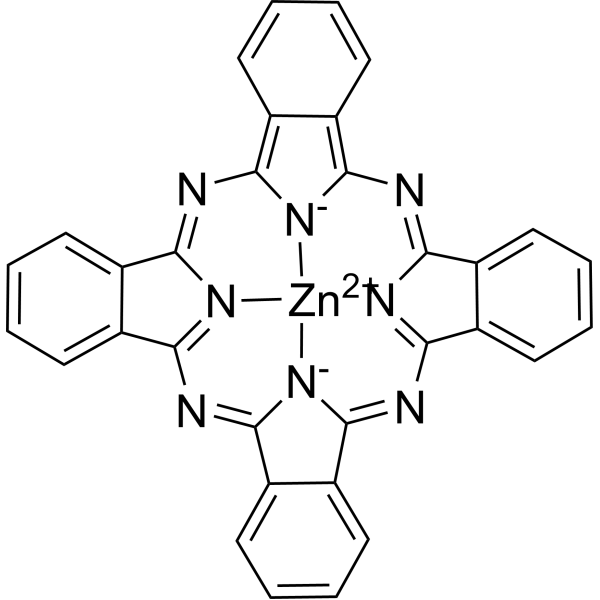
- Formula: C32H16N8Zn
- Molecular Weight: 577.90
Zinc phthalocyanine (ZnPc) is commonly applied in industry (catalysts, photoconductors) and biomedical (photodynamic therapy, PDT). Zinc phthalocyanine can be used to photooxidise cyclohexane and is promising for research of solar-cell applications.
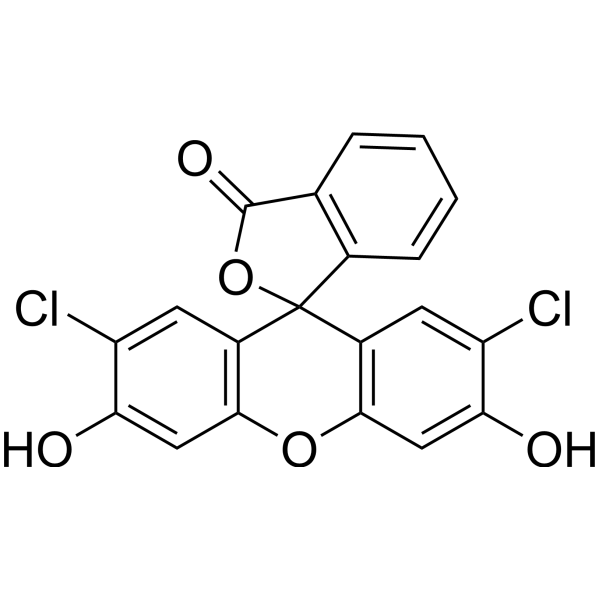
- Formula: C20H10Cl2O5
- Molecular Weight: 401.20
2',7'-Dichlorofluorescein is an important fluorescent product in the detection of oxidative stress and can be used to measure reactive oxygen species (ROS) (Ex=503 nm and Em=523 nm).
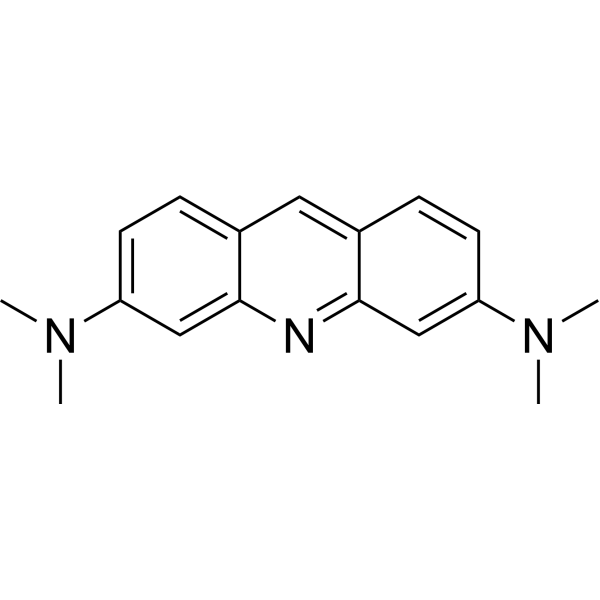
- Formula: C17H19N3
- Molecular Weight: 265.36
Acridine Orange base is a cell-permeable fluorescent dye that stains organisms (bacteria, parasites, viruses, etc.) bright orange and, when used under appropriate conditions (pH=3.5, Ex=460 nm), distinguishes human cells in green for detection by fluorescence microscopy. Acridine Orange base fluoresces green when bound to dsDNA (Ex=488, Em=520-524) and red when bound to ssDNA (Ex=457, Em=630-644) or ssRNA (Ex=457, Em=630-644), also can be used in cell cycle assays.
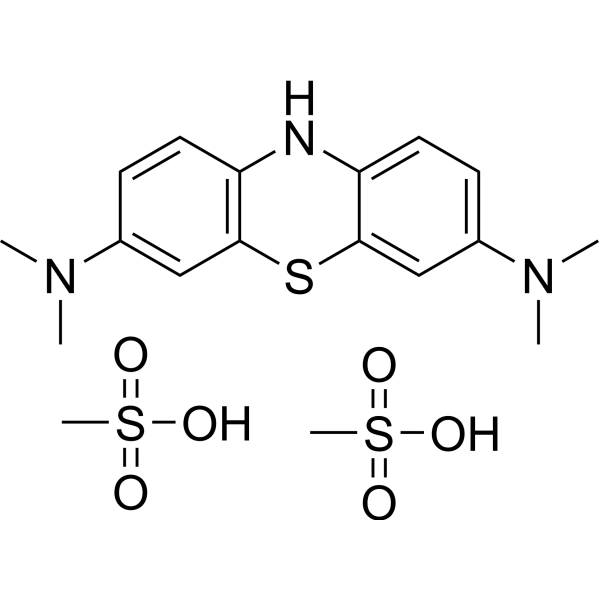
- Formula: C18H27N3O6S3
- Molecular Weight: 477.62
Leucomethylene blue (TRx0237) mesylate, an orally active second-generation tau protein aggregation inhibitor (Ki of 0.12 μM), could be used for the study of Alzheimer's Disease. Leucomethylene blue mesylate is a common reduced form of Methylene Blue, Methylene Blue is a member of the thiazine class of dyes.
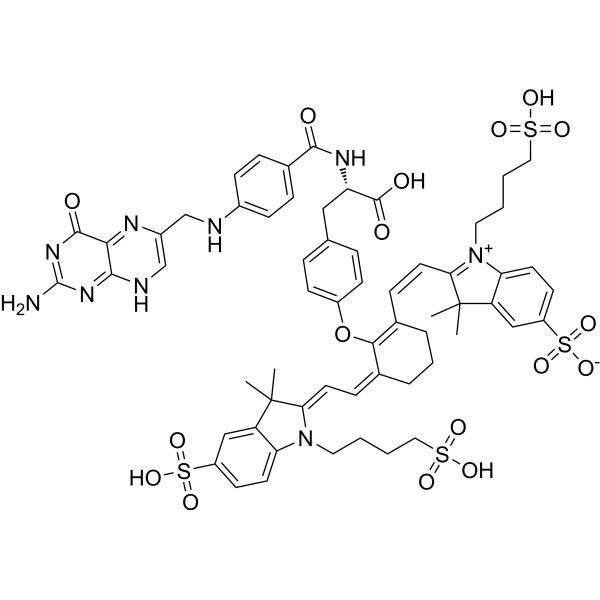
- Formula: C61H67N9O17S4
- Molecular Weight: 1326.49
Pafolacianine (OTL 38) is a fluorescent imaging agent made of near-infrared dye used in detecting tumor lesions during surgical procedures. Pafolacianine excites at 774 to 775 nm and emits at 794 to 796 nm.

- Formula: C4H4N2O2S
- Molecular Weight: 144.15
2-Thiobarbituric acid is a commonly used colorimetric reagent for the detection of malondialdehyde (MDA), a marker of lipid peroxidation. 2-Thiobarbituric acid forms a complex with MDA that can be quantified by colorimetric detection at 532 nm as a measure of lipid peroxidation.
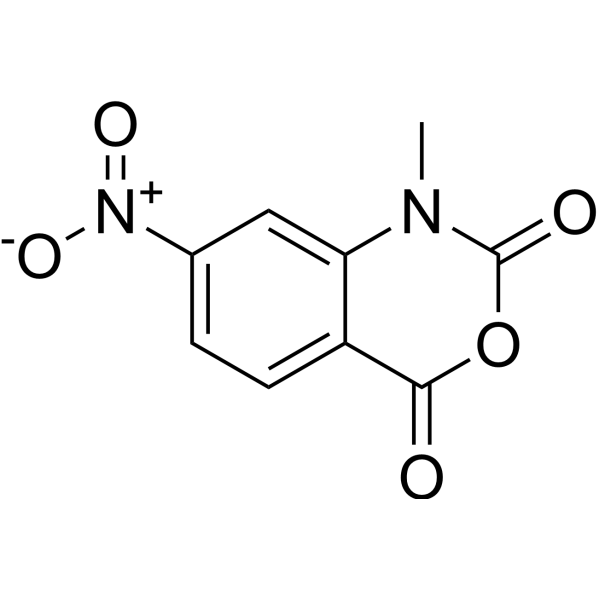
- Formula: C9H6N2O5
- Molecular Weight: 222.15
1-Methyl-7-nitroisatoic anhydride (1M7) is a reagent that detects local nucleotide flexibility, for probing 2'-hydroxyl reactivity, can be used for RNA structure analysis.
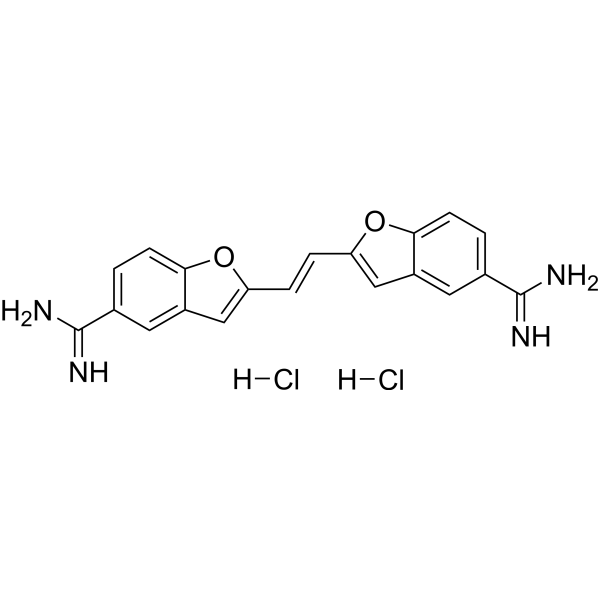
- Formula: C20H18Cl2N4O2
- Molecular Weight: 417.29
True Blue (NCI 240899) is a fluorescent dye, as neuronal retrograde tracer (excitation wavelength 395-425 nm, barrier filter 450 nm). True Blue can label neuron and has no effects on neuronal survival.
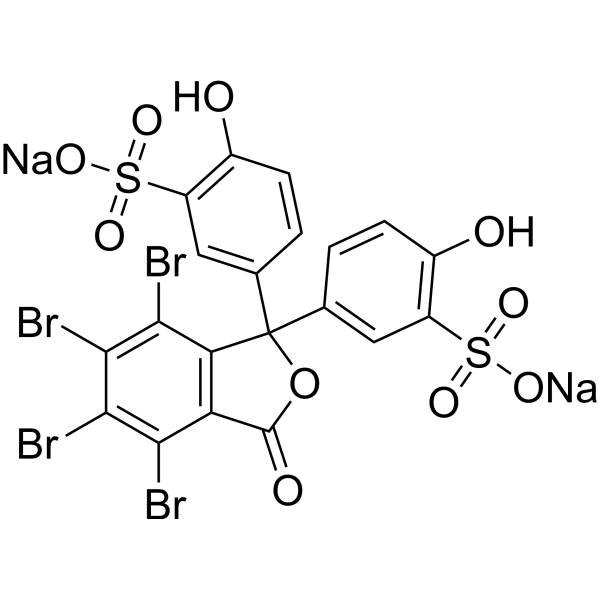
- Formula: C20H8Br4Na2O10S2
- Molecular Weight: 838.00
Sulfobromophthalein (Bromosulfophthalein) disodium salt is an organic anion dye used in the study of a variety of membrane carriers expressed in animal tissues and involved in transport of agents and metabolites.
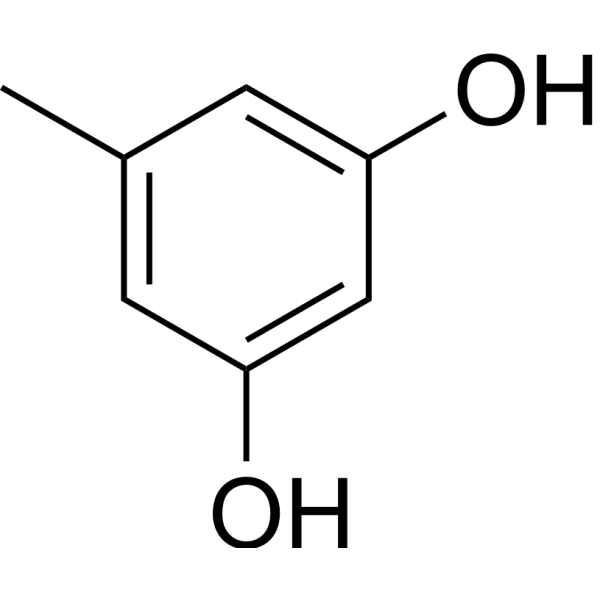
- Formula: C7H8O2
- Molecular Weight: 124.14
Orcinol (3,5-Dihydroxytoluene) is an organic compound used in biological dyeing and proteomics research. Orcinol inhibits melanogenesis in B16F10 cells by upregulating the MAPK/ERK signaling pathway, and suppresses the expression of MITF, tyrosinase (TYR), TRP1, and DCT. Orcinol exhibits certain DPPH radical scavenging activity. In addition, Orcinol can alter nitrogen balance in animals. Orcinol holds promise for research in cancer and metabolic diseases.
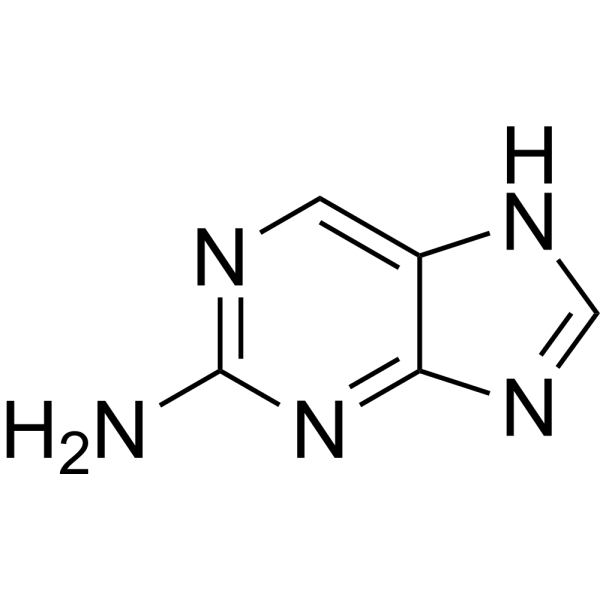
- Formula: C5H5N5
- Molecular Weight: 135.13
2-Aminopurine, a fluorescent analog of guanosine and adenosine, is a widely used fluorescence-decay-based probe of DNA structure. When 2-Aminopurine is inserted in anoligonucleotide, its fluorescence is highly quenched by stacking with the natural bases. 2-Aminopurine has been used to probe nucleic acid structure and dynamics.
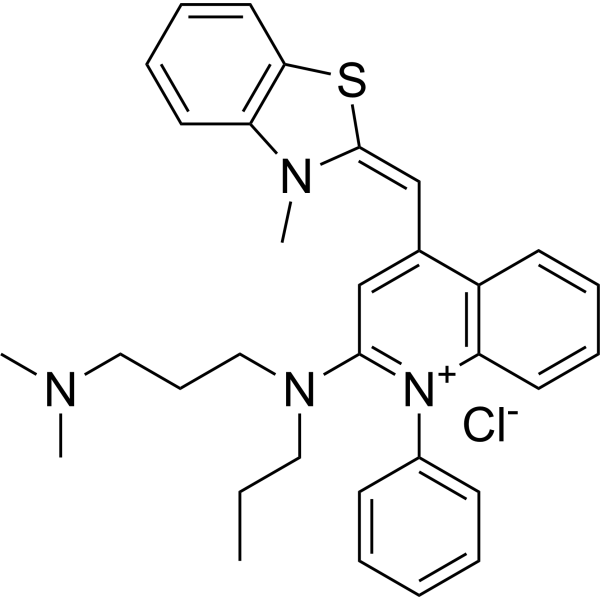
- Formula: C32H37ClN4S
- Molecular Weight: 545.18
SYBR Green I chloride is a highly sensitive fluorescent nucleic acid dye that binds specifically to the minor groove of double-stranded DNA or intercalates between base pairs. SYBR Green I chloride exhibits weak fluorescence in the unbound state but emits bright fluorescence upon binding, and it preferentially binds to large-fragment DNA and DNA with high G+C content. SYBR Green I chloride is suitable for real-time PCR technology; its fluorescence intensity correlates with the amount and size of amplification products, enabling accurate quantification of gene expression and discrimination of amplicons via melting curve analysis without additional post-processing. SYBR Green I chloride is widely used in preclinical in vitro nucleic acid detection.
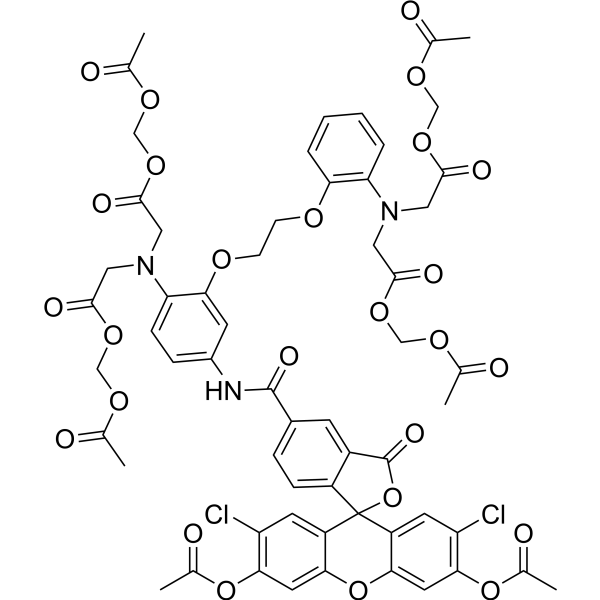
- Formula: C59H53Cl2N3O26
- Molecular Weight: 1290.96
Calcium Green 1AM is a cell-permeable fluorescent calcium indicator dye. Calcium Green 1AM detects intracellular calcium signals and reports calcium transients in spontaneously rhythmic tissues as relative fluorescence changes. Calcium Green 1AM is excited by an argon laser, captures emission light at 488 nm, and is detected using an epifluorescence illumination system on an upright microscope equipped with a fluorescein filter block.
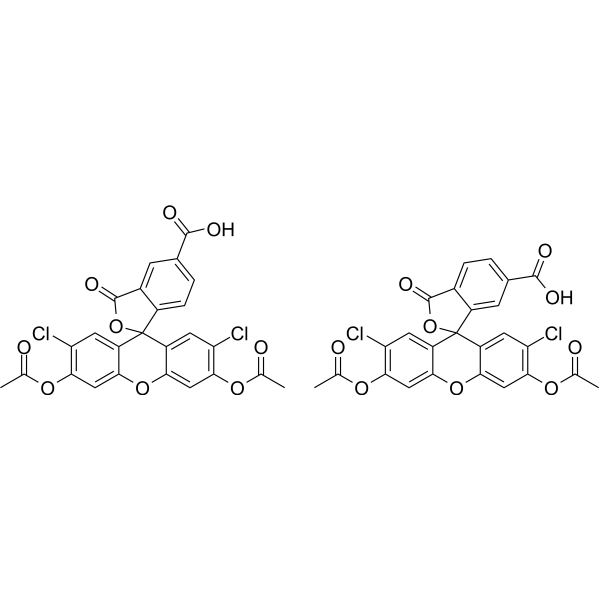
- Formula: C25H14Cl2O9
- Molecular Weight: 529.28
5 (6)-Carboxy-2',7'-dichlorofluorescein diacetate is a fluorescein-based reactive oxygen species (ROS) probe and also a MRP2 substrate. 5 (6)-Carboxy-2',7'-dichlorofluorescein diacetate serves as a substrate for intracellular esterases, which cleave its acetate groups to generate a fluorescent product capable of detecting intracellular ROS. 5 (6)-Carboxy-2',7'-dichlorofluorescein diacetate is ATP-dependent and is transported via a single MRP2 binding site; it competes with LTC4 for MRP2 binding sites and inhibits MRP2-mediated LTC4 transport (Ex/Em = 496/525 nm).
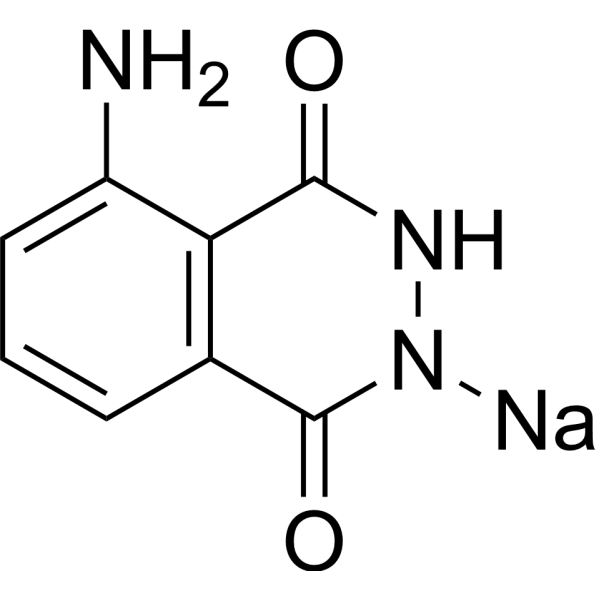
- Formula: C8H6N3NaO2
- Molecular Weight: 199.15
Luminol sodium salt is a chemical that exhibits chemiluminescence with pKa values of 6.74 and 15.1. Luminol sodium salt exhibits chemiluminescence (CL) at 425 nm λmax. Luminol sodium salt is commonly used in forensics as a diagnostic tool for the detection of blood stains.
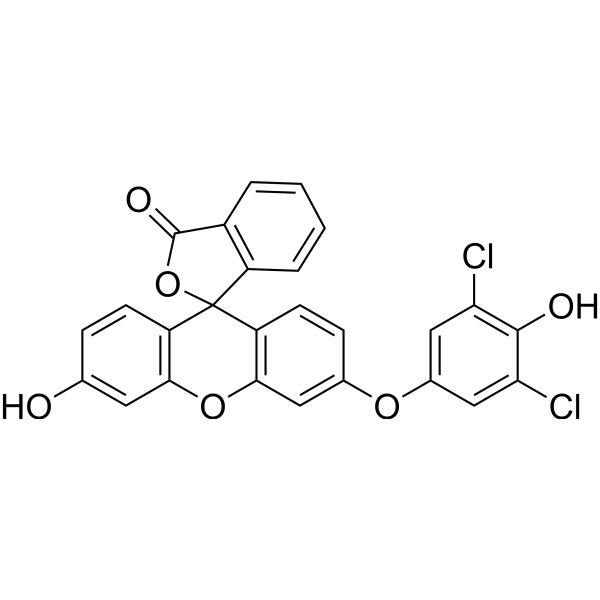
- Formula: C26H14Cl2O6
- Molecular Weight: 493.29
HKOCl-3 is a highly sensitive and selective fluorescent probe for detecting hypochlorous acid.Ex: 490 nm; Em 527 nm.



