844 Results for "

amino acid synthesis

" in MedChemExpress (MCE) Product Catalog:
Products (844)

844 Results for "amino acid synthesis" in MCE Product Catalog:

29
29 Publications Verification
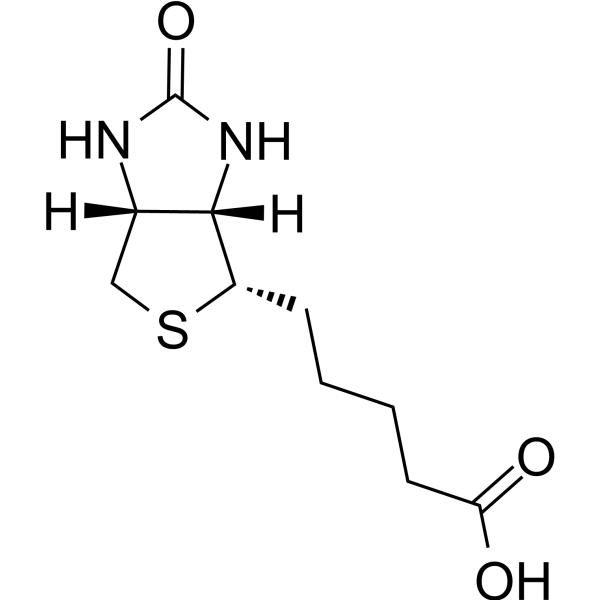
Cat. No.: HY-B0511
CAS No.: 58-85-5
Synonyms: Vitamin B7; Vitamin H; D-Biotin
Biotin, vitamin B7 and serves as a coenzyme for five carboxylases in humans, involved in the synthesis of fatty acids, isoleucine, and valine, and in gluconeogenesis. Biotin is necessary for cell growth, the production of fatty acids, and the metabolism of fats and amino acids .
loading...
    loading...
20
20 Cited Publications
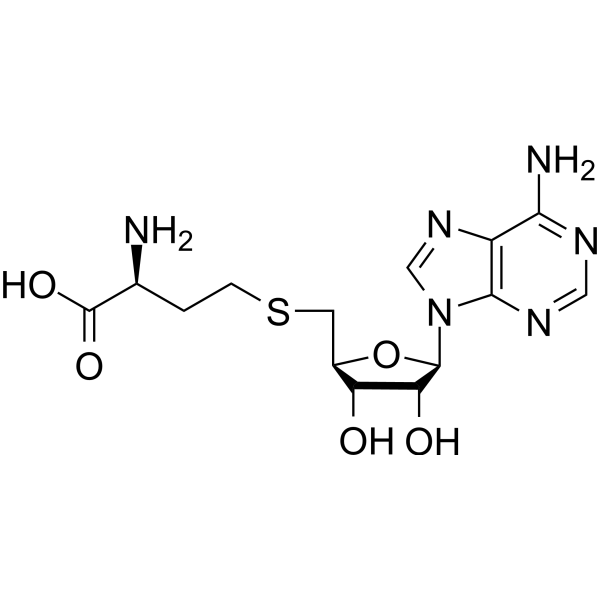
Cat. No.: HY-19528
CAS No.: 979-92-0
Synonyms: SAH (S-Adenosylhomocysteine)
SAH (S-Adenosylhomocysteine) is an amino acid derivative and a modulartor in several metabolic pathways. It is an intermediate in the synthesis of cysteine and adenosine . SAH is an inhibitor for METTL3-METTL14 heterodimer complex (METTL3-14) with an IC50 of 0.9 µM .
loading...
    loading...
13
13 Cited Publications
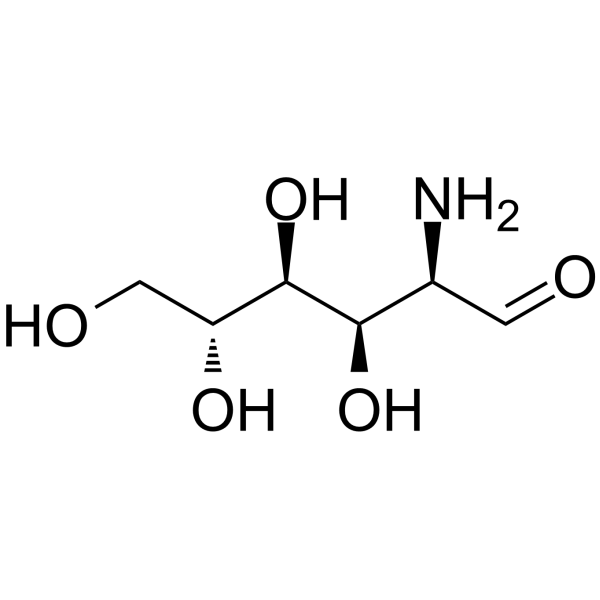
Cat. No.: HY-B1125
CAS No.: 3416-24-8
Synonyms: D-Glucosamine; Chitosamine
Glucosamine (D-Glucosamine) is an amino sugar and a prominent precursor in the biochemical synthesis of glycosylated proteins and lipids, is used as a dietary supplement. Glucosamine also is a natural constituent of glycosaminoglycans in the cartilage matrix and synovial fluid, which when administered exogenously, exerts pharmacological effects on osteoarthritic cartilage and chondrocytes .
loading...
    loading...
13
13 Cited Publications
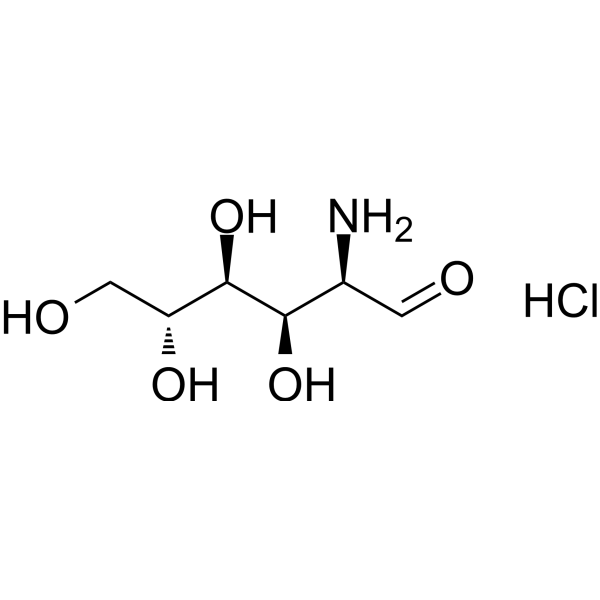
Cat. No.: HY-N0733
CAS No.: 66-84-2
Synonyms: D-(+)-Glucosamine hydrochloride; Chitosamine hydrochloride
Glucosamine hydrochloride (D-Glucosamine hydrochloride) is an amino sugar and a prominent precursor in the biochemical synthesis of glycosylated proteins and lipids, is used as a dietary supplement. Glucosamine hydrochloride also is a natural constituent of glycosaminoglycans in the cartilage matrix and synovial fluid, which when administered exogenously, exerts pharmacological effects on osteoarthritic cartilage and chondrocytes .
loading...
    loading...
13
13 Cited Publications
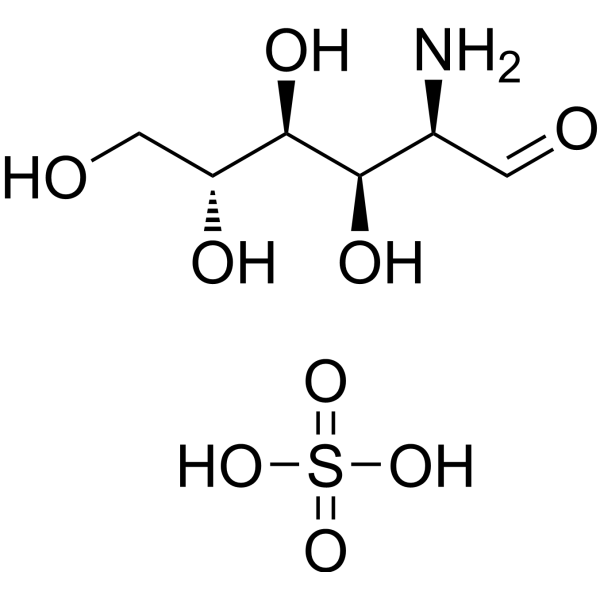
Cat. No.: HY-N0487
CAS No.: 29031-19-4
Synonyms: D-Glucosamine sulfate
Glucosamine sulfate (D-Glucosamine sulfate) is an amino sugar and a prominent precursor in the biochemical synthesis of glycosylated proteins and lipids, is used as a dietary supplement. Glucosamine sulfate also is a natural constituent of glycosaminoglycans in the cartilage matrix and synovial fluid, which when administered exogenously, exerts pharmacological effects on osteoarthritic cartilage and chondrocytes .
loading...
    loading...
13
13 Cited Publications
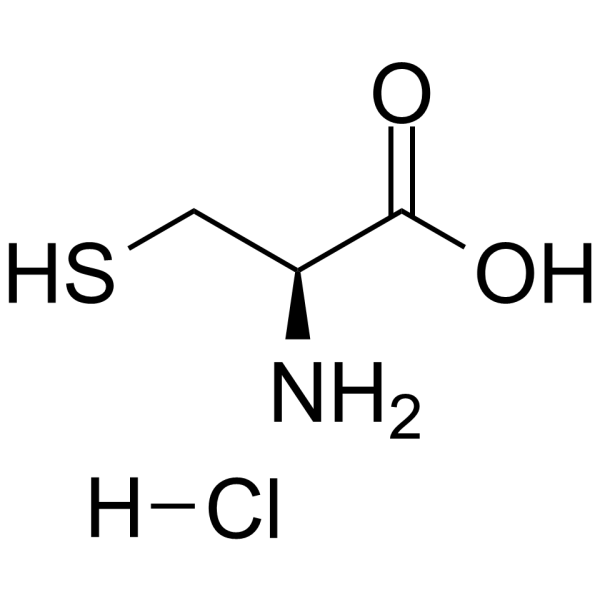
Cat. No.: HY-Y0337A
CAS No.: 52-89-1
L-Cysteine hydrochloride is an orally active conditionally essential amino acid, which acts as a precursor for biologically active molecules such as hydrogen sulphide (H2S), glutathione and taurine. L-Cysteine hydrochloride suppresses ghrelin and reduces appetite in rodents. L-Cysteine hydrochloride inhibits Aspergillus flavus growth and AFB synthesis by disrupting cell structure and antioxidant system balance. L-Cysteine hydrochloride enhances relaxant responses of rat aortic rings to NO and reduces responses to endothelium-derived relaxing factor (EDRF) .
loading...
    loading...
10
10 Cited Publications
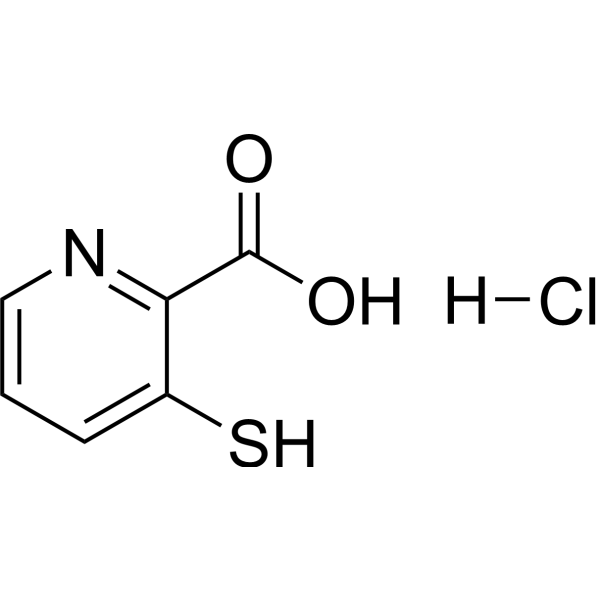
Cat. No.: HY-128923
CAS No.: 320386-54-7
Purity:  96.35%
Synonyms: 3-Mercaptopicolinic acid hydrochloride; 3-MPA hydrochloride
Target:  

PEPCK

Research Areas:  

Metabolic Disease

SKF-34288 (3-Mercaptopicolinic acid) hydrochloride is an orally active phosphoenolpyruvate carboxykinase (PEPCK) inhibitor (Ki: 2-9 μM). SKF-34288 hydrochloride is a potent hypoglycemic agent by inhibiting glucose synthesis. SKF-34288 hydrochloride also inhibits Asn metabolism and increases amino acids and amides .
loading...
    loading...
9
9 Cited Publications
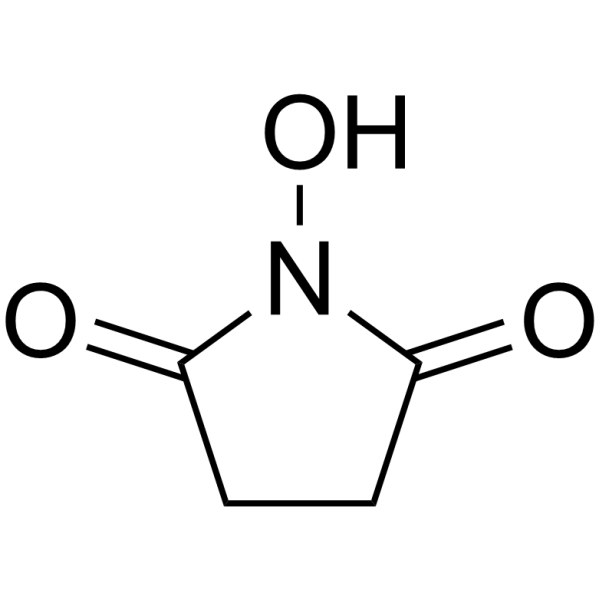
Cat. No.: HY-Y0623
CAS No.: 6066-82-6
Synonyms: HOSu; 1-Hydroxy-2,5-pyrrolidinedione
N-Hydroxysuccinimide (HOSu; 1-Hydroxy-2,5-pyrrolidinedione) is a covalent crosslinker commonly used in bioconjugation technology with a primary amine group. N-Hydroxysuccinimide reacts with amino groups (-NH2) to form a stable amide bond, which can modify amino-containing biomolecules. N-Hydroxysuccinimide can be used, for example, for protein labeling with fluorescent dyes and enzymes, surface activation of chromatography supports, microbeads, nanoparticles and microarray slides, and chemical synthesis of peptides. N-Hydroxysuccinimide has a wide range of applications in biomaterial synthesis (such as collagen, chitosan crosslinking), drug delivery systems (such as hydrogel preparation) and tissue engineering .
loading...
    loading...
7
7 Cited Publications
Cat. No.: HY-113596
CAS No.: 102029-73-2
Purity:  99.22%
Synonyms: Acetyl-CoA trisodium
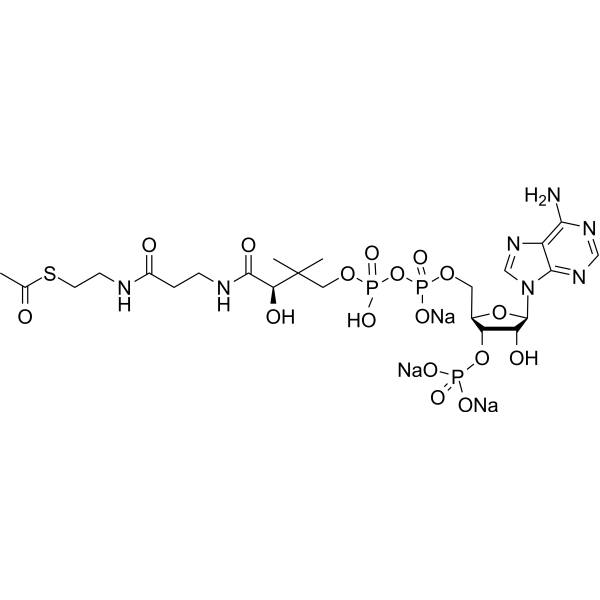
Acetyl-coenzyme A (Acetyl-CoA) trisodium is a membrane-impermeant central metabolic intermediate, participates in the TCA cycle and oxidative phosphorylation metabolism. Acetyl-coenzyme A trisodium, regulates various cellular mechanisms by providing (sole donor) acetyl groups to target amino acid residues for post-translational acetylation reactions of proteins. Acetyl Coenzyme A trisodium is also a key precursor of lipid synthesis .
loading...
    loading...
7
7 Cited Publications
Cat. No.: HY-113596A
CAS No.: 32140-51-5
Purity:  97%
Synonyms: Acetyl-CoA lithium
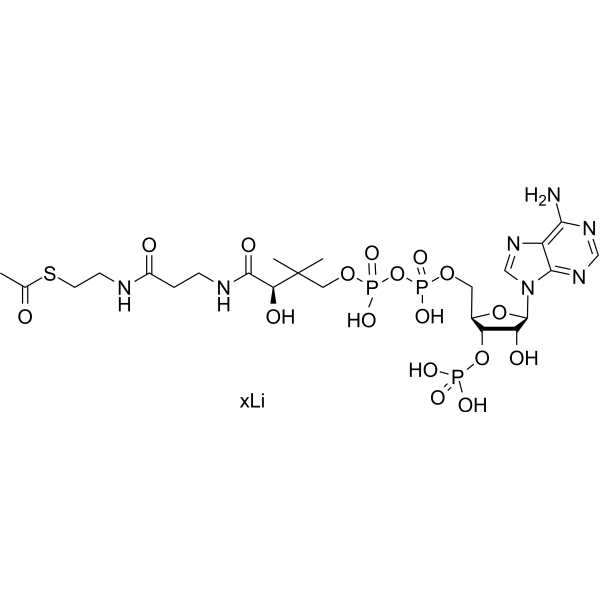
Acetyl-coenzyme A (Acetyl-CoA) lithium is a membrane-impermeant central metabolic intermediate, participates in the TCA cycle and oxidative phosphorylation metabolism. Acetyl-coenzyme A lithium, regulates various cellular mechanisms by providing (sole donor) acetyl groups to target amino acid residues for post-translational acetylation reactions of proteins. Acetyl Coenzyme A lithium is also a key precursor of lipid synthesis .
loading...
    loading...
5
5 Cited Publications
Cat. No.: HY-N0667
CAS No.: 70-47-3
Synonyms: (-)-Asparagine; Asn; Asparamide
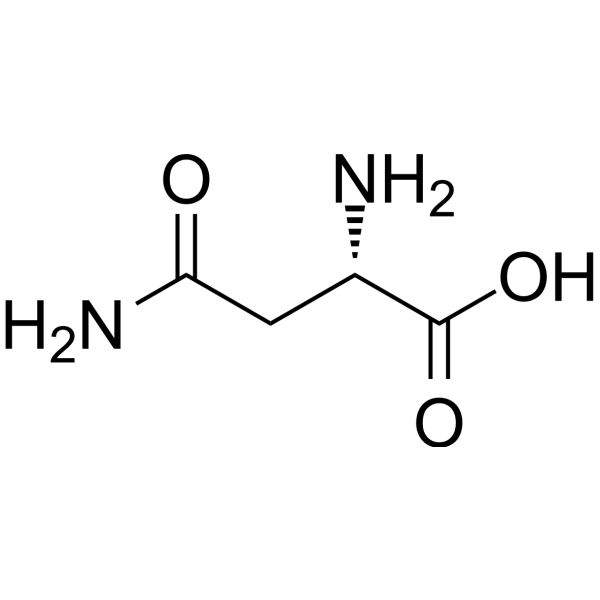
L-Asparagine is an essential amino acid for leukemic cells and a substrate for L-Asparaginase. L-Asparaginase is a potent anti-leukemic enzyme that promotes asparagine (Asn) and glutamine (Gln) depletion and inhibits protein biosynthesis in lymphoblasts. Removal of L-asparagine from plasma by L-Asparaginase results in inhibition of RNA and DNA synthesis and subsequent apoptosis. L-Asparaginase has cell-killing ability in vitro and in vivo, and selectively inhibits the growth of cancer cells with low asparagine synthetase (AASNS) expression. L-Asparagine can be used as a biomarker and sensor for the study of childhood acute lymphoblastic leukemia .
loading...
    loading...
5
5 Cited Publications
Cat. No.: HY-W017443
CAS No.: 5794-13-8
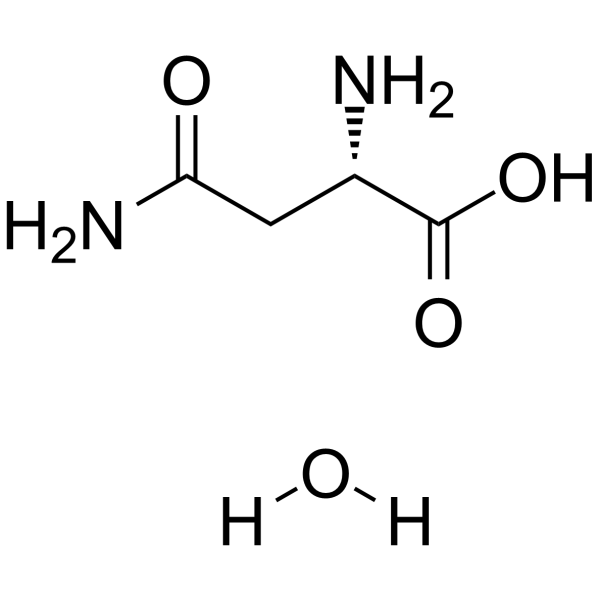
L-Asparagine monohydrate is an essential amino acid for leukemic cells and a substrate for L-Asparaginase. L-Asparaginase is a potent anti-leukemic enzyme that promotes asparagine (Asn) and glutamine (Gln) depletion and inhibits protein biosynthesis in lymphoblasts. Removal of L-asparagine from plasma by L-Asparaginase results in inhibition of RNA and DNA synthesis and subsequent apoptosis. L-Asparaginase has cell-killing ability in vitro and in vivo, and selectively inhibits the growth of cancer cells with low asparagine synthetase (AASNS) expression. L-Asparagine monohydrate can be used as a biomarker and sensor for the study of childhood acute lymphoblastic leukemia .
loading...
    loading...
4
4 Cited Publications
Cat. No.: HY-B1306
CAS No.: 61-78-9
Synonyms: p-aminohippuric acid
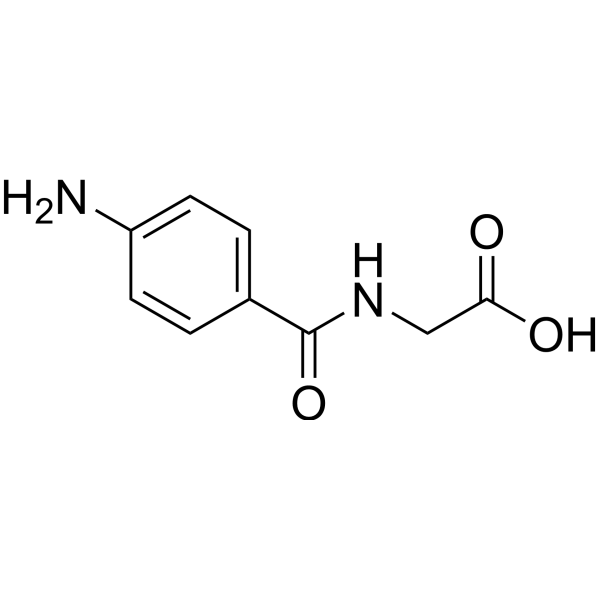
4-Aminohippuric acid (p-Aminohippuric acid) is a coordination ligand for metal ions (such as Cu 2+, Fe 3+, Hg 2+) and a functionalization reagent for nanomaterials. 4-Aminohippuric acid can coordinate with metal ions or modify the surface of materials such as carbon nanotubes and gold nanoparticles through amino and carboxyl groups. 4-Aminohippuric acid can form stable complexes with metal ions or participate in the synthesis of nanomaterials as a reducing agent/stabilizer, enriching metal ions or giving nanoparticles peroxidase-mimicking activity. 4-Aminohippuric acid can be used to construct highly sensitive electrochemical sensors or colorimetric sensors to detect and quantitatively analyze heavy metal ions such as copper, iron, and mercury in environmental water samples and biological samples. 4-Aminohippuric acid may also be a biomarker for attention-deficit/hyperactivity disorder (ADHD) .
loading...
    loading...
2
2 Cited Publications
Cat. No.: HY-W010382
CAS No.: 328-42-7
Synonyms: 2-Oxosuccinic acid
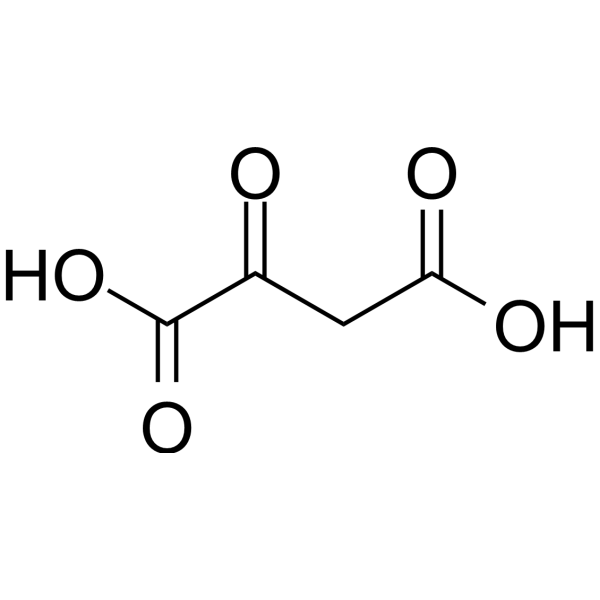
Oxaloacetic acid (2-Oxosuccinic acid) is a metabolic intermediate involved in several ways, such as citric acid cycle, gluconeogenesis, the urea cycle, the glyoxylate cycle, amino acid synthesis, and fatty acid synthesis, whereby Oxaloacetic acid facilitates the clearance of reactive oxygen species (ROS) and improves mitochondrial function .
loading...
    loading...
2
2 Cited Publications
Cat. No.: HY-B1122
CAS No.: 339-72-0
Synonyms: (S)-Cycloserine; (S)-4-amino-3-isoxazolidone
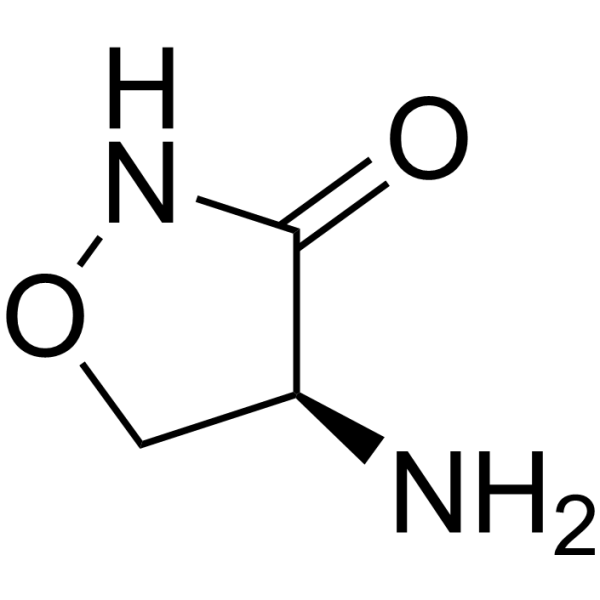
L-Cycloserine ((S)-4-Amino-3-isoxazolidone) is an oral inhibitor of the enzyme gamma-aminobutyric acid (GABA) transaminase (GABA-t) and branched-chain transaminases in Mycobacterium tuberculosis. L-Cycloserine has anticonvulsant properties and inhibits the synthesis of neurotensin in mouse brains .
loading...
    loading...
2
2 Cited Publications
Cat. No.: HY-140345
CAS No.: 98891-36-2
Purity:  ≥98.0%
Target:  

PROTAC Linkers

Research Areas:  

Cancer

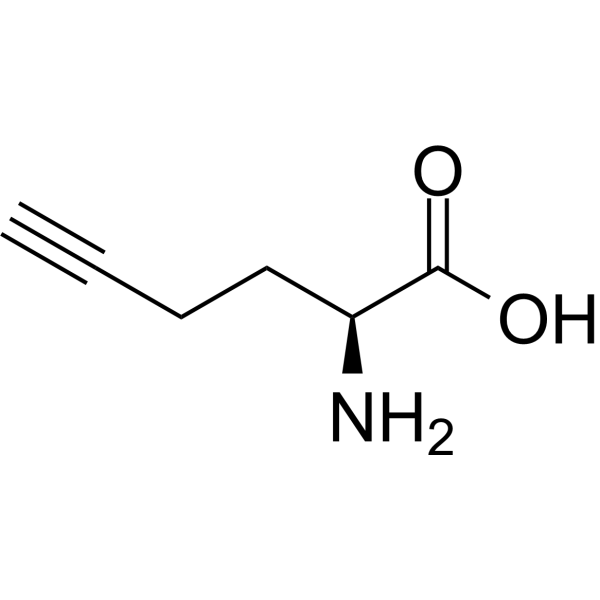
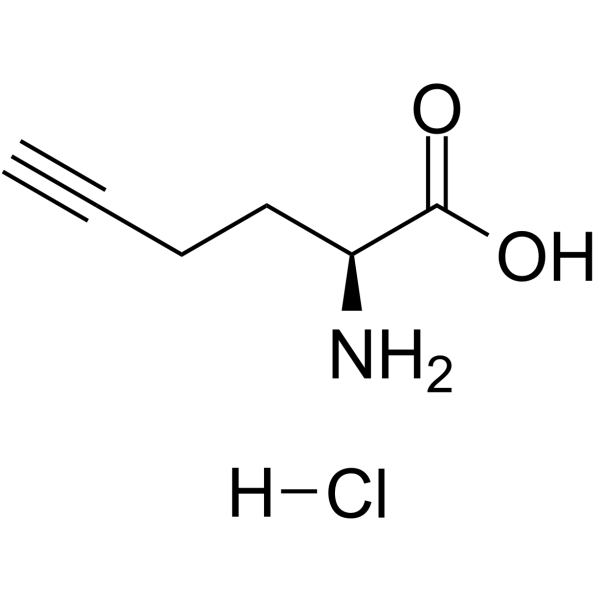
L-Homopropargylglycine is an alkyl chain-based PROTAC linker that can be used in the synthesis of PROTACs. L-homopropargylglycine is an amino acid analog of methionine containing an alkyne moiety that can undergo a classic click chemical reaction with azide containing Alexa Fluor .
loading...
    loading...
2
2 Cited Publications
Cat. No.: HY-140345A
CAS No.: 942518-19-6
Purity:  ≥98.0%
Target:  

PROTAC Linkers

Research Areas:  

Cancer

L-Homopropargylglycine hydrochloride is an alkyl chain-based PROTAC linker that can be used in the synthesis of PROTACs. L-homopropargylglycine hydrochloride is an amino acid analog of methionine containing an alkyne moiety that can undergo a classic click chemical reaction with azide containing Alexa Fluor .
loading...
    loading...
2
2 Cited Publications
Cat. No.: HY-W014971
CAS No.: 343-94-2
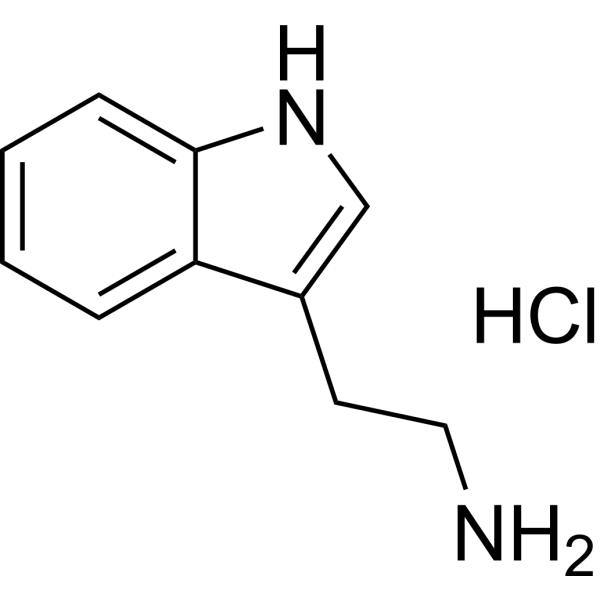
Tryptamine hydrochloride belongs to the class of indole alkaloids and is a derivative of the amino acid tryptophan. Tryptamine hydrochloride is psychoactive and acts as a neurotransmitter in the body, affecting mood, perception and cognition. In its hydrochloride form, Tryptamine hydrochloride hydrochloride, it is commonly used as a research chemical and as a starting material for the synthesis of other organic compounds. It can also occur naturally in certain plants and animals, including fungi and mammals. Due to the psychoactive properties of Tryptamine hydrochloride and its derivatives, its use and possession are controlled substances in many countries.
loading...
    loading...
2
2 Cited Publications
Cat. No.: HY-P1925A
CAS No.: 1222186-26-6
Research Areas:  

Cancer

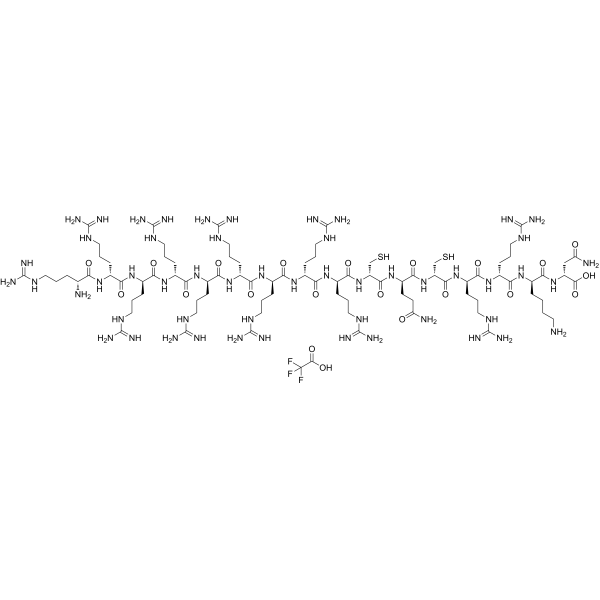
GO-203 TFA is a potent MUC1-C oncoprotein inhibitor. GO-203 TFA is an all D-amino acid peptide that consists of a poly-R transduction domain linked to a CQCRRKN motif that binds to the MUC1-C cytoplasmic tail and blocks MUC1-C homodimerization. GO-203 TFA downregulates TIGAR (TP53-induced glycolysis and apoptosis regulator) protein synthesis by inhibiting the PI3K-AKT-S6K1 pathway. GO-203 TFA induces the production of ROS and loss of mitochondrial transmembrane potential. GO-203 TFA inhibits the growth of colon cancer cells in vitro and as xenografts in nude mice .
loading...
    loading...
2
2 Cited Publications
Cat. No.: HY-P5712
CAS No.: 113-73-5
Synonyms: Gramicidin soviet
Research Areas:  

Infection

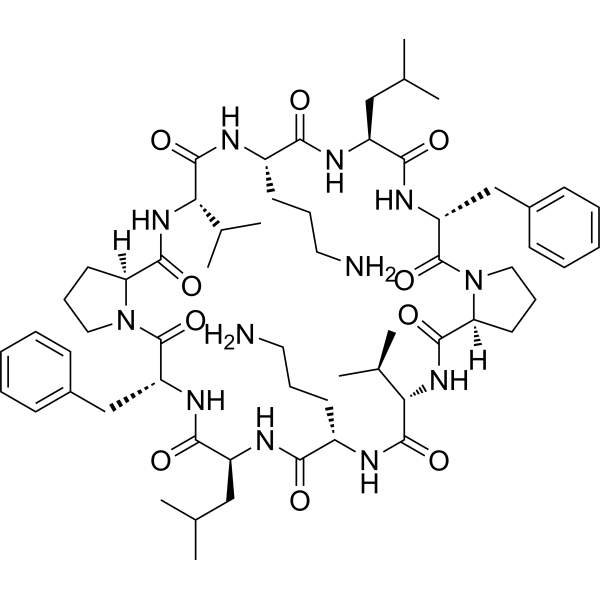
Gramicidin S (Gramicidin soviet) is a cationic cyclic peptide antibiotic that selectively targets bacterial cell membranes and has anticancer activity. Gramicidin S also exerts antibacterial activity by destroying membrane integrity and interfering with membrane protein function. Gramicidin S inserts into the phospholipid bilayer through hydrophobic amino acid residues, specifically binds to negatively charged membrane lipids and disrupts membrane structure, thereby inhibiting cell division and cell wall synthesis, and ultimately causing bacterial death. Gramicidin S also inhibits ion channels, with IC50s of 41 μM, 24 μM, and 3 μM for Na +/K +-ATPase, tobacco leaf plasma membrane Mg 2+/K +-ATPase, and rat heart plasma membrane Ca 2+-ATPase, respectively .
loading...
    loading...

