
1. Search Result
Search Result
Results for "

colonic cancer

" in MedChemExpress (MCE) Product Catalog:

151

Inhibitors & Agonists

1

Screening Libraries

2

Fluorescent Dyes

1

Biochemical Assay Reagents

2

Peptides

1

Inhibitory Antibodies

15

Natural
Products

2

Isotope-Labeled Compounds

1

GMP Molecules

Targets Recommended:
Cat. No. Product Name Target Research Areas Chemical Structure
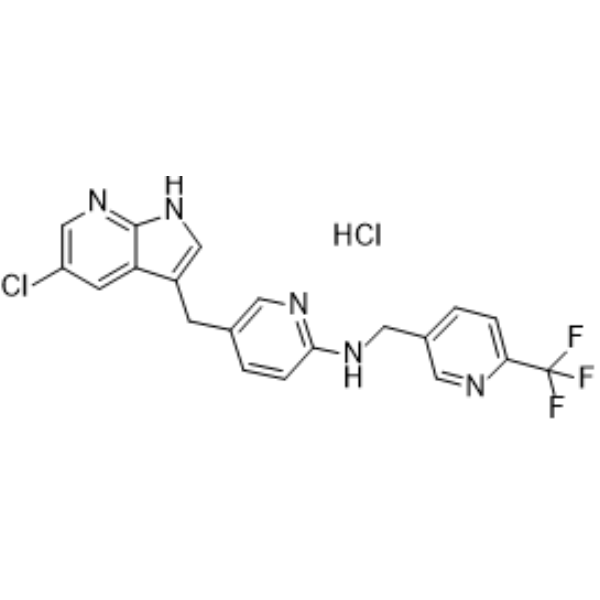
  • HY-16749A
    Pexidartinib hydrochloride
    Maximum Cited Publications
    145 Publications Verification

    PLX-3397 hydrochloride

    c-Fms c-Kit Apoptosis Cancer
    Pexidartinib hydrochloride (PLX-3397 hydrochloride) is a potent, orally active, selective, and ATP-competitive colony stimulating factor 1 receptor (CSF1R or M-CSFR) and c-Kit inhibitor, with IC50s of 20 and 10 nM, respectively. Pexidartinib hydrochloride exhibits 10- to 100-fold selectivity for c-Kit and CSF1R over other related kinases. Pexidartinib hydrochloride induces cell apoptosis and has anti-cancer activity .
    Pexidartinib hydrochloride
  • HY-159607

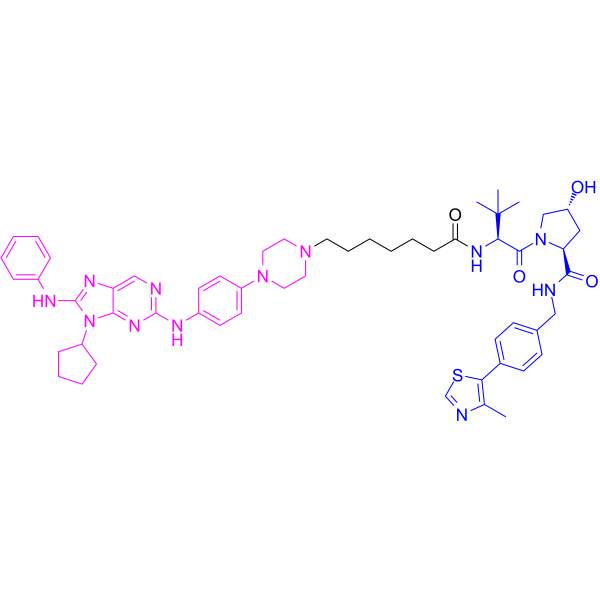
    PROTACs SWI/SNF Complex Cancer
    PRT3789 is a selective SMARCA2 PROTAC degrader (DC50 in HeLa cell: 0.72 nM for SMARCA2, 14 nM for SMARCA4). PRT3789 forms a stable ternary complex with Von Hippel-Lindau (VHL) E3 ligase, induces polyubiquitination at SMARCA2-specific lysine residues, and drives proteasome-dependent SMARCA2 degradation. PRT3789 disrupts SWI/SNF chromatin remodeling complex integrity, induces dissociation of specific subunits, suppresses oncogenic gene expression, reduces chromatin accessibility, and upregulates antigen processing/presentation-related gene expression. PRT3789 induces synthetic lethality, inhibits proliferation and colony formation, and drives tumor growth inhibition and regression in SMARCA4-deficient contexts. PRT3789 can be used for the research of SMARCA4-mutated solid tumors, non-small cell lung cancer, endometrial cancer, colorectal cancer, bladder cancer, esophageal cancer, ovarian cancer, and gastric cancer .
    PRT3789
  • HY-14933
    Prinaberel
    3 Publications Verification

    ERB-041

    Estrogen Receptor/ERR Wnt Apoptosis Cancer
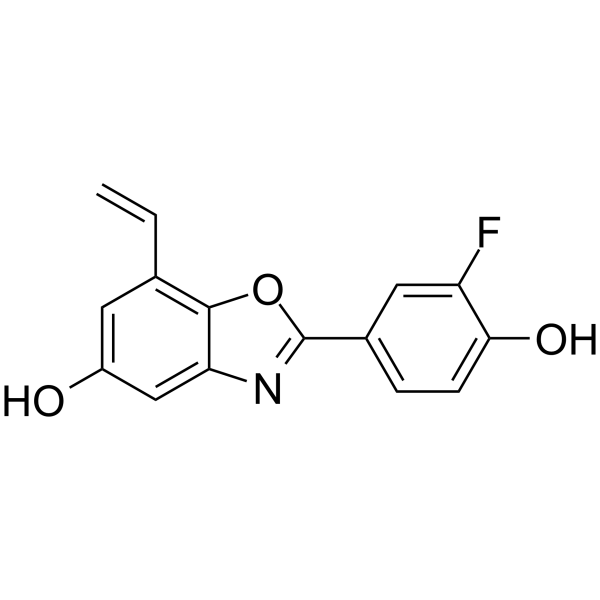
    Prinaberel (ERB-041) is a potent and selective estrogen receptor (ER) β agonist with IC50s of 5.4, 3.1 and 3.7 nM for human, rat and mouse ERβ, respectively. Prinaberel displays >200-fold selectivity for ERβ over ERα. Prinaberel is a potent skin cancer chemopreventive agent that acts by dampening the WNT/β-catenin signaling pathway. Prinaberel induces ovarian cancer apoptosis .
    Prinaberel
  • HY-155008
    PROTAC HK2 Degrader-1
    2 Publications Verification

    PROTACs Hexokinase Cancer
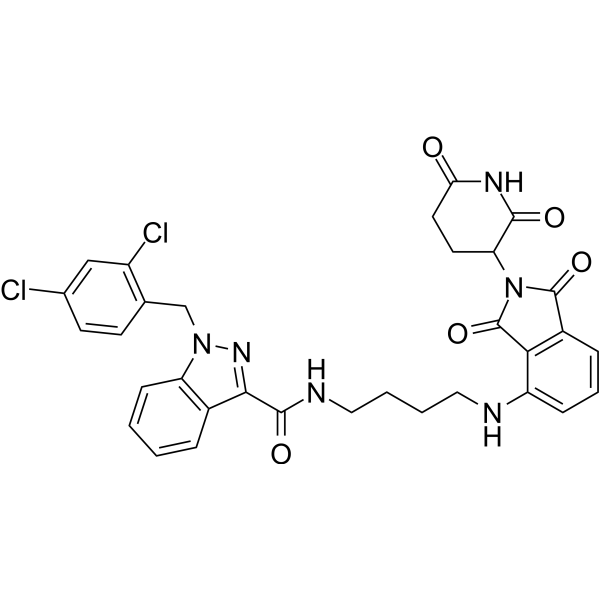
    PROTAC HK2 Degrader-1 is a PROTAC consisting of Lonidamine (HY-B0486) as a target protein Hexokinase 2 (HK2) inhibitor and Thalidomide (HY-14658) as a CRBN ligand-linked PROTAC. PROTAC HK2 Degrader-1 selectively inhibits the proliferation of breast cancer cells by forming a ternary complex through the ubiquitin-proteasome system to degrade Hexokinase 2 (HK2) protein leading to mitochondrial damage and cell death. PROTAC HK2 Degrader-1 effectively inhibits breast tumor growth and reduces the colonic side effects of cisplatin for breast cancer research .
    PROTAC HK2 Degrader-1
  • HY-W008634
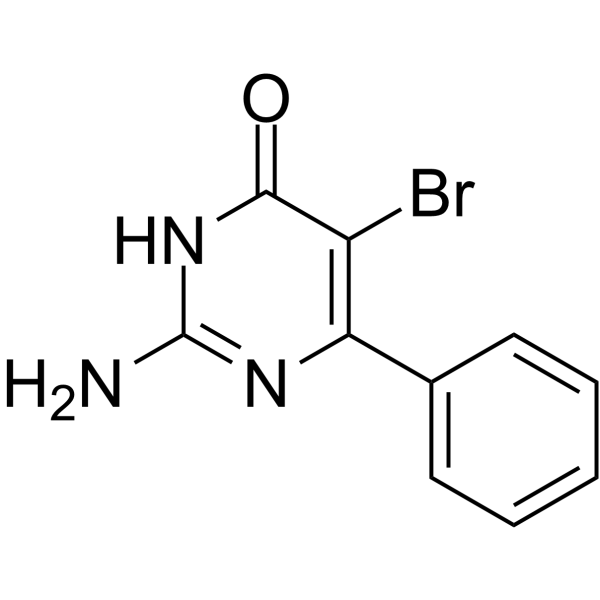
    Bropirimine
    2 Publications Verification

    U-54461; U-54461S; PNU-54461

    Toll-like Receptor (TLR) Cancer
    Bropirimine (U-54461; U-54461S; PNU-54461) is an orally active TLR7 agonist. Bropirimine inhibits RANKL-induced osteoclast differentiation of mouse bone marrow-derived macrophages (BMMs). Bropirimine exhibits dose-dependent direct inhibitory effects on colony formation of cultured KK-47 and 724 cells. Bropirimine can be used for the study of cancers and bone metabolic disorders such as osteoporosis .
    Bropirimine
  • HY-161117

    RSV Cancer
    AD-8007 is an acetyl CoA synthase 2 (ACSS2) inhibitor that can cross the blood-brain barrier. AD-8007 can significantly reduce lipid storage and cell colony formation in vitro models, and increase tumor cell death. AD-8007 has anti-cancer activity and can be used in the research of breast cancer .
    AD-8007
  • HY-19345A

    NSC13316 dihydrochloride

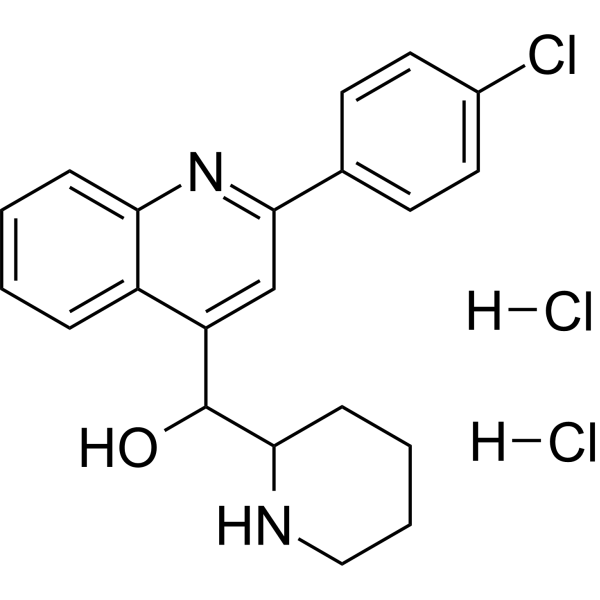
    p38 MAPK Neurological Disease Cancer
    Vacquinol-1 (NSC13316) dihydrochloride is a MKK4-specific activator that activates the MAPK pathway. Vacquinol-1 dihydrochloride inhibits the growth, migration and colony formation, and induces apoptosis of cancer cells. Vacquinol-1 dihydrochloride is applicable to research related to cancers such as hepatocellular carcinoma .
    Vacquinol-1 dihydrochloride
  • HY-168566

    HSP Cancer
    EV206 is a Hsp70 binder and apoptosis inducer that binds to the N-terminal domain of Hsp70, promotes Hsp70 degradation via the ubiquitin-proteasome system, and reduces Hsp70 protein stability. EV206 induces apoptotic cell death, inhibits colony formation, and downregulates the expression of cancer stem cell-related markers in non-small cell lung cancer cells. EV206 inhibits the growth of H460 xenograft tumors in nude mice and can be used for the research of non-small cell lung cancer .
    EV206
  • HY-N0597
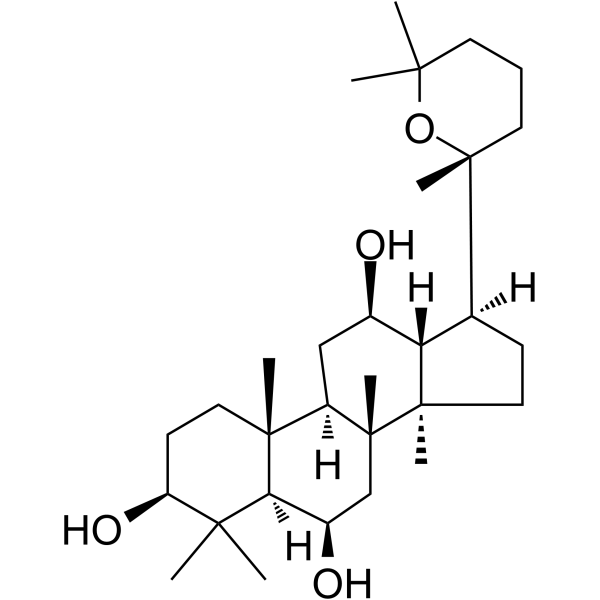
    Panaxatriol
    3 Publications Verification

    Others Insulin Receptor Cardiovascular Disease Others Metabolic Disease Cancer
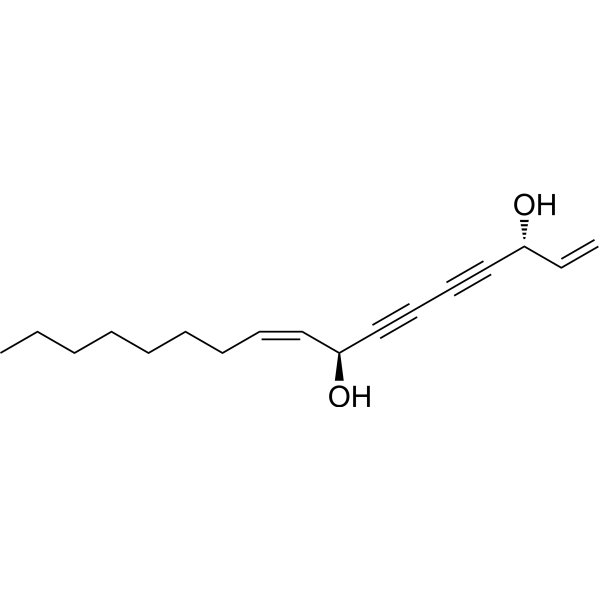
    Panaxatriol is an orally active insulin sensitizer. Panaxatriol enhances the phosphorylation levels of Akt, insulin receptor and p70S6K in skeletal muscle. Panaxatriol reduces the mRNA expression level of Atrogin1 in skeletal muscle. Panaxatriol induces apoptosis, pre-G1 cell cycle arrest and increased intracellular ROS levels in prostate cancer cells, decreases mitochondrial membrane potential, inhibits cell migration and reduces colony formation. Panaxatriol can be used in research related to insulin resistance, myocardial ischemia/reperfusion injury and prostate cancer .
    Panaxatriol
  • HY-N12281

    Apoptosis MDM-2/p53 PAK Calcium Channel Endocrinology Cancer
    Sennoside is an orally active apoptosis inducer and stimulant laxative, found in Senna (Cassia angustifolia). Sennoside induces overexpression of wild-type p53 and p21/WAF as part of pathways mediating colonic epithelial cell apoptosis. Sennoside stimulates colonic peristalsis, reverses net water, sodium, chloride absorption to secretion and enhances potassium and calcium secretion. Sennoside increases paracellular permeability to small molecules, accelerates colon transit and softens fecal pellets. Sennoside can be used for the research of constipation, melanosis coli, and colorectal cancer .
    Sennoside
  • HY-19345

    NSC13316

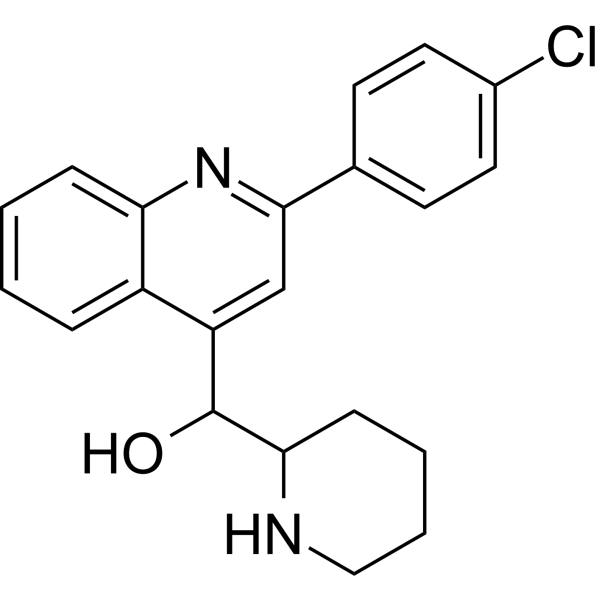
    p38 MAPK Apoptosis Caspase Bcl-2 Family Cancer
    Vacquinol-1 (NSC13316) is a MKK4-specific activator that activates the MAPK pathway. Vacquinol-1 inhibits the growth, migration and colony formation, and induces apoptosis of cancer cells. Vacquinol-1 is applicable to research related to cancers such as hepatocellular carcinoma .
    Vacquinol-1
  • HY-104067

    NASTRp

    Epigenetic Reader Domain Cancer
    Naphthol AS-MX phosphate (NASTRp) is a small molecule inhibitor of the CREB (cyclic adenosine phosphate reaction element binding protein)-CBP (CREB binding protein) transcription factor complex. Naphthol AS-MX phosphate shows antitumor activity against lung cancer cells, inhibiting tumor cell proliferation (IC50=3.701 μmol/L), colony formation, and anchored independent growth in soft AGAR. Naphthol AS-MX phosphate can be used in the study of KRAS mutated lung cancer, especially for KRAS mutated lung cancer with poor chemotherapy resistance and prognosis .
    Naphthol AS-MX phosphate
  • HY-178042

    Ras Akt ERK Cancer
    SS-3091 is a pan-KRas inhibitor active across KRas G12D, KRas G12C, KRas G12V, KRas G12S mutants, with minimal effects on non-KRas-driven cancer cells. SS-3091 binds to the KRas·ARaf interaction interface, destabilizes the complex, and attenuates KRas activity. SS-3091 suppresses phosphorylation of S6K, Akt, and ERK. SS-3091 reduces proliferation and decreases colony formation of cancer cells bearing KRas G12 mutations. SS-3091 can be used for the research of KRas-driven cancers .
    SS-3091
  • HY-146999

    Histone Methyltransferase Epigenetic Reader Domain Apoptosis Cancer
    YM458 is a potent EZH2 and BRD4 dual inhibitor with IC50s of 490 nM and 34 nM, respectively. YM458 inhibits cell proliferation and colony formation and induces cell cycle arrest and apoptosis in solid cancer cells. YM458 can be used for researching anticancer .
    YM458
  • HY-147615

    c-Fms Cancer
    CSF1R-IN-12 (compound 1) is a potent inhibitor of CSF1R. Colony stimulating factor 1 (CSF-1, also known as macrophage colony stimulating factor, M-CSF) is an important growth factor that controls bone marrow progenitor cells, monocytes, macrophages, and giants. CSF1R-IN-12 has the potential for the research of cancer diseases .
    CSF1R-IN-12
  • HY-177742

    Molecular Glues Phosphoglycerate Dehydrogenase (PHGDH) Cancer
    LXH-3-71 is a PHGDH degrader. LXH-3-71 acts as a molecular glue to enhance the interaction of the PHGDH-DDB1-CRL E3 ligase complex, triggering ubiquitination and proteasomal degradation of PHGDH. LXH-3-71 regulates the stemness of colorectal cancer cells and inhibits tumor proliferation and colony formation. LXH-3-71 can be used in the research of colorectal cancer .
    LXH-3-71
  • HY-162938

    E1/E2/E3 Enzyme Cancer
    Skp2 inhibitor 3 is an orally active inhibitor of the Skp2-Cks1 complex, with an IC50 of 4.86 μM. Skp2 inhibitor 3 reduces Skp2 protein expression while upregulating the expression of p21 and p27. Skp2 inhibitor 3 inhibits colony formation and migration of cancer cells, and induces cell cycle arrest at the S phase. Skp2 inhibitor 3 suppresses tumor growth in xenograft mice. Skp2 inhibitor 3 can be used in the research of gastric cancer and prostate cancer .
    Skp2 inhibitor 3
  • HY-149495

    PROTACs CDK Cancer
    CP-07 is a potent and selective PROTACCDK9 degrader (DC50: 43 nM). CP-07 inhibits 22RV1 cell proliferation (IC50: 62 nM) and colony formation by down-regulating Mcl-1 and c-Myc. CP-07 inhibits 22RV1 xenograft tumor growth. CP-07 can be used for research of prostate cancer .
    CP-07
  • HY-114319

    Others Cancer
    β-Cembrenediol is a potent and orally active anticancer agent. β-Cembrenediol shows phytotoxic activities. β-Cembrenediol reduces the migration and colony formation. β-Cembrenediol decreases the protein expression of TDO2, IDO1. β-Cembrenediol has the potential for the research of prostate cancer .
    β-Cembrenediol
  • HY-169061

    Histone Methyltransferase Aminotransferases (Transaminases) Lactate Dehydrogenase Cancer
    WQQ-345 is an orally active BCAT1 inhibitor with an IC50 values of 10.8 mM. WQQ-345 reduces cellular α-KG levels, upregulating H3K27me3 expression, decreasing glycolytic enzyme expression, and impairing glycolysis activity. WQQ-345 reduces colony formation, suppresses growth of BCAT1-high TKI-resistant lung cancer cells. WQQ-345 exerts in vitro and in vivo antitumor activity. WQQ-345 can be used for the research of TKI-resistant non-small cell lung cancer and TKI-resistant lung cancer .
    WQQ-345
  • HY-179143

    EGFR Akt Apoptosis Cancer
    EGFR-IN-185 is a EGFR inhibitor. EGFR-IN-185 exhibits potent activity against non-small cell lung cancer (NSCLC) cells harboring EGFR mutations. EGFR-IN-185 inhibits colony formation and migration, induces G0/G1 arrest, and promots apoptosis, which are associated with the suppression of EGFR and AKT phosphorylation. EGFR-IN-185 can be used for the research of  NSCLC .
    EGFR-IN-185
  • HY-113843

    MDM-2/p53 Cancer
    RETRA (hydrobromide) is a mutant p53-dependent activator of p73 that can inhibit cancer cells carrying mutant p53. RETRA (hydrobromide) increases the expression level of p73, induces transcriptional activation of several common to transcriptional targets p53 and p73, which leads to mutant p53- and p73-dependent inhibition of tumor growth, reduction of colony formation and induction of effector caspases .
    RETRA hydrobromide
  • HY-175733

    RIO Kinase Apoptosis Cancer
    CQ3196 is an orally active RIOK2 inhibitor with a Kd of 14 nM. CQ3196 effectively inhibits the ATPase activity of RIOK2, with an IC50 value of 72 nM. CQ3196 inhibits cell proliferation and colony formation in gastric cancer cell lines. CQ3196 induces cell apoptosis in HGC-27 and AGS cells. CQ3196 suppresses downstream signal pathway of RIOK2. CQ3196 reduces phosphorylation of mTOR and AKT. CQ3196 modulates ribosome function and protein synthesis. CQ3196 inhibits tumor growth and can be used for gastric cancer invtro and invivo research .
    CQ3196
  • HY-172796

    TAM Receptor Cancer
    UNC9435 (compound 44) is a dual inhibitor of TYRO3/MERTK with IC50 values of 3.7 nM and 1.1 nM, respectively. UNC9435 reduces colony formation in non-small cell lung cancer cultures
    UNC9435
  • HY-13654

    Smo Hedgehog Cancer
    IPI-269609 is an orally effective Smoothed (SMO) inhibitor that targets the Hedgehog (Hh) signaling pathway. IPI-269609 specifically reduces the ALDH-bright (high aldehyde dehydrogenase activity) cell subset, which is considered the "cancer stem cells" in pancreatic cancer. IPI-269609 significantly inhibits the migration and colony formation of pancreatic cancer cells. IPI-269609 effectively inhibits pancreatic cancer metastasis in a mouse model. IPI-269609 can be used for pancreatic cancer research .
    IPI-269609
  • HY-124585

    Epigenetic Reader Domain Cancer
    Y08060 is a selective BET inhibitor. Y08060 inhibits the viability of C4-2B and LNCaP cell lines with IC50 values of 3.23 and 4.41 μM. Y08060 can suppress colony formation as well as AR expression in prostate cancer cell line. Y08060 can be studied in prostate cancer research .
    Y08060
  • HY-175817

    Wee1 Apoptosis Cancer
    PKMYT1-IN-10 is a selective PKMYT1 inhibitor with an IC50 of 3 nM. PKMYT1-IN-10 inhibits colony formation, induces apoptosis, and induces S-phase cancer cell cycle arrest. PKMYT1-IN-10 exhibits liver microsomal stability, favorable plasma stability, minimal CYPs inhibition. PKMYT1-IN-10 can be used for the studies of ovarian cancer and breast cancer .
    PKMYT1-IN-10
  • HY-179391

    Telomerase Apoptosis Cancer
    Telomerase-IN-9 is a potent and selective telomerase inhibitor. Telomerase-IN-9 significantly reduces telomerase activity by binding to hTERT, leading to decreased telomerase function. Telomerase-IN-9 induces apoptosis and inhibits colony formation. Telomerase-IN-9 reduces tumor burden, restores antioxidantbalance, and preserves lung architecture in a Benzo[a]pyrene (HY-107377)-induced lung cancer mouse model. Telomerase-IN-9 can be used for the research of lung cancer .
    Telomerase-IN-9
  • HY-175454

    DNA/RNA Synthesis PDGFR Oxidative Phosphorylation Mitochondrial Metabolism Cancer
    YH-0623 is an orally active mitochondrial RNA polymerase (POLRMT) inhibitor (IC50 = 50.48 nM, Nanoluciferase Bioluminescence Resonance Energy Transfer (NanoBRET) assay). YH-0623 exhibits antiproliferative effects on 22Rv1 cells by reducing the expression of mitochondrial-related genes. YH-0623 inhibits 22Rv1 cell growth, colony formation, and the expression of OXPHOS-related proteins. YH-0623 significantly inhibits tumor growth in a prostate cancer xenograft mouse model. YH-0623 is indicated for prostate cancer research .
    YH-0623
  • HY-N15201

    STAT Cancer
    Betavulgarin is an anticancer agent. Betavulgarin can be isolated from Sugar Beet (Beta vulgaris). Betavulgarin suppresses the proliferation, migration, colony formation, and mammosphere formation of breast cancer cells, and reduces the size of the CD44 +/CD24 subpopulation and the expression of the self-renewal- related genes C-Myc, Nanog and Oct4. Betavulgarin promotes BCSCs death through the regulation of Stat3/Sox2 signaling .
    Betavulgarin
  • HY-178460

    BRK Akt MMP Cancer
    BRK/PTK6-IN-1 (Compound 51) is a highly efficient and selective BRK inhibitor (IC50 = 3.37 nM, Kd = 44 nM). BRK/PTK6-IN-1 can reduce MMP-9 protein expression and inhibit IGF-1 induced AKT phosphorylation in MDA-MB-231 cells. BRK/PTK6-IN-1 significantly inhibits migration, invasion, and colony formation but does not affect cell proliferation. BRK/PTK6-IN-1 is often used in the research of breast cancer and other cancers .
    BRK/PTK6-IN-1
  • HY-115663

    Epigenetic Reader Domain c-Myc Cancer
    C620-0696 is an inhibitor targeting the brom domain of BPTF, with a KD value of 35.5 μM. C620-0696 can exert cytotoxic effects on A549 and H358 cells, inhibiting the expression of c-Myc. C620-0696 inhibits cell migration and colony formation, and induces apoptosis and cell cycle arrest. C620-0696 can be used in the research of non-small cell lung cancer .
    C620-0696
  • HY-N15267

    FAK Akt mTOR Cancer
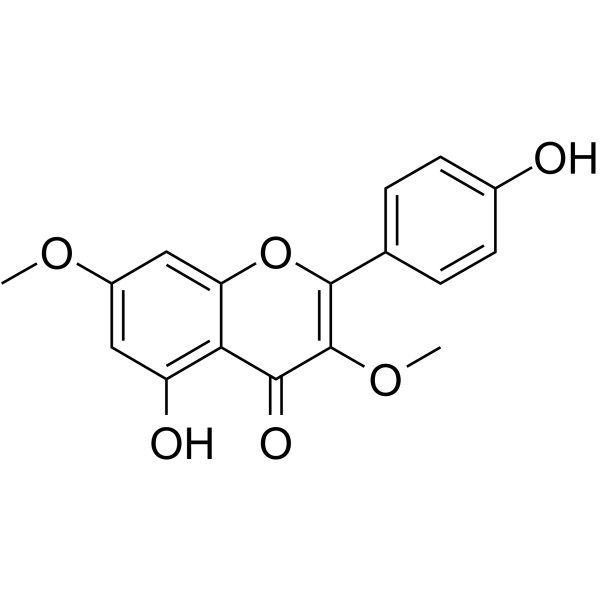
    Ovalitenone is a flavonoid compound that can be isolated from the plant Millettia peguensis. It shows no cytotoxic effects on lung cancer H460 and A549 cells, but it significantly inhibits anchorage-independent growth, CSC-like phenotypes, colony formation, and the migration and invasion capabilities of cancer cells. Ovalitenone can significantly reduce the levels of N-cadherin, snail, and slug, while increasing E-cadherin, thus inhibiting the EMT pathway. Additionally, Ovalitenone suppresses the signaling pathways regulated by focal adhesion kinase (FAK), ATP-dependent tyrosine kinase (AKT), mammalian target of rapamycin (mTOR), and cell division cycle 42 (Cdc42) .
    Ovalitenone
  • HY-175253

    STAT Apoptosis Cancer
    YZ-35 is a STAT3 inhibitor, with a Ki value of 0.38 μM. YZ-35 binds directly to STAT3 with high affinity, exhibiting a dissociation constant (Kd) of 190 nM. YZ-35 directly attenuates the dual phosphorylation of STAT3 (Tyr705 and Ser727). YZ-35 suppresses colony formation, cellular migration, and induces apoptosis in breast cancer cell lines (BCSC). YZ-35 selectively suppresses BCSC self-renewal. YZ-35 inhibits tumor growth in the BCSC xenograft models. YZ-35 can be used for the study of breast cancer .
    YZ-35
  • HY-16749AR

    PLX-3397 hydrochloride (Standard)

    c-Fms c-Kit Apoptosis Reference Standards Cancer
    Pexidartinib (hydrochloride) (Standard) is the analytical standard of Pexidartinib (hydrochloride). This product is intended for research and analytical applications. Pexidartinib hydrochloride (PLX-3397 hydrochloride) is a potent, orally active, selective, and ATP-competitive colony stimulating factor 1 receptor (CSF1R or M-CSFR) and c-Kit inhibitor, with IC50s of 20 and 10 nM, respectively. Pexidartinib hydrochloride exhibits 10- to 100-fold selectivity for c-Kit and CSF1R over other related kinases. Pexidartinib hydrochloride induces cell apoptosis and has anti-cancer activity .
    Pexidartinib hydrochloride (Standard)
  • HY-175175

    p38 MAPK Bcl-2 Family Caspase Reactive Oxygen Species (ROS) PARP Apoptosis Cancer
    MAPK-IN-5 is a potent MAPK inhibitor with an IC50 of 1.35 μM against HeLa cells. MAPK-IN-5 inhibits HeLa cell proliferation by inducing ROS-mediated DNA damage and mitochondrial apoptosis via the MAPK pathway. MAPK-IN-5 significantly inhibits colony formation, reduces the number of live cells, suppresses cell migration, and causes cell cycle arrest in the G2/M phase in HeLa cells. MAPK-IN-5 can be used for the study of cervical cancer .
    MAPK-IN-5
  • HY-146738

    Akt Cancer
    GSD-11 is a potent and selective anti-austerity agent. GSD-11 inhibits the cell migration and colony formation of PANC-1 cells. GSD-11 inhibits the Akt/mTOR signaling pathway. GSD-11 has the potential for the research of pancreatic cancer[1].
    GSD-11
  • HY-120046

    HDAC Cancer
    YF479 is a potent inhibitor of histone deacetylase. YF479 abates cell viability, suppresses colony formation and tumor cell motility. YF479 significantly inhibits breast tumor growth and metastasis. YF479 has the potential for the research of clinical trials for breast cancer .
    YF479
  • HY-144637

    Apoptosis Autophagy Cancer
    Autophagy inducer 2 (Compound 11i) is a potent autophagy inducer. Autophagy inducer 2 exhibits apparent antiproliferative activity against the MCF-7 cell line with an IC50 value of 1.31 μM and remarkably inhibits the colony formation of the MCF-7 cells. Autophagy inducer 2 arrests the MCF-7 cells in the G2/M phase by regulating the cell-cycle-related proteins Cdk-1 and Cyclin B1. Autophagy inducer 2 has the potential for the research of breast cancer .
    Autophagy inducer 2
  • HY-P99458

    CG 10639

    c-Fms Cancer
    Balugrastim (CG 10639) is a novel long-acting recombinant granulocyte colony-stimulating factor (G-CSF) obtained by means of a genetic fusion between recombinant human serum albumin and granulocyte colony-stimulating factor. Balugrastim can be used for the research of breast cancer .
    Balugrastim
  • HY-122108

    LL-Z 1272-alpha

    Apoptosis Cancer
    Ilicicolin A is a potent anticancer agent. Ilicicolin A induces apoptosis. Ilicicolin A inhibits cell growth and colony formation. Ilicicolin A shows antitumor activity. Ilicicolin A has the potential for the research of prostate cancer .
    Ilicicolin A
  • HY-147616

    c-Fms Cancer
    CSF1R-IN-13 is a potent inhibitor of CSF1R. Colony stimulating factor 1 (CSF-1, also known as macrophage colony stimulating factor, M-CSF) is an important growth factor that controls bone marrow progenitor cells, monocytes, macrophages, and giants. CSF1R-IN-13 has the potential for the research of cancer diseases (extracted from patent WO2019134661A1, compound 32) .
    CSF1R-IN-13
  • HY-143641

    Others Cancer
    Anticancer agent 25 is an anticancer agent. Anticancer agent 25 can arrest the cell cycle at the G1 phase, and significantly inhibit tumor cell colony forming and migration even at low concentrations. Anticancer agent 25 can significantly induce cytoplasmic vacuolation. Anticancer agent 25 can be used for the study of prostate cancer, breast cancer, and colon cancer .
    Anticancer agent 25
  • HY-149521

    PI3K Cancer
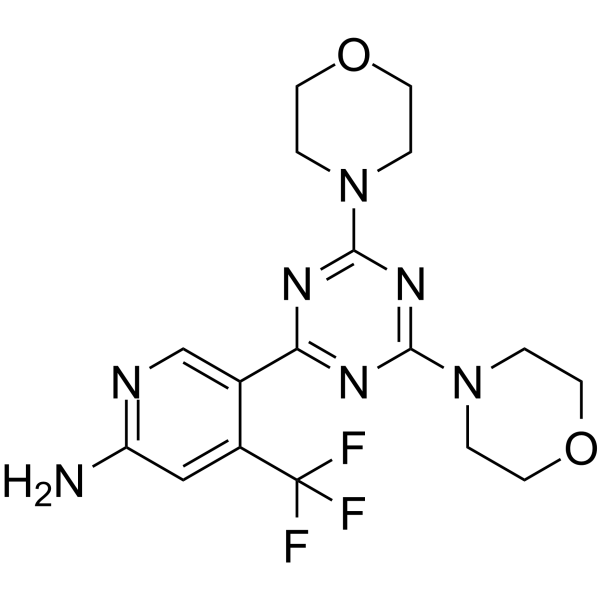
    PI3K-IN-47 (Compound 27) is a bivalent PI3K inhibitor (IC50: 0.44 nM for PI3Kα, 7.18 nM, 13.92 nM, 22.83 nM for PI3Kβ, PI3Kγ, PI3Kδ). PI3K-IN-47 induces cell cycle arrest in G1 phase, inhibits colony formation and cell migration. PI3K-IN-47 inhibits tumor growth in HGC-27 xenograft mice .
    PI3K-IN-47
  • HY-168951

    Annexin A Apoptosis Cancer
    (R)-SL18 is a degrader of ANXA3 and can degrade ANXA3 protein through the ubiquitination pathway. (R)-SL18 inhibits the proliferation, migration, invasion, and colony formation of breast cancer cells and induces apoptosis. (R)-SL18 can be used in the research of triple-negative breast cancer .
    (R)-SL18
  • HY-162820

    Bcl-2 Family Cancer
    Bcl-2-IN-21 (compound C1) is an iridium compound with anticancer activity that targets and inhibits Bcl-2. Bcl-2-IN-21 inhibits colony formation of cancer cells and induces elevated levels of Bax and caspase 3 .
    Bcl-2-IN-21
  • HY-147617

    c-Fms Cancer
    CSF1R-IN-14 is an isoindolinone derivative compound. CSF1R-IN-14 is a potent inhibitor of CSF1R. Colony stimulating factor 1 (CSF-1, also known as macrophage colony stimulating factor, M-CSF) is an important growth factor that controls bone marrow progenitor cells, monocytes, macrophages, and giants. CSF1R-IN-14 has the potential for the research of cancer diseases (extracted from patent WO2019134662A1, compound 1) .
    CSF1R-IN-14
  • HY-162041

    Survivin Cancer
    AQIM-I is an inhibitor of survivin via inhibits survivin expression and colony formation. AQIM-I induces ROS production, apoptosis, cell cycle arrest, DNA damage, and autophagy. AQIM-I inhibits nonsmall cell lung cancer cells A549 with an IC50 value of 9 nM .
    AQIM-I
  • HY-162763

    Apoptosis Cancer
    FLQY2 is a camptothecin analog that exhibits outstanding antitumor efficacy against various solid tumors. FLQY2 possesses both in vitro and in vivo anti-pancreatic cancer activity, inhibiting cell proliferation, colony formation, inducing apoptosis, and causing cell cycle arrest at nanomolar concentrations .
    FLQY2
  • HY-161084

    c-Fms Neurological Disease Cancer
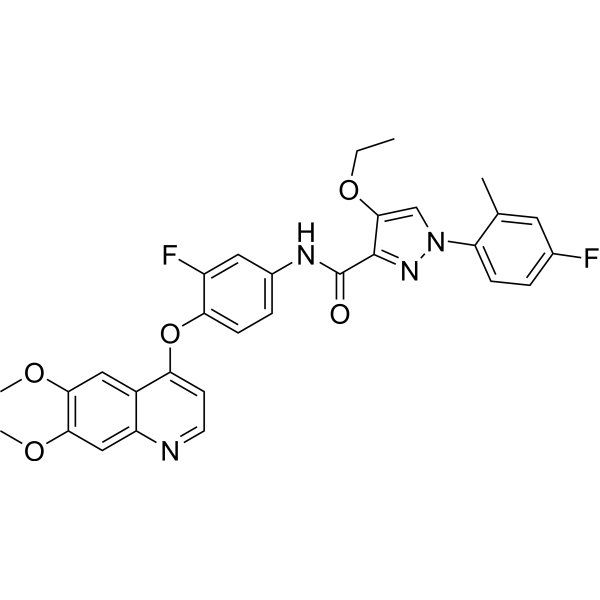
    CSF1R-IN-18 (Compdound 16t), para-aniline derivative, is a colony-stimulating factor 1 receptor (CSF1R) inhibitor. CSF1R-IN-18 can be used for the research of cancers, CNS-diseases and bone diseases .
    CSF1R-IN-18

Inquiry Online

Your information is safe with us. * Required Fields.

Salutation


Country or Region *

Applicant Name *


Organization Name *

Department *


Email Address *


Product Name *

Cat. No.


Requested quantity *

Phone Number *


Remarks

Inquiry Online

Inquiry Information

Product Name:
Cat. No.:
Quantity:
MCE Japan Authorized Agent:

