



Cancer Stem Cells
Cancer stem cells (CSCs) are populations of cancer cells that have the properties of stem cells i.e. self-renewal and ability to generate differentiated progenies. CSCs have high plasticity, which changes their phenotypic and functional appearance. They have important roles in tumor development, expansion, resistance, relapse and metastasis. Multiple studies have shown that CSCs originate from non-malignant stem or progenitor cells. Inhibition of developmental signaling pathways that are critical for stem and progenitor cell homeostasis and function has important implications in strategies to target CSCs in cancer research.
Studies have shown that CSCs develop several mechanisms to protect themselves from toxins and genotoxic stress, including enhanced DNA damage repair capacity, increased expression of drug transporters, maintenance of a low reactive oxygen species (ROS) environment, and recruitment of a protective niche. Therefore, targeting signaling pathways that are required to maintain stem cells is the current therapeutic strategy for CSCs. For example, hedgehog pathway, Notch and Wnt signaling pathways.
Newly developed drugs targeting surface markers of CSCs opens the new avenues for cancer therapy, such as CD44, CD133, EpCAM, Sox2, and Oct-3/4.
-
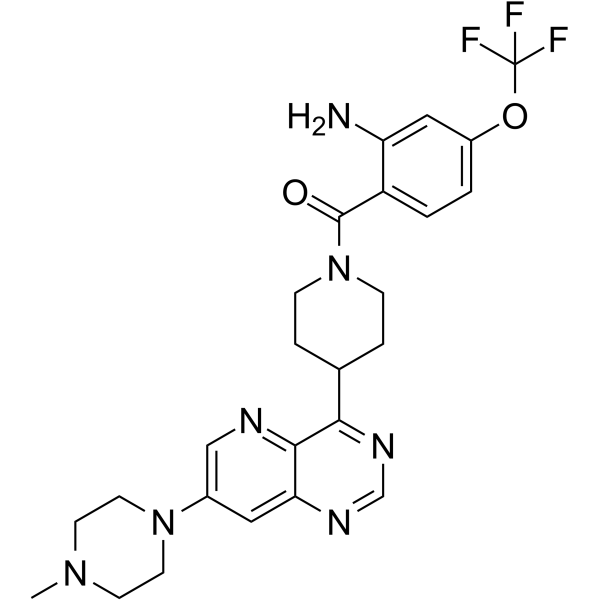
Omzirafenib
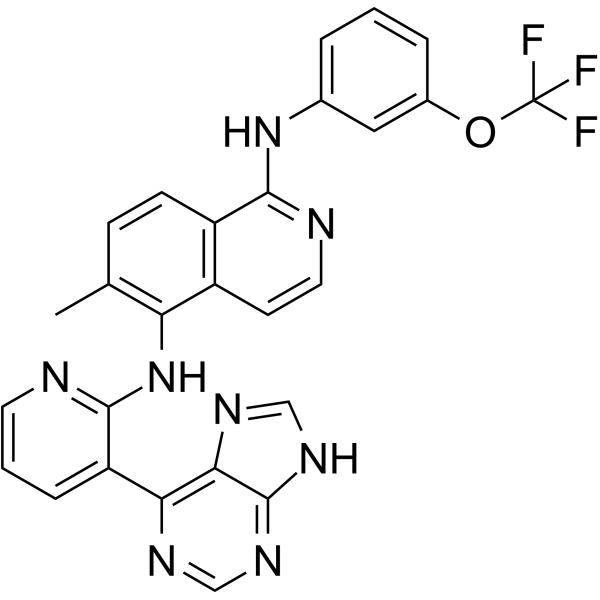 0 ImagesCat. No.: HY-111940CAS No.: 2274819-46-2Synonyms: LUT014
Omzirafenib (LUT014) is a topical inhibitor targeting BRAF that cannot pass through the blood-brain barrier. Omzirafenib inhibits BRAF kinase and abnormally activates the MAPK/ERK signaling pathway, promoting the proliferation of epidermal keratinocytes, repairing skin barrier damage caused by radiation damage, and alleviating inflammatory responses. Omzirafenib is independent of RAS signaling and accelerates the repair and regeneration of damaged skin cells. Omzirafenib can be used to study radiation dermatitis, especially skin damage caused by breast cancer radiotherapy.
-
Molibresib besylate
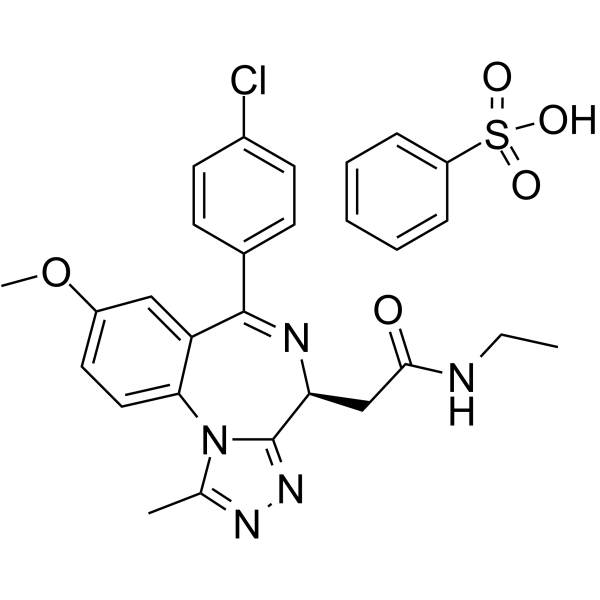 0 ImagesCat. No.: HY-13032BCAS No.: 1895049-20-3Synonyms: GSK 525762C; I-BET 762 besylate
Molibresib besylate (GSK 525762C; I-BET 762 besylate) is an orally active pan-BET inhibitor that targets and binds to BRD2, BRD3, BRD4 and BRDT. By competitively occupying acetylated lysine binding sites, Molibresib besylate disrupts the interaction between BET proteins and chromatin, thereby effectively inhibiting MYC expression and target gene transcription. Molibresib besylate exhibits broad antiproliferative activity, which not only inhibits cancer cell growth and induces growth arrest, but also downregulates mitosis-related genes and upregulates the level of p-ERK1/2. When combined with MEK inhibitors, Molibresib besylate shows a significant synergistic effect, reduces tumor burden in mouse models of leukemia, modulates the immune microenvironment and prolongs survival. Molibresib besylate is widely applicable to research related to acute myeloid leukemia, multiple myeloma, triple-negative breast cancer, small-cell lung cancer and various advanced refractory solid tumors.
-
YRDC-IN-1
 0 ImagesCat. No.: HY-Q66655CAS No.: 3120494-74-5
YRDC-IN-1 is a blood-brain barrier-permeable YRDC inhibitor. YRDC is a key enzyme that catalyzes the formation of N6-threonylcarbamoyladenosine at position 37 of tRNA (t6A37). YRDC-IN-1 selectively inhibits the translation of ANN codon-enriched FABP7, thereby reducing lipid droplet formation, increasing ROS, and reversing the acquired resistance of GBM to Temozolomide (TMZ) (HY-17364). YRDC-IN-1 can be used for the research of glioblastoma.
-
Dalosirvat
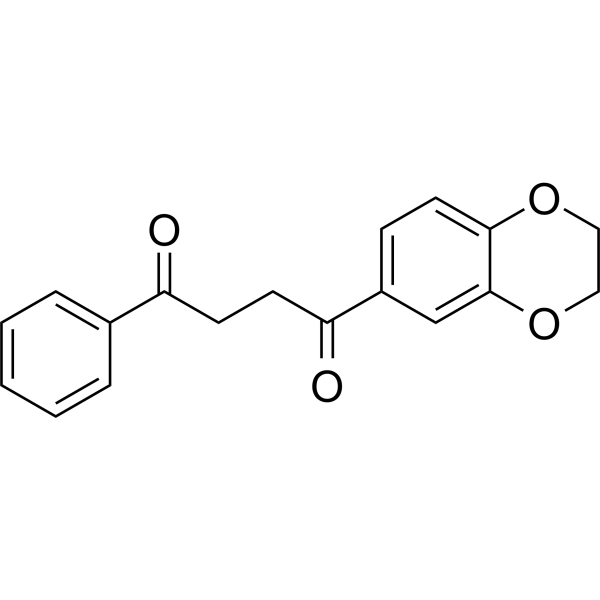 0 ImagesSynonyms: SM-04554; Wnt pathway activator 1
-
CK2 inhibitor 2
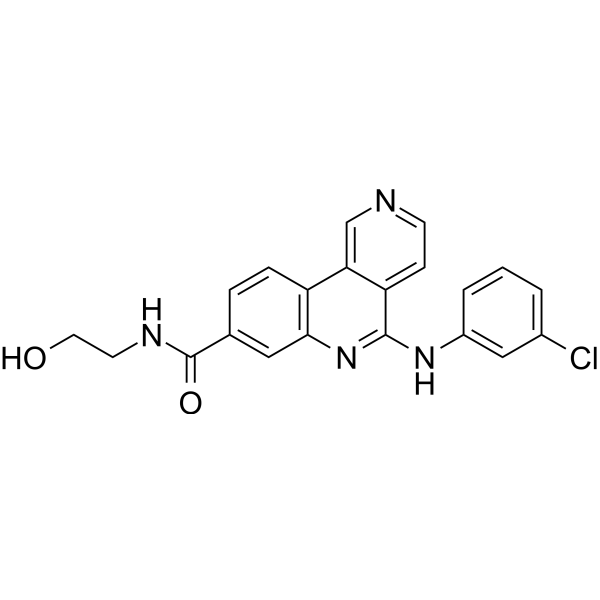 0 Images
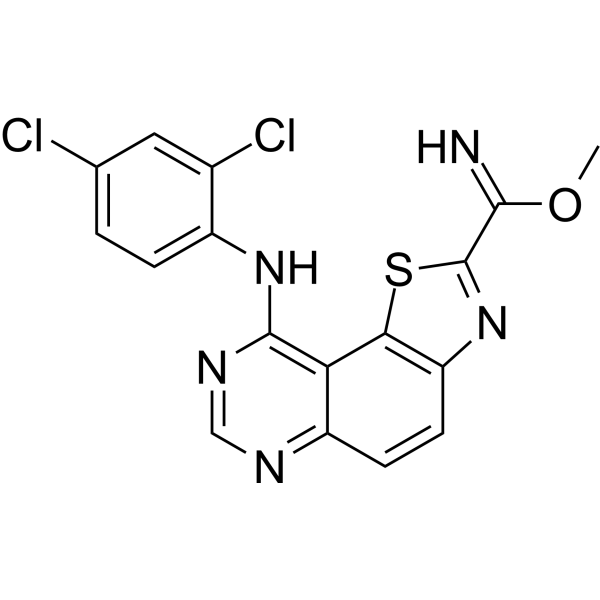
CK2 inhibitor 2 is a potent, selective and orally active inhibitor of CK2, with an IC50 of 0.66 nM. CK2 inhibitor 2 shows high selectivity for Clk2 (IC50=32.69 nM)/CK2. CK2 inhibitor 2 exhibits favorable antiproliferative and antitumor activity.
-
ML191
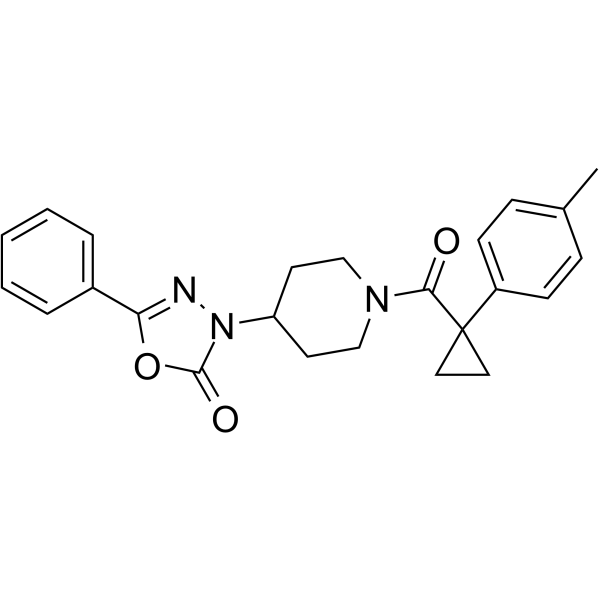 0 ImagesSynonyms: CID23612552
ML191 (CID23612552) is a GPR55 antagonist. ML191 inhibits ERK phosphorylation and PKC β II translocation downstream of GPR55 signaling. ML191 suppresses LPI-induced activation of ERK1/2 and p38 MAPK signaling, blocks the transcription of RANKL-induced osteoclastogenesis markers, and reduces the bone resorption activity of mature osteoclasts promoted by RANKL. ML191 can be used to investigate diseases associated with bone degradation caused by excessive osteoclast activation, such as osteoporosis and bone damage during the formation stage of bone metastases.
-
Graveoline
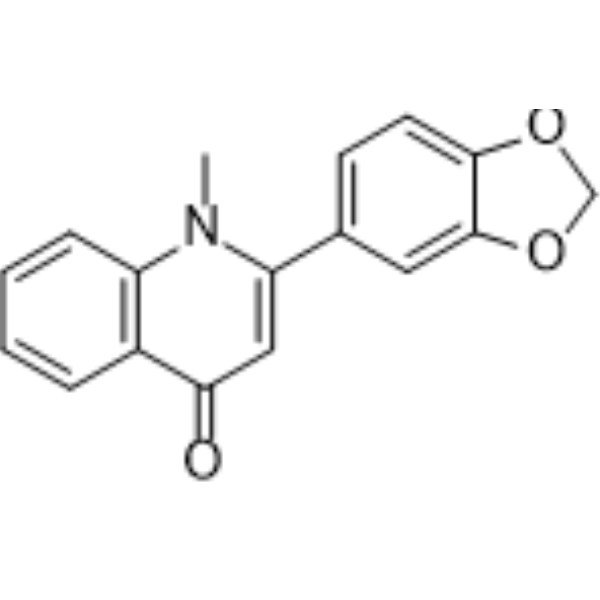 0 Images
Graveoline (Rutamine) is an orally active alkaloid with various activities such as antifungal, antiparasitic, anti-inflammatory, and antitumor effects. Graveoline can induce tumor cell apoptosis and autophagy through a reactive oxygen species-mediated pathway. Graveoline has an MIC of 500 μg/mL for Candida albicans. Graveoline can be used in the research of various diseases such as tumors and liver injury.
-
CDPPB
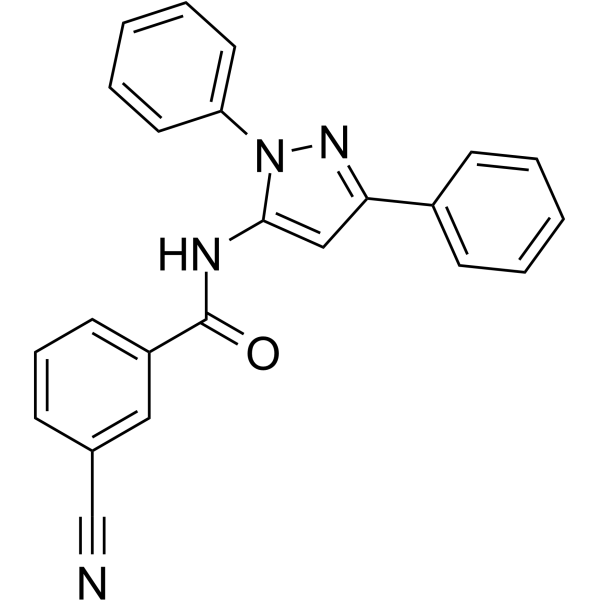 0 Images
CDPPB is a selective, orally active and brain-penetrant mGluR5 allosteric modulator. CDPPB increases AKT and ERK1/2 activation and augments the BDNF mRNA. CDPPB inhibits caspase-3 activation and mitochondrial dysfunction. CDPPB improves cognitive impairment, depression, and Huntington's disease.
-
Isotoosendanin
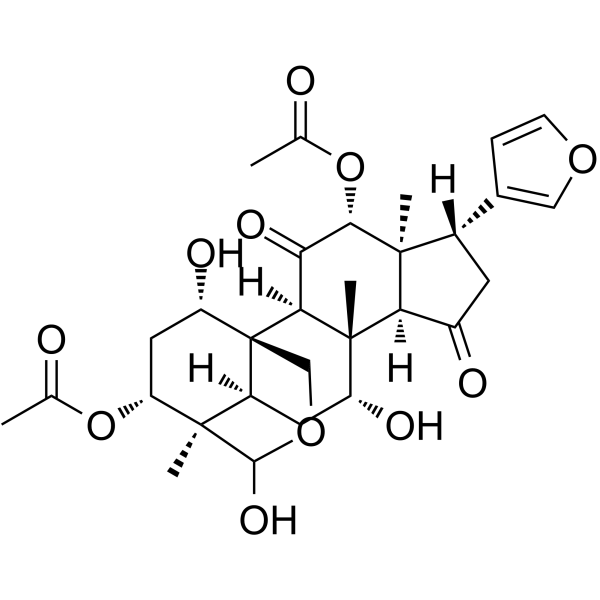 0 Images
Isotoosendanin is an orally active TGFβR1 inhibitor and abrogating its kinase activity (IC50 = 6732 nM). Isotoosendanin inhibits the JAK/STAT3 signaling pathway by directly targeting SHP-2, enhancing its stability, and reducing its ubiquitination. Isotoosendanin inhibits TGF-β-induced reduces the migration, invasion, and metastasis in triple-negative breast cancer (TNBC) cells. Isotoosendanin exhibits anti-tumor efficacy in TNBC xenograft models and A549 xenograft tumors. Isotoosendanin exhibits significant anti-inflammatory effects in acetic acid-induced vascular permeability and λ-carrageenan-induced hind paw edema tests. Isotoosendanin can be used for the study of non-small cell lung cancer (NSCLC), TNBC and inflammation.
-
Demcizumab
 0 ImagesSynonyms: OMP 21M18
Demcizumab (OMP 21M18) is an anti-DLL4 monoclonal antibody. Demcizumab is a potent inhibitor of the Notch pathway. Demcizumab alone or in combination with chemotherapy is effective in various cancer models.
-
Doxycycline hyclate (Standard)
 0 ImagesCat. No.: HY-N0565BRCAS No.: 24390-14-5Synonyms: Doxycycline hydrochloride hemiethanolate hemihydrate (Standard); WC2031 (Standard)
Doxycycline hyclate (Standard) is the analytical standard of Doxycycline hyclate (HY-N0565B). This product is intended for research and analytical applications. Doxycycline hyclate is an orally active highly lipophilic, tissue-permeable MMP inhibitor with broad-spectrum antibacterial activity. Doxycycline hyclate is also a semi-synthetic antibiotic with chelating properties, which blocks bacterial protein synthesis and inhibits extracellular matrix degradation through interactions with zinc and calcium atoms. Doxycycline hyclate also inhibits mitochondrial biogenesis, translation, and the expression of respiratory chain proteins. Doxycycline hyclate induces apoptosis, inhibits autophagy and EMT, downregulates stem cell markers, and activates the PI3K-AKT pathway, thereby effectively inhibiting the viability and proliferation of cancer cells such as breast cancer cells. Doxycycline hyclate also promotes the survival and self-renewal of embryonic stem cells and neural stem cells, and reduces the frequency of medium changes in culture. Doxycycline hyclate has been applied in studies related to breast cancer, prostate cancer, bladder cancer, and other cancers.
-
Diclofenac Sodium (Standard)
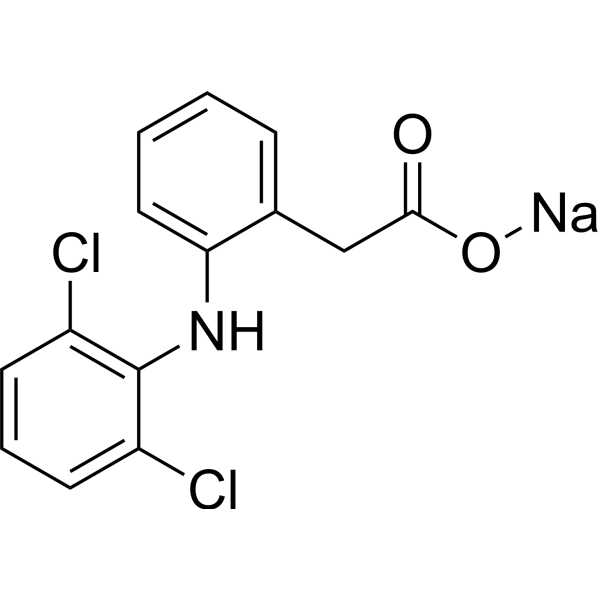 0 ImagesSynonyms: GP 45840 (Standard)
Diclofenac (Sodium) (Standard) is the analytical standard of Diclofenac (Sodium). This product is intended for research and analytical applications. Diclofenac Sodium (GP 45840) is a potent and nonselective anti-inflammatory agent, acts as a COX inhibitor, with IC50s of 4 and 1.3 nM for human COX-1 and COX-2 in CHO cells, and 5.1 and 0.84 μM for ovine COX-1 and COX-2, respectively. Diclofenac Sodium induces apoptosis of neural stem cells (NSCs) via the activation of the caspase cascade.
-
ABC99
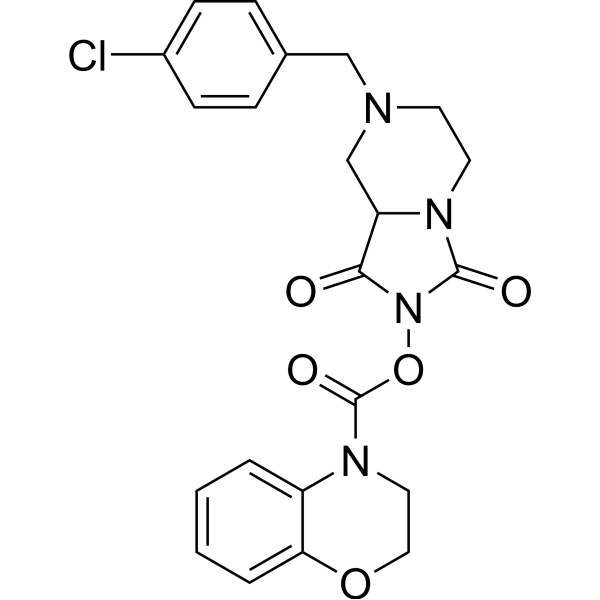 0 Images
ABC99 is an N-hydroxyhydantoin (NHH) carbamate that selectively inhibits the Wnt-deacylating enzyme NOTUM (IC50=13 nM). ABC99 preserves Wnt3A signaling in the presence of NOTUM.
-
Enniatin B1
 0 Images
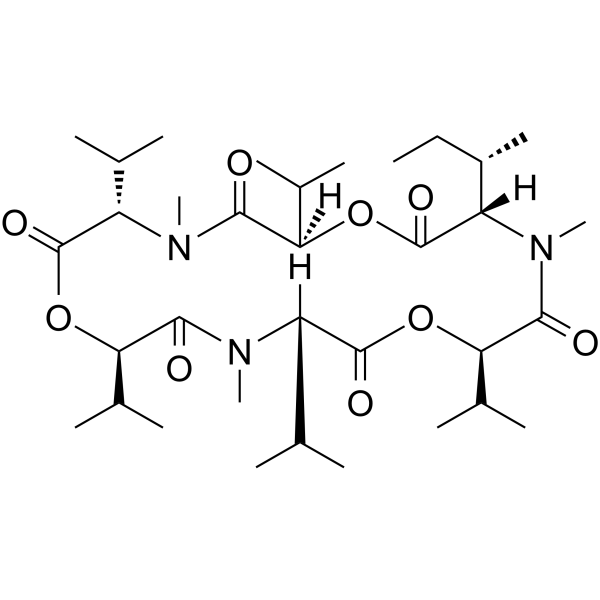
Enniatin B1 is a Fusarium mycotoxin. Enniatin B1 inhibits acyl-CoA: cholesterol acyltransferase (ACAT) activity with an IC50 of 73 μM in an enzyme assay using rat liver microsomes. Enniatin B1 crosss the blood-brain barrier. Enniatin B1 decreases the activation of ERK (p44/p42). Enniatin B1 inhibits moderately TNF-α-induced NF-κB activation.
-
Manzamine A hydrochloride
 0 ImagesSynonyms: Keramamine A hydrochloride
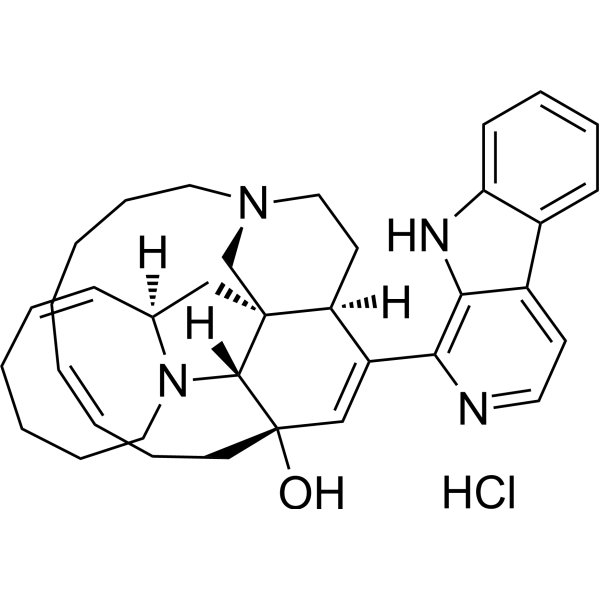
Manzamine A hydrochloride, an orally active beta-carboline alkaloid, inhibits specifically GSK-3β and CDK-5 with IC50s of 10.2 μM and 1.5 μM, respectively. Manzamine A hydrochloride targets vacuolar ATPases and inhibits autophagy in pancreatic cancer cells. Manzamine A hydrochloride has antimalarial and anticancer activities. Manzamine A hydrochloride also shows potent activity against HSV-1.
-
MS147
 0 ImagesCat. No.: HY-160924Purity: 98.31%
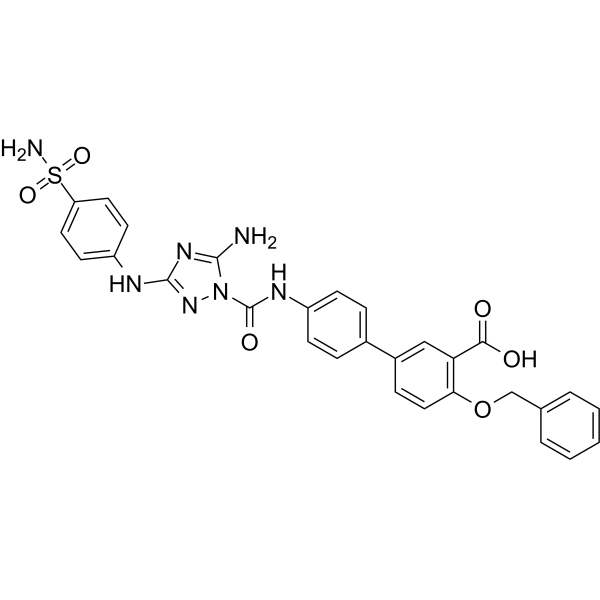
MS147 is a VHL-based PROTAC degrader of BMI1 and RING1B (polycomb repressive complex 1 core components). MS147 directly binds EED and VHL E3 ligase, recruiting the ligase to the EED-BMI1/RING1B complex to induce time-dependent, ubiquitination-mediated degradation of BMI1 and RING1B. MS147 reduces histone H2A Lys119 mono-ubiquitination without altering histone H3 Lys27 tri-methylation and inhibits cancer cells proliferation. MS147 can be used for the research of cancer, such as chronic myelogenous leukemia and b-cell lymphoma.
-
LIN28-IN-2
 0 ImagesCat. No.: HY-168437Purity: 99.51%
LIN28-IN-2 is a Lin28 inhibitor with activity against Lin28a, Lin28b, and their zinc knuckle domain. LIN28-IN-2 blocks Lin28-RNA substrate binding, perturbs zinc knuckle domain conformation. LIN28-IN-2 inhibits cancer cell proliferation, spheroid growth, and induces G2/M phase arrest. LIN28-IN-2 suppresses cancer stem cell phenotypes, Lin28-mediated stress granule formation, let-7 target genes, cancer stem cell biomarkers, and neuroendocrine biomarkers expression in cancer cells. LIN28-IN-2 can be used for the research of cancer.



