



AMPK
AMP-activated protein kinase (AMPK) functions as a conserved cellular energy sensor that maintains metabolic homeostasis by coordinating ATP-producing catabolic pathways with ATP-consuming anabolic processes during energetic stress[1][2]. AMPK exists as a heterotrimeric complex composed of catalytic α, regulatory β, and γ subunits, generating multiple isoform combinations with distinct biochemical properties, tissue distribution patterns, and signaling outputs[2][3]. Mechanistically, AMPK is activated by increases in cellular AMP:ATP or ADP:ATP ratios and subsequently regulates glucose metabolism, fatty acid oxidation, mitochondrial function, and stress adaptation pathways[1][4]. In disease contexts, dysregulated AMPK signaling has been linked to diabetes, obesity, inflammation, cardiovascular disorders, and cancer, making AMPK a central target in metabolic and translational research[4][5]. Compared with related catalytic isoforms, AMPKα1 generally exhibits higher basal activity and greater sensitivity to allosteric activation, whereas AMPKα2 responds more strongly to energy stress and is frequently associated with distinct regulatory functions in tissue remodeling and disease models[2][6]. Experimental studies further demonstrate that AMPKα2 promotes osteogenic differentiation more effectively than AMPKα1 and can rescue impaired osteogenesis in pathological skeletal models[6]. For experimental applications, both indirect activators that alter cellular energy status and direct activators that bind AMPK regulatory sites are widely used to investigate isoform-specific signaling, metabolic regulation, and therapeutic mechanisms[1][4].
References:
- [1]. Barquissau V, et al. White-to-brite conversion in human adipocytes promotes metabolic reprogramming towards fatty acid anabolic and catabolic pathways. Mol Metab. 2016 Mar 18;5(5):352-365. [Content Brief]
- [2]. Smiles WJ, et al. The metabolic sensor AMPK: Twelve enzymes in one. Mol Metab. 2024 Dec;90:102042. [Content Brief]
- [3]. Tarasiuk O, et al. AMPK and Diseases: State of the Art Regulation by AMPK-Targeting Molecules. Biology (Basel). 2022 Jul 11;11(7):1041. [Content Brief]
- [4]. Jeon SM. Regulation and function of AMPK in physiology and diseases. Exp Mol Med. 2016 Jul 15;48(7):e245. doi: 10.1038/emm.2016.81. PMID: 27416781; PMCID: PMC4973318. et al. Regulation and function of AMPK in physiology and diseases. Exp Mol Med. 2016 Jul 15;48(7):e245. [Content Brief]
- [5]. Behrens M, et al. Blends of Non-caloric Sweeteners Saccharin and Cyclamate Show Reduced Off-Taste due to TAS2R Bitter Receptor Inhibition. Cell Chem Biol. 2017 Oct 19;24(10):1199-1204.e2. [Content Brief]
- [6]. Wang YG, et al. Functional differences between AMPK α1 and α2 subunits in osteogenesis, osteoblast-associated induction of osteoclastogenesis, and adipogenesis. Sci Rep. 2016 Sep 7;6:32771. [Content Brief]
-
AMPK Related Products (354)
Related Products (354)

-
Antibodies (4)
-
SMTIN-T140
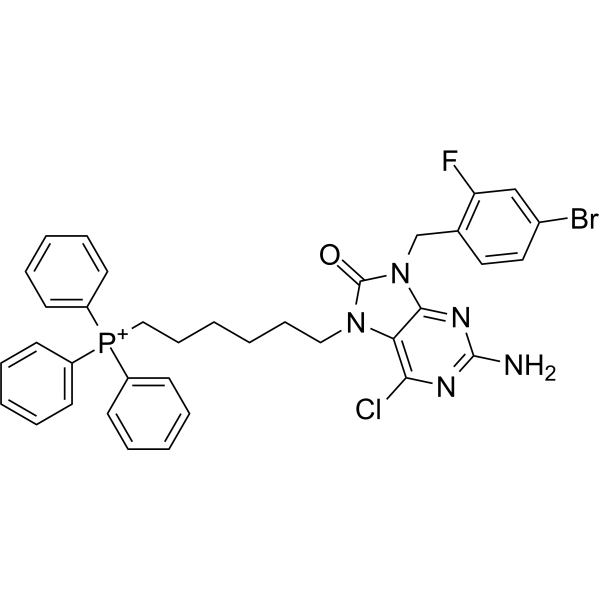 0 ImagesSMTIN-T140 (compound 6a) is a potent TRAP1 (tumor-necrosis-factor-receptor associated protein 1) inhibitor, with an IC50 of 1.646 μM. SMTIN-T140 shows anticancer activity. SMTIN-T140 leads to mitochondrial dysfunction, increases mitochondrial ROS production and activates AMPK. SMTIN-T140 potently suppressed tumor growth without any noticeable in vivo toxicity in a mouse model xenografted with PC3 prostate cancer cells.
-
AMPK activator 2 hydrochloride
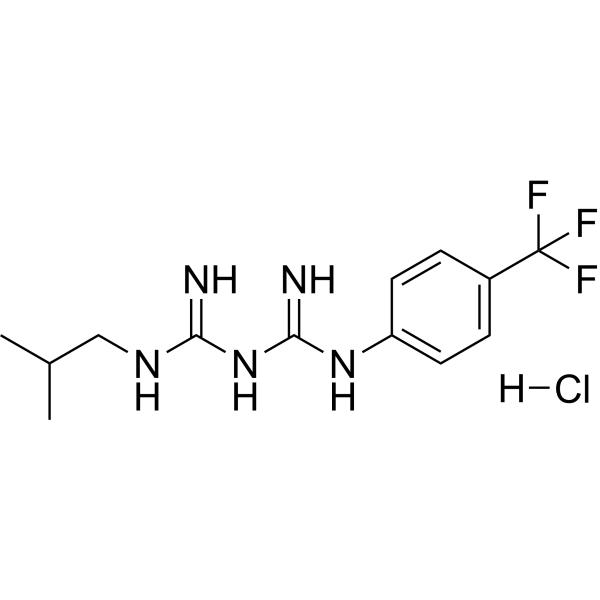 0 ImagesCat. No.: HY-130723APurity: 99.68%AMPK activator 2 (compound 7a) hydrochloride, a fluorine-containing proguanil derivative, up-regulates AMPK signal pathway and downregulates mTOR/4EBP1/p70S6K. AMPK activator 2 hydrochloride inhibits proliferation and migration of human cancer cell lines (UMUC3, T24, A549).
-
Alisol A 24-acetate
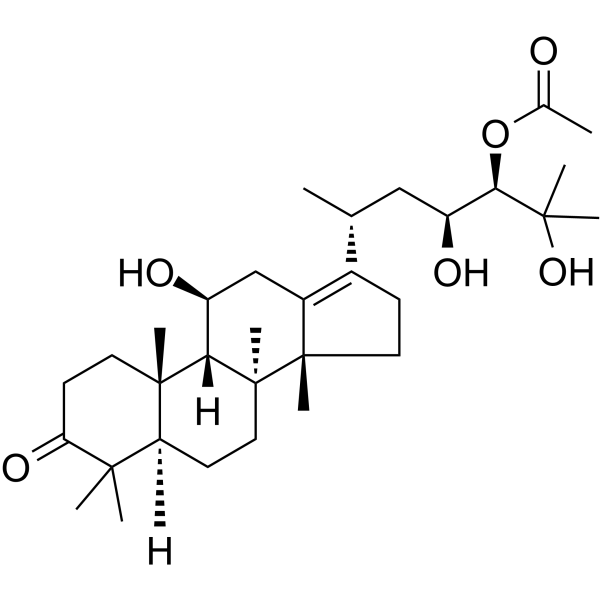 0 ImagesSynonyms: Alisol A 24-monoacetate; Alisol A monoacetateAlisol A 24-acetate (Alisol A monoacetate) is an orally active derivative of protostane-type tetracyclic triterpenoid. Alisol A 24-acetate upregulates the expression of adiponectin, AMPKα, CPT1, and ACOX1; downregulates the expression of SREBP-1c, ACC, FAS, Bcl-2, Bcl-xl, PPAR-γ, perilipin A, and NFATc1; inhibits the activity of PI3K/Akt/mTOR and HMGR; and activates the PKA and ERK signaling pathways. Alisol A 24-acetate regulates cell apoptosis (apoptosis), autophagy (Autophagy, hepatic lipid accumulation, inflammatory response, neuroprotection, MRSA membrane integrity, and osteoclast differentiation. Alisol A 24-acetate can be used in research related to non-alcoholic fatty liver disease, nephrotoxicity, obesity, global cerebral ischemia-reperfusion injury, bacterial infection, and osteoporosis.
-
Flindersine
 0 ImagesFlindersine is an alkaloid with multiple activities including antibacterial, antifungal, antitumor, and antidiabetic properties. Flindersine increases the activity of antioxidant enzymes, restores the levels of renal biomarkers, and reduces blood glucose, blood lipid, and insulin levels in diabetic rats. Flindersine inhibits the growth of Gram-positive bacteria, Gram-negative bacteria, drug-resistant bacteria, as well as dermatophytes, filamentous fungi, and yeasts. Flindersine reduces the viability of cancer cells and induces apoptosis. Flindersine can be used in research related to breast cancer, type 2 diabetes, bacterial infections, and fungal infections.
-
Gamma-glutamylcysteine (Standard)
 0 ImagesSynonyms: γ-Glu-Cys (Standard)Gamma-glutamylcysteine (Standard) is the analytical standard of Gamma-glutamylcysteine. This product is intended for research and analytical applications. Gamma-glutamylcysteine (γ-Glu-Cys) is an orally active, blood-brain barrier permeable dipeptide. Gamma-glutamylcysteine activates AMPK, SIRT1, IL-4/STAT6, AC/cAMP/PI3K, IGF-1R/IRS1/PI3K, and Nrf2 signaling pathways; it inhibits NF-κB, JAK1/STAT1/3, MAPKs, cadmium-induced p38 MAPK, JNK, and PI3K/Akt signaling pathways. Gamma-glutamylcysteine regulates macrophage polarization, modulates the trafficking of CD36 and GLUT4, induces glutathione synthesis, improves metabolic dysfunction, reduces lipid deposition, ameliorates glucose homeostasis, inhibits apoptosis (Apoptosis), stabilizes mitochondria, suppresses lipid peroxidation, iron accumulation and ferroptosis (Ferroptosis), reduces ds-HMGB1 levels, reverses mechanical hyperalgesia, and alleviates hepatic lipid droplet formation. Gamma-glutamylcysteine is applicable to research related to inflammatory bowel disease, type 2 diabetes, cadmium-induced neurotoxicity, Alzheimer's disease, cerebral ischemia/reperfusion injury, neuropathy, and alcoholic liver disease.
-
Lixumistat
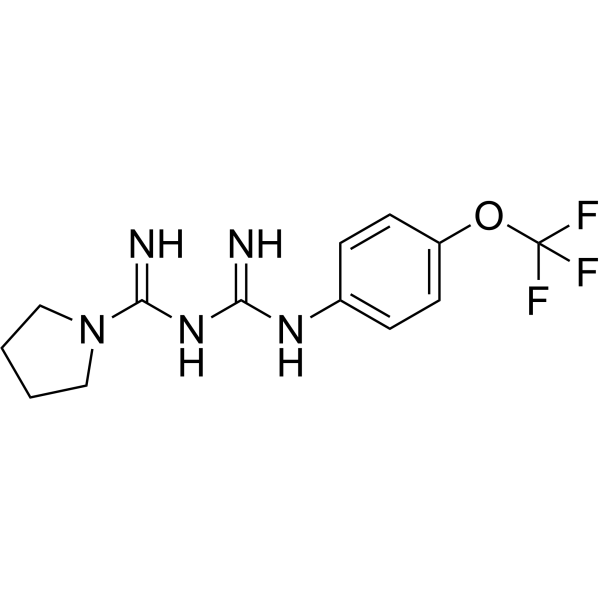 0 ImagesSynonyms: IM156 free base; HL156A free base; HL271 free baseLixumistat (IM156 free base) is a potent and orally active AMPK activator and OXPHOS inhibitor. Lixumistat strongly activates AMPK, while it lacks the systemic metabolic regulatory effects of classic metformin, such as hypoglycemic and weight-lowering activities. Lixumistat exhibits significant therapeutic effects on cognitive decline associated with brain aging and pulmonary fibrosis.
-
AMPK activator 4
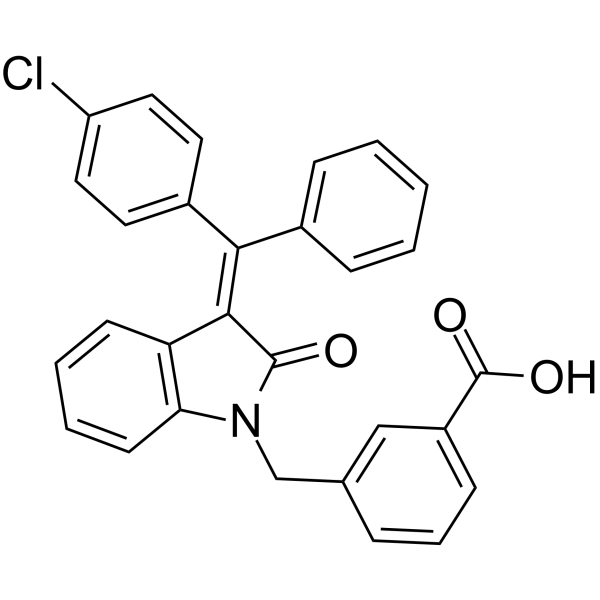
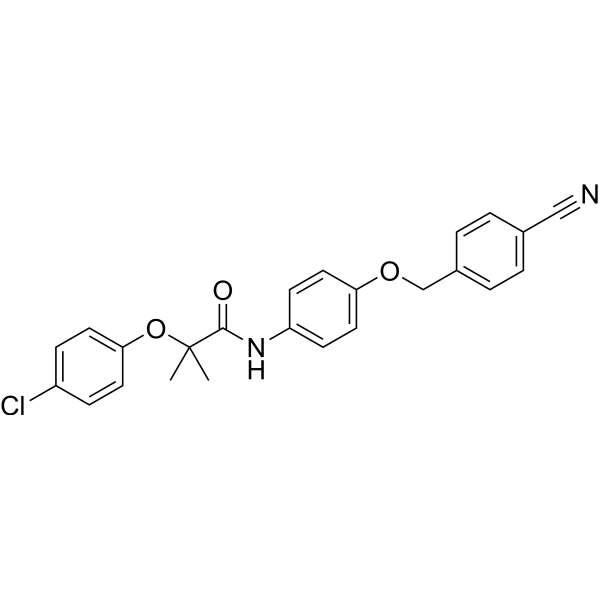 0 ImagesAMPK activator 4 is a potent AMPK activator without inhibition of mitochondrial complex I. AMPK activator 4 selectively activates AMPK in the muscle tissues. AMPK activator 4 dose-dependently improves glucose tolerance in normal mice, and significantly lowers fasting blood glucose level and ameliorates insulin resistance in db/db diabetic mice. Anti-hyperglycemic effect.
-
Malvidin-3-O-arabinoside chloride
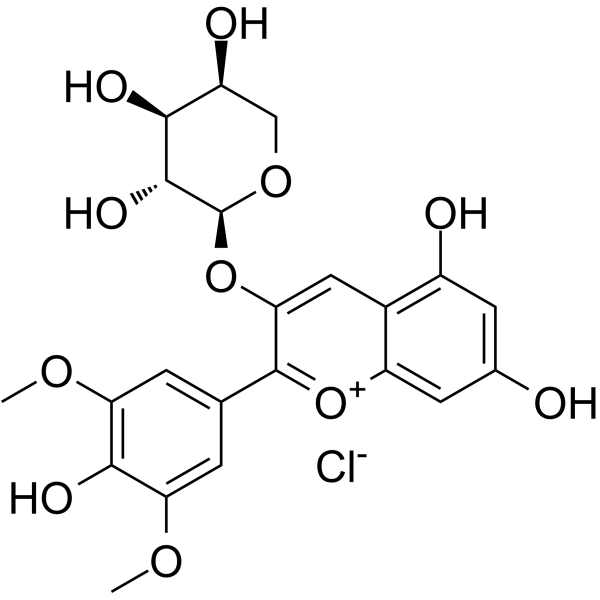 0 ImagesCat. No.: HY-N9349CAS No.: 28500-04-1Malvidin-3-O-arabinoside chloride ameliorates ethyl carbamate-induced oxidative damage by stimulating AMPK-mediated autophagy.
-
KHKI-01128
 0 ImagesCat. No.: HY-162708Purity: 99.95%KHKI-01128 is a NUAK2 inhibitor, with an IC50 of 0.024 μM. KHKI-01128 exhibits potent anticancer activity against SW480 colorectal cancer cells.
-
Galegine hydrochloride
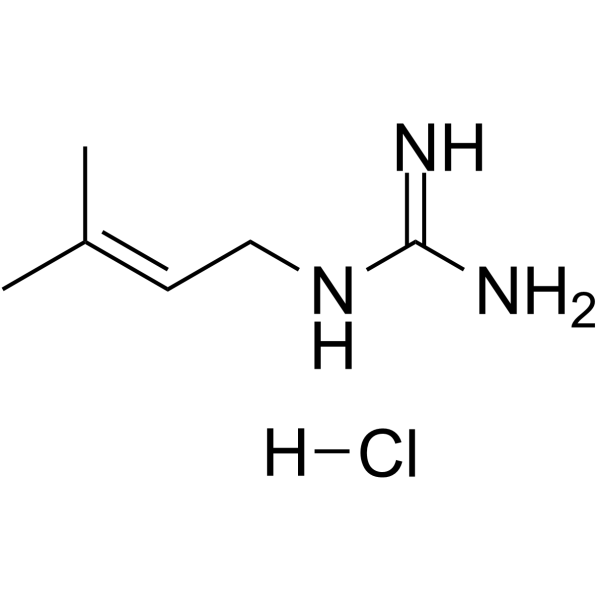 0 ImagesCat. No.: HY-N0930BCAS No.: 2368870-39-5Galegine hydrochloride, a guanidine derivative, contributes to weight loss in mice. Guanidine hydrochloride is the compound derived from G. officinalis, which gave rise to the biguanides, metformin and phenformin. Galegine hydrochloride activates AMPK in 3T3-L1 adipocytes and L6 myotubes, as well as in the H4IIE rat hepatoma and HEK293 human kidney cell lines. Galegine hydrochloride has antibacterial activity, with minimum inhibitory concentration of 4 mg/L against Staphylococcus aureus strains.
-
Androsin
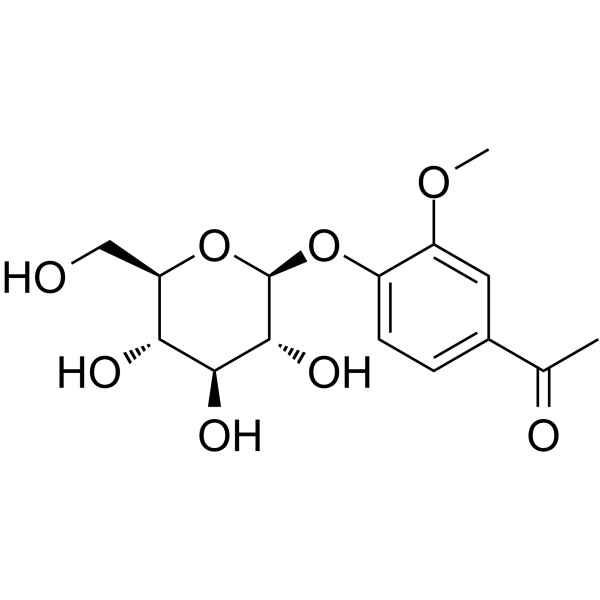 0 ImagesAndrosin is an active compound isolated from Picrorhiza Kurroa Royle ex Benth. Androsin activates AMPKα/PI3K/Beclin1/LC3 signaling pathway, inhibits SREBP1c/FASN signaling pathway. Androsin can be used in research of asthma and non-alcoholic fatty liver disease (NAFLD). Androsin is orally active.
-
Isomangiferin
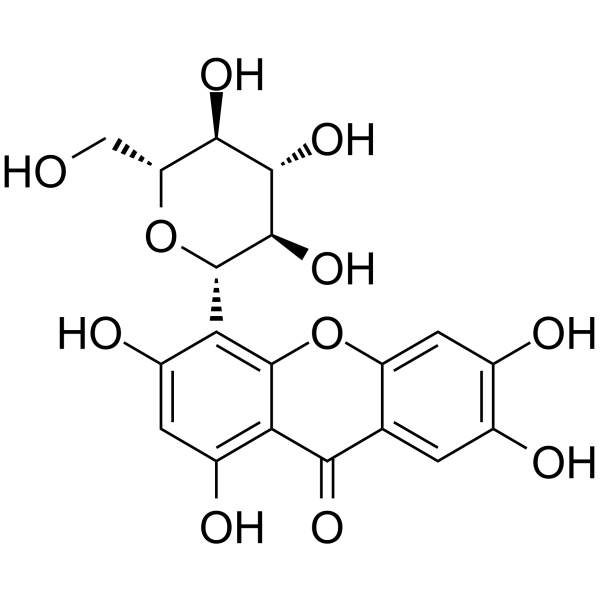 0 ImagesIsomangiferin is an orally active xanthone C-glucoside, and its chemical structure is similar to Mangiferin (HY-N0290). Isomangiferin is an effective VEGFR-2 kinase inhibitor, which can induces cell apoptosis, inhibit the growth, metastasis and angiogenesis of breast cancer. Isomangiferin exerts anti-inflammatory effects by inhibiting the HMGB1/NLRP3/NF-κB signaling pathway, thereby improving the renal function indicators of diabetic mice. Isomangiferin exhibits inhibitory effects on various bacteria and herpes simplex virus type 1 (HSV-1). Isomangiferin promotes the migration and osteogenic differentiation of bone marrow mesenchymal stem cells (BMSCs) and reduces cell apoptosis and the production of ROS by activating the AMPK/ACC pathway, thereby facilitating fracture healing.
-
Myricanol
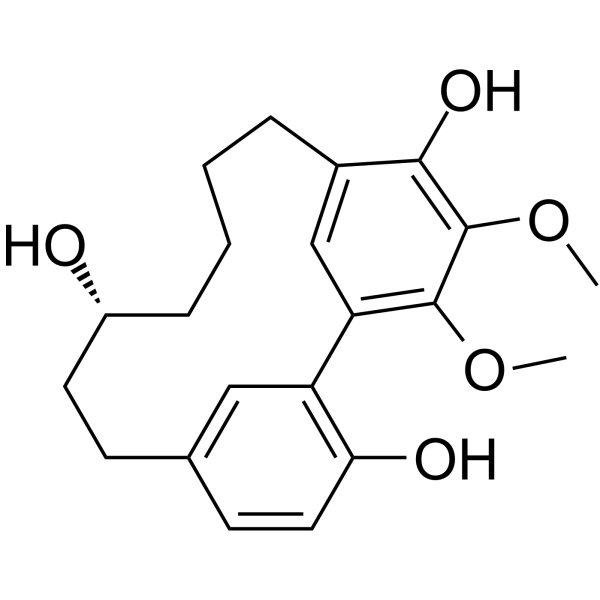 0 ImagesMyricanol is a diarylheptanoid and a Nampt activator. Myricanol exerts anti-inflammatory effects and alleviates glucocorticoid-induced muscle atrophy by increasing Sirtuin 1 (SIRT1) and PRDX5 activities while regulating inflammatory factors. Myricanol exhibits growth inhibition and induces apoptosis in human lung adenocarcinoma A549 cells. Myricanol promotes autophagy-mediated clearance of microtubule-associated protein tau to exert neuroprotective effects. Myricanol protects cardiovascular function by inhibiting PDGFRβ and NF-κB signaling pathways. Myricanol activates mitochondrial transcription factor A (TFAM) expression to exert anti-renal fibrosis effects. Myricanol improves insulin resistance through AMPK activation.
-
Anti-IL11 Antibody (X203, Mouse IgG)
 0 ImagesCat. No.: HY-P991736Purity: 99.45%Anti-IL11 Antibody (X203, Mouse IgG) is an antibody targeting IL-11. Anti-IL11 Antibody (X203, Mouse IgG) inhibits IL-11-mediated activation of the ERK-mTORC1 axis, inactivation of LKB1-AMPK, and pro-senescence pathways. Anti-IL11 Antibody (X203, Mouse IgG) alleviates age-related metabolic decline, improves muscle function, reduces tissue fibrosis, decreases the expression of senescence markers, and maintains telomere length and mtDNA copy number. Anti-IL11 Antibody (X203, Mouse IgG) restores browning of white adipose tissue, upregulates thermogenic and mitochondrial biogenesis gene programs, reduces lipid droplet size, and decreases immune cell infiltration in visceral white adipose tissue. Anti-IL11 Antibody (X203, Mouse IgG) extends the median lifespan of mice and reduces the incidence of age-related tumors. Anti-IL11 Antibody (X203, Mouse IgG) can be used in the research of age-related metabolic decline, sarcopenia and age-related cancers.
-
Arjunolic acid
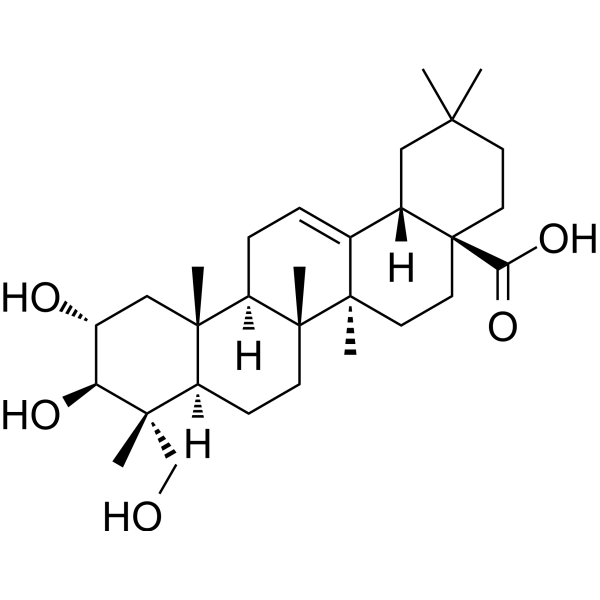 0 ImagesArjunolic acid is an orally active, multifunctional bioactive compound. Arjunolic acid exhibits free radical scavenging activity, as well as fungal and bacterial activities. Arjunolic acid induces apoptosis (Apoptosis) in various cancer cells. Arjunolic acid protects hepatocytes against induced oxidative stress and apoptosis by reducing reactive oxygen species and inhibiting NF-κB activation. Arjunolic acid regulates pancreatic dysfunction in type 2 diabetic rats by blocking the activation of the TLR-4/MyD88 and canonical Wnt pathways. Arjunolic acid inhibits neuroinflammation and ameliorates depressive behaviors via the SIRT1/AMPK/Notch1 signaling pathway in microglia. Arjunolic acid improves Crohn's disease-like colitis by restoring gut microbiota composition and inhibiting TLR4 signaling. Arjunolic acid suppresses osteosarcoma progression by inhibiting Wnt3a-mediated M2 polarization of macrophages. Arjunolic acid ameliorates diabetic retinopathy via the autophagy pathway regulated by AMPK/mTOR/HO-1. Arjunolic acid is applicable to research related to type 2 diabetes, organ toxicity, depression, Crohn's disease, osteosarcoma, diabetic retinopathy, and testicular dysfunction.
-
D-Arabitol (Standard)
 0 ImagesD-Arabitol (Standard) is the analytical standard of D-Arabitol (HY-N3686). This product is intended for research and analytical applications. D-Arabitol is an orally active D-enantiomer of arabitol. D-Arabitol modulates the composition of gut microbiota, increases short-chain fatty acids, and promotes AMPK-PGC-1α-related browning of white adipose tissue. D-Arabitol improves weight gain, fat accumulation, insulin resistance, lipid deposition and inflammatory responses. D-Arabitol serves as the sole carbon/energy source for Bacillus methanolicus MGA3, a strain that can co-utilize it with mannitol. D-Arabitol is applicable to obesity-related research.




