COX-2
Cyclooxygenase-2 (COX-2) is an inducible enzyme catalyzing the conversion of arachidonic acid to prostaglandin endoperoxides, central to prostanoid biosynthesis and inflammatory signaling[1][2]. Mechanistically, COX-2 activity is regulated by both its catalytic and allosteric subunits, allowing modulation by fatty acids and selective inhibitors, distinguishing it from constitutive COX-1[2]. COX-2 is strongly upregulated in response to pro-inflammatory cytokines, hypoxia, and tumor microenvironment signals, orchestrating prostaglandin E2 (PGE2) production and downstream activation of NF-κB and PI3K-Akt pathways[3][4][5]. In disease models, COX-2 contributes to cancer progression, atherosclerosis, and migraine through modulation of immune responses, vascular smooth muscle activity, and neuronal-glial interactions[6][7][5]. Compared with COX-1, COX-2 expression is more context-dependent and spatially regulated, being highly inducible in endothelial cells, arterial versus venous smooth muscle, and neuronal populations under stress or inflammatory stimuli[8][9][10]. Experimental studies demonstrate COX-2 as a critical mediator of ischemic preconditioning in the heart, providing cardioprotection via PGE2 and PGI2 signaling[11]. Selective COX-2 inhibitors, including synthetic NSAIDs and dual COX/LOX modulators, are utilized to interrogate COX-2 function and develop anti-inflammatory therapies with reduced gastrointestinal and cardiovascular side effects[3][12]. Agonist studies further highlight receptor-mediated induction of COX-2, exemplifying its role in colon carcinoma and trigeminal ganglia models[13][7].
References:
- [1]. Smith FG, et al. Cyclooxygenase (COX) Inhibitors and the Newborn Kidney. Pharmaceuticals (Basel). 2012 Oct 25;5(11):1160-76. [Content Brief]
- [2]. Ahmadi M, et al. Non-steroidal anti-inflammatory drugs: recent advances in the use of synthetic COX-2 inhibitors. RSC Med Chem. 2022 Feb 14;13(5):471-496. [Content Brief]
- [3]. Bolli R, et al. Discovery of a new function of cyclooxygenase (COX)-2: COX-2 is a cardioprotective protein that alleviates ischemia/reperfusion injury and mediates the late phase of preconditioning. Cardiovasc Res. 2002 Aug 15;55(3):506-19. [Content Brief]
- [4]. Kirkby NS, et al. COX-2 protects against atherosclerosis independently of local vascular prostacyclin: identification of COX-2 associated pathways implicate Rgl1 and lymphocyte networks. PLoS One. 2014 Jun 2;9(6):e98165. [Content Brief]
- [5]. Segelcke D, et al. The role of the spinal cyclooxygenase (COX) for incisional pain in rats at different developmental stages. Eur J Pain. 2020 Feb;24(2):312-324. [Content Brief]
- [6]. Chatzipieris FP, et al. Recent advances in dual COX/LOX inhibitor design (2020-2024). Life. 2026;16(1):163. [Content Brief]
- [7]. Yang WL, et al. Cholinergic receptor up-regulates COX-2 expression and prostaglandin E(2) production in colon cancer cells. Carcinogenesis. 2000 Oct;21(10):1789-93. [Content Brief]
- [8]. Hsieh HL, et al. c-Src-dependent EGF receptor transactivation contributes to ET-1-induced COX-2 expression in brain microvascular endothelial cells. J Neuroinflammation. 2012 Jul 2;9:152. [Content Brief]
- [9]. Neeb L, et al. IL-1β stimulates COX-2 dependent PGE₂ synthesis and CGRP release in rat trigeminal ganglia cells. PLoS One. 2011 Mar 4;6(3):e17360. [Content Brief]
- [10]. Chen S, et al. 288 The COX-2 pathway as a mediator of resistance to anti-PD-1 therapy. J Immunother Cancer. 2021;9(Suppl 2):A312.
- [11]. Bishop-Bailey D, et al. Differential induction of cyclooxygenase-2 in human arterial and venous smooth muscle: role of endogenous prostanoids. Arterioscler Thromb Vasc Biol. 1998 Oct;18(10):1655-61. [Content Brief]
- [12]. Majumder M, et al. COX-2 Elevates Oncogenic miR-526b in Breast Cancer by EP4 Activation. Mol Cancer Res. 2015 Jun;13(6):1022-33. [Content Brief]
- [13]. Scott KF, et al. Functional coupling and differential regulation of the phospholipase A2-cyclooxygenase pathways in inflammation. J Leukoc Biol. 1999 Oct;66(4):535-41. [Content Brief]
- [14]. Smith WL, et al. Interactions of fatty acids, nonsteroidal anti-inflammatory drugs, and coxibs with the catalytic and allosteric subunits of cyclooxygenases-1 and -2. J Biol Chem. 2019 Feb 1;294(5):1697-1705. [Content Brief]
-
COX-2 Related Products (516)
Related Products (516)

-
3,4-Dihydroxyphenylglycol
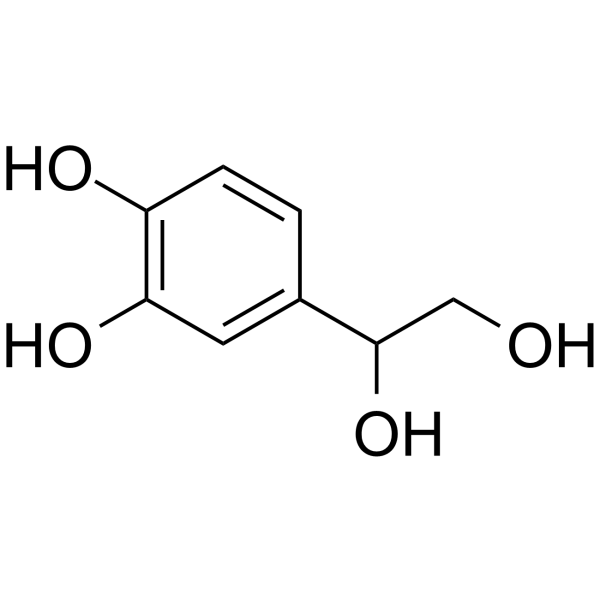 0 Images3,4-Dihydroxyphenylglycol is a phenolic compound and antioxidant. 3,4-Dihydroxyphenylglycol can be extracted from olive oil. 3,4-Dihydroxyphenylglycol downregulates the expression of proinflammatory enzymes (iNOS, COX-2) and prevents the degradation of IκBα. 3,4-Dihydroxyphenylglycol has antioxidant properties. 3,4-Dihydroxyphenylglycol has shown positive effects on frozen-thawed ram sperm. 3,4-Dihydroxyphenylglycol can be used in the study of inflammatory-related diseases (such as ulcerative colitis) and reproductive health (sperm cryopreservation).
-
Indole-3-pyruvic acid (Standard)
 0 ImagesIndole-3-pyruvic acid (Standard) is the analytical standard of Indole-3-pyruvic acid (HY-W028393). This product is intended for research and analytical applications. Indole-3-pyruvic acid is an orally active ketone analog of tryptophan, and is an aryl hydrocarbon receptor (AHR) agonist. Indole-3-pyruvic acid inhibits p38/MAPK phosphorylation, regulates the tryptophan metabolic pathway, and also possesses protective activities against skin photodamage, as well as anti-inflammatory and anti-anxiety bioactivities in the gut. Indole-3-pyruvic acid can downregulate the expression of IL-1β, IL-6, Cox-2, and Bax to alleviate UVB-induced keratinocyte toxicity. Indole-3-pyruvic acid can activate AHR to promote Tr1 cell differentiation, increase IL-10, and inhibit Th1 cytokine production. Indole-3-pyruvic acid can alter the levels of kynurenine metabolites in the brain, mediating central nervous system-related effects. Indole-3-pyruvic acid can be used in research on skin lesions, colitis, and anxiety.
-
PT109
 0 ImagesPT109 is an orally active, blood-brain barrier permeable multi-kinase inhibitor. By inhibiting PTBP1, PT109 promotes the switch of pyruvate kinase isoform from PKM2 to PKM1, thereby effectively inhibiting the proliferation and migration of glioblastoma multiforme and inducing its reprogramming into oligodendrocytes. PT109 also targets and regulates key signaling molecules such as JNK, SGK1, GSK3β to exert neuroprotective effects including promoting neurogenesis, inducing synapse formation and alleviating neuroinflammation. In Alzheimer's disease models, PT109 exhibits significant efficacy in improving spatial learning ability, along with excellent in vivo pharmacokinetic properties. PT109 can be used to investigate metabolic reprogramming of glioblastoma multiforme and neuroprotective mechanisms of Alzheimer's disease.
-
N-(p-Coumaroyl) Serotonin
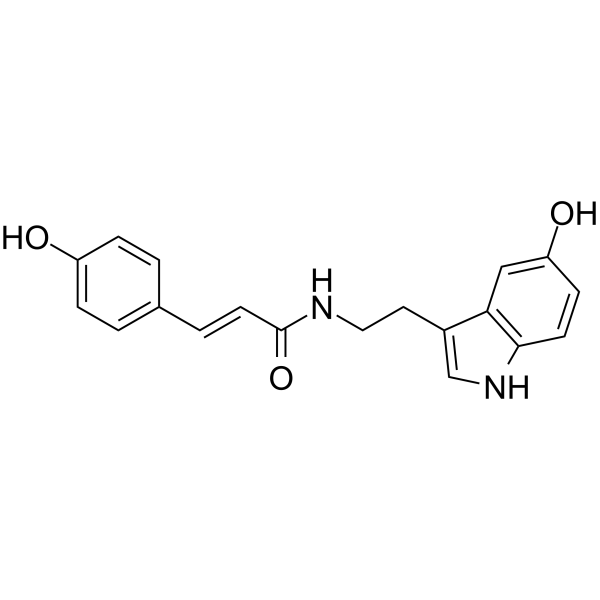 0 ImagesN-(p-Coumaroyl) Serotonin is an orally active polyphenol found in safflower seeds with potent anti-inflammatory, antioxidant, and antitumor activities. N-(p-Coumaroyl) Serotonin suppresses NF‑κB, TLR4/MyD88 and MAPK signaling, activates NQO1/HO‑1 pathways, and inhibits pro‑inflammatory cytokines, iNOS and COX‑2 and ROS production. N-(p-Coumaroyl) Serotonin induces S‑phase arrest and apoptosis in glioblastoma cells, reduces atherosclerotic lesions, and alleviates renal and vascular injuries. N-(p-Coumaroyl) Serotonin acts as a vasodilator, regulates calcium dynamics. N-(p-Coumaroyl) Serotonin can be used for the research of neurodegenerative diseases, atherosclerosis, glioblastoma, and acute renal failure.
-
Dihydrokavain
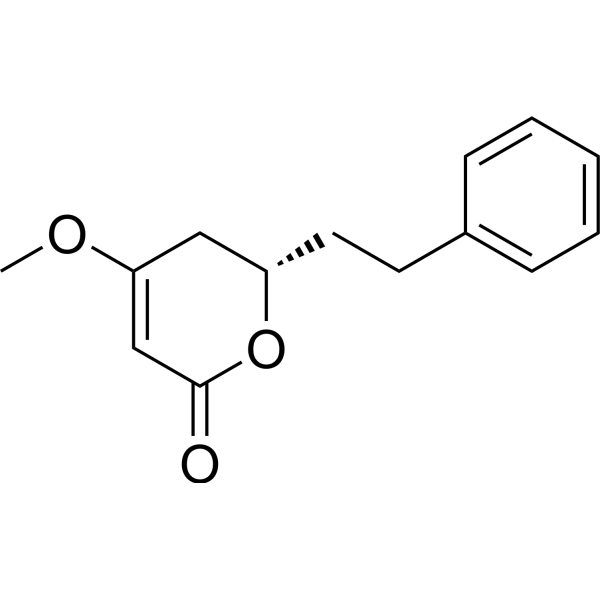 0 ImagesSynonyms: 7,8-Dihydrokawain; 7,8-Dihydrokavain; Marindinin
-
Bromfenac sodium hydrate
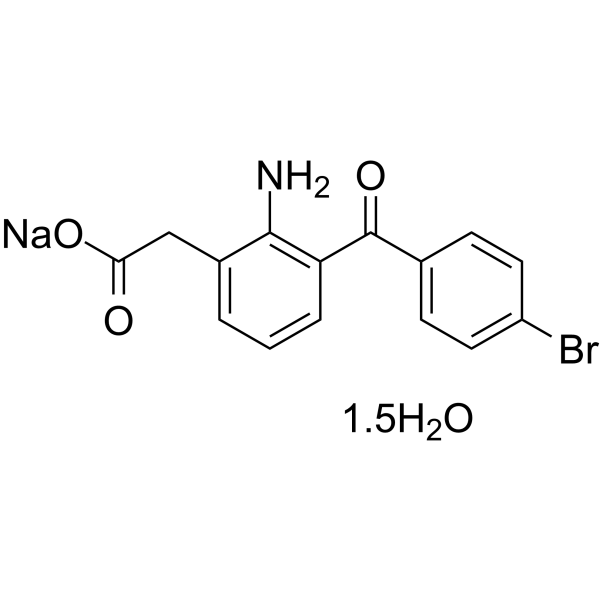 0 ImagesSynonyms: Bromfenac monosodium salt sesquihydrate
-
Δ5-Avenasterol
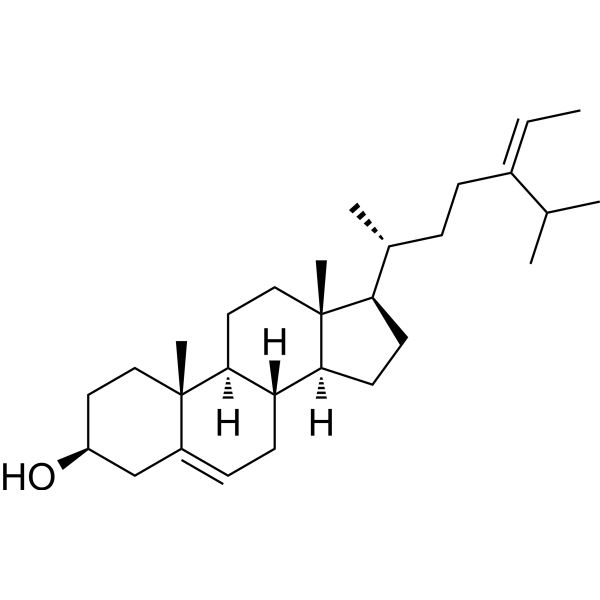 0 ImagesΔ5-Avenasterol is an antioxidant that targets cyclooxygenase-2 (COX-2) and exists in tomato seed oil, oat grain oil, and wheat germ oil. Δ5-Avenasterol binds to the active site of COX-2, thereby blocking the conversion of arachidonic acid to inflammatory prostaglandins. Δ5-Avenasterol exerts antioxidant activity via the ethylene group at positions 24 and 28 of its side chain.
-
Saponarin
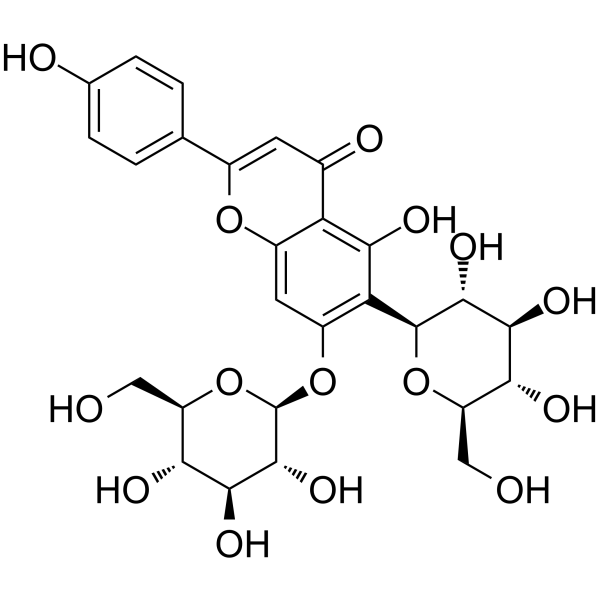 0 ImagesSaponarin is an orally active flavonoid compound. Saponarin can be isolated from Gypsophila trichotoma. Saponarin inhibits ERK/p38, NF-κB and MAPK phosphorylation and activates AMPK. Saponarin reduces IL-1β and COX-2. Saponarin has antioxidant, anti-inflammatory, hepatoprotective, hypoglycemic and hypotensive effects. Saponarin improves sleep disorders.
-
α-Spinasterol
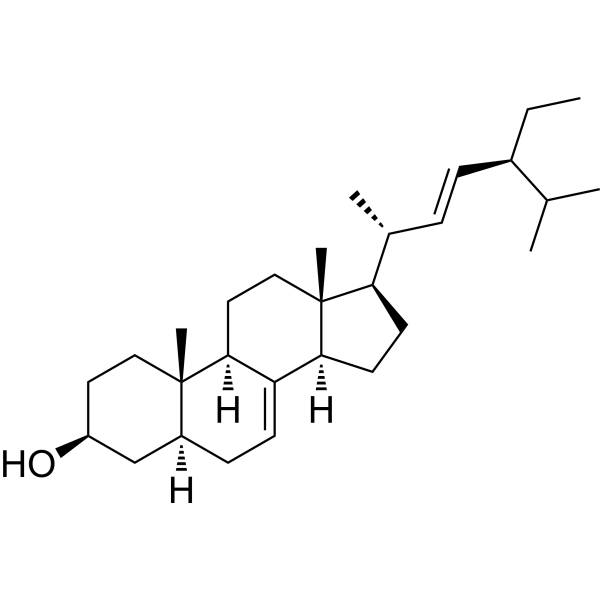 0 Imagesα-Spinasterol is an orally taken antagonist of transient receptor potential vanilloid 1 ( TRPV1), and it's also an inhibitor of COX-1 and COX-2, with IC50 values of 16.17 μM and 7.76 μM, respectively. α-Spinasterol exhibits antibacterial, anti-inflammatory, antidepressant, and antioxidant effects, has the ability to cross the blood-brain barrier, and can improve diabetes in mice.

-
Byakangelicol
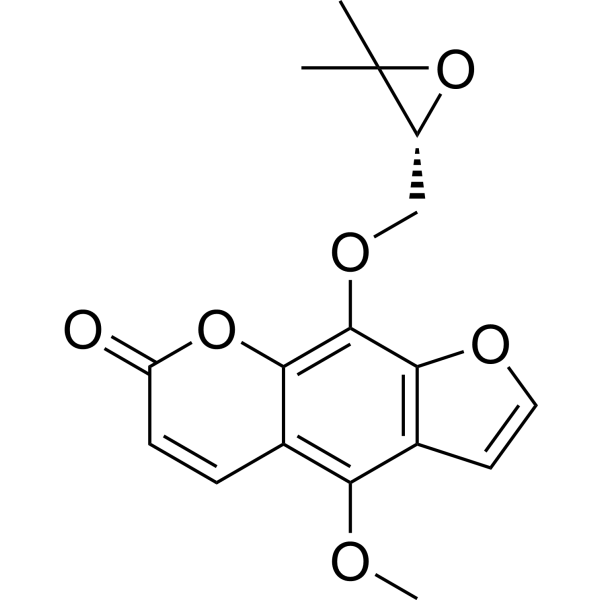 0 ImagesCat. No.: HY-N0074CAS No.: 26091-79-2Byakangelicol, isolated from Angelica dahurica, inhibits interleukin-1beta (IL-1beta) -induced prostaglandin E2 (PGE2) release in A549 cells mediated by suppression of cyclooxygenase-2 (COX-2) expression and the activity of COX-2 enzyme. Byakangelicol has therapeutic potential as an anti-inflammatory agent on airway inflammation.
-
Diclofenac acyl glucuronide
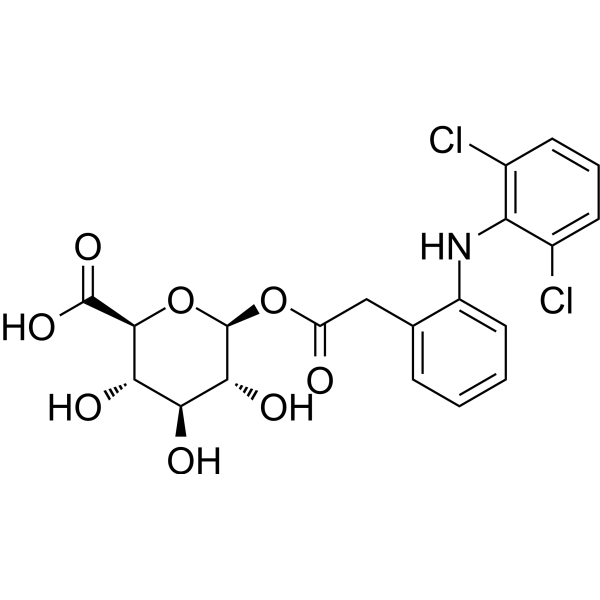 0 ImagesSynonyms: D-1-O-GDiclofenac acyl glucuronide (D-1-O-G) is an orally active glucuronide metabolite of Diclofenac (HY-15036). Diclofenac acyl glucuronide exhibits SOD inhibitory activity, COX-1 inhibitory activity (IC50 = 0.620 μM), and COX-2 inhibitory activity (IC50 = 2.91 μM). Diclofenac acyl glucuronide induces reactive oxygen species (ROS) production and acts as a substrate of OATP2B1. Diclofenac acyl glucuronide induces small intestinal ulcers. Diclofenac acyl glucuronide can be used in research related to intestinal diseases and small intestinal ulcers.
-
2,4-Dinitrobenzenesulfonic acid sodium salt
 0 ImagesSynonyms: Sodium 2,4-dinitrobenzenesulfonate; DNBS sodium salt; DNBSO sodium salt2,4-Dinitrobenzenesulfonic acid (DNBS; DNBSO) sodium salt (Sodium 2,4-dinitrobenzenesulfonate) is a classic colitis inducer that relies on activation of the NF-κB p65/COX-2/p38 pathway. As a hapten, 2,4-Dinitrobenzenesulfonic acid sodium salt stimulates the production of immune responses in colonic tissues, triggers oxidative stress and inflammatory reactions, and thereby leads to colonic injury. 2,4-Dinitrobenzenesulfonic acid sodium salt successfully induces models of colitis and ulcerative colitis in rats, causing pathological changes such as ulcers, edema, stenosis, shortening and organ adhesion in the distal colon, along with significant increases in the levels of inflammatory indicators and endoplasmic reticulum stress marker proteins. 2,4-Dinitrobenzenesulfonic acid sodium salt is widely used in studies on the mechanisms related to colitis and ulcerative colitis.
-
Diclofenac potassium
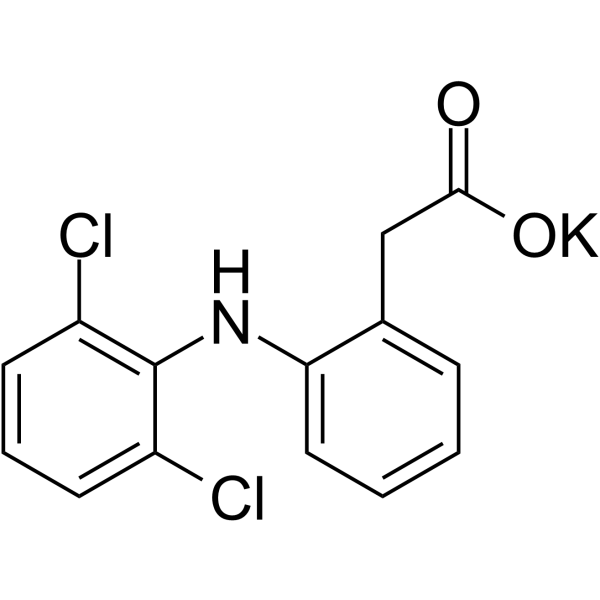 0 ImagesDiclofenac potassium is a potent and nonselective anti-inflammatory agent, acts as a COX inhibitor, with IC50s of 4 and 1.3 nM for human COX-1 and COX-2 in CHO cells, and 5.1 and 0.84 μM for ovine COX-1 and COX-2, respectively. Diclofenac potassium induces apoptosis of neural stem cells (NSCs) via the activation of the caspase cascade.
-
Nepafenac
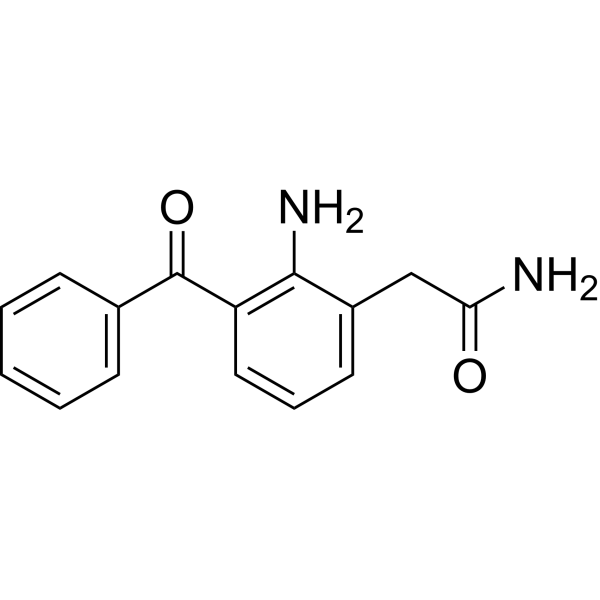 0 ImagesSynonyms: AHR 9434; AL 6515Nepafenac (AHR 9434; AL 6515), a nonsteroidal anti-inflammatory agent, is a topically administered COX-2 inhibitor with an IC50 of 0.12 μM. Nepafenac exhibits only weak COX-1 inhibitory activity (IC50 = 64.3 μM). Nepafenac possesses unique prodrug properties, which enable it to rapidly convert into the active metabolite Amfenac (HY-17479) in the ocular tissues, thereby achieving high concentrations in the retina and choroid. Nepafenac reduces inflammation and pain by inhibiting the activity of cyclooxygenase (COX) enzymes and thereby decreasing the production of prostaglandin PGE₂. Nepafenac can delay the metastasis of uveal melanoma (UM) in rabbit eyes. Nepafenac is mainly used for pain management and inflammation control after ophthalmic surgeries.
-
2,5-Di-tert-butylhydroquinone
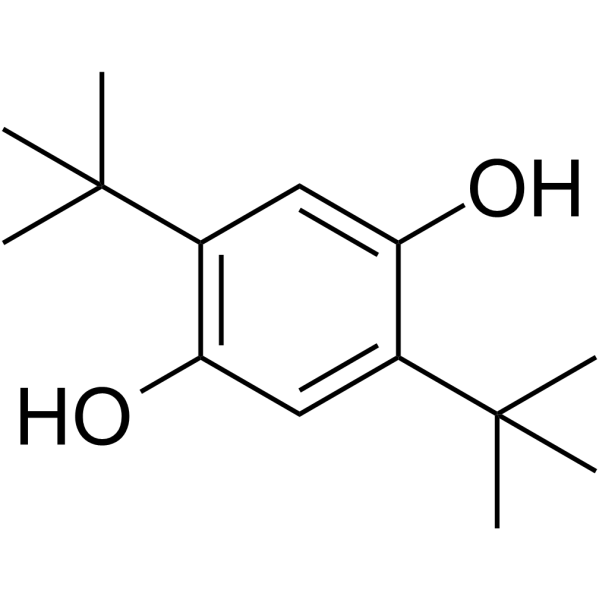 0 Images2,5-Di-tert-butylhydroquinone (BHQ) (Compound 2), an indirect food additive, is a Sarco/endoplasmic reticulum Ca2+ ATPase (SERCA) inhibitor with an IC50 of 400 nM. 2,5-Di-tert-butylhydroquinone disrupts the gating function of the residue Glu309 which prevents Ca2+ from reaching their binding site. 2,5-Di-tert-butylhydroquinone regulates the activity of 5-lipoxygenase and COX-2 (IC50: 1.8 and 14.1 μM for 5-LO and COX-2, respectively).
-
(S)-Flurbiprofen
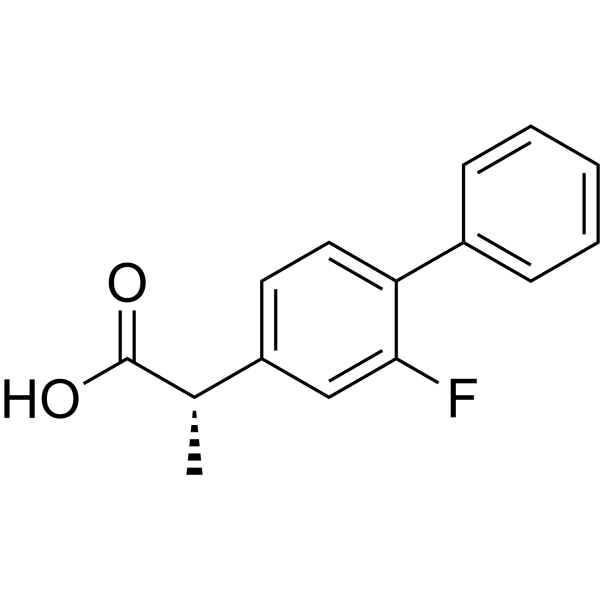 0 ImagesSynonyms: Esflurbiprofen
-
Pheophytin a
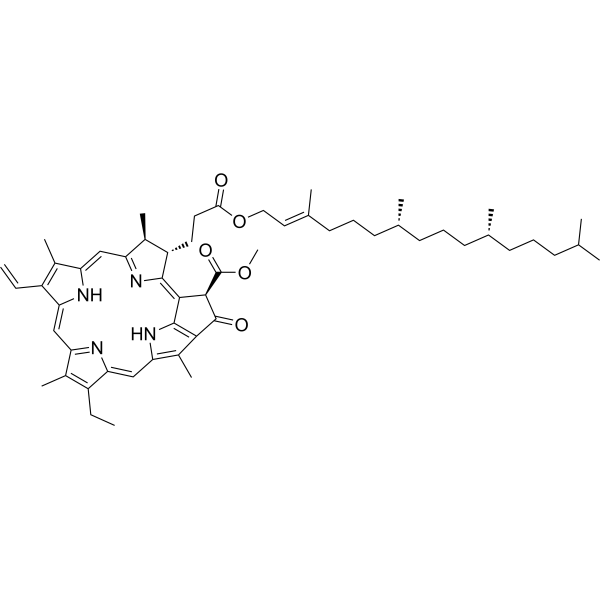 0 ImagesPheophytin a is a multi-target inhibitor, anticancer agent, antioxidant and antiviral agent. Pheophytin a directly binds to and inhibits HCV-NS3/4A protease (IC50=0.89 μM) to block viral replication. Pheophytin a also scavenges free radicals, reduces ferric ions, and exhibits cytotoxic activity against breast cancer cells. Pheophytin a effectively inhibits LPS-induced production of nitric oxide, prostaglandin E2, NOS2 and COX-2, as well as various pro-inflammatory cytokines, by downregulating the transcription levels of inflammatory mediators and blocking the ERK1/2 and STAT-1 pathways. In a low nerve growth factor environment, Pheophytin a also enhances ERK1/2 phosphorylation and synergistically promotes neurite outgrowth through MAPK pathway. Pheophytin a can be used to investigate the pathogenic mechanisms of diseases including chronic hepatitis C, sepsis, breast cancer and Alzheimer's disease.