



IL-6
IL-6 is a pleiotropic cytokine that regulates immune response, acute inflammation, tissue regeneration, metabolism, and stromal activation[1][2]. Mechanistically, IL-6 binds IL-6Rα and recruits gp130, activating JAK/STAT3 signaling and downstream transcriptional programs[1][3]. Disease relevance depends strongly on receptor context: membrane IL-6Rα supports classic signaling, whereas soluble IL-6Rα enables trans-signaling in gp130-expressing cells and drives pro-inflammatory activity[1][4]. Compared with these receptor forms, gp130 is broadly expressed, while IL-6R expression is restricted to selected cells such as hepatocytes and leukocytes, explaining cell-type-selective responsiveness[1]. In vascular endothelial cells, IL-6 trans-signaling induces MCP-1 through coordinated JAK/STAT3 and PI3K/AKT activation[5]. In proliferative vitreoretinopathy models, IL-6 promotes retinal pigment epithelial proliferation and epithelial-mesenchymal transition through JAK1/STAT3 signaling[6]. For experimental intervention, tocilizumab, a humanized anti-IL-6R antibody, blocks IL-6 signaling and improves rheumatoid arthritis outcomes in controlled clinical studies[7][8].
References:
- [1]. Rose-John S. IL-6 trans-signaling via the soluble IL-6 receptor: importance for the pro-inflammatory activities of IL-6. Int J Biol Sci. 2012;8(9):1237-47. doi: 10.7150/ijbs.4989. Epub 2012 Oct 24. PMID: 23136552; PMCID: PMC3491447. et al. IL-6 trans-signaling via the soluble IL-6 receptor: importance for the pro-inflammatory activities of IL-6. Int J Biol Sci. 2012;8(9):1237-47. [Content Brief]
- [2]. Danese S, et al. Interleukin-6: a therapeutic Jekyll and Hyde in gastrointestinal and hepatic diseases. Gut. 2010 Feb;59(2):149-51. [Content Brief]
- [3]. Reeh H, et al. Response to IL-6 trans- and IL-6 classic signalling is determined by the ratio of the IL-6 receptor α to gp130 expression: fusing experimental insights and dynamic modelling. Cell Commun Signal. 2019 May 17;17(1):46. [Content Brief]
- [4]. Maes M, et al. Targeting classical IL-6 signalling or IL-6 trans-signalling in depression? Expert Opin Ther Targets. 2014 May;18(5):495-512. [Content Brief]
- [5]. Zegeye MM, et al. Activation of the JAK/STAT3 and PI3K/AKT pathways are crucial for IL-6 trans-signaling-mediated pro-inflammatory response in human vascular endothelial cells. Cell Commun Signal. 2018 Sep 5;16(1):55. [Content Brief]
- [6]. Chen X, et al. Interleukin-6 promotes proliferative vitreoretinopathy by inducing epithelial-mesenchymal transition via the JAK1/STAT3 signaling pathway. Mol Vis. 2020 Jul 29;26:517-529. [Content Brief]
- [7]. Ohsugi Y, et al. The recombinant humanized anti-IL-6 receptor antibody tocilizumab, an innovative drug for the treatment of rheumatoid arthritis. Expert Opin Biol Ther. 2008 May;8(5):669-81. [Content Brief]
- [8]. Emery P, et al. IL-6 receptor inhibition with tocilizumab improves treatment outcomes in patients with rheumatoid arthritis refractory to anti-tumour necrosis factor biologicals: results from a 24-week multicentre randomised placebo-controlled trial. Ann Rheum Dis. 2008 Nov;67(11):1516-23. [Content Brief]
All Product Categories
-
IL-6 Inhibitors
(409)
View all products
-
IL-6 Agonists
(5)
View all products
-
IL-6 Antagonists
(3)
View all products
-
IL-6 Activators
(24)
View all products
-
IL-6 Modulators
(22)
View all products
-
IL-6 Chemical
(1)
View all products
-
IL-6 Inducers
(13)
View all products
-
IL-6 Degrader
(1)
View all products
-
IL-6 Ligand
(1)
View all products
-
IL-6 Proteins
(24)
View all products
-
IL-6 Related Products (506)
Related Products (506)

-
Recombinant Proteins (24)
-
Tryptanthrin
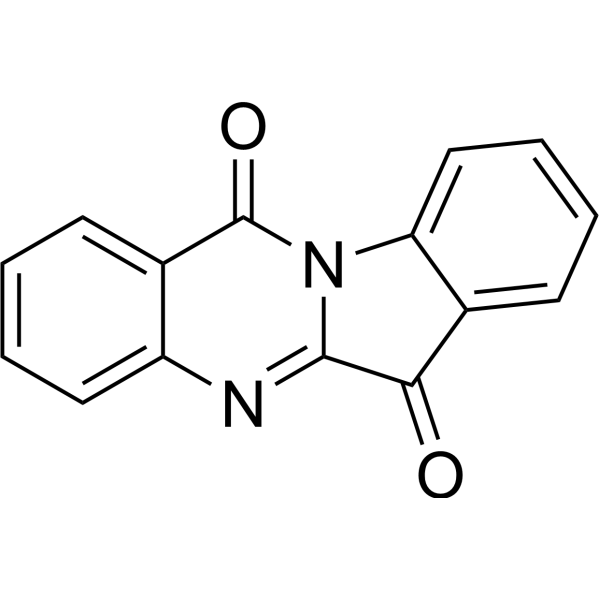 0 ImagesTryptanthrin is an indole quinazoline that could be an alkaloid from indigo-bearing plants. Tryptanthrin is a potent and orally active cellular Leukotriene (LT) biosynthesis inhibitor. Tryptanthrin has anticancer activity. Tryptanthrin suppresses the expression levels of NOS1, COX-2, and NF-κB and regulates the expression levels of IL-2, IL-10, and TNF-α.
-
Benzoylpaeoniflorin
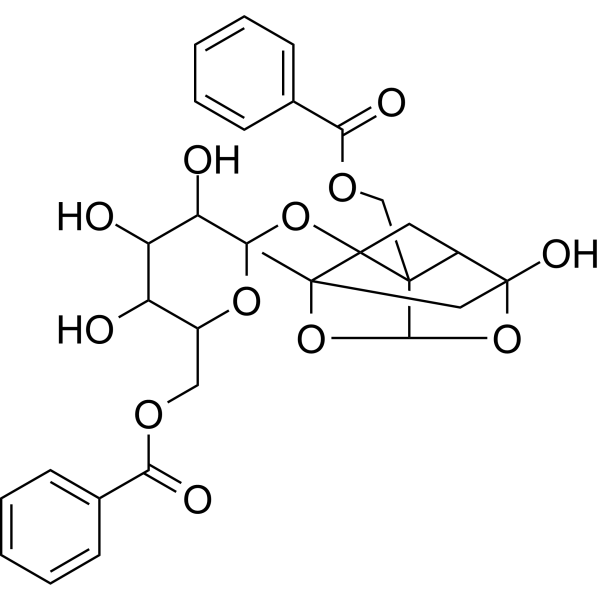 0 ImagesBenzoylpaeoniflorin is an orally active monoterpene glycoside compound. Benzoylpaeoniflorin exerts anti-inflammatory, anti-allergic, psoriasis-improving and sepsis-improving effects by inhibiting signaling pathways such as TNF/NF-κB and MAPK, as well as regulating immune homeostasis. Benzoylpaeoniflorin can be used in research related to immune, allergic and inflammatory diseases.
-
Sinapaldehyde
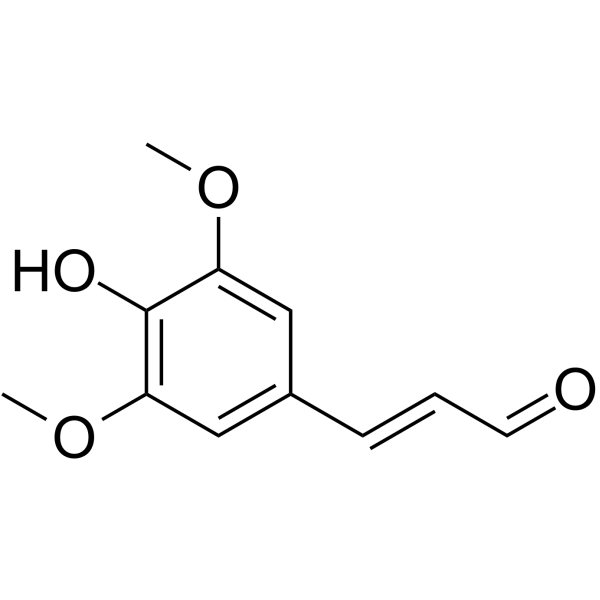 0 ImagesSinapaldehyde is a methoxyphenol and a selective COX-2 inhibitor (IC50: 47.8 µM) that can be extracted from various plants. Sinapaldehyde has antibacterial, anti-inflammatory, and antioxidant activities. Sinapaldehyde can scavenge DPPH free radicals (IC50: 172 μM). Sinapaldehyde is active against both Gram-negative and Gram-positive bacteria.
-
Chymostatin
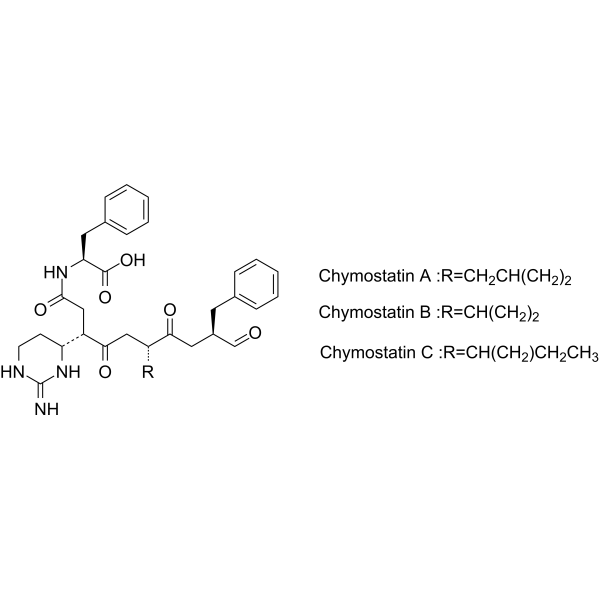 0 ImagesChymostatin is a SARS-CoV-2 Mpro inhibitor. Chymostatin up-regulates endocan and inhibits NF-κBp65 activity. Chymostatin reduces proinflammatory cytokines (IL-1β and IL-6) and HMGB1. Chymostatin shows protective effects against Paraquat-induced acute lung injury. Chymostatin exhibits anticancer activity against lung cancer.
-
Ziltivekimab
 0 ImagesSynonyms: COR-001; MEDI-5117; MEDI-5117; NN-6018; WBP-216Ziltivekimab (COR-001) is a fully human monoclonal antibody and also an IL-6 inhibitor. Ziltivekimab significantly reduces inflammatory biomarkers and Lipoprotein (a) in chronic kidney disease patients with systemic inflammation. Ziltivekimab does not increase pro-atherosclerotic lipid levels. Ziltivekimab is used in studies related to atherosclerotic thrombotic diseases and chronic kidney disease.
-
Olokizumab
 0 ImagesSynonyms: CDP 6038; OKZ
-
Tomaralimab
 0 ImagesSynonyms: OPN-305Tomaralimab (OPN-305) is a humanized anti-TLR2 IgG4 monoclonal antibody. Tomaralimab inhibits TLR2, MyD88, NLRP3, and reduces pro-inflammatory cytokine (IL-1β, IL-6, IL-8) production. Tomaralimab reduces tau pathology. Tomaralimab improves cognition, atopic dermatitis. Tomaralimab has anticancer effects on pancreatic ductal adenocarcinoma. Tomaralimab is being studied in myelodysplastic syndrome (MDS), atopic dermatitis, pancreatic ductal adenocarcinoma, Alzheimer's disease, and myocardial ischemia/reperfusion injury.
-
SC144 hydrochloride
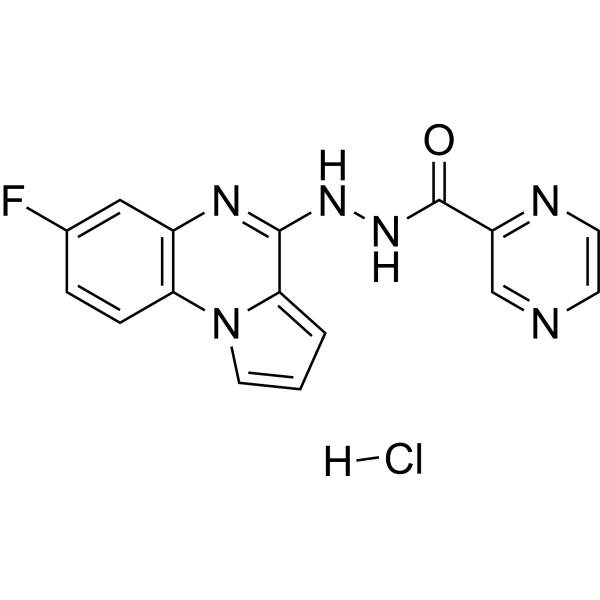 0 ImagesSC144 hydrochloride is a first-in-class, orally active gp130 (IL6-beta) inhibitor. SC144 hydrochloride binds gp130, induces gp130 phosphorylation (S782) and deglycosylation, abrogates Stat3 phosphorylation and nuclear translocation, and further inhibits the expression of downstream target genes. SC144 hydrochloride shows potent inhibition of gp130 ligand-triggered signaling. SC144 hydrochloride induces apoptosis in human ovarian cancer cells.
-
IRF5-CPP5
 0 ImagesIRF5-CPP5 is a cytosolic peptide that selectively targeting human IRF5 wirh a Kd of 0.53 μM. IRF5-CPP5 disrupts IRF5 homodimerization and inhibits its nuclear translocation without altering IRF5 phosphorylation levels. IRF5-CPP5 inhibits proinflammatory cytokine (IL-6, IL-1β, TNF-α) production. IRF5-CPP5 can be used for the research of systemic lupus erythematosus.
-
3-O-Methyldopa
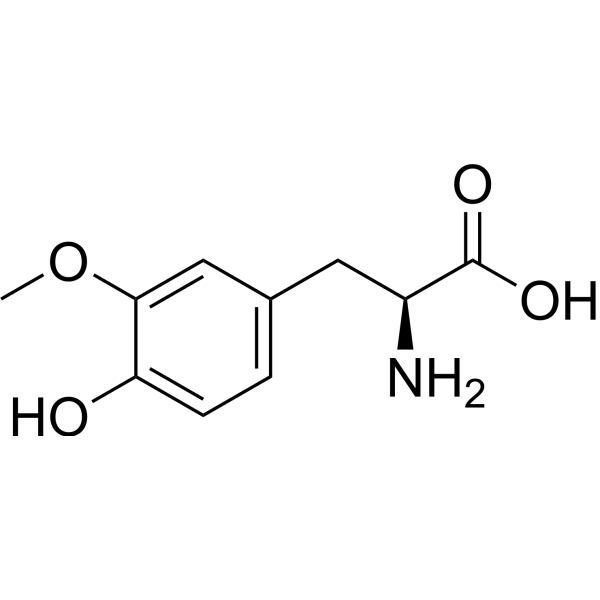 0 ImagesSynonyms: 3-Methoxy-L-tyrosine; 3-O-Methyl-L-DOPA3-O-Methyldopa (3-Methoxy-L-tyrosine) is a metabolite of L-DOPA (HY-N0304) that can cross the blood-brain barrier (BBB). 3-O-Methyldopa inhibits the astrocyte-mediated protective effect of L-DOPA (HY-N0304) on dopaminergic neurons. In addition, 3-O-Methyldopa has certain antidepressant and neuroprotective activities. 3-O-Methyldopa can be used in the research of nervous system diseases such as depression and Parkinson's disease.
-
γ-Glutamylvaline
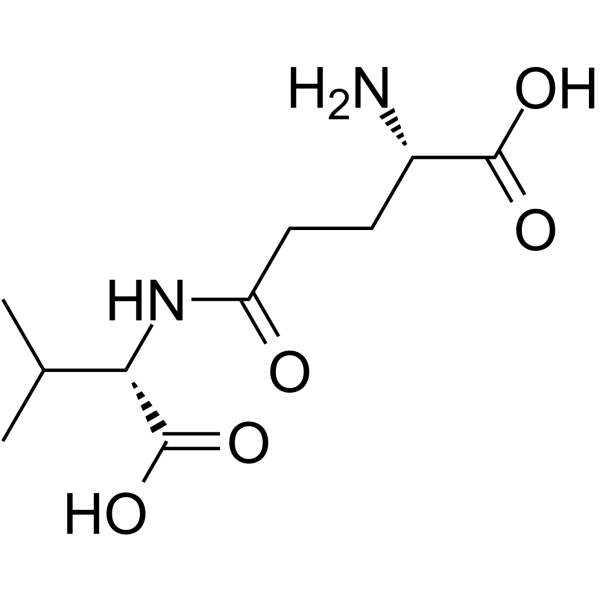 0 Imagesγ‑Glutamylvaline (γ-Glu-Val) is a calcium‑sensing receptor (CaSR) agonist. γ‑Glutamylvaline activates CaSR and facilitates its binding to β‑arrestin 2 to modulate inflammatory and metabolic homeostasis signaling. γ‑Glutamylvaline inhibits TNF‑α‑induced IL‑6/MCP‑1 and enhances adiponectin/PPARγ in adipocytes. γ‑Glutamylvaline upregulates Wnt5a, restores β‑catenin phosphorylation, and reduces serine‑phosphorylated IRS‑1 in adipocytes. γ-Glutamylvaline can be used for the research of low-grade chronic inflammation.
-
Calceolarioside B
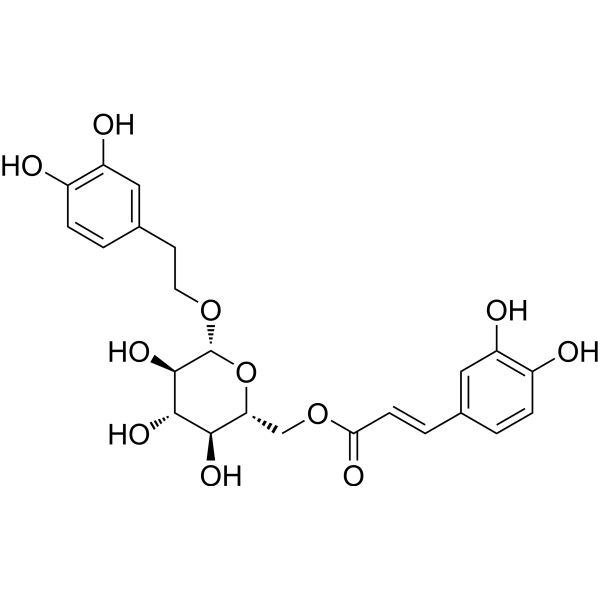 0 ImagesCalceolarioside B is a phenylethanoid glycoside. Calceolarioside B can be isolated from the leaves of Akebia quinata. Calceolarioside B inhibits RLAR activity with an IC50 value of 23.99 μM. Calceolarioside B inhibits the entry of Omicron BA.2 into host cells. Calceolarioside B reduces IL-6 levels. Calceolarioside B has immunomodulatory activity. Calceolarioside B has anticancer activity against human hormone-independent prostate cancer.
-
Epimedin A
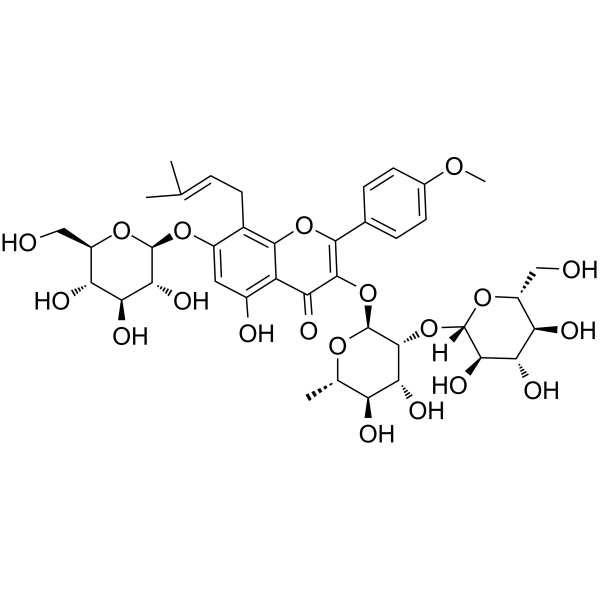 0 ImagesEpimedin A, one of the main flavonoid active components in Herba Epimedii, is orally active. Epimedin A can inhibit osteoclastogenesis, differentiation, and bone resorption. Epimedin A also possesses anti-inflammatory activity. Epimedin A can be used in the research of osteoporosis and inflammatory diseases.
-
Semapimod tetrahydrochloride
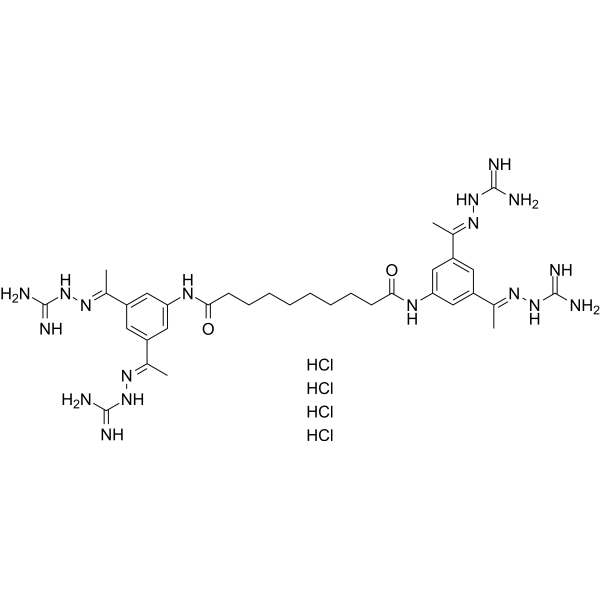 0 ImagesSynonyms: CNI-1493; CPSI-2364 tetrahydrochlorideSemapimod tetrahydrochloride (CNI-1493), an inhibitor of proinflammatory cytokine production, can inhibit TNF-α, IL-1β, and IL-6. Semapimod tetrahydrochloride inhibits TLR4 signaling (IC50≈0.3 μM). Semapimod tetrahydrochloride inhibits p38 MAPK and nitric oxide production in macrophages. Semapimod tetrahydrochloride has potential in a variety of inflammatory and autoimmune disorders.
-
Kukoamine A
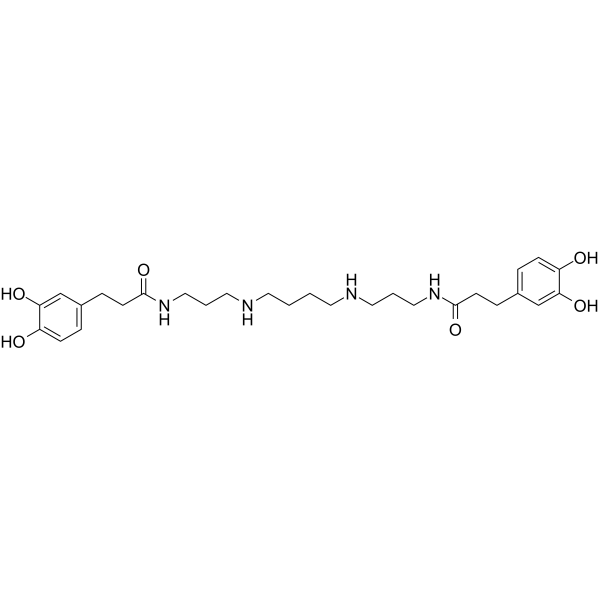 0 ImagesKukoamine A, a spermine alkaloid, is an orally active and brain-penetrant component found in the root barks of Lycium chinense (L. chinense) Miller. Kukoamine A inhibits purified Crithidia fasciculata trypanothione reductase and soybean lipoxygenase, activates μ-opioid receptor. Kukoamine A can inhibt cancer cell proliferation, migration and invasion, cause G0/G1 phase cell cycle arrest and induce apoptosis. Kukoamine A exerts neuroprotective effect and can induce autophagy . Kukoamine A inhibits LPS (HY-D1056)-induced NO, ROS, PGE2, TNF-α, IL-1β, IL-6 production and COX-2 activity. Kukoamine A reverses palmitic acid-induced insulin resistance, lipid accumulation, and oxidative stress via downregulation of Srebp-1c. Kukoamine A can be used for the research of cancer, infection, inflammation, metabolic and neurological disease, such as glioblastoma and Parkinson's disease.
-
Alisol A
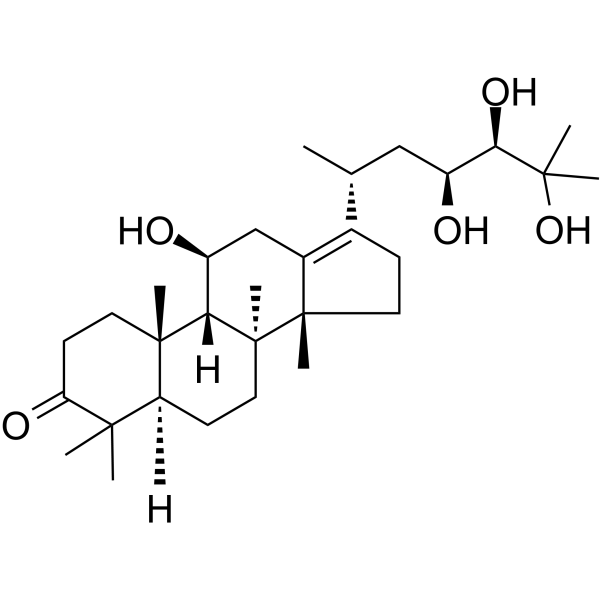 0 ImagesAlisol A is an orally active tetracyclic triterpenoid compound of the prototerpane type. Alisol A can be extracted from the rhizome of Alisma orientale. Alisol A activates AMPK/ACC/SREBP-1c, SIRT1, PPARα, inhibits MMP-2/-9, decreases inflammatory cytokine expression (IL-1β, IL-6, IL-8). Alisol A has anti-tumor activity against breast cancer and colorectal cancer. Alisol A has anti-obesity and anti-atherosclerotic activities. Alisol A can be used in the research of hepatitis B, breast cancer, colorectal cancer, atherosclerosis, and obesity.
-
CMIT/MIT (14.5% in water)
 0 ImagesCat. No.: HY-W017982CAS No.: 55965-84-9Synonyms: CMI/MICMIT/MIT (14.5% in water) (CMI/MI) is a mixture of CMIT and MIT, and is also a preservative and skin sensitizer. CMIT/MIT (14.5% in water) increases the levels of phosphorylated ERK1/2, p38, JNK1/2, p53, p21 and Bax, decreases the level of Bcl-2, and activates the Nrf-2/HO-1 signaling pathway. CMIT/MIT (14.5% in water) increases LDH release and lipid peroxidation levels, impairs antioxidant defense capacity, promotes pro-inflammatory cytokine release, induces apoptosis, triggers cell cycle arrest, exhibits neurotoxicity in neuroblastoma cells, and causes dysregulation of Th2/Th17 immune responses. CMIT/MIT (14.5% in water) can be used in studies related to allergy, atopic dermatitis and lung injury.
-
AN-3485
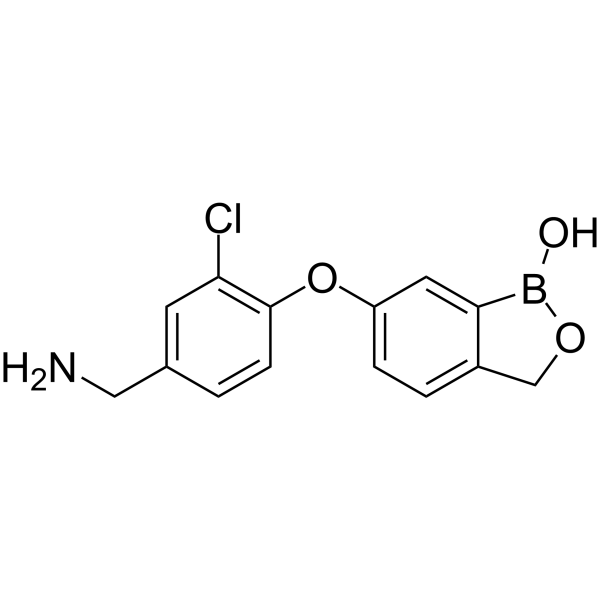 0 ImagesCat. No.: HY-18325CAS No.: 1213827-99-6AN-3485 is a benzoxaborole analogue and an orally active antagonist of the Toll-like pathway. AN-3485 can inhibit TLR-mediated inflammatory cytokine secretion and has significant anti-inflammatory activity. In addition, AN-3485 also has certain anti-tumor activity.




