



IL-6 Modulator
- 1
- 2
-
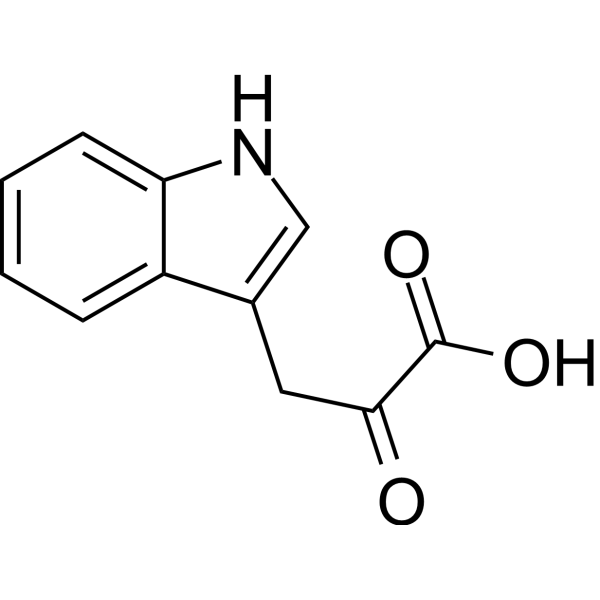
Indole-3-pyruvic acid
 0 Images
Indole-3-pyruvic acid is an orally active ketone analog of tryptophan, and is an aryl hydrocarbon receptor (AHR) agonist. Indole-3-pyruvic acid inhibits p38/MAPK phosphorylation, regulates the tryptophan metabolic pathway, and also possesses protective activities against skin photodamage, as well as anti-inflammatory and anti-anxiety bioactivities in the gut. Indole-3-pyruvic acid can downregulate the expression of IL-1β, IL-6, Cox-2, and Bax to alleviate UVB-induced keratinocyte toxicity. Indole-3-pyruvic acid can activate AHR to promote Tr1 cell differentiation, increase IL-10, and inhibit Th1 cytokine production. Indole-3-pyruvic acid can alter the levels of kynurenine metabolites in the brain, mediating central nervous system-related effects. Indole-3-pyruvic acid can be used in research on skin lesions, colitis, and anxiety.
-
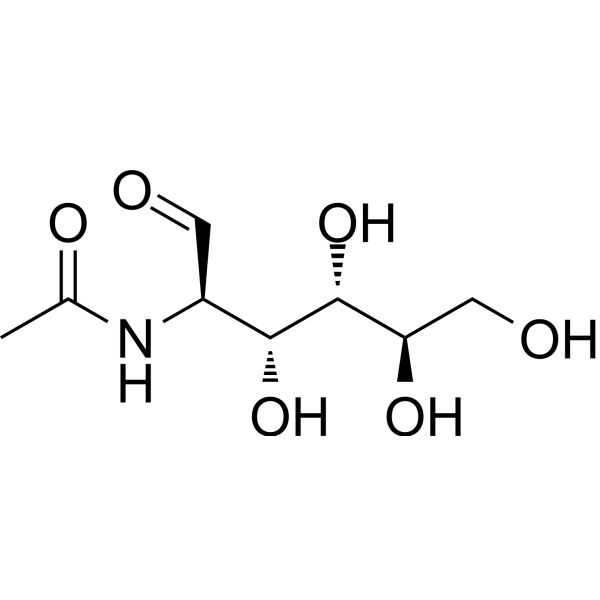
N-Acetyl-D-glucosamine
 0 Images
N-Acetyl-D-Glucosamine (N-Acetyl-2-amino-2-deoxy-D-glucose), the D isomer of N-acetylglucosamine, is an orally active monosaccharide derivative of glucose with anti-tumor and anti-inflammation properties. N-Acetyl-D-Glucosamine is also a bacterial metabolite, which is found in Escherichia coli. N-Acetyl-D-Glucosamine can induce yeast-mycelial conversion in Candida albicans. N-Acetyl-D-Glucosamine also enhances healing of cartilaginous injuries in rabbits.
-
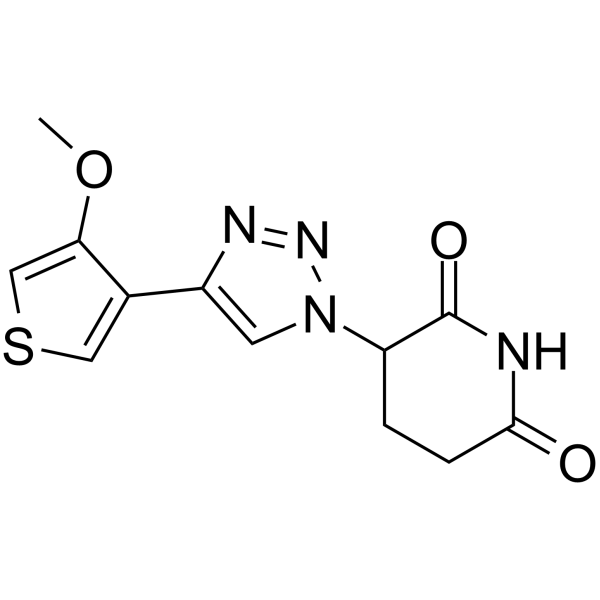
FPFT-2216
 0 Images
FPFT-2216 is an orally active Molecular glue degrader targeting IKZF1, IKZF3, CK-1α, and PDE6D, with a DC50 of 8 nM against PDE6D. FPFT-2216 mediates ubiquitin-proteasome degradation via the CRL4CRBN E3 ubiquitin ligase complex and interacts with the non-isoprenoid-binding region of PDE6D. FPFT-2216 activates the p53 signaling pathway, inhibits the CBM complex/NF-κB pathway, upregulates IL-2, suppresses IL-1β and IL-6, and induces tumor cell Apoptosis. FPFT-2216 exhibits anticancer activity against multiple myeloma and lymphoma. FPFT-2216 can be used in research related to multiple myeloma, lymphoma, acute lymphoblastic leukemia, acute myeloid leukemia, pancreatic ductal adenocarcinoma, non-small cell lung cancer, and gastric adenocarcinoma.
-
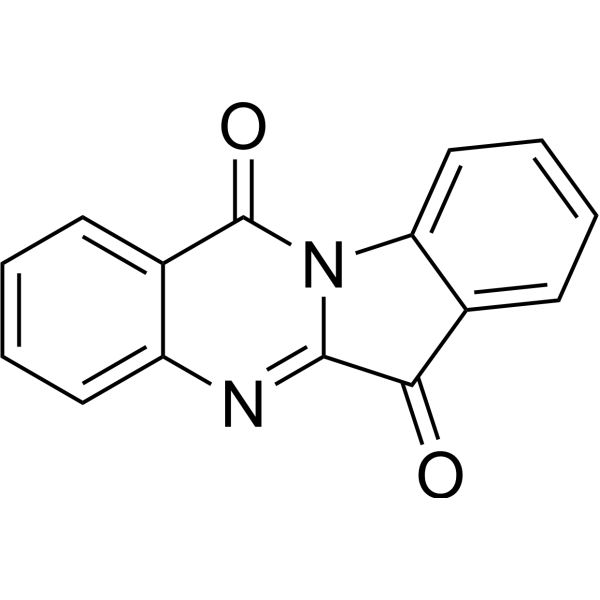
Tryptanthrin
 0 Images
Tryptanthrin is an indole quinazoline that could be an alkaloid from indigo-bearing plants. Tryptanthrin is a potent and orally active cellular Leukotriene (LT) biosynthesis inhibitor. Tryptanthrin has anticancer activity. Tryptanthrin suppresses the expression levels of NOS1, COX-2, and NF-κB and regulates the expression levels of IL-2, IL-10, and TNF-α.
-
ADP-β-S trilithium
 0 ImagesCat. No.: HY-134353BCAS No.: 73536-95-5Synonyms: Adenosine 5'-β-thiodiphosphate trilithium
ADP-β-S (Adenosine 5'-(β-thiodiphosphate)) trilithium is a non-hydrolyzable ADP analog and a P2Y12 receptor agonist. ADP-β-S trilithium activates the P2Y12 receptor in microglia, thereby triggering downstream inflammatory signaling pathways. ADP-β-S trilithium activates P2Y purinergic receptors in rat pancreatic β cells and enhances glucose-induced insulin secretion. ADP-β-S trilithium can be used in the research of diseases such as inflammation and diabetes.
-
Gamma-glutamylcysteine TFA
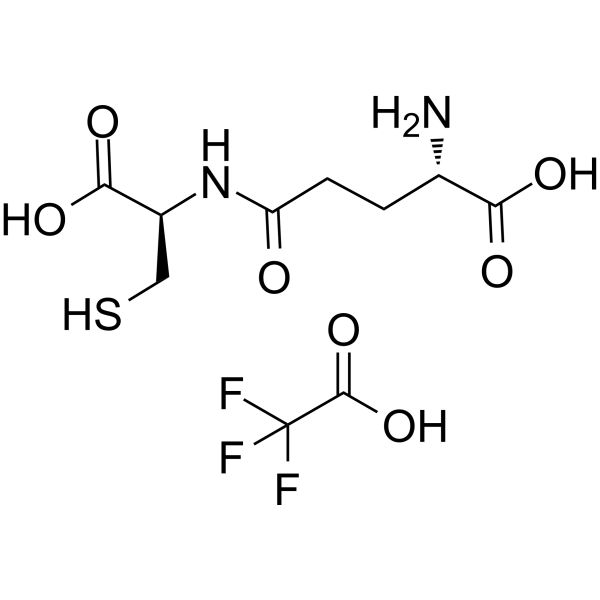 0 ImagesCat. No.: HY-113402ACAS No.: 283159-88-6Synonyms: γ-Glu-Cys TFA
Gamma-glutamylcysteine TFA (γ-Glu-Cys TFA) is an orally active, blood-brain barrier permeable dipeptide. Gamma-glutamylcysteine TFA activates AMPK, SIRT1, IL-4/STAT6, AC/cAMP/PI3K, IGF-1R/IRS1/PI3K, and Nrf2 signaling pathways; it inhibits NF-κB, JAK1/STAT1/3, MAPKs, cadmium-induced p38 MAPK, JNK, and PI3K/Akt signaling pathways. Gamma-glutamylcysteine TFA regulates macrophage polarization, modulates the trafficking of CD36 and GLUT4, induces glutathione synthesis, improves metabolic dysfunction, reduces lipid deposition, ameliorates glucose homeostasis, inhibits apoptosis (Apoptosis), stabilizes mitochondria, suppresses lipid peroxidation, iron accumulation and ferroptosis (Ferroptosis), reduces ds-HMGB1 levels, reverses mechanical hyperalgesia, and alleviates hepatic lipid droplet formation. Gamma-glutamylcysteine TFA is applicable to research related to inflammatory bowel disease, type 2 diabetes, cadmium-induced neurotoxicity, Alzheimer's disease, cerebral ischemia/reperfusion injury, neuropathy, and alcoholic liver disease.
-
RCGD423
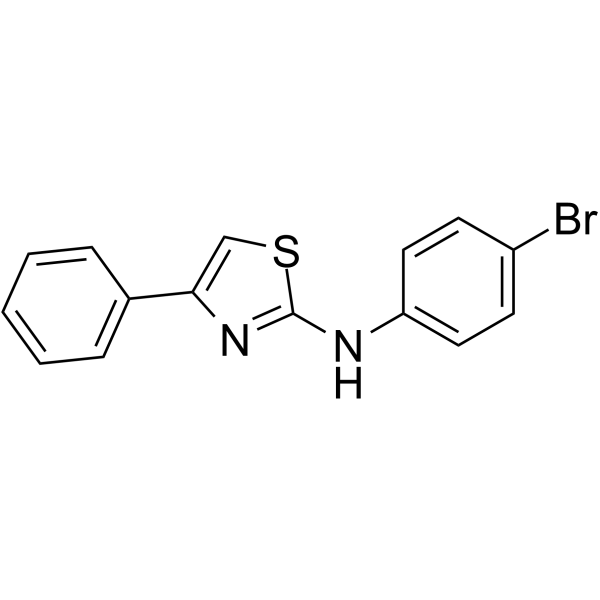 0 Images
RCGD423 is a gp130 modulator, which prevents articular cartilage degeneration and promotes repair.
-
Broussonin E
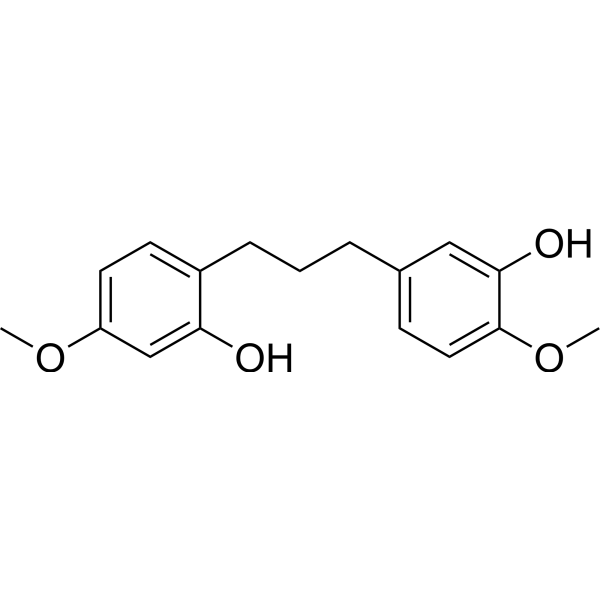 0 Images
Broussonin E is a phenolic compound and shows anti-inflammatory activity. Broussonin E can suppress inflammation by modulating macrophages activation statevia inhibiting the ERK and p38 MAPK and enhancing JAK2-STAT3 signaling pathway. Broussonin E can be used for the research of inflammation-related diseases such as atherosclerosis.
-
Indole-3-pyruvic acid (Standard)
 0 Images
Indole-3-pyruvic acid (Standard) is the analytical standard of Indole-3-pyruvic acid (HY-W028393). This product is intended for research and analytical applications. Indole-3-pyruvic acid is an orally active ketone analog of tryptophan, and is an aryl hydrocarbon receptor (AHR) agonist. Indole-3-pyruvic acid inhibits p38/MAPK phosphorylation, regulates the tryptophan metabolic pathway, and also possesses protective activities against skin photodamage, as well as anti-inflammatory and anti-anxiety bioactivities in the gut. Indole-3-pyruvic acid can downregulate the expression of IL-1β, IL-6, Cox-2, and Bax to alleviate UVB-induced keratinocyte toxicity. Indole-3-pyruvic acid can activate AHR to promote Tr1 cell differentiation, increase IL-10, and inhibit Th1 cytokine production. Indole-3-pyruvic acid can alter the levels of kynurenine metabolites in the brain, mediating central nervous system-related effects. Indole-3-pyruvic acid can be used in research on skin lesions, colitis, and anxiety.
-
GFH018
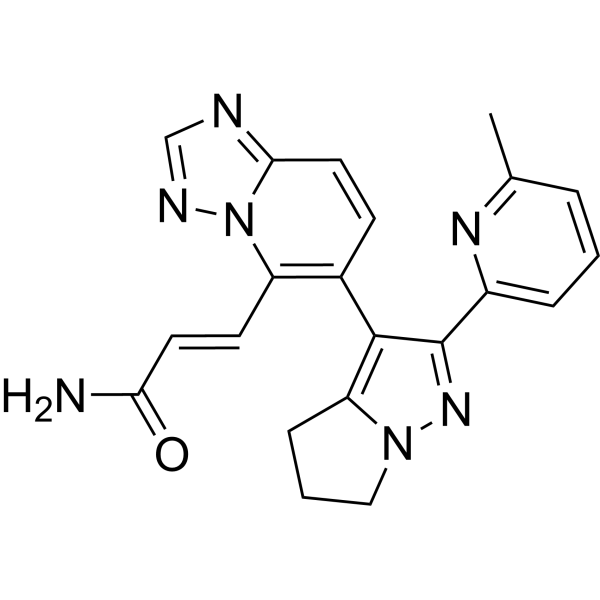 0 Images
GFH018 is an orally active, selective and ATP-competitive TGF-βR1 inhibitor with an IC50 of 40 nM. GFH018 reactivates the immune system by blocking the immunosuppression mediated by regulatory T cells and M2 macrophages. GFH018 inhibits tumor angiogenesis. GFH018 suppresses tumor growth in mouse tumor models. GFH018 can be used for the research of solid tumors, hepatocellular carcinoma, colorectal cancer, breast cancer, and relapsed/metastatic nasopharyngeal carcinoma.
-
γ-Hexalactone
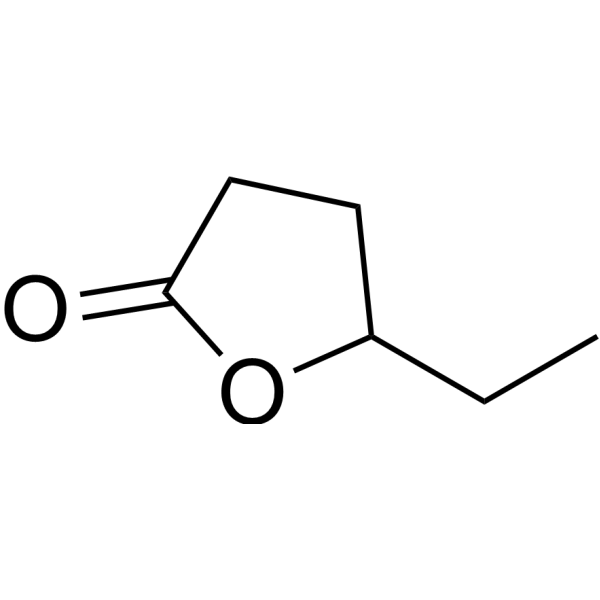 0 ImagesSynonyms: γ-Caprolactone
γ-Hexalactone (γ-Caprolactone) is a gamma-lactone found in ripe fruits. γ-Hexalactone induces DNA damage in human lymphocytes and HepG2 cells, modulates cytokine secretion in human lymphocytes, and reduces recombinant PON1 activity. γ-Hexalactone serves as a dose-dependent oviposition inhibitor against Bactrocera oleae. γ-Hexalactone can be used for the research of Bactrocera oleae pest management.
-
JTE-907
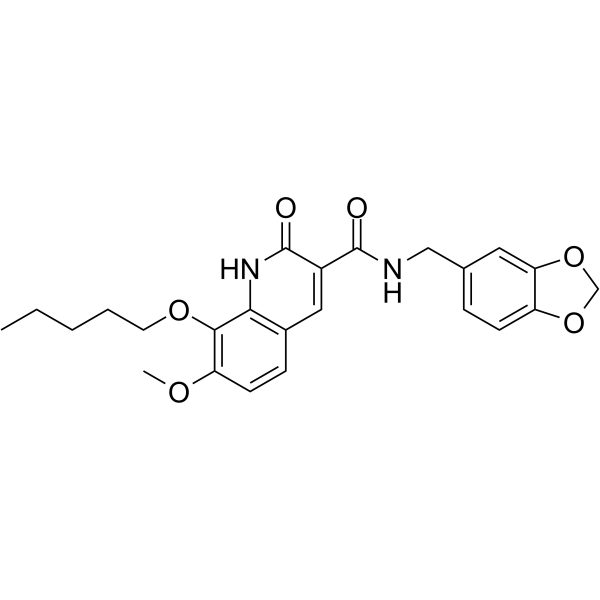 0 Images
JTE-907 is a selective and orally active cannabinoid CB2 receptor inverse agonist and exerts anti-inflammatory effects. JTE-907 upregulates IL-6, MCP-1, IL-1β, VEGF, ANGPTL4, and TRPV1 in mature adipocytes. JTE-907 downregulates CB1, MCP-1, and IL-1β in preadipocytes. JTE-907 inhibits ear swelling in mice. JTE-907 reverses the protective effects of CB2 agonists and Anandamide (HY-10863) against cytokine-evoked colonic mucosal damage. JTE-907 can be used for the research of allergic dermatitis, obesity, and colitis.
-
RO8323
 0 ImagesCat. No.: HY-183074
RO8323 is an orally active, selective CDK8/CDK19 inhibitor, with an IC50 of 2 nM against CDK8 and 3 nM against CDK19. RO8323 promotes regulatory T cell differentiation, inhibits effector T cell generation, reverses the Teff/Treg ratio, upregulates IL-10 production in myeloid cells, and suppresses the production of TNF-α, IL-6 and IL-12. RO8323 enhances immune reconstitution and prolongs cardiac allograft survival in a dose-dependent manner. RO8323 can be used in the research of chronic graft-versus-host disease, cardiac allograft rejection, acute graft-versus-host disease and experimental autoimmune encephalomyelitis.
-
H-Hyp-Leu-OH
 0 ImagesCat. No.: HY-P12327CAS No.: 637030-43-4
H-Hyp-Leu-OH is a linear dipeptide of hydroxyproline-leucine with anti-inflammatory and antioxidant activities. H-Hyp-Leu-OH inhibits NO, IL-1β, IL-6, and TNF-α in macrophages, and upregulates IL-10. H-Hyp-Leu-OH extends lifespan, improves exercise capacity, reduces ROS and MDA, and increases SOD, CAT, and GSH-Px. H-Hyp-Leu-OH can be used for epithelial ovarian cancer and antioxidant-related research.
-
IIIM1
 0 ImagesCat. No.: HY-P11046CAS No.: 500217-51-6
IIIM1 is an orally active anti-inflammatory peptide. IIIM1 ameliorates the symptoms of experimental autoimmune encephalomyelitis (EAE) by stimulating the proliferation of regulatory T cells and inducing them to produce RA1, and regulating the cytokine balance. IIIM1 can be used in the research of multiple sclerosis (MS).
-
APH003
 0 ImagesCat. No.: HY-184915CAS No.: 3065495-08-8
APH003 is an orally active IRAK4 PROTAC degrader with a DC50 of 0.74 nM in human peripheral blood mononuclear cells (hPBMCs). APH003 recruits IRAK4 to CRBN to form a ternary complex, mediates the ubiquitination and degradation of IRAK4 via the ubiquitin-proteasome pathway, and inhibits the kinase activity of IRAK4. APH003 inhibits LPS- or IL-1β/LPS-induced phosphorylation of ERK, JNK and NF-κB. APH003 inhibits the secretion of TNF-α, IL-6, IL-8 and IL-13 by stimulated hPBMCs. APH003 exhibits anti-inflammatory activity in rat TNBS-induced intestinal inflammation models and mouse IL-33-induced skin inflammation models. APH003 can be used in research related to inflammatory bowel disease and skin inflammation.
-
2-ARA-LysoPtdEtn
 0 ImagesCat. No.: HY-185709CAS No.: 53847-31-7Synonyms: 1-Lyso-2-arachidonoyl-sn-glycero-3-phosphoethanolamine
2-ARA-LysoPtdEtn (1-Lyso-2-arachidonoyl-sn-glycero-3-phosphoethanolamine) is an orally active polyunsaturated acyl lysophosphatidylethanolamine. 2-ARA-LysoPtdEtn diminishes formation of LTC4, LTB4, and 12-HETE. 2-ARA-LysoPtdEtn lowers levels of IL-1β, IL-6, TNF-α, and NO. 2-ARA-LysoPtdEtn augments IL-10 levels and upgrades formation of 15-HETE and LXA4. 2-ARA-LysoPtdEtn can be used for the research of peritonitis.
-
Lemairamin
 0 ImagesSynonyms: Wgx-50
Lemairamin (Wgx-50) is a hydroxylamine compound. Lemairamin can be isolated from the pericarps of the Zanthoxylum plants. Lemairamin activates α7nAChR, stimulates the expression of IL-10 and POMC. Lemairamin shows a decrease in Akt. Lemairamin attenuates DSS-induced intestinal inflammation. Lemairamin alleviates pain hypersensitivity.
-
PKR1 antagonist-2
 0 ImagesCat. No.: HY-153201CAS No.: 910113-34-7
PKR1 antagonist-2 is a non-peptide prokineticin receptor antagonist that preferentially binds to and blocks PK-R1 signaling while also blocking PK-R2. PKR1 antagonist-2 shifts the autoimmune response against myelin from a Th1/Th17 profile toward a Th2 profile, reducing myelin antigen-specific T cell proliferation and the production of proinflammatory cytokines (IFN-γ, TNF, IL-6, IL-17), and increasing the levels of anti-inflammatory cytokines IL-4/IL-10. PKR1 antagonist-2 significantly alleviates disease severity in relapsing-remitting and chronic experimental autoimmune encephalomyelitis (EAE). PKR1 antagonist-2 can be used in research related to multiple sclerosis .
-
cyclo-Cannabigerol
 0 ImagesCat. No.: HY-172540Synonyms: cyclo-CBG
cyclo-Cannabigerol (cyclo-CBG) is the major metabolite of Cannabigerol generated by cytochrome P450. Cyclo-Cannabigerol has weak anti-inflammatory activity.
- 1
- 2



