



IL-6
IL-6 is a pleiotropic cytokine that regulates immune response, acute inflammation, tissue regeneration, metabolism, and stromal activation[1][2]. Mechanistically, IL-6 binds IL-6Rα and recruits gp130, activating JAK/STAT3 signaling and downstream transcriptional programs[1][3]. Disease relevance depends strongly on receptor context: membrane IL-6Rα supports classic signaling, whereas soluble IL-6Rα enables trans-signaling in gp130-expressing cells and drives pro-inflammatory activity[1][4]. Compared with these receptor forms, gp130 is broadly expressed, while IL-6R expression is restricted to selected cells such as hepatocytes and leukocytes, explaining cell-type-selective responsiveness[1]. In vascular endothelial cells, IL-6 trans-signaling induces MCP-1 through coordinated JAK/STAT3 and PI3K/AKT activation[5]. In proliferative vitreoretinopathy models, IL-6 promotes retinal pigment epithelial proliferation and epithelial-mesenchymal transition through JAK1/STAT3 signaling[6]. For experimental intervention, tocilizumab, a humanized anti-IL-6R antibody, blocks IL-6 signaling and improves rheumatoid arthritis outcomes in controlled clinical studies[7][8].
References:
- [1]. Rose-John S. IL-6 trans-signaling via the soluble IL-6 receptor: importance for the pro-inflammatory activities of IL-6. Int J Biol Sci. 2012;8(9):1237-47. doi: 10.7150/ijbs.4989. Epub 2012 Oct 24. PMID: 23136552; PMCID: PMC3491447. et al. IL-6 trans-signaling via the soluble IL-6 receptor: importance for the pro-inflammatory activities of IL-6. Int J Biol Sci. 2012;8(9):1237-47. [Content Brief]
- [2]. Danese S, et al. Interleukin-6: a therapeutic Jekyll and Hyde in gastrointestinal and hepatic diseases. Gut. 2010 Feb;59(2):149-51. [Content Brief]
- [3]. Reeh H, et al. Response to IL-6 trans- and IL-6 classic signalling is determined by the ratio of the IL-6 receptor α to gp130 expression: fusing experimental insights and dynamic modelling. Cell Commun Signal. 2019 May 17;17(1):46. [Content Brief]
- [4]. Maes M, et al. Targeting classical IL-6 signalling or IL-6 trans-signalling in depression? Expert Opin Ther Targets. 2014 May;18(5):495-512. [Content Brief]
- [5]. Zegeye MM, et al. Activation of the JAK/STAT3 and PI3K/AKT pathways are crucial for IL-6 trans-signaling-mediated pro-inflammatory response in human vascular endothelial cells. Cell Commun Signal. 2018 Sep 5;16(1):55. [Content Brief]
- [6]. Chen X, et al. Interleukin-6 promotes proliferative vitreoretinopathy by inducing epithelial-mesenchymal transition via the JAK1/STAT3 signaling pathway. Mol Vis. 2020 Jul 29;26:517-529. [Content Brief]
- [7]. Ohsugi Y, et al. The recombinant humanized anti-IL-6 receptor antibody tocilizumab, an innovative drug for the treatment of rheumatoid arthritis. Expert Opin Biol Ther. 2008 May;8(5):669-81. [Content Brief]
- [8]. Emery P, et al. IL-6 receptor inhibition with tocilizumab improves treatment outcomes in patients with rheumatoid arthritis refractory to anti-tumour necrosis factor biologicals: results from a 24-week multicentre randomised placebo-controlled trial. Ann Rheum Dis. 2008 Nov;67(11):1516-23. [Content Brief]
All Product Categories
-
IL-6 Inhibitors
(409)
View all products
-
IL-6 Agonists
(5)
View all products
-
IL-6 Antagonists
(3)
View all products
-
IL-6 Activators
(24)
View all products
-
IL-6 Modulators
(22)
View all products
-
IL-6 Chemical
(1)
View all products
-
IL-6 Inducers
(13)
View all products
-
IL-6 Degrader
(1)
View all products
-
IL-6 Ligand
(1)
View all products
-
IL-6 Proteins
(24)
View all products
-
IL-6 Related Products (506)
Related Products (506)

-
Recombinant Proteins (24)
-
Flixebrutinib
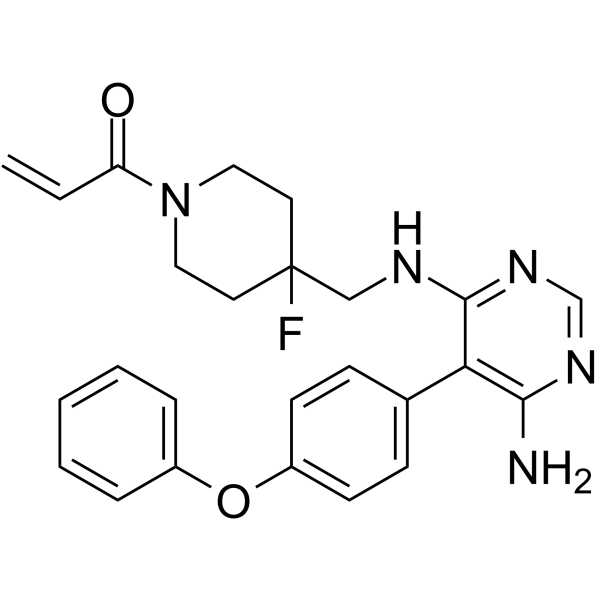 0 ImagesSynonyms: TL-895Flixebrutinib (TL-895) is a potent, orally active, ATP-competitive, and highly selective irreversible BTK inhibitor. Flixebrutinib is active against recombinant BTK (average IC50: 1.5 nM) and inhibits only three additional kinases BLK, BMX (IC50 = 1.6 nM) and TXK with IC50 within tenfold of BTK activity. Flixebrutinib inhibits BTK auto-phosphorylation at the Y223 phosphorylation site (IC50: 1-10 nM). The Flixebrutinib effectively inhibits the production of inflammatory factors such as IL-8, IL-1β, MCP-1 and TNF-α by monocytes or macrophages, and reduces the chemotactic migration of MF cells towards SDF-1. Flixebrutinib is used be for studies of chronic lymphocytic leukemia (CLL), myelofibrosis (MF), and B-cell malignancies.
-
Theophylline monohydrate
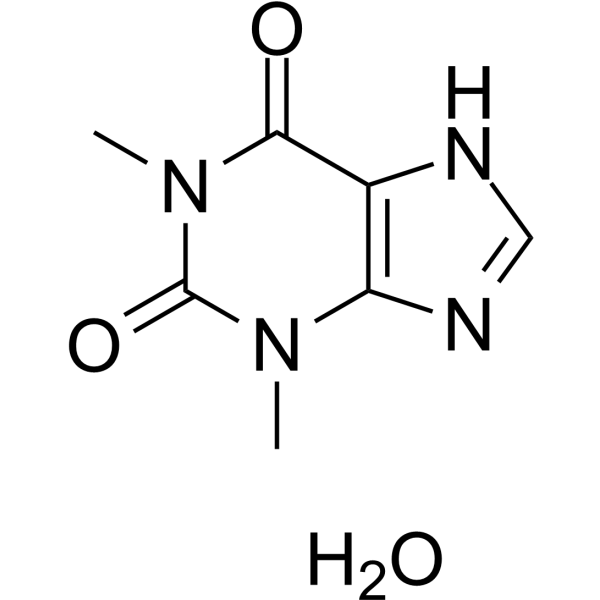 0 ImagesSynonyms: 1,3-Dimethylxanthine monohydrate; Theo-24 monohydrateTheophylline (1,3-Dimethylxanthine) monohydrate is a potent phosphodiesterase (PDE) inhibitor, adenosine receptor antagonist, and histone deacetylase (HDAC) activator. Theophylline (1,3-Dimethylxanthine) monohydrate inhibits PDE3 activity to relax airway smooth muscle. Theophylline (1,3-Dimethylxanthine) monohydrate has anti-inflammatory activity by increase IL-10 and inhibit NF-κB into the nucleus. Theophylline (1,3-Dimethylxanthine) monohydrate induces apoptosis. Theophylline (1,3-Dimethylxanthine) monohydrate can be used for asthma and chronic obstructive pulmonary disease (COPD) research.
-
Perfluoropentanoic acid
 0 ImagesPerfluoropentanoic acid (PFPeA), a short-chain perfluorinated compound, serves as an important indicator of perfluorinated compound pollution in ecosystems. Perfluoropentanoic acid exhibits certain toxicity to mice.
-
Aristolochic acid D
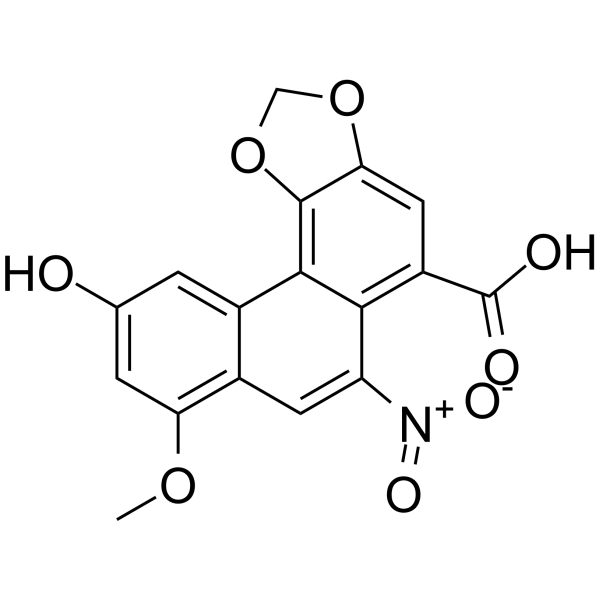 0 ImagesSynonyms: Aristolochic acid-IVaAristolochic acid D (Aristolochic acid-IVa) is an orally active PDE2 (IC50: 4.673 μM) and CDK2 (IC50: 25 μM) inhibitor that can be isolated from Aristolochia indica L. Aristolochic acid D exhibits anti-inflammatory activity and is non-carcinogenic and non-nephrotoxic. Aristolochic acid D can be used in the research of inflammation and tumor-related diseases.
-
NOD2 antagonist 1
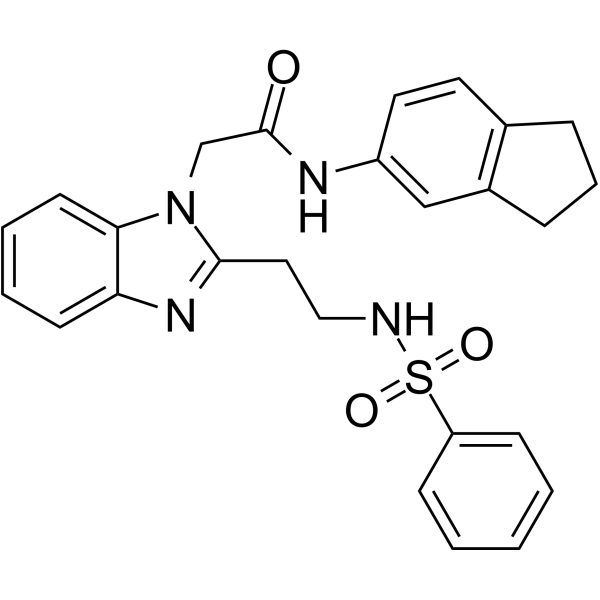 0 ImagesNOD2 antagonist 1 is a selective NOD2 antagonist with an IC50 of 5.23 μM. NOD2 antagonist 1 acts directly on the NOD2 protein, downregulates the secretion of pro-inflammatory cytokines such as IL-8 and TNF-α, and inhibits the synergistic cross-response of inflammation mediated by NOD2 and TLR4. NOD2 antagonist 1 can be used in studies related to immunity and inflammation.
-
Diethylcarbamazine citrate
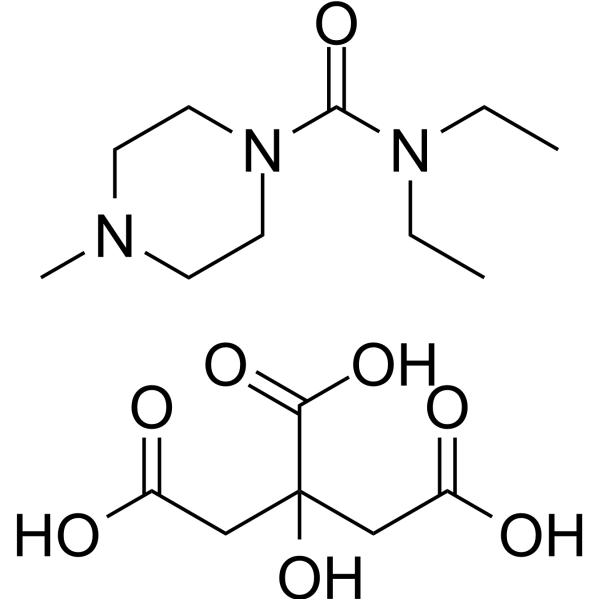 0 ImagesDiethylcarbamazine citrate is an orally active microfilaricidal agent used originally in onchocerciasis and lymphatic filiariasis. Diethylcarbamazine citrate reduces eosinophil trafficking to the lung tissue and exerts anti-allergic effects. Diethylcarbamazine citrate reduces serum levels of leptin, TNF-α, IL-6, MCP-1, glucose, insulin, and triglycerides, and ameliorates insulin resistance without altering body, liver, or adipose tissue weights. Diethylcarbamazine citrate enhances reactive oxygen intermediate expression by polymorphonuclear neutrophils, increases lymphocyte proliferation, and inhibits actinomycetoma lesion development. Diethylcarbamazine citrate can be used for the researches of bronchial asthma, insulin resistance and infection.

-
Fosfenopril
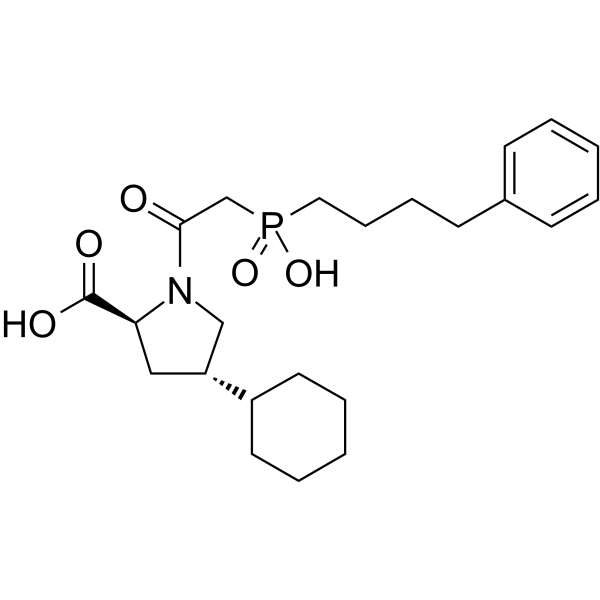 0 ImagesSynonyms: Fosinoprilat; Fosinoprilic acid; SQ 27519Fosfenopril (Fosinoprilat) is a potent angiotensin converting enzyme (ACE) inhibitor. Fosfenopril alleviates lipopolysaccharide (LPS)-induced inflammation by inhibiting TLR4/NF-κB signaling in monocytes.
-
Terminolic acid
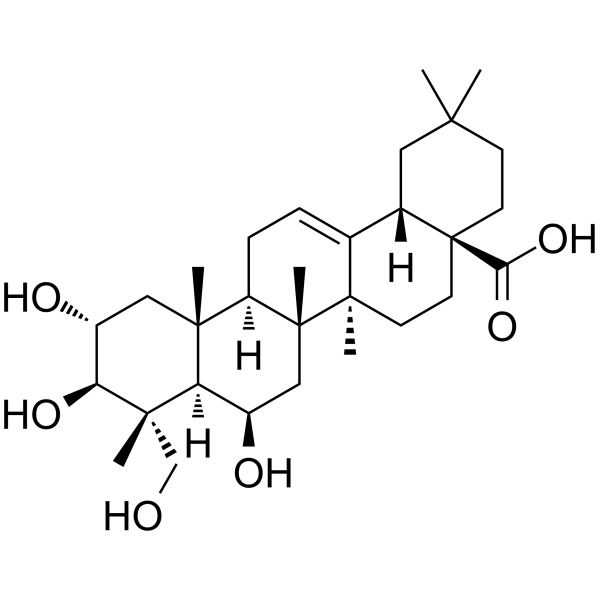 0 ImagesTerminolic acid is a pentacyclic triterpene glycoside and antibacterial agent. Terminolic acid can be isolated from Combretum racemosum. Terminolic acid inhibits proinflammatory cytokines by binding to the receptor active sites of IL-1β and IL-6. Terminolic acid reduces IL-8. Terminolic acid has antibacterial activity against Staphylococcus aureus, Escherichia coli and Enterococcus faecalis with MICs ranging from 64 to 256 μg/mL. Terminolic acid is used in colon cancer research.
-
Desoximetasone
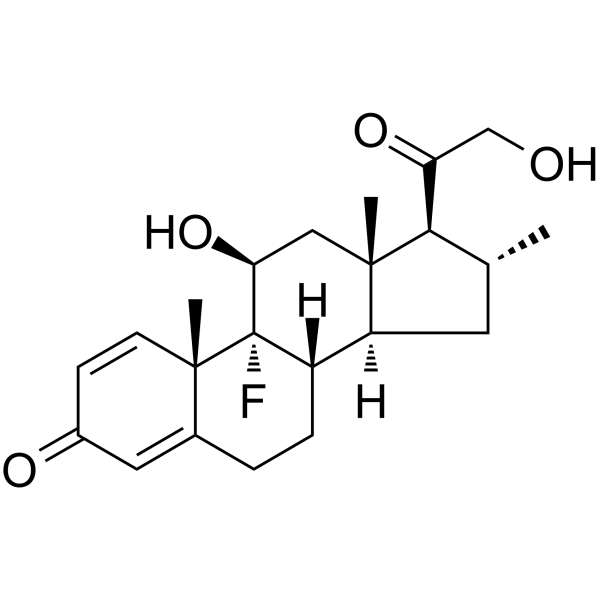 0 ImagesDesoximetasone is a corticosteroid and a substrate of cytochrome P450 3A4. Desoximetasone has anti-inflammatory, anti-allergic, and immunosuppressive effects. Desoximetasone can be used in the research of various skin diseases, such as skin allergies, atopic dermatitis, and psoriasis.
-
Balsalazide sodium hydrate
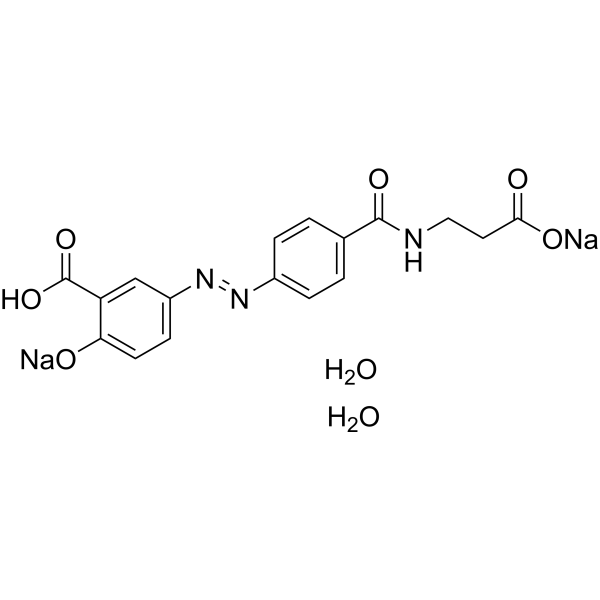 0 ImagesSynonyms: Balsalazide disodium dihydrateBalsalazide sodium hydrate is a prodrug of amino salicylic acid that releases mesalamine (HY-15027) in the colon, offering various anti-inflammatory effects in areas of colitis, and it also exerts related anticancer effects by regulating the IL-6/STAT3 pathway.
-
Acloproxalap
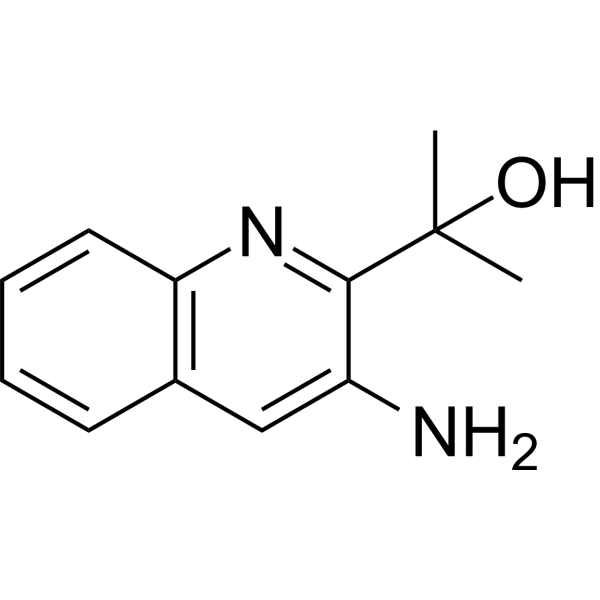 0 ImagesSynonyms: ADX-629Acloproxalap (ADX-629) is an orally active reactive aldehyde species (RASP) inhibitor. Acloproxalap binds covalently to free aldehydes, sequesters reactive aldehyde species, malondialdehyde, acetaldehyde and preformed malondialdehyde-acetaldehyde adducts, and reduces elevated RASP levels. Acloproxalap decreases the formation of aldehyde adducts, reduces liver and serum triglyceride levels, hepatic fat accumulation, circulating anti-malondialdehyde-acetaldehyde adduct antibody levels, and inhibits the release of IL-6 and MCP-1. Acloproxalap improves cell viability of liver slices exposed to ethanol. Acloproxalap blocks ethanol-induced damage in animal models of alcoholic liver disease. Acloproxalap is applicable to research related to alcoholic liver disease, alcoholic fatty liver disease, non-alcoholic steatohepatitis, chronic cough, rheumatoid arthritis, ulcerative colitis and mild atopic asthma.
-
Rosnilimab (Mouse IgG2a)
 0 ImagesCat. No.: HY-P9S0062Purity: 98.00%Rosnilimab (Mouse IgG2a) is a mouse-derived IgG2a antibody, Rosnilimab. Rosnilimab is a PD-1 agonistic monoclonal antibody. Rosnilimab (Mouse IgG2a) optimizes the inhibitory PD-1 signaling pathway without blocking PD-L1 binding; it also activates moderately activated PD-1+ T cells and eliminates PD-1high cells, Tfh/Tph cells and Teff cells. Rosnilimab (Mouse IgG2a) reduces the secretion and gene expression of IFN-γ, CXCL13, IL-6 and TNF, decreases macrophage infiltration, and downregulates the gene expression of inflammatory myeloid cells. Rosnilimab (Mouse IgG2a) can be used in studies related to ulcerative colitis.
-
Isoprothiolane
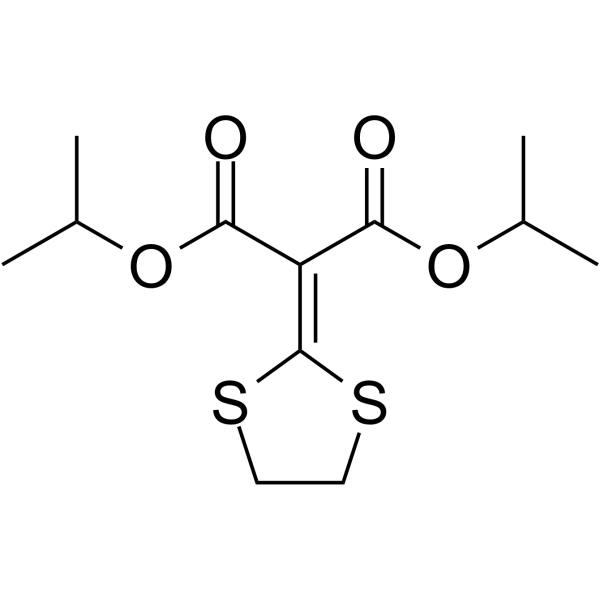 0 ImagesIsoprothiolane is a blast fungicide with antifungal, anti-inflammatory and insecticidal activities. Isoprothiolane primarily acts on fungi during the penetration and growth stages of infecting hyphae. Isoprothiolane can be used as an insecticide, pesticide, etc. In addition, Isoprothiolane can reduce serum phospholipid and total lipid concentrations, regulating lipid metabolism. Isoprothiolane is also used in the research of fatty liver.
-
7,3',4'-Tri-O-methylluteolin
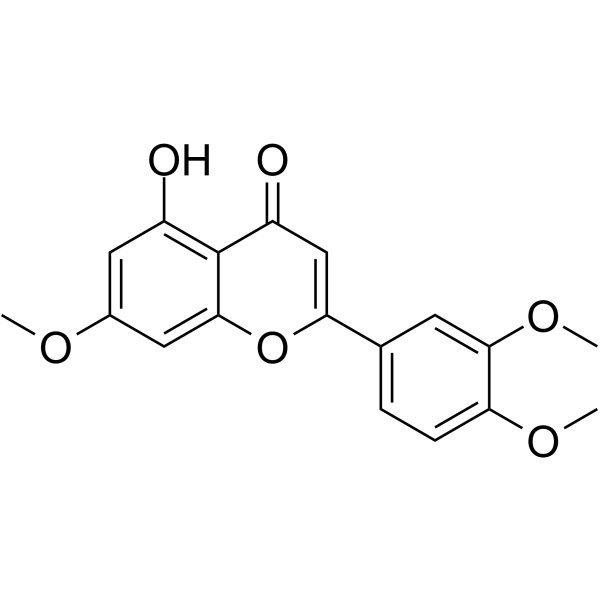 0 ImagesSynonyms: 5-Hydroxy-3',4',7-trimethoxyflavone7,3',4'-Tri-O-methylluteolin (5-Hydroxy-3',4',7-trimethoxyflavone) is a flavonoid with multiple biological activities. 7,3',4'-Tri-O-methylluteolin inhibits soybean lipoxygenase (LOX), with an IC50 value of 23.97 µg/mL. 7,3',4'-Tri-O-methylluteolin possesses anti-inflammatory effects in Lipopolysaccharides (HY-D1056) (LPS)-induced RAW 264.7 macrophages. 7,3',4'-Tri-O-methylluteolin inhibits the binding of MDM2 with p53 and induces apoptosis in MCF-7 breast cancer cells. 7,3',4'-Tri-O-methylluteolin also has antioxidant, antifungal and antitrypanosomal activities.
-
Naphazoline hydrochloride
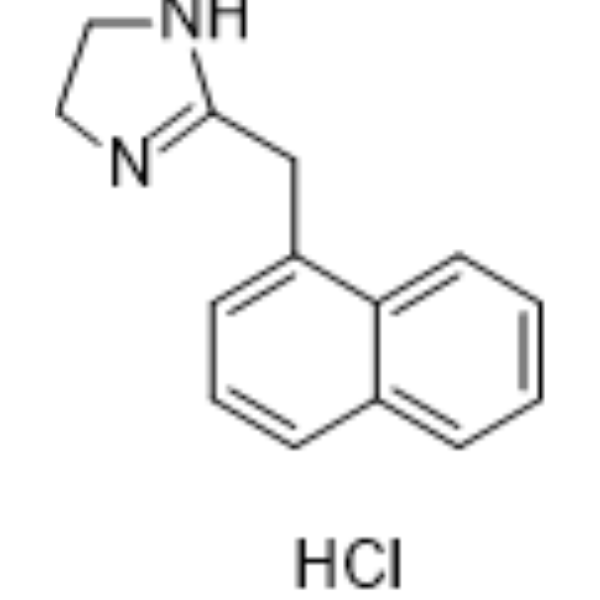 0 ImagesNaphazoline (Naphthazoline) hydrochloride is a potent α-adrenergic receptor agonist. Naphazoline hydrochloride reduces vascular hyperpermeability and promotes vasoconstriction. Naphazoline hydrochloride reduces the levels of inflammatory factors (TNF-α, IL-1β and IL-6), cytokines (IFN-γ and IL-4), IgE, GMCSF, and NGF. Naphazoline hydrochloride can be used for non-bacterial conjunctivitis research.
-
Isoforskolin
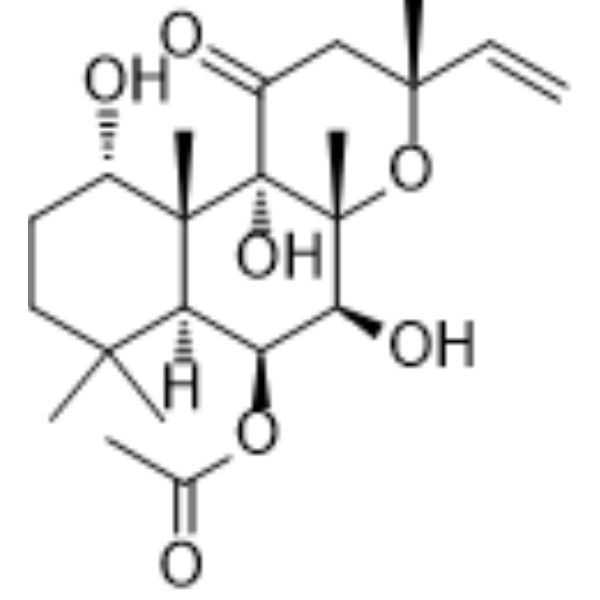 0 ImagesSynonyms: Coleonol BIsoforskolin is the principle active component of C. forskohlii native to China. Isoforskolin reduces the secretion of lipopolysaccharide (LPS)-induced cytokines, namely TNF-α, IL-1β, IL-6 and IL-8, in human mononuclear leukocytes. Isoforskolin acts as an anti-inflammatory agent for the treatment of Lyme arthritis.
-
β-Anhydroicaritin
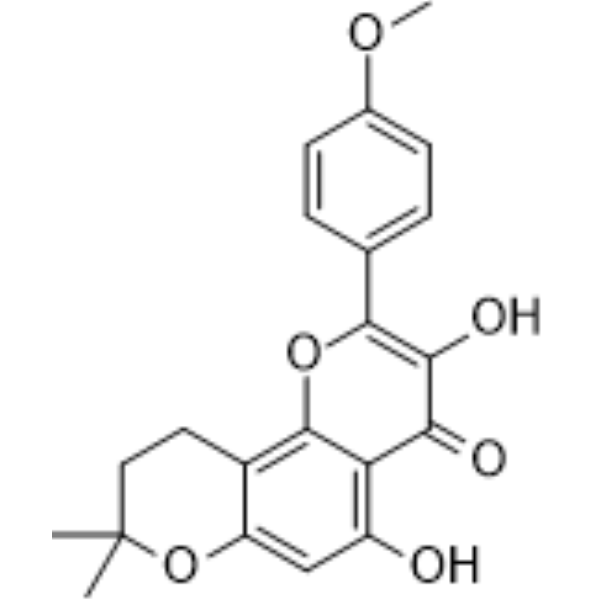 0 ImagesSynonyms: Cycloicaritinβ-Anhydroicaritin is isolated from Boswellia carterii Birdware, has important biological and pharmacological effects, such as antiosteoporosis, estrogen regulation and antitumor properties. β-Anhydroicaritin ameliorates the degradation of periodontal tissue and inhibits the synthesis and secretion of TNF-α and MMP-3 in diabetic rats. β-Anhydroicaritin decreases the overproduction of NO, IL-10, TNF-α, MCP-1 and IL-6 in inperitonitis mice. β-Anhydroicaritin inhibits the elevation of intracellular Ca2+, and markedly decreases iNOS protein expression.




