



MMP
Matrix metalloproteinases
MMPs (Matrix metalloproteinases) are zinc-dependent endopeptidases. The MMPs belong to a larger family of proteases known as the metzincin superfamily. MMPs are capable of degrading all kinds of extracellular matrix proteins, but also can process a number of bioactive molecules. They are known to be involved in the cleavage of cell surface receptors, the release of apoptotic ligands and chemokine/cytokine inactivation. MMPs are also thought to play a major role on cell behaviors such as cell proliferation, migration, differentiation, angiogenesis, apoptosis, and host defense. MMP-2 and MMP-9 are thought to be important in metastasis. MMP-1 is thought to be important in rheumatoid arthritis and osteoarthritis. Recent data suggests active role of MMPs in the pathogenesis of Aortic Aneurysm. Excess MMPs degrade the structural proteins of the aortic wall. Disregulation of the balance between MMPs and TIMPs is also a characteristic of acute and chronic cardiovascular diseases.
MMP Isoform Specific Products
-
MMP-1
(65)
View all products
-
MMP-2
(148)
View all products
-
MMP-3
(57)
View all products
-
MMP-8
(31)
View all products
-
MMP-9
(186)
View all products
-
MMP-13
(54)
View all products
-
MMP-14
(23)
View all products
-
MMP-17
(3)
View all products
-
ADAM10
(9)
View all products
-
ADAM17
(10)
View all products
-
MMP-7
(23)
View all products
-
MMP-12
(19)
View all products
-
MMP-10
(9)
View all products
-
MMP
(441)
View all products
-
ADAM8
(1)
View all products
-
MMP-19
(1)
View all products
All Product Categories
-
MMP Inhibitors
(598)
View all products
-
MMP Agonists
(2)
View all products
-
MMP Antagonist
(1)
View all products
-
MMP Activators
(39)
View all products
-
MMP Modulators
(3)
View all products
-
MMP Chemicals
(2)
View all products
-
MMP Inducers
(13)
View all products
-
MMP Degrader
(1)
View all products
-
MMP Controls
(5)
View all products
-
MMP Substrates
(14)
View all products
-
MMP Ligands
(3)
View all products
-
Matrix Metalloproteinases Proteins
(41)
View all products
-
MMP-1 Proteins
(2)
View all products
-
MMP-2 Proteins
(7)
View all products
-
MMP-3 Proteins
(2)
View all products
-
MMP-7 Proteins
(2)
View all products
-
MMP-10 Proteins
(1)
View all products
-
MMP-12 Proteins
(2)
View all products
-
MMP-8 Proteins
(7)
View all products
-
MMP-9 Proteins
(11)
View all products
-
MMP-13 Proteins
(1)
View all products
-
MMP-14 Proteins
(1)
View all products
-
ADAM8 Proteins
(4)
View all products
-
ADAM10 Proteins
(1)
View all products
-
ADAM17/TACE Proteins
(3)
View all products
-
MMP Related Products (800)
Related Products (800)

-
Recombinant Proteins (49)
-
Antibodies (15)
-
MMP Isoform Comparison
-
Sucrose octasulfate sodium
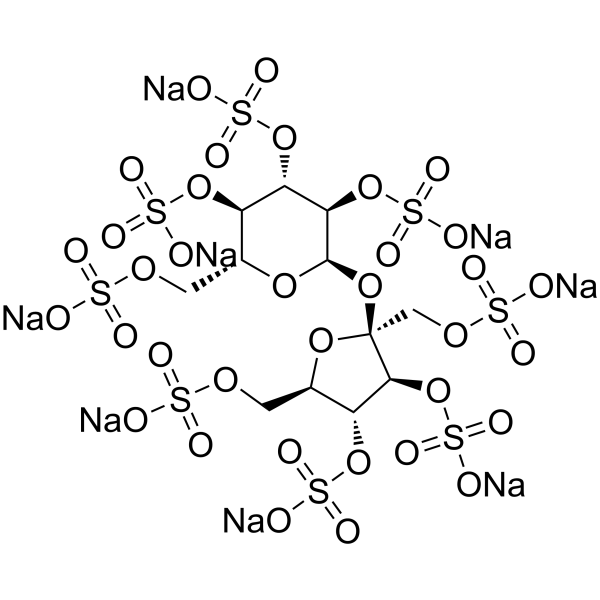 0 ImagesSucrose octasulfate sodium is a wound healing promoter. Sucrose octasulfate sodium inhibits MMP, promotes angiogenesis and improves microcirculation. Sucrose octasulfate sodium causes mild skin irritation. Sucrose octasulfate sodium can be used to prepare p (MMA-co-AM)/PVA@PSO hydrogels. Sucrose octasulfate sodium is applicable to research related to diabetic wounds.
-
Vicenin 3
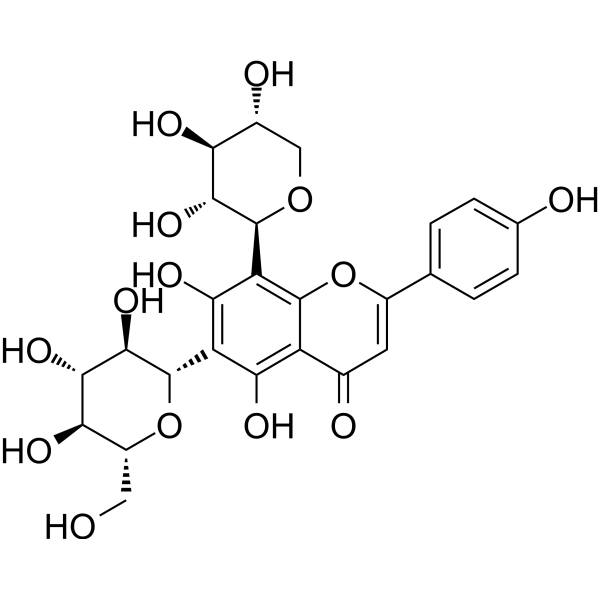 0 ImagesVicenin 3 is an angiotensin-converting enzyme (ACE) inhibitor (IC50 = 46.91 μM) that can be isolated from the aerial parts of Desmodium styracifolium. Vicenin 3 ameliorates IL-1β-induced extracellular matrix degradation in SW1353 chondrocytes by regulating the MAPK pathway. Vicenin 3 can be used for the study of osteoarthritis (OA) and hypertension.
-
Karacoline
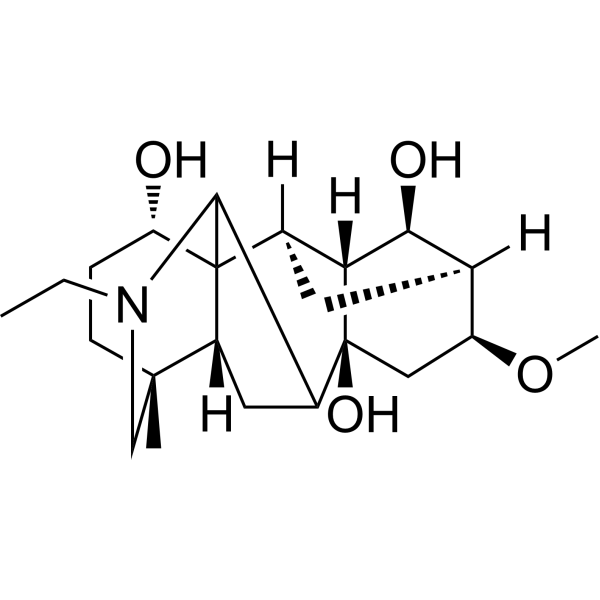 0 ImagesKaracoline is an orally active PPARγ activator and ERK/JNK MAPK inhibitor. Karacoline restricts ROS production, maintains mitochondrial membrane potential, and inhibits pulmonary cell apoptosis. Karacoline inhibits NF-κB pathway activation, reduces acetylation levels of p65 and the expression of MMP14 and MMP9, enhances the expression of type II collagen (collagen II) and aggrecan (aggrecan), and suppresses extracellular matrix degradation. In a mouse model of sepsis-induced acute lung injury, Karacoline alleviates lung injury, inhibits the release of IL-1β, IL-6 and TNF-α, increases the Bcl-2/BAX ratio, and reduces caspase 3 expression. Karacoline can be used in research related to acute lung injury and intervertebral disc degeneration.
-
Otaplimastat
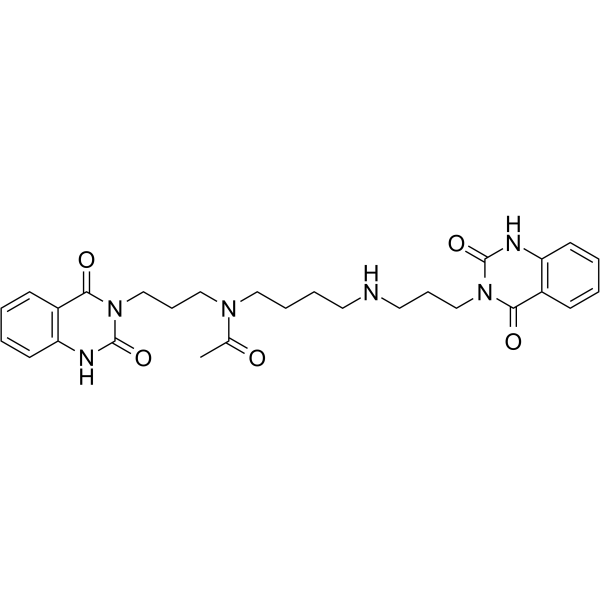 0 ImagesSynonyms: SP-8203Otaplimastat (SP-8203), a matrix metalloproteinase (MMP) inhibitor, blocks N-methyl-D-aspartate (NMDA) receptor-mediated excitotoxicity in a competitive manner. Otaplimastat also exhibits anti-oxidant activity. Otaplimastat can be used for the research of brain ischemic injury.
-
TP0597850
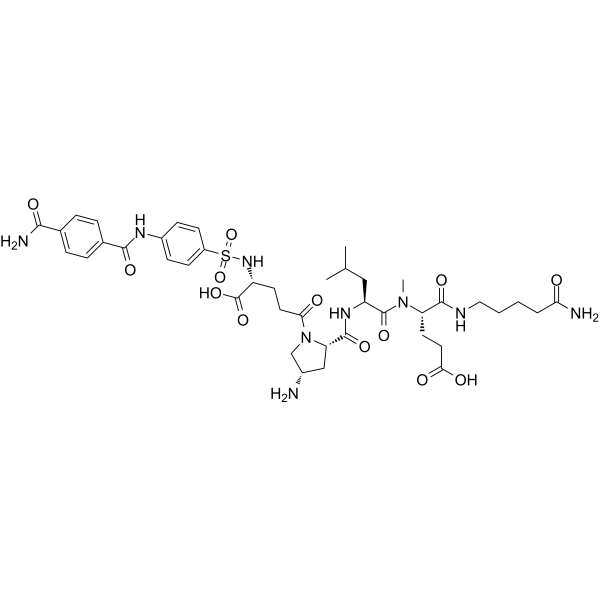 0 ImagesTP0597850 is a selective inhibitor of MMP2 (IC50=0.22 nM). TP0597850 has a long MMP2 dissociation half-life (t1/2=265 min).
-
Methylisothiazolinone-d3 hydrochloride
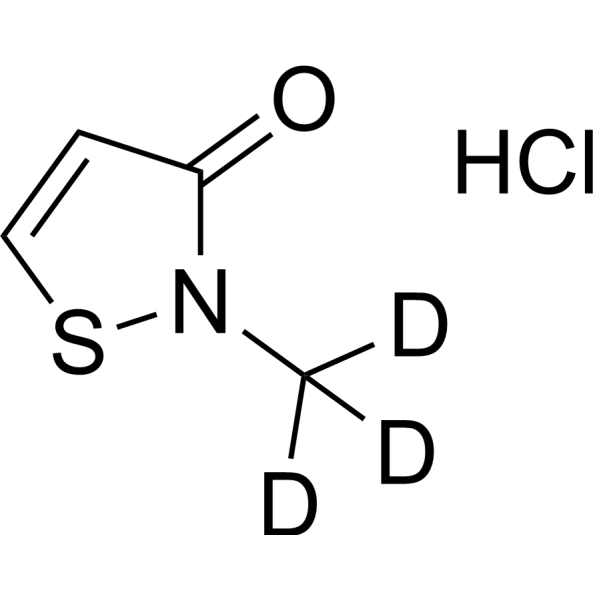 0 ImagesMethylisothiazolinone-d3 hydrochloride is the deuterium labeled Methylisothiazolinone hydrochloride (HY-W010243). Methylisothiazolinone hydrochloride is a bacterial and fungal inhibitor and preservative, as well as a sensitizer. Methylisothiazolinone hydrochloride can activate matrix metalloproteinases (MMPs) in human bronchial epithelial cells to induce apoptosis and inflammatory response. Methylisothiazolinone hydrochloride can promote the development of atopic dermatitis in mice by disrupting Th2/Th17 related immune responses. Methylisothiazolinone hydrochloride can cause mitochondrial damage in the endothelium of rat cerebral blood vessels.
-
SCAL-255
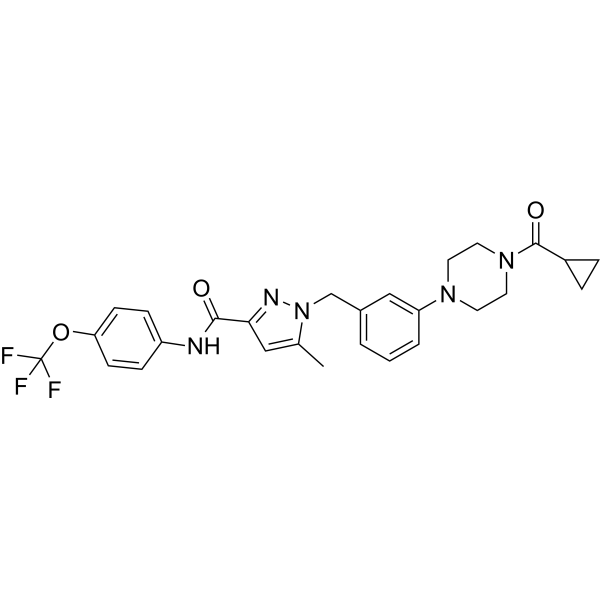 0 ImagesSCAL-255 is a potent mitochondrial complex I (CI) inhibitor with an IC50 of 1.14 μM. SCAL-255 blocks mitochondrial function, inhibits oxygen consumption rate (OCR), induces reactive oxygen species (ROS) production, and reduces MMP. SCAL-255 can be used in the research of oxidative phosphorylation (OXPHOS)-dependent cancers, such as colorectal cancer (CRC) and acute myeloid leukemia (AML), etc.
-
MMP-2/MMP-9 Substrate
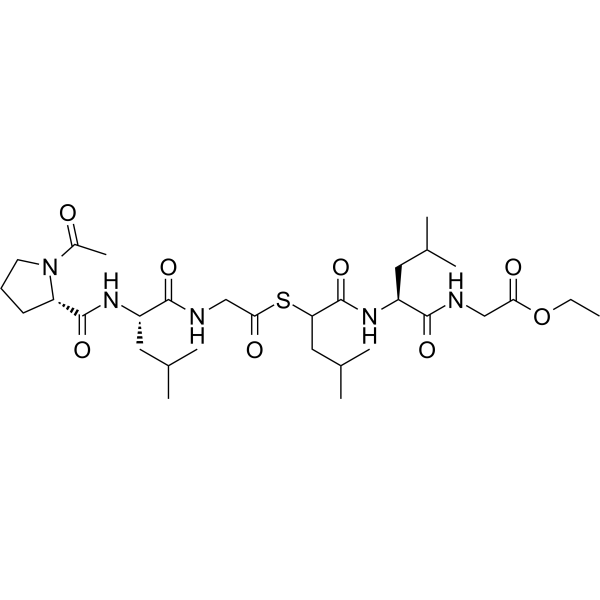 0 ImagesSynonyms: Ac-Pro-Leu-Gly-[(S)-2-mercapto-4-methyl-pentanoyl]-Leu-Gly-OEtMMP-2/MMP-9 Substrate (Ac-Pro-Leu-Gly-[(S)-2-mercapto-4-methyl-pentanoyl]-Leu-Gly-OEt) is a synthetic chromogenic polypeptide substrate whose core structure mimics the cleavage sites of MMP-2 and MMP-9 (gelatinase A and B) in collagen. After being hydrolyzed by collagenase, MMP-2/MMP-9 Substrate reacts with 4,4'-dithiodipyridine or Ellman's Reagent via its thiol fragment to produce a product with ultraviolet absorption properties.
-
PROTAC DDR1 degrader-1
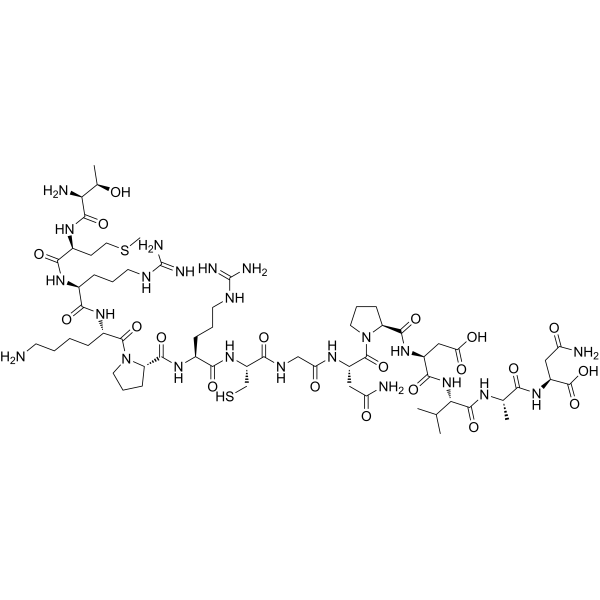
 0 ImagesPROTAC DDR1 degrader-1 is a potent and selective DDR1-targeting PROTAC degrader. PROTAC DDR1 degrader-1 selectively induces full-length DDR1 degradation via the ubiquitin proteasome system, blocking downstream signaling pathways. PROTAC DDR1 degrader-1 inhibits tumor cell migration and invasion. PROTAC DDR1 degrader-1 exhibits anti-tumor activity in mice. PROTAC DDR1 degrader-1 can be used for the research of DDR1-driven cancers.
-
Imidapril hydrochloride
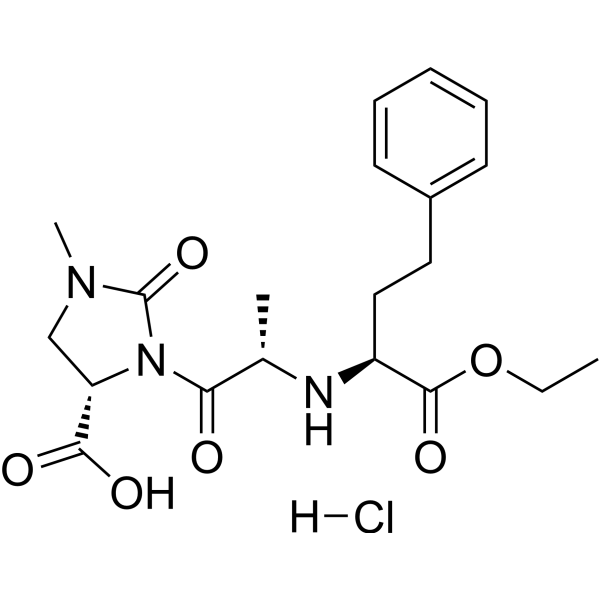 0 ImagesSynonyms: TA-6366Imidapril hydrochloride (TA-6366) is an orally active dual inhibitor of angiotensin-converting enzyme (ACE) and MMP-9. Imidapril hydrochloride inhibits lipopolysaccharide-induced phosphorylation of c-Jun, MKK4 and JNK in monocytes, and downregulates the production of specific inflammatory factors such as TNF-α and IP-10, thereby exerting anti-inflammatory activity. Imidapril hydrochloride also effectively ameliorates mesangial expansion and reduces urinary albumin excretion by inhibiting angiotensin AngII production, lowering glomerular pressure and oxidative stress, thus delaying disease progression. Imidapril hydrochloride can also directly bind to the active site of MMP-9 to inhibit gelatinase activity, and suppress the enlargement of cerebral aneurysms without altering systemic blood pressure. Imidapril hydrochloride is widely applicable to related studies on autoimmune glomerulonephritis, diabetic nephropathy, cerebral aneurysms and other conditions.
-
Hecogenin acetate
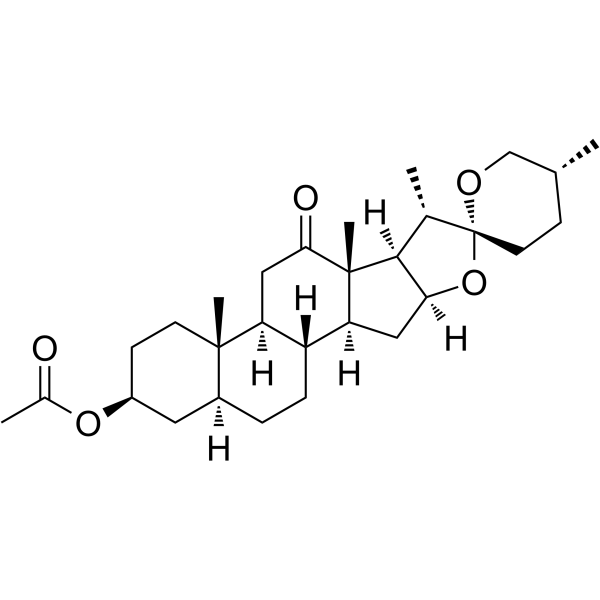 0 ImagesHecogenin acetate is an orally active steroid saponin aglycone with extensive biological activities. Hecogenin acetate inhibits the phosphorylation of NF-κB and p38 MAPK signaling pathways, antagonizes TRPA1/TRPM8 channels, inhibits the production of pro-inflammatory cytokines, and has anti-inflammatory and analgesic effects. Hecogenin acetate inhibits the production of ROS and the activation of NLRP3 inflammasome; downregulates the expression of MMP-2, and has neuroprotective and anti-tumor activities. Hecogenin acetate enhances gastric mucosal defense and promotes ulcer healing. Hecogenin acetate can be used in combination with certain antibiotics to regulate bacterial efflux pumps and restore antibiotic sensitivity.
-
Mca-PLAQAV-Dpa-RSSSR-NH2
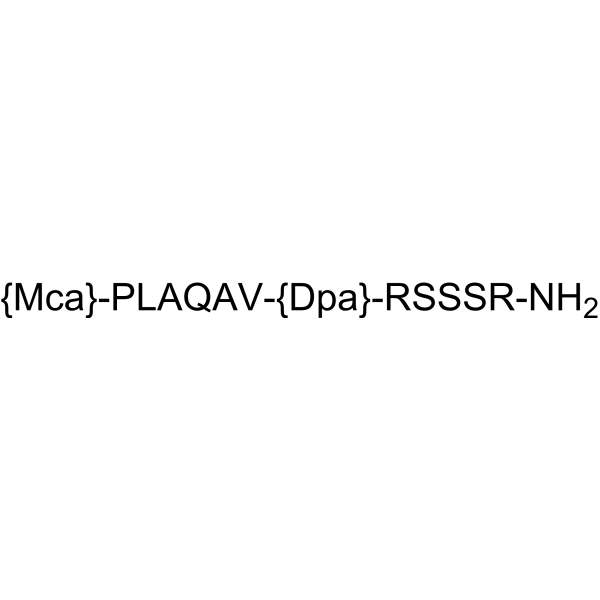 0 ImagesMca-PLAQAV-Dpa-RSSSR-NH2 is a fluorescent substrate peptide that can be used to detect ADAM9, ADAM10, and tumor necrosis factor-α converting enzyme (TACE/ADAM17). Mca-PLAQAV-Dpa-RSSSR-NH2 is a fluorescence resonance energy transfer-based substrate, and its activity can be determined by changes in fluorescence intensity upon cleavage (Ex = 320 nm ; Em = 405 nm).
-
Sorafenib-13C,d3
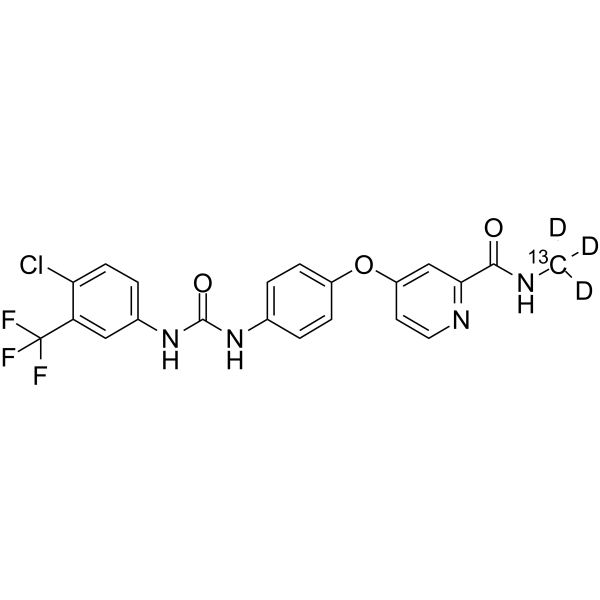 0 ImagesSynonyms: Bay 43-9006-13C,d3Sorafenib-13C,d3 (Bay 43-9006-13C,d3) is the 13C, deuterated-labeled Sorafenib (HY-10201). Sorafenib (Bay 43-9006) is a potent oral active multikinase inhibitor. Sorafenib blocks autophosphorylation and activity of receptor tyrosine kinases (VEGFR-2, VEGFR-3) and RAF family kinases, thereby suppressing the RAF/MEK/ERK and PI3K/Akt pathways, inhibiting STAT3 phosphorylation, and selectively inhibiting the MAPK pathway in cancer cells. Sorafenib induces cell cycle arrest, autophagy, apoptosis, and PARP cleavage, reduces Bcl-2, Bcl-XL, cyclin D1 levels, and activates Bak and Bax. Sorafenib inhibits tumor growth and metastasis in mouse and rat models. Sorafenib can be used for cancer research, such as colon, breast, non-small-cell lung cancer (NSCLC), ovarian, pancreatic, melanoma, colorectal and hepatocellular carcinoma.
-
Murine Thrombin
 0 ImagesCat. No.: HY-114164GCAS No.: 9002-04-4Murine Thrombin is a murine serine protease that plays a central role in blood coagulation. Murine Thrombin stimulates macrophages to polarize into a unique phenotype characterized by anti-inflammatory and pro-repair properties. Murine Thrombin activates PAR1, induces the production of MCP-1, MMP3 and VEGF in mouse intervertebral discs, and causes degradation of the cartilage matrix and destruction of intervertebral disc structure. Murine Thrombin activity increases significantly in paraoxon-induced status epilepticus.
-
Licoricidin
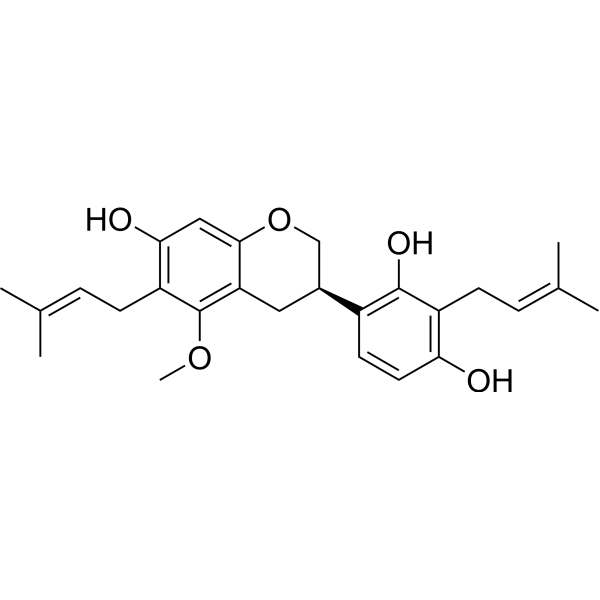 0 ImagesLicoricidin (LCD) is isolated from Glycyrrhiza uralensis Fisch, possesses anti-cancer activities. Licoricidin (LCD) inhibit SW480 cells (IC50=7.2 μM) by inducing cycle arrest, apoptosis and autophagy, and is a potential chemopreventive or chemotherapeutic agent against colorectal cancer. Licoricidin (LCD) inhibits Lung Metastasis by inhibition of tumor angiogenesis and lymphangiogenesis as well as changes in the local microenvironment of tumor tissues the anticarcinogenic effect. Licoricidin enhanced gemcitabine-induced cytotoxicity in Osteosarcoma (OS) cells by inactivation of the Akt and NF-κB pathways in vitro and in vivo. Licoricidin blocks UVA-induced photoaging via ROS scavenging, limits the activity of MMP-1, it can be considered as an active ingredient in new topically applied anti-ageing formulations.
-
Isoviolanthin
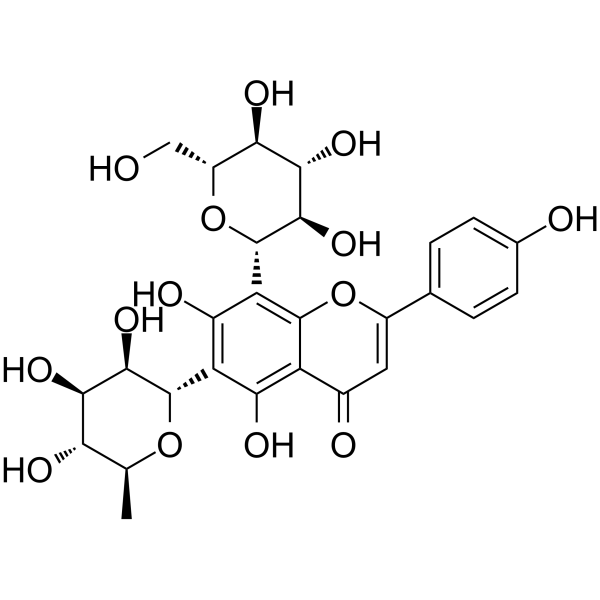 0 ImagesIsoviolanthin is a flavonoid glycoside. Isoviolanthin can be extracted from Dendrobium officinale. Isoviolanthin has a strong affinity for binding to KDM6B, CHAC2, ESCO2, and IPO4. Isoviolanthin decreases MMP-2 and MMP-9. Isoviolanthin inhibits TGF-β/Smad and PI3K/Akt/mTOR signaling pathways. Isoviolanthin increases Fhl3 expression. Isoviolanthin has cytoprotective effects. Isoviolanthin has anticancer activity against hepatocellular carcinoma.

-
Famotidine (Standard)
 0 ImagesSynonyms: MK-208 (Standard)Famotidine (Standard) (MK-208 (Standard)) is the analytical standard of Famotidine (HY-B0377). This product is intended for research and analytical applications. Famotidine (MK-208) is an orally active and highly selective histamine H2 receptor antagonist. It inhibits gastric acid secretion by blocking the Gs signaling pathway, and regulates intracellular cAMP and ERK pathways. Famotidine inhibits TLR3-mediated inflammatory pathways, and reduces the expression of various inflammatory mediators and interferon-related genes. Famotidine scavenges DPPH and nitric oxide free radicals, alleviates oxidative stress damage in gastric tissue, inhibits proMMP-9, improves vascular endothelial permeability, and restores the normal physiological functions of neutrophils and eosinophils. Famotidine crosses intestinal epithelial cells via facilitated diffusion and passive diffusion, blocks paracellular cation transport, and increases intestinal transepithelial electrical resistance. Famotidine reduces serum levels of transaminases and alkaline phosphatase, exerts analgesic effects and gastric protective effects simultaneously. Famotidine can be used in studies related to COVID-19, liver injury and acute gastric ulcer.




