



PI3K
Phosphoinositide 3-kinase
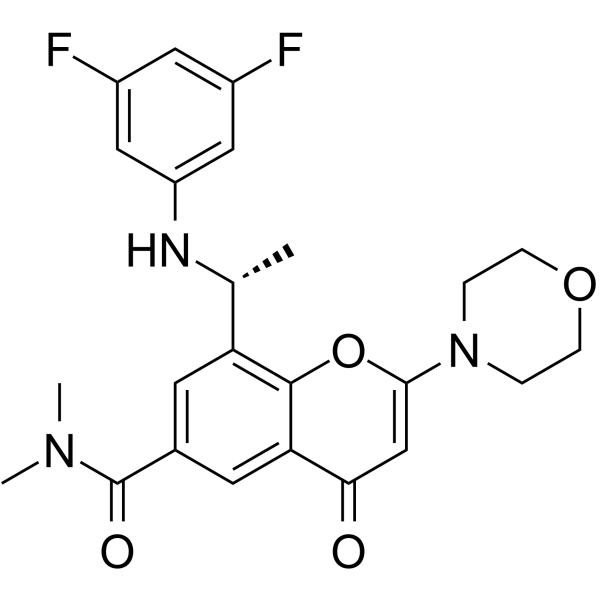
PI3K (Phosphoinositide 3-kinase), via phosphorylation of the inositol lipid phosphatidylinositol 4,5-bisphosphate (PI(4,5)P2), forms the second messenger molecule phosphatidylinositol (3,4,5)-trisphosphate (PI(3,4,5)P3) which recruits and activates pleckstrin homology domain containing proteins, leading to downstream signalling events crucial for proliferation, survival and migration. Class I PI3K enzymes consist of four distinct catalytic isoforms, PI3Kα, PI3Kβ, PI3Kδ and PI3Kγ.
There are three major classes of PI3K enzymes, being class IA widely associated to cancer. Class IA PI3K are heterodimeric lipid kinases composed of a catalytic subunit (p110α, p110β, or p110δ; encoded by PIK3CA, PIK3CB, and PIK3CD genes, respectively) and a regulatory subunit (p85).
The PI3K pathway plays an important role in many biological processes, including cell cycle progression, cell growth, survival, actin rearrangement and migration, and intracellular vesicular transport.
PI3K Isoform Specific Products
-
PI3Kα
(235)
View all products
-
PI3Kβ
(161)
View all products
-
PI3Kγ
(181)
View all products
-
PI3Kδ
(201)
View all products
-
PI3KC2α
(8)
View all products
-
PI3KC2β
(12)
View all products
-
PI3KC2γ
(4)
View all products
-
Vps34
(24)
View all products
-
PI3K
(661)
View all products
-
PI3KC3
(1)
View all products
-
p120γ
(1)
View all products
All Product Categories
-
PI3K Inhibitors
(859)
View all products
-
PI3K Agonists
(9)
View all products
-
PI3K Antagonist
(1)
View all products
-
PI3K Activators
(129)
View all products
-
PI3K Modulators
(23)
View all products
-
PI3K Inducers
(3)
View all products
-
PI3K Degraders
(7)
View all products
-
PI3K Controls
(4)
View all products
-
PI3K Substrate
(1)
View all products
-
PI3K Ligands
(9)
View all products
-
PI3K Related Products (1108)
Related Products (1108)

-
Antibodies (16)
-
PI3K Signaling Pathway
-
PI3K Isoform Comparison
-
Deoxyshikonin
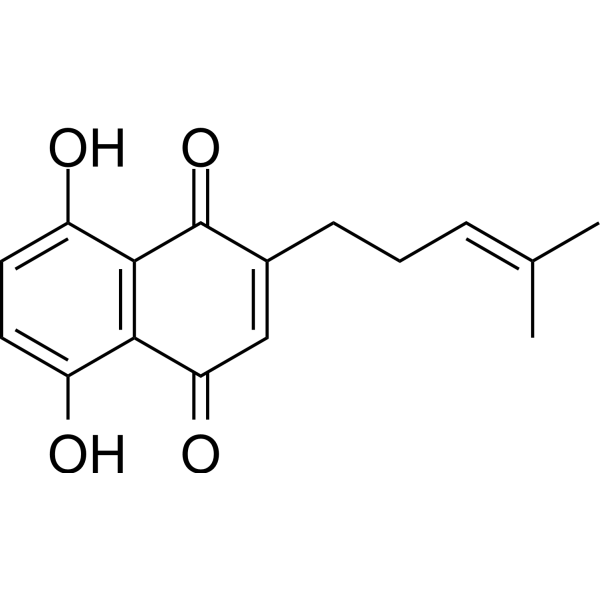 0 ImagesDeoxyshikonin increases the expression of VEGF-C and VEGF-A mRNA in HMVEC-dLy, promotes HIF-1α and HIF-1β subunit interaction and binds to specific DNA sequences targeted by HIF. Deoxyshikonin inhibited colorectal cancer (CRC) through the PI3K/Akt/mTOR pathway. Deoxyshikonin has proangiogenesis effect and antitumor activity. Deoxyshikonin is an antibacterial agent against methicillin-resistant S. aureus (MRSA) and S. pneumonia (MIC=17 μg/mL).
-
CGS 15943
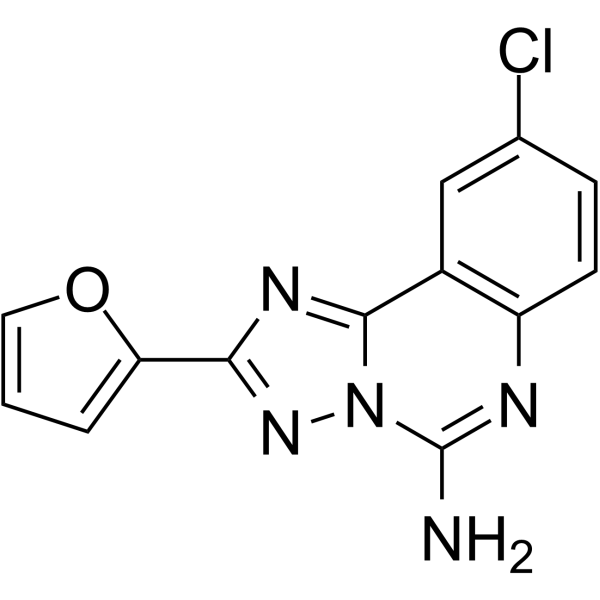 0 ImagesCGS 15943 is an orally bioavailable non-xanthine Adenosine Receptor antagonist. Its Ki for human A1, A2A, A2B, and A3 Adenosine Receptors are 3.5, 4.2, 16, and 50 nM in transfected CHO cells, respectively. .
-
Beauvericin
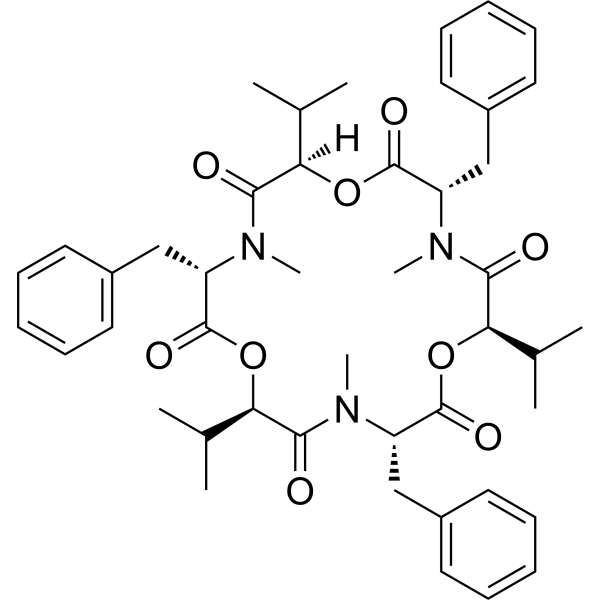 0 ImagesBeauvericin is a cyclohexapeptide Fusarium toxin with insecticidal, antibacterial, anticancer, antiviral and cytotoxic activities. Beauvericin causes cellular genotoxicity by producing DNA breaks, chromosomal aberrations and micronuclei, and inhibits the PI3K/AKT pathway to induce apoptosis, thereby inhibiting the growth of HCC. In addition, Beauvericin affects immune function by inhibiting lymphocyte proliferation and interfering with the differentiation process of human monocytes into macrophages.
-
Micheliolide
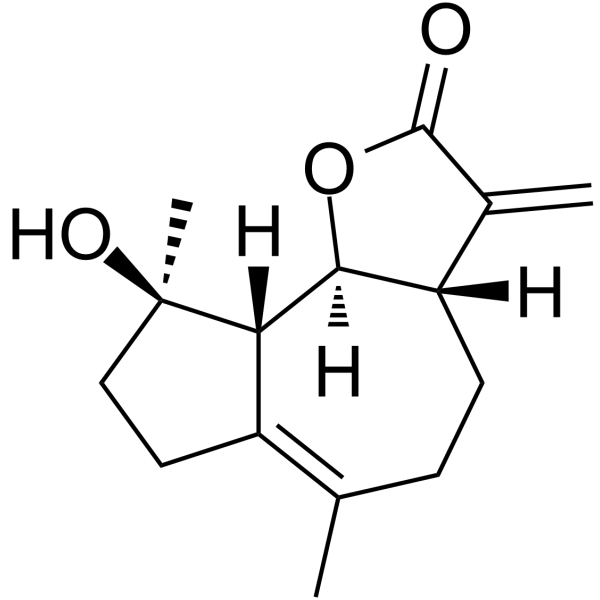 0 ImagesMicheliolide is a sesquiterpene lactone with anti-cancer and anti-inflammatory effects, which is derived from Michelia compressa and Michelia champaca. Micheliolide can attenuate high glucose-stimulated NF-κB activation, IκBα degradation, and the expression of MCP-1, TGF-β1, and FN in mouse mesangial cells. Micheliolide inhibits LPS (HY-D1056)-induced activation of NF-κB and PI3K/Akt/p70S6K pathways to play an anti-inflammatory role. Micheliolide inhibits dextran sodium sulphate (DSS) (HY-116282)-induced inflammatory intestinal disease, colitis-associated cancer and rheumatic arthritis.
-
N6-Cyclohexyladenosine
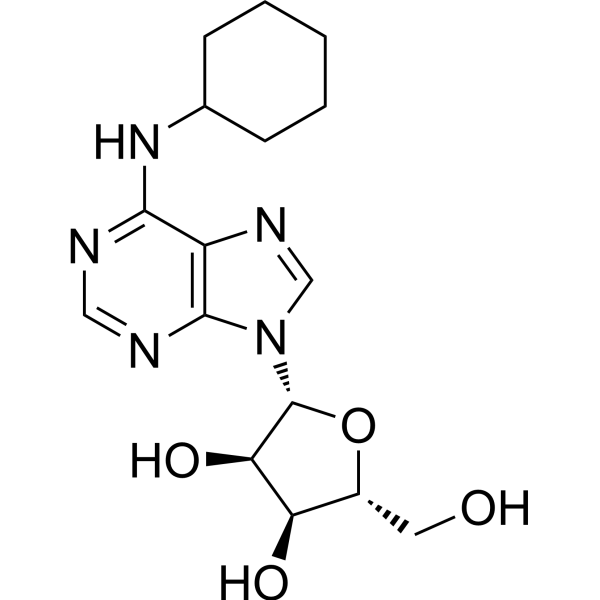 0 ImagesSynonyms: CHAN6-Cyclohexyladenosine is a selective adenosine A1 receptor agonist (EC50 = 8.2 nM). N6-Cyclohexyladenosine enhances the activation of the PI3K/Akt/CREB/BDNF axis. N6-Cyclohexyladenosine promotes remyelination, induces sleep, and improves 3-NP-induced Huntington's disease. N6-Cyclohexyladenosine can be used in liver cancer research.
-
Citronellol
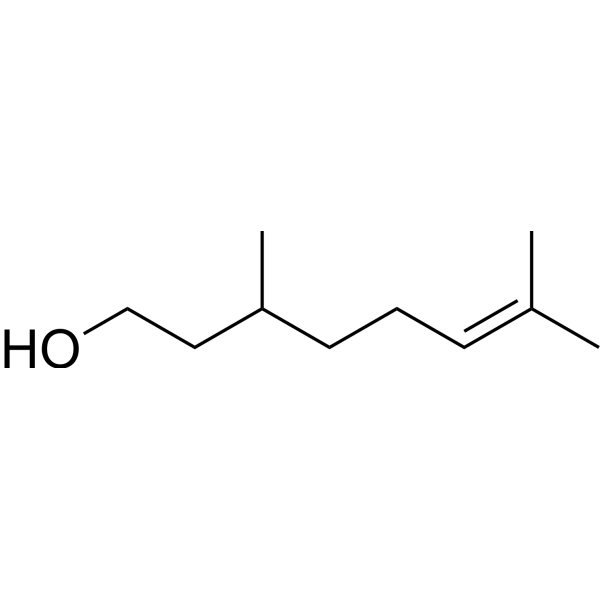 0 ImagesSynonyms: (±)-Citronellol; (±)-β-CitronellolCitronellol ((±)-Citronellol) is an orally active inducer of apoptosis. Citronellol can prevent oxidative stress, mitochondrial dysfunction, and apoptosis in the SH-SY5Y cell Parkinson's disease model induced by 6-OHDA by regulating the ROS-NO, MAPK/ERK, and PI3K/Akt signaling pathways. Citronellol can induce necroptosis in human lung cancer cells through the TNF-α pathway and accumulation of ROS. Citronellol can reduce the levels of LC-3 and p62 to regulate the autophagy pathway, inhibit oxidative stress and neuroinflammation, and thus have neuroprotective effects on Parkinson's rats. Citronellol exhibits anti-fungal activity against Trichophyton rubrum by inhibiting ergosterol synthesis.
-
Fusaric acid
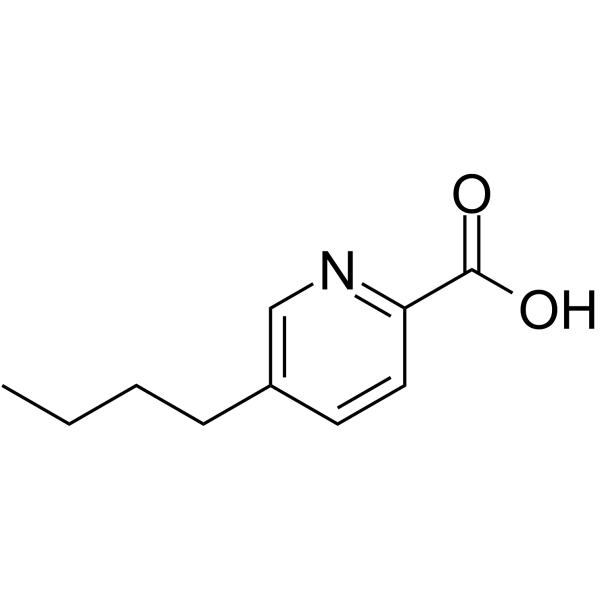 0 ImagesFusaric acid is an orally active multi-pathway inhibitor with the activity of inducing oxidative stress and apoptosis. Fusaric acid can chelate divalent metal cations, damage mitochondrial membrane structure, and activate apoptosis-related proteases such as Caspase-3/7, -8, and -9. Fusaric acid also regulates Bax/Bcl-2 protein, inhibits fibrosis-related signaling pathways such as NF-κB, TGF-β1/SMADs, and PI3K/AKT/mTOR, and reduces collagen deposition. Fusaric acid is also a dopamine β-hydroxylase inhibitor, which reduces endogenous levels of norepinephrine and epinephrine in the brain, heart, spleen, and adrenal glands. Fusaric acid can play a role in myocardial fibrosis and improve cardiac hypertrophy in heart disease, and can also be used in the study of esophageal cancer and liver cancer.

-
Sinigrin
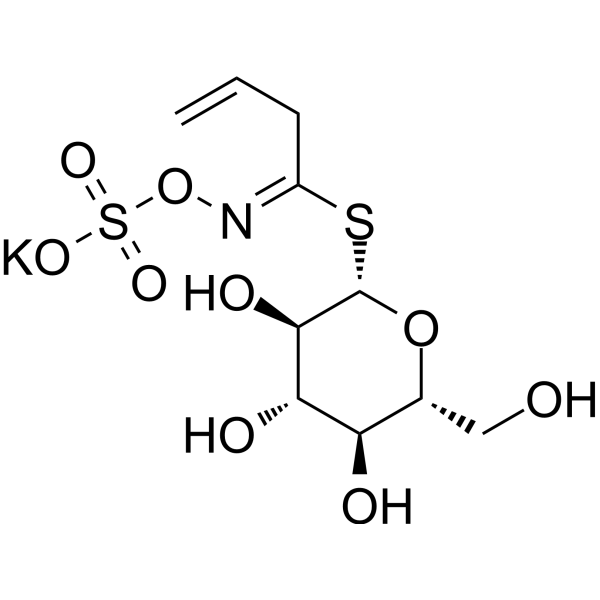 0 ImagesSynonyms: Allyl-glucosinolate; 2-Propenyl-glucosinolateSinigrin (Allyl-glucosinolate) is an orally active glucosinolate found in cruciferous plants. Sinigrin possesses multiple activities such as anti-cancer, antibacterial, antifungal, anti-inflammatory, antioxidant, and inhibition of fat synthesis. Sinigrin can be used in the research of tumors, inflammatory, and metabolic diseases.
-
Arenobufagin
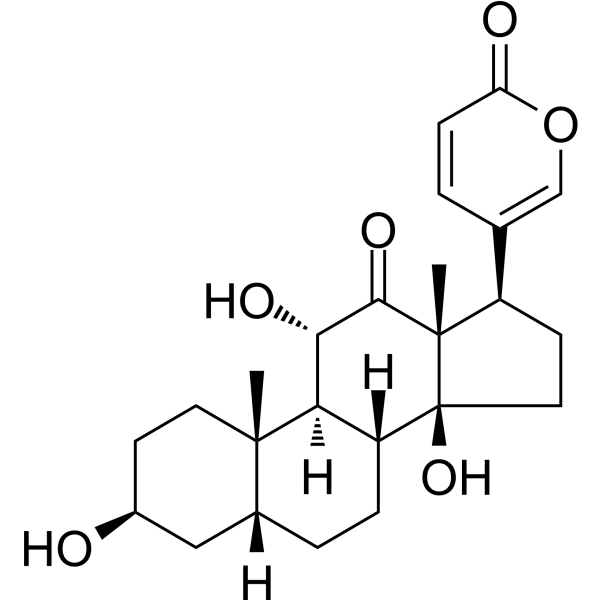 0 ImagesArenobufagin is a natural bufadienolide that can be extracted from toad venom. Arenobufagin can induce apoptosis and autophagy in human hepatocellular carcinoma cells through inhibition of PI3K/Akt/mTOR pathway. Arenobufagin has potent antineoplastic activity against HCC HepG2 cells as well as corresponding multidrug-resistant HepG2/ADM cells. Arenobufagin can inhibit VEGF-mediated angiogenesis through suppression of VEGFR-2 signaling pathway.
-
SY-LB-35
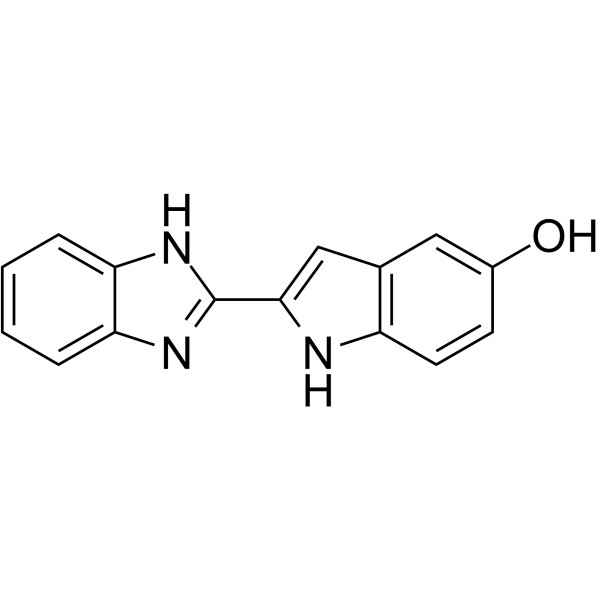 0 ImagesSY-LB-35 is a potent bone morphogenetic protein (BMP) receptor agonist. SY-LB-35 can stimulate significant increases in cell number and cell viability in the C2C12 myoblast cell line, and causes shifts towards the S and G2/M phases of the cell cycle. SY-LB-35 stimulates canonical Smad and non-canonical PI3K/Akt, ERK, p38 and JNK intracellular signaling pathways.
-
Protectin D1
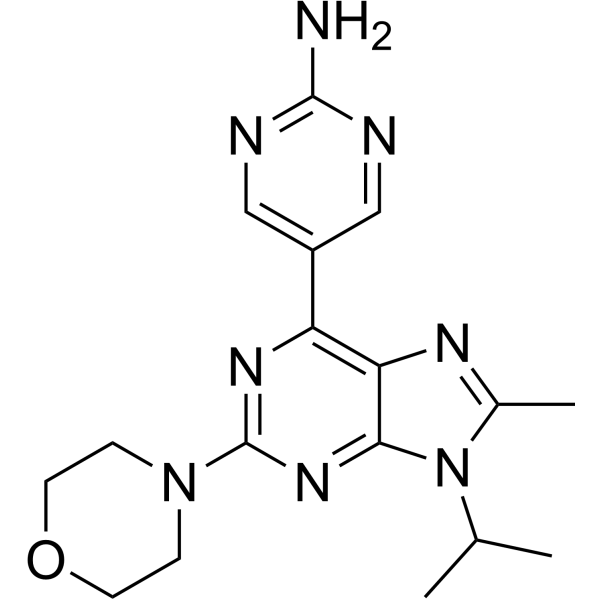
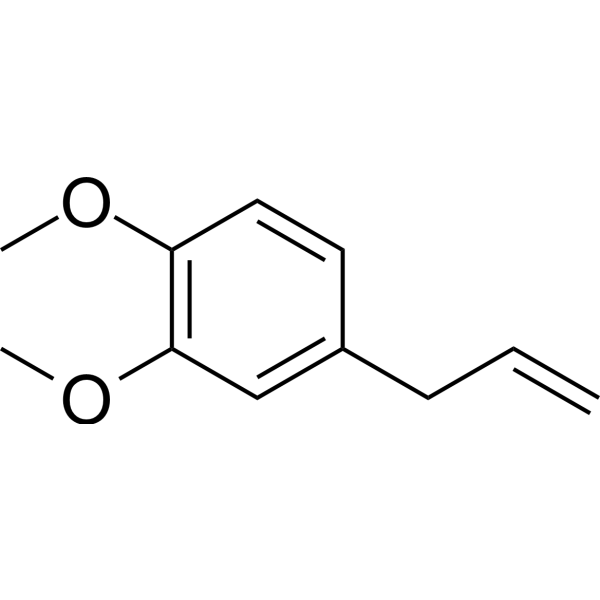
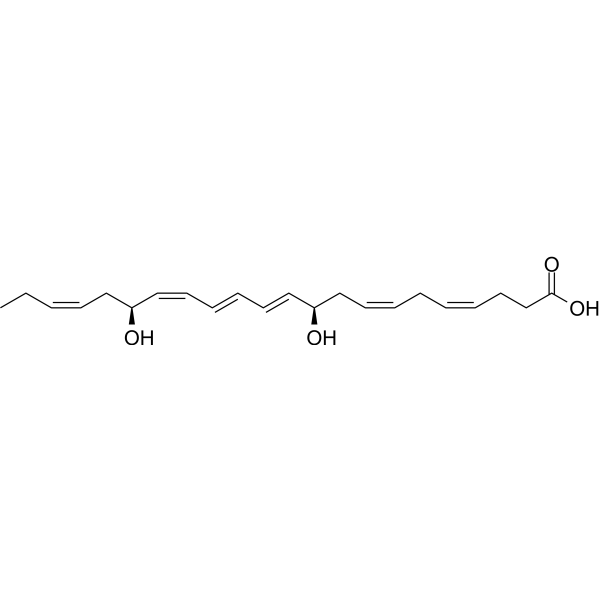 0 ImagesSynonyms: Neuroprotectin D1; NPD1Protectin D1, a neuroprotectin D1 produced by neuronal cells, is a member of a newly discovered family of bioactive products derived from docosahexaenoic acid. Protectin D1 also serves as a specialized pro-resolving mediator, exhibiting effective in vivo pro-resolving activity in various human disease models. Additionally, Protectin D1 is an inhibitor of NALP3 inflammasomes and regulates the PI3K/AKT and HIF-1α signaling pathways. Protectin D1 exerts anti-inflammatory effects by reducing ROS levels, inhibiting the expression of NALP3, ASC, and Caspase-1, and consequently decreasing the release of pro-inflammatory cytokines IL-1β and IL-18. Furthermore, Protectin D1 enhances miRNA-210 expression, activates the PI3K/AKT signaling pathway, and exerts cardioprotective effects. Protectin D1 holds promise for research in cardiovascular diseases and inflammatory disorders.
-
Isorhapontigenin
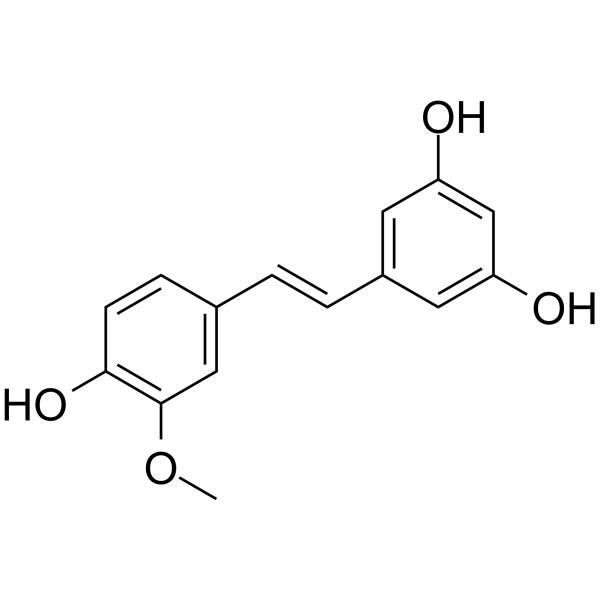 0 ImagesIsorhapontigenin is an orally active dietary polyphenol. Isorhapontigenin acts as a potent antioxidant that reduces the production of reactive oxygen species (ROS). Isorhapontigenin promotes the binding of JUN to the AP-1 site on the SESN2 promoter, induces SESN2 transcription, triggers MAPK8-dependent JUN activation, and upregulates the expression of PPAR-α, PGC-1α and CPT-1A to facilitate fatty acid oxidation. Isorhapontigenin induces autophagy, apoptosis and preadipocyte differentiation; it inhibits tumor growth, cell invasion, NF-κB transcriptional activity, the PI3K/Akt signaling pathway, STAT1 phosphorylation and MMP-2 expression. Isorhapontigenin alleviates oxidative stress, inflammatory cytokine release and triglyceride accumulation; it increases intracellular ATP levels and promotes Nrf2 nuclear translocation. Isorhapontigenin improves insulin sensitivity in adipose tissue and glucose tolerance, and reduces postprandial blood glucose, insulin and free fatty acid levels. Isorhapontigenin is applicable to research on bladder cancer, liver injury, chronic obstructive pulmonary disease, acute lung injury and type 2 diabetes.




