



STAT
STAT is a family of cytoplasmic protein that regulates many aspects of growth, survival and differentiation in cells. The transcription factors of this family are activated by Janus kinase and dysregulation of this pathway is frequently observed in primary tumours and leads to increased angiogenesis, enhanced survival of tumours and immunosuppression. Gene knockout studies have provided evidence that STAT proteins are involved in the development and function of the immune system and play a role in maintaining immune tolerance and tumour surveillance. STAT proteins were originally described as latent cytoplasmic transcription factors that require phosphorylation for nuclear retention. The unphosphorylated STAT proteins shuttle between cytosol and the nucleus waiting for its activation signal. Once the activated transcription factor reaches the nucleus, it binds to consensus DNA-recognition motif called gamma-activated sites (GAS) in the promoter region of cytokine-inducible genes and activates transcription of these genes.
STAT Isoform Specific Products
All Product Categories
-
STAT Inhibitors
(716)
View all products
-
STAT Agonists
(9)
View all products
-
STAT Antagonists
(5)
View all products
-
STAT Activators
(78)
View all products
-
STAT Modulators
(23)
View all products
-
STAT Inducers
(2)
View all products
-
STAT Degraders
(26)
View all products
-
STAT Controls
(2)
View all products
-
STAT Ligands
(7)
View all products
-
STAT Related Products (931)
Related Products (931)

-
Antibodies (25)
-
STAT Isoform Comparison
-
Panaxadiol
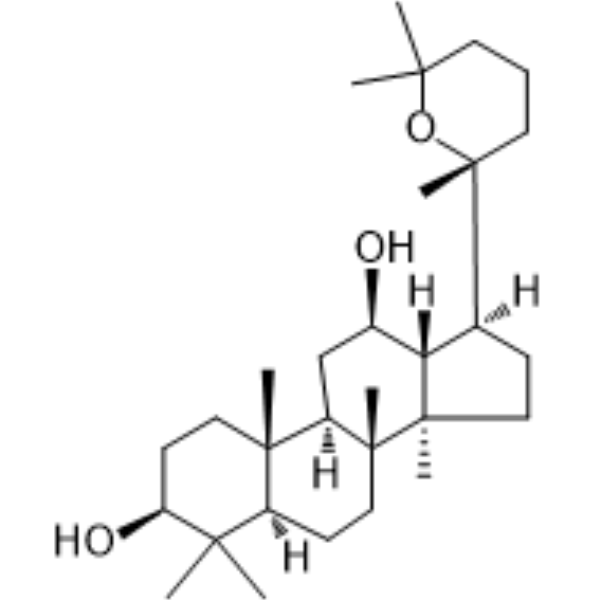 0 ImagesSynonyms: 20(R)-PanaxadiolPanaxadiol (20(R)-Panaxadiol) is an orally active HIF-1α/STAT3 inhibitor. Panaxadiol can suppress HIF-1α and STAT3 then lead to downregulation of programmed cell death-ligand 1 (PD-L1) expression. Panaxadiol shows anticancer, cardioprotective, anti-arrhythmic, and antioxidative activities.
-
Protosappanin A
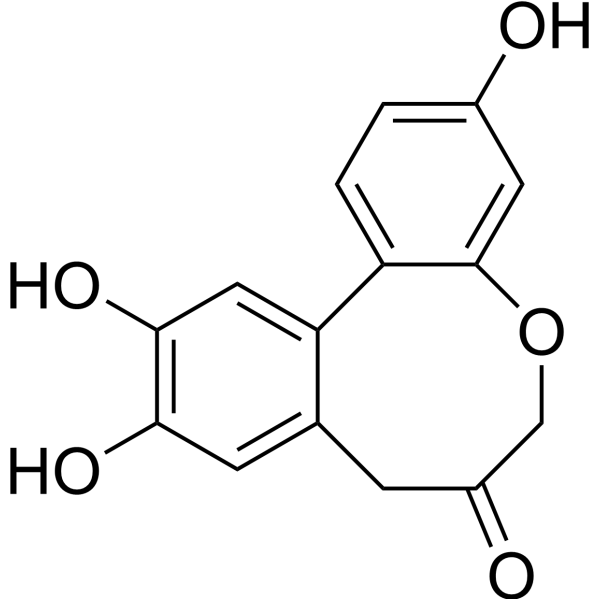 0 ImagesSynonyms: PTA
-
Atranorin
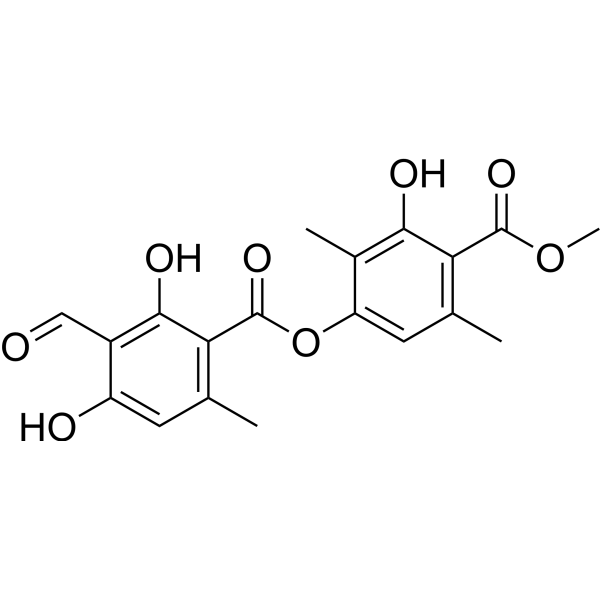 0 ImagesAtranorin is a secondary metabolite of lichens and AKT inhibitor. Atranorin possesses multiple activities such as antibacterial, anti-inflammatory, antioxidant, anti-glycation, analgesic, and anti-tumor effects. Atranorin has IC50 values for scavenging DPPH and ABTS free radicals of 117 μM and less than 10 μM, respectively. Additionally, Atranorin also exhibits effects in promoting wound healing. Atranorin can be used in the research of various diseases, including myelodysplastic syndromes, tumors, and inflammatory conditions.
-
SB02024
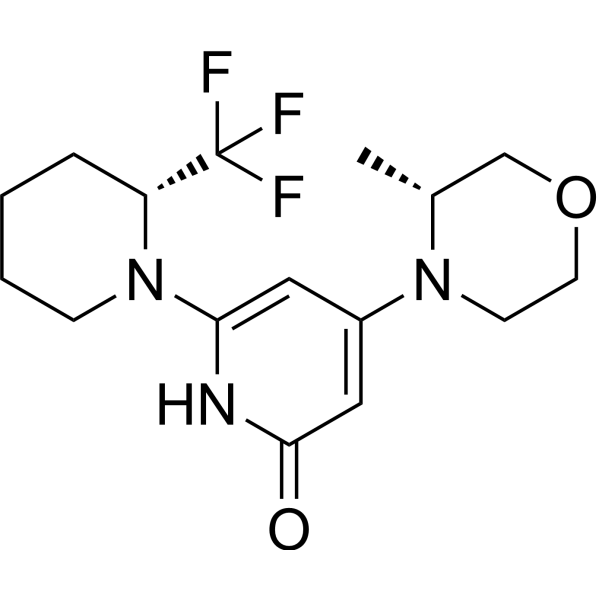 0 ImagesSB02024 is a potent and orally active VPS34 inhibitor. SB02024 inhibits Vps34 kinase activity. SB02024 induces CCL5 and CXCL10 via STAT1/IRF7. SB02024 shows anticancer activity.
-
GMB-475
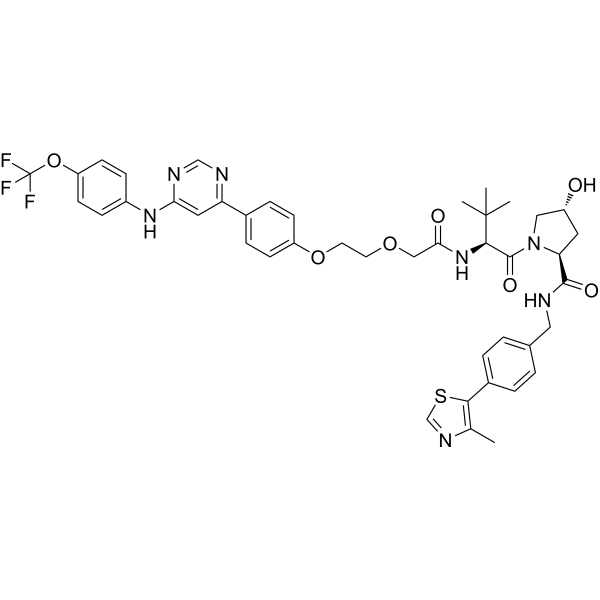 0 ImagesGMB-475 is a potent BCR-ABL1 PROTAC based on Von Hippel-Lindau (VHL). GMB-475 targets the nutmeg pocket of ABL1 in an ectopic manner and degrades BCR-ABL1 protein through the ubiquitin proteasome pathway. GMB-475 inhibits the proliferation of human K562 cells and mouse Ba/F3 cells, and is used for the study of chronic myeloid leukemia.
-
Icariside I
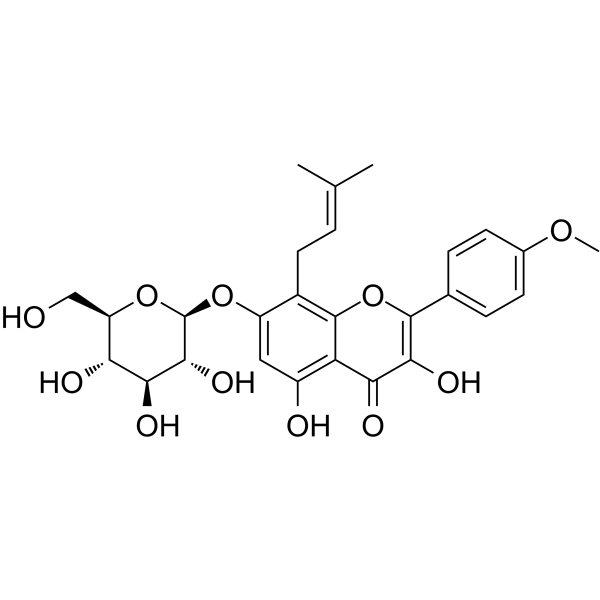 0 ImagesSynonyms: Icarisid IIcariside I (GH01) is an orally active metabolite of icalin. Icariside I improves estrogen deficiency-induced osteoporosis by simultaneously regulating osteoblast and osteoclast differentiation. Icariside I promotes ATP (HY-B2176) or Nigericin (HY-127019)-induced mtROS production and NLRP3 inflammasome activation and causes idiosyncratic hepatotoxicity. Icariside I does not alter the activation of NLRC4 and AIM2 inflammasomes. Icariside I inhibits breast cancer proliferation, apoptosis, invasion, and metastasis by targeting the IL-6/STAT3 pathway. Icariside I is a kynurenine-AhR pathway inhibitor that alleviates cancer by blocking tumor immune escape.
-
Garcinone D
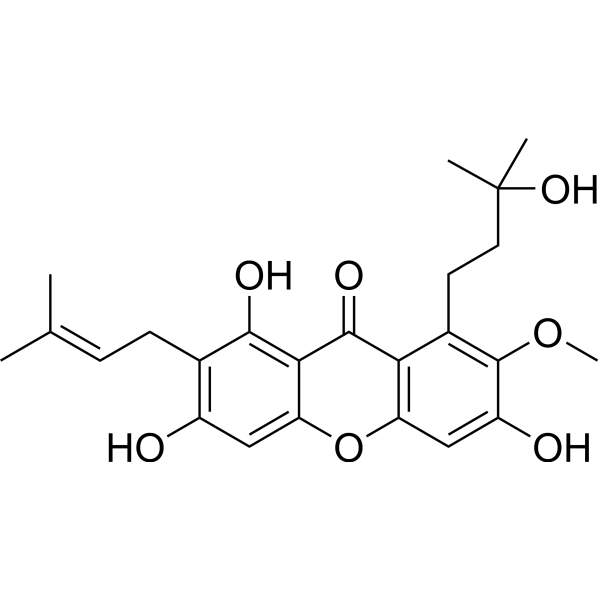 0 ImagesGarcinone D is an activator of the STAT3/Cyclin D1 and Nrf2/HO-1 pathways, and an inhibitor of CDK2/CyclinE1 (IC50 for CDK2/CyclinE1 is 28.23 μM). Garcinone D promotes neural stem cell proliferation by activating STAT3 phosphorylation and Cyclin D1 expression and enhancing the Nrf2/HO-1 signaling pathway. In addition, Garcinone D blocks the tumor cell cycle by inhibiting CDK2/CyclinE1. Garcinone D can promote the proliferation of C17.2 neural stem cells and inhibit prostate and breast cancer.
-
Cenisertib
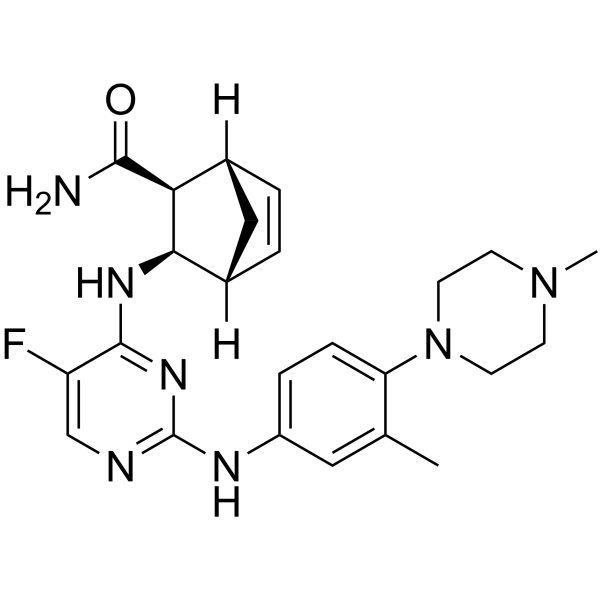 0 ImagesSynonyms: AS-703569; R-763Cenisertib (AS-703569) is an ATP-competitive multi-kinase inhibitor that blocks the activity of Aurora-kinase-A/B, ABL1, AKT, STAT5 and FLT3. Cenisertib induces major growth-inhibitory effects by blocking the activity of several different molecular targets in neoplastic mast cells (MC). Cenisertib inhibits tumor growth in xenograft models of pancreatic, breast, colon, ovarian, and lung tumors and leukemia.
-
Medrysone
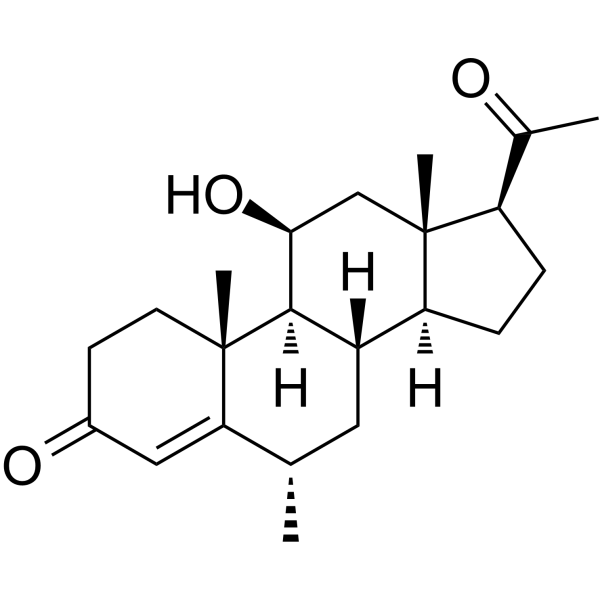 0 ImagesSynonyms: HMS; 6α-Methyl-11β-hydroxyprogesteroneMedrysone (HMS; 6α-Methyl-11β-hydroxyprogesterone) is a STAT6 modulator and M2 macrophage polarization inducer. Medrysone enhances IL-4-triggered STAT6 activation, upregulates the expression of M2 markers, and promotes the secretion of VEGF and CCL2. Medrysone also enhances the pro-migratory activity of M2-like macrophages toward endothelial cells. By regulating macrophage polarization and related repair pathways, Medrysone significantly promotes corneal wound repair in a rat mechanical injury model. Medrysone can be used for research related to corneal injury.
-
(R)-Lisofylline
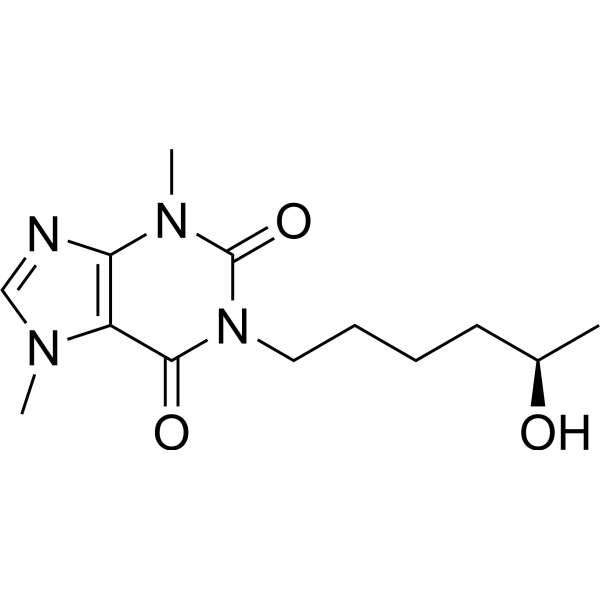 0 ImagesSynonyms: (R)-Lisophylline(R)-Lisofylline ((R)-Lisophylline) is a (R)-enantiomer of the metabolite of Pentoxifylline with anti-inflammatory properties. (R)-Lisofylline is a lysophosphatidic acid acyltransferase inhibitor with an IC50 of 0.6 μM and interrupts IL-12 signaling-mediated STAT4 activation. (R)-Lisofylline has the potential for type 1 diabetes, autoimmune disorders research.
-
Sorafenib (Standard)
 0 ImagesSynonyms: Bay 43-9006 (Standard)Sorafenib (Standard) (Bay 43-9006 (Standard)) is the analytical standard of Sorafenib (HY-10201). This product is intended for research and analytical applications. Sorafenib (Bay 43-9006) is a potent oral active multikinase inhibitor. Sorafenib blocks autophosphorylation and activity of receptor tyrosine kinases (VEGFR-2, VEGFR-3) and RAF family kinases, thereby suppressing the RAF/MEK/ERK and PI3K/Akt pathways, inhibiting STAT3 phosphorylation, and selectively inhibiting the MAPK pathway in cancer cells. Sorafenib induces cell cycle arrest, autophagy, apoptosis, and PARP cleavage, reduces Bcl-2, Bcl-XL, cyclin D1 levels, and activates Bak and Bax. Sorafenib inhibits tumor growth and metastasis in mouse and rat models. Sorafenib can be used for cancer research, such as colon, breast, non-small-cell lung cancer (NSCLC), ovarian, pancreatic, melanoma, colorectal and hepatocellular carcinoma.
-
TL13-112
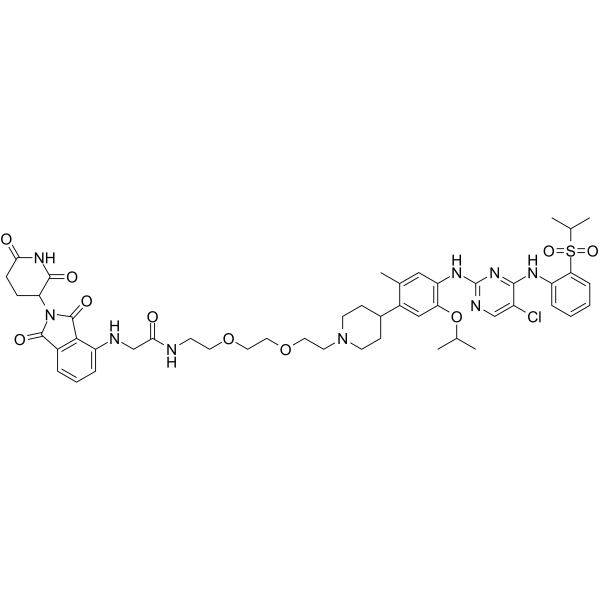 0 ImagesTL13-112 is a ALK PROTAC degrader. TL13-112 degrades the NPM-ALK protein by recruiting the CRBN E3 ligase, thereby blocking oncogenic signal transduction such as STAT3, ERK and AKT, and relieving the transcriptional repression of CD45, CCR7 and PI3Kδ. TL13-112 can be used in related research on anaplastic large cell lymphoma.
-
L002
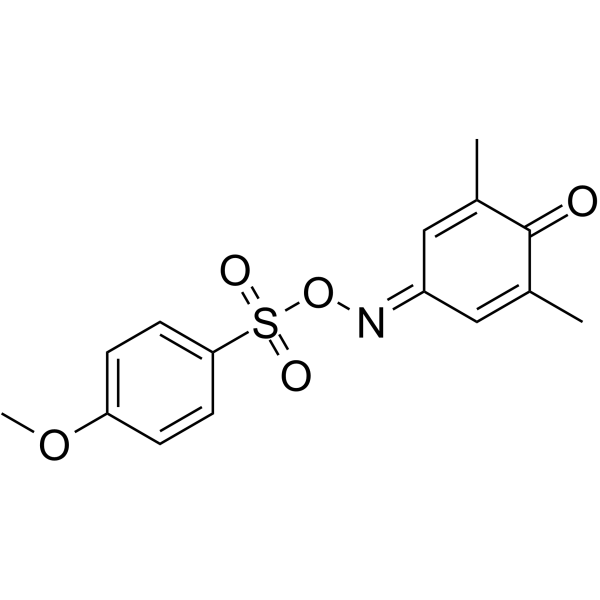 0 ImagesL002 is a potent, cell permeable, reversible and specific acetyltransferase p300 (KAT3B) inhibitor with an IC50 of 1.98 μM. L002 binds the acetyl-CoA pocket and competitively inhibits the FATp300 catalytic domain, blocks histone acetylation and p53 acetylation, and inhibits STAT3 activation. L002 has the potential for hypertension-induced cardiac hypertrophy and fibrogenesis treatment.
-
S-Propargylcysteine
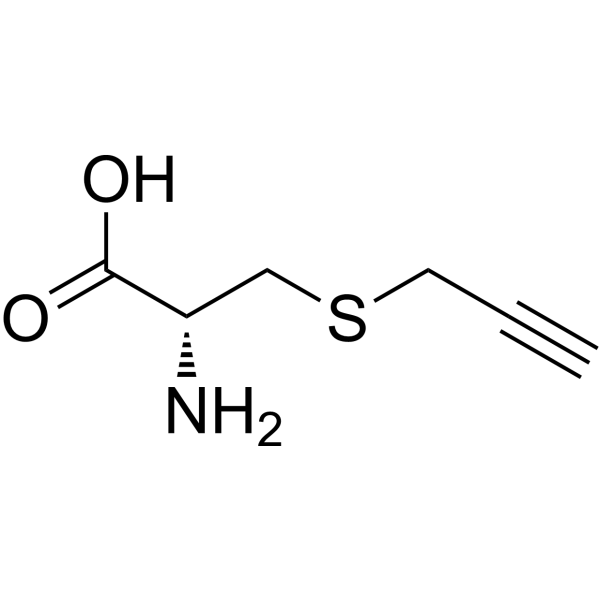 0 ImagesCat. No.: HY-W001538CAS No.: 3262-64-4Synonyms: SPRCS-Propargylcysteine (SPRC), a structural analog of S-allyl cysteine (SAC), is a slow H2S-releasing compound. S-Propargylcysteine reduces Ca2+ accumulation and inflammatory cytokines, inhibits STAT3, and elevates p53 and Bax. S-Propargylcysteine has anti-inflammatory activity and protects mice against acute pancreatitis. S-Propargylcysteine also has cardioprotective, neuroprotective acitivties.
-
5,15-Diphenylporphyrin
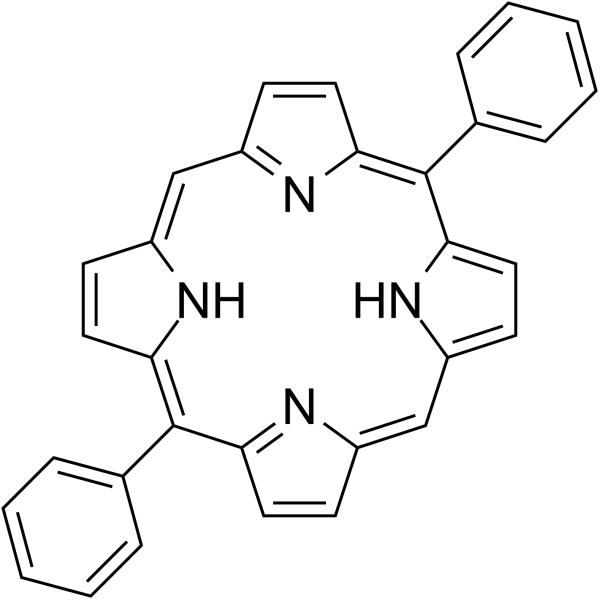 0 ImagesCat. No.: HY-W035137CAS No.: 22112-89-6Synonyms: 5,15-DPP5,15-Diphenylporphyrin (5,15-DPP) is an inhibitor of the oncogenic transcription factor STAT3. 5,15-Diphenylporphyrin specifically binds to the SH2 domain of STAT3, blocking the pTyr-SH2 interaction, thereby inhibiting the dimerization, nuclear translocation and DNA binding activity of STAT3, and ultimately inhibiting the expression of cancer cell-related genes. 5,15-Diphenylporphyrin can be used in research fields related to the development of anticancer drugs
[1] [2].
-
Tetramethylcurcumin
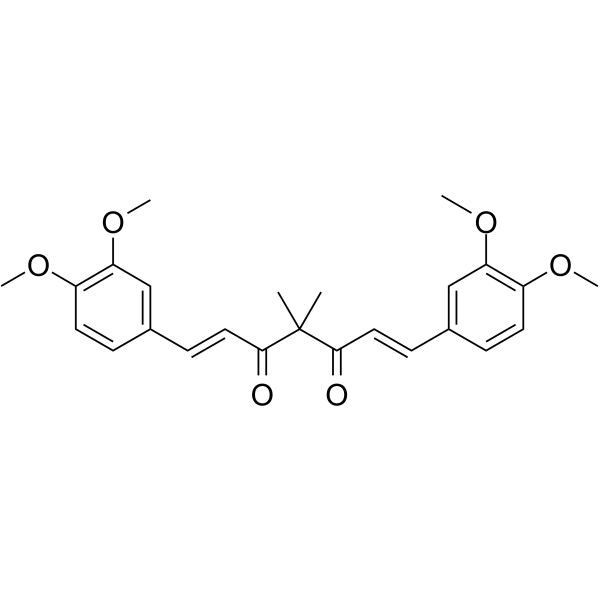 0 ImagesSynonyms: FLLL31Tetramethylcurcumin (FLLL31), derived from curcumin, specifically suppresses the phosphorylation of STAT3 by binding selectively to Janus kinase 2 and the STAT3 Src homology-2 domain. Tetramethylcurcumin exhibits anti-inflammatory and anti-cancer effects.
-
(-)-Asarinin
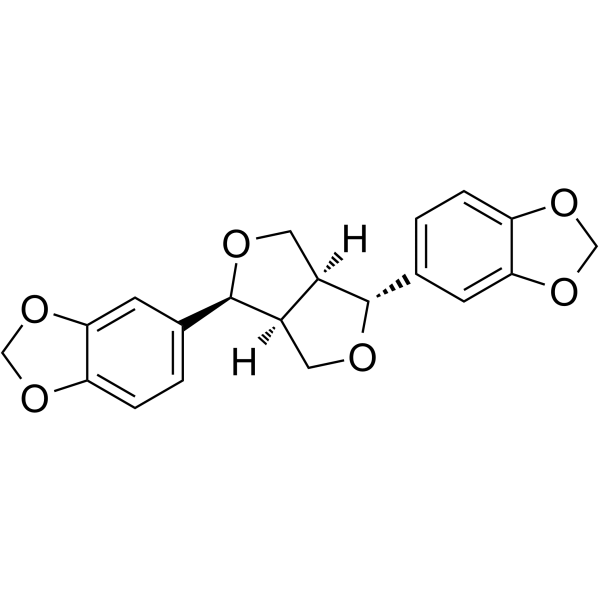 0 Images(-)-Asarinin is a tetrahydrofurofurano lignan with various biological activities. (-)-Asarinin induces apoptosis in cancer cells. (-)-Asarinin promotes mitochondrial ROS accumulation, inhibits the STAT3 signaling pathway and induces apoptosis in precancerous cells. (-)-Asarinin is a Src family kinase inhibitor that suppresses mast cell activation. (-)-Asarinin is a non-competitive Δ5-desaturase inhibitor with a Ki of 0.28 mM. (-)-Asarinin possesses pain relief, anti-viral, anti-allergic and anti-tuberculous bacilli, and anti-tumor effects.
-
Calenduloside E
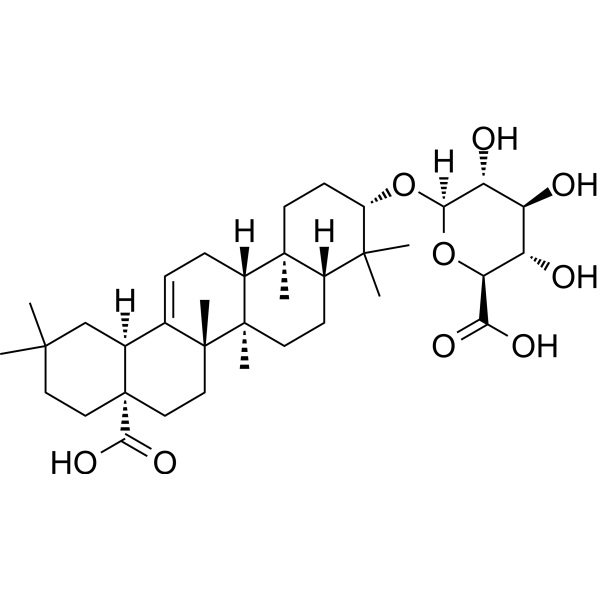 0 ImagesCalenduloside E is a pentacyclic triterpenoid saponin that can be extracted from the bark and roots of Aralia ovata, and has anti-inflammatory and anti-apoptotic activities. Calenduloside E alleviates atherosclerosis by regulating macrophage polarization, improves mitochondrial function by regulating the AMPK-SIRT3 pathway, and alleviates acute liver injury. In addition, Calenduloside E promotes the interaction between L-type calcium channels and Bcl-2 related apoptosis genes, inhibits calcium overload, and alleviates myocardial ischemia/reperfusion injury. Calenduloside E also improves non-alcoholic fatty liver disease by regulating heat shock-dependent pathways, and inhibits ROS mediated JAK1-STAT3 pathways to reduce cellular inflammatory responses.




