



Fucoxanthin
Based on 15 publication(s) in Google Scholar
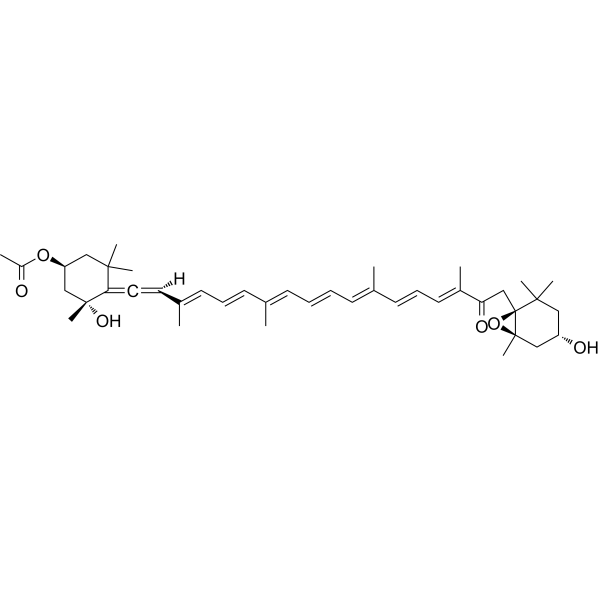
Fucoxanthin (all-trans-Fucoxanthin) is a marine carotenoid and shows anti-obesity, anti-diabetic, anti-oxidant, anti-inflammatory and anticancer activities.
For research use only. We do not sell to patients.
- Purity : 99.54%
- CAS No.: 3351-86-8
- Formula: C42H58O6
- Molecular Weight:658.91
-
Storage:Powder -20°C, 3 years ; In solvent -80°C, 6 months , -20°C, 1 month

To place orders, for customer services and technical support, please contact: MedChemExpress USA
Tel: 609-228-6898 E-mail: [email protected] [email protected]


-
 Biological Activity
-
Chemical Information
-
Solvent & Solubility
- Protocols
- Purity & Documentation
- References
-
 Help & FAQs


-
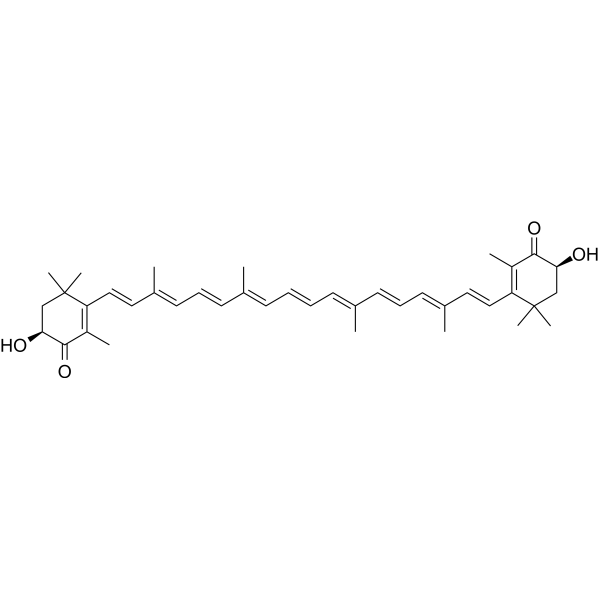
HY-B2163
AstaxanthinAntioxidant -
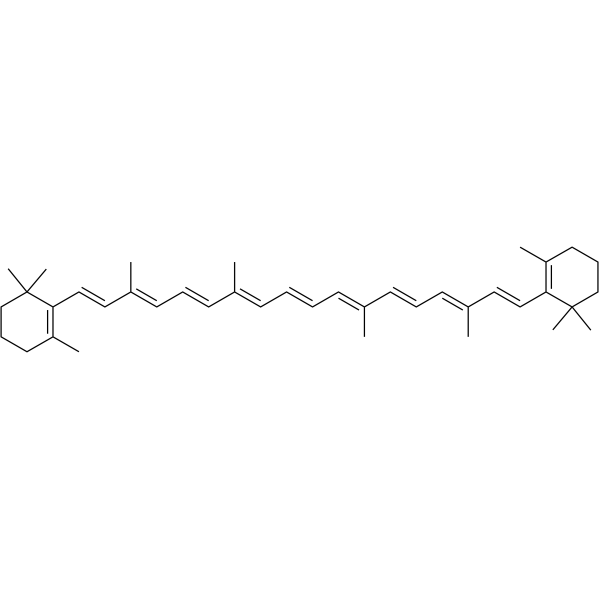
HY-N0411
β-CaroteneCarotenoid compound -
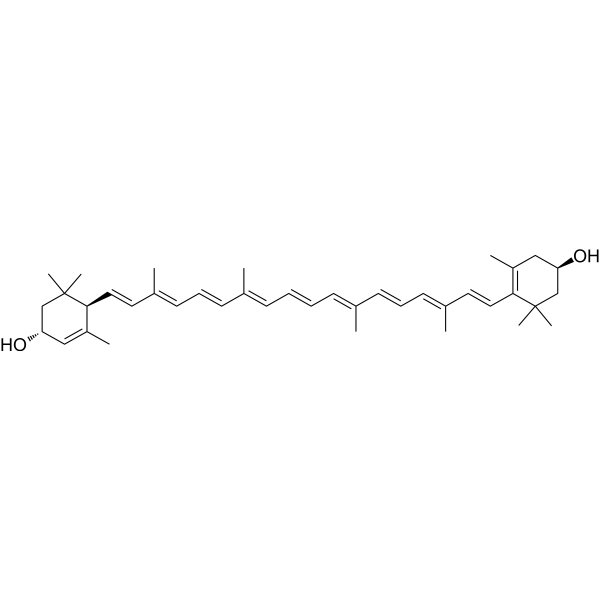
HY-N6947
LuteinAnti-inflammatory Agent -

HY-N2302R
Fucoxanthin (Standard)Marine Carotenoid -
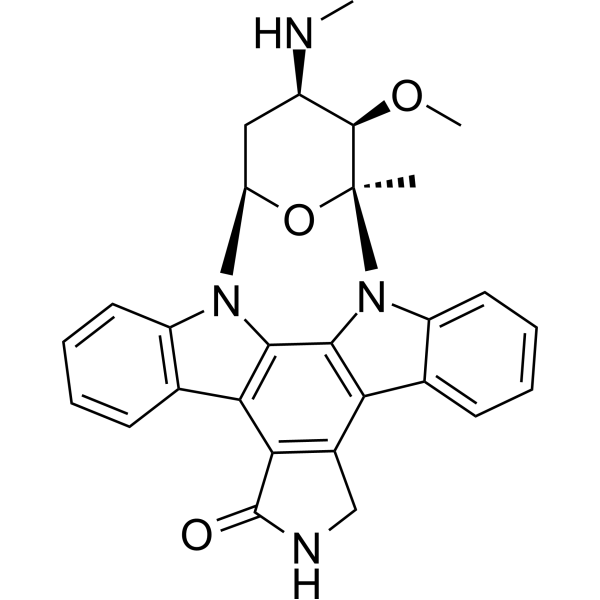
HY-15141
StaurosporinePKC/PKA Inhibitor -
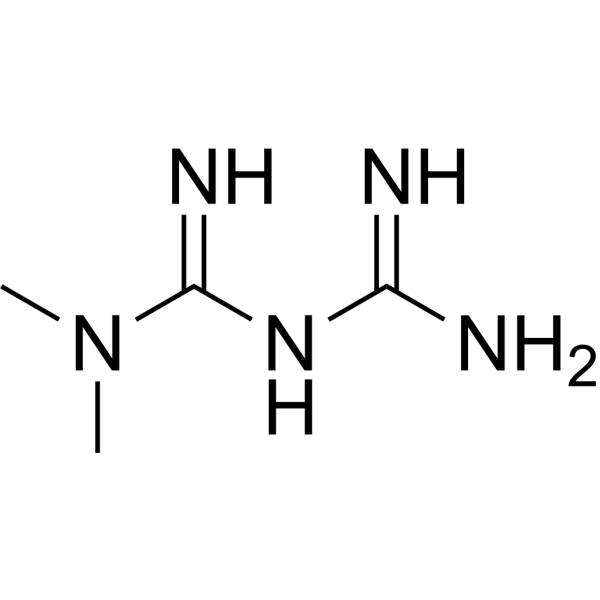
HY-B0627
MetforminAntihyperglycemic Agent -
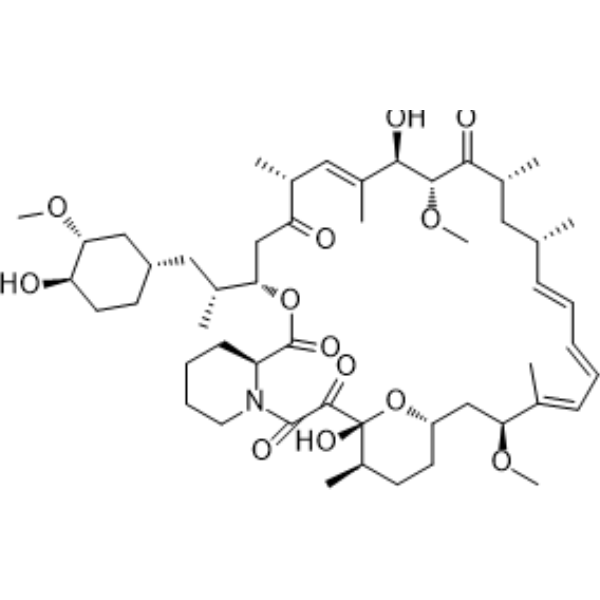
HY-10219
RapamycinmTOR Inhibitor -
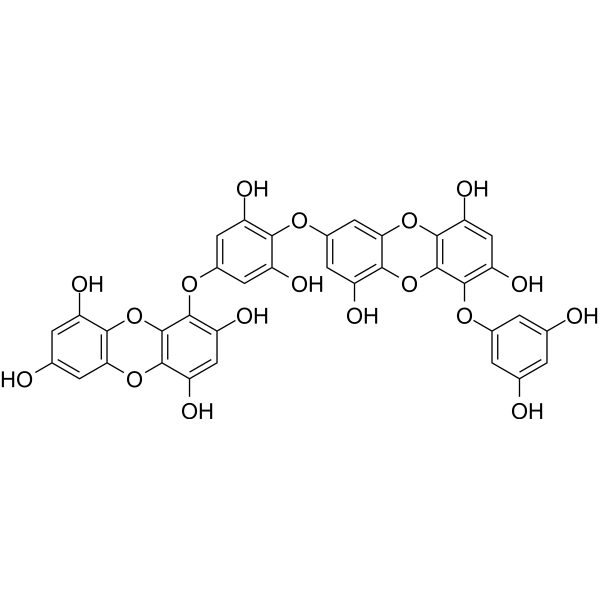
HY-147059
DieckolPhlorotannin Compound -
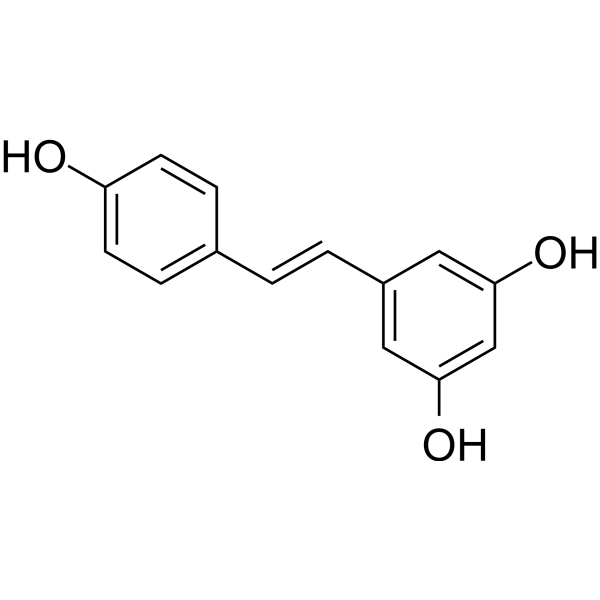
HY-16561
ResveratrolPolyphenolic Phytoalexin -
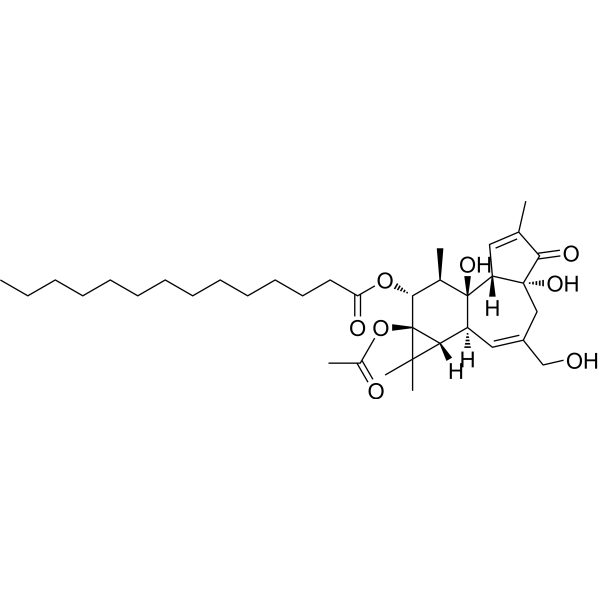
HY-18739
Phorbol 12-myristate 13-acetatePKC Activator -
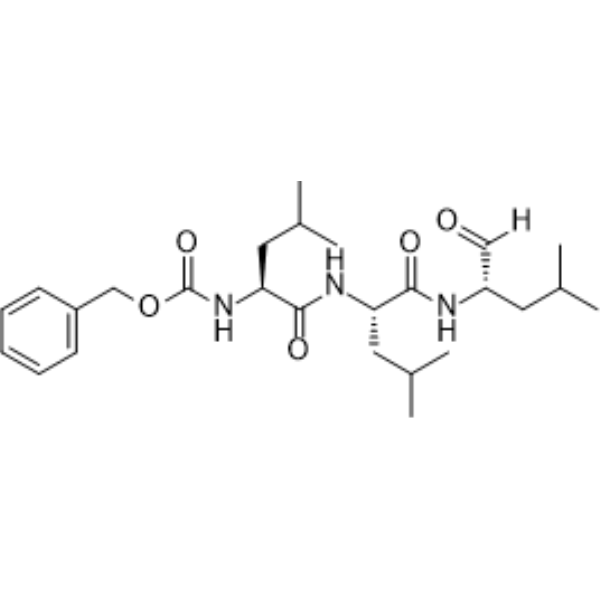
HY-13259
MG-132Proteasome Inhibitor -
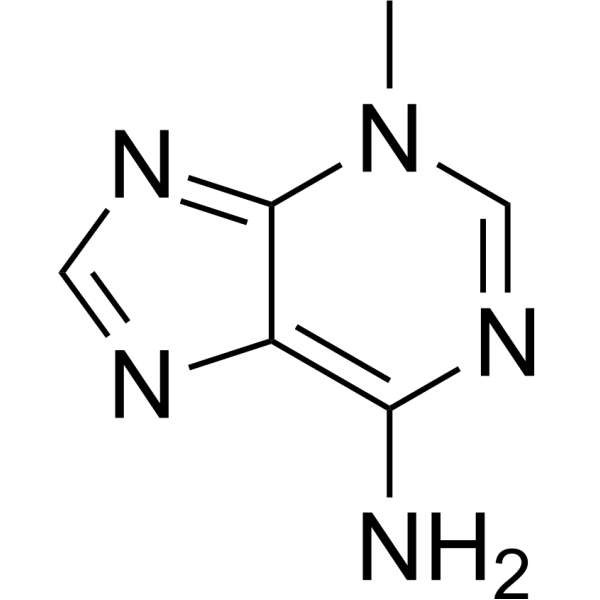
HY-19312
3-MethyladenineAutophagy/PI3K Inhibitor
Publications Citing Use of MedChemExpress (MCE) Fucoxanthin
More- Phytomedicine. 2023 Sep:118:154926. [Abstract]
- Food Funct. 2023 Nov 13;14(22):10052-10068. [Abstract]
- RSC Pharm. 2026 Mar 19.
- Mol Med Rep. 2026 Aug;34(2):223. [Abstract]
- Algal Res. 2022: 102891.
- Neural Plast. 2025 Jan 31:2025:2553040. [Abstract]
- Mol Biol Rep. 2026 Jan 3;53(1):250. [Abstract]
- Chem Biodivers. 2025 Aug 29:e01403. [Abstract]
- Mar Biotechnol (NY). 2026 Jul 4;28(4):115.
- PLoS One. 2025 May 7;20(5):e0322950. [Abstract]
- PLoS One. 2023 Sep 12;18(9):e0291469. [Abstract]
- Discov Oncol. 2022 Oct 3;13(1):98. [Abstract]
- University of Puerto Rico. 2026.
- Research Square Print. November 9th, 2022
- Biomed Pharmacother. 2021 Jul:139:111590. [Abstract]
 Customer Validation & Images

-
Cell Proliferation/Viability Assay
-
Cell Migration/Invasion Assay
-
2D/3D Cell Culture and Differentiation
-
IF
-
Cell Proliferation/Viability Assay
All Caspase Isoforms
More

Biological Activity
Description
IC50 & Target
|
PPARγ |
UCP1 |
PPARα |
iNOS |
Caspase 3 |
Caspase-8 |
Caspase 9 |
SOD |
ERK2 |
In Vitro
Fucoxanthin (2.8-6.2 µM, 24 h) shows obvious bacteriostatic effect on all tested Mtb strains, with MIC values of 2.8-4.1 µM[4].
Fucoxanthin (0-25 µM, 24 h) inhibits the proliferation of HeLa and SiHa cervical cancer cell lines and promotes cell stasis in the G0/G1 cell cycle phase[5].
Fucoxanthin (10 µM, 12 h) inhibits the cell viability of HTLV-1-infected T cell lines by inducing G1 cell cycle arrest and apoptosis, thereby exhibiting anticancer activity[7].
Fucoxanthin (0-100 µg/mL, 24 h) dose-dependent inhibits the expression of TNF-α, PGE2, iNOS and COX-2 proteins in RAW 264.7 cells[8].
MedChemExpress (MCE) has not independently confirmed the accuracy of these methods. They are for reference only.
-
Cell Line:RAW 264.7 cells
-
Concentration:0-100 µg/mL,
-
Incubation Time:24 h
-
Result:Inhibited LPS-induced iNOS and COX-2 protein expression in RAW 264.7 cells.
Decreased NO and PEG2 concentrations in LPS-induced RAW 264.7 cells.
-
Cell Line:Hela and SiHa cells
-
Concentration:10 µg/mL
-
Incubation Time:4 h
-
Result:Down-regulated N-myc mRNA expression.
In Vivo
Fucoxanthin (10-50 mg/kg/day, p.o.) can protect the cadmium-induced renal injury mouse model by improving the antioxidant capacity of mice[9].
Fucoxanthin (0.1-10 mg/kg, i.v.) shows a dose-dependent anti-ocular inflammatory effect on EIU (endotoxin-induced uveitis) [8].
MedChemExpress (MCE) has not independently confirmed the accuracy of these methods. They are for reference only.
-
Animal Model:6-week-old male and female Crl:CD (SD) rats, 6-week-old male and female ICR mice[3]
-
Dosage:10-2000 mg/kg/day for 28/30 days
-
Administration:p.o.
-
Result:No abnormal appearance or death occurred in the rats and ICR mice.
Significantly increased the concentration of serum total cholesterol in rats and ICR mice.
-
Animal Model:mice models subjected to cadmium-induced kidney damage, Six- to eight-week-old male Kunming mice (weight, 22–26 gram (g)/per mouse)[9]
-
Dosage:10-50 mg/kg/day for 14 days
-
Administration:p.o.
-
Result:Blocked the Cd-induced increase in the cadmium level.
Significantly decreased the levels of blood urea nitrogen, creatinine and lipid peroxidation, and increased the levels of SOD, POD and reduced glutathione.
Helped to restore mitochondrial structure and inhibit renal cell apoptosis.
Clinical Trial
| NCT Number | Sponsor | Condition | Start Date |
Phase

|
|---|---|---|---|---|
| NCT01329991 | Plexxikon| | 2011-05 | PHASE1 |


Chemical Information
-
CAS No. 3351-86-8
-
Appearance Solid
-
Molecular Weight 658.91
-
Formula C42H58O6
-
Color Purple to purplish red
-
SMILES
O=C(/C(C)=C/C=C/C(C)=C/C=C/C=C(C)/C=C/C=C(C)/C([H])=[C@@]=C([C@@]1(O)C)C(C)(C[C@H](OC(C)=O)C1)C)C[C@]2(C3(C)C)[C@@](C)(C[C@@H](O)C3)O2
-
Synonyms
all-trans-Fucoxanthin
-
Structure Classification
-
Initial Source
-
Shipping
Room temperature in continental US; may vary elsewhere.
-
Storage
Powder -20°C 3 years In solvent -80°C 6 months -20°C 1 month


Publications (15)
-
Journal Impact Factor
-
Most Recent
-
Phytomedicine
Fucoxanthin inhibits gastric cancer lymphangiogenesis and metastasis by regulating Ran expression. [Abstract]2023 Sep:118:154926. PMID: 37392675
Fucoxanthin purchased from MedChemExpress. Usage Cited in: Phytomedicine. 2023 Sep:118:154926. [Abstract]
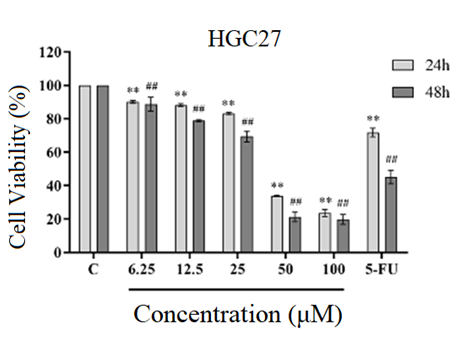
Fucoxanthin (6.25-100 μM) repressed the proliferation of GC cells at 24 h or 48 h in HGC-27 cells.
Fucoxanthin purchased from MedChemExpress. Usage Cited in: Phytomedicine. 2023 Sep:118:154926. [Abstract]
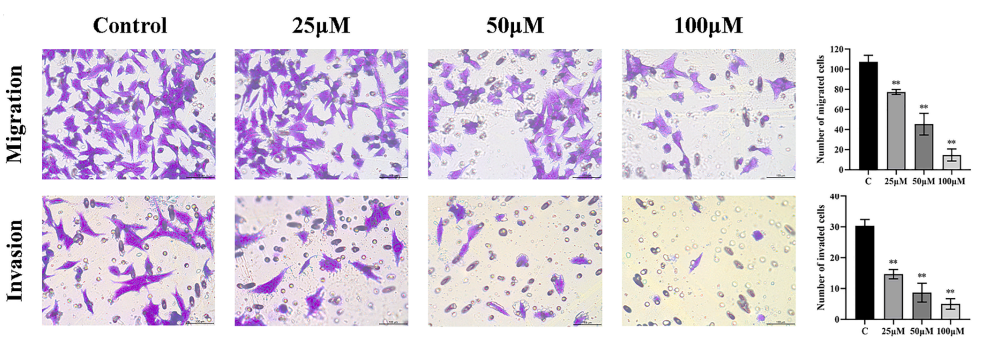
Microscopy images of cellular migration and invasion (scale bar = 100 μm). The morphology and number of migrating cells were evaluated via a Transwell assay following 24 h of treatment with different concentrations of Fucoxanthin (25, 50, and 100 μM). The invasive capacity of HLECs was determined by counting the cells that migrated across the membrane.
Fucoxanthin purchased from MedChemExpress. Usage Cited in: Phytomedicine. 2023 Sep:118:154926. [Abstract]
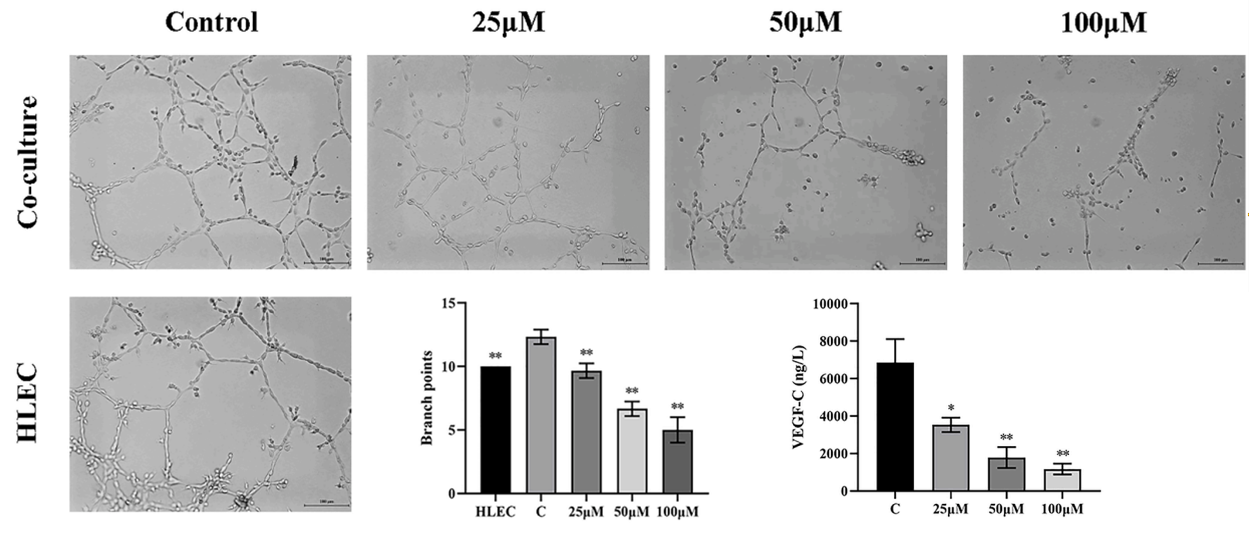
Fucoxanthin (25-100 μM; 24 h) inhibited tube formation in HLECs by regulating the secretion of VEGF-C in HGC-27 cells.
Fucoxanthin purchased from MedChemExpress. Usage Cited in: Phytomedicine. 2023 Sep:118:154926. [Abstract]
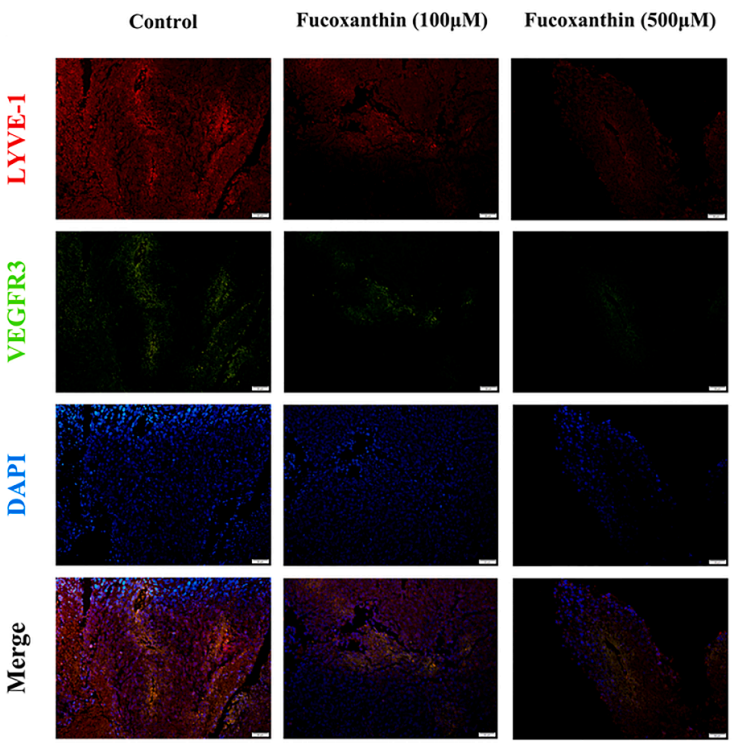
Immunofluorescent images (VEGFR-3, green and LYVE-1, red) of tumor lymphatic vessels in nude mice. Immunofluorescent results showed that Fucoxanthin (100-500 μM; 50 µL; i.t.; 2 weeks) significantly decreased tumor lymphangiogenesis along with the expression of LYVE-1 and VEGF-C receptor VEGFR-3.
-
Food Funct
Fucoxanthin alleviated myocardial ischemia and reperfusion injury through inhibition of ferroptosis via the NRF2 signaling pathway. [Abstract]2023 Nov 13;14(22):10052-10068. PMID: 37861458 -
-
Mol Med Rep
Fucoxanthin alleviates chondrocyte inflammation and osteoarthritis by modulating the JAK2/STAT3 signaling pathway. [Abstract]2026 Aug;34(2):223. PMID: 42272246 -
-
Neural Plast
Fucoxanthin Inhibits the NMDA and AMPA Receptors Through Regulating the Calcium Response on Substantia Gelatinosa Neurons of the Trigeminal Subnucleus Caudalis in Juvenile Mice. [Abstract]2025 Jan 31:2025:2553040. PMID: 39949835 -
Mol Biol Rep
Fucoxanthin regulates macrophage pyroptosis through the PI3K/AKT/mTOR signalling pathway. [Abstract]2026 Jan 3;53(1):250. PMID: 41483374 -
Chem Biodivers
Bioassay-guided Isolation of SARS-CoV-2 Viral Entry Inhibitors From the Brown Algae Lobophora variegata Identifies Fucoxanthin as a Selective ACE-2/Spike Inhibitor. [Abstract]2025 Aug 29:e01403. PMID: 40882140 -
-
PLoS One
Fucoxanthin ameliorates Propionibacterium acnes-induced ear inflammation in mice by modulating the IκBα/NF-κB signaling pathway and inhibiting NF-κB nuclear translocation. [Abstract]2025 May 7;20(5):e0322950. PMID: 40333903 -
PLoS One
Fucoxanthin inhibits cardiac fibroblast transdifferentiation by alleviating oxidative stress through downregulation of BRD4. [Abstract]2023 Sep 12;18(9):e0291469. PMID: 37699016 -
Discov Oncol
Fucoxanthin induces apoptosis and reverses epithelial-mesenchymal transition via inhibiting Wnt/β-catenin pathway in lung adenocarcinoma. [Abstract]2022 Oct 3;13(1):98. PMID: 36192568 -
-
-
Biomed Pharmacother
2021 Jul:139:111590. PMID: 33865017
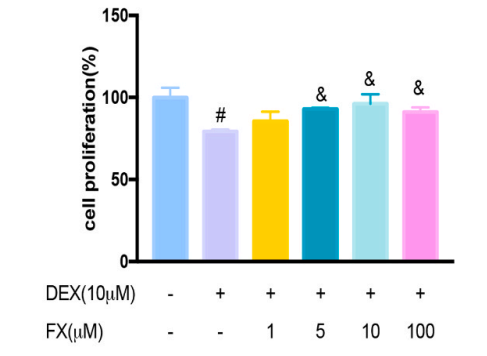
Fucoxanthin purchased from MedChemExpress. Usage Cited in: Biomed Pharmacother. 2021 Jul:139:111590. [Abstract]
Cell viability of C2C12 cells in different concentrations of Fucoxanthin (FX,1-100 μM; 24 h) and dexamethasone (10 μM).
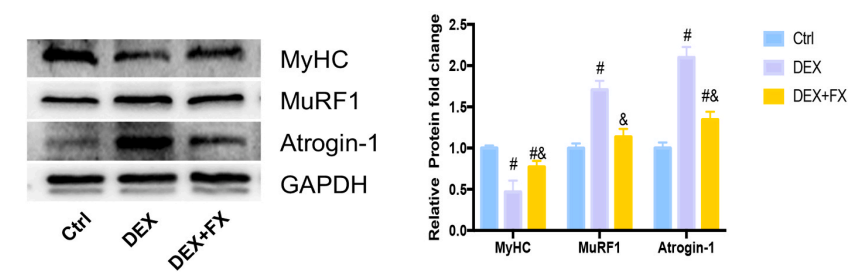
Fucoxanthin purchased from MedChemExpress. Usage Cited in: Biomed Pharmacother. 2021 Jul:139:111590. [Abstract]
The results showed that treatment with 10 μM dexamethasone (DEX) led to a significant reduction in MyHC expression levels, whereas treatment with 10 μM Fucoxanthin (24 h) significantly attenuated this downregulation of MyHC expression.
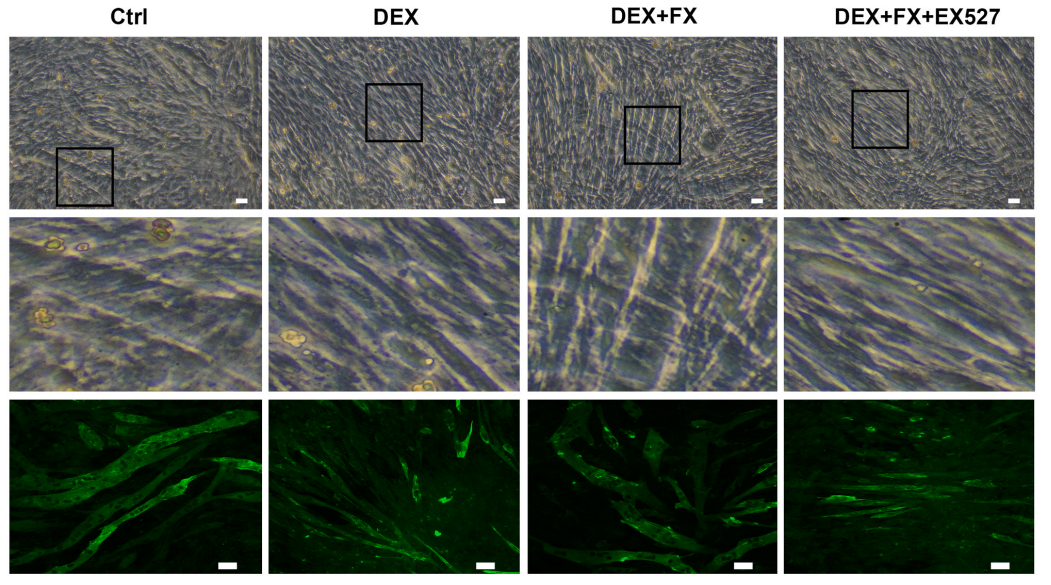
Fucoxanthin purchased from MedChemExpress. Usage Cited in: Biomed Pharmacother. 2021 Jul:139:111590. [Abstract]
Morphological observation (magnification 200×; scale bar = 50 µm), MyHC staining (magnification 100×; scale bar = 50 µm) and quantification of myotubes. Ctrl = control group, DEX = dexamethasone (10 μM) treatment group, DEX + FX = dexamethasone (10 μM) combined with Fucoxanthin (10 μM; 24 h) treatment group, DEX + FX + EX527 = dexamethasone(10 μM) combined with Fucoxanthin(10 μM; 24 h) and EX-527 (SIRT1 inhibitor, 20 μM) treatment group.


Solvent & Solubility
In Vitro:
DMSO : 12.5 mg/mL (18.97 mM; Need ultrasonic; Hygroscopic DMSO has a significant impact on the solubility of product, please use newly opened DMSO)
Please refer to the solubility information to select the appropriate solvent. Once prepared, please aliquot and store the solution to prevent product inactivation from repeated freeze-thaw cycles.
Storage method and period of stock solution: -80°C, 6 months; -20°C, 1 month. When stored at -80°C, please use it within 6 months. When stored at -20°C, please use it within 1 month.
Please refer to the solubility information to select the appropriate solvent. Once prepared, please aliquot and store the solution to prevent product inactivation from repeated freeze-thaw cycles.
Storage method and period of stock solution: -80°C, 6 months; -20°C, 1 month. When stored at -80°C, please use it within 6 months. When stored at -20°C, please use it within 1 month.
Concentration (start) × Volume (start) = Concentration (final) × Volume (final)
In Vivo:
Select the appropriate dissolution method based on your experimental animal and administration route.
- For the following dissolution methods, please ensure to first prepare a clear stock solution using an In Vitro approach and then sequentially add co-solvents:
- To ensure reliable experimental results, the clarified stock solution can be appropriately stored based on storage conditions. As for the working solution for In Vivo experiments, it is recommended to prepare freshly and use it on the same day.
- The percentages shown for the solvents indicate their volumetric ratio in the final prepared solution. If precipitation or phase separation occurs during preparation, heat and/or sonication can be used to aid dissolution.
Add each solvent one by one: 10% DMSO 40% PEG300 5% Tween-80 45% Saline
Solubility: 1.25 mg/mL (1.90 mM); Suspended solution; Need ultrasonic
This protocol yields a suspended solution of 1.25 mg/mL. Suspended solution can be used for oral and intraperitoneal injection.
Taking 1 mL working solution as an example, add 100 μL DMSO stock solution (12.5 mg/mL) to 400 μL PEG300, and mix evenly; then add 50 μL Tween-80 and mix evenly; then add 450 μL Saline to adjust the volume to 1 mL.
Preparation of Saline: Dissolve 0.9 g sodium chloride in ddH₂O and dilute to 100 mL to obtain a clear Saline solution.
Add each solvent one by one: 10% DMSO 90% (20% SBE-β-CD in Saline)
Solubility: 1.25 mg/mL (1.90 mM); Suspended solution; Need ultrasonic
This protocol yields a suspended solution of 1.25 mg/mL. Suspended solution can be used for oral and intraperitoneal injection.
Taking 1 mL working solution as an example, add 100 μL DMSO stock solution (12.5 mg/mL) to 900 μL 20% SBE-β-CD in Saline, and mix evenly.
Preparation of 20% SBE-β-CD in Saline (4°C, storage for one week): 2 g SBE-β-CD powder is dissolved in 10 mL Saline, completely dissolve until clear.
In Vivo Dissolution Calculator
Please enter the basic information of animal experiments:
-
-
-
-
Recommended: Prepare an additional quantity of animals to account for potential losses during experiments.
Please enter your animal formula composition:
-
%DMSO +
Recommended: Keep the proportion of DMSO in working solution below 2% if your animal is weak.
-
%+
-
+%Tween-80 + +
-
%Saline +
The co-solvents required include: DMSO, . All of co-solvents are available by MedChemExpress (MCE). , Tween 80. All of co-solvents are available by MedChemExpress (MCE).
Working solution concentration: 0.22 mg/mL
Method for preparing stock solution: mg drug dissolved in μL DMSO. Stock solution concentration: mg/mL.
1. Take μL DMSO stock solution;
2. Add μL .
μL , mix evenly;
3. Then add μL Tween 80, mix evenly;
4. Then add μL
Please ensure that the stock solution in the first step is dissolved to a clear state, and add co-solvents in sequence. You can use ultrasonic heating (ultrasonic cleaner, recommended frequency 20-40 kHz), vortexing, etc. to assist dissolution.


Purity & Documentation
-
Data Sheet (277 KB)
-
SDS (396 KB)
- English - EN (396 KB)
- Français - FR (396 KB)
- Deutsch - DE (396 KB)
- Norwegian - NO (396 KB)
- Español - ES (396 KB)
- Swedish - SV (396 KB)
- Italian - IT (396 KB)
- Korean - KR (396 KB)
- Portuguese - PT (396 KB)
-
Handling Instructions (2659 KB)
References
[1]. Gammone MA, et al. Anti-obesity activity of the marine carotenoid fucoxanthin. Mar Drugs. 2015 Apr 13;13(4):2196-214. [Content Brief]
[2]. Méresse S, Fodil M, Fleury F, Chénais B. Fucoxanthin, a Marine-Derived Carotenoid from Brown Seaweeds and Microalgae: A Promising Bioactive Compound for Cancer Therapy. Int J Mol Sci. 2020;21(23):9273. [Content Brief]
[4]. Šudomová M, et al. A Microbiological, Toxicological, and Biochemical Study of the Effects of Fucoxanthin, a Marine Carotenoid, on Mycobacterium tuberculosis and the Enzymes Implicated in Its Cell Wall: A Link Between Mycobacterial Infection and Autoimmune Diseases. Mar Drugs. 2019 Nov 14;17(11):641. [Content Brief]
[5]. Ye G, et al. Fucoxanthin may inhibit cervical cancer cell proliferation via downregulation of HIST1H3D. J Int Med Res. 2020 Oct;48(10):300060520964011. [Content Brief]
[6]. Okuzumi J, et al. Inhibitory effects of fucoxanthin, a natural carotenoid, on N-myc expression and cell cycle progression in human malignant tumor cells. Cancer Lett. 1990 Nov 19;55(1):75-81. [Content Brief]
[7]. Ishikawa C, et al. Anti-adult T-cell leukemia effects of brown algae fucoxanthin and its deacetylated product, fucoxanthinol. Int J Cancer. 2008 Dec 1;123(11):2702-12. [Content Brief]
[8]. Shiratori K, et al. Effects of fucoxanthin on lipopolysaccharide-induced inflammation in vitro and in vivo. Exp Eye Res. 2005 Oct;81(4):422-8. [Content Brief]
[9]. Yang H, et al. Role of Fucoxanthin towards Cadmium-induced renal impairment with the antioxidant and anti-lipid peroxide activities. Bioengineered. 2021 Dec;12(1):7235-7247. [Content Brief]


Complete Stock Solution Preparation Table
Please refer to the solubility information to select the appropriate solvent. Once prepared, please aliquot and store the solution to prevent product inactivation from repeated freeze-thaw cycles.
Storage method and period of stock solution: -80°C, 6 months; -20°C, 1 month. When stored at -80°C, please use it within 6 months. When stored at -20°C, please use it within 1 month.
| Optional Solvent | Concentration Solvent Mass | 1 mg | 5 mg | 10 mg | 25 mg |
|---|---|---|---|---|---|
| DMSO | 1 mM | 1.5177 mL | 7.5883 mL | 15.1766 mL | 37.9415 mL |
| 5 mM | 0.3035 mL | 1.5177 mL | 3.0353 mL | 7.5883 mL | |
| 10 mM | 0.1518 mL | 0.7588 mL | 1.5177 mL | 3.7941 mL | |
| 15 mM | 0.1012 mL | 0.5059 mL | 1.0118 mL | 2.5294 mL |


Fucoxanthin Related Classifications
HY-N2302 Related Classifications
 Powered by Bioz