



Probucol
Based on 6 publication(s) in Google Scholar
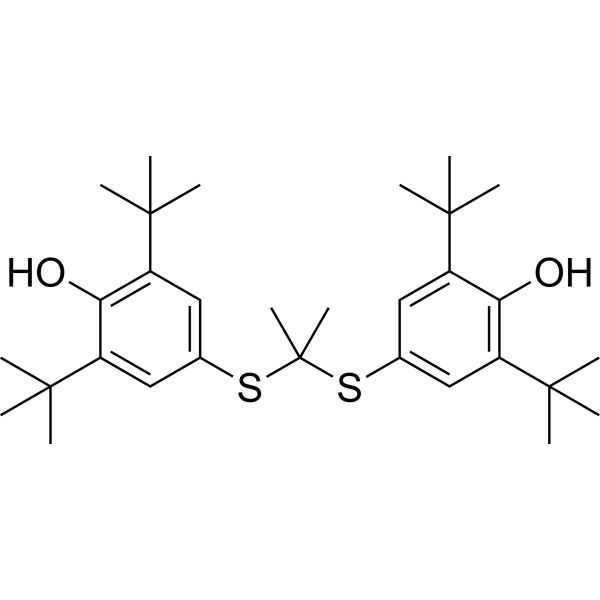
Probucol (DH-581) is an anti-hyperlipidemic agent. Probucol activates glutathione peroxidase. Probucol promotes low density lipoprotein (LDL) catabolism, inhibits ABCA1-dependent cholesterol efflux, and decreases HDL-C levels. Probucol also has anti-inflammatory, antioxidant and neuroprotective properties. Probucol can be used for researches on bone, cardiovascular, cancer, neurological, and metabolism-related diseases.
For research use only. We do not sell to patients.
- Purity : 99.85%
- CAS No.: 23288-49-5
- Formula: C31H48O2S2
- Molecular Weight:516.84
-
Storage:Powder -20°C, 3 years , 4°C, 2 years ; In solvent -80°C, 2 years , -20°C, 1 year

To place orders, for customer services and technical support, please contact: MedChemExpress USA
Tel: 609-228-6898 E-mail: [email protected] [email protected]


-
 Biological Activity
-
Chemical Information
-
Solvent & Solubility
- Protocols
- Purity & Documentation
- References
-
 Help & FAQs


-
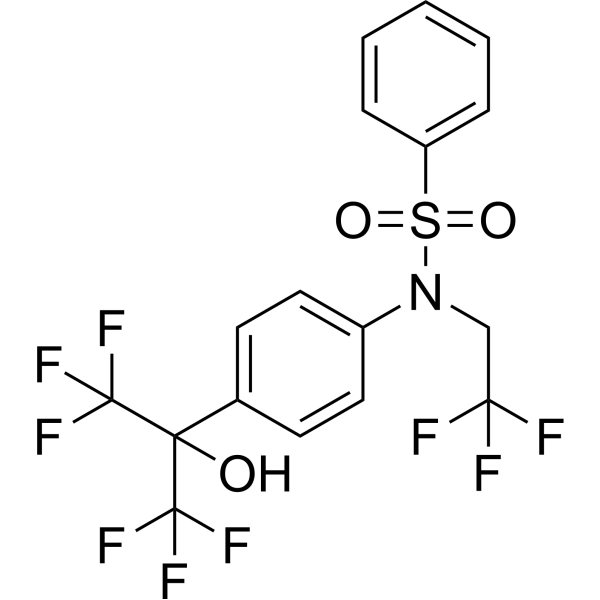
HY-10626
T0901317LXR Agonist -

HY-P6306
CS-6253ABCA1 Agonist -
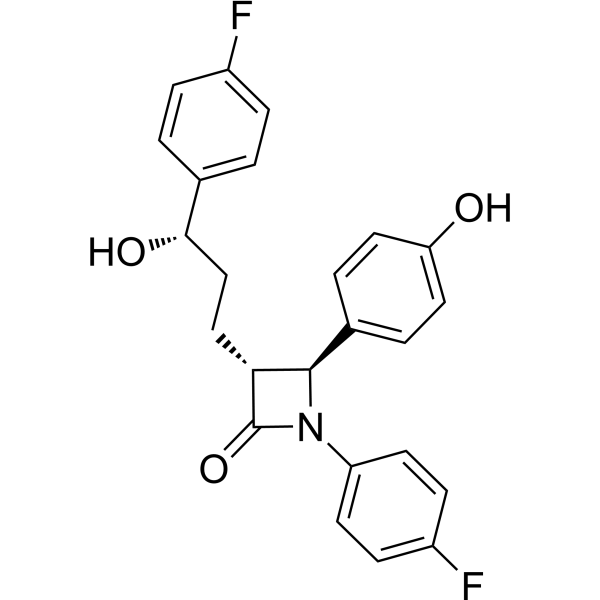
HY-17376
EzetimibeCholesterol Absorption Inhibitor -
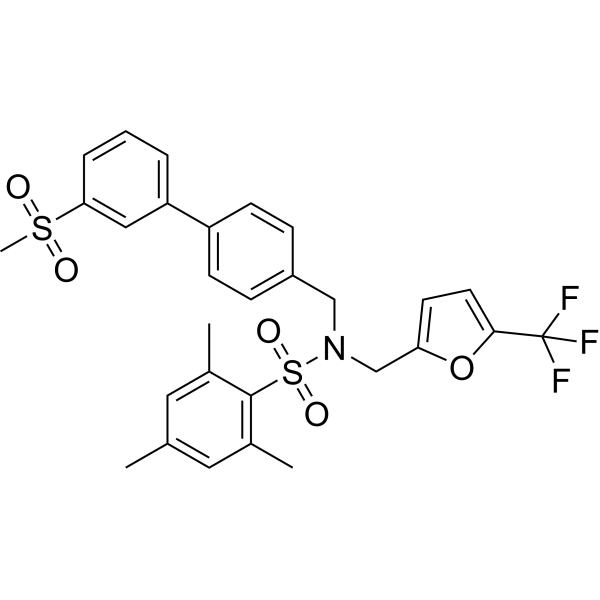
HY-108688
GSK2033LXR Antagonist -
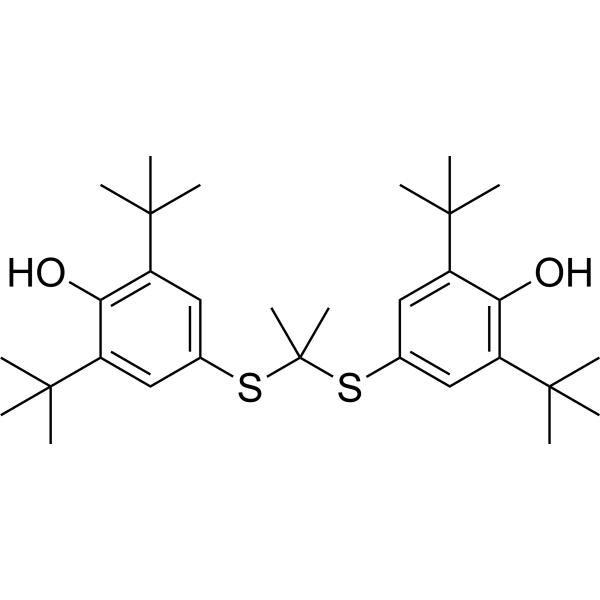
HY-B0388R
Probucol (Standard) -
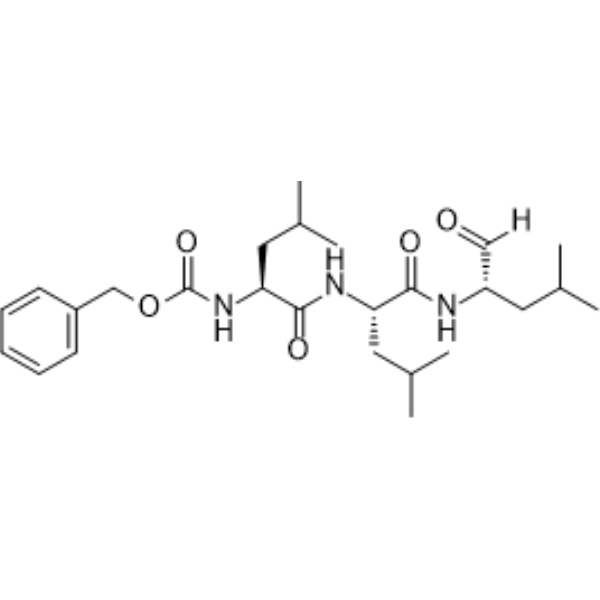
HY-13259
MG-132Proteasome Inhibitor -
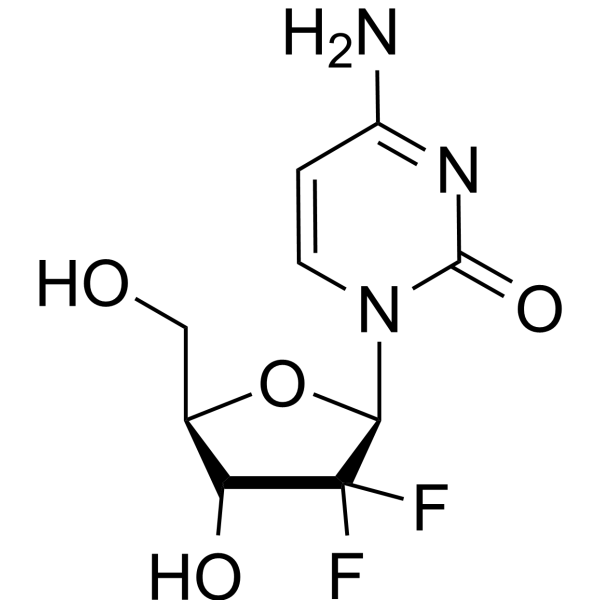
HY-17026
GemcitabineDNA Synthesis Inhibitor -
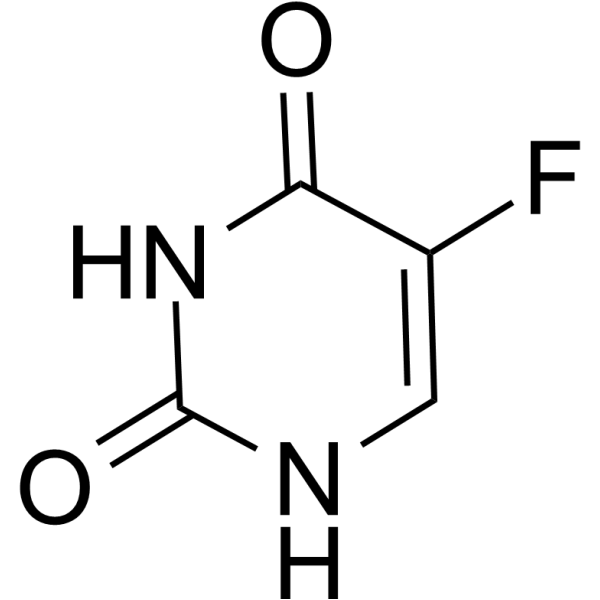
HY-90006
5-FluorouracilThymidylate Synthase Inhibitor -
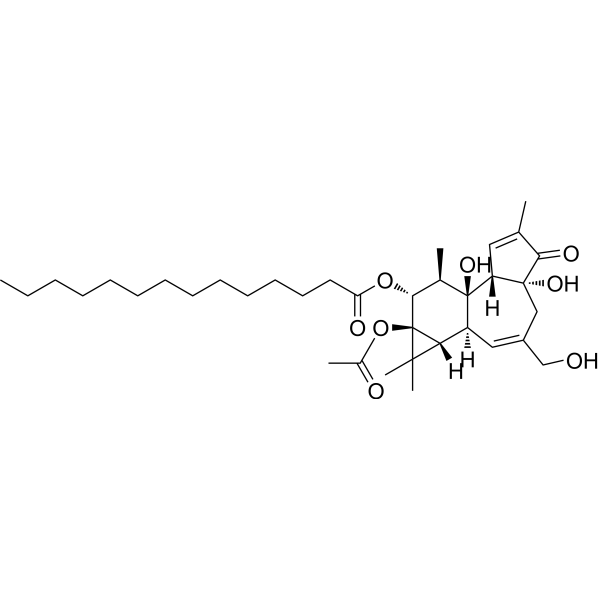
HY-18739
Phorbol 12-myristate 13-acetatePKC Activator -
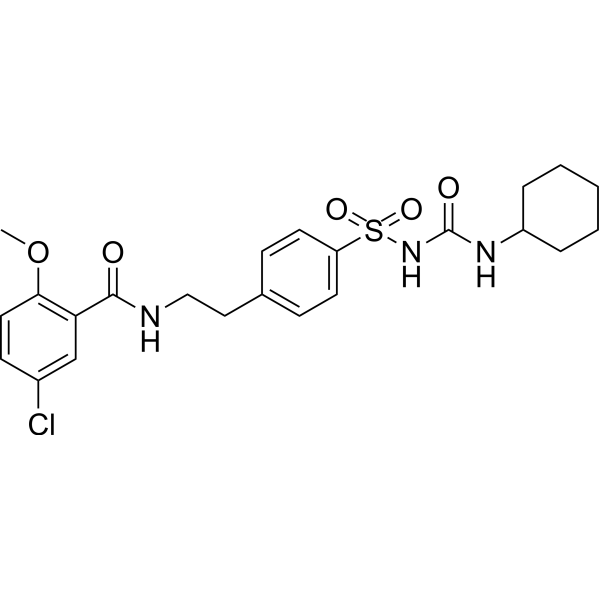
HY-15206
GlibenclamideKATP Inhibitor -
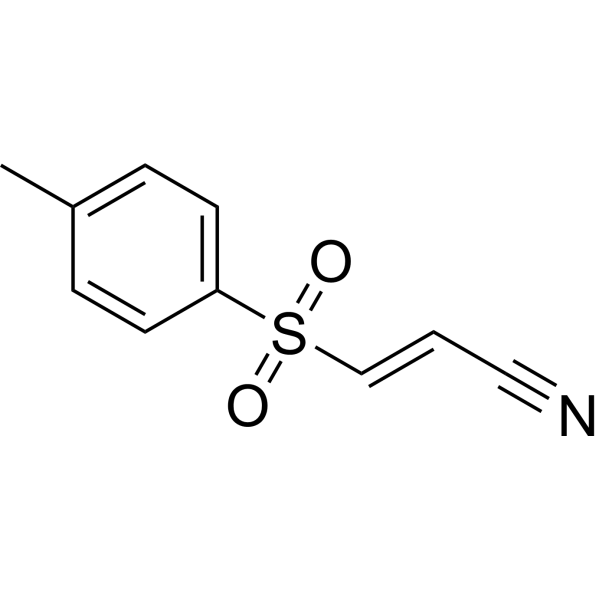
HY-13453
BAY 11-7082IκBα/NF-κB Inhibitor -
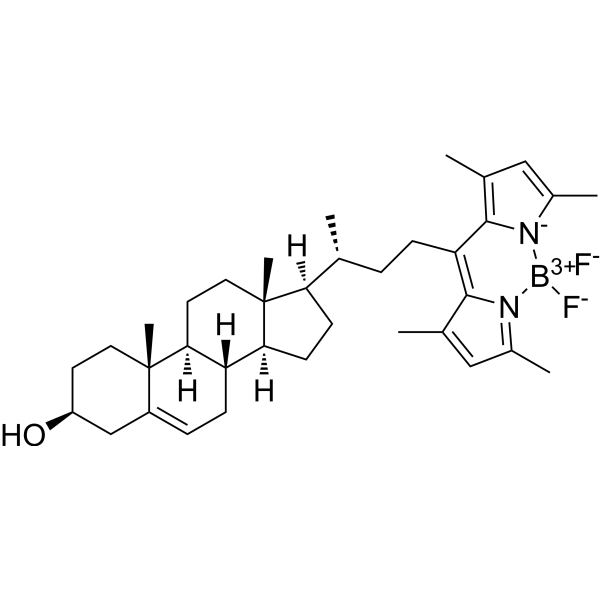
HY-125746
BODIPY-CholesterolFluorescent Dye
Publications Citing Use of MedChemExpress (MCE) Probucol
MoreAll Caspase Isoforms
More

Biological Activity
Description
IC50 & Target
[13]|
Caspase 3 |
Caspase 9 |
Cellular Effect
|
Cell Line

|
Type | Value | Description | References |
|---|---|---|---|---|
| THP-1 | IC50 |
0.6 μM
Compound: 22
|
Antioxidant activity in human THP1 cells assessed as inhibition of macrophage-mediated LDL oxidation after 24 hrs in presence of CuSO4 by TBARS assay
Antioxidant activity in human THP1 cells assessed as inhibition of macrophage-mediated LDL oxidation after 24 hrs in presence of CuSO4 by TBARS assay
|
[PMID: 30015075] |
In Vitro
Probucol (10 μM, 2 h) inhibits ABCA1-mediated cholesterol efflux by affecting the ABCA1 translocation to the plasma membrane, the membrane cholesterol pool, and the 125I-apo-AI binding in J774 macrophages expressing ABCA1[3].
Probucol (10 μM, 24 h) promotes high glucose-induced proliferation and inhibits apoptosis by reducing reactive oxygen species generation in Müller cells[5].
Probucol (0.01-0.1 mL of a 50 mg probucol/mlacetone solution, 60 min) inhibits peroxidation of microsomal membrane lipids and DNA damage induced by Fe-NTA plus H2O2[6].
Probucol (3-10 μM) protects neuroblastoma cells from peroxide-induced damage by activating glutathione peroxidase (GPx)[7].
Probucol (10 μM) promotes osteoblasts differentiation of MC3TE-E1 cells through reducing oxidative stress[11].
MedChemExpress (MCE) has not independently confirmed the accuracy of these methods. They are for reference only. Further protocols information, click here.
-
Cell Line:Müller cells treated with hyperglycemia (30 mM)
-
Concentration:10 μM
-
Incubation Time:24 h
-
Result:Attenuated hyperglycemia-induced apoptosis (4% compared to 7.7%) (annexin V-FITC/PI staining).
In Vivo
Probucol (60 mg/kg, i.p., 2 weeks) promotes endogenous antioxidants and provides protection against adriamycin-induced cardiomyopathy in Sprague-Dawley rats[8].
Probucol (cumulative dose, 120 mg/kg, i.p., 4 weeks) provide complete protection against adriamycin cardiomyopathy without interfering with its antitumor effect in Sprague-Dawley rats[9].
Probucol (500 mg/kg, intracavernosal injection, daily) enhances the therapeutic efficiency of mesenchymal stem cells in the treatment of erectile dysfunction in diabetic SD rats by prolonging their survival time via Nrf2 pathway[10].
Probucol (1-3.5 mg/kg, p.o., 12 weeks) promotes prevents osteoporosis development through reducing oxidative stress in hormone-deficiency-induced postmenopausal osteoporosis SD rats[11].
Probucol (61 mg/kg, p.o., 80 days) exerts multiple beneficial morphological effects that result in better left ventricular remodeling and function, reduced neurohumoral activation, and preserved renal function in the rats[12].
Probucol (500-1000 mg/kg, p.o., once a day for 15 days) recovers pathological damage of myocardial tissue through improvement of myocardium-related proteins Caspase-3 and Caspase-9 in viral myocarditis rats[13].
MedChemExpress (MCE) has not independently confirmed the accuracy of these methods. They are for reference only.
-
Animal Model:New Zealand white male rabbits fed a high fat diet supplemented with 1% (w/w) cholesterol, 8% lard (w/w) and 0.05% cholate (w/w)[4]
-
Dosage:48 mg/rabbit/day (400 ppm, 120 g of food intake daily)
-
Administration:Diet, 12 weeks
-
Result:Improved the paraoxonase 1 activity, cholesterol efflux rates, expression of ABCA1 and SR-BI in hepatocytes and peritoneal macrophages, and the level of ABCA1 and SR-BI in aortic lesions.
Decreased the serum HDL cholesterol concentration, myeloperoxidase activity, the IMT and the percentage plaque area of aorta.


Chemical Information
-
CAS No. 23288-49-5
-
Appearance Solid
-
Molecular Weight 516.84
-
Formula C31H48O2S2
-
Color White to off-white
-
SMILES
CC(SC1=CC(C(C)(C)C)=C(O)C(C(C)(C)C)=C1)(SC2=CC(C(C)(C)C)=C(O)C(C(C)(C)C)=C2)C
-
Synonyms
DH-581
-
Shipping
Room temperature in continental US; may vary elsewhere.
-
Storage
Powder -20°C 3 years 4°C 2 years In solvent -80°C 2 years -20°C 1 year


Publications (6)
-
Journal Impact Factor
-
Most Recent
-
Nat Commun
A hierarchical theranostic nanoagent for multimodal imaging and targeted foam cell intervention in atherosclerosis. [Abstract]2026 Mar 11;17(1):3794. PMID: 41807467 -
Cancer Immunol Res
Cholesterol Efflux Drives the Generation of Immunosuppressive Macrophages to Promote the Progression of Human Hepatocellular Carcinoma. [Abstract]2023 Oct 4;11(10):1400-1413. PMID: 37467346 -
-
-
-


Solvent & Solubility
In Vitro:
DMSO : 125 mg/mL (241.85 mM; ultrasonic and warming and heat to 60°C; Hygroscopic DMSO has a significant impact on the solubility of product, please use newly opened DMSO)
Please refer to the solubility information to select the appropriate solvent. Once prepared, please aliquot and store the solution to prevent product inactivation from repeated freeze-thaw cycles.
Storage method and period of stock solution: -80°C, 2 years; -20°C, 1 year. When stored at -80°C, please use it within 2 years. When stored at -20°C, please use it within 1 year.
Please refer to the solubility information to select the appropriate solvent. Once prepared, please aliquot and store the solution to prevent product inactivation from repeated freeze-thaw cycles.
Storage method and period of stock solution: -80°C, 2 years; -20°C, 1 year. When stored at -80°C, please use it within 2 years. When stored at -20°C, please use it within 1 year.
Concentration (start) × Volume (start) = Concentration (final) × Volume (final)
In Vivo:
Select the appropriate dissolution method based on your experimental animal and administration route.
- For the following dissolution methods, please ensure to first prepare a clear stock solution using an In Vitro approach and then sequentially add co-solvents:
- To ensure reliable experimental results, the clarified stock solution can be appropriately stored based on storage conditions. As for the working solution for In Vivo experiments, it is recommended to prepare freshly and use it on the same day.
- The percentages shown for the solvents indicate their volumetric ratio in the final prepared solution. If precipitation or phase separation occurs during preparation, heat and/or sonication can be used to aid dissolution.
Add each solvent one by one: 10% DMSO 40% PEG300 5% Tween-80 45% Saline
Solubility: ≥ 2.08 mg/mL (4.02 mM); Clear solution
This protocol yields a clear solution of ≥ 2.08 mg/mL (saturation unknown).
Taking 1 mL working solution as an example, add 100 μL DMSO stock solution (20.8 mg/mL) to 400 μL PEG300, and mix evenly; then add 50 μL Tween-80 and mix evenly; then add 450 μL Saline to adjust the volume to 1 mL.
Preparation of Saline: Dissolve 0.9 g sodium chloride in ddH₂O and dilute to 100 mL to obtain a clear Saline solution.
In Vivo Dissolution Calculator
Please enter the basic information of animal experiments:
-
-
-
-
Recommended: Prepare an additional quantity of animals to account for potential losses during experiments.
Please enter your animal formula composition:
-
%DMSO +
Recommended: Keep the proportion of DMSO in working solution below 2% if your animal is weak.
-
%+
-
+%Tween-80 + +
-
%Saline +
The co-solvents required include: DMSO, . All of co-solvents are available by MedChemExpress (MCE). , Tween 80. All of co-solvents are available by MedChemExpress (MCE).
Working solution concentration: 0.22 mg/mL
Method for preparing stock solution: mg drug dissolved in μL DMSO. Stock solution concentration: mg/mL.
1. Take μL DMSO stock solution;
2. Add μL .
μL , mix evenly;
3. Then add μL Tween 80, mix evenly;
4. Then add μL
Please ensure that the stock solution in the first step is dissolved to a clear state, and add co-solvents in sequence. You can use ultrasonic heating (ultrasonic cleaner, recommended frequency 20-40 kHz), vortexing, etc. to assist dissolution.

Protocols
-
Research Protocol for Inflammation-related Diseases
The NLRP3 inflammasome is a cytosolic innate immune signaling platform that integrates priming signals and danger-signal activation to promote caspase-1 activation, maturation of IL-1β and IL-18, and gasdermin D-mediated pyroptotic cell death. The core experimental logic is to determine whether inflammatory disease phenotypes are driven by increased NLRP3 expression, ASC-containing inflammasome assembly, caspase-1 cleavage, GSDMD cleavage, and extracellular release of IL-1β/IL-18 rather than by nonspecific cell injury alone. The pathway is strongly linked to inflammation-related disease phenotypes because monosodium urate crystals activate NALP3/NLRP3 inflammasome signaling in gout-like crystal inflammation, cholesterol crystals activate NLRP3 inflammasomes in atherogenesis models, and DSS-induced intestinal inflammation has been reported to involve NLRP3 inflammasome activity. However, experimental colitis studies also show context-dependent protective effects of NLRP3 inflammasome co


Purity & Documentation
-
Data Sheet (283 KB)
-
SDS (394 KB)
- English - EN (394 KB)
- Français - FR (394 KB)
- Deutsch - DE (394 KB)
- Norwegian - NO (394 KB)
- Español - ES (394 KB)
- Swedish - SV (394 KB)
- Italian - IT (394 KB)
- Korean - KR (394 KB)
- Portuguese - PT (394 KB)
-
Handling Instructions (2659 KB)
References
[1]. 1. A Unique Antilipidemic Drug - Probucol". Journal of Atherosclerosis and Thrombosis. 15 (6): 304–5. [Content Brief]
[2]. 2. Steinberg D. Studies on the mechanism of action of probucol. Am J Cardiol. 1986 Jun 27;57(16):16H-21H. [Content Brief]
[3]. 3. Favari E, et al. Probucol inhibits ABCA1-mediated cellular lipid efflux. Arterioscler Thromb Vasc Biol. 2004 Dec;24(12):2345-50. [Content Brief]
[4]. 4. Zhong JK, et al. Probucol alleviates atherosclerosis and improves high density lipoprotein function. Lipids Health Dis. 2011 Nov 12;10:210. [Content Brief]
[5]. 5. Zhou X, et al. Probucol promotes high glucose-induced proliferation and inhibits apoptosis by reducing reactive oxygen species generation in Müller cells. Int Ophthalmol. 2019 Dec;39(12):2833-2842. [Content Brief]
[6]. 6. Iqbal M, et al. Probucol as a potent inhibitor of oxygen radical-induced lipid peroxidation and DNA damage: in vitro studies. Redox Rep. 2004;9(3):167-72. [Content Brief]
[7]. 7. Santos DB, et al. Probucol Protects Neuronal Cells Against Peroxide-Induced Damage and Directly Activates Glutathione Peroxidase-1. Mol Neurobiol. 2020 Aug;57(8):3245-3257. [Content Brief]
[8]. 8. Siveski-Iliskovic, et al. Probucol promotes endogenous antioxidants and provides protection against adriamycin-induced cardiomyopathy in rats. Circulation. 1994 Jun;89(6):2829-35. [Content Brief]
[9]. 9. Siveski-Iliskovic, et al. Probucol protects against adriamycin cardiomyopathy without interfering with its antitumor effect. Circulation. 1995 Jan 1;91(1):10-5. [Content Brief]
[10]. 10. Wang H, et al. Probucol enhances the therapeutic efficiency of mesenchymal stem cells in the treatment of erectile dysfunction in diabetic rats by prolonging their survival time via Nrf2 pathway. Stem Cell Res Ther. 2020 Jul 21;11(1):302. [Content Brief]
[11]. 11. Tao ZS, et al. Probucol promotes osteoblasts differentiation and prevents osteoporosis development through reducing oxidative stress. Mol Med. 2022 Jun 28;28(1):75. [Content Brief]
[12]. 12. Sia YT, et al. Beneficial effects of long-term use of the antioxidant probucol in heart failure in the rat. Circulation. 2002 May 28;105(21):2549-55. [Content Brief]
[13]. 13. Zhang W, et al. Probucol recovers pathological damage in viral Myocarditis through improvement of myocardium-related proteins. Microb Pathog. 2020 Oct;147:104257. [Content Brief]


Complete Stock Solution Preparation Table
Please refer to the solubility information to select the appropriate solvent. Once prepared, please aliquot and store the solution to prevent product inactivation from repeated freeze-thaw cycles.
Storage method and period of stock solution: -80°C, 2 years; -20°C, 1 year. When stored at -80°C, please use it within 2 years. When stored at -20°C, please use it within 1 year.
| Optional Solvent | Concentration Solvent Mass | 1 mg | 5 mg | 10 mg | 25 mg |
|---|---|---|---|---|---|
| DMSO | 1 mM | 1.9348 mL | 9.6742 mL | 19.3483 mL | 48.3709 mL |
| 5 mM | 0.3870 mL | 1.9348 mL | 3.8697 mL | 9.6742 mL | |
| 10 mM | 0.1935 mL | 0.9674 mL | 1.9348 mL | 4.8371 mL | |
| 15 mM | 0.1290 mL | 0.6449 mL | 1.2899 mL | 3.2247 mL | |
| 20 mM | 0.0967 mL | 0.4837 mL | 0.9674 mL | 2.4185 mL | |
| 25 mM | 0.0774 mL | 0.3870 mL | 0.7739 mL | 1.9348 mL | |
| 30 mM | 0.0645 mL | 0.3225 mL | 0.6449 mL | 1.6124 mL | |
| 40 mM | 0.0484 mL | 0.2419 mL | 0.4837 mL | 1.2093 mL | |
| 50 mM | 0.0387 mL | 0.1935 mL | 0.3870 mL | 0.9674 mL | |
| 60 mM | 0.0322 mL | 0.1612 mL | 0.3225 mL | 0.8062 mL | |
| 80 mM | 0.0242 mL | 0.1209 mL | 0.2419 mL | 0.6046 mL | |
| 100 mM | 0.0193 mL | 0.0967 mL | 0.1935 mL | 0.4837 mL |


Probucol Related Classifications
HY-B0388 Related Classifications
 Powered by Bioz