



Antioxidant Agent
-
Antioxidant Agent (187)

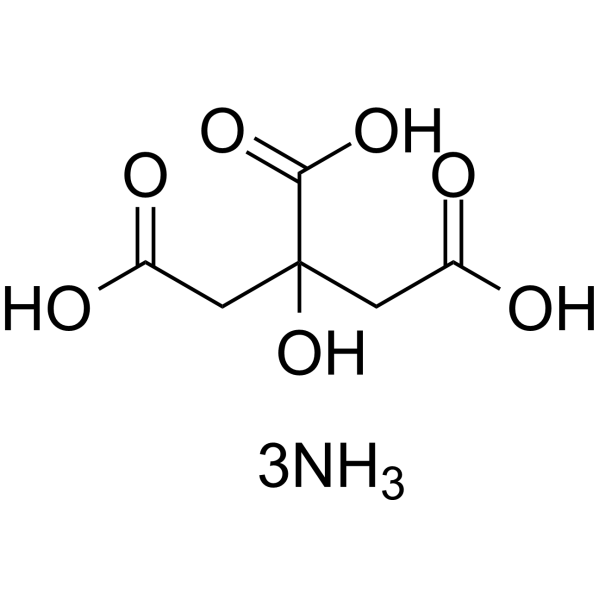
- Formula: C6H17N3O7
- Molecular Weight: 243.22
Citric acid triammonium (Triammonium citrate) is a natural preservative and food tartness enhancer. Citric acid triammonium induces apoptosis and cell cycle arrest at G2/M phase and S phase in HaCaT cells. Citric acid triammonium cause oxidative damage of the liver by means of the decrease of antioxidative enzyme activities. Citric acid triammonium is also an acidulant, emulsifier, sequestrant and buffering agent widely used across many industries.

- Formula: C6H14N2O7
- Molecular Weight: 226.18
Ammonium citrate dibasic, 99% (Ammonium hydrogencitrate, 99%; Diammonium hydrogen citrate, 99%) is a natural preservative and food tartness enhancer. Ammonium citrate dibasic, 99% induces apoptosis and cell cycle arrest at G2/M phase and S phase in HaCaT cells. Ammonium citrate dibasic, 99% cause oxidative damage of the liver by means of the decrease of antioxidative enzyme activities. Ammonium citrate dibasic, 99% is also an acidulant, emulsifier, sequestrant and buffering agent widely used across many industries.
Clove oil (Clove leaf oil,rectified) is a volatile aromatic essential oil with antibacterial, anti-inflammatory and antioxidant activities. Clove oil disrupts the integrity of bacterial cell membranes, releases intracellular nucleic acids and proteins, and inhibits bacterial growth and reproduction. Clove oil scavenges DPPH, ABTS, superoxide anions, hydrogen peroxide and hydroxyl radicals. Clove oil reduces Fe3+ to Fe2+, chelates Fe2+ and iron ions, and inhibits lipid peroxidation in linoleic acid emulsions. Clove oil acts as a natural preservative to reduce the loss of oxidation products. Clove oil can be isolated from the flowers, stems and leaves of Eugenia aromatica and Eugenia caryophyllus, which belong to the Myrtaceae family. Clove oil can be used in studies related to bacterial infection, antioxidation and preservation.

- Formula: C11H9NO3
- Molecular Weight: 203.20
Indole-3-pyruvic acid (Standard) is the analytical standard of Indole-3-pyruvic acid (HY-W028393). This product is intended for research and analytical applications. Indole-3-pyruvic acid is an orally active ketone analog of tryptophan, and is an aryl hydrocarbon receptor (AHR) agonist. Indole-3-pyruvic acid inhibits p38/MAPK phosphorylation, regulates the tryptophan metabolic pathway, and also possesses protective activities against skin photodamage, as well as anti-inflammatory and anti-anxiety bioactivities in the gut. Indole-3-pyruvic acid can downregulate the expression of IL-1β, IL-6, Cox-2, and Bax to alleviate UVB-induced keratinocyte toxicity. Indole-3-pyruvic acid can activate AHR to promote Tr1 cell differentiation, increase IL-10, and inhibit Th1 cytokine production. Indole-3-pyruvic acid can alter the levels of kynurenine metabolites in the brain, mediating central nervous system-related effects. Indole-3-pyruvic acid can be used in research on skin lesions, colitis, and anxiety.
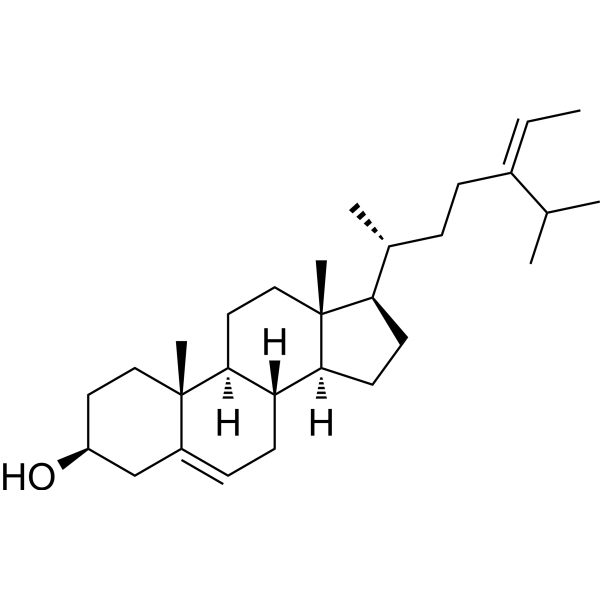
- Formula: C29H48O
- Molecular Weight: 412.69
Δ5-Avenasterol is an antioxidant that targets cyclooxygenase-2 (COX-2) and exists in tomato seed oil, oat grain oil, and wheat germ oil. Δ5-Avenasterol binds to the active site of COX-2, thereby blocking the conversion of arachidonic acid to inflammatory prostaglandins. Δ5-Avenasterol exerts antioxidant activity via the ethylene group at positions 24 and 28 of its side chain.

- Formula: (NH4)2C2O4
- Molecular Weight: 124.10
Oxalic acid (Ethanedioic acid) ammonium is a dicarboxylic acid. Oxalic acid ammonium is widely found in various plants. Oxalic acid ammonium has antioxidant activity and can inhibit lipid peroxidation. Oxalic acid ammonium is a pathogenic factor of Sclerotinia sclerotiorum and can inhibit the oxidative burst of host plants. Oxalic acid ammonium has acaricidal activity. Oxalic acid ammonium can be used for related research on Sclerotinia sclerotiorum disease, Varroa mite disease and inflammatory diseases.
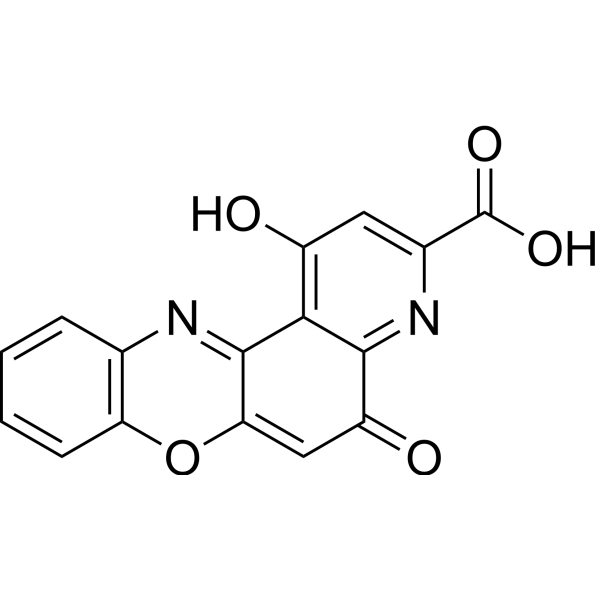
- Formula: C16H8N2O5
- Molecular Weight: 308.25
Pirenoxine (Catalin K) is an antioxidant with lens-protective activity. Pirenoxine inhibits lens sclerosis, prevents lipid peroxidation and suppresses lens protein opacification. Pirenoxine blocks benzoquinone acetic acid-induced cataract progression. Pirenoxine can be used in research related to presbyopia and cataracts.
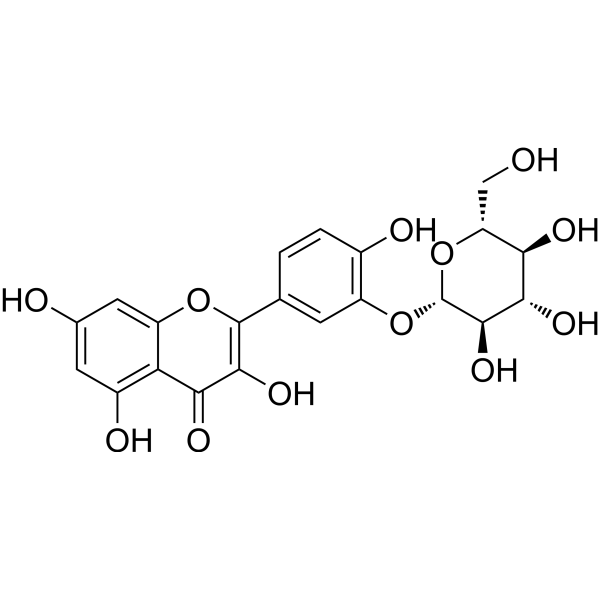
- Formula: C21H20O12
- Molecular Weight: 464.38
Quercetin-3'-O-glucoside is an orally active flavonoid glycoside. Quercetin-3'-O-glucoside reduces liver glucose-6-phosphatase activity, alters serum insulin and glucose levels, and regulates the activities of antioxidant enzymes in the liver and kidney. Quercetin-3'-O-glucoside inhibits DNA topoisomerase II, induces S-phase cell cycle arrest and caspase-3-mediated apoptosis in hepatocellular carcinoma cells. Quercetin-3'-O-glucoside selectively inhibits EGFR-mediated signaling pathways targeting AKT, ERK1/2, FAK and MEK1/2. Quercetin-3'-O-glucoside inhibits growth factor-induced migration and invasion in pancreatic cancer cells. Quercetin-3'-O-glucoside exerts free radical scavenging effects. Quercetin-3'-O-glucoside is applicable to research related to pancreatic cancer, diabetes, hepatocellular carcinoma and malignant tumors.
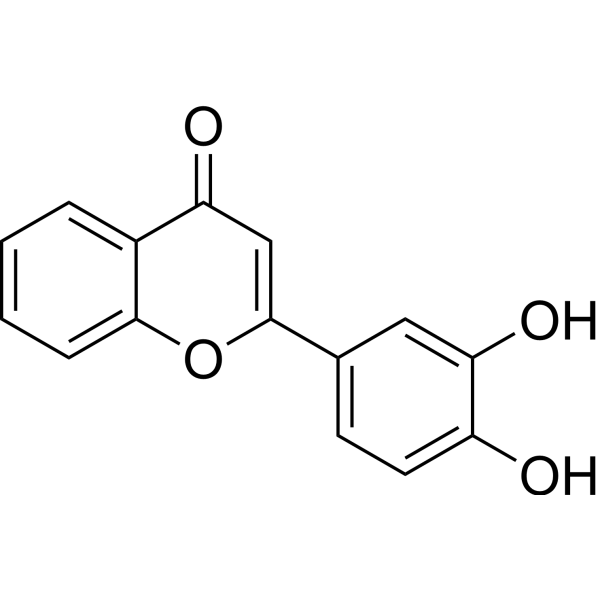
- Formula: C15H10O4
- Molecular Weight: 254.24
3',4'-Dihydroxyflavone is an orally active antioxidant. 3',4'-Dihydroxyflavone inhibits the NF-κB, JAK1/STAT1, AP-1, IRF3, and MAPK/MEK/ERK pathways, while activating Nrf2 and reducing Keap1, thereby exerting anti-inflammatory and antioxidant effects. 3',4'-Dihydroxyflavone inhibits NO, PGE2, pro-inflammatory cytokines, and ROS production, upregulates GSH, and activates KATP channels, adenosine A3 receptors, and GABAA receptors. 3',4'-Dihydroxyflavone inhibits PPARγ expression and adipogenic differentiation, induces osteogenic differentiation; it also inhibits 5-lipoxygenase and xanthine oxidase, weakly inhibits PARP1, and scavenges DPPH and superoxide radicals. 3',4'-Dihydroxyflavone can be used for research on peripheral nerve injury, septic shock, obesity, influenza A virus infection, infertility, and diabetic complications.

- Formula: C24H34O2
- Molecular Weight: 354.53
Dipropofol is a dimeric derivative of Propofol (HY-B0649) with antioxidant and antibacterial activities. Dipropofol terminates free radical chain reactions, scavenges DPPH free radicals and inhibits lipid peroxidation. Dipropofol protects cells from death induced by glutamate, Aβ(25-35) and buthionine sulfoximine, and increases the survival rate of mice exposed to oxygen. Dipropofol selectively activates tonic GABAA currents, hyperpolarizes resting membrane potential, reduces action potential firing, and alleviates the severity of seizures induced by Kainic acid. Dipropofol can be used in the research of Gram-positive bacterial infections, Alzheimer's disease, cerebral ischemia-related neuronal injury, oxygen toxicity and temporal lobe epilepsy.
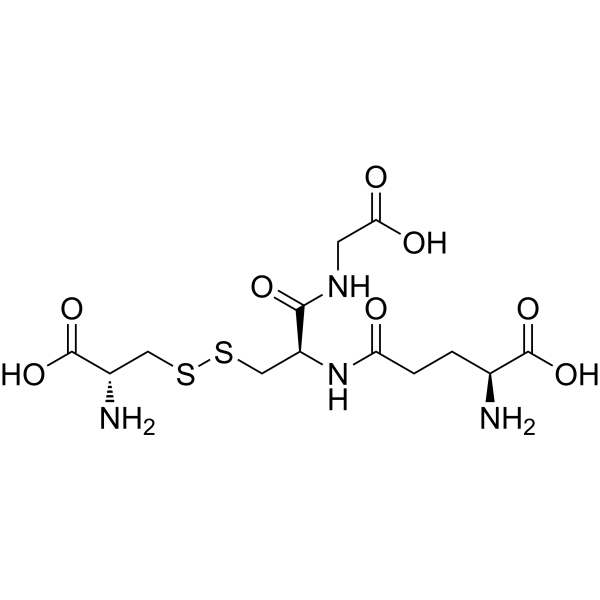
- Formula: C13H22N4O8S2
- Molecular Weight: 426.47
L-Cysteine-glutathione disulfide (L-CySSG; CYSH-GSH) is a thiol-modified glutathione prodrug with antioxidant, anti-inflammatory, and oral activities. L-Cysteine-glutathione disulfide reduces the production of mitochondrial ROS, and alleviates oxidative stress, inflammatory responses, and elevated levels of hepatic enzymes. L-Cysteine-glutathione disulfide prevents liver injury in mice induced by high-fat diet or LPS. The expression level of L-Cysteine-glutathione disulfide changes during tuberculosis infection, so it can serve as a biomarker for pulmonary tuberculosis. L-Cysteine-glutathione disulfide is applicable to research on pulmonary tuberculosis, metabolic dysfunction-associated steatotic liver disease, and liver injury.
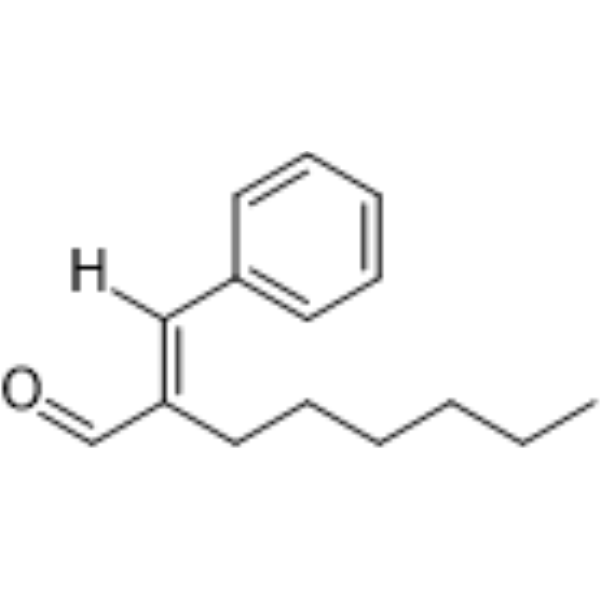
- Formula: C15H20O
- Molecular Weight: 216.32
α-Hexylcinnamaldehyde is an O-acetyltransferase (OAT) inhibitor. α-Hexylcinnamaldehyde inhibits OAT-mediated bioactivation of nitroarene mutagens, exerts antimutagenic activity through demutagenic and bioantimutagenic mechanisms, and interferes with ATP-binding cassette (ABC) transporter function to reduce substrate efflux. α-Hexylcinnamaldehyde alters membrane permeability, fluidizes phospholipid membranes, exerts antioxidant effects, and enhances the antiproliferative effect of Doxorubicin on human cancer cells. α-Hexylcinnamaldehyde can be used in the research of colorectal adenocarcinoma, T-cell leukemia, and multidrug-resistant cancers.
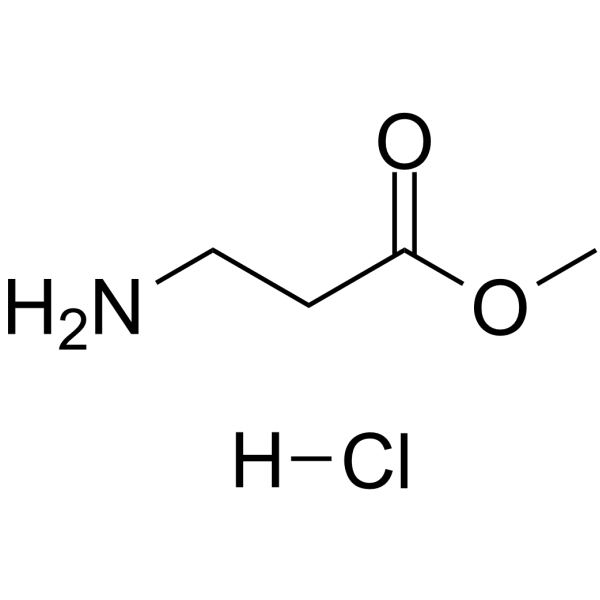
- Formula: C4H10ClNO2
- Molecular Weight: 139.58
Methyl 3-aminopropanoate hydrochloride (β-Alanine methyl ester hydrochloride) is a β-alanine derivative with antioxidant activity. Methyl 3-aminopropanoate hydrochloride reduces oxidation-related changes in Glycine max soybean oil and degummed Glycine max soybean oil at frying temperatures, including the loss of olefinic protons and bis-allylic protons as well as the formation of polymerized triglycerides. Methyl 3-aminopropanoate hydrochloride contributes to the synthesis of the Bcl-2 inhibitor probe Nap-4.
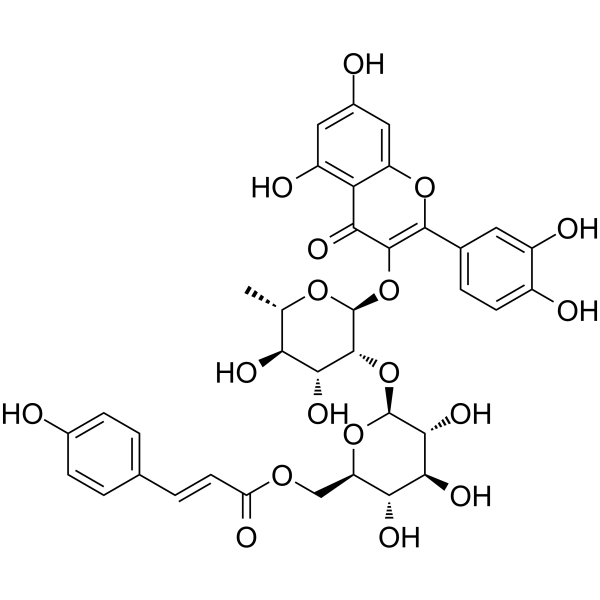
- Formula: C36H36O18
- Molecular Weight: 756.66
Quercetin 3-O-β-D-(6''-p-coumaroyl) glucopyranosyl (1→2)-α-L-rhamnopyranoside (Quercetin-3-O-[2-O-(6-O-p-hydroxyl-E-coumaroyl)-D-glucosyl]-(1→2)-L-rhamnoside) is a flavonoid glycoside present in Ginkgo biloba leaves, with antioxidant activity. Quercetin 3-O-β-D-(6''-p-coumaroyl) glucopyranosyl (1→2)-α-L-rhamnopyranoside serves as the major antioxidant component in Shuxuening Injection.
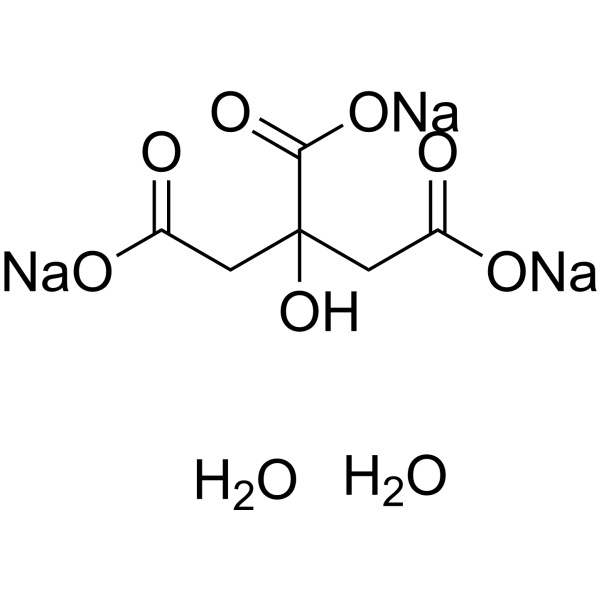
- Formula: C6H9Na3O9
- Molecular Weight: 294.10
Sodium citrate (Trisodium citrate) dihydrate, for molecular biology is an orally active natural product that can be found in citrus fruits. Sodium citrate dihydrate can inhibit the proliferation of tumor cells and induce apoptosis. Sodium citrate dihydrate has antibacterial, anti-tumor and antioxidant activities. Sodium citrate dihydrate can be prepared as a cosolvent or buffer.
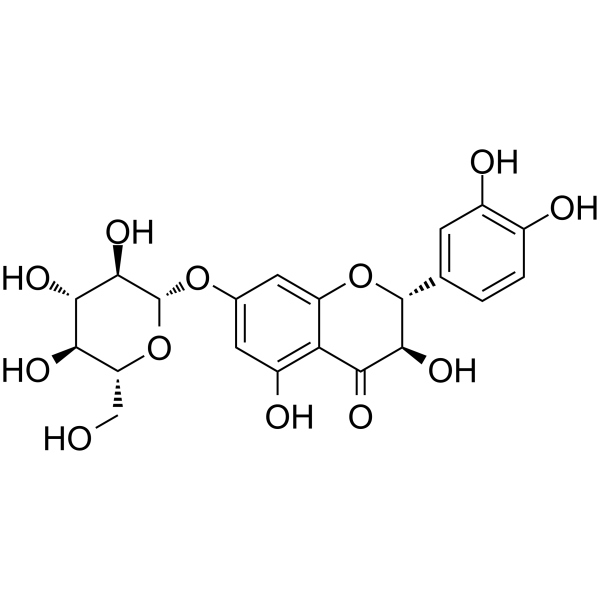
- Formula: C21H22O12
- Molecular Weight: 466.39
Taxifolin 7-O-β-D-glucoside (Taxifolin 7-O-glucoside) is a flavonol and active antioxidant that can be isolated from Scutellaria baicalensis. Taxifolin 7-O-β-D-glucoside participates in pathogen defense and ultraviolet damage protection in the seed coat during seed germination of Scutellaria baicalensis.

- Formula: C29H48O
- Molecular Weight: 412.69
Δ7-Avenasterol (Delta-7-avenasterol) is a phytosterol that binds to prostaglandin E2 receptor (prostaglandin E2 receptor) and cyclooxygenase-2 (COX-2). Δ7-Avenasterol is applicable to research related to gastric ulcer, anti-inflammation and antioxidation.
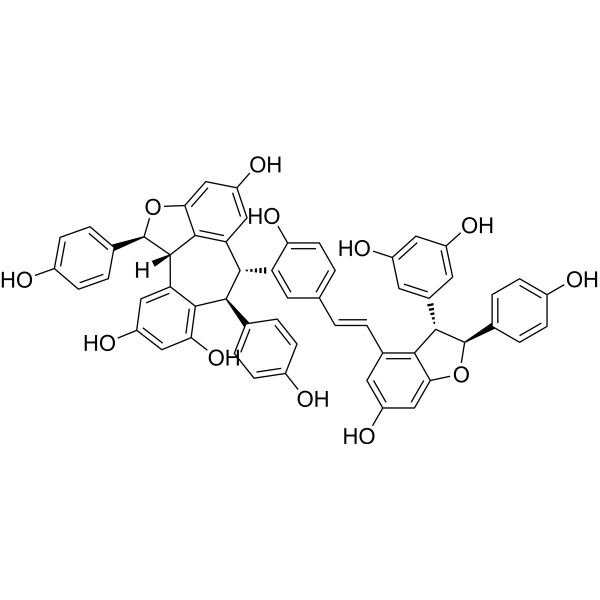
- Formula: C56H42O12
- Molecular Weight: 906.93
Vitisin A ((+)-Vitisin A) is an orally active natural product with multiple pharmacological activities including anti-inflammatory, anti-tumor, anti-oxidant, anti-pathogenic microorganism, hypoglycemic and lipid-regulating, anti-osteoporotic, neuroprotective and cardiovascular protective effects. Vitisin A exhibits inhibitory effects on human AChE and MAO-B with IC50 values of 1.29 µM and 4.94 µM, respectively. Vitisin A inhibits the ERK, MAPK, NF-κB, STAT1, HMGCR and TRAF6 pathways, downregulates the related phosphorylation and protein expression, while activates the Nrf2/HO-1 pathway and upregulates p21 expression. Vitisin A induces tumor cell apoptosis and cell cycle arrest, inhibits adipogenesis and lipid accumulation, while alleviates oxidative stress, suppresses inflammatory responses, blocks hepatic fibrosis, Cuproptosis and cholesterol synthesis, and increases the expression levels of central BDNF and TrkB. Vitisin A can be used in the research of tumors, infectious diseases, metabolic diseases, bone and joint diseases, liver diseases, skin injuries, as well as neurodegenerative and cognitive dysfunction-related diseases.

- Formula: C9H10N2S
- Molecular Weight: 178.25
Bemethyl is a synthetic adaptogen that exhibits actoprotector and antihypoxant activities. Bemethyl has the ability to increase the body's resistance to stress and improve physical endurance. Bemethyl regulatory mechanisms include vasodilation and lowering blood sugar and lactate levels. Bemethyl is an analytical reference standard for adaptogen.

- Formula: C13H16N2O3
- Molecular Weight: 248.28



