1. Search Result
Search Result
Pathways Recommended: Stem Cell/Wnt Cell Cycle/DNA Damage
Results for "

colon cancer cell

" in MedChemExpress (MCE) Product Catalog:

626

Inhibitors & Agonists

3

Screening Libraries

7

Fluorescent Dyes

8

Biochemical Assay Reagents

26

Peptides

52

Inhibitory Antibodies

118

Natural
Products

16

Isotope-Labeled Compounds

3

Click Chemistry

9

Oligonucleotides

1

GMP Molecules

Cat. No. Product Name Target Research Areas Chemical Structure
  • HY-156002

    Paluratide

    Ras ERK Cancer
    LUNA18 is an orally-available cyclic peptide KRAS and ERK inhibitor. LUNA18 phosphorylates ERK and AKT and decreases cell proliferation in RAS-mutated cancer cells. LUNA18 exhibits RAS signal inhibition and potent anti-cancer activities through inhibiting interaction between RAS and guanine nucleotide exchange factors (GEFs) in a mouse xenograft model. LUNA18 shows significant cellular efficacy against cell lines with KRAS genetic alterations, such as colon cancer, stomach cancer, non-small cell lung cancer and pancreaticcancer .
    LUNA18
  • HY-12204
    PFK-015
    3 Publications Verification

    Autophagy Metabolic Disease Inflammation/Immunology Cancer
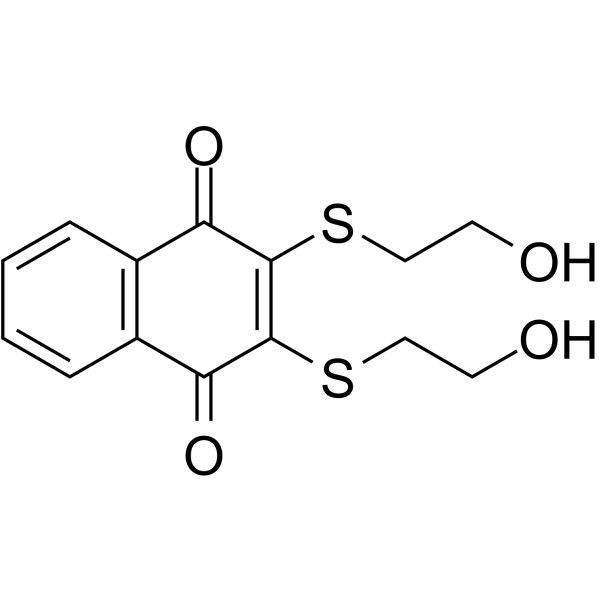
    PFK-015, a derivative of 3PO, is a specific PFKFB3 inhibitor. PFK-015 inhibits recombinant PFKFB3 with an IC50 value of 110 nM and inhibits PFKFB3 activity in cancer cells with an IC50 value of 20 nM. PFK-015 can be used for the research of multiple cancers such as lung cancer, stomach cancer, colon cancer and esophageal squamous cell carcinoma (ESCC) .
    PFK-015
  • HY-149449

    Amino Acid Derivatives Cancer
    Poly-L-γ-glutamic acid sodium is a macromolecular polymer formed by the linkage of glutamic acid residues via peptide bonds between γ-amino and carboxyl groups. Poly-L-γ-glutamic acid sodium plays an important role as a carrier material in compound delivery systems. Poly-L-γ-glutamic acid sodium can deliver Paclitaxel (HY-B0015) to colon cancer cells, reduce cell viability and inhibit the growth of colon cancer spheroids. Poly-L-γ-glutamic acid sodium can be used as a carrier material and in studies related to colon cancer in mice .
    Poly-L-γ-glutamic acid sodium
  • HY-N9330

    Xanthine Oxidase Ras EGFR MEK PERK Apoptosis Cancer
    Broussoflavonol F is a potent dual inhibitor of the HER2-RAS-MEK-ERK signaling pathway and mushroom tyrosinase with an IC50 value of 82.3 μM. Broussoflavonol F downregulates the expression of RAS, HER2, phosphorylated BRAF, phosphorylated MEK and phosphorylated Erk proteins. Broussoflavonol F induces cell cycle arrest and apoptosis, and exhibits cytotoxicity in colon cancer cells. Broussoflavonol F inhibits endothelial proliferation, migration and tube formation, suppresses subintestinal vascular development, and reduces the mRNA levels of angiogenesis-associated genes.Broussoflavonol F can be used for colon cancer research .
    Broussoflavonol F
  • HY-176954

    Proton Pump Ras Autophagy Apoptosis Cancer
    RSC-1255 is a potent and selective Vacuolar H⁺-ATPase (V-ATPase) inhibitor that directly binds the mammalian V-ATPase complex with a Kd = 23 nM. RSC-1255 exhibits preferential cytotoxicity toward KRAS-mutant cancer cells, especially KRAS G13D and KRAS G12V cells. RSC-1255 induces apoptosis and blocks lysosomal acidification, autophagy, and macropinocytosis in cancer cells. RSC-1255 can be used for the study of KRAS-driven lung and colon cancers .
    RSC-1255
  • HY-175035

    Hexokinase Inflammation/Immunology Cancer
    HK-2-IN-1 is a Hexokinase 2 (HK-2) inhibitor. HK-2-IN-1 exhibits a non-activating effect on human recombinant HK-2 enzyme. HK-2-IN-1 has anti-tumor activity, affecting immune cells in the tumor microenvironment. HK-2-IN-1 has immunomodulatory effects and is potentially useful in the study of cancers such as colon cancer, liver cancer, and breast cancer .
    HK-2-IN-1
  • HY-159730

    Aminotransferases (Transaminases) Inflammation/Immunology Cancer
    ERG245 is a selective amino acid aminotransferase (BCAT1) inhibitor with a human IC50 of 0.5 nM. ERG245 enhances oxidative phosphorylation (OXPHOS) in CD8 + T cells by specifically inhibiting BCAT1 activity, thereby increasing the cytotoxicity of CD8 + T cells. ERG245 shows anti-inflammatory and anti-tumor activities. ERG245 can be used for the researches of cancer anf inflammation, such as colitis and colon cancer .
    ERG245
  • HY-139434

    Histone Demethylase Cancer
    JMJD6-IN-1 is a JMJD6 inhibitor, with an inhibition rate of 82% at 10 μM. JMJD6-IN-1 inhibits MCF-7 and HCC4006 cell proliferation with IC50 values of 19.2 μM and 25.2 μM. JMJD6-IN-1 inhibits JMJD6 demethylase activity. JMJD6-IN-1 can be used for the research of lung adenocarcinoma, prostate cancer, breast cancer, pancreatic cancer, colon cancer, oral squamous cell carcinoma, and glioblastoma .
    JMJD6-IN-1
  • HY-N2571

    Reverse Transcriptase HIV Opioid Receptor Infection Neurological Disease Cancer
    Corydine is a HIV-1 reverse transcriptase inhibitor and μ-opioid receptor (MOR) agonist, with an IC50 of 356.7 μg/mL against HIV-1 reverse transcriptase, an EC50 of 0.51 μM for MOR, and a Ki of 2.82 μM for MOR. Corydine produces antinociceptive effects by inhibiting acetic acid-induced writhing behavior in a MOR-dependent manner. Corydine inhibits the proliferation of cancer cells, mitogen-stimulated lymphocytes and IL-2-dependent cells. Corydine can be used in studies related to human immunodeficiency virus infection, visceral pain, leukemia, melanoma, bladder cancer and colon adenocarcinoma .
    Corydine
  • HY-N6002
    3'-Hydroxypterostilbene
    1 Publications Verification

    Apoptosis Autophagy Cancer
    3'-Hydroxypterostilbene is a Pterostilbene (HY-N0828) analogue. 3'-Hydroxypterostilbene inhibits the growth of COLO 205, HCT-116 and HT-29 cells with IC50s of 9.0, 40.2 and 70.9 μM, respectively. 3'-Hydroxypterostilbene significantly down-regulates PI3K/Akt and MAPKs signaling pathways and effectively inhibits the growth of human colon cancer cells by inducing apoptosis and autophagy. 3'-Hydroxypterostilbene can be used for the research of cancer .
    3'-Hydroxypterostilbene
  • HY-15163
    Zotiraciclib
    2 Publications Verification

    TG02; SB1317

    JAK CDK FLT3 Cancer
    Zotiraciclib (TG02; SB1317) is an orally active JAK2/FLT3/CDK2 inhibitor with IC50 values of 13 nM, 73 nM and 56 nM , respectively. Zotiraciclib inhibits cancer cell proliferation, tumor growth and the activity of CYP2D6. Zotiraciclib exhibits high plasma protein binding rate, Caco-2 permeability and tissue distribution capacity, as well as metabolic stability in human and canine liver microsomes. Zotiraciclib achieves tumor growth inhibition in nude mouse models of colon cancer and lymphoma xenografts. Zotiraciclib can be used for research related to colon cancer, B-cell lymphoma, advanced leukemia, acute leukemia and multiple myeloma .
    Zotiraciclib
  • HY-P990273

    CD38 ERK CD1 Apoptosis Inflammation/Immunology Cancer
    Anti-Mouse CD38 Antibody (NIMR5) is an anti-mouse CD38 IgG2a monoclonal antibody. Anti-Mouse CD38 Antibody (NIMR5) can activate the ERK signaling pathway and promote cell apoptosis. Anti-Mouse CD38 Antibody (NIMR5) can restore T cell function. Anti-Mouse CD38 Antibody (NIMR5) upregulates the expression of CD1d protein and enhances spleen cell proliferation, dendritic cell (DC) and natural killer T cell (NKT) expansion. Anti-Mouse CD38 Antibody (NIMR5) can be used for researches on cancer and immunology such as melanoma and colon cancer .
    Anti-Mouse CD38 Antibody (NIMR5)
  • HY-156649

    CR6086

    Prostaglandin Receptor Interleukin Related MMP PD-1/PD-L1 Cardiovascular Disease Inflammation/Immunology Cancer
    Vorbipiprant (CR6086) is an orally active EP4 receptor antagonist with high selectivity for the human EP4 receptor (Ki: 16.6 nM). Vorbipiprant has immunomodulatory, anti-inflammatory, antitumor, and anti-angiogenic activities. Vorbipiprant can inhibit the expression of multiple pro-inflammatory cytokines and the activation of immune cells, and convert "cold" tumors unresponsive to immune checkpoint inhibitors into "hot" tumors. Vorbipiprant is used in the research of diseases such as rheumatoid arthritis and colon cancer .
    Vorbipiprant
  • HY-B1787

    mTOR Drug Metabolite CDK PPAR Apoptosis Cancer
    Sulindac sulfone is an orally active metabolite of Sulindac (HY-B0008). Sulindac sulfone activates PPARγ and drives transcriptional induction of SSAT by binding to the PPRE-2 element. Sulindac sulfone induces Apoptosis. Sulindac sulfone negatively regulates the function of VDAC1/2 to inhibit the mTORC1 pathway, reduces Cyclin D1 levels, and induces G1 cell cycle arrest in colon cancer cells. Sulindac sulfone exerts colon cancer preventive effects through a COX-independent mechanism. Sulindac sulfone can be used in research related to colon cancer .
    Sulindac sulfone
  • HY-N4246

    Aquaporin PKC Akt PI3K Apoptosis Monoamine Oxidase Pregnane X Receptor (PXR) Cardiovascular Disease Neurological Disease Inflammation/Immunology Cancer
    Bacopaside I is an orally active aquaporin AQP1 inhibitor and PKC modulator with neuroprotective and anticancer activities. Bacopaside I specifically blocks the water channel and cGMP-gated ion channel activities of AQP1 without affecting AQP4, thereby inhibiting the migration of colon cancer cells expressing AQP1. Bacopaside I activates the Akt pathway by interacting with PI3K, specifically inhibits MAO-A, effectively alleviates neuron necrosis and apoptosis induced by oxygen-glucose deprivation, reduces oxidative stress, and regulates the surface expression of neuroreceptors. When combined with Bacopaside II (HY-N6016), Bacopaside I significantly reduces the viability, proliferation and invasion ability of breast cancer cells, and binds to the pregnane X receptor (PXR). Bacopaside I is applicable to the research of colon cancer, breast cancer, vascular dementia, cerebral ischemia and other related diseases .
    Bacopaside I
  • HY-170935

    SRPK PARP Caspase Apoptosis Autophagy Cancer
    SRSF1-IN-1 is a SRSF1 inhibitor. SRSF1-IN-1 inhibits SRSF1 expression, thereby modulating the splicing of Bcl-x pre-mRNA. SRSF1-IN-1 inhibits the proliferation of various cancer cells. SRSF1-IN-1 induces apoptosis in gastric cancer cells, reduces Bcl-xl expression, and upregulates cleaved PARP and caspase 3. SRSF1-IN-1 induces autophagy and promotes cell death. SRSF1-IN-1 exhibits anti-tumor activity in a mouse gastric cancer xenograft model. SRSF1-IN-1 can be used for the research of various cancers including liver cancer, gastric cancer, breast cancer, colon cancer, glioma, and melanoma .
    SRSF1-IN-1
  • HY-121382

    Cholinesterase (ChE) Apoptosis Necroptosis Neurological Disease Cancer
    Gypsogenin is a selective mixed-type BChE inhibitor (Ki=19.99 μM) that also exhibits significant cytotoxicity against various human cancer cell lines. Gypsogenin inhibits tumor growth by inducing cell cycle arrest and triggering apoptosis. Gypsogenin displays antibacterial activity against bacteria such as Bacillus subtilis and Bacillus thuringiensis, and often serves as a key parent nucleus for the synthesis of anticancer compounds. Gypsogenin is widely used in research on Alzheimer's disease and various cancers including colon cancer, melanoma, and leukemia .
    Gypsogenin
  • HY-N7695

    Apoptosis Autophagy Cancer
    Physalin B, one of the major active steroidal constituents of Cape gooseberry, induces cell cycle arrest and triggers apoptosis in breast cancer cells through modulating p53-dependent apoptotic pathway. Physalin B inhibits the ubiquitin-proteasome pathway and induces incomplete autophagic response in human colon cancer cells in vitro .
    Physalin B
  • HY-146208
    BRD4 Inhibitor-20
    1 Publications Verification

    Epigenetic Reader Domain Cancer
    BRD4 Inhibitor-20 is a potent orally active bromodomain protein 4 (BRD4) inhibitor. BRD4 Inhibitor-20 has inhibitory activity for BRD4 (BD1) and BRD4 (BD2) with IC50 values of 19 nM and 28 nM, respectively. BRD4 Inhibitor-20 also has anti-proliferation activities in cancer cell lines. BRD4 Inhibitor-20 can be used for the research of kinds of cancer, such as colon cancer .
    BRD4 Inhibitor-20
  • HY-P991481

    CCR Inflammation/Immunology Cancer
    S-531011 is a high-affinity, selective, and reversible CCR8 ligand with antibody-dependent cellular cytotoxicity (ADCC) against CCR8-expressing cells. S-531011 induces the death of tumor-infiltrating CCR8 + regulatory T cells while preserving regulatory T cells in peripheral blood, thereby reinvigorating anti-tumor immunity. The combination of S-531011 with anti-PD-1 antibody effectively inhibits tumor growth, and S-531011 can be used for research on advanced solid tumors and various cancers including non-small cell lung cancer, ovarian cancer, colon cancer, breast cancer, and pancreatic ductal adenocarcinoma .
    S-531011
  • HY-106789

    CS-684

    Bacterial Infection Inflammation/Immunology Cancer
    Plaunotol is an orally active acyclic diterpene alcohol. Plaunotol has antibacterial activity against Helicobacter pylori which causes peptic ulcer . Plaunotol inhibits tumor angiogenesis and cell proliferation. Plaunotol induces apoptosis by activation of caspase 8 and caspase 9 pathways. Plaunotol is a potential anticancer agent against colon cancer .
    Plaunotol
  • HY-N8420

    Fungal Infection Cancer
    Thalifoline is an isoquinoline alkaloid. Thalifoline exerts cytotoxic effects on cancer cells. Thalifoline inhibits the growth of Fusarium oxysporum f. sp. lycopersici. Thalifoline can be used in research related to lung adenocarcinoma, colon cancer, oral epidermoid carcinoma, and fungal infections .
    Thalifoline
  • HY-P990730

    ARB202

    CD3 Cadherin Cancer
    Cabotamig is a humanized bispecific T-cell engager antibody targeting CDH17/CD3. Cabotamig is generated from anti-CDH17 monoclonal ARB102 by linking a CD3-binding scFv in the format of IgG4-scFv. Cabotamig can be used for the research of cancer, such as gastric cancer and colon cancers .
    Cabotamig
  • HY-156850

    HDAC NF-κB Cancer
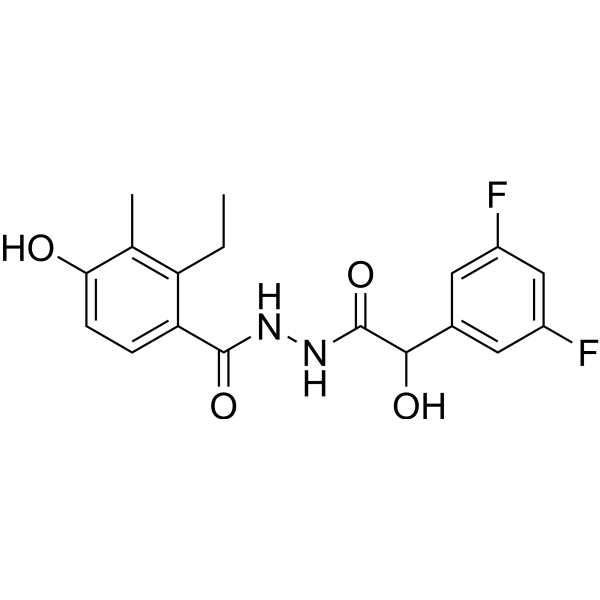
    ITF 3756 is a selective, orally active HDAC6 inhibitor. ITF 3756 antagonizes TNF-α-induced activation of the NF-κB pathway. ITF 3756 reduces PD-L1 expression on human monocytes and CD8 + T cells, and exhibits antitumor activity. ITF 3756 can be used in colon cancer-related research .
    ITF 3756
  • HY-P5407

    SARS-CoV Angiotensin-converting Enzyme (ACE) Infection Cancer
    HD5 is an innate immune effector peptide and SARS-CoV Inhibitor. HD5 binds to the ligand-binding domain of angiotensin-converting enzyme-2 (ACE2) via multiple hydrogen bonds to competitively block the receptor, shielding it from viral recognition. HD5 can be used for the research of COVID-19, HPV16 infection, epithelial ovarian cancer, small-cell lung cancer, and colon cancer .
    HD5
  • HY-N7325

    PTEN Orexin Receptor (OX Receptor) Neurological Disease Cancer
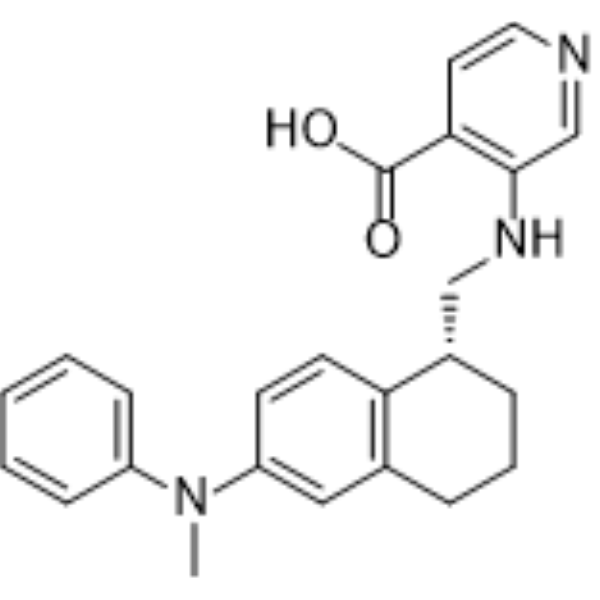
    Valerosidate is an OX2R antagonist. Valerosidate increases expression of tumor suppressor proteins p53 and PTEN, selectively reduces colon cancer cell viability, and suppresses colon cancer cell migration. Valerosidate can be used for the research of colon cancer and insomnia .
    Valerosidate
  • HY-59001

    Apoptosis Cancer
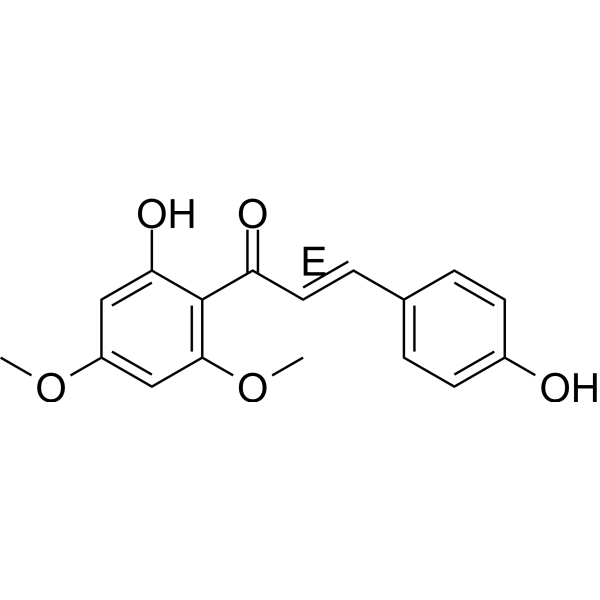
    Sappanchalcone, a flavonoid isolated from Caesalpinia sappan L., induces caspase-dependent and AIF-dependent apoptosis in human colon cancer cells .
    Sappanchalcone
  • HY-120105

    DNA/RNA Synthesis Apoptosis MDM-2/p53 Bcl-2 Family Caspase PARP Cancer
    NSC666715 is a DNA polymerase β (Pol-β) inhibitor. NSC666715 directly and specifically interacts with Pol-β, interferes with its binding to damaged DNA, blocks its dRP lyase activity, and inhibits Pol-β-mediated SN- and LP-BER. NSC666715 induces AP site accumulation and S-phase cell cycle arrest, and triggers senescence and apoptosis (apoptosis) via the p53/p21 pathway in colorectal cancer cells. NSC666715 enhances TMZ (HY-17364)-induced DNA damage, senescence and apoptosis, and potentiates the cytotoxicity of TMZ. NSC666715 inhibits tumor growth in colon cancer xenograft models. NSC666715 can be used in research related to colorectal cancer .
    NSC666715
  • HY-16055

    AR-67; DB 67

    Topoisomerase Drug Derivative MDM-2/p53 Cancer
    Silatecan (AR-67) is a blood-brain barrier-permeable derivative of Camptothecin (HY-16560), DNA topoisomerase I inhibitor, an anticancer agent, and a radiosensitizer. Silatecan potently radiosensitizes wild-type p53 gliomas. Silatecan can be used in research related to glioma, leukemia, non-small cell lung cancer, colon cancer, ovarian cancer, renal cancer, prostate cancer, breast cancer, cervical cancer, gastric cancer, nasopharyngeal cancer, and uterine cancer .
    Silatecan
  • HY-P990124

    TNF Receptor NF-κB Interleukin Related Inflammation/Immunology Cancer
    Anti-Mouse GITR Antibody (DTA-1) is a rat derived IgG2b monoclonal agonist antibody targeting mouse GITR. Anti-Mouse GITR Antibody (DTA-1) can activate T cells and B cells to enhance immune response. Anti-Mouse GITR Antibody (DTA-1) selectively enhances Th2 cell effector function through GITR signaling. Anti-Mouse GITR Antibody (DTA-1) may exacerbate allergic reactions. Anti-Mouse GITR Antibody (DTA-1) can be used for researches on cancer and allergic conditions such as colon cancer and allergic asthma. The recommed isotype control of Anti-Mouse GITR Antibody (DTA-1) is Rat IgG2b kappa, Isotype Control (HY-P990682) .
    Anti-Mouse GITR Antibody (DTA-1)
  • HY-179152

    Apoptosis Topoisomerase Cancer
    Apoptosis inducer 54 is an apoptosis inducer that interacts with topoisomerase II-DNA. Apoptosis inducer 54 induces cell cycle arrest at the S phase in cancer cells. Apoptosis inducer 54 significantly induces early and late apoptosis in A549 cells. Topoisomerase I-IN-20 can be used for the research of lung cancer and colon cancer .
    Apoptosis inducer 54
  • HY-174448

    Wee1 Cancer
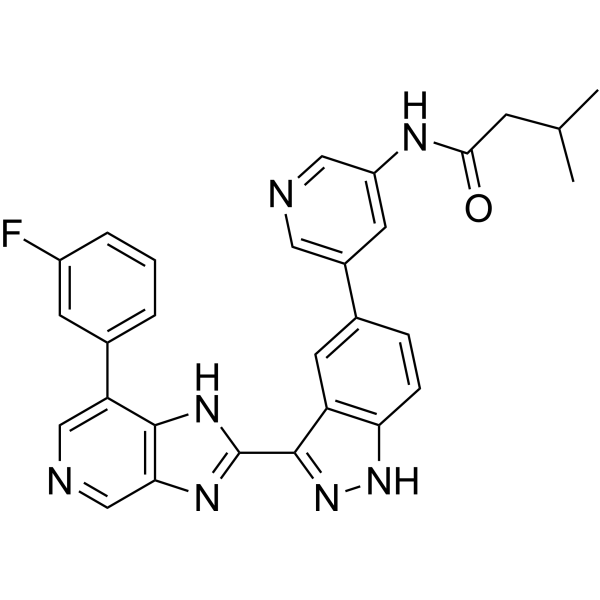
    WEE1-IN-12 (Compound 87) is a Wee1 kinase inhibitor with an IC50 of 2.0 nM. WEE1-IN-12 can inhibit the proliferation of HT29 cells (IC50: 1.07 μM), and when used in combination with Gemcitabine (HY-17026), the effect is better (IC50: 0.34 μM). WEE1-IN-12 can be used in the research of tumors such as colon cancer .
    WEE1-IN-12
  • HY-178062

    DGK Interleukin Related Cancer
    DGKα-IN-10 is an orally active and potent DGKα inhibitor with an IC50 of 0.27 nM. DGKα-IN-10 can induce IL-2 release and T cells proliferation. DGKα-IN-10 can be used for the research of cancer, such as colon cancer .
    DGKα-IN-10
  • HY-N7183

    NF-κB GSK-3 β-catenin Wnt Cancer
    9-Hydroxycanthin-6-one is a β-carboline alkaloid. 9-Hydroxycanthin-6-one can be isolated from the roots of E. longifolia. 9-Hydroxycanthin-6-one inhibits TNF-α-induced activation of the NF-κB pathway. 9-Hydroxycanthin-6-one activates GSK3β independently of CK1α, drives phosphorylation and degradation of β-catenin, and inhibits the Wnt signaling pathway. 9-Hydroxycanthin-6-one exerts selective cytotoxicity against Wnt-dependent colon cancer cells. 9-Hydroxycanthin-6-one can be used in studies related to colon cancer .
    9-Hydroxycanthin-6-one
  • HY-105522

    Tetraplatin; NSC 363812

    Drug Derivative Cancer
    Ormaplatin (Tetraplatin) is a Platinum (HY-W096169D) analog with anticancer activity. Ormaplatin demonstrates cytotoxic activity in Cisplatin (HY-17394)-sensitive cell lines in vitro and in vivo. Ormaplatin can be used for non-small cell lung, colon, and breast cancer research .
    Ormaplatin
  • HY-161850

    ULK Apoptosis PARP Autophagy NF-κB AMPK Akt Reactive Oxygen Species (ROS) Cancer
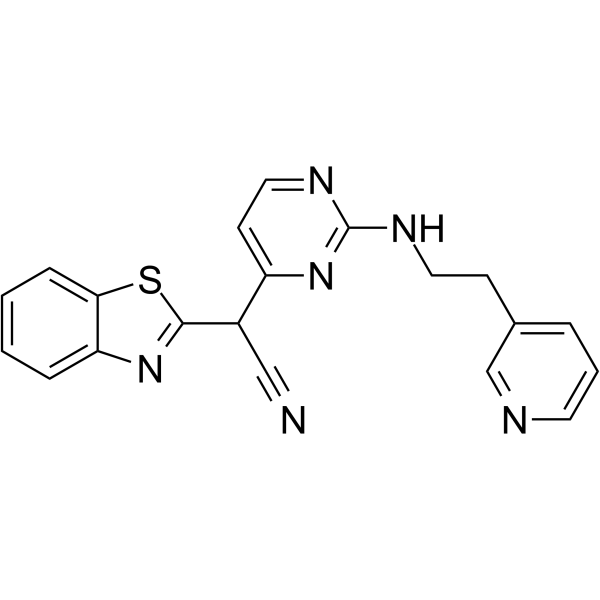
    ULK1-IN-3 (Compound 8) is a novel chromone-based as a potential inhibitor of ULK1. ULK1-IN-3 inhibits cell cycle, autophagy and induces apoptosis, oxidative stress in colon cancer cell lines .
    ULK1-IN-3
  • HY-W278944

    Drug Derivative Cancer
    Antiproliferative agent-15 is an thienopyrimidine derivated anticancer agent. Antiproliferative agent-15 shows antiproliferative activity against human colon (HCT116 and HCT15) and brain (LN-229 and GBM-10) cancer cell lines .
    Antiproliferative agent-15
  • HY-175269

    DNA Alkylator/Crosslinker DNA/RNA Synthesis Topoisomerase Cancer
    MGB1Y is a noncovalent DNA minor groove binder (MGB). MGB1Y potently inhibits cancer cells proliferation and topoisomerase I activity. MGB1Y downregulates their breast cancer-related genes in MCF7 and MDA-MB-231 cells. MGB1Y has a broad-spectrum anticancer activity, such as breast cancer, colon cancer, and leukemia .
    MGB1Y
  • HY-177501

    CDK Apoptosis Cancer
    Otviciclib (Compound 86) is a CDK inhibitor. Otviciclib has potent anti-proliferative activity against solid tumor cells (such as HCT116, NCIH82 and DU145 cells) with no significant toxicity to normal cells, and effectively induces the G2/M phase cells arrest and apoptosis. Otviciclib has a broad-spectrum anticancer activity, such as colon, pancreatic and lung cancer .
    Otviciclib
  • HY-145266

    PARP Cancer
    OM-1700 is a potent tankyrase inhibitor with IC50s of 127 and 14 nM for tankyrase 1 and tankyrase 2, respectively. OM-1700 reduces cell growth in the colon cancer cell line COLO 320DM (GI50=650 nM) .
    OM-1700
  • HY-155580

    Monoamine Oxidase HSP Cancer
    MAO A/HSP90-IN-2 (compound 4-C) is a dual inhibitor of HSP90and MAO A with the IC50 values of 0.016 and 4.58 μM, respectively. MAO A/HSP90-IN-2 increases HSP70 expression and reduces HER2 and phospho-Akt expression, and decreases IFN-γ induced PD-L1 expression in GL26 cells. MAO A/HSP90-IN-2 inhibits the growth of Temozolomide (HY-17364) -sensitive and -resistant GBM cells, colon cancer, leukemia, non-small cell lung and other cancers, and has potential to inhibit tumor immune escape [1].
    MAO A/HSP90-IN-2
  • HY-176281

    PI3K CDK Cancer
    PI3Kα-IN-26 (Compound 11e) is a PI3Kα inhibitor with an IC50 of 75.31 nM. PI3Kα-IN-26 has a broad-spectrum anticancer activity, such as leukemia, colon and breast cancer, without significant cytotoxic effect on the normal Vero cells (mean IC50s of 2.74, 3.50, 3.34 and 85.29 μM, respectively) .
    PI3Kα-IN-26
  • HY-161688

    Apoptosis HDAC Cancer
    HDAC-IN-73 (compound P-503) is a histone deacetylase (HDAC) inhibitor. HDAC-IN-73 shows IC50s values of 0.17, 0.49 µM for HDAC1 and HDAC6, respectively. Notably, HDAC-IN-73's inhibitory potency against HDAC6 is heightened, exhibiting a 9-fold greater efficacy than PsA (HY-N2150) (IC50=3.9 μM). HDAC-IN-73 shows potent antiproliferative activity, induces apoptosis, and causes cell cycle arrest at G2 / M phase. HDAC-IN-73 has the potential to be used for the research of cancer such as colon cancer .
    HDAC-IN-73
  • HY-114877

    Phosphatase Cancer
    CG-707 inhibits phosphatase of regenerating liver-3 (PRL-3) enzymatic activity with an IC50 value of 0.8 μM. CG-707 inhibits the migration and invasion of PRL-3 overexpressing colon cancer cells .
    CG-707
  • HY-158407

    Apoptosis Cancer
    Anticancer agent 220 is a chromanone derivative with anticancer effects. Anticancer agent 220 shows highly potent activity in the colon cancer cell lines. Anticancer agent 220 induces apoptosis and cell cycle arrest in cells .
    Anticancer agent 220
  • HY-172892

    PI3K Reactive Oxygen Species (ROS) Cancer
    PI3K-IN-59 (Compound 3d) is a PI3K inhibitor (IC50: 17.44 μM). PI3K-IN-59 has significant antiproliferative activity and exhibits potent inhibitory effects on breast cancer 4T1 cells (IC50: 3.70 μM) and colon cancer CT26 cells (IC50: 1.98 μM) as well as human breast cancer cells (IC50: 19.72 μM). PI3K-IN-59 exerts a dual anti-tumor mechanism by inhibiting PI3Kα enzymatic activity and triggering the Fenton reaction to generate hydroxyl radicals (•OH). PI3K-IN-59 shows promising anti-4T1 tumor effects and is suitable for synergistic targeting studies in breast and colon cancers .
    PI3K-IN-59
  • HY-N8387

    Ras Cancer
    Neogrifolin is an inhibitor of KRAS. Neogrifolin suppress KRAS expression in human colon cancer cells. Neogrifolin has anti-cell viability activity against HeLa, SW480 and HT29 cells wih IC50s of 24.3, 34.6, and 30.1 μM, respectively .
    Neogrifolin
  • HY-169477

    Biochemical Assay Reagents Cancer
    PAMAM Dendrimer G0.5 Carboxylate sodium is a polyamidoamine (PAMAM) dendrimer with carboxylate termini. PAMAM Dendrimer G0.5 Carboxylate sodium conjugated with DACHPt is cytotoxic to A2780 ovarian cancer cells, MCF-7 breast cancer cells, Caco-2 colon cancer cells and BJ fibroblasts with IC50 values of 0.03, 1.6, 0.18 and 3 µM, respectively .
    PAMAM dendrimer G0.5 carboxylate sodium (8.78% w/w in water)
  • HY-105409

    NVP-XAA-296; XAA 296

    Microtubule/Tubulin Apoptosis Cancer
    Discodermolide (NVP-XAA-296) is a potent microtubule-stabilizing agent with a Ki of 0.4 μM. Discodermolide stabilizes microtubules, induces G2 or M phase cell cycle arrest and apoptosis, leading to inhibition of cancer cell proliferation. Discodermolide competitively inhibits the binding of Paclitaxel (HY-B0015) to tubulin polymers, and inhibits the growth of Paclitaxel-resistant cells. Discodermolide can be used for breast and colon cancer research .
    Discodermolide
  • HY-119694

    Drug Metabolite Mitochondrial Metabolism Cytochrome P450 Cancer
    Rotenolone is a metabolite of Rotenone (HY-B1756), inhibitor of Mitochondrial complex I, and antiproliferative agent, with an IC50 of 137 nM against bovine complex I. Rotenolone undergoes biotransformation via multiple cytochrome P450 isoenzymes in rainbow trout liver microsomes. Rotenolone exhibits anticancer activity against ovarian cancer, breast cancer, prostate cancer, non-small cell lung cancer, and colon cancer. Rotenolone can be used in studies related to ovarian cancer, breast cancer, prostate cancer, non-small cell lung cancer, and colon cancer .
    Rotenolone

Inquiry Online

Your information is safe with us. * Required Fields.

Salutation


Country or Region *

Applicant Name *


Organization Name *

Department *


Email Address *


Product Name *

Cat. No.


Requested quantity *

Phone Number *


Remarks

Inquiry Online

Inquiry Information

Product Name:
Cat. No.:
Quantity:
MCE Japan Authorized Agent:

