Akt
PKB; Protein kinase B
Akt/PKB (Protein kinase B), a serine/threonine protein kinase with antiapoptotic activity, is one of the major downstream targets of PtdIns(3,4,5)P3 signaling pathway. It contains a pleckstrin homology domain (PH domain) that specifically binds PtdIns(3,4,5)P3 on the plasma membrane. Akt phosphorylation and activation are directly determined by the level of PtdIns(3,4,5)P3 on the plasma membrane, which is regulated by PI3K.
Akt consists of three isoforms: PKBα/Akt1, PKBβ/Akt2 and PKBγ/Akt3. Akt isoforms have an N-terminal PH (pleckstrin homology) domain and a kinase domain, which are separated by a 39-amino-acid hinge region. Catalytically active Akt regulates the function of numerous substrates involved in cell survival, growth, proliferation, metabolism and protein synthesis.
Akt is a crucial mediator of cell survival and its deactivation is implicated in various stress-induced pathological cell death and degenerative diseases.
Akt Isoform Specific Products
All Product Categories
-
Akt Inhibitors
(1020)
View all products
-
Akt Agonists
(7)
View all products
-
Akt Activators
(301)
View all products
-
Akt Modulators
(25)
View all products
-
Akt Chemical
(1)
View all products
-
Akt Inducers
(9)
View all products
-
Akt Degraders
(11)
View all products
-
Akt Control
(1)
View all products
-
Akt Substrate
(1)
View all products
-
Akt Ligands
(6)
View all products
-
AKT Serine/Threonine Kinase 2 (AKT2) Proteins
(5)
View all products
-
AKT Serine/Threonine Kinase 3 (AKT3) Proteins
(6)
View all products
-
Akt Related Products (1489)
Related Products (1489)

-
Recombinant Proteins (11)
-
Antibodies (11)
-
Akt Isoform Comparison
-
Dammarenediol II
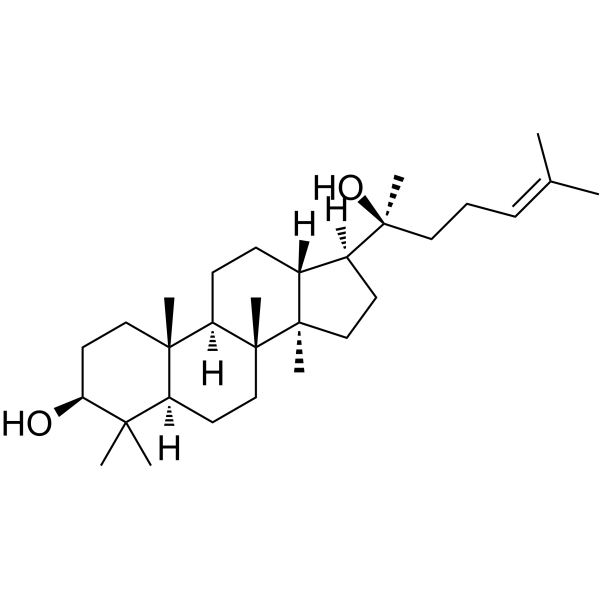 0 ImagesDammarenediol II is a ginsenoside precursor. Dammarenediol II reduces the activity of O-GlcNAc transferase (OGT) and downregulates the global O-GlcNAcylation level. Dammarenediol II inhibits the phosphorylation of Akt, mTOR and GSK3β. Dammarenediol II inhibits human carboxylesterase activity, VEGF-induced ROS production, stress fiber formation and vascular endothelial cadherin disruption. Dammarenediol II promotes cell apoptosis (apoptosis), increases the levels of cleaved PARP1 and p53, and inhibits retinal microvascular leakage. Dammarenediol II can be used in studies related to liver cancer and diabetic retinopathy.

-
HZX-02-059
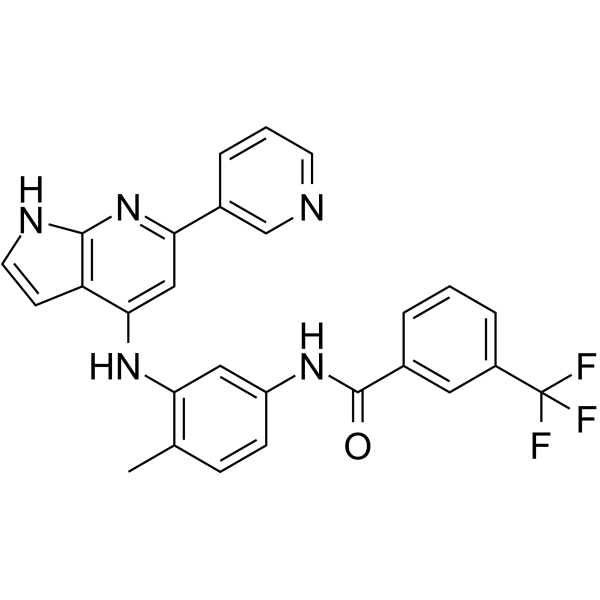 0 ImagesSynonyms: Methuosis inducer 1HZX-02-059 is an allosteric inhibitor of PIKFYVE, and a methuosis inducer. HZX-02-059 disrupts the PIKfyve/TFEB axis, suppresses tubulin polymerization, reduces phosphorylated mTOR levels, downregulates p53, PI3K/AKT, c-Myc, and NF-κB pathways. HZX-02-059 induces G2/M cell cycle arrest, apoptosis, and inhibits cancer cell proliferation. HZX-02-059 can be used for the research of lymphoma, double-hit lymphoma, and B-cell acute lymphoblastic leukemia.
-
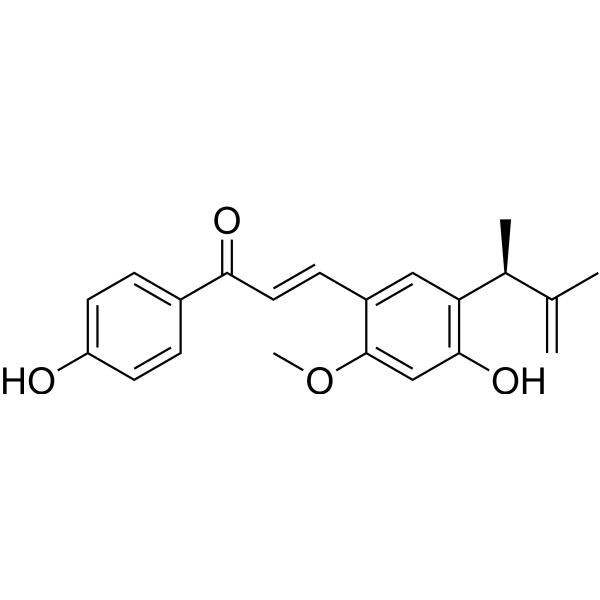
Flavokawain B
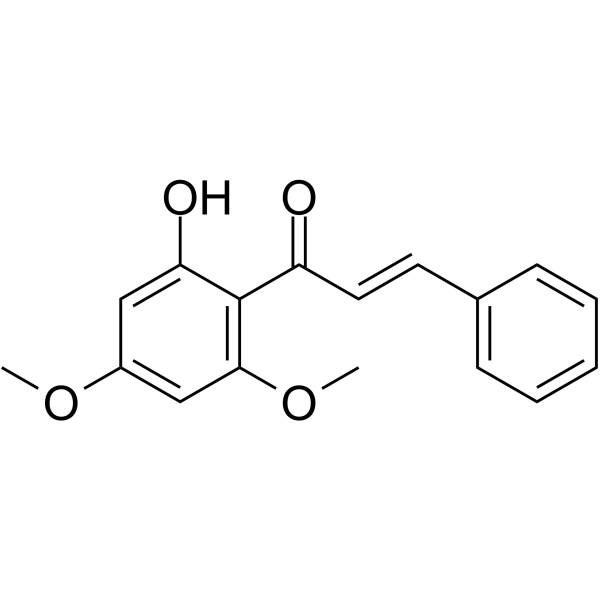 0 ImagesFlavokawain B (Flavokavain B) is an orally active chalcone. Flavokawain B results in activation of caspase-9, -3 and -8, cleavage of PARP. Flavokawain B down-regulates Bcl-2 with concomitant increase in Bax level. Flavokawain B inhibits NF-κB, PI3K/Akt and MAPK signaling pathway. Flavokawain B exhibits Apoptotic effects. Flavokawain B inhibits MMP-9 and promotes ROS generation. Flavokawain B inhibits multiple tumors and inflammation.
-
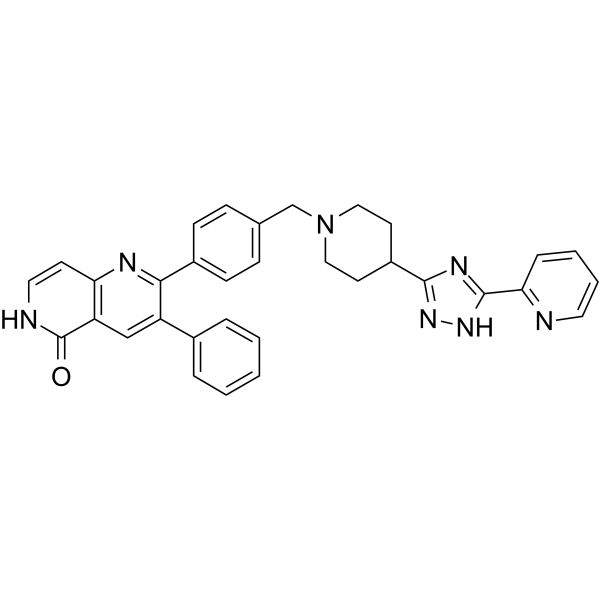
Duligotuzumab
 0 ImagesSynonyms: MEHD-7945A; RG 7597Duligotuzumab (MEHD-7945A; RG 7597) is a humanized IgG-κ monoclonal antibody targeting EGFR. Duligotuzumab blocks the binding of ligands to these two receptors, inhibits downstream HER/ErbB, AKT and MAPK signaling pathways, induces antibody-dependent cellular cytotoxicity, reduces the proliferation and migration abilities of cancer cells, promotes apoptosis, exerts radiosensitizing effects, and reverses EGFR resistance in cancer cells. Duligotuzumab can be used in tumor-related research.
-
PH14
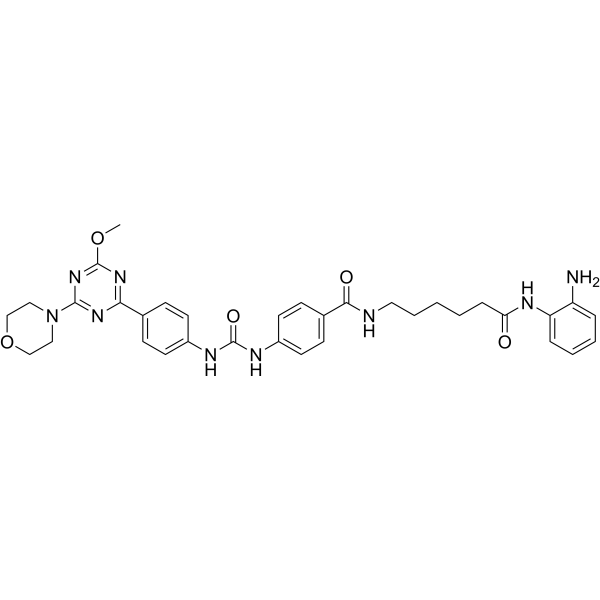 0 ImagesPH14 is a PI3Kα/HDAC3 inhibitor, with an IC50 value of 20.3 nM against PI3Kα and 24.5 nM against HDAC3. PH14 blocks the phosphorylation of AKT, inhibits the PI3K/AKT signaling pathway, increases the level of acetylated histone H3, promotes apoptosis, and exerts antiproliferative activity against tumor cells. PH14 can be used in the research of mantle cell lymphoma, myeloma, acute promyelocytic leukemia, and breast cancer.
-
Lasiokaurin
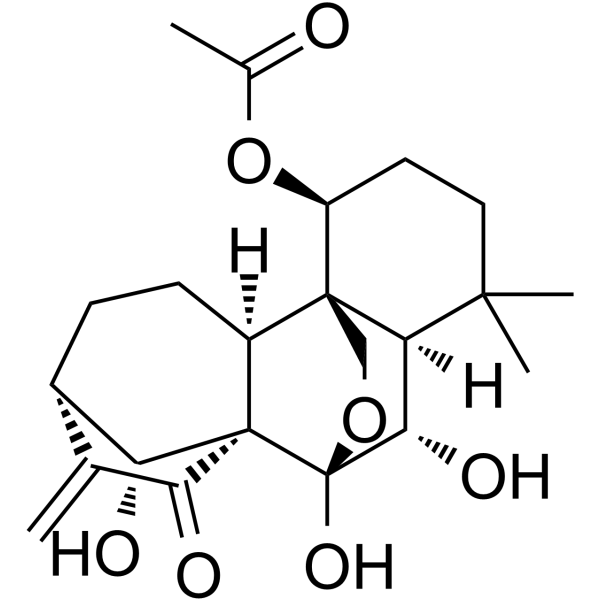 0 ImagesLasiokaurin is an anticancer agent. Lasiokaurin can be isolated from Rabdosia rubescens (Hemsl.) H. Hara. Lasiokaurin inhibits the function of the PDPK1-AKT axis, with a Kd value of 75.93 μM for PDPK1. Lasiokaurin inhibits mTOR, STAT3, MAPK and NF-κB. Lasiokaurin reduces the mRNA and protein expression levels of PLK1. Lasiokaurin decreases DNA synthesis levels, induces cell Apoptosis, and regulates Autophagy processes. Lasiokaurin inhibits tumor growth in xenograft models. Lasiokaurin can be used in research related to nasopharyngeal carcinoma, triple-negative breast cancer.
-
Avenanthramide C
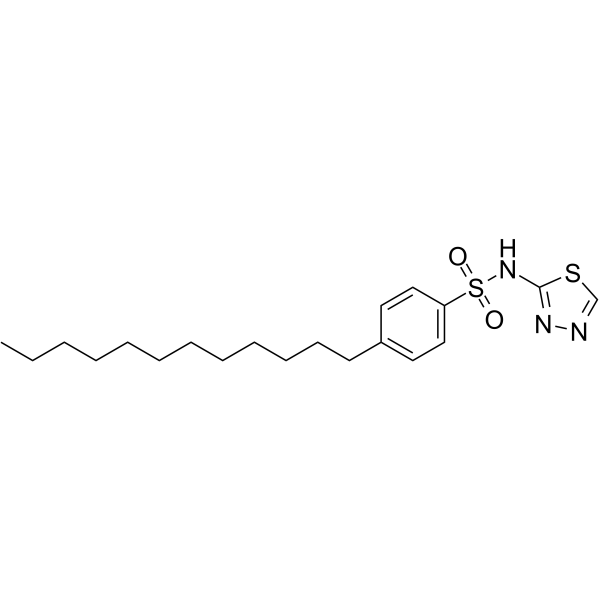
 0 ImagesAvenanthramide C is an orally active polyphenolic compound that penetrates the blood-brain barrier. Avenanthramide C is derived from oats. Avenanthramide C inhibits NF-κB nuclear translocation and inhibits the phosphorylation of PI3K, PLCγ1, Lyn, Syk, and Akt. Avenanthramide C inhibits the expression and activity of MMP-9 and inhibits MAPK phosphorylation. Avenanthramide C scavenges DPPH radicals, reduces intracellular ROS, and inhibits pro-inflammatory cytokine release and adhesion molecule expression. Avenanthramide C inhibits cell degranulation. Avenanthramide C attenuates active systemic anaphylaxis and inhibits passive cutaneous anaphylaxis. Avenanthramide C ameliorates PHZ-induced blood stasis. Avenanthramide C inhibits neuroinflammation, restores long-term potentiation, and improves recognition and spatial memory in Alzheimer's disease models. Avenanthramide C can be used for research on allergic inflammation, thrombosis, atherosclerosis, and Alzheimer's disease.
-
Astringin
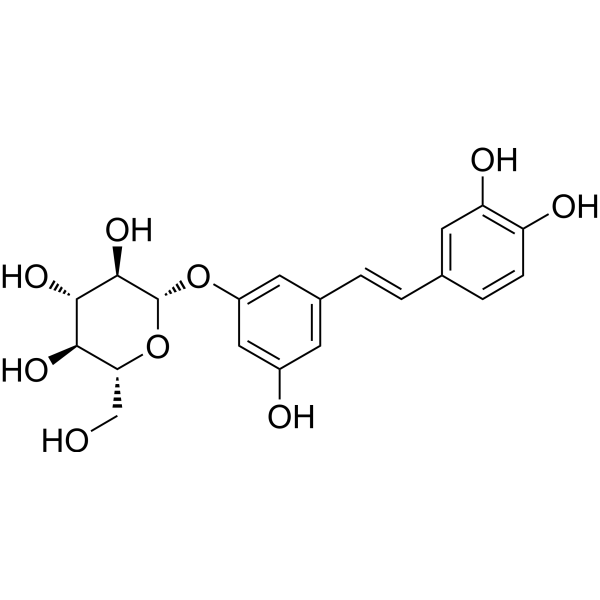 0 ImagesSynonyms: trans-AstringinAstringin (trans-Astringin) is an orally active natural phenolic stilbene glucoside. Astringin can inhibit the production of oxidative stress, inflammatory factors, etc. Astringin has multiple activities such as anti-oxidation, anti-inflammation, and anti-apoptosis. Astringin is also an inhibitor of ferroptosis. Astringin can be used in the research of diseases such as acute lung injury.
-
F16
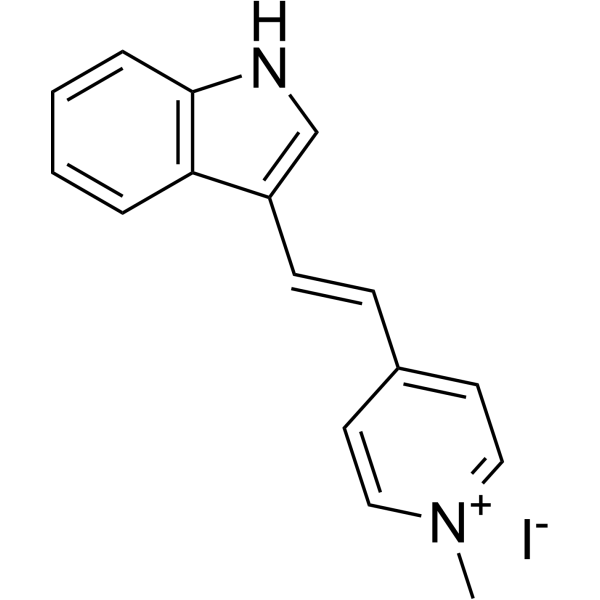 0 ImagesF16 is a mitochondrial permeability transition pore (PTP) modulator with an EC50 of 30 μM in mice. F16 promotes PTP opening, accumulates in cancer cell mitochondria, and induces mitochondrial depolarization, swelling, cristae disruption, outer membrane rupture, ATP depletion, reactive oxygen species (ROS) production, cytochrome c release and mitochondrial uncoupling. F16 induces cell cycle arrest at the G1 (occasionally G2) phase, reduces the phosphotyrosine content of Neu, as well as the levels of phosphorylated PKB/Akt and phosphorylated MAP kinase, downregulates the protein expression levels of Neu and PKB, triggers apoptosis in cells with moderate Bcl-2 expression, and induces necrosis in cells with overexpressed Bcl-2. F16 can be used in research related to breast cancer and gastric cancer.
-
UNC1062
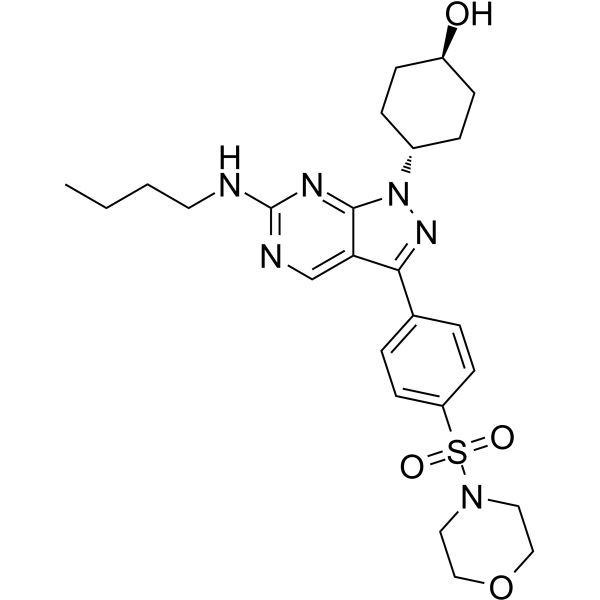 0 ImagesUNC1062 is a highly selective tyrosine kinase (MERTK) inhibitor with an IC50 of 1.1 nM (Morrison Ki = 0.33 nM). UNC1062 exhibits good selectivity for the TAM family (TYRO3 IC50 = 60 nM, AXL IC50 = 85 nM). UNC1062 exhibits significant anti-proliferative effects and induces apoptosis in various cancer models (such as melanoma, gastric cancer, and acute myeloid leukemia). UNC1062 inhibits multiple pathways, including MAPK/ERK, PI3K/AKT and JAK/STAT and affects the motility of head and neck squamous cell carcinoma (HNSCC) cells through the RhoA signaling pathway. UNC1062 inhibits macrophage efferocytosis, and it suitable for research on atherosclerosis.
-
Trimebutine
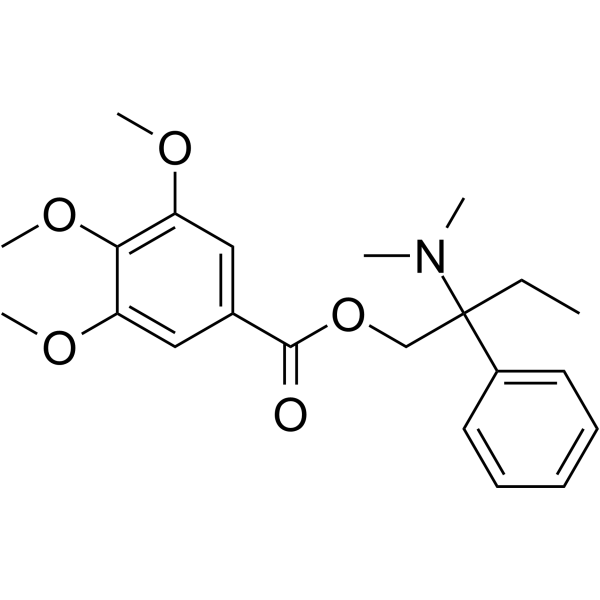 0 ImagesTrimebutine is a multi-target inhibitor and opioid receptor agonist with antimuscarinic activity. Trimebutine inhibits L-type Ca2+ channels and large-conductance calcium-activated potassium channels (BKCa channels), thereby inhibiting extracellular calcium influx and potassium ion efflux. Trimebutine also targets Toll-like receptors, inhibits Toll-like receptor 2/4/7/8/9 signals, and inhibits LPS-induced IRAK1 activation, as well as ERK1/2, JNK and NF-κB activation, thereby exerting anti-inflammatory effects. Trimebutine also induces tumor cell apoptosis by inhibiting the AKT/ERK pathway. Trimebutine also inhibits excessive contraction of smooth muscle and can be used in the study of gastrointestinal disorders such as irritable bowel syndrome (IBS).
-
Tizanidine
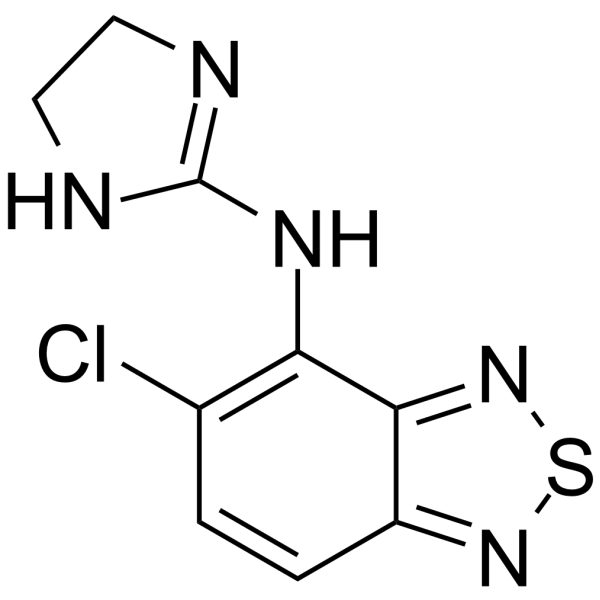 0 ImagesTizanidine, a skeletal muscle relaxant, is an orally effective central α2-adrenoceptor agonist (IC50 = 6.9 nmol). Tizanidine primarily exerts muscle relaxation effects by inhibiting the release of excitatory amino acids (glutamate and aspartate) from the presynaptic terminals of spinal cord interneurons. Tizanidine has anti-injury activity and can inhibit gastrointestinal (GI) transport. Tizanidine can inhibit the proliferation, migration, and invasion of lung cancer cells and induce cell apoptosis by upregulating Nischarin and inhibiting the AKT and Wnt3a/β-catenin signaling pathways. Tizanidine can be used to treat spasticity caused by diseases such as multiple sclerosis (MS), stroke, and spinal cord injury (SCI).
-
Lazertinib mesylate
 0 ImagesSynonyms: YH25448 mesylate; GNS-1480 mesylateLazertinib (YH25448; GNS-1480) mesylate is an orally active, blood-brain barrier permeable third-generation EGFR tyrosine kinase inhibitor, as well as an ABCB1/ABCG2 inhibitor and a TRPA1 activator. Lazertinib mesylate exhibits IC50 values of 0.4 mM and 0.2 mM against human ABCB1 and ABCG2, respectively. By inhibiting mutant EGFR signaling, EGFR phosphorylation and the downstream ERK/AKT pathway, as well as upregulating surface expression of EGFR/MET, Lazertinib mesylate induces cell cycle arrest, apoptosis, spontaneous calcium responses, hyperexcitability of dorsal root ganglion (DRG) neurons, and TRPA1-dependent pain-like behaviors. Lazertinib mesylate competitively binds to the substrate-binding sites of ABCB1/ABCG2, stimulates their ATPase activity without altering their expression or plasma membrane localization, thereby enhancing ADCC activity, acting as a chemosensitizer, and reversing ABCB1-mediated multidrug resistance. It exerts antitumor activity as a single agent or in combination with other drugs. Lazertinib mesylate is applicable to research related to non-small cell lung cancer, multidrug-resistant cancers, and paresthesia.