CDK
Cyclin dependent kinase
CDKs (Cyclin-dependent kinases) are serine-threonine kinases first discovered for their role in regulating the cell cycle. They are also involved in regulating transcription, mRNA processing, and the differentiation of nerve cells. CDKs are relatively small proteins, with molecular weights ranging from 34 to 40 kDa, and contain little more than the kinase domain. In fact, yeast cells can proliferate normally when their CDK gene has been replaced with the homologous human gene. By definition, a CDK binds a regulatory protein called a cyclin. Without cyclin, CDK has little kinase activity; only the cyclin-CDK complex is an active kinase.
There are around 20 Cyclin-dependent kinases (CDK1-20) known till date. CDK1, 4 and 5 are involved in cell cycle, and CDK 7, 8, 9 and 11 are associated with transcription.
CDK levels remain relatively constant throughout the cell cycle and most regulation is post-translational. Most knowledge of CDK structure and function is based on CDKs of S. pombe (Cdc2), S. cerevisia (CDC28), and vertebrates (CDC2 and CDK2). The four major mechanisms of CDK regulation are cyclin binding, CAK phosphorylation, regulatory inhibitory phosphorylation, and binding of CDK inhibitory subunits (CKIs).
CDK Isoform Specific Products
-
CDK
(487)
View all products
-
CDK1
(195)
View all products
-
CDK2
(314)
View all products
-
CDK3
(28)
View all products
-
CDK4
(232)
View all products
-
CDK5
(98)
View all products
-
CDK6
(178)
View all products
-
CDK7
(118)
View all products
-
CDK8
(57)
View all products
-
CDK9
(204)
View all products
-
CDK11
(9)
View all products
-
CDK12
(52)
View all products
-
CDK13
(26)
View all products
-
CDK14
(6)
View all products
-
CDK16
(8)
View all products
-
CDK19
(25)
View all products
-
CDC
(21)
View all products
-
CLK
(31)
View all products
-
Pho85
(1)
View all products
-
CDK10
(1)
View all products
-
CDK15
(1)
View all products
-
CDK17
(2)
View all products
-
CDK18
(1)
View all products
-
CDK20
(1)
View all products
-
PITSLRE
(1)
View all products
All Product Categories
-
CDK Inhibitors
(1075)
View all products
-
CDK Agonists
(3)
View all products
-
CDK Antagonists
(2)
View all products
-
CDK Activators
(18)
View all products
-
CDK Modulators
(15)
View all products
-
CDK Degraders
(94)
View all products
-
CDK Controls
(4)
View all products
-
CDK Substrate
(1)
View all products
-
CDK Ligands
(16)
View all products
-
Cyclin-Dependent Kinases (CDKs) Proteins
(80)
View all products
-
Cyclin Dependent Kinase 1 (CDK1) Proteins
(9)
View all products
-
Cyclin-Dependent Kinase 2 (CDK2) Proteins
(12)
View all products
-
Cyclin-Dependent Kinase 3 (CDK3) Proteins
(6)
View all products
-
Cyclin-Dependent Kinase 4 (CDK4) Proteins
(4)
View all products
-
Cyclin-Dependent Kinase 5 (CDK5) Proteins
(5)
View all products
-
Cyclin-Dependent Kinase 6 (CDK6) Proteins
(6)
View all products
-
Cyclin-Dependent Kinase 7 (CDK7) Proteins
(4)
View all products
-
CDK Related Products (1350)
Related Products (1350)

-
Recombinant Proteins (82)
-
Antibodies (42)
-
CDK Isoform Comparison
-
Purvalanol B
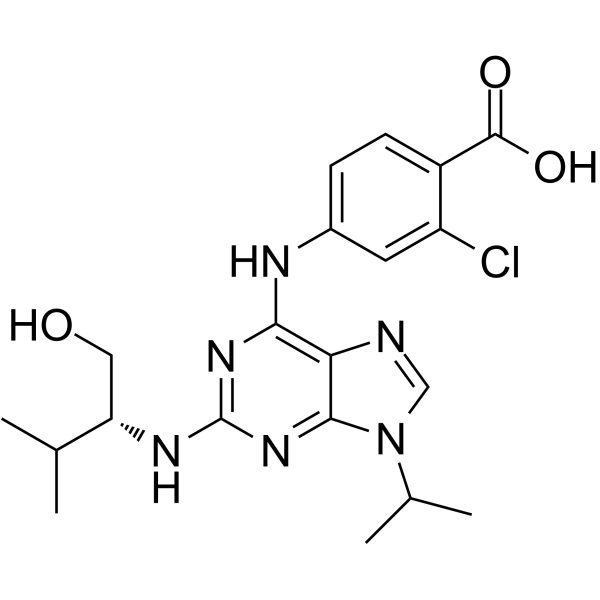 0 ImagesCat. No.: HY-18299CAS No.: 212844-54-7Synonyms: NG 95Purvalanol B (NG 95) is a potent, selective, reversible and ATP-competitive inhibitor CDK, with IC50s of 6 nM, 6 nM, 9 nM, 6 nM for cdc2-cyclin B, CDK2-cyclin A, CDK2-cyclin E and CDK5-p35, respectively. Purvalanol B shows selectivity for CDK over a range of other protein kinases (IC50>1000 nM). Purvalanol B inhibits the growth a chloroquine-resistant strain of P. falciparum.
-
DS96432529
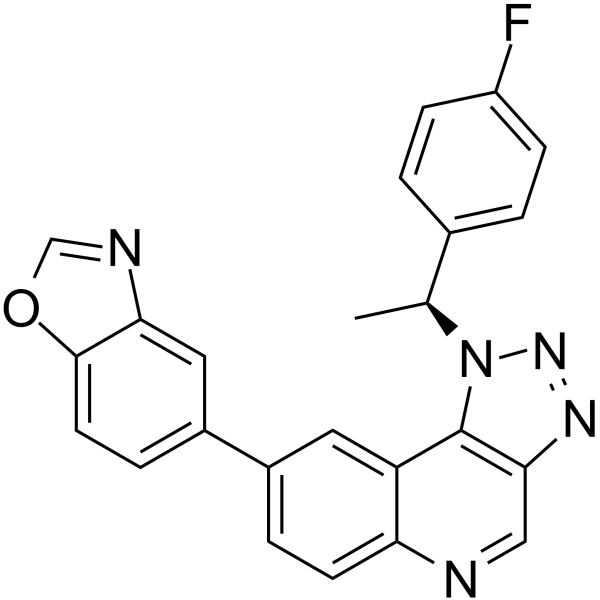
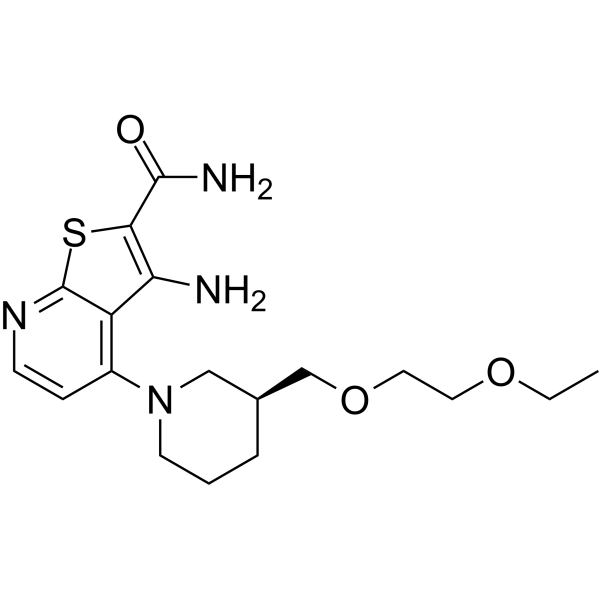 0 ImagesDS96432529 is an orally active CDK8 inhibitor with an IC50 of 33 nM. DS96432529 enhances ALPase activity, with an EC200 of 63 nM. DS96432529 inhibits TNF-α-induced activation of the RLR signaling pathway, activates mitophagy, accelerates mineralized nodule formation, and suppresses the proliferation of periodontal ligament stem cells. DS96432529 promotes bone formation, alleviates ligation-induced alveolar bone loss, and increases bone mineral density in ovariectomized animal models. DS96432529 can be used in studies related to periodontitis and osteoporosis.
-
Flavone
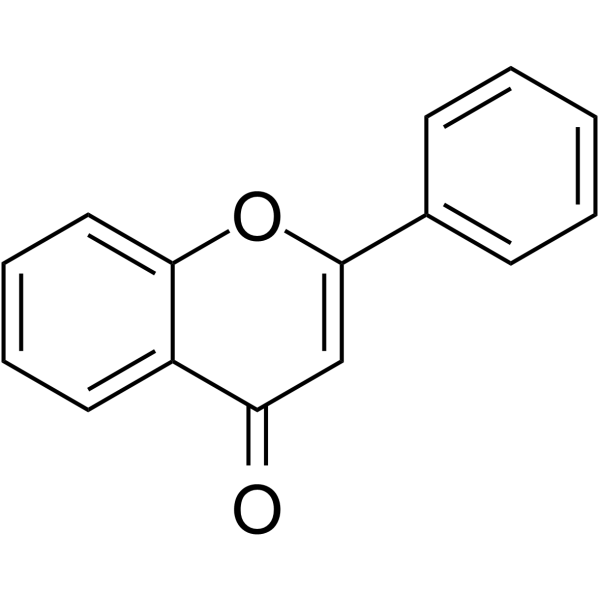 0 ImagesFlavone is an anti-tumor compound that targets cell cycle regulatory proteins (such as cyclin B1) and apoptosis-related factors (such as p21waf1, PIG3). Flavone selectively induces mitochondrial-mediated apoptosis pathways in tumor cells, inhibits cyclin B1 protein expression, upregulates p21waf1, and activates p63/p73 proteins. Flavone has immunomodulatory functions that enhance natural killer cell (NK cell) activity and lymphocyte proliferation. Flavone is used in cancer research, especially for its inhibitory potential in solid tumor models such as esophageal cancer and liver cancer.
-
Abemaciclib metabolite M18 hydrochloride
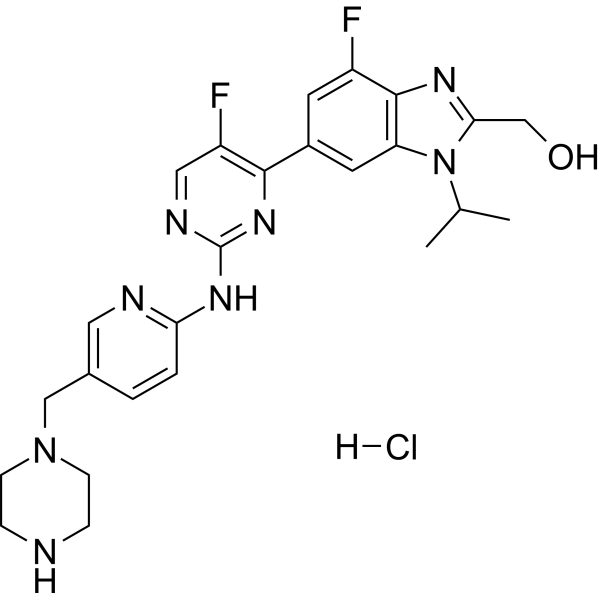 0 ImagesSynonyms: LSN3106729 hydrochlorideAbemaciclib metabolite M18 (LSN3106729) hydrochloride, the metabolite of Abemaciclib (HY-16297A), is a CDK inhibitor with antitumor activity. Abemaciclib metabolite M18 hydrochloride and a CRBN ligand have been used to design PROTAC CDK4/6 degrader.
-
CLK1-IN-2
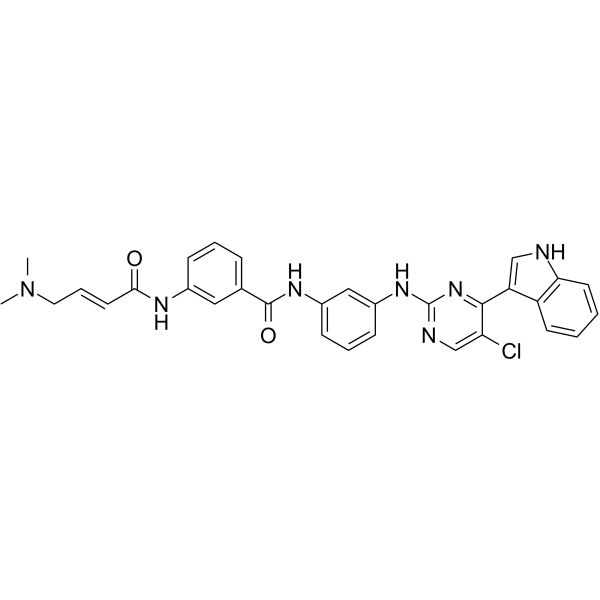
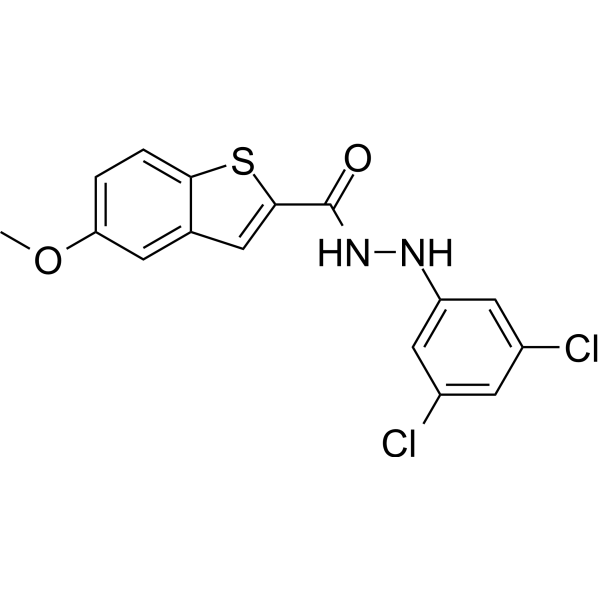 0 ImagesCLK1-IN-2 is metabolically stable Clk1 inhibitor. CLK1-IN-2 has selectivity for Clk1 with an IC50 value of 1.7 nM. CLK1-IN-2 can be used for the research of tumour, Duchenne's muscular dystrophy and viral infections such as HIV-1 and influenza.
-
Leucettine L41
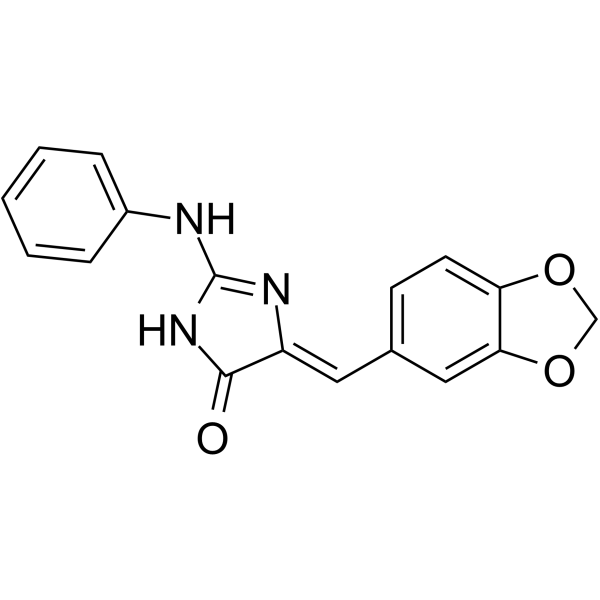 0 ImagesLeucettine L41 is a potent inhibitor of dual-specificity tyrosine phosphorylation-regulated kinases (DYRKs) and CDC-like kinases (CLKs). Leucettine L41 can also inhibit GSK-3 singnaling. Leucettine L41 can inhibit cell apoptosis and ROS production. Leucettine L41 can promote β-cell cell cycle progression, cell proliferation and increase insulin secretion. Leucettine L41 can be used for the researches of neurological disease and metabolic disease, such as Alzheimer’s disease (AD) and diabetes.
-
MAPK-IN-2
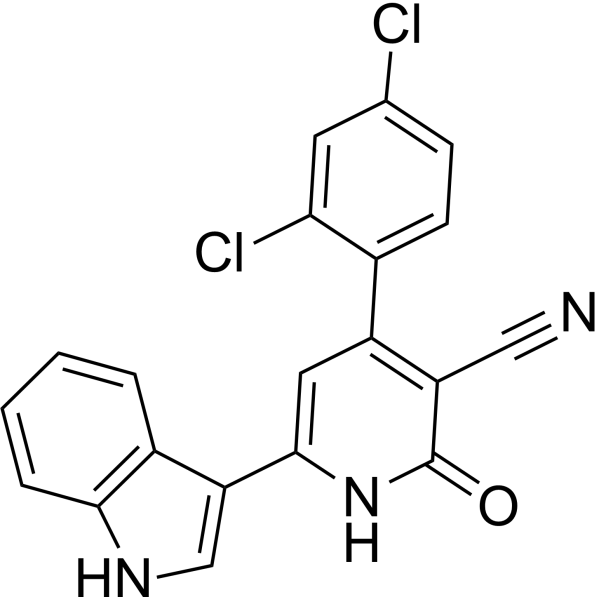 0 ImagesMAPK-IN-2 (compound 3h) is a potent MAPK inhibitor with antineoplastic activity. MAPK-IN-2 inhibits cancer cell proliferation among serval cancer cell lines, and suppresses MAPK pathway with potant efficacy (EGFRWT IC50=281 nM, c-MET IC50=205 nM, B-RAFWT IC50=112 nM, and CDK4/6 IC50=95 and 184 nM, respectively). MAPK-IN-2 even shows a remarkable potency against mutated EGFR and B-RAF (EGFRT790M IC50=69 nM and B-RAFV600E IC50=83 nM).
-
CDK12-IN-2
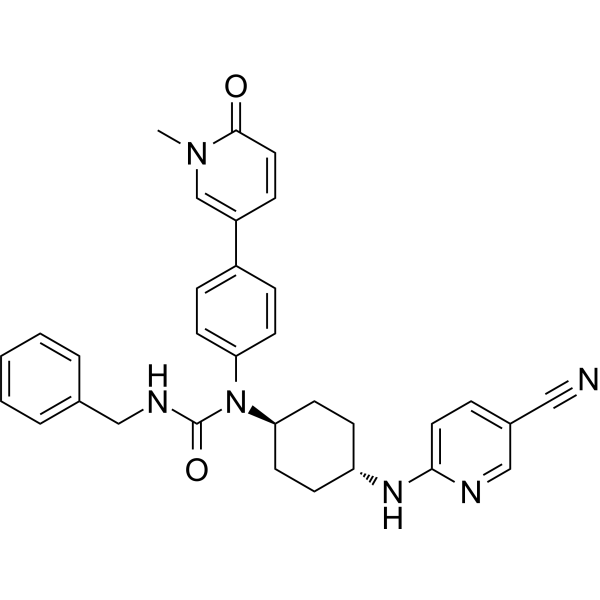 0 ImagesCDK12-IN-2 is a potent, selective and nanomolar CDK12 inhibitor (IC50=52 nM) with good physicochemical properties. CDK12-IN-2 is also a strong CDK13 inhibitor due to CDK13 is the closest homologue of CDK12. CDK12-IN-2 shows excellent kinase selectivity for CDK12 over CDK2, 9, 8, and 7. CDK12-IN-2 inhibits the phosphorylation of Ser2 in the C-terminal domain of RNA polymerase II. CDK12-IN-2 can be used an excellent chemical probe for functional studies of CDK12.
-
FN-1501
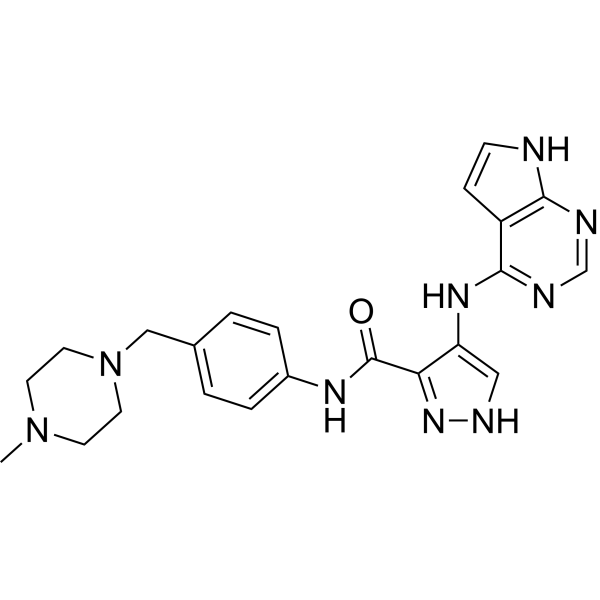 0 ImagesSynonyms: LT-171-861FN-1501 is a potent inhibitor of FLT3 and CDK, with IC50s of 2.47, 0.85, 1.96, and 0.28 nM for CDK2/cyclin A, CDK4/cyclin D1, CDK6/cyclin D1 and FLT3, respectively. FN-1501 has anticancer activity.
-
Lerociclib dihydrochloride
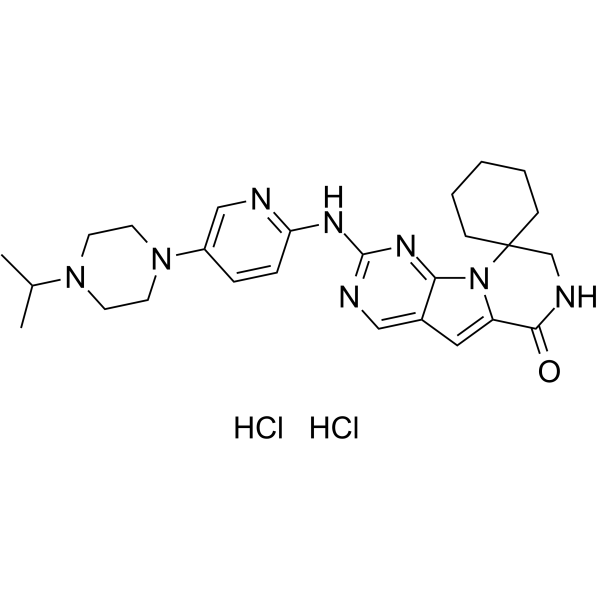 0 ImagesSynonyms: G1T38 dihydrochloride
-
KH-CB19
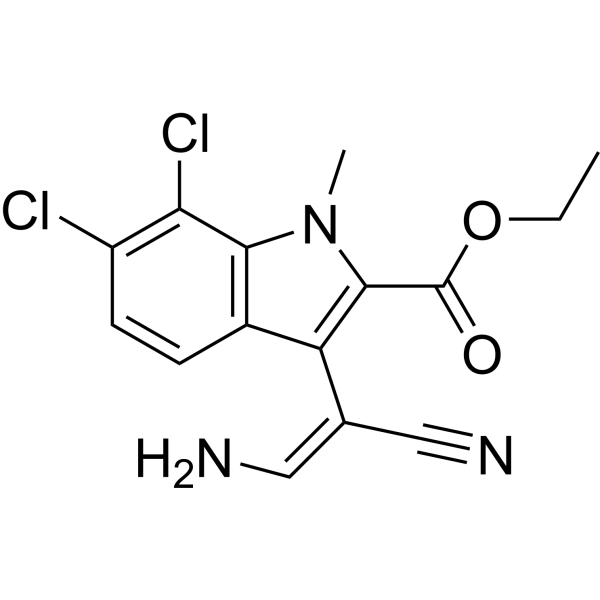 0 ImagesKH-CB19 is a potent CLK (cdc2-like kinase) inhibitor (CLK1 IC50=19.7 nM; CLK3 IC50=530 nM). KH-CB19 shows antiviral activity and inhibits influenza virus replication (IC50=13.6?μM).
-
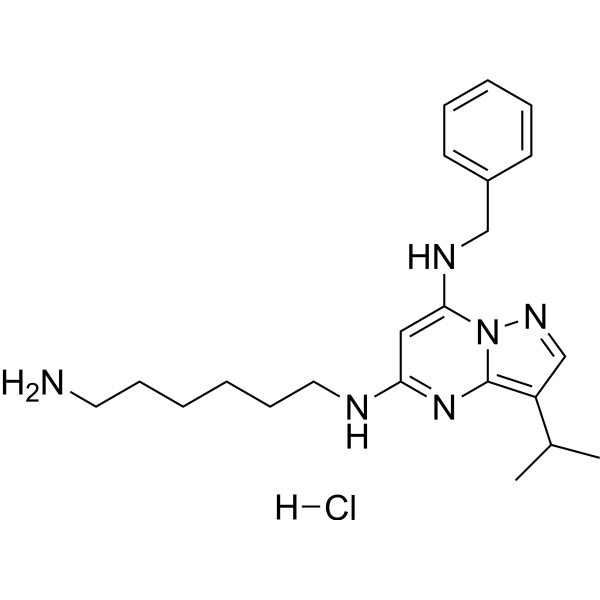
GW8510
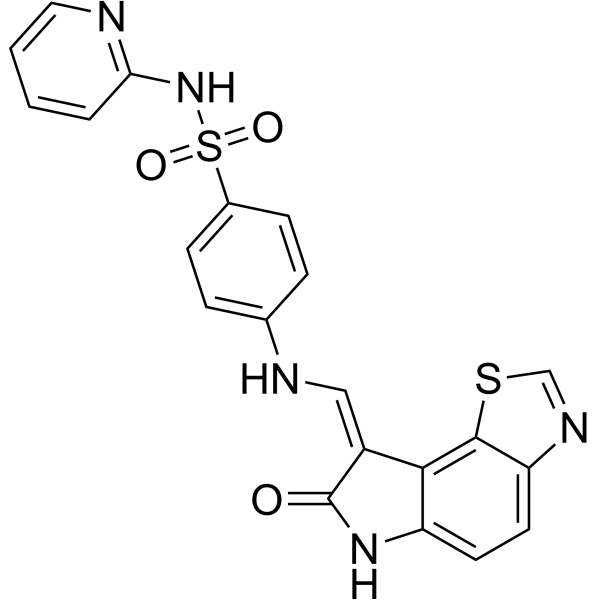 0 ImagesGW8510 is a potent cyclin-dependent kinase-2 (CDK2) inhibitor. GW8510 is also a ribonucleotide reductase M2 (RRM2) inhibitor. GW8510 exhibits neuroprotective and anticancer activities.

-
CKI-7 free base
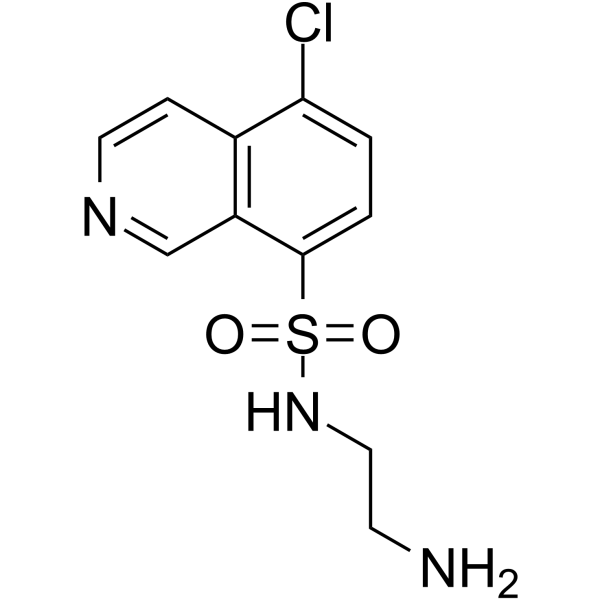 0 ImagesCKI-7 free base is a potent and ATP-competitive casein kinase 1 (CK1) inhibitor with an IC50 of 6 μM and a Ki of 8.5 μM. CKI-7 free base is a selective Cdc7 kinase inhibitor. CKI-7 free base also inhibits SGK, ribosomal S6 kinase-1 (S6K1) and mitogen- and stress-activated protein kinase-1 (MSK1). CKI-7 free base has a much weaker effect on casein kinase II and other protein kinases.
-
Icariside I
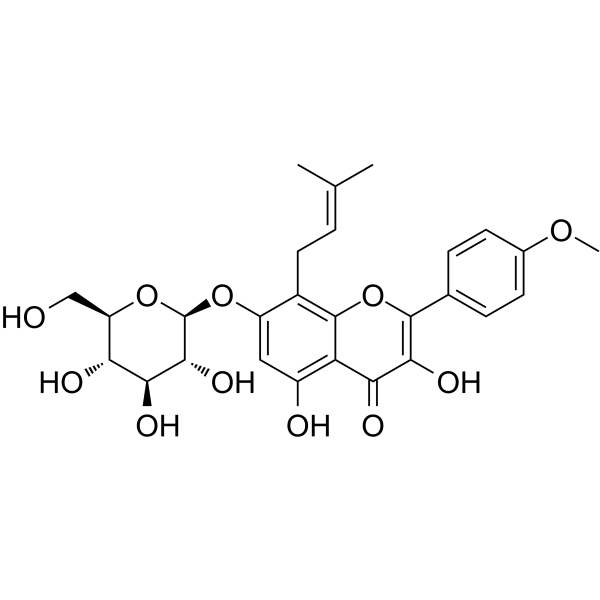 0 ImagesSynonyms: Icarisid IIcariside I (GH01) is an orally active metabolite of icalin. Icariside I improves estrogen deficiency-induced osteoporosis by simultaneously regulating osteoblast and osteoclast differentiation. Icariside I promotes ATP (HY-B2176) or Nigericin (HY-127019)-induced mtROS production and NLRP3 inflammasome activation and causes idiosyncratic hepatotoxicity. Icariside I does not alter the activation of NLRC4 and AIM2 inflammasomes. Icariside I inhibits breast cancer proliferation, apoptosis, invasion, and metastasis by targeting the IL-6/STAT3 pathway. Icariside I is a kynurenine-AhR pathway inhibitor that alleviates cancer by blocking tumor immune escape.