



IL-8
IL-8/CXCL8 is a CXC chemokine produced during inflammation that activates neutrophils, inducing chemotaxis, exocytosis, respiratory burst, and neutrophil accumulation in vivo[1]. Mechanistically, IL-8 acts through CXCR1/CXCR2 to control target-cell adhesion, migration, and function, while downstream signaling supports actin remodeling, calcium mobilization, granule exocytosis, and respiratory burst[2]. In inflammatory and cancer contexts, the CXCL8-CXCR1/2 axis participates in inflammatory mediator trafficking, tumor progression, metastasis, and diseases including COPD, asthma, cystic fibrosis, and cancer[3]. Compared with related ELR+ CXC chemokines, IL-8 is distinguished by dual activation of CXCR1 and CXCR2, whereas CXCR2 also recognizes CXCL1, CXCL2, CXCL3, CXCL5, CXCL6, and CXCL7[4]. CXCL8 monomers and dimers differentially regulate CXCR1 and CXCR2, supporting receptor-selective experimental designs for neutrophil recruitment and cytotoxic activity studies[4]. For experimental applications, noncompetitive allosteric CXCR1/CXCR2 inhibitors block inflammatory CXCL8 receptor signaling, and CXCL8-derived antagonists can reduce neutrophil infiltration in inflammatory models[5][6].
References:
- [1]. Baggiolini M, et al. Interleukin-8, a chemotactic and inflammatory cytokine. FEBS Lett. 1992 Jul 27;307(1):97-101. [Content Brief]
- [2]. Matsushima K, et al. Interleukin-8: An evolving chemokine. Cytokine. 2022 May;153:155828. [Content Brief]
- [3]. Ha H, et al. Role of the CXCL8-CXCR1/2 Axis in Cancer and Inflammatory Diseases. Theranostics. 2017 Apr 7;7(6):1543-1588. [Content Brief]
- [4]. Nasser MW, et al. Differential activation and regulation of CXCR1 and CXCR2 by CXCL8 monomer and dimer. J Immunol. 2009 Sep 1;183(5):3425-32. [Content Brief]
- [5]. Bertini R, et al. Noncompetitive allosteric inhibitors of the inflammatory chemokine receptors CXCR1 and CXCR2: prevention of reperfusion injury. Proc Natl Acad Sci U S A. 2004 Aug 10;101(32):11791-6. [Content Brief]
- [6]. Gordon JR, et al. The combined CXCR1/CXCR2 antagonist CXCL8(3-74)K11R/G31P blocks neutrophil infiltration, pyrexia, and pulmonary vascular pathology in endotoxemic animals. J Leukoc Biol. 2005 Dec;78(6):1265-72. [Content Brief]
-
IL-8 Related Products (103)
Related Products (103)

-
Recombinant Proteins (16)
-
7,8-Dimethoxycoumarin
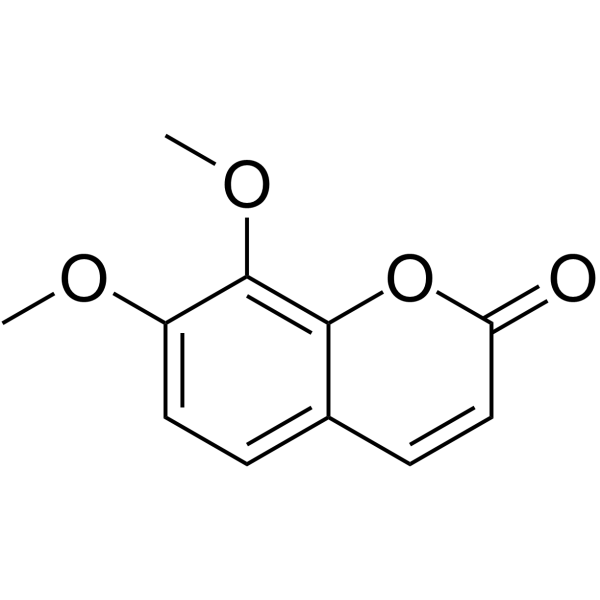 0 Images7,8-Dimethoxycoumarin is a coumarin compound derived from Artemisia caruifolia with oral activity. 7,8-Dimethoxycoumarin inhibits mitochondrial permeability transition pore and H+/K+-ATPase, and exhibits antioxidant, anti-inflammatory, renoprotective, neuroprotective and gastroprotective effects. 7,8-Dimethoxycoumarin reduces lipid peroxidation (TBARS), increases GSH levels, inhibits myeloperoxidase (MPO) activity, and regulates the expression of inflammatory factors by inhibiting the NF‑κB and MAPK pathways. 7,8-Dimethoxycoumarin ameliorates gastric mucosal injury, alleviates renal tissue lesions and relieves neuropathic pain. 7,8-Dimethoxycoumarin can be used in studies related to acute renal failure, trigeminal neuralgia and gastritis.
-
4'-Acetoxy resveratrol
 0 Images4'-Acetoxy resveratrol is a Resveratrol (HY-16561) derivative. 4'-Acetoxy resveratrol upregulates gene expression of elastin, collagen types III and IV, superoxide dismutase (SOD), and catalase (CAT), while downregulating interleukins (IL-1A, IL-1R2, IL-6, IL-8) and cyclooxygenase-2 (COX-2) in human skin models. 4'-Acetoxy resveratrol can be used for skin reasearch.
-
Elubrixin
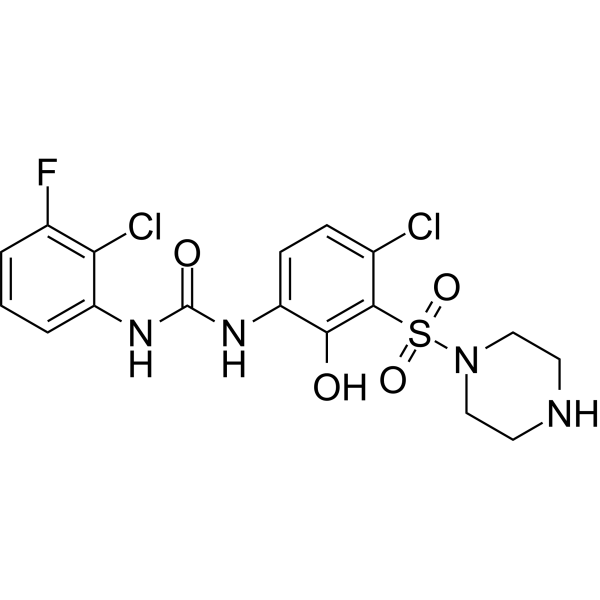 0 ImagesCat. No.: HY-18263ACAS No.: 688763-64-6Synonyms: SB-656933Elubrixin (SB-656933) is a potent, selective, competitive, reversible and orally active CXCR2 antagonist and an IL-8 receptor antagonist. Elubrixin inhibits neutrophil CD11b upregulation (IC50 of 260.7 nM) and shape change (IC50 of 310.5 nM). Elubrixin has the potential for inflammatory diseases research, such as inflammatory bowel disease and airway inflammation.
-
Girolline
 0 ImagesCat. No.: HY-106801CAS No.: 110883-46-0Synonyms: RP 49532Girolline (RP 49532) is a protein synthesis inhibitor and a functional modulator of eIF5A. Girolline induces ribosome stalling by interfering with the binding of eIF5A to ribosomes. Girolline also inhibits the production of IL-6 and IL-8, and induces cell cycle arrest in tumor cells. Girolline is applicable to research related to inflammatory diseases, solid tumors, leukemia and malaria.
-
Lipoxin A4-d5
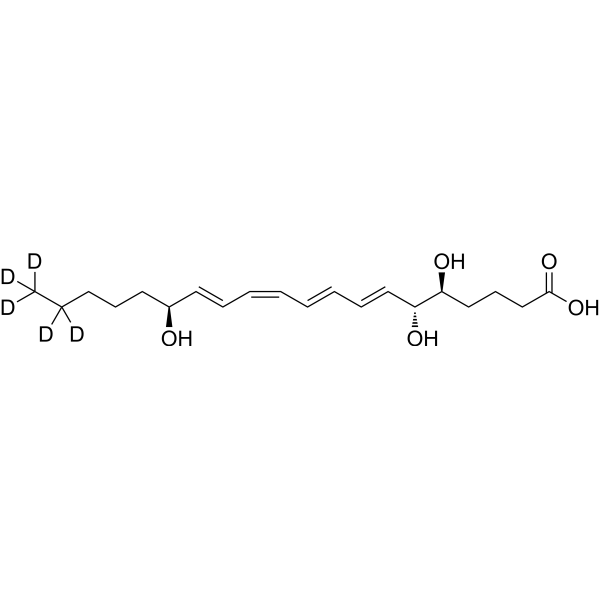 0 ImagesCat. No.: HY-113509SCAS No.: 1622429-53-1Synonyms: LXA4-d5Lipoxin A4-d5 is the deuterium labeled Lipoxin A4. Lipoxin A4 (LXA4), an endogenous lipoxygenase-derived eicosanoid mediator, has potent dual pro-resolving and anti-inflammatory properties. Lipoxin A4 inhibits proliferation and inflammatory cytokine/chemokine production of human epidermal keratinocytes (NHEKs) associated with the ERK1/2 and NF-kB pathways. Lipoxin A4 inhibits serum amyloid A (SAA)-mediated IL-8 release with an IC50 value of 25.74 nM.
-
Phoxim
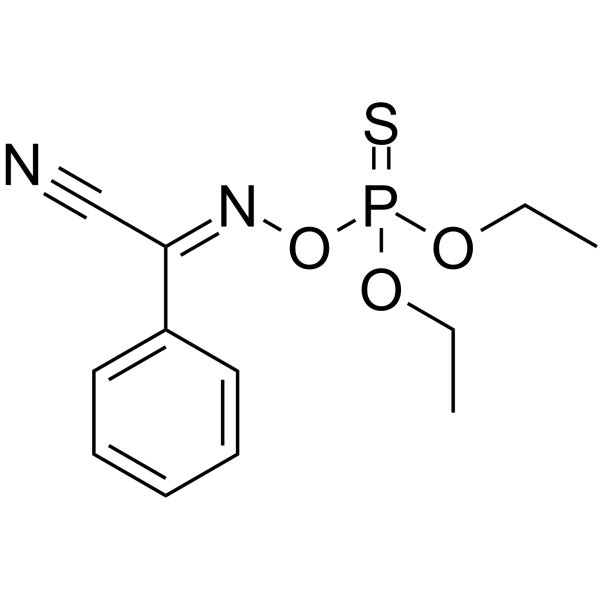 0 ImagesCat. No.: HY-B0819CAS No.: 14816-18-3Phoxim is an organophosphorus pesticide and an orally active inhibitor of cholinesterase and CYP3A, which induces neurotoxicity in Caenorhabditis elegans and causes nephrotoxicity characterized by glomerular atrophy and interstitial fibrosis. Phoxim induces inhibition of the autophagy pathway. Phoxim induces dopaminergic neuron degeneration and exacerbates Aβ-induced paralysis. Phoxim damages enterocytes and disrupts intestinal barrier integrity. Phoxim induces ROS accumulation. Phoxim induces mitochondrial apoptosis, involving upregulation of Bad, Bax, caspase-3, and caspase-9 and downregulation of Bcl-2. Phoxim inhibits mitochondrial functional enzymes (COX, Ca2+-Mg2+-ATPase, SDH). Phoxim upregulates Nrf2 mRNA expression in the jejunal mucosa. Phoxim increases TNF-α and decreases IL-6 and IL-8 in the intestinal mucosa. Phoxim alters gut microbial composition by increasing total bacteria and Escherichia coli and reducing Lactobacillus. Phoxim enhances energy metabolism in silver carp by upregulating key glycolytic and gluconeogenic enzymes. Phoxim is used in research on neurodegenerative diseases, nephrotoxicity, intestinal oxidative stress and barrier dysfunction, and bacterial sepsis.
-
1Z105
 0 Images1Z105 is an orally active TLR4/MD2 agonist, immunostimulant and vaccine adjuvant. 1Z105 activates NF-κB via the MyD88/TRIF pathway in a CD14-independent manner, with EC50 values of 0.63 µM and 0.77 µM for inducing IL-6 and IL-12 in mBMDCs, respectively. 1Z105 promotes dendritic cell maturation, antigen uptake and cross-presentation; when used alone, it induces Th2-IgG1, while combined with the TLR7 agonist 1V270, it synergistically induces balanced Th1/Th2 responses and provides low-reactogenic protection against homologous, heterologous and heterosubtypic influenza. 1Z105 prevents LPS (HY-D1056A1)- and galactosamine-induced liver injury as well as autoantibody-driven arthritis in mice. 1Z105 can be used in studies related to influenza virus infection, inflammation, and LPS/galactosamine-induced liver injury.
-
Sphingomab
 0 ImagesCat. No.: HY-P992151Synonyms: LT1002Sphingomab (LT1002) is a mouse-derived IgG1 κ monoclonal antibody and also an inhibitor targeting S1P, with high affinity for S1P and a Kd value of 0.03 ± 0.002 nM. Sphingomab blocks S1P-mediated IL-8 release in ovarian cancer cells. Sphingomab exhibits anti-angiogenic activity in a mouse model of choroidal neovascularization. Sphingomab reduces peripheral blood lymphocyte counts. Sphingomab can be used in the research of ovarian cancer and age-related macular degeneration.
-
Methotrexate-d3 diammonium
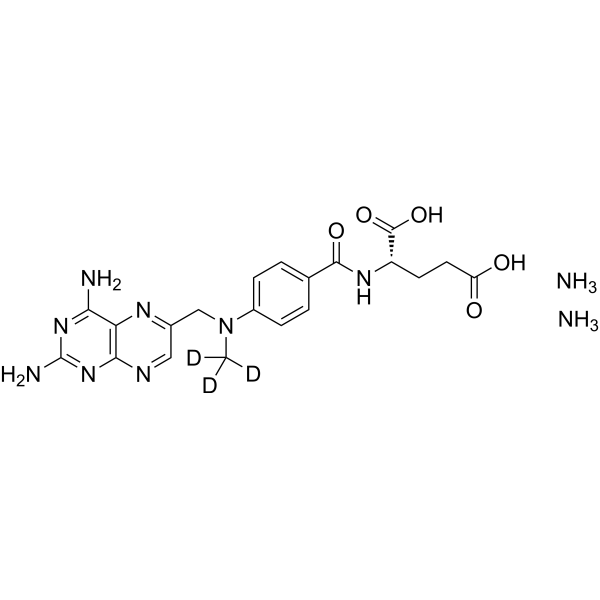 0 ImagesCat. No.: HY-14519S1Purity: 99.69%Methotrexate-d3 diammonium is the deuterated-labeled Methotrexate (HY-14519). Methotrexate (Amethopterin; CL14377; WR19039) is an orally active antifolate (Antifolate). Methotrexate inhibits dihydrofolate reductase (DHFR), blocks tetrahydrofolate production, suppresses purine/pyrimidine synthesis and transmethylation, and causes intracellular accumulation of AICAR. Methotrexate promotes extracellular adenosine release, regulates the cytokine network, and inhibits the alarmin function of HMGB1. Methotrexate induces apoptosis and cytotoxicity, upregulates the expression of iNOS and COX-2, suppresses hippocampal neurogenesis, and induces pulmonary fibrosis. Methotrexate is used in the research of various immune and inflammation-related diseases such as arthritis, psoriasis, systemic lupus erythematosus, as well as pulmonary fibrosis and breast cancer.
-
Gaultherin
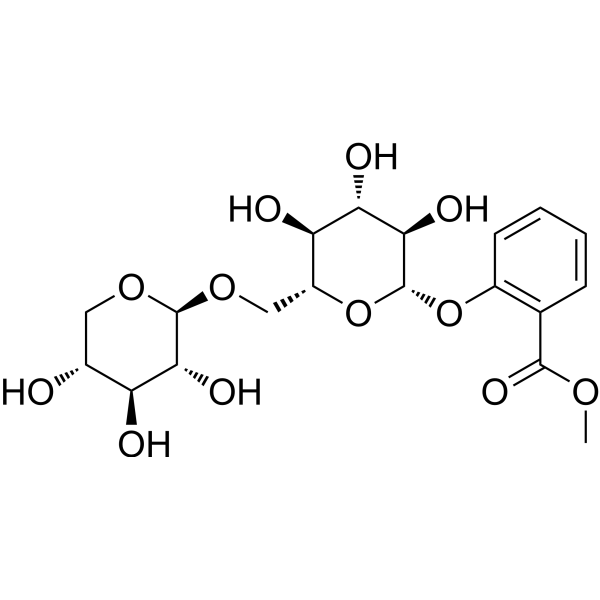 0 ImagesGaultherin is an orally active non-steroidal anti-inflammatory agent. Gaultherin selectively inhibits NF-κB, MAPK, COX-2 (IC50 = 0.35 mg/mL), LOX (IC50 = 0.56 mg/mL) and HYAL (IC50 = 28.58 μg/mL) to exert anti-inflammatory, antipyretic and analgesic effects. Gaultherin exhibits modest direct antioxidant capacity, greater in cell-based models. Gaultherin does not affect COX-1 so that avoids the common gastrointestinal side effects of Aspirin (HY-14654).
-
3-Acetyldeoxynivalenol
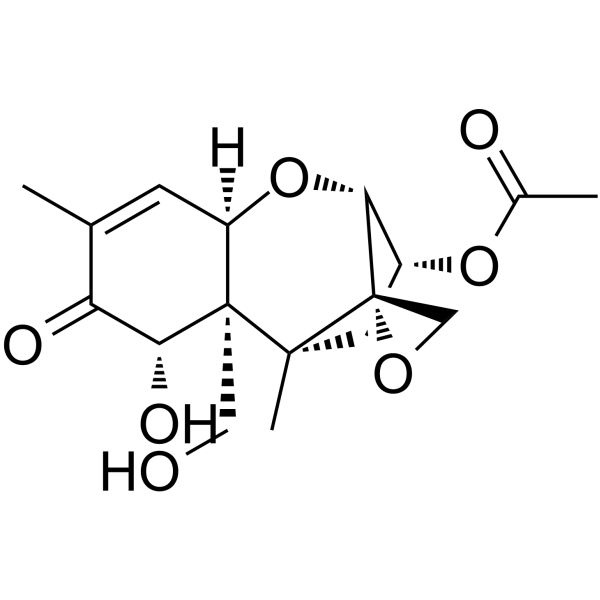 0 ImagesSynonyms: 3-AcDON; 3-ADON
-
6-Methoxymellein
 0 Images6-Methoxymellein, a phytoalexin, is a NF-κB inhibitor. 6-Methoxymellein reduces nuclear localization and DNA binding activity of NF-κB p65 and p50 subunits. 6-Methoxymellein decreases mRNA transcription and secretion of IL-6 and IL-8. 6-Methoxymellein reduces the proportion of CD44+/CD24− breast cancer cells, decreases expression of c-Myc, Sox-2 and Oct4, inhibits proliferation and migration of breast cancer cells, and reduces mammosphere growth. 6-Methoxymellein inhibits fungal growth of Trichophyton rubrum and Botrytis cinerea, and inhibits Trichophyton rubrum biofilm formation via hyphal disintegration. 6-Methoxymellein can be used for the research of breast cancer, tinea corporis, and carrot post-harvest storage rot.
-
3-Acetyldeoxynivalenol-13C17
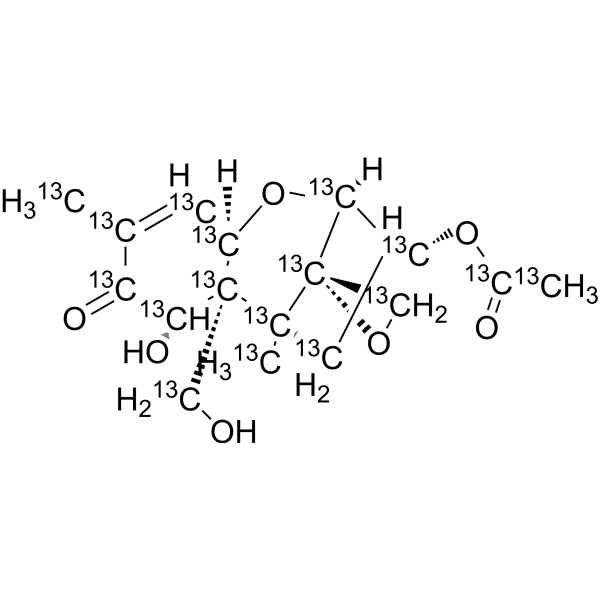 0 ImagesSynonyms: 3-AcDON-13C17; 3-ADON-13C173-Acetyldeoxynivalenol (3-AcDON; 3ADON)-13C17 is the 13C labeled 3-Acetyldeoxynivalenol (HY-N6685). 3-Acetyldeoxynivalenol, a trichothecene mycotoxin deoxynivalenol (DON) acetylated derivative, is a brain-penetrant Fusarium mycotoxin. 3-Acetyldeoxynivalenol induces mRNA expression and production of inflammatory chemokine IL-8 in intestinal cells.
-
HB-0043
 0 ImagesCat. No.: HY-P992521HB-0043 is a IL-17A and IL-36R antagonist. HB-0043 blocks IL-17A- and IL-36R-mediated signaling pathways, inhibits the production of inflammatory cytokines, and reduces the secretion of pro-inflammatory cytokines IL-6 and IL-8. HB-0043 alleviates skin thickening and inflammatory responses in oxazolone-induced and Imiquimod (HY-B0180)-induced skin reaction mouse models. HB-0043 is applicable for the research of atopic dermatitis and psoriasis.
-
Methotrexate monohydrate
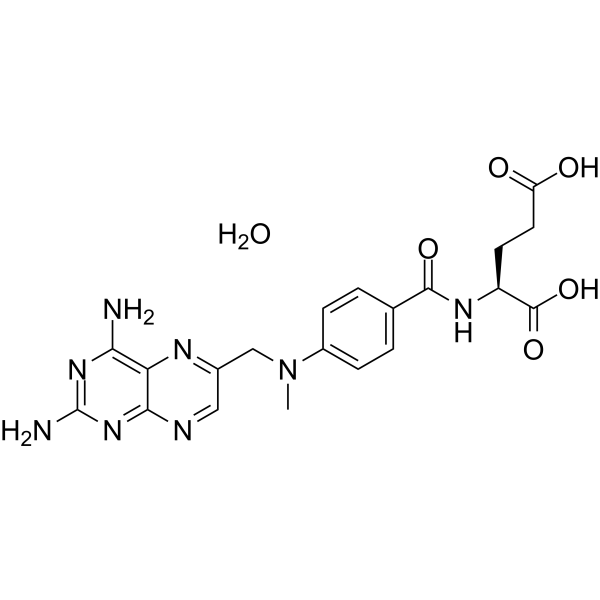 0 ImagesSynonyms: Amethopterin monohydrate; CL14377 monohydrate; WR19039 monohydrateMethotrexate monohydrate (Amethopterin monohydrate; CL14377 monohydrate; WR19039 monohydrate) is an orally active antifolate (Antifolate). Methotrexate monohydrate inhibits dihydrofolate reductase (DHFR), blocks tetrahydrofolate production, suppresses purine/pyrimidine synthesis and transmethylation, and causes intracellular accumulation of AICAR. Methotrexate monohydrate promotes extracellular adenosine release, regulates the cytokine network, and inhibits the alarmin function of HMGB1. Methotrexate monohydrate induces apoptosis and cytotoxicity, upregulates the expression of iNOS and COX-2, suppresses hippocampal neurogenesis, and induces pulmonary fibrosis. Methotrexate monohydrate is used in the research of various immune and inflammation-related diseases such as arthritis, psoriasis, systemic lupus erythematosus, as well as pulmonary fibrosis and breast cancer.
-
Epinastine hydrochloride (Standard)
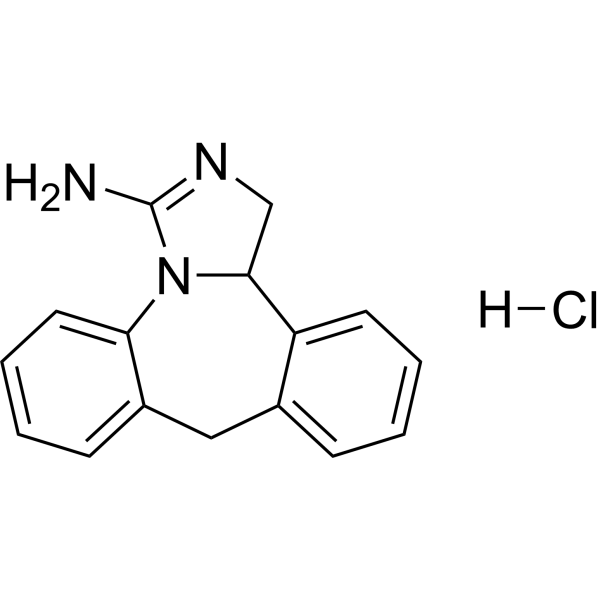 0 ImagesSynonyms: WAL801 hydrochloride (Standard)Epinastine (hydrochloride) (Standard) is the analytical standard of Epinastine hydrochloride (HY-B0640A). This product is intended for research and analytical applications. Epinastine hydrochloride (WAL801 hydrochloride) is a selective and orally active histamine H1 receptor antagonist, CD96/PVR inhibitor and mast cell stabilizer. Epinastine hydrochloride has high affinity for neuronal octopamine receptors in locusts (Ki = 2 nM) and honeybees (Ki = 1.1 nM). Epinastine hydrochloride inhibits TARC, IL-8, and IL-4. Epinastine hydrochloride activates anti-colon cancer immunity and inhibits Substance P (HY-P0201)-induced scratching behavior and increased vascular permeability. Epinastine hydrochloride can be used in the research of allergic diseases.
-
HB-107
 0 ImagesCat. No.: HY-P10692CAS No.: 135154-02-8HB-107 is a peptide with wound healing properties. HB-107 promotes the proliferation of keratinocytes and increased leukocyte infiltration at the wound site, and it also stimulates cultured endothelial cells to secrete interleukin 8 (IL-8). HB-107 holds potential for research in the fields of wound healing and inflammation.
-
AHR agonist 10
 0 ImagesCat. No.: HY-178053CAS No.: 1191937-43-5AHR agonist 10 is a potent AHR agonist (EC50 = 2.01 nM). AHR agonist 10 can elevate the transcript levels of key AHR downstream pathway target genes, including CYP1A1 and CYP1B1. AHR agonist 10 can downregulate the expression levels of CD36, IL-18 and shows low cytotoxicity (>40 μM) to normal cells. AHR agonist 10 can suppress the expression of CCL5, CCL20, IL-6, IL-8, S100A9, TLR4, TNF-α, and TNFR1, demonstrating that AHR agonist 10 effectively modulate inflammatory responses through AHR dependent signaling pathways. AHR agonist 10 can be used for psoriasis research.
-
(6R,7R)-Epoxy-1-oleanen-3-ol
 0 ImagesCat. No.: HY-N17395CAS No.: 1609645-89-7(6R,7R)-Epoxy-1-oleanen-3-ol is a triterpenoid that can be found in Boswellia ovalifoliolata, exhibiting anti-inflammatory activity. (6R,7R)-Epoxy-1-oleanen-3-ol inhibits TNF-α, IL-6, IL-8, and NO production in LPS (HY-D1056)-activated murine neutrophils. (6R,7R)-Epoxy-1-oleanen-3-ol can be used for the research on inflammatory conditions.
-
AM9928
 0 ImagesCat. No.: HY-182639CAS No.: 1869033-49-7AM9928 is a monoacylglycerol lipase (MAGL) inhibitor with IC50 and Ki values of 8.9 nM and 7.3 nM, respectively. AM9928 blocks the adhesion and migration of triple-negative breast cancer (TNBC) cells, and inhibits the secretion of IL-6, IL-8 and VEGF-A by TNBC cells. AM9928 suppresses the activation of human brain microvascular endothelial cells (HBMECs) induced by TNBC-derived exosomes, and reduces the secretion of IL-8 and VEGF-A by HBMECs. AM9928 attenuates changes in blood-brain barrier permeability, inhibits tumor growth in the mammary fat pad, and reduces brain colonization of TNBC. AM9928 can be used in studies related to triple-negative breast cancer.




