



NO Synthase
Nitric oxide synthases; NOS
Nitric oxide synthases (NOSs) are a family of enzymes catalyzing the production of nitric oxide (NO) from L-arginine. NO synthases catalyze the oxidation of L-arginine to NO and L-citrulline. Mammals contain three NOS isoforms: neuronal NOS (nNOS), inducible NOS (iNOS), and endothelial NOS (eNOS). NO produced from these different NOS isoforms is involved in a wide range of physiologic functions in the nervous, immune, and cardiovascular systems. Unregulated NO production can lead to pathologic conditions such as stroke, inflammation, and hypertension. Therefore, the control of NOS activity by isoform selective NOS inhibitors has great potential for therapeutic treatments of NO-related diseases.
NO Synthase Isoform Specific Products
All Product Categories
-
NO Synthase Inhibitors
(759)
View all products
-
NO Synthase Agonists
(5)
View all products
-
NO Synthase Antagonists
(4)
View all products
-
NO Synthase Activators
(111)
View all products
-
NO Synthase Modulators
(14)
View all products
-
NO Synthase MDM2 Inhibitor
(1)
View all products
-
NO Synthase Inducers
(7)
View all products
-
NO Synthase Controls
(6)
View all products
-
NO Synthase Substrates
(2)
View all products
-
NO Synthase Ligand
(1)
View all products
-
NO Synthase Related Products (1014)
Related Products (1014)

-
Antibodies (6)
-
NO Synthase Isoform Comparison
-
SPSB2-iNOS inhibitory cyclic peptide-1
 0 ImagesSPSB2-iNOS inhibitory cyclic peptide-1 is an inhibitor for the interaction of SPRY domain and SOCS-box protein 2 (SPSB2) and iNOS, through binding SPSB2 on iNOS site with KD of 4.4 nM. SPSB2-iNOS inhibitory cyclic peptide-1 is resistant to the proteases pepsin, trypsin and α-chymotrypsin. SPSB2-iNOS inhibitory cyclic peptide-1 is stable in human plasma and in oxidative environment.
-
Isomucronulatol 7-O-glucoside
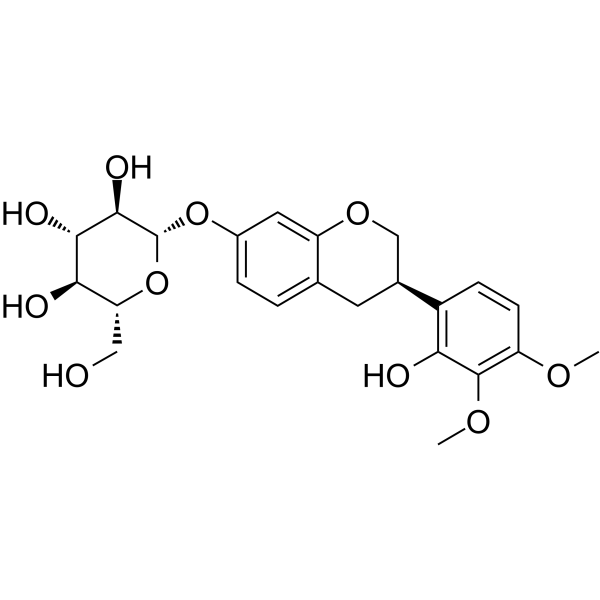 0 ImagesSynonyms: Isomucronulatol 7-O-β-glucosideIsomucronulatol 7-O-glucoside (Isomucronulatol 7-O-β-D-glucoside) is an isoflavonoid glycoside isolated from the roots of Astragalus membranaceus. Isomucronulatol 7-O-glucoside targets inflammation-related pathways in vitro to exert anti-inflammatory activity without cytotoxicity at effective concentrations. Isomucucronulatol 7-O-glucoside inhibits NO production and weakly suppresses IL‑12 p40 production in vitro. Isomucronulatol 7-O-glucoside can be used for the research on inflammation.
-
Shizukaol B
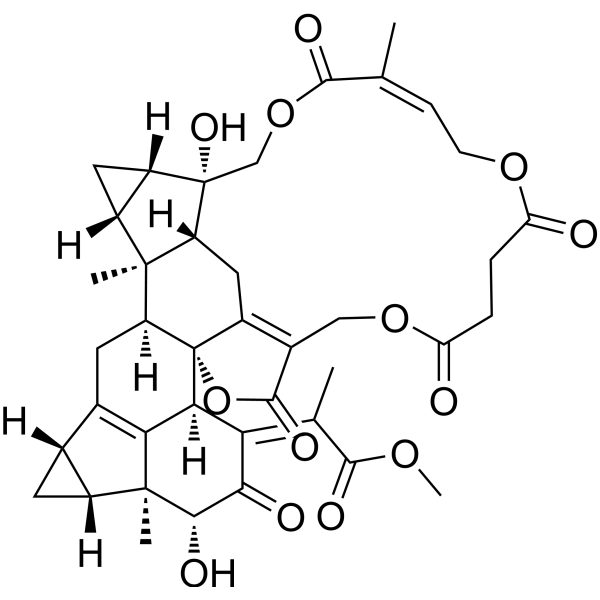 0 ImagesCat. No.: HY-N8371CAS No.: 142279-40-1Shizukaol B is a lindenane-type dimeric sesquiterpene, used to be isolated from the whole plant of Chloranthus henryi. Shizukaol B has anti-inflammatory effect against lipopolysaccharide (LPS)-induced activation of BV2 microglial cells. Shizukaol B inhibits iNOS and COX-2, and suppresses NO production, TNF-α, and IL-1β expression.
-
L-Hydroxy arginine dihydrochloride
 0 ImagesL-Hydroxy arginine dihydrochloride is an intermediate in the catabolism of L-arginine, and is a substrate for NO synthase.
-
ARL 17477
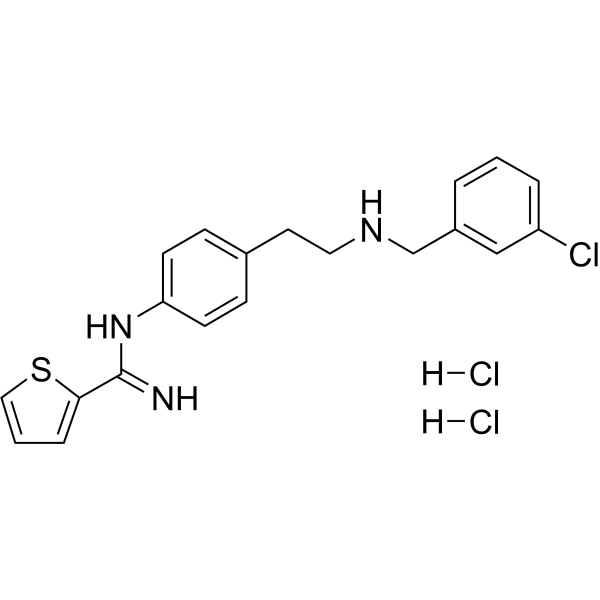 0 ImagesARL-17477 is a dual inhibitor of NOS1and the autophagy-lysosomal system with anticancer activity and can inhibit tumor growth in KRAS-mutated cancers.
-
Quinolinic acid-13C4,15N
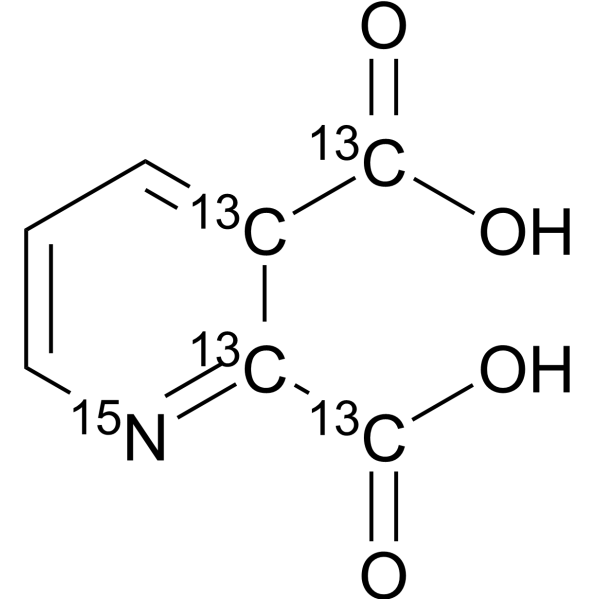 0 ImagesCat. No.: HY-100807S2Purity: 98.80%Quinolinic acid-13C4, 15N is an isotopic labeled Quinolinic acid (HY-100807). Quinolinic acid, an endogenous metabolite of tryptophan, is a N-methyl-D-aspartate receptor (NMDA receptor) agonist. Quinolinic acid increases glutamate efflux, induces the generation of ROS, activates nitric oxide synthase, produces excessive NO, leading to calcium ion influx and neuronal apoptosis.
-
Damnacanthol
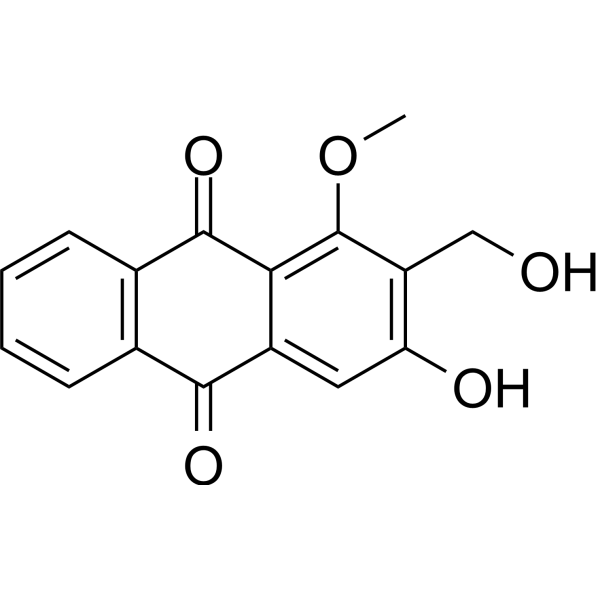 0 ImagesDamnacanthol is a natural product that can be isolated from Damnacanthus major. Damnacanthol has anti-15-lipoxygenase activity and can inhibit nitric oxide production in LPS-activated macrophages RAW 264.7 cells.
-
Oleanolic acid 28-O-β-D-glucopyranoside
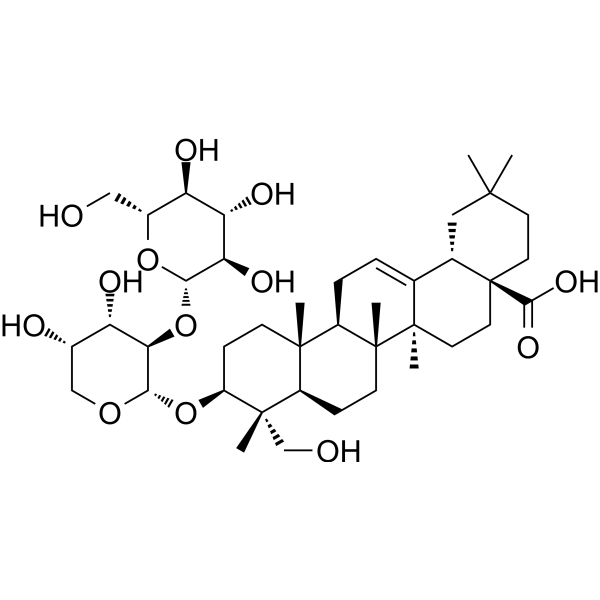
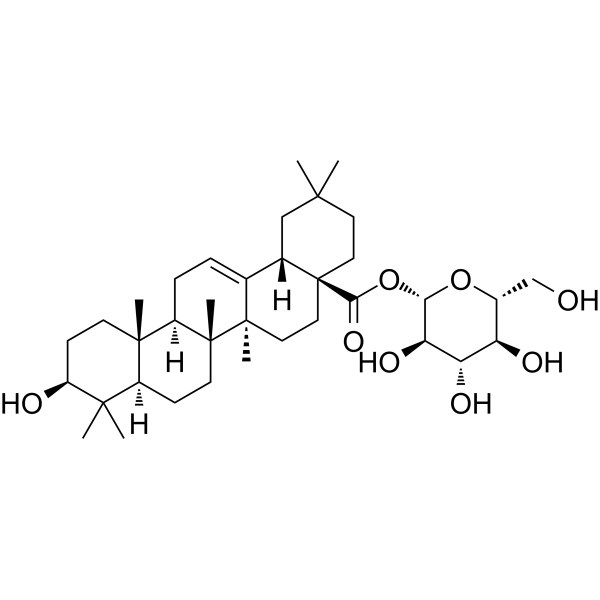 0 ImagesSynonyms: β-D-Glucopyranosyl oleanolateOleanolic acid 28-O-β-D-glucopyranoside (β-D-Glucopyranosyl oleanolate) is an orally active pentacyclic triterpenoid compound. Oleanolic acid 28-O-β-D-glucopyranoside has anti-inflammatory effects. In ulcerative colitis models, Oleanolic acid 28-O-β-D-glucopyranoside can inhibit the inflammatory response, enhance the intestinal epithelial barrier function, and modulate the gut microbiota. Its mechanism of action is related to the PI3K-AKT and MAPK signaling pathways. Oleanolic acid 28-O-β-D-glucopyranoside can be used in the research of diseases such as colitis.
-
PDE1-IN-9 hydrochloride
 0 ImagesCat. No.: HY-169402APDE1-IN-9 (Compound 7a) hydrochloride is a selective inhibitor for phosphodiesterase 1 (PDE1), that inhibits PDE1C with an IC50 of 11 nM. PDE1-IN-9 hydrochloride reduces mRNA expression of IL-1β, IL-6, TNF-α and iNOS, inhibits the production of nitric oxide (NO) and reactive oxygen species (ROS). PDE1-IN-9 hydrochloride exhibits good metabolic stability in rat liver microsomes.
-
1,4-PBIT dihydrobromide
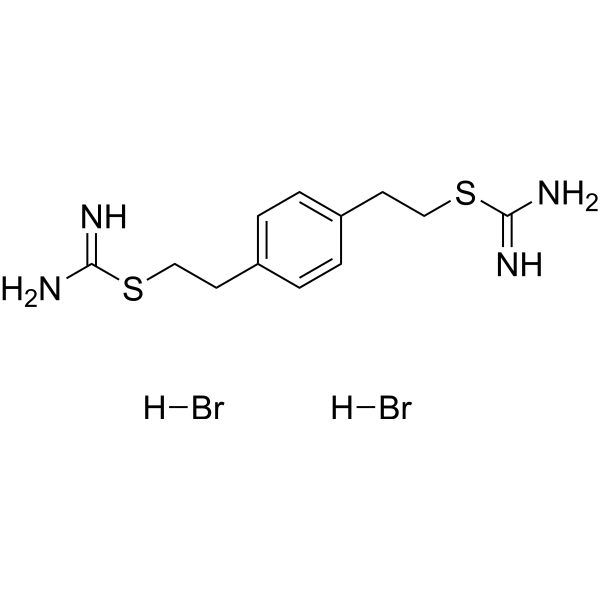 0 ImagesSynonyms: 1,4-PB-ITU dihydrobromide
-
7-Ethoxyresorufin-d5
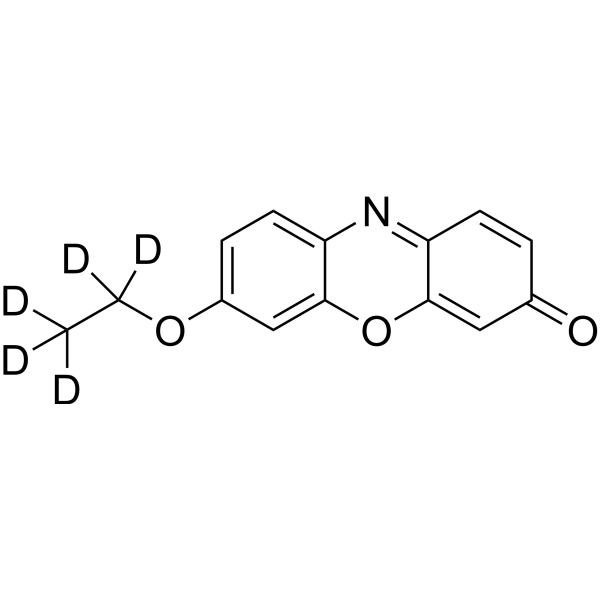 0 ImagesSynonyms: Resorufin ethyl ether-d57-Ethoxyresorufin-d5 is deuterium labeled 7-Ethoxyresorufin. 7-Ethoxyresorufin (Resorufin ethyl ether) is a fluorometric substrate and competitive inhibitor of cytochrome P450, especially CYP1A1. 7-Ethoxyresorufin also inhibits NO synthase.
-
Anemonin
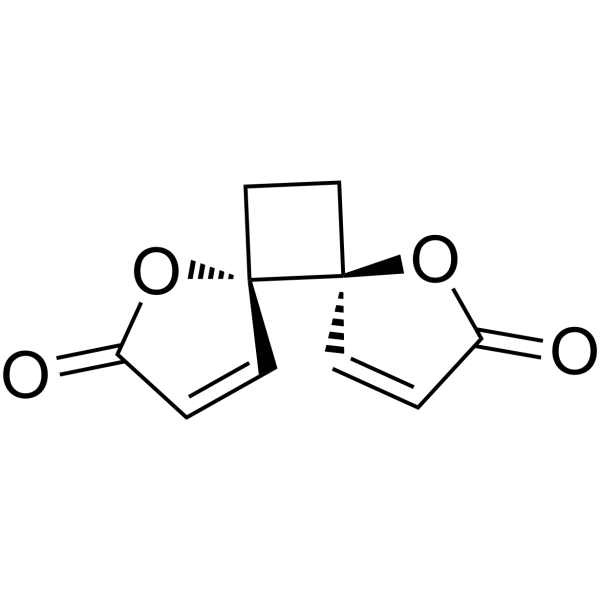 0 ImagesSynonyms: Pulsatilla camphor; Anemonine; trans-AnemoninAnemonin (Pulsatilla camphor; Anemonine; trans-Anemonin) is a naturally occurring bislactone small molecule derived from Ranunculaceae with blood-brain barrier permeability, possessing a variety of activities including anti-inflammatory, antioxidant, neuroprotective, melanogenesis-inhibiting, and antiparasitic effects. Anemonin inhibits iNOS to reduce NO release; it inhibits PKC-θ protein expression and downregulates the pro-inflammatory factors TNF-α, IL-1β, and IL-6; it enhances the activities of the antioxidant enzymes SOD, CAT, and GSH-Px, and reduces MDA and ROS levels. Anemonin modulates the Bcl-2 / Bax / caspase-3 pathway to inhibit apoptosis; it downregulates melanogenesis-related molecules including MITF, TYR, TRP1, and TRP2, thereby inhibiting melanin synthesis in human melanocytes. Anemonin inhibits Leishmania and Schistosoma mansoni. Anemonin is used in research related to diseases such as hyperpigmentation, cerebral ischemia/reperfusion injury, inflammation, sepsis-induced acute lung injury, acute ulcerative colitis, leishmaniasis, and schistosomiasis.
-
Gluconate-1-13C sodium
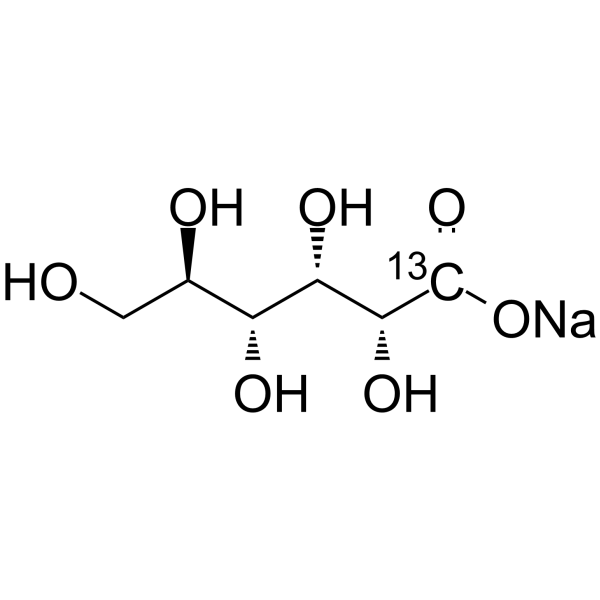 0 ImagesSynonyms: D-Gluconic acid sodium salt-1-13C; Sodium D-gluconate-1-13C; D-Gluconate sodium salt-1-13CGluconate-1-13C (D-Gluconic acid-1-13C) sodium is the 13C labeled Gluconate sodium (HY-B1092A). Gluconate (D-Gluconic acid) sodium is an orally active glucose derivative. Gluconate sodium reduces nitric oxide and inflammatory cytokines (IL-1β and IL-6). Gluconate sodium inhibits ERK phosphorylation. Gluconate sodium has antioxidant and antiplatelet activation activities. Gluconate sodium has antitumor activity against colorectal cancer. Gluconate sodium improves osteoarthritis, intestinal damage and acute lung injury.
-
(Rac)-Anemonin
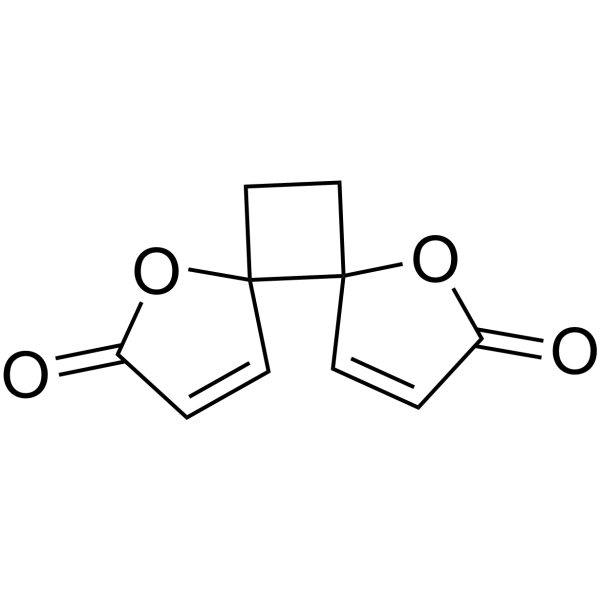 0 ImagesSynonyms: (Rac)-Pulsatilla camphor; (Rac)-Anemonine(Rac)-Anemonin ((Rac)-Pulsatilla camphor; (Rac)-Anemonine) is an isomer of Anemonin. Anemonin is a naturally occurring bislactone small molecule derived from Ranunculaceae with blood-brain barrier permeability, possessing a variety of activities including anti-inflammatory, antioxidant, neuroprotective, melanogenesis-inhibiting, and antiparasitic effects. Anemonin inhibits iNOS to reduce NO release; it inhibits PKC-θ protein expression and downregulates the pro-inflammatory factors TNF-α, IL-1β, and IL-6; it enhances the activities of the antioxidant enzymes SOD, CAT, and GSH-Px, and reduces MDA and ROS levels. Anemonin modulates the Bcl-2 / Bax / caspase-3 pathway to inhibit apoptosis; it downregulates melanogenesis-related molecules including MITF, TYR, TRP1, and TRP2, thereby inhibiting melanin synthesis in human melanocytes. Anemonin inhibits Leishmania and Schistosoma mansoni. Anemonin is used in research related to diseases such as hyperpigmentation, cerebral ischemia/reperfusion injury, inflammation, sepsis-induced acute lung injury, acute ulcerative colitis, leishmaniasis, and schistosomiasis.
-
Benzanthrone
 0 ImagesBenzanthrone is an immunotoxic, pro-inflammatory Photosensitizer. Benzanthrone upregulates iNOS, COX-2 and inflammatory cytokines; activates ERK1/2, p38, JNK, AP-1 and NF-κB; inhibits Nrf2; and induces oxidative stress and DNA damage. Upon radiation exposure, Benzanthrone generates singlet oxygen and superoxide anion radicals, induces photohemolysis and lipid peroxidation, and alters the levels of skin xenobiotic enzymes. Benzanthrone exhibits differential genotoxicity in different cell lines. Benzanthrone possesses skin tumor-initiating and promoting activities. Benzanthrone can be used in skin tumor-related studies.
-
Multiflorin B
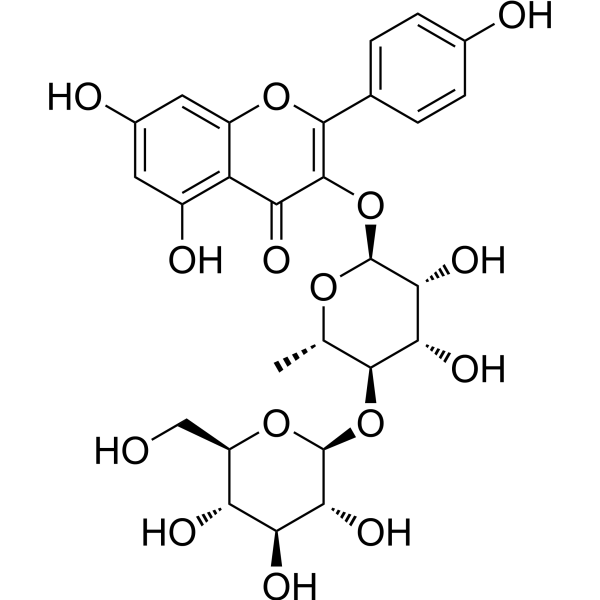 0 ImagesMultiflorin B (compound 5) is a kind of kaempferol glycoside. Multiflorin B can be isolated from the root of the fern Neocheiropteris palmatopedata. Multiflorin B inhibits nitric oxide production at a concentration of 20 μg/ml with an inhibition of 52%.
-
Nitroaspirin
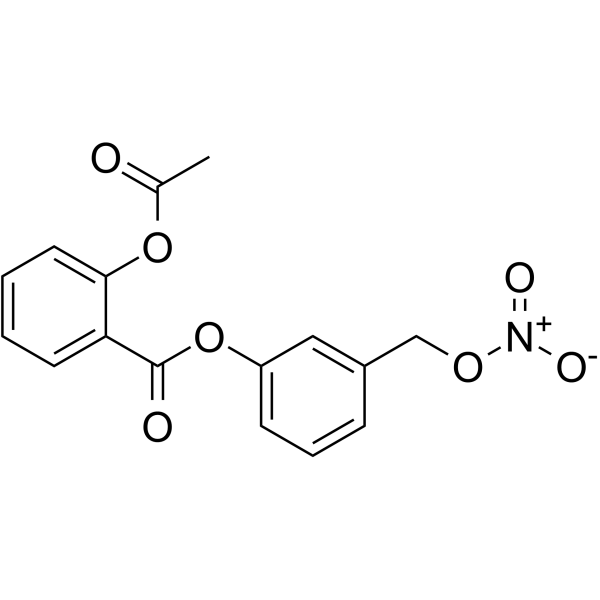 0 ImagesSynonyms: NCX 4016Nitroaspirin (NCX 4016) is an orally active inhibitor of ARG1 and NOS2. Nitroaspirin reduces ARG1 enzymatic activity via the STAT6-mediated signaling pathway, and feedback-inhibits the catalytic activity of NOS2 in a NO-releasing group-dependent manner. Nitroaspirin continuously releases intracellular NO, inducing redox-dependent loss of cell viability. Nitroaspirin also exerts anti-angiogenic effects by causing endothelial barrier dysfunction, and effectively inhibits the proliferation of Cisplatin (HY-17394)-resistant human ovarian cancer cells. Nitroaspirin can be used in research related to colon cancer, breast cancer and Cisplatin-resistant human ovarian cancer.
-
Zofenoprilat
 0 ImagesCat. No.: HY-133829CAS No.: 75176-37-3Zofenoprilat is an angiotensin-converting enzyme (ACE) inhibitor with an IC50 of 1.7 nM. Zofenoprilat exerts cardioprotective and renoprotective effects by inhibiting angiotensin II expression and lowering blood pressure. Zofenoprilat promotes NO production and reduces endothelin-1 (ET-1) expression. Zofenoprilat decreases TNFα-induced ROS production and protects vascular endothelial function. Zofenoprilat regulates oxidative stress-related molecules and possesses antioxidant activity. Zofenoprilat can be used in studies related to hypertension and congestive heart failure.
-
Celiprolol-d9 hydrochloride
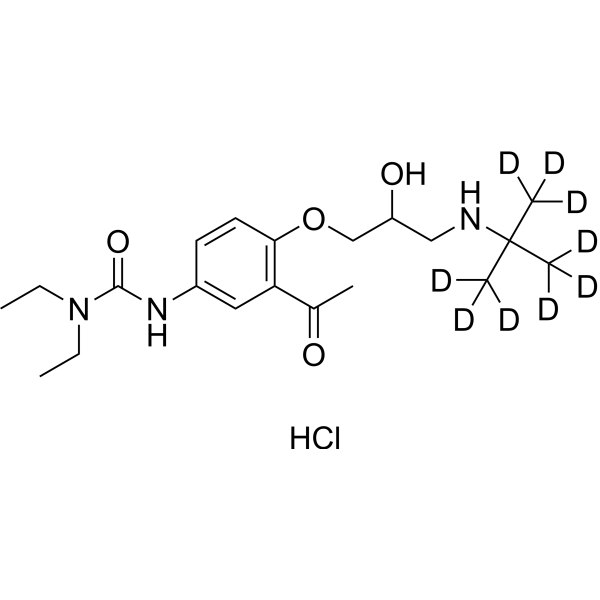 0 ImagesSynonyms: REV 5320 hydrochlorideCeliprolol-d9 (hydrochloride) is the deuterium labeled Celiprolol hydrochloride.




