



TNF Receptor
Tumor Necrosis Factor Receptor; TNFR
Tumor necrosis factor (TNF) is a major mediator of apoptosis as well as inflammation and immunity, and it has been implicated in the pathogenesis of a wide spectrum of human diseases, including sepsis, diabetes, cancer, osteoporosis, multiple sclerosis, rheumatoid arthritis, and inflammatory bowel diseases.
TNF-α is a 17-kDa protein consisting of 157 amino acids that is a homotrimer in solution. In humans, the gene is mapped to chromosome 6. Its bioactivity is mainly regulated by soluble TNF-α–binding receptors. TNF-α is mainly produced by activated macrophages, T lymphocytes, and natural killer cells. Lower expression is known for a variety of other cells, including fibroblasts, smooth muscle cells, and tumor cells. In cells, TNF-α is synthesized as pro-TNF (26 kDa), which is membrane-bound and is released upon cleavage of its pro domain by TNF-converting enzyme (TACE).
Many of the TNF-induced cellular responses are mediated by either one of the two TNF receptors, TNF-R1 and TNF-R2, both of which belong to the TNF receptor super-family. In response to TNF treatment, the transcription factor NF-κB and MAP kinases, including ERK, p38 and JNK, are activated in most types of cells and, in some cases, apoptosis or necrosis could also be induced. However, induction of apoptosis or necrosis is mainly achieved through TNFR1, which is also known as a death receptor. Activation of the NF-κB and MAPKs plays an important role in the induction of many cytokines and immune-regulatory proteins and is pivotal for many inflammatory responses.
TNF Receptor Isoform Specific Products
-
TNF Receptor
(701)
View all products
-
TNFRSF1A/
CD120a (8)View all products
-
TNFRSF3/
CD18 (1)View all products
-
TNFRSF4
(5)
View all products
-
TNFRSF5/
CD40 (142)View all products
-
TNFRSF6/
Fas/ (2)CD95 View all products
-
TNFRSF7/
CD27 (2)View all products
-
TNFRSF8/
CD30 (3)View all products
-
TNFRSF9/
4-1BB/ (3)CD137 View all products
-
TNFRSF10B/
DR5/ (1)CD262 View all products
-
TNFRSF12A/
TWEAK (5)View all products
-
TNFRSF16/
NGF Receptor/ (1)CD271 View all products
-
TNFRSF18/
GITR/ (6)CD357 View all products
All Product Categories
-
TNF Receptor Inhibitors
(903)
View all products
-
TNF Receptor Agonists
(35)
View all products
-
TNF Receptor Antagonists
(25)
View all products
-
TNF Receptor Activators
(80)
View all products
-
TNF Receptor Modulators
(8)
View all products
-
TNF Receptor Inducers
(11)
View all products
-
TNF Receptor Controls
(4)
View all products
-
TNF Receptor Ligands
(2)
View all products
-
TNF Receptor Superfamily Proteins
(282)
View all products
-
TNF Receptor Related Products (1268)
Related Products (1268)

-
Recombinant Proteins (282)
-
Antibodies (23)
-
TNF Receptor Signaling Pathway
-
TNF Receptor Isoform Comparison

-
Doxorubicinone
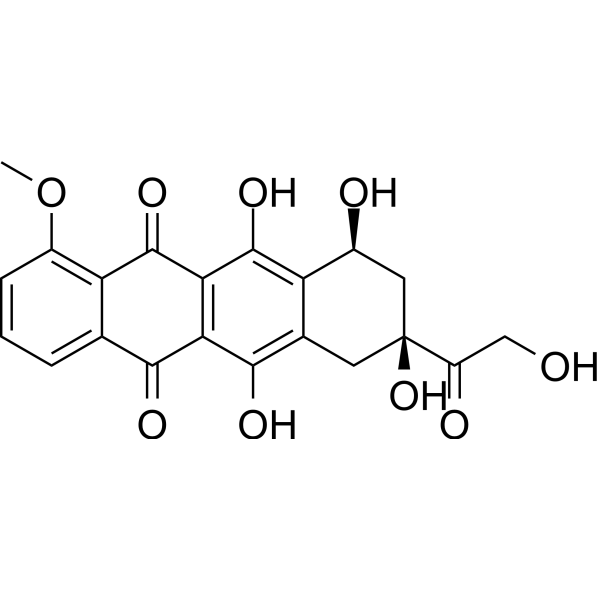 0 ImagesSynonyms: Adriamycin aglycone; AdriamycinoneDoxorubicinone (Adriamycin aglycone) is the aglycone of the antibiotic Doxorubicin (HY-15142A), i.e., its sugar-free parent nucleus structure. Doxorubicinone does not induce DNA damage or bind to RelA, but still downregulates the expression of pro-inflammatory cytokines (such as TNF, IL-12, etc.) regulated by the NF-κB pathway. Doxorubicinone can be used in sepsis-related research.
-
Chloranthalactone B
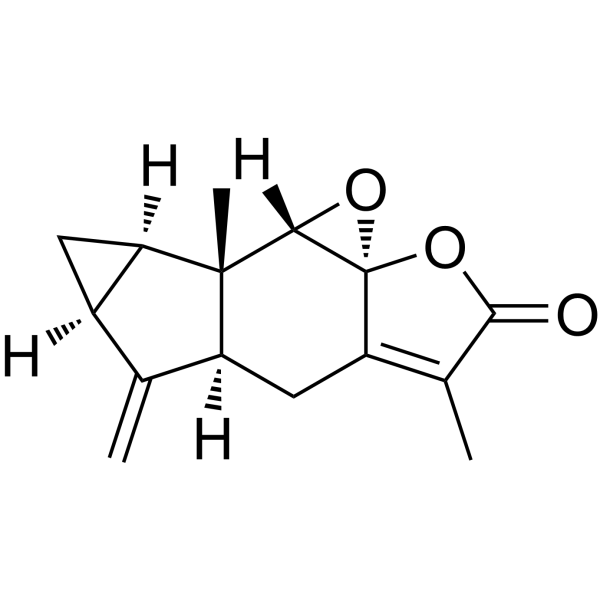 0 ImagesCat. No.: HY-N10913CAS No.: 66395-03-7
-
Aureusidin
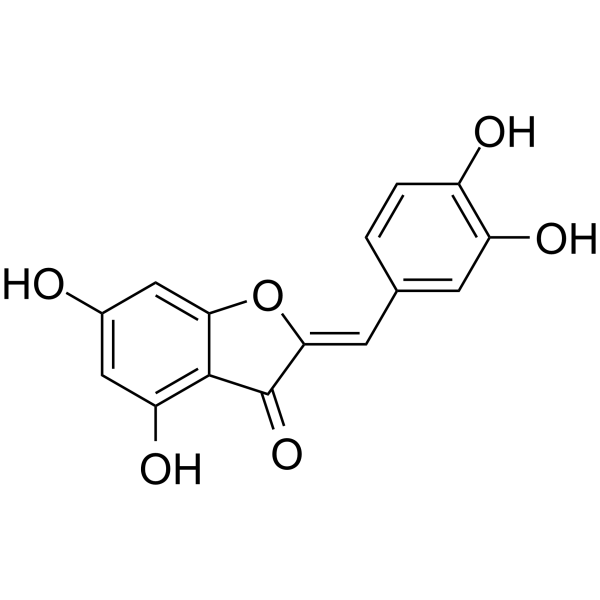 0 ImagesCat. No.: HY-N9834CAS No.: 38216-54-5Aureusidin is a flavonoid compound that is isolated and extracted from Antirrhinum majus and exhibits oral activity. Aureusidin possesses antioxidant, neuroprotective, and anti-inflammatory properties. Aureusidin directly targets and binds MD2 and Caspase-3 with high affinity, synergistically inhibits the TLR4/NF-κB inflammatory pathway and GSDME-mediated pyroptosis, and activates the Nrf2/HO-1 antioxidant axis via the ROS/MAPKs pathway. Aureusidin is a bovine liver arginase inhibitor with an IC50 of 57.1 µM. Aureusidin is used for research on inflammation-related diseases (osteoarthritis), acute liver injury, and endothelial dysfunction.
-
PROTAC HDAC6 degrader 7
 0 ImagesCat. No.: HY-179421CAS No.: 3133307-16-8PROTAC HDAC6 degrader 7 is an orally active, highly efficient, and selective PROTAC degrader targeting histone deacetylase 6 (HDAC6) (IC50 = 118 nM). PROTAC HDAC6 degrader 7 can eliminate both the catalytic and zinc-finger ubiquitin-binding domain. PROTAC HDAC6 degrader 7 inhibits NLRP3 inflammasome assembly and activation, as well as blocks NF-κB signaling, thereby reducing the transcription and release of key inflammatory factors. PROTAC HDAC6 degrader 7 can reduce the mRNA levels of NLRP3, pro-IL-1β, TNF-α, and IL-6. PROTAC HDAC6 degrader 7 can be used for the study of inflammatory bowel disease (IBD).
-
TLR9 antagonist 1
 0 ImagesCat. No.: HY-178037CAS No.: 3105410-45-2TLR9 antagonist 1 is a selective hTLR9 antagonist with an IC50 of 0.1 nM against hTLR9. TLR9 antagonist 1 exhibits favorable pharmacokinetic and pharmacodynamic properties. TLR9 antagonist 1 can be used in the research of systemic lupus erythematosus.
-
Anti-TNFRSF21/DR6/CD358 Antibody
 0 ImagesCat. No.: HY-P990526Purity: 99.50%Anti-TNFRSF21/DR6/CD358 Antibody is a CHO-expressed humanized antibody that targets TNFRSF21/DR6/CD358. The Anti-TNFRSF21/DR6/CD358 Antibody has a huIgG1 heavy chain and a huκ light chain, with a predicted molecular weight (MW) of 150 kDa. The isotype control for Anti-TNFRSF21/DR6/CD358 Antibody can refer to Human IgG1 kappa, Isotype Control (HY-P99001).
-
Olevaprubart
 0 ImagesOlevaprubart is a humanized IgG1-κ monoclonal antibody targeting TNFSF4, which can be used for the research of autoimmune diseases such as atopic dermatitis and alopecia areata.
-
Anti-Mouse CD120a Antibody (55R-170)
 0 ImagesCat. No.: HY-P991821Purity: 99.71%Anti-Mouse CD120a Antibody (55R-170) reacts with the mouse CD120a. CD120a is the principal receptor through which many of the pro-inflammatory activities of TNF-alpha are mediated. Recommend Isotype Controls: Polyclonal Armenian hamster IgG, Isotype Control (HY-P990305).
-
BIIB023
 0 ImagesCat. No.: HY-P991439Purity: ≥99.0%BIIB023 is a human monoclonal antibody (mAb) targeting TNFRSF12A/TWEAKR/CD266. BIIB023 can be used in lupus nephritis and rheumatoid arthritis research.
-
Vedastotug
 0 ImagesSynonyms: BAT6026
-
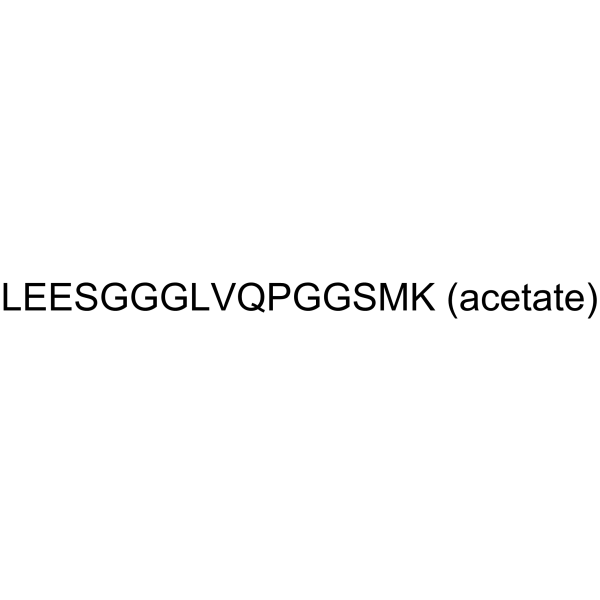
Opamtistomig
 0 ImagesSynonyms: LBL-024Opamtistomig is a humanized immunoglobulin (H-γ1-scFv-L-κ) dimer monoclonal antibody targeting human programmed death ligand 1 (PD-L1), CD274 and tumor necrosis factor receptor superfamily member 9 (TNFRSF9). Opamtistomig is promising for research of various solid tumors and hematological malignancies.
-
CAY10789
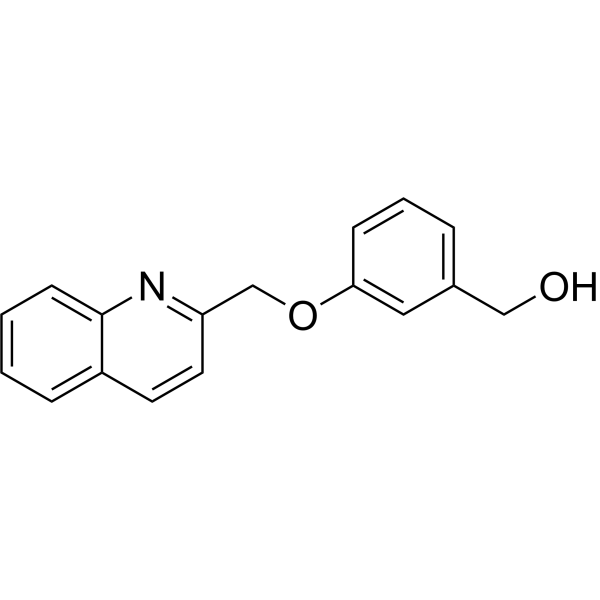 0 ImagesCAY10789 is a potent CysLT1R (cysteinyl leukotriene receptor 1) antagonist (IC50=2.80 μM) and GPBAR1 (G-protein-coupled bile acid receptor 1) agonist (EC50=3 μM). CAY10789 significantly reduces the adhesion of U937 cells to HAEC, reduces the expression of TNF-α. CAY10789 shows very promising metabolic stability and excellent pharmacokinetics. CAY10789 can be used for the research of colitis, metabolic syndromes, and other GPBAR1/CysLT1R-related diseases.
-
Lenalidomide-d5
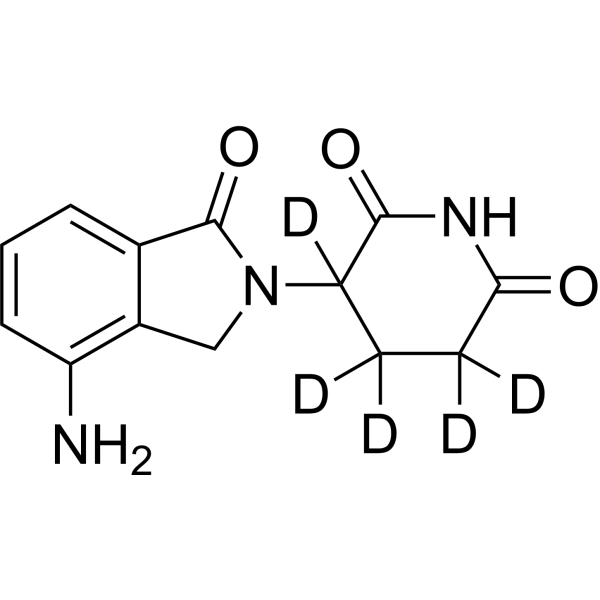 0 ImagesSynonyms: CC-5013-d5Lenalidomide-d5 (CC-5013-d5) is the d5-labeled Lenalidomide (HY-A0003). Lenalidomide (CC-5013) is an orally active immunomodulatory agent that binds CRBN as a molecular glue to alter substrate specificity, inducing ubiquitination and proteasome-dependent degradation of IKZF1, IKZF3 and CK1α. Lenalidomide induces apoptosis by degrading IKZF1/3, and activates p53 by degrading CK1α. Lenalidomide promotes IL-2 release and effector functions of CD8+ T/NK cells, while inhibiting TNF-α secretion and M1-type pyroptosis. Lenalidomide can be used in research related to hematological malignancies, acute liver failure and acute kidney injury.
-
Citronellol (Standard)
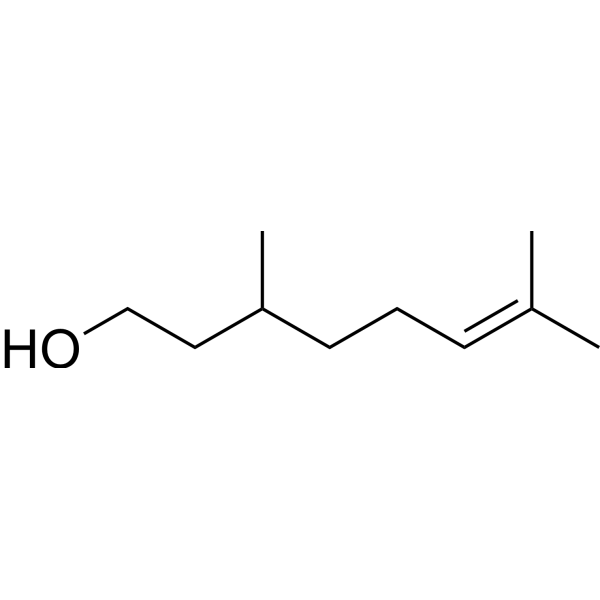 0 ImagesCat. No.: HY-W010201RCAS No.: 106-22-9Synonyms: (±)-Citronellol (Standard); (±)-β-Citronellol (Standard)Citronellol (Standard) is the analytical standard of Citronellol. Citronellol (Standard) is an orally active inducer of apoptosis. Citronellol (Standard) can prevent oxidative stress, mitochondrial dysfunction, and apoptosis in the SH-SY5Y cell Parkinson's disease model induced by 6-OHDA by regulating the ROS-NO, MAPK/ERK, and PI3K/Akt signaling pathways. Citronellol (Standard) can induce necroptosis in human lung cancer cells through the TNF-α pathway and accumulation of ROS. Citronellol (Standard) can reduce the levels of LC-3 and p62 to regulate the autophagy pathway, inhibit oxidative stress and neuroinflammation, and thus have neuroprotective effects on Parkinson's rats. Citronellol (Standard) exhibits anti-fungal activity against Trichophyton rubrum by inhibiting ergosterol synthesis.
-
Emzotamig
 0 ImagesCat. No.: HY-P991682CAS No.: 3037572-57-6Emzotamig is a monoclonal antibody inhibitor targeting tumor necrosis factor (TNF). Emzotamig is promising for research of autoimmune diseases associated with TNF overexpression, such as rheumatoid arthritis and ankylosing spondylitis.
-
Ciltistotug
 0 ImagesCat. No.: HY-P991126CAS No.: 3014361-59-9Synonyms: YH003Ciltistotug is a monoclonal antibody targeting human CD40 (TNFRSF5). Ciltistotug activates immune cells after binding to CD40, exerting immunostimulatory and antitumor activities. Ciltistotug is promising for research of cancer immunotherapy.
-
Cenzestotug
 0 ImagesSynonyms: YH-002Cenzestotug is a monoclonal antibody targeting human tumor necrosis factor receptor superfamily member 4 (TNFRSF4). Cenzestotug activates relevant immune cells by binding to TNFRSF4, exerting immunostimulatory and antitumor activities. Cenzestotug is promising for research of cancer immunotherapy.




