



TNF Receptor
Tumor Necrosis Factor Receptor; TNFR
Tumor necrosis factor (TNF) is a major mediator of apoptosis as well as inflammation and immunity, and it has been implicated in the pathogenesis of a wide spectrum of human diseases, including sepsis, diabetes, cancer, osteoporosis, multiple sclerosis, rheumatoid arthritis, and inflammatory bowel diseases.
TNF-α is a 17-kDa protein consisting of 157 amino acids that is a homotrimer in solution. In humans, the gene is mapped to chromosome 6. Its bioactivity is mainly regulated by soluble TNF-α–binding receptors. TNF-α is mainly produced by activated macrophages, T lymphocytes, and natural killer cells. Lower expression is known for a variety of other cells, including fibroblasts, smooth muscle cells, and tumor cells. In cells, TNF-α is synthesized as pro-TNF (26 kDa), which is membrane-bound and is released upon cleavage of its pro domain by TNF-converting enzyme (TACE).
Many of the TNF-induced cellular responses are mediated by either one of the two TNF receptors, TNF-R1 and TNF-R2, both of which belong to the TNF receptor super-family. In response to TNF treatment, the transcription factor NF-κB and MAP kinases, including ERK, p38 and JNK, are activated in most types of cells and, in some cases, apoptosis or necrosis could also be induced. However, induction of apoptosis or necrosis is mainly achieved through TNFR1, which is also known as a death receptor. Activation of the NF-κB and MAPKs plays an important role in the induction of many cytokines and immune-regulatory proteins and is pivotal for many inflammatory responses.
TNF Receptor Isoform Specific Products
-
TNF Receptor
(701)
View all products
-
TNFRSF1A/
CD120a (8)View all products
-
TNFRSF3/
CD18 (1)View all products
-
TNFRSF4
(5)
View all products
-
TNFRSF5/
CD40 (142)View all products
-
TNFRSF6/
Fas/ (2)CD95 View all products
-
TNFRSF7/
CD27 (2)View all products
-
TNFRSF8/
CD30 (3)View all products
-
TNFRSF9/
4-1BB/ (3)CD137 View all products
-
TNFRSF10B/
DR5/ (1)CD262 View all products
-
TNFRSF12A/
TWEAK (5)View all products
-
TNFRSF16/
NGF Receptor/ (1)CD271 View all products
-
TNFRSF18/
GITR/ (6)CD357 View all products
All Product Categories
-
TNF Receptor Inhibitors
(903)
View all products
-
TNF Receptor Agonists
(35)
View all products
-
TNF Receptor Antagonists
(25)
View all products
-
TNF Receptor Activators
(80)
View all products
-
TNF Receptor Modulators
(8)
View all products
-
TNF Receptor Inducers
(11)
View all products
-
TNF Receptor Controls
(4)
View all products
-
TNF Receptor Ligands
(2)
View all products
-
TNF Receptor Superfamily Proteins
(282)
View all products
-
TNF Receptor Related Products (1268)
Related Products (1268)

-
Recombinant Proteins (282)
-
Antibodies (23)
-
TNF Receptor Signaling Pathway
-
TNF Receptor Isoform Comparison
-
Cloricromen hydrochloride
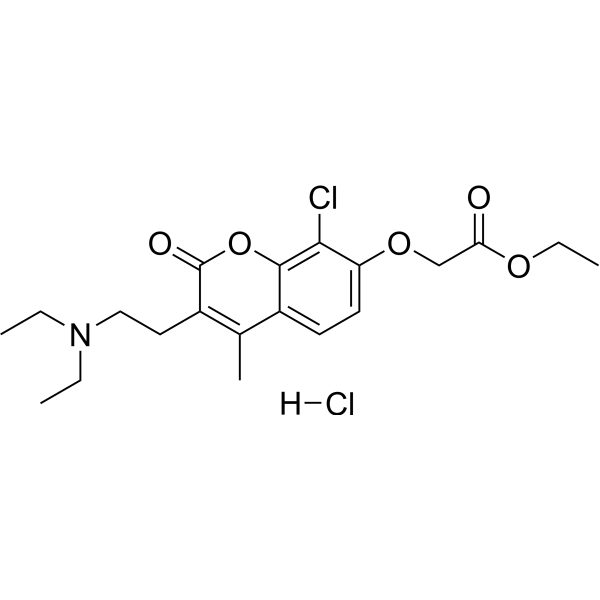 0 ImagesSynonyms: Cloricromene hydrochloride; AD6 hydrochlorideCloricromen (Cloricromene) hydrochloride is an orally active platelet inhibitor. Cloricromen hydrochloride inhibits thromboxane B2 release, β-thromboglobulin, and thrombus formation. Cloricromen hydrochloride inhibits LPS (HY-D1056)-induced NF-κB activation, oxidative activity, and TNF-α expression. Cloricromen hydrochloride exhibits protective activity in animal models of shock and peripheral ischaemia. Cloricromen hydrochloride can be used for the research of myocardial ischaemia/reperfusion injury, and ischaemic cerebrovascular disease.
-
Senlizumab
 0 ImagesCat. No.: HY-P990564CAS No.: 336128-48-4Synonyms: BAY-103356; CDP-571Senlizumab is a humanized antibody expressed in CHO cells that targets TNFSF2/TNFa. Senlizumab is composed of huIgG4SP heavy chains and huκ light chains, with a predicted molecular weight (MW) of 146.9 kDa. The isotype control for Senlizumab can refer to Human IgG4 kappa, Isotype Control (HY-P99003).
-
Parishin C (Standard)
 0 ImagesParishin C (Standard) is the analytical standard of Parishin C (HY-N2125). This product is intended for research and analytical applications. Parishin C is a brain-penetrant major bioactive component found in Gastrodia elata Blume. Parishin C is a 5-HT1A receptor agonist with an EC50 of 34 nM. Parishin C has antipsychotic and neuroprotective effects. Parishin C protects against Aβ-induced long-term potentiation damage and NMDA receptor current impairment. Parishin C reduces oxidative stress, pro-inflammatory cytokine levels, caspase activity, brain water content, and cerebral infarct volume; increases antioxidant enzyme activity and BDNF levels; improves nerve function and histopathological brain damage. Parishin C attenuates phencyclidine-induced immobility time increases, sociability deficits, and visual recognition memory impairment. Parishin C can be used for the research of ischemic stroke, Alzheimer's disease, and schizophrenia-like psychosis.
-
DRI-C21041
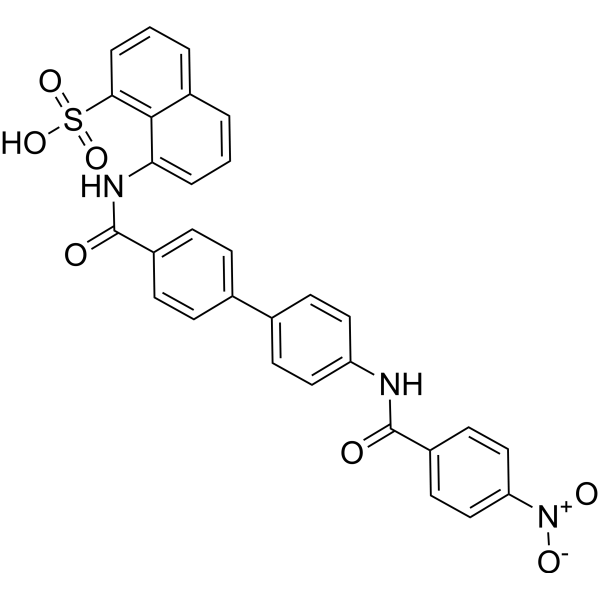 0 ImagesCat. No.: HY-154821CAS No.: 2101765-78-8DRI-C21041 is a CD40/CD40L interaction inhibitor, with an IC50 of 0.31 μM. DRI-C21041 inhibits the immune response induced by alloantigen.
-
Grossamide
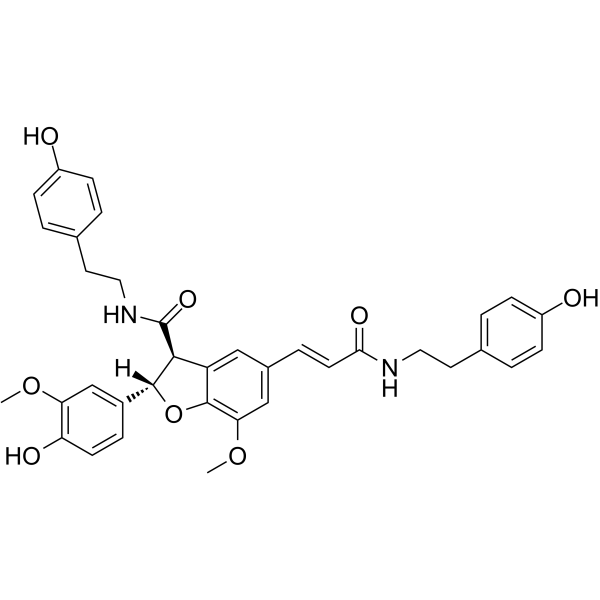 0 ImagesGrossamide is a natural product that can be isolated from fructus cannabis, the dried fruit of Cannabis sativa L.. Grossamide has anti-neuroinflammatory effects.
-
Theasinensin C
 0 ImagesCat. No.: HY-N19420CAS No.: 89013-69-4Theasinensin C is an orally effective renin inhibitor and gut microbiota modulator, with an IC50 of 40.21 μM against renin activity. Theasinensin C selectively enriches Akkermansia muciniphila in the gut microbiota, enhances the Akkermansia muciniphila-mediated hydrolysis of the PTS domain of mucin, drives the accumulation of luminal glutamine and serine, and regulates the gut-kidney-liver glutamine/serine metabolic signaling pathway to promote creatine biosynthesis. Theasinensin C improves cognitive function, reduces pro-inflammatory cytokines, alleviates neuropathological changes and restores intestinal barrier integrity. Theasinensin C can be used in research related to hypertension and neuroinflammation induced by high-fructose diet.
-
Yangambin
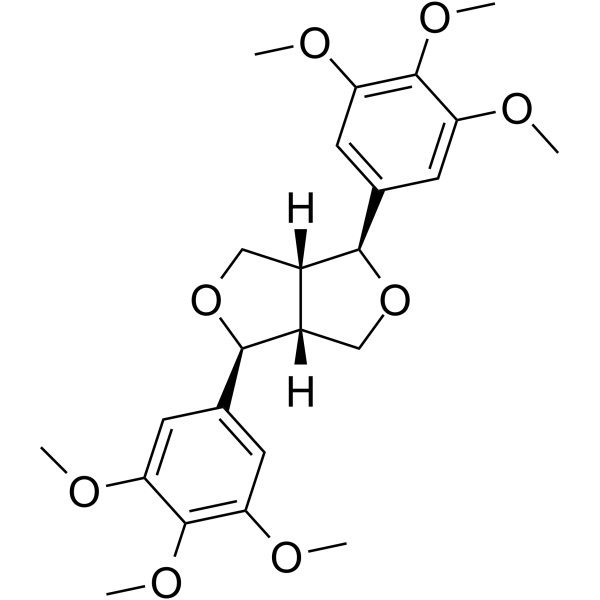 0 ImagesYangambin is a PAF receptor antagonist and UGT1A1/UGT1A3 inhibitor, with an IC50 of 29.7 μM and a Ki of 17.1 μM against human UGT1A1, and an IC50 of 56.5 μM and a Ki of 66.8 μM against human UGT1A3. Yangambin blocks PAF-mediated responses, inhibits LTB4-mediated neutrophil infiltration, and suppresses inflammatory events and anaphylactic contraction. Yangambin acts as a central nervous system inhibitor to reduce spontaneous activity, and also exhibits analgesic, anticonvulsant, antileishmanial, vasodilatory and hypotensive effects. Yangambin blocks voltage-gated Ca2+ channels, reduces the production of NO, TNF-α, IL-6 and PGE2 in cells, increases the production of IL-10, and exerts a protective effect against cardiovascular injury. Yangambin can be used in research related to allergies, cutaneous leishmaniasis, central nervous system diseases and cardiovascular diseases.
-
Apremilast-d5
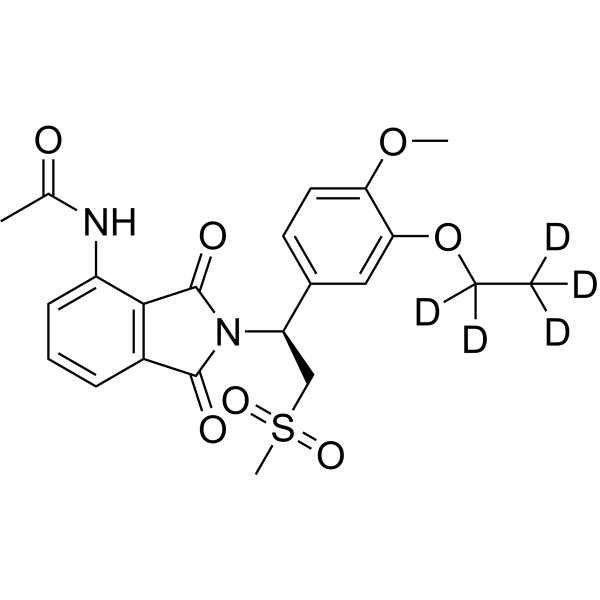 0 ImagesSynonyms: CC-10004-d5Apremilast-d5 is a deuterium labeled Apremilast. Apremilast is an orally available inhibitor of type-4 cyclic nucleotide phosphodiesterase (PDE-4) with an IC50 of 74 nM. Apremilast inhibits TNF-α release by lipopolysaccharide (LPS) with an IC50 of 104 nM.
-
Gnetifolin E
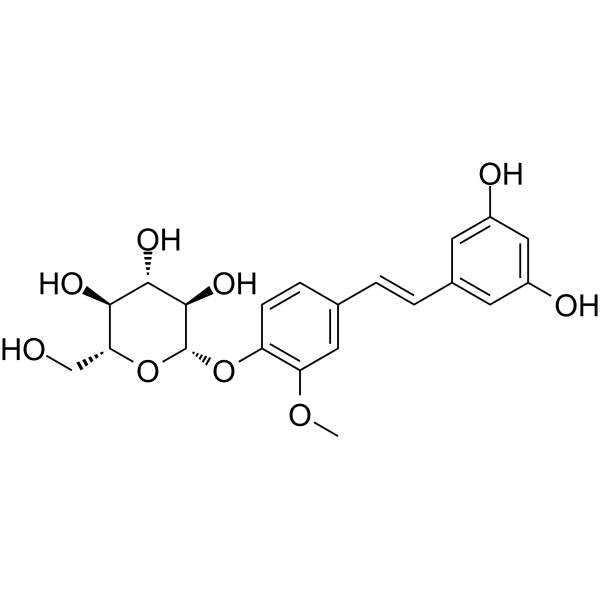 0 ImagesCat. No.: HY-N9867CAS No.: 140671-07-4Gnetifolin E is a resveratrol trimer derivative that can be isolated from Gnetum brunonianum. Gnetifolin E has anti-inflammatory activity, and inhibits TNF-α.
-
cis-Mulberroside A
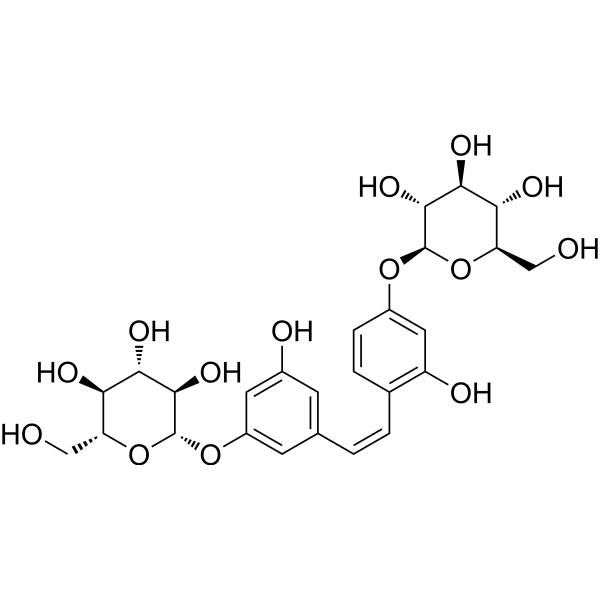 0 ImagesCat. No.: HY-N0619ACAS No.: 166734-06-1Synonyms: Mulberroside Dcis-Mulberroside A (Mulberroside D) is the cis-isomer of Mulberroside A. Mulberroside A is one of the main bioactive constituent in mulberry (Morus alba L.). Mulberroside A decreases the expressions of TNF-α, IL-1β, and IL-6 and inhibits the activation of NALP3, caspase-1, and NF-κB and the phosphorylation of ERK, JNK, and p38, exhibiting anti-inflammatory and anti-apoptotic effects. Mulberroside A shows inhibitory activity against mushroom tyrosinase with an IC50 of 53.6 μM.
-
Ganoderic acid C1
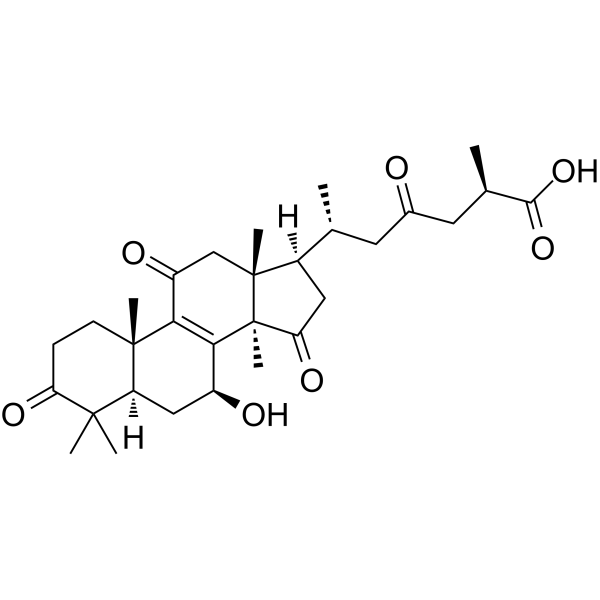 0 ImagesCat. No.: HY-129151CAS No.: 95311-97-0Ganoderic acid C1, a natural compound that could be isolated from G. lucidum, suppresses TNF-α production by murine macrophages (RAW 264.7 cells).
-
SMU-Z1
 0 ImagesSMU-Z1 is a TLR1/2 heterodimer agonist with an EC50 of 4.88 nM. SMU-Z1 activates the NF-κB pathway, triggers pro-inflammatory cytokine production, and induces the generation of TNF-α, IL-1β, IL-6 and NO. SMU-Z1 promotes splenocyte proliferation and upregulates the expression of CD8+T cells, NK cells and dendritic cells. SMU-Z1 exhibits significant anti-tumor effects in mouse leukemia models. SMU-Z1 can be used for leukemia-related research.
-
Tryptanthrin (Standard)
 0 ImagesTryptanthrin (Standard) is the analytical standard of Tryptanthrin. This product is intended for research and analytical applications. Tryptanthrin is an indole quinazoline that could be an alkaloid from indigo-bearing plants. Tryptanthrin is a potent and orally active cellular Leukotriene (LT) biosynthesis inhibitor. Tryptanthrin has anticancer activity. Tryptanthrin suppresses the expression levels of NOS1, COX-2, and NF-κB and regulates the expression levels of IL-2, IL-10, and TNF-α.
-
Cucurbitacin R
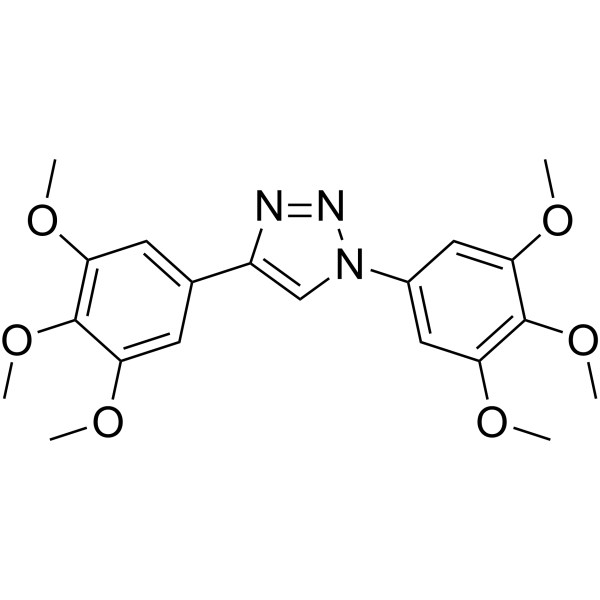
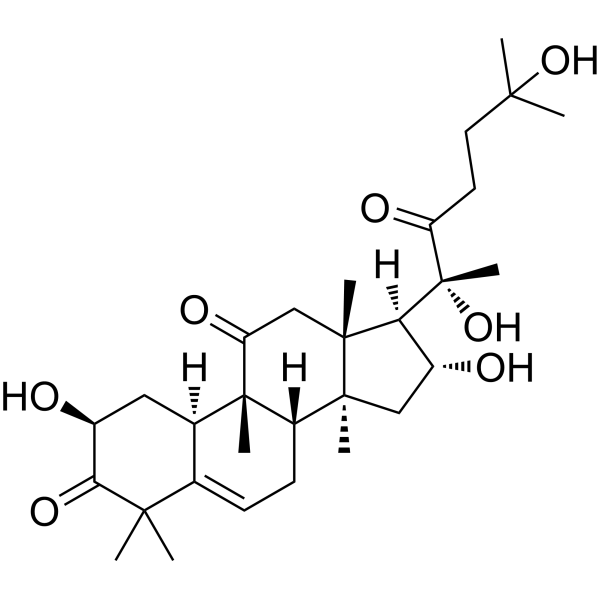 0 ImagesCat. No.: HY-N11080CAS No.: 55903-92-9Cucurbitacin R is an orally active anti-inflammatory agent. Cucurbitacin R is isolated from the roots of Cayaponia tayuya. Cucurbitacin R inhibits Cyclooxygenase-2. Cucurbitacin R inhibits Interleukin-6-induced STAT3 activation and cytokine production, blocks NF-κB activation, and selectively prevents NFAT nuclear translocation without affecting Calcineurin activity. Cucurbitacin R inhibits TNF-α production and Nitric-oxide synthase-2 expression. Cucurbitacin R reduces joint damage, soft tissue swelling, paw edema, ear edema, inflammatory cell infiltration, and epithelial thickness. Cucurbitacin R can be used for research on arthritis and delayed-type hypersensitivity.
-
Inezetamab
 0 ImagesSynonyms: AMG-994
-
SMU-14a
 0 ImagesCat. No.: HY-176192SMU-14a is a selective Toll-like receptor 3 (TLR3) inhibitor wirh an IC50 of 0.18 μM. SMU-14a reduces phosphorylation of p65, ERK, and TBK1 via NF-κB, MAPK, and IRF3 signaling pathways. SMU-14a inhibits IL-6 secretion in mouse peritoneal macrophages, downregulates TNF-α in human peripheral blood monocytes and decreases serum alanine aminotransferase (ALT) and aspartate aminotransferase (AST) levels. SMU-14a can be used for the research of acute hepatitis.
-
BRD4-BD1/2-IN-3
 0 ImagesBRD4-BD1/2-IN-3 (Compound B6) is a selective BRD4 BD2 inhibitor with an IC50 of 0.41 nM for BRD4 BD2 over BRD4 BD1. BRD4-BD1/2-IN-3 significantly inhibits the LPS (HY-D1056)-induced expression of IL-6. BRD4-BD1/2-IN-3 shows anti-inflammatory activities by modulating the TNF and NF-κB signaling pathway. BRD4-BD1/2-IN-3 can be used for inflammatory diseases research.
-
Ro 106-9920
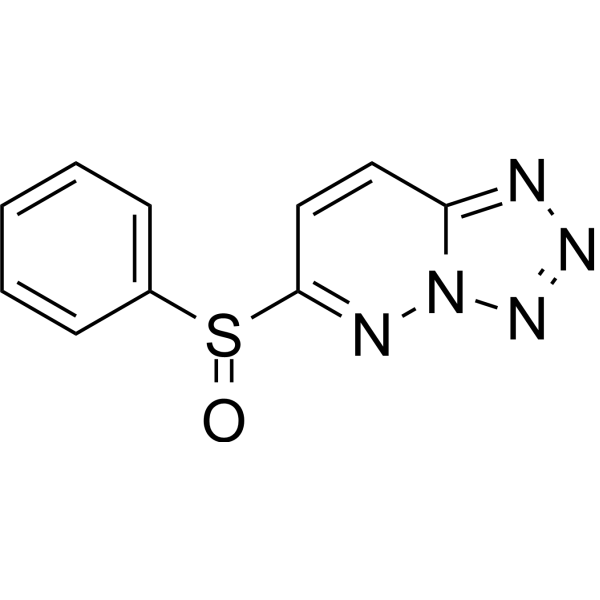 0 ImagesCat. No.: HY-107665CAS No.: 62645-28-7Ro 106-9920 is an orally active NF-κB inhibitor. Ro 106-9920 prevents ubiquitination of IκBα, blocks nuclear translocation of NF-κB, and inhibits NF-κB activation. Ro 106-9920 suppresses TNF-α-induced tissue factor expression and procoagulant activity, enhances TNF-α-mediated cytotoxicity against cancer cells, and eliminates the formation of neutrophil extracellular traps. Ro 106-9920 inhibits NLRP3 inflammasome activation, reduces inflammatory cytokine secretion, decreases myeloperoxidase activity, attenuates renal cell apoptosis, and improves renal function. Ro 106-9920 blocks ANG II (Angiotensin II human) (HY-13948)-induced nuclear localization of p65, internalization of AT1A receptor, colocalization of β-arrestin-2, and expression of COX-2, and alters the formation of β-arrestin endosomes. Ro 106-9920 can be used in research related to non-small cell lung cancer, acute kidney injury, diabetes mellitus, and osteoporosis.
-
Gaultherin
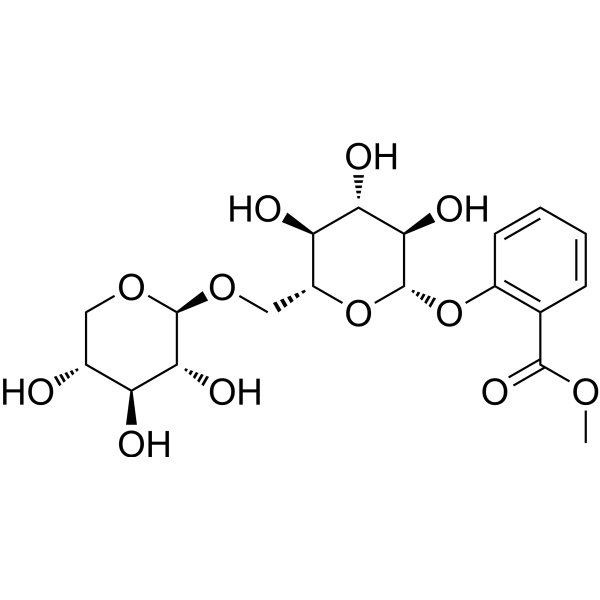 0 ImagesGaultherin is an orally active non-steroidal anti-inflammatory agent. Gaultherin selectively inhibits NF-κB, MAPK, COX-2 (IC50 = 0.35 mg/mL), LOX (IC50 = 0.56 mg/mL) and HYAL (IC50 = 28.58 μg/mL) to exert anti-inflammatory, antipyretic and analgesic effects. Gaultherin exhibits modest direct antioxidant capacity, greater in cell-based models. Gaultherin does not affect COX-1 so that avoids the common gastrointestinal side effects of Aspirin (HY-14654).




