



TNF Receptor
Tumor Necrosis Factor Receptor; TNFR
Tumor necrosis factor (TNF) is a major mediator of apoptosis as well as inflammation and immunity, and it has been implicated in the pathogenesis of a wide spectrum of human diseases, including sepsis, diabetes, cancer, osteoporosis, multiple sclerosis, rheumatoid arthritis, and inflammatory bowel diseases.
TNF-α is a 17-kDa protein consisting of 157 amino acids that is a homotrimer in solution. In humans, the gene is mapped to chromosome 6. Its bioactivity is mainly regulated by soluble TNF-α–binding receptors. TNF-α is mainly produced by activated macrophages, T lymphocytes, and natural killer cells. Lower expression is known for a variety of other cells, including fibroblasts, smooth muscle cells, and tumor cells. In cells, TNF-α is synthesized as pro-TNF (26 kDa), which is membrane-bound and is released upon cleavage of its pro domain by TNF-converting enzyme (TACE).
Many of the TNF-induced cellular responses are mediated by either one of the two TNF receptors, TNF-R1 and TNF-R2, both of which belong to the TNF receptor super-family. In response to TNF treatment, the transcription factor NF-κB and MAP kinases, including ERK, p38 and JNK, are activated in most types of cells and, in some cases, apoptosis or necrosis could also be induced. However, induction of apoptosis or necrosis is mainly achieved through TNFR1, which is also known as a death receptor. Activation of the NF-κB and MAPKs plays an important role in the induction of many cytokines and immune-regulatory proteins and is pivotal for many inflammatory responses.
TNF Receptor Isoform Specific Products
-
TNF Receptor
(701)
View all products
-
TNFRSF1A/
CD120a (8)View all products
-
TNFRSF3/
CD18 (1)View all products
-
TNFRSF4
(5)
View all products
-
TNFRSF5/
CD40 (142)View all products
-
TNFRSF6/
Fas/ (2)CD95 View all products
-
TNFRSF7/
CD27 (2)View all products
-
TNFRSF8/
CD30 (3)View all products
-
TNFRSF9/
4-1BB/ (3)CD137 View all products
-
TNFRSF10B/
DR5/ (1)CD262 View all products
-
TNFRSF12A/
TWEAK (5)View all products
-
TNFRSF16/
NGF Receptor/ (1)CD271 View all products
-
TNFRSF18/
GITR/ (6)CD357 View all products
All Product Categories
-
TNF Receptor Inhibitors
(903)
View all products
-
TNF Receptor Agonists
(35)
View all products
-
TNF Receptor Antagonists
(25)
View all products
-
TNF Receptor Activators
(80)
View all products
-
TNF Receptor Modulators
(8)
View all products
-
TNF Receptor Inducers
(11)
View all products
-
TNF Receptor Controls
(4)
View all products
-
TNF Receptor Ligands
(2)
View all products
-
TNF Receptor Superfamily Proteins
(282)
View all products
-
TNF Receptor Related Products (1268)
Related Products (1268)

-
Recombinant Proteins (282)
-
Antibodies (23)
-
TNF Receptor Signaling Pathway
-
TNF Receptor Isoform Comparison
-
EM-163
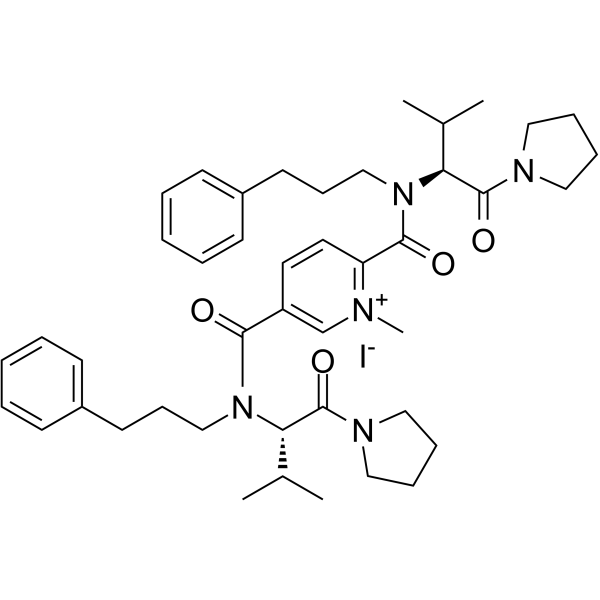 0 ImagesCat. No.: HY-163035CAS No.: 1206480-93-4EM-163 is a summative BB-Loop analog. EM-163 can alleviate inflammation and prevent death from toxic shock by targeting the TIR domain of MyD88. EM-163 can be used in the study of SEB poisoning (SEB: Staphylococcal enterotoxin B).

-
Solaprubart
 0 ImagesSynonyms: STAR-0310Solaprubart (STAR-0310) is a fully human IgG1 subtype monoclonal antibody targeting OX40 (CD134/TNFRSF4), with a Kd of 7.2 nM. By blocking the OX40/OX40L co-stimulatory signal, Solaprubart effectively inhibits cytokine release (IFN-γ, TNF-α, IL-5, IL-13) from activated effector T cells (Th1/Th2/Th17-associated). Solaprubart can be used in research related to moderate-to-severe atopic dermatitis.

-
CDC801
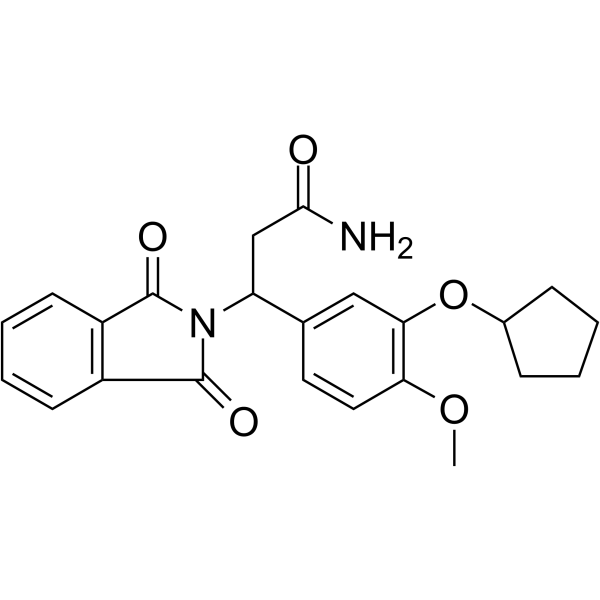 0 ImagesCDC801 is a potent and orally active phosphodiesterase 4 (PDE4) and tumor necrosis factor-α (TNF-α) inhibitor with IC50 of 1.1 μM and 2.5 μM, respectively.
-
Withaphysalin A
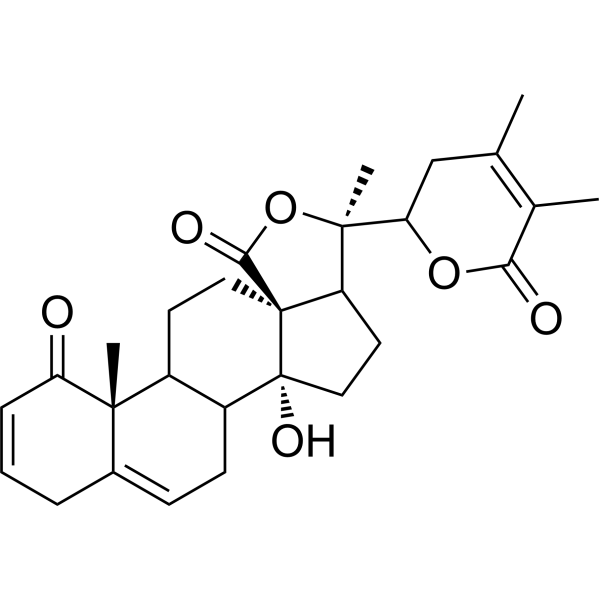 0 ImagesWithaphysalin A is a withanolide compound with anti-inflammatory and antioxidant activities. Withaphysalin A inhibits LPS (HY-D1056)-induced nuclear translocation of NF-κB p65, as well as phosphorylation of STAT3, ERK, JNK and p38 MAPK. Withaphysalin A upregulates the expression of HO-1. Withaphysalin A inhibits LPS-induced production of NO, PGE2, IL-1β, IL-6 and TNF-α. Withaphysalin A downregulates LPS-induced expression of iNOS and COX-2. Withaphysalin A interacts with B-cell activating factor protein (BAFF) to exert inhibitory effects. Withaphysalin A exhibits ELOVL6 inhibitory activity. Withaphysalin A can be used in the research of inflammatory diseases, nephrotic syndrome and chronic myeloid leukemia.
-
Anti-Mouse CD40L/CD154 (LALA-PG) Antibody (MR-1)
 0 ImagesCat. No.: HY-P990269Anti-Mouse CD40L/CD154 (LALA-PG) Antibody (MR-1) is a mouse-derived IgG2a κ type antibody inhibitor, targeting to mouse CD40L/CD154. Anti-Mouse CD40L/CD154 (LALA-PG) Antibody (MR-1) is a chimeric version of the original MR-1 antibody (HY-P990134). The variable domain sequences are identical to the original MR-1 but the constant region sequences have been switched from Armenian hamster IgG to mouse IgG2a. Anti-Mouse CD40L/CD154 (LALA-PG) Antibody (MR-1) contains a LALA-PG mutation in the Fc fragment rendering it unable to bind to endogenous Fcγ receptors. Anti-Mouse CD40L/CD154 (LALA-PG) Antibody (MR-1) blocks CD40/CD40L signaling. Anti-Mouse CD40L/CD154 (LALA-PG) Antibody (MR-1) can be used for researches of cancer, inflammation and immunology.
-
Gamma-glutamylcysteine TFA (Standard)
 0 ImagesCat. No.: HY-113402ARCAS No.: 283159-88-6Synonyms: γ-Glu-Cys TFA (Standard)Gamma-glutamylcysteine (TFA) (Standard) is the analytical standard of Gamma-glutamylcysteine (TFA). This product is intended for research and analytical applications. Gamma-glutamylcysteine TFA (γ-Glu-Cys TFA) is an orally active, blood-brain barrier permeable dipeptide. Gamma-glutamylcysteine TFA activates AMPK, SIRT1, IL-4/STAT6, AC/cAMP/PI3K, IGF-1R/IRS1/PI3K, and Nrf2 signaling pathways; it inhibits NF-κB, JAK1/STAT1/3, MAPKs, cadmium-induced p38 MAPK, JNK, and PI3K/Akt signaling pathways. Gamma-glutamylcysteine TFA regulates macrophage polarization, modulates the trafficking of CD36 and GLUT4, induces glutathione synthesis, improves metabolic dysfunction, reduces lipid deposition, ameliorates glucose homeostasis, inhibits apoptosis (Apoptosis), stabilizes mitochondria, suppresses lipid peroxidation, iron accumulation and ferroptosis (Ferroptosis), reduces ds-HMGB1 levels, reverses mechanical hyperalgesia, and alleviates hepatic lipid droplet formation. Gamma-glutamylcysteine TFA is applicable to research related to inflammatory bowel disease, type 2 diabetes, cadmium-induced neurotoxicity, Alzheimer's disease, cerebral ischemia/reperfusion injury, neuropathy, and alcoholic liver disease.
-
Anti-Mouse 4-1BB/CD137 (LALA-PG) Antibody (LOB12.3)
 0 ImagesCat. No.: HY-P99119APurity: 98.44%Anti-Mouse 4-1BB/CD137 (LALA-PG) Antibody (LOB12.3) is a mouse-derived IgG2a κ type antibody agonist, targeting to mouse 4-1BB/CD137. Anti-Mouse 4-1BB/CD137 (LALA-PG) Antibody (LOB12.3) is a chimeric antibody of the original LOB12.3 antibody (HY-P990809). Anti-Mouse 4-1BB/CD137 (LALA-PG) Antibody (LOB12.3) contains the LALA-PG mutation region. Anti-Mouse 4-1BB/CD137 (LALA-PG) Antibody (LOB12.3) can be used for the researches of cancer, infection, immunology and neurological disease.
-
Desipramine hydrochloride (Standard)
 0 ImagesDesipramine hydrochloride (Standard) is the analytical standard of Desipramine hydrochloride (HY-B1272). This product is intended for research and analytical applications. Desipramine hydrochloride is a first-generation tricyclic antidepressant. Desipramine hydrochloride selectively binds to norepinephrine transporter and blocks neuronal norepinephrine reuptake. Desipramine hydrochloride activates MAPK signaling via ERK1/2, JNK, and p38, represses NF-κB and AP-1 activity, and induces apoptosis via ROS elevation, mitochondrial membrane potential reduction, and intracellular calcium increase. Desipramine hydrochloride also shows anyi-inflammatory activity, inhibiting TNF-α production. Desipramine hydrochloride can be used for the research of hepatocellular cancer, inflammation, and neurological diseases.
-
Ceramide 3-d3
 0 ImagesSynonyms: N-Stearoyl phytosphingosine-d3Ceramide 3-d3 (N-Stearoyl phytosphingosine-d3) is deuterium labeled Ceramide 3. Ceramide 3 is an orally active major component of intercellular lipids in the stratum corneum of the skin, and belongs to the ceramide family. Ceramide 3 inhibits c-jun and NF-κB activation induced by Histamine (HY-B1204), and suppresses the expression of IL-4 and TNF-α. Ceramide 3 inhibits scratching behavior and vascular permeability in mice, and exhibits antihistamine effects in guinea pig ileum. Ceramide 3 improves skin barrier function, reduces transepidermal water loss, erythema and the number of circulating epidermal cells, and accelerates barrier repair of irritated or dysfunctional skin.
-
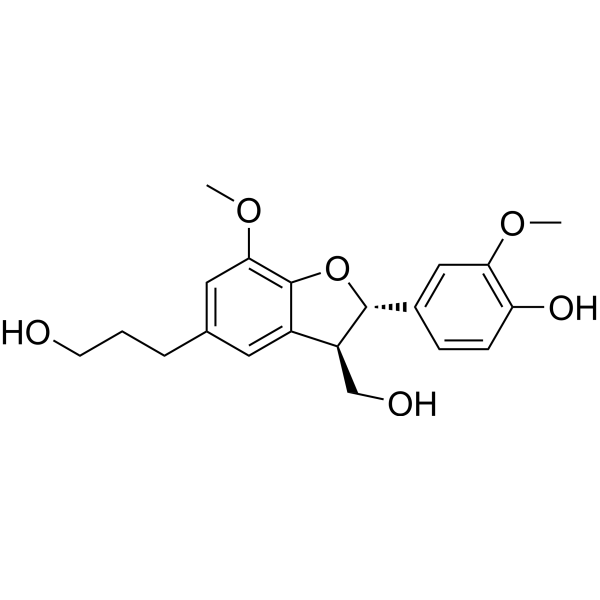
Tachioside
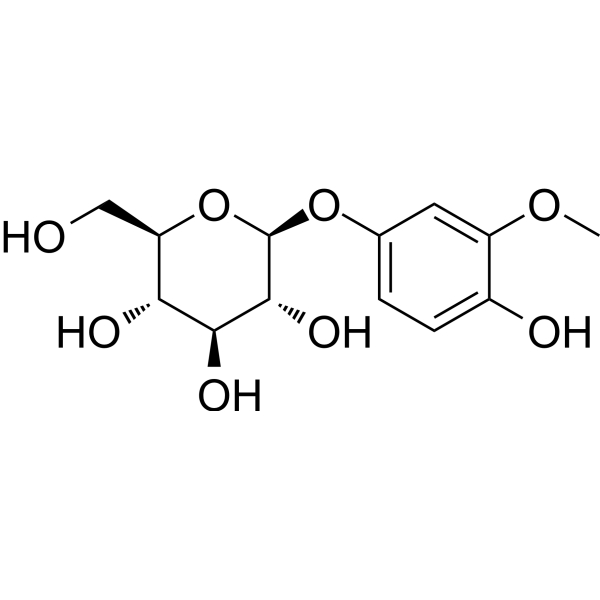 0 ImagesTachioside is a phenolic glycoside natural product. Tachioside inhibits antigen-induced mast cell degranulation and TNF-α expression in RBL-2H3 cells; it exhibits melanin inhibitory effects in B16 melanoma cells. Tachioside possesses anti-obesity, antioxidant, and α-glucosidase inhibitory activities. Tachioside has been predicted as a potential anti-breast cancer candidate compound and shows high correlation coefficients with antioxidant indicators such as ABTS and FRAP. Tachioside can be used in research on allergies and pigmentation-related diseases.
-
Giraldoid B
 0 ImagesGiraldoid B is an active ingredient that can be isolated from Girald Daphne Bark. Giraldoid B can inhibit LPS induced NO and b>TNF-α production in RAW264.7 and has anti-inflammatory activity.
-
10-OAHSA
 0 Images10-OAHSA is one of fatty acid esters of hydroxy fatty acids (FAHFAs). 10-POHSA increases glucose-stimulated insulin secretion (GSIS) at a high glucose concentration. 10-OAHSA reduces LPS (HY-D1056)-induced Tnf-α secretion in bone marrow-derived dendritic cells (BMDCs).
-
a15:0-i15:0 PE
 0 ImagesCat. No.: HY-N15936CAS No.: 2936622-21-6a15:0-i15:0 PE is an atypical TLR2 agonist, and its immune signaling strictly depends on the TLR2-TLR1 heterodimer. a15:0-i15:0 PE induces dendritic cells to produce TNFα and IL-6, but does not induce the production of IL-10 or IL-12p70. At low doses, a15:0-i15:0 PE resets the activation threshold of immune cells to suppress or regulate immune responses against specific agonists.
-
Nafamostat mesylate (Standard)
 0 ImagesSynonyms: FUT-175 (Standard)Nafamostat (mesylate) (Standard) is the analytical standard of Nafamostat (mesylate). This product is intended for research and analytical applications. Nafamostat mesylate (FUT-175), an anticoagulant, is a synthetic serine protease inhibitor. Nafamostat mesylate has anticancer and antivirus effect. Nafamostat mesylate induce apoptosis by up-regulating the expression of tumor necrosis factor receptor-1 (TNFR1). Nafamostat mesylate can be used in the development of the pathological thickening of the arterial wall.
-
SLP7111228 hydrochloride
 0 ImagesSLP7111228 hydrochloride is a selective sphingosine kinase 1 (SphK1) inhibitor and anti-inflammatory agent. SLP7111228 hydrochloride selectively inhibits SphK1 and reduces the production of sphingosine-1-phosphate. SLP7111228 hydrochloride decreases lipopolysaccharide-induced TNFα and IL-1β levels. SLP7111228 hydrochloride alleviates obliterative pulmonary arteriopathy, increases cardiac index and decreases total pulmonary vascular resistance index. SLP7111228 hydrochloride can be used in research related to neuroinflammatory diseases and pulmonary hypertension.
-
BIHC
 0 ImagesBIHC is a TNF blocker with anti-inflammatory activity. BIHC can significantly inhibit the proliferation of hepatocellular carcinoma (HCC) cells and exhibits potent cytotoxicity against the HepG2 cell line, capable of inducing cell apoptosis , while demonstrating relatively low toxicity towards normal hepatocytes. Additionally, BIHC can be used for research on inflammatory bowel disease (IBD).
-
Anti-CD160 Antibody (MAT 302)
 0 ImagesCat. No.: HY-P992201Synonyms: CL1-R2Anti-CD160 Antibody (MAT 302) (CL1-R2) is a human monoclonal antibody targeting CD160. Anti-CD160 Antibody (MAT 302) blocks the CD160-HVEM protein interaction, inhibits FGF2-mediated renal tubular vascular growth, and induces endothelial cell apoptosis. Anti-CD160 Antibody (MAT 302) targets CD160 on neovascularization to exert anti-angiogenic and vascular normalization effects, trigger the production of IFN-γ, TNF and IL-6 by NK cells, and enhance glucose metabolism of NK cells through the AKT/mTOR/s6k signaling pathway. Anti-CD160 Antibody (MAT 302) reduces vascular density, normalizes remaining tumor blood vessels, and inhibits tumor growth in melanoma-bearing mice. Anti-CD160 Antibody (MAT 302) can be used in research related to neovascularization, proliferative diabetic retinopathy, and melanoma.




