



TNF Receptor
Tumor Necrosis Factor Receptor; TNFR
Tumor necrosis factor (TNF) is a major mediator of apoptosis as well as inflammation and immunity, and it has been implicated in the pathogenesis of a wide spectrum of human diseases, including sepsis, diabetes, cancer, osteoporosis, multiple sclerosis, rheumatoid arthritis, and inflammatory bowel diseases.
TNF-α is a 17-kDa protein consisting of 157 amino acids that is a homotrimer in solution. In humans, the gene is mapped to chromosome 6. Its bioactivity is mainly regulated by soluble TNF-α–binding receptors. TNF-α is mainly produced by activated macrophages, T lymphocytes, and natural killer cells. Lower expression is known for a variety of other cells, including fibroblasts, smooth muscle cells, and tumor cells. In cells, TNF-α is synthesized as pro-TNF (26 kDa), which is membrane-bound and is released upon cleavage of its pro domain by TNF-converting enzyme (TACE).
Many of the TNF-induced cellular responses are mediated by either one of the two TNF receptors, TNF-R1 and TNF-R2, both of which belong to the TNF receptor super-family. In response to TNF treatment, the transcription factor NF-κB and MAP kinases, including ERK, p38 and JNK, are activated in most types of cells and, in some cases, apoptosis or necrosis could also be induced. However, induction of apoptosis or necrosis is mainly achieved through TNFR1, which is also known as a death receptor. Activation of the NF-κB and MAPKs plays an important role in the induction of many cytokines and immune-regulatory proteins and is pivotal for many inflammatory responses.
TNF Receptor Isoform Specific Products
-
TNF Receptor
(701)
View all products
-
TNFRSF1A/
CD120a (8)View all products
-
TNFRSF3/
CD18 (1)View all products
-
TNFRSF4
(5)
View all products
-
TNFRSF5/
CD40 (142)View all products
-
TNFRSF6/
Fas/ (2)CD95 View all products
-
TNFRSF7/
CD27 (2)View all products
-
TNFRSF8/
CD30 (3)View all products
-
TNFRSF9/
4-1BB/ (3)CD137 View all products
-
TNFRSF10B/
DR5/ (1)CD262 View all products
-
TNFRSF12A/
TWEAK (5)View all products
-
TNFRSF16/
NGF Receptor/ (1)CD271 View all products
-
TNFRSF18/
GITR/ (6)CD357 View all products
All Product Categories
-
TNF Receptor Inhibitors
(903)
View all products
-
TNF Receptor Agonists
(35)
View all products
-
TNF Receptor Antagonists
(25)
View all products
-
TNF Receptor Activators
(80)
View all products
-
TNF Receptor Modulators
(8)
View all products
-
TNF Receptor Inducers
(11)
View all products
-
TNF Receptor Controls
(4)
View all products
-
TNF Receptor Ligands
(2)
View all products
-
TNF Receptor Superfamily Proteins
(282)
View all products
-
TNF Receptor Related Products (1268)
Related Products (1268)

-
Recombinant Proteins (282)
-
Antibodies (23)
-
TNF Receptor Signaling Pathway
-
TNF Receptor Isoform Comparison
-
(Rac)-Benpyrine
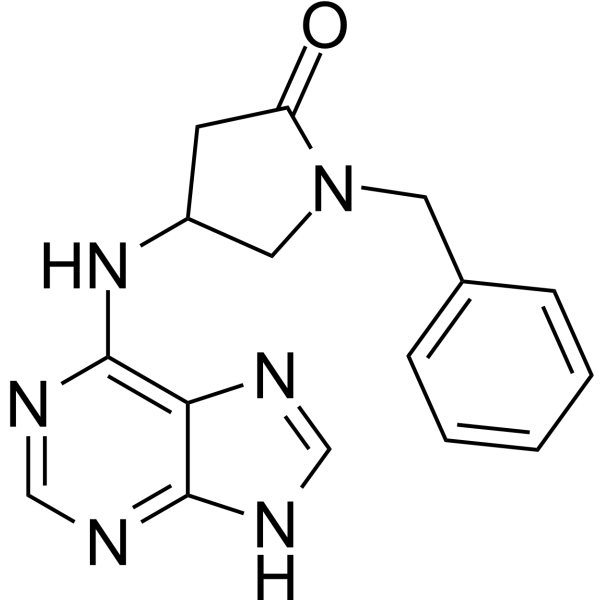 0 Images(Rac)-Benpyrine, a racemate of Benpyrine, is a potent and orally active TNF-α inhibitor. (Rac)-Benpyrine has the potential for TNF-α mediated inflammatory and autoimmune disease research.
-
Varlilumab (anti-CD27)
 0 ImagesSynonyms: CDX-1127 (anti-CD27)Varlilumab (CDX-1127) (anti-CD27) is an agonist anti-CD27 monoclonal antibody. Varlilumab (anti-CD27) can promote T cell expansion and activate the immune response. Varlilumab (anti-CD27) has anti-tumor activity and can be used in the research of hematological malignancies and solid tumors.
-
PROTAC(H-PGDS)-7
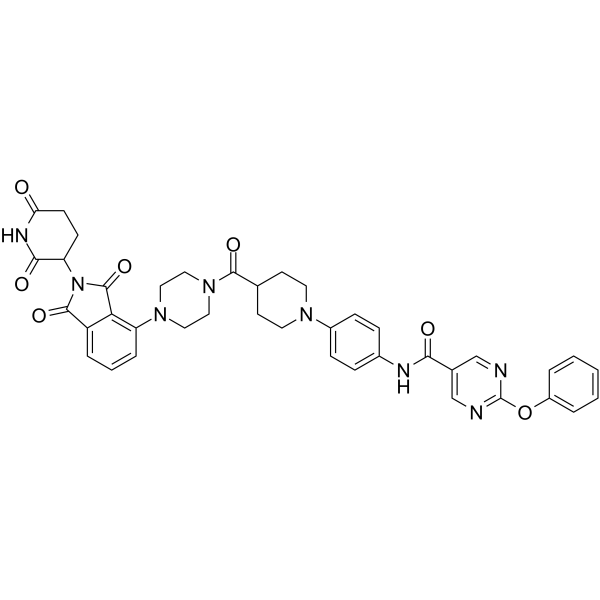 0 ImagesPROTAC (H-PGDS)-7 is a selective, linker-free H-PGDS PROTAC degrader with a DC50 of 17.3 pM. PROTAC (H-PGDS)-7 binds to CRBN and forms a ternary complex with H-PGDS, inducing the degradation of H-PGDS via the ubiquitin-proteasome system through polyubiquitination and proteasomal degradation processes. PROTAC (H-PGDS)-7 inhibits the upregulated expression of TNFα, IL-1β, TGFβ1 and CD11b in mice with cardiac hypertrophy models. PROTAC (H-PGDS)-7 can be used in studies related to Duchenne muscular dystrophy and allergic diseases.

-
Hordenine-d6
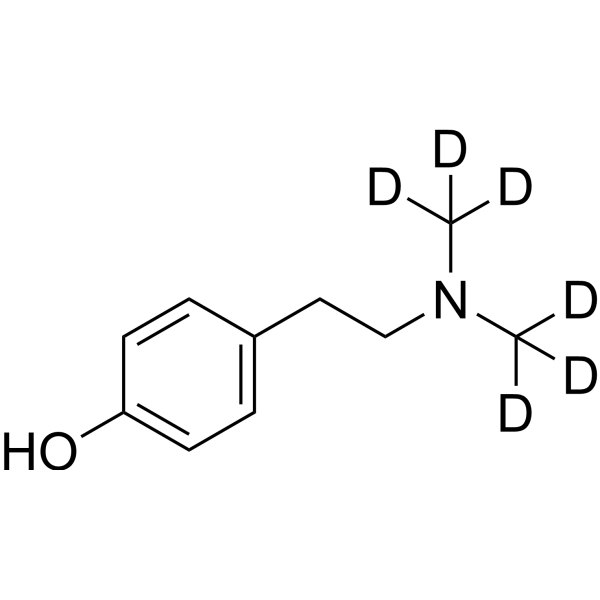 0 ImagesSynonyms: Ordenina-d6; Peyocactine-d6Hordenine-d6 (Ordenina-d6; Peyocactine-d6) is the deuterated-labeled Hordenine (HY-N0113). Hordenine (Ordenina; Peyocactine) is a multifunctional alkaloid with oral activity and blood-brain barrier penetration. Hordenine inhibits LPS-induced phosphorylation of p38, JNK, ERK1/2, p65, IκB, and AKT, prevents p65 nuclear translocation, and suppresses inflammatory cytokines and mediators. Hordenine promotes M2 macrophage polarization, restores blood-milk barrier integrity, alleviates oxidative stress by reducing ROS and MDA, and attenuates LPS-induced lung injury and pulmonary edema. Hordenine inhibits cAMP production, CREB phosphorylation, and MITF expression, thereby suppressing melanin synthesis in melanocytes and reconstructed epidermis. Hordenine activates the Wnt/β-catenin signaling pathway, promotes dermal papilla cell proliferation and hair shaft elongation, and accelerates hair regeneration. Hordenine activates DRD2, acts as a D3R partial agonist, α2A-AR full agonist, and 5-HT2A-R antagonist, and inhibits SERT and DAT. Hordenine inhibits α-synuclein accumulation and ameliorates motor deficits in Parkinson's disease models. Hordenine limits alcohol intake, reduces relapse drinking behavior, and modulates alcohol-induced conditioned place preference. Hordenine can be used for research on mastitis, skin pigmentation, acute lung injury, foodborne diseases, hair loss, Parkinson's disease, bacterial infections, and alcohol use disorder.
-
BI-1910
 0 ImagesCat. No.: HY-P991402Purity: 98.24%BI-1910 is an agonistic human IgG2 monoclonal antibody targeting TNFR2, which selectively binds to human TNFR2 without inhibiting TNF-α binding. As an endogenous agonist, BI-1910 activates TNFR2 and mediates the activation of the NF-κB signaling pathway. Its agonistic activity is independent of FcγR or cross-linking; it can directly costimulate T cells and NK cells, induce T cell proliferation, and activate tumor-specific CD8+ T cells. BI-1910 exhibits antitumor activity in vivo, and shows an additive antitumor effect when combined with anti-PD-1 (HY-P9902). It can be used in research related to advanced/metastatic non-small cell lung cancer and hepatocellular carcinoma. Recommended isotype control: Human IgG2 lambda, Isotype Control (HY-P991206).
-
Coelonin
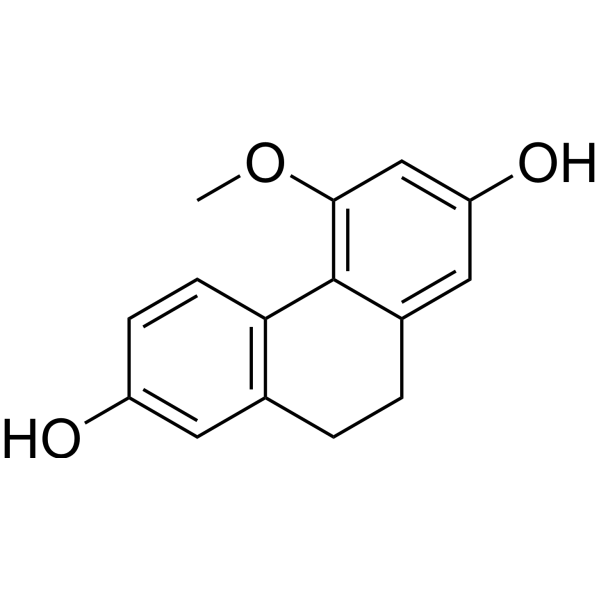 0 ImagesCoelonin is a dihydrophenanthrene with anti-inflammation activity. Coelonin inhibits LPS-induced PTEN phosphorylation. Coelonin inhibits NF-κB activation and p27Kip1 degradation by regulating the PI3K/AKT pathway negatively. Coelonin can inhibit IκBα phosphorylation and degradation and increases the expression of IκBα protein.
-
Necrosulfonamide-d4
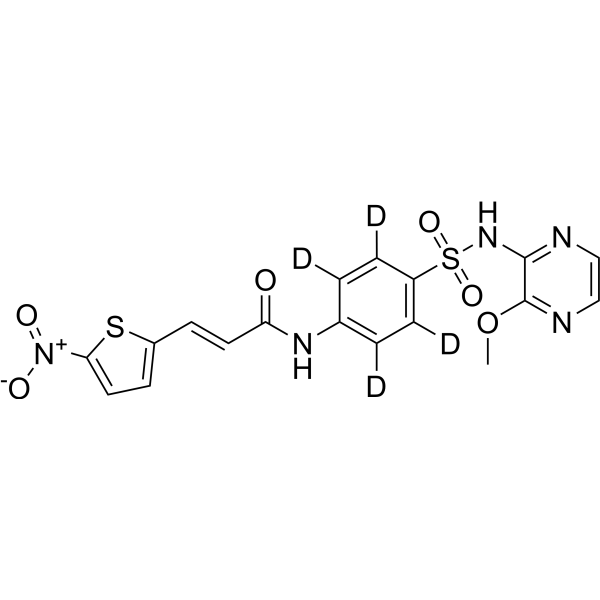 0 ImagesNecrosulfonamide-d4 is the deuterium labeled Necrosulfonamide (HY-100573). Necrosulfonamide is a MLKL and Gasdermin D (GSDMD) inhibitor, capable of separately inhibiting necroptosis and pyroptosis of cells. Necrosulfonamide does not affect the activation of upstream signals, but specifically inhibits the downstream executor oligomerization step. Necrosulfonamide reduces the expression of the key kinases NLRP3 and caspase-1 involved in necroptosis and pyroptosis, activate the Nrf2 pathway and the downstream antioxidant enzymes, and also downregulates a variety of inflammatory factors. Necrosulfonamide plays significant roles in various diseases such as neurodegenerative diseases (such as Parkinson’s disease), tissue damage and ischemia-reperfusion injury, inflammatory bowel disease, osteoarthritis and fracture repair, and hair loss by regulating two important programmed necrosis pathways.
-
5-(3',4'-Dihydroxyphenyl)-γ-valerolactone
 0 Images5-(3',4'-Dihydroxyphenyl)-γ-valerolactone is an intestinal microbiota metabolite of (-)-Epicatechin (HY-N0001). 5-(3',4'-Dihydroxyphenyl)-γ-valerolactone downregulates TNF-α-stimulated phosphorylation of IKK and IκBα, inhibits the transcriptional activation of NF-κB, and suppresses the expression of adhesion molecules and chemokines. 5-(3',4'-Dihydroxyphenyl)-γ-valerolactone promotes autophagy, alleviates oxidative stress, maintains osteoblast differentiation, induces G1 phase arrest, inhibits adipogenesis, and scavenges ABTS free radicals. 5-(3',4'-Dihydroxyphenyl)-γ-valerolactone inhibits the adhesion of uropathogenic Escherichia coli to bladder epithelial cells; when used in combination with Curcumin (HY-N0005), it downregulates the NLRP3 and NOX2/Nrf2 signaling pathways, thereby reducing microglial activation. 5-(3',4'-Dihydroxyphenyl)-γ-valerolactone can be used in research related to diabetes, atherosclerosis, osteoporosis, obesity, neurodegenerative diseases involving microglial activation, and urinary tract infections.
-
BU224 hydrochloride
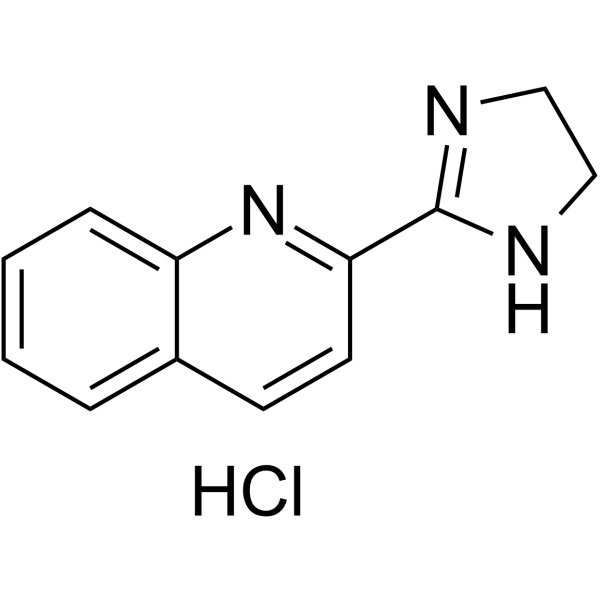 0 ImagesCat. No.: HY-101170CAS No.: 205437-64-5BU224 hydrochloride is a selective and high affinity imidazoline I2 receptor ligand, with a Ki of 2.1 nM. BU224 hydrochloride is sometimes used as an I2 receptor antagonist. BU224 hydrochloride exerts neuroprotective effects, with anti-inflammatory and anti-apoptotic properties. BU224 hydrochloride improves memory in 5XFAD mice, enlarging dendritic spines and reducing Aβ-induced changes in NMDARs. BU224 hydrochloride can be used for Alzheimer's disease research.
-
Anti-Mouse DR5/CD262 Antibody (MD5-1)
 0 ImagesCat. No.: HY-P990249Purity: 99.20%Anti-Mouse DR5/CD262 Antibody (MD5-1) is an anti-mouse DR5/CD262 IgG monoclonal antibody. Anti-Mouse DR5/CD262 Antibody (MD5-1) can eliminate myeloid derived suppressor cells (MDSCs) and enhance T cell anti-tumor immunity. Anti-Mouse DR5/CD262 Antibody (MD5-1) can be used for research on cancer such as gastric and colon cancer.
-
Ceftiofur hydrochloride
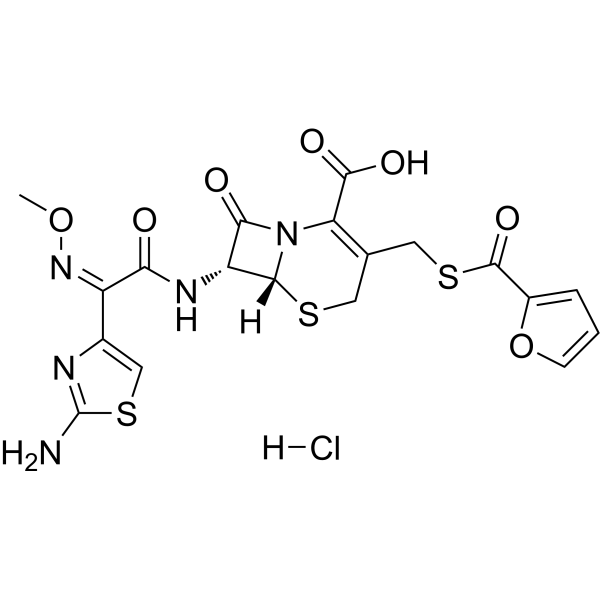 0 ImagesCeftiofur hydrochloride is a cell wall synthesis inhibitor that targets bacterial penicillin-binding proteins (PBPs) and has anti-inflammatory effects in endotoxemia. Ceftiofur hydrochloride exerts bactericidal effects by inhibiting the synthesis of bacterial cell wall peptidoglycan, leading to bacterial cell lysis. Ceftiofur hydrochloride also inhibits the activation of NF-κB and MAPKs, thereby reducing the secretion of pro-inflammatory cytokines such as TNF-α, IL-1β, and IL-6.
-
Ispectamab
 0 ImagesCat. No.: HY-P990686Purity: 98.102%
-
Desoxo-narchinol A
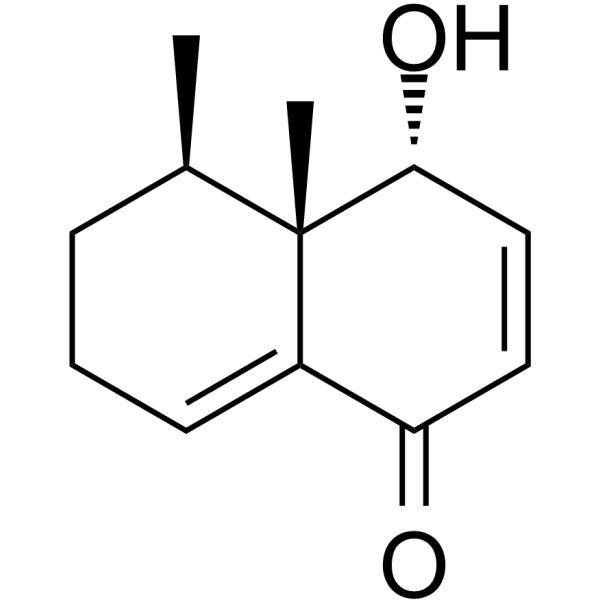 0 ImagesDesoxo-narchinol A is an orally active and potent anti-inflammatory agent. Desoxo-narchinol A can be isolated from the roots and rhizomes of Nardostachys jatamansi. Desoxo-narchinol A can be used for septic shock and inflammatory diseases research.
-
Alphitolic acid
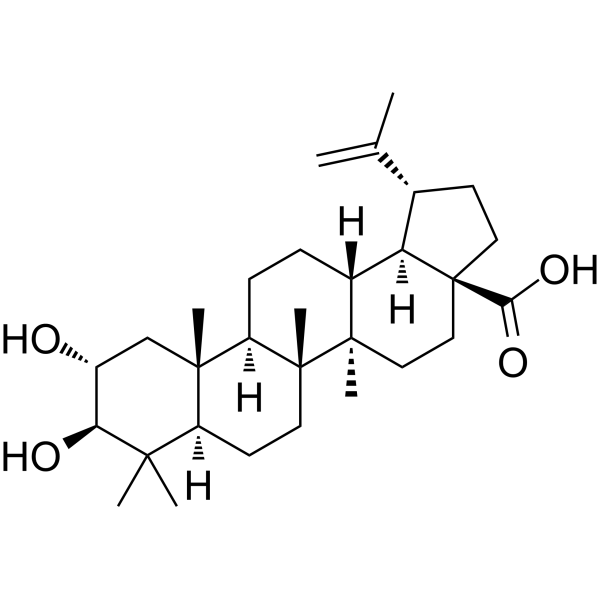 0 ImagesCat. No.: HY-N2855CAS No.: 19533-92-7Synonyms: Aophitolic acidAlphitolic acid (Aophitolic acid) is an anti-inflammatory triterpene could found in quercus aliena. Alphitolic acid blocks Akt–NF-κB signaling to induce apoptosis. Alphitolic acid induces autophagy. Alphitolic acid has anti-inflammatory activity and down-regulates the NO and TNF-α production. Alphitolic acid can be used for cancer and inflammation research.
-
(S)-Elobixibat
 0 ImagesCat. No.: HY-15790HCAS No.: 439087-68-0Synonyms: (S)-A 3309; (S)-AZD 7806(S)-Elobixibat is the S enantiomer of Elobixibat (HY-15790). (S)-Elobixibat is an orally effective Apical Sodium-Dependent Bile (IBAT) inhibitor. (S)-Elobixibat decreases LDL cholesterol, increases serum GLP-1, promotes colon motility, and has the potential to study metabolic syndrome. (S)-Elobixibat can be used to study constipation, dyslipidemia, non-alcoholic hepatitis, and liver tumors.
-
4′-Hydroxywogonin
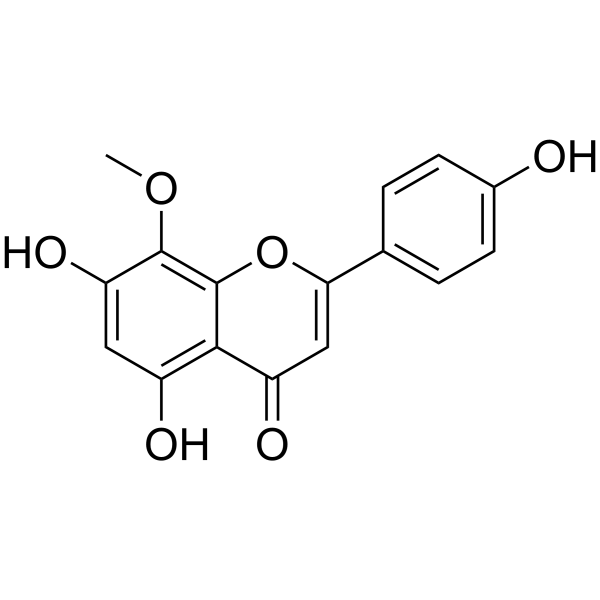 0 ImagesSynonyms: 8-Methoxyapigenin4′-Hydroxywogonin (8-Methoxyapigenin), a flavonoid, could be isolated from a variety of plants including Scutellaria barbata and Verbena littoralis. 4′-Hydroxywogonin has anti-inflammatory activity via TAK1/IKK/NF-κB, MAPKs and PI3/AKT signaling pathways. 4′-Hydroxywogonin inhibits angiogenesis by disrupting PI3K/AKT signaling. 4′-Hydroxywogonin inhibits cell proliferation and induces apoptosis.
-
Xirestomig
 0 ImagesSynonyms: ATG-101Xirestomig (ATG-101) is a tetravalent "2+2″ PD-L1×4-1BB bispecific antibody. Xirestomig binds PD-L1 and 4-1BB concurrently, with a greater affinity for PD-L1, and potently activated 4-1BB+ T cells when cross-linked with PD-L1-positive cells. Xirestomig activates exhausted T cells upon PD-L1 binding. Xirestomig displays potent antitumor activity in numerous in vivo tumor models, including those resistant or refractory to immune checkpoint inhibitors (ICIs).
-
GE1111
 0 ImagesCat. No.: HY-158990CAS No.: 2883669-12-1GE1111 is a MRGPRX2 antagonist (IC50 = 9.4 μM). GE1111 inhibits MRGPRX2/MRGPRB2-mediated mast cell activation. GE1111 reduces the expressions of TSLP, IL-13, MCP-1, TNF-α, IL-1β and periostin, maintains the expression levels of claudin 1 and involucrin, restores the phagocytic activity of macrophages, and attenuates the activation of STIM1 and phosphorylated AKT. GE1111 exerts anti-inflammatory and anti-allergic effects in multiple animal models. GE1111 is applicable to the research related to rosacea, atopic dermatitis and ulcerative colitis.
-
MG-C-30
 0 ImagesCat. No.: HY-159886CAS No.: 877164-43-7MG-C-30 is an orally active agonist for CD27 with an EC50 of 0.84 μM. MG-C-30 activates NK cells and T cell co-stimulatory signals, and enhances immune response. MG-C-30 exhibits antitumor efficacy in mouse EG7-OVA model.




