



Reactive Oxygen Species (ROS)
Reactive oxygen species (ROS), such as superoxide anion (O2-), hydrogen peroxide (H2O2), and hydroxyl radical (HO•), consist of radical and non-radical oxygen species formed by the partial reduction of oxygen. Cellular ROS are generated endogenously during mitochondrial oxidative metabolism as well as in cellular response to xenobiotics, cytokines, and bacterial invasion.
ROS also activates MAPK pathways by the direct inhibition of MAPK phosphatases. Through PTEN, the PI3K pathway is subject to reversible redox regulation by ROS generated by growth factor stimulation. The activation of autophagy may be a cellular defense mechanism in response to ROS.
All Product Categories
-
Reactive Oxygen Species (ROS) Inhibitors
(1091)
View all products
-
Reactive Oxygen Species (ROS) Agonists
(37)
View all products
-
Reactive Oxygen Species (ROS) Antagonists
(2)
View all products
-
Reactive Oxygen Species (ROS) Activators
(525)
View all products
-
Reactive Oxygen Species (ROS) Modulators
(22)
View all products
-
Reactive Oxygen Species (ROS) MDM2 Inhibitor
(1)
View all products
-
Reactive Oxygen Species (ROS) Inducers
(645)
View all products
-
Reactive Oxygen Species (ROS) Controls
(5)
View all products
-
Reactive Oxygen Species (ROS) Substrates
(3)
View all products
-
Reactive Oxygen Species (ROS) Related Products (2859)
Related Products (2859)

-
Antibodies (8)
-
Homoeriodictyol
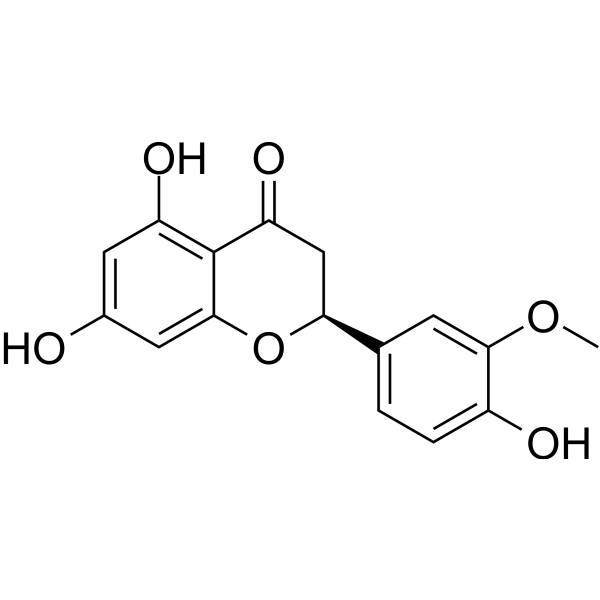 0 ImagesHomoeriodictyol is an orally active, bitter-tasting flavanone that can penetrate the blood-brain barrier. Homoeriodictyol enhances synaptic-related protein expression through NCOA4-mediated ferritin autophagy. Homoeriodictyol improves memory impairment in mice by inhibiting the NLRP3 inflammasome. Homoeriodictyol protects human endothelial cells from oxidative damage by activating Nrf2 and inhibiting mitochondrial dysfunction. Homoeriodictyol enhances ROS activity and induces apoptosis, exhibiting anticancer effects. Homoeriodictyol inhibits the survival and migration of androgen-resistant prostate cancer cells in vitro. Homoeriodictyol exerts antinociceptive activity in mice in vivo.
-
OR-1855
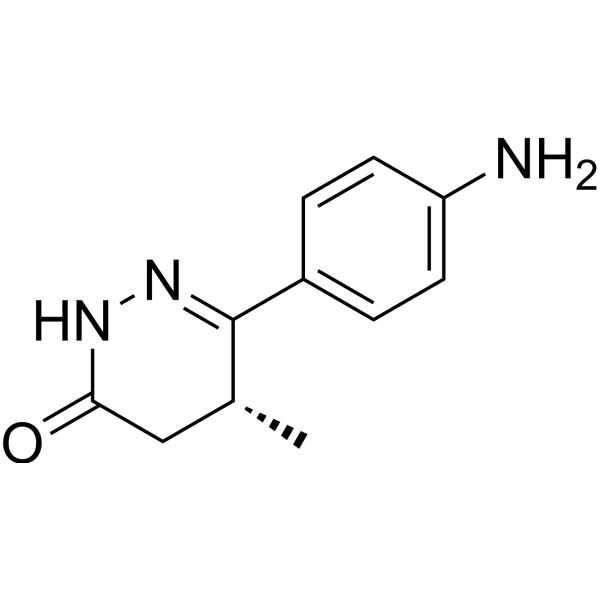 0 ImagesOR-1855, an active metabolite of Levosimendan (HY-14286), has effect on myometrial contractility. OR-1855 exerts anti-inflammatory effects by inhibiting IL-1β-induced ROS formation and NAD(P)H oxidase-dependent superoxide radical generation in HUVECs. OR-1855 inhibits IL-1β-induced phosphorylation p38 MAPK, ERK1/2, c-Jun and JNK in HUVECs. OR-1855 can be used for the study of inflammation.
-
FZ1 peptide
 0 ImagesCat. No.: HY-P11474Purity: 99.92%FZ1 peptide is a cyclic heptapeptide and also an integrin αvβ3 agonist. FZ1 peptide activates the FAK/PI3K-AKT/ERK pathway and upregulates VEGFC to promote angiogenesis. FZ1 peptide exhibits antibacterial activity in extracts of HA-c-FZ1 hydrogel; it inhibits LPS-induced proinflammatory cytokine secretion in RAW264.7 macrophages; it reduces H2O2-induced ROS levels; it increases the healing rate of scratch wounds. FZ1 peptide can be used in studies related to diabetic skin wounds.
-
Vitexin 4'-glucoside
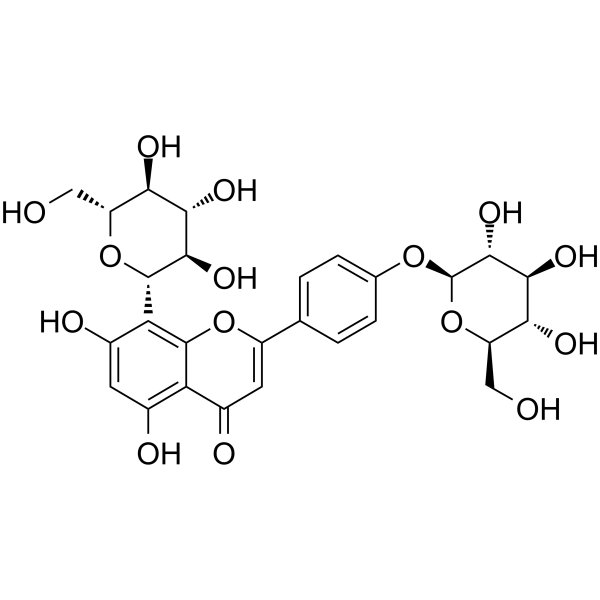 0 ImagesSynonyms: 4'-O-GlucosylvitexinVitexin 4'-glucoside is a flavonoid C-glycoside with antioxidant and anti-apoptotic activities. Vitexin 4'-glucoside reduces the hydrogen peroxide-induced increase in caspase-3 activity. Vitexin 4'-glucoside ameliorates hydrogen peroxide-induced toxicity, apoptosis, morphological distortion, nuclear pyknosis, and the ratio of apoptotic/necrotic cells.
-
Gomisin D
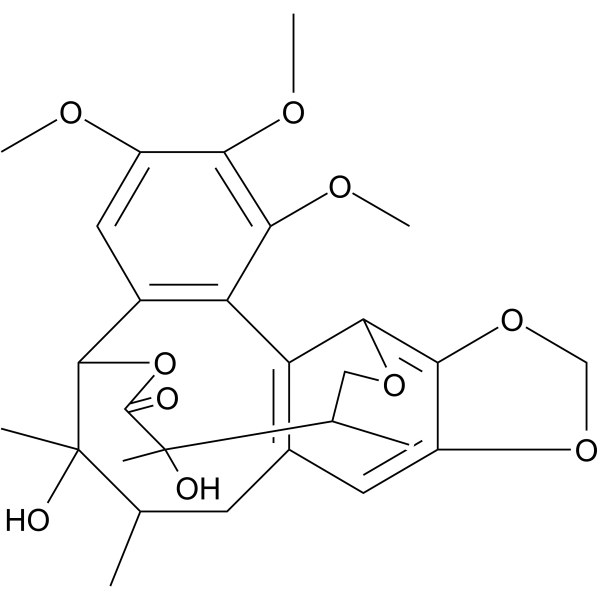 0 ImagesGomisin D is an orally active lignan that binds to PDGFRβ with a Kd of 10 μM. By targeting PDGFRβ to regulate signaling pathways, Gomisin D inhibits the activation and proliferation of hepatic stellate cells and promotes their apoptosis, thereby ameliorating hepatic fibrosis. Gomisin D exhibits multiple activities such as photoprotection, antimelanogenesis, antioxidant effects, and hypoglycemic activity. Gomisin D can be used in studies related to diabetes, Alzheimer's disease, and hepatic fibrosis.
-
Chlorin e6 trimethyl ester
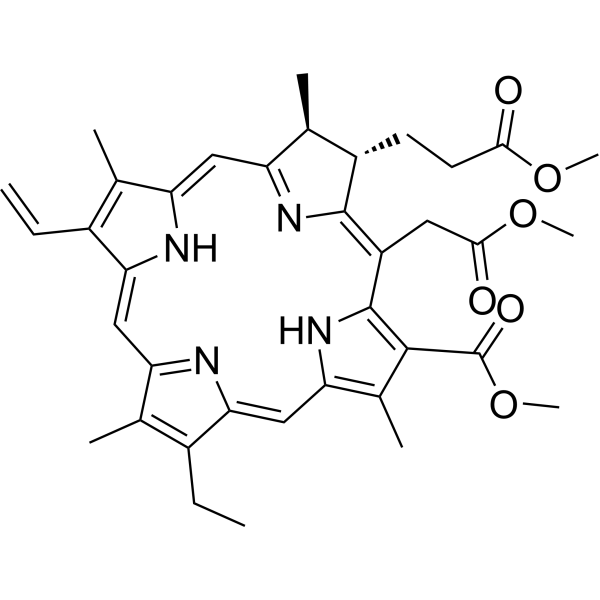 0 ImagesChlorin e6 trimethyl ester, a methyl pheophorbide-a derivative, is a photosensitizer that can be used in photodynamic therapy (PDT).
-
Flavokawain C
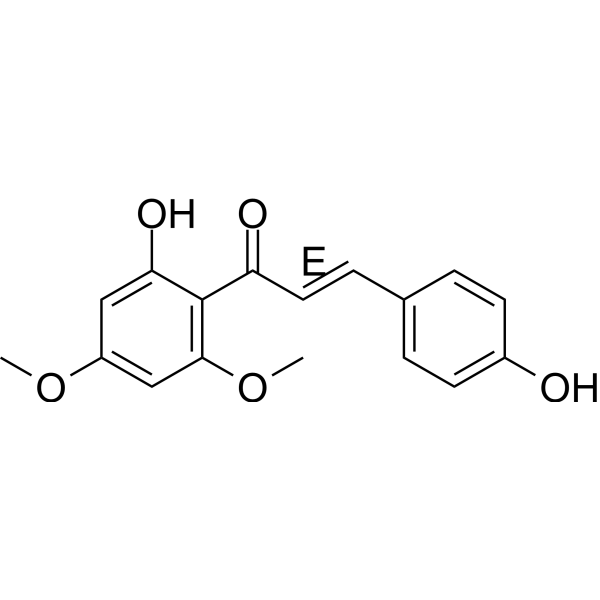 0 ImagesFlavokawain C is an orally active natural chalcone. Flavokawain C inhibits the proliferation of various cancer cells. Flavokawain C upregulates GADD153 in cancer cells, inhibits the phosphorylation of Akt and JNK, suppresses early ERK phosphorylation, activates late ERK phosphorylation, activates caspase related subtypes, induces PARP-1 cleavage, causes upregulation of p21 and p27, downregulation of mutant p53 and anti-apoptotic IAP proteins, elevates intracellular ROS levels, reduces SOD activity, and induces apoptosis. Flavokawain C downregulates FABP4, induces autophagy in cancer cells, and activates the AMPK/mTOR pathway. Flavokawain C decreases the expression of glycolysis-related proteins GLUT1 and HK2, and inhibits glycolysis in nasopharyngeal carcinoma cells. Flavokawain C inhibits the activation of the EGFR/PI3K/Akt/mTOR signaling pathway and reduces the expression of HSP90B1. Flavokawain C inhibits angiogenesis by decreasing the expression of angiogenic proteins Ang-1 and VEGF in human umbilical vein endothelial cells. Flavokawain C increases γ-H2AX levels in cells, inhibits the phosphorylation of FAK, PI3K and AKT in cells, and induces DNA damage in cells. Flavokawain C exerts anti-tumor activity in multiple tumor xenograft mouse models. Flavokawain C is applicable to research related to colorectal cancer, colon adenocarcinoma, nephroblastoma, nasopharyngeal carcinoma and liver cancer.
-
Ferroptosis-IN-6
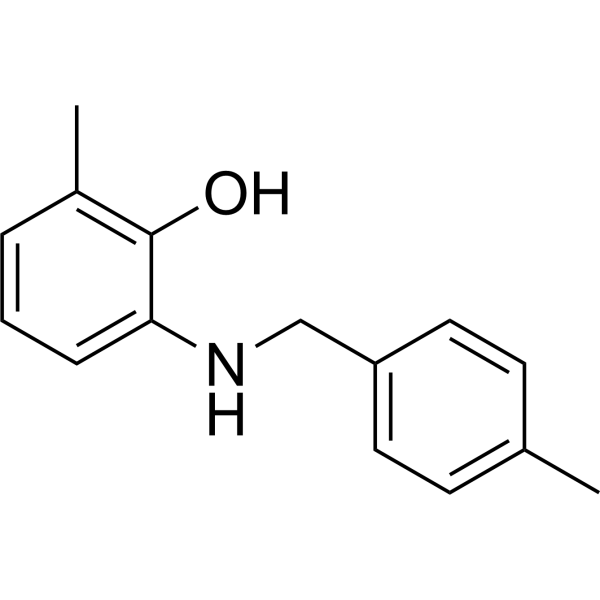 0 ImagesCat. No.: HY-163074CAS No.: 1517780-59-4Ferroptosis-IN-6 is a potent Ferroptosis inhibitor with an EC50 of 25.5 nM. Ferroptosis-IN-6 acts as a radical-trapping antioxidant, relying on the synergistic effect of ortho-hydroxyamine to specifically block lethal lipid ROS accumulation without affecting iron homeostasis and ROS generation pathways. Ferroptosis-IN-6 can be used for research on renal ischemia-reperfusion injury.
-
Plantaricin A
 0 ImagesSynonyms: PlnAPlantaricin A is an antimicrobial peptide that can be derived from Lactobacillus plantarum. Plantaricin A has a synergistic effect with Ciprofloxacin. Plantaricin A shows anti-microbial activity. Plantaricin A increases the membrane potential of S. aureus and the level of intracellular ROS. Plantaricin A inhibits the function of the efflux pump by binding it and altering the structure of MepA, NorA, and LmrS. Plantaricin A significantly relieves inflammation, and promotes wound healing. Plantaricin A permeabilizes cancerous rat pituitary cells[1][2].
-
Macranthoidin B
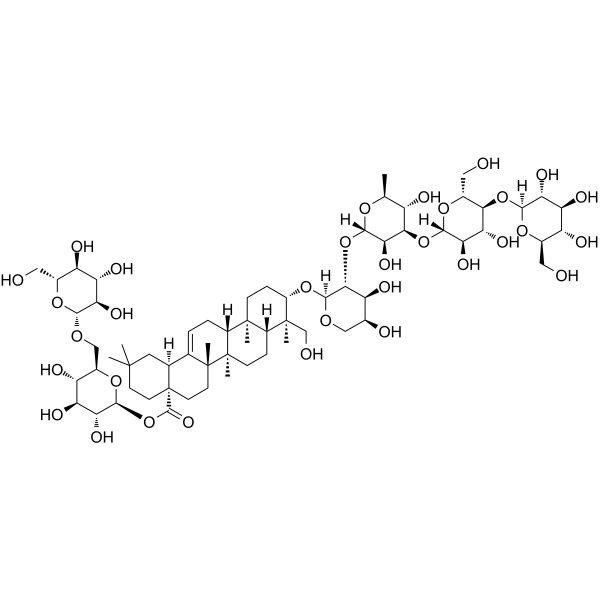 0 ImagesSynonyms: Macranthoiside IMacranthoidin B (Macranthoiside I) is an orally active triterpene saponin. Macranthoidin B inhibits epithelial-mesenchymal transition in endometriosis via the COX‑2/PGE2 pathway, and also induces tumor cell apoptosis and inhibits their proliferation by regulating metabolism and increasing ROS levels. Macranthoidin B can be used in studies related to endometriosis, colorectal cancer and hepatocellular carcinoma.
-
Gigantol
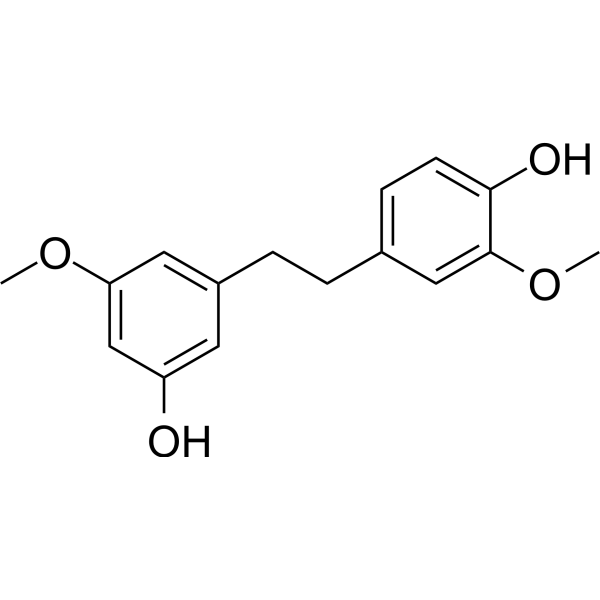 0 ImagesGigantol is an orally active bibenzyl compound. Gigantol targets MYC to promote its ubiquitin-proteasomal degradation and inhibit the growth of lung cancer cells. Gigantol exerts anti-lung cancer activity by inducing ferroptosis (Ferroptosis) via the SLC7A11-GPX4 axis. Gigantol restores the sensitivity of mcr-harboring multidrug-resistant bacteria to colistin. Gigantol ameliorates carbon tetrachloride-induced liver injury by inhibiting the activation of the JNK/cPLA2/12-LOX inflammatory pathway. Gigantol promotes cholesterol metabolism and progesterone biosynthesis in Leydig cells. Gigantol can be used in studies related to diseases such as lung cancer, multidrug-resistant Gram-negative bacterial infections, and acute liver injury.
-
Kansuinine A
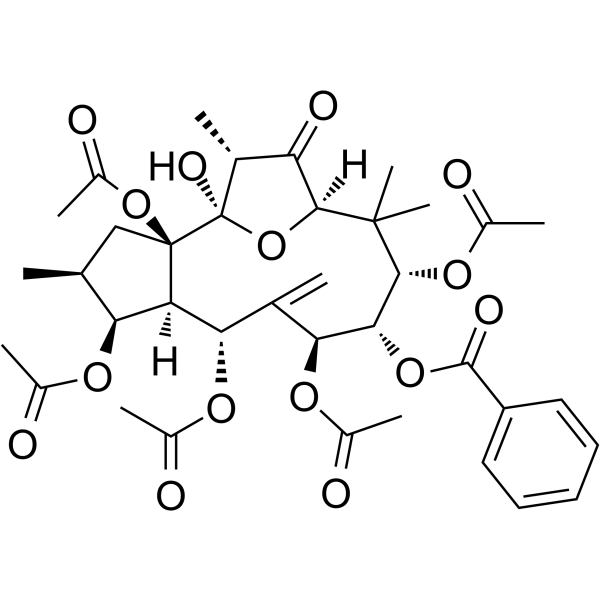 0 ImagesKansuinine A is a diterpenoid compound. Kansuinine A is isolated from the roots of Euphorbia kansui. Kansuinine A inhibits H2O2-mediated upregulation of phosphorylated IKKβ, NF-κB and IκBα. Kansuinine A inhibits ROS production, reduces the Bax/Bcl-2 ratio and the expression of cleaved Caspase-3. Kansuinine A upregulates the expression of SOCS-3 and blocks IL-6-induced signal transduction. Kansuinine A decreases the expression of LOX-1 and inhibits Apoptosis. Kansuinine A reduces the atherosclerotic lesion area of the aortic arch, improves glucose/insulin tolerance, and enhances antioxidant capacity. Kansuinine A exhibits antiviral and antitumor activities. Kansuinine A can be used in research related to atherosclerosis, liver cancer and type 2 diabetes.
-
HKSOX-1m (5/6-mixture) hydrobromide
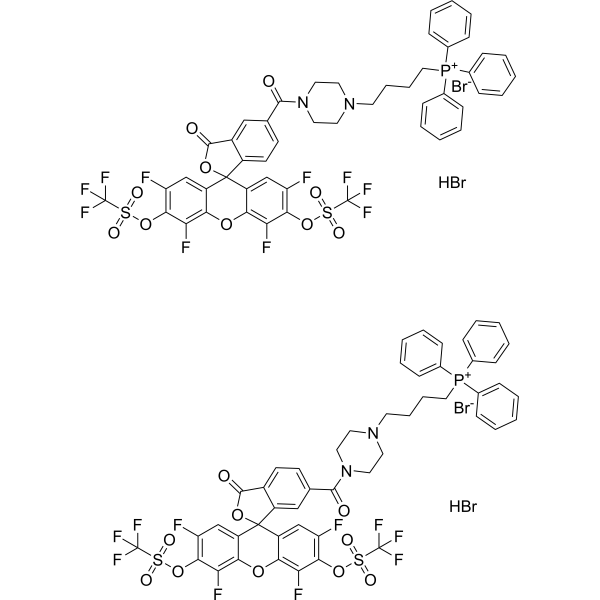 0 ImagesCat. No.: HY-D1156APurity: 99.52%HKSOX-1m (5/6-mixture) hydrobromide is a O2 fluorescent probe for mitochondria-targeting (Ex/Em=509/534nm; green), exhibiting excellent selectivity and sensitivity toward O2 over a broad range of pH, strong oxidants, and abundant reductants found in cells.
-
Graveoline
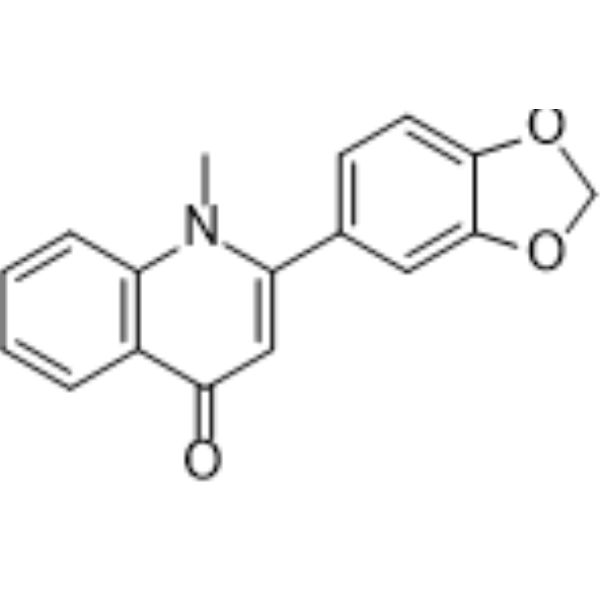 0 ImagesGraveoline (Rutamine) is an orally active alkaloid with various activities such as antifungal, antiparasitic, anti-inflammatory, and antitumor effects. Graveoline can induce tumor cell apoptosis and autophagy through a reactive oxygen species-mediated pathway. Graveoline has an MIC of 500 μg/mL for Candida albicans. Graveoline can be used in the research of various diseases such as tumors and liver injury.
-
DGAT-1 inhibitor 2
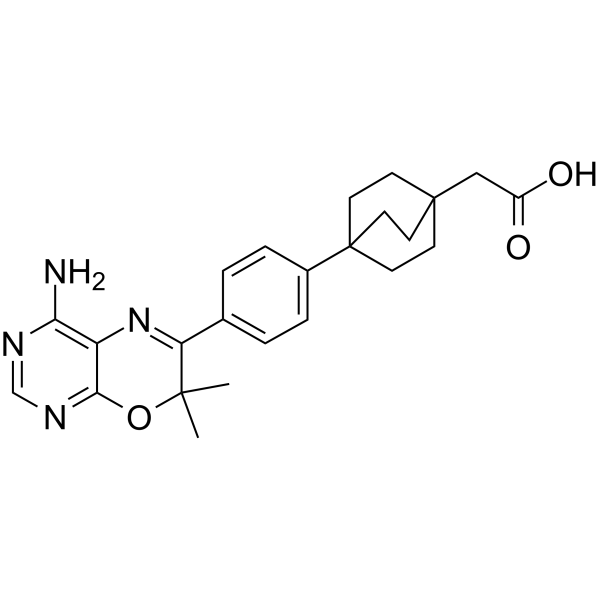 0 ImagesCat. No.: HY-50670CAS No.: 942999-61-3DGAT-1 inhibitor 2 is an orally active DGAT-1 inhibitor with IC50 values of 15 nM and 9 nM for human DGAT-1 and rat DGAT-1, respectively. DGAT-1 inhibitor 2 increases ROS concentration, GRP78, and PERK protein abundance. DGAT-1 inhibitor 2 increases SREBF1, CPT1A, and MTTP mRNA in fatty acid-treated cells. DGAT-1 inhibitor 2 improves obesity.
-
Sonlicromanol
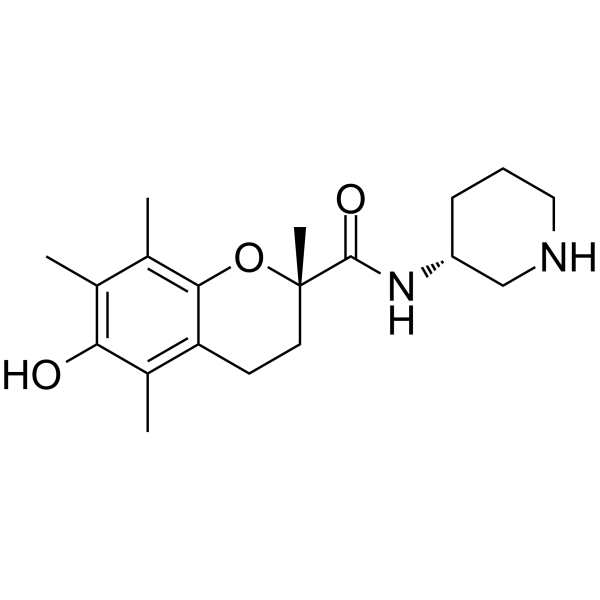 0 ImagesSynonyms: KH176Sonlicromanol (KH176) is an orally active reactive oxygen species (ROS) modulator for the study in mitochondrial disease.
-
Butyrolactone I
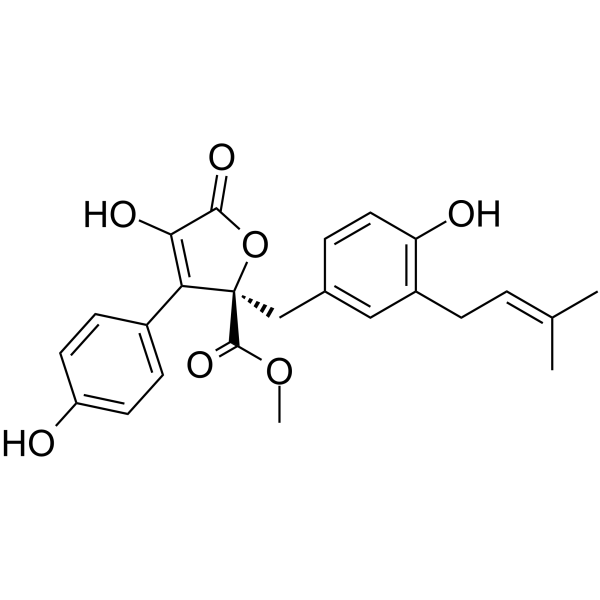 0 ImagesSynonyms: OlomoucinButyrolactone I is an orally active and ATP-competitive inhibitor of CDK1. Butyrolactone I inhibits NF-κB, cdc2 kinase, Bax, ROS production, modulates the PERK/CHOP. Butyrolactone I mitigates heat-stress-induced Apoptosis. Butyrolactone I shows anti-inflammatory and intestinal protective activity. Butyrolactone I has antitumor effects against non-small cell lung, small cell lung, prostate cancer and leukemia. Butyrolactone I can be used in NASH research.
-
(S)-3-(4-Hydroxyphenyl)-2-hydroxypropionic acid
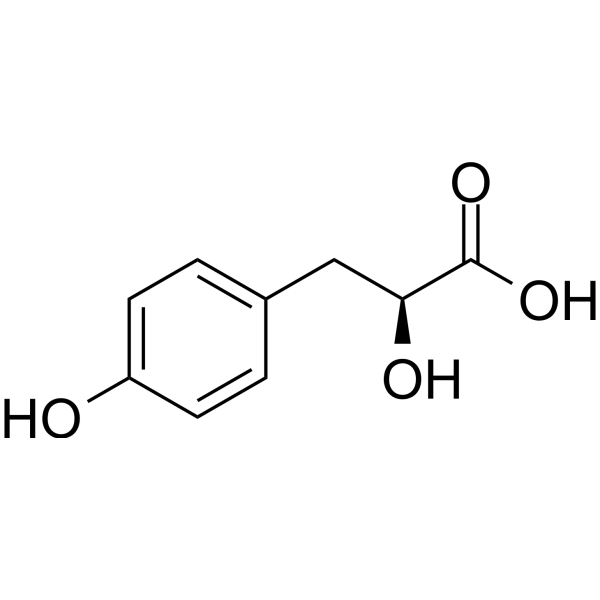 0 ImagesSynonyms: (S)-3-(4-Hydroxyphenyl)lactic acid(S)-3-(4-Hydroxyphenyl)-2-hydroxypropionic acid (Compound 1) is a metabolite. (S)-3-(4-Hydroxyphenyl)-2-hydroxypropionic acid can be isolated from the culture medium of Leuconostoc mesenteroides. (S)-3-(4-Hydroxyphenyl)-2-hydroxypropionic acid has strong antioxidant activity.
-
Rifamycin S
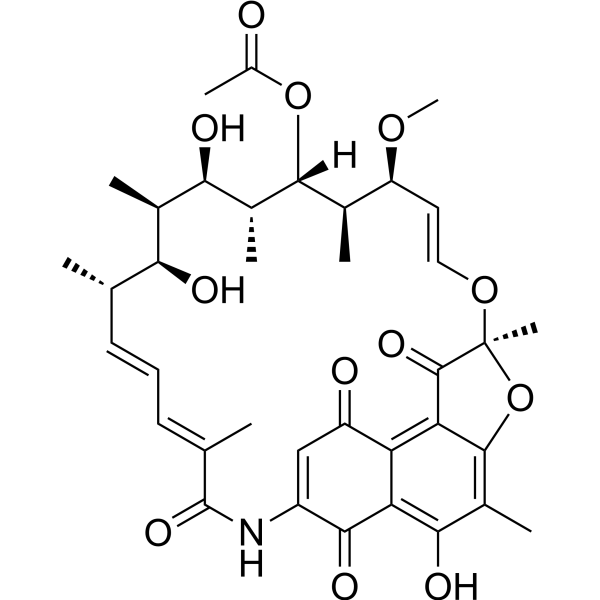 0 ImagesRifamycin S, a quinone, is an antibiotic against Gram-positive bacteria (including MRSA). Rifamycin S is the oxidized forms of a reversible oxidation-reduction system involving two electrons. Rifamycin S generates reactive oxygen species (ROS) and inhibits microsomal lipid peroxidation. Rifamycin S can be used for tuberculosis and leprosy.




