



CNS Neoplasm
-
CNS Neoplasm (301)


- Molecular Weight: 98.907 kDa
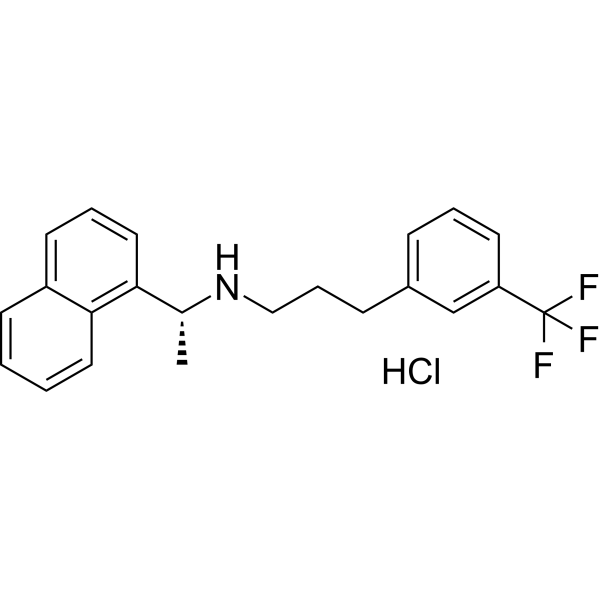
- Formula: C22H23ClF3N
- Molecular Weight: 393.87
Cinacalcet hydrochloride (AMG-073 hydrochloride) is an orally active, allosteric agonist of Ca receptor (CaR), used for cardiovascular disease treatment.
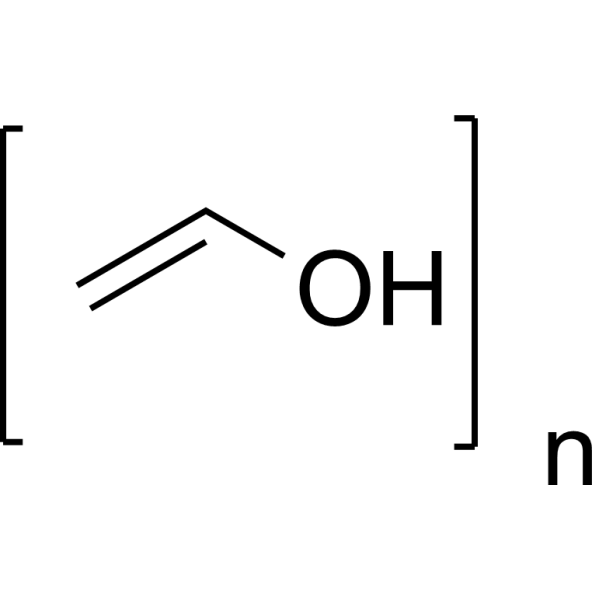
- Formula: (C2H4O)n
- Molecular Weight: 146000-186000 (Approximately)
Polyvinyl alcohol (Mw 146000-186000, 99+% hydrolyzed) is a non-biodegradable, hydrophilic, odorless biomedical polymer with cell adhesion/proliferation inhibition, peripheral nerve regeneration induction, dissolution enhancement, and non-toxic, biocompatible properties.

- Molecular Weight: 143.56 kDa
Basiliximab (CHI 621) is a recombinant chimeric murine/human IgG1 monoclonal anti-interleukin-2 receptor antibody. Basiliximab can be used for the research of renal transplantation.
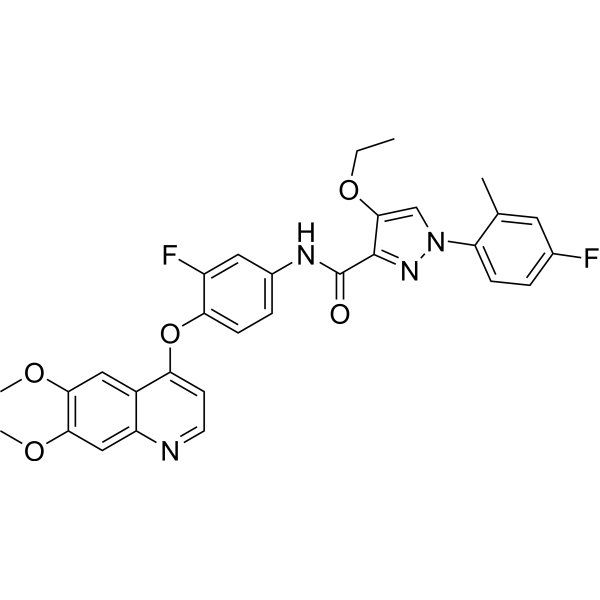
- Formula: C30H26F2N4O5
- Molecular Weight: 560.55
LDC1267 is a AXL/TAM/FLT3 inhibitor with IC50 values of 42 nM, 130 nM, and 63 nM against AXL, MERTK, and TYRO3, respectively. LDC1267 blocks GAS6-induced AXL phosphorylation and the downstream AKT/ERK1/2 signaling pathway. LDC1267 inhibits cancer cell proliferation, colony formation, and glioblastoma cell invasion, without causing obvious impairment of cytotoxic autophagic flux. LDC1267 exerts a synergistic effect when used in combination with Imatinib (HY-15463) in chronic myeloid leukemia models. LDC1267 can be widely applied in studies related to glioblastoma and chronic myeloid leukemia.

- Molecular Weight: 144.98 kDa
Omburtamab (Mab 8H9) is a mouse monoclonal immunoglobulin G1 (IgG1) antibody targeting B7-H3. Omburtamab specifically binds to the glycoprotein antigen B7-H3, which is widely expressed on the surface of tumor cells. As a targeting carrier for recombinant toxins, it delivers PE38 to inhibit cellular protein synthesis and induce cytotoxicity in antigen-expressing cancer cells. Omburtamab can be used in research related to glioma, breast cancer, osteosarcoma and neuroblastoma.
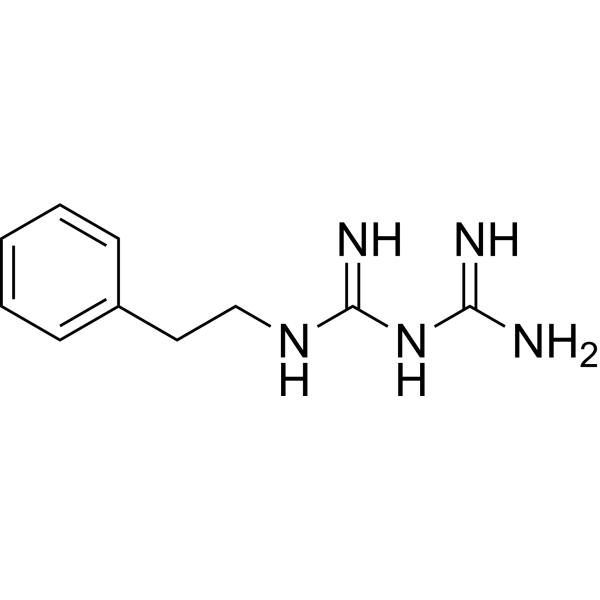
- Formula: C10H15N5
- Molecular Weight: 205.26
Phenformin (Phenethylbiguanide) is an orally active biguanide hypoglycemic agent. Phenformin inhibits mitochondrial respiratory chain complex I, leading to an increased AMP/ATP ratio, activation of AMPK, and subsequent inhibition of the mTOR pathway, thereby suppressing cell proliferation, inducing apoptosis and autophagy. Phenformin inhibits cancer stem cells (CSCs) and possesses potent antitumor potential.
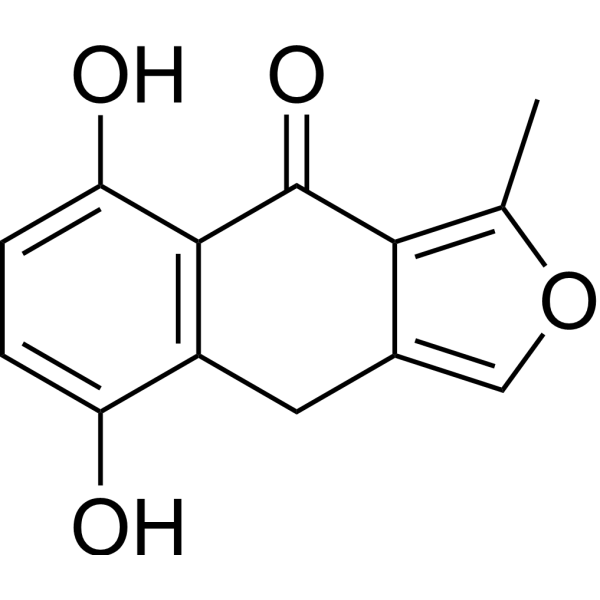
- Formula: C13H10O4
- Molecular Weight: 230.22
MS-444 (BE-34776) is a HuR (ELAVL1) inhibitor that blocks the cytoplasmic translocation of HuR and inhibits its dimerization. MS-444 reduces cytoplasmic HuR levels by preventing the binding of HuR to ARE-mRNA, without altering the total expression of HuR. MS-444 induces apoptosis, inhibits cell growth, angiogenesis and invasion, and also regulates immune function and microbiota. MS-444 effectively alters the number, size and invasiveness of tumors in various cancer models. MS-444 is tolerable to intraperitoneal injection in vivo and can be applied to research related to colorectal cancer, familial adenomatous polyposis, colitis-associated cancer and glioblastoma.
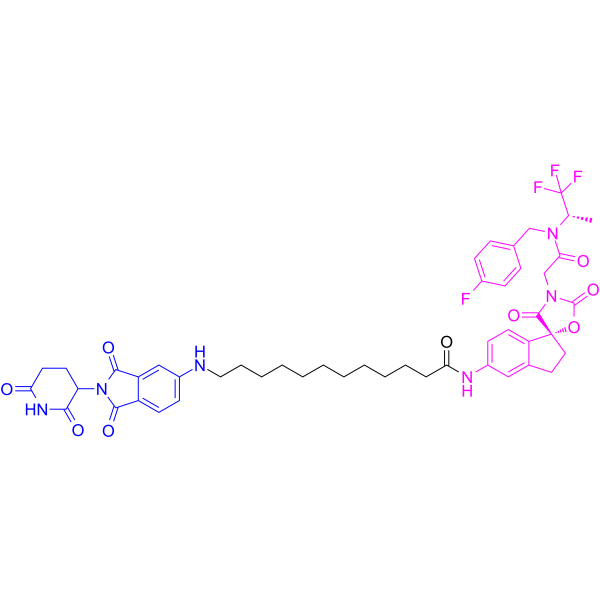
- Formula: C48H52F4N6O9
- Molecular Weight: 932.95
JQAD1 is a EP300 PROTAC degrader. JQAD1 selectively targets EP300 and induces its degradation via the CRBN-dependent proteasomal pathway. JQAD1 reduces the levels of H3K27ac and the expression of MYCN. JQAD1 induces apoptosis (apoptosis) and inhibits cancer cell growth. JQAD1 exerts anti-neuroblastoma effects in vivo in a CRBN-dependent manner. JQAD1 can be used for the research of neuroblastoma.
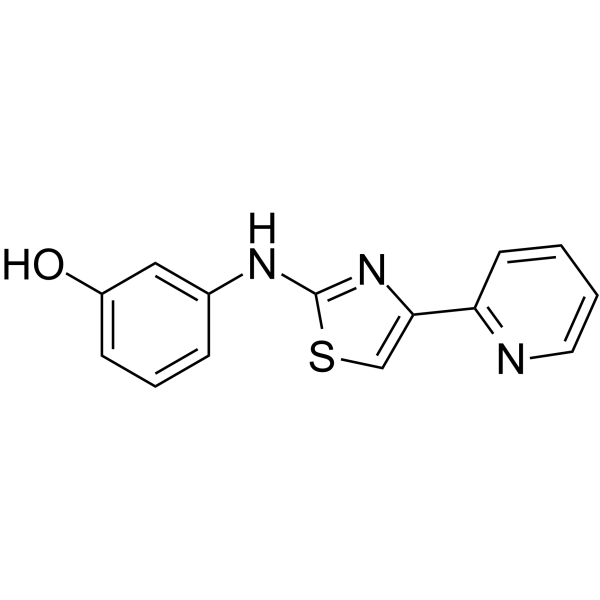
- Formula: C14H11N3OS
- Molecular Weight: 269.32
KCC-07 is a potent and brain-penetrant MBD2 (methyl-CpG-binding domain protein 2) inhibitor. KCC-07 prevents binding of MBD2 to methylated DNA and activates brain specific angiogenesis inhibitor 1 (BAI1) inducing anti-proliferative BAI1/p53/p21 signaling. KCC-07 is a TRACER (transcriptional regulation via active control of epigenetic reprogramming) that can stimulate ER transcriptional activity. KCC-07 can be used for the stduy of breast cancer.

ABBV-706 is a SEZ6-targeted topoisomerase 1 inhibitor Antibody-Drug Conjugates (ADCs), which is composed of the Linker-Payload conjugation (HY-148820) and the Anti-SEZ6 Antibody (SC17) (HY-P991041). ABBV-706 can inhibit cancer cells proliferation and induce DNA damage and G2/M arrest. ABBV-706 exhibits high efficacy against small cell lung cancer (SCLC), neuroendocrine tumors (NENs) and central nervous system (CNS) tumors.
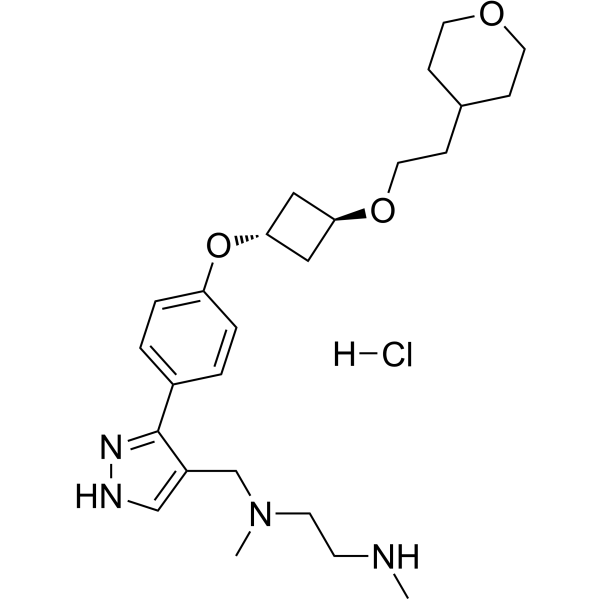
- Formula: C25H39ClN4O3
- Molecular Weight: 479.06
EPZ020411 hydrochloride is a selective, blood-brain barrier-permeable PRMT6 inhibitor with an IC50 of 0.010 μM. EPZ020411 hydrochloride blocks PRMT6-mediated histone H3R2 methylation, reduces ROS production, and inhibits Apoptosis. EPZ020411 hydrochloride is applicable to research related to neuropathic pain, colorectal cancer, ototoxicity, hearing loss and glioblastoma.
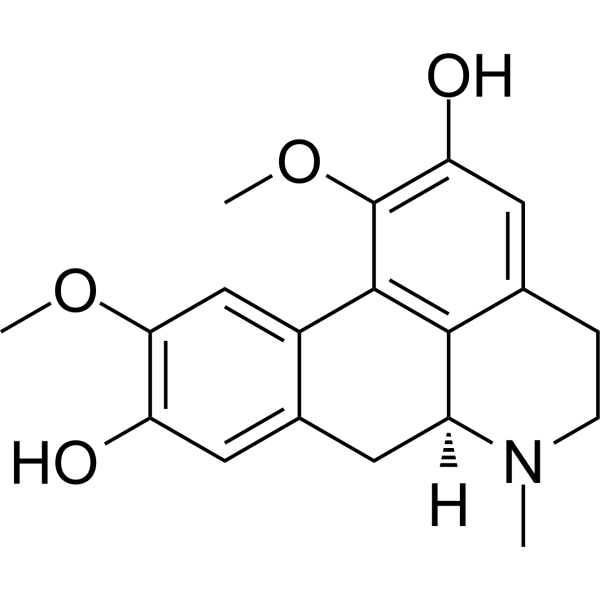
- Formula: C19H21NO4
- Molecular Weight: 327.37
Boldine is an aporphine alkaloid telomerase (telomerase) inhibitor (IC50 of 0.17 μM for TERT) and a pannexin/connexin hemichannel blocker, with oral activity and blood-brain barrier permeability. Boldine inhibits telomerase activity through direct interaction with the telomerase ribonucleoprotein and non-competitive binding near the TERT active site, and downregulates hTERT mRNA while shifting alternative splicing toward non-functional transcripts. Boldine blocks Panx1, Cx43, Cx26, and Cx30 hemichannels as well as P2X7 receptor-mediated calcium influx. Boldine exhibits antioxidant, anti-inflammatory, antiproliferative, and cytotoxic activities by scavenging ROS, inhibiting NFκB, dephosphorylating SGK1, and reducing TNF-alpha levels. Boldine can be used in research on breast cancer, Alzheimer's disease, glioblastoma, diabetes, and spinal cord injury.


- Molecular Weight: 145.5 kDa
OS-2966 is a humanized neutralizing monoclonal antibody (huIgG1κ) targeting human CD29 (β1 integrin/ITGB1). OS-2966 blocks integrin β1 signaling, inhibits tumor cell proliferation, invasion, migration and mesenchymal phenotype, and enhances the efficacy of oncolytic herpes simplex virus-1 (oHSV) and anti-angiogenic therapies. OS-2966 can be used in research related to triple-negative breast cancer, high-grade meningioma, glioblastoma and ovarian cancer.
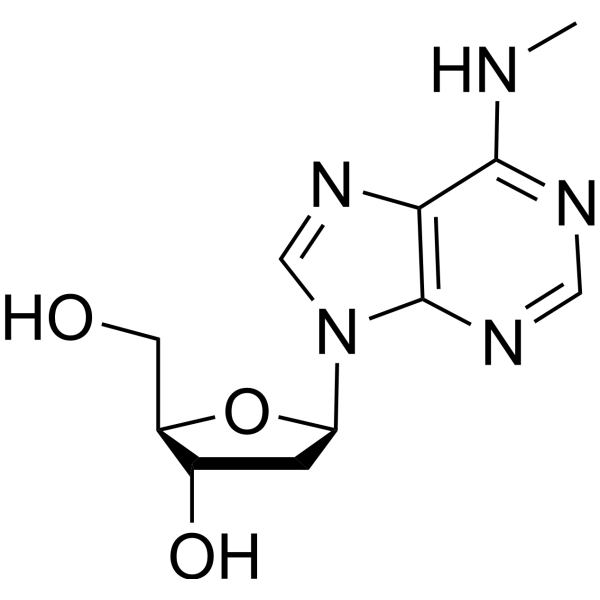
- Formula: C11H15N5O3
- Molecular Weight: 265.27
N-6-Methyl-2-deoxyadenosine (m6dA) is an adenine nucleoside analogue. N-6-Methyl-2-deoxyadenosine targets nuclear processes and DNA replication machineries including WER, SATB1, TFAM, Jumu, SSBP1, DNA polymerase η and phage polymerase Gp90 exo−. N-6-Methyl-2-deoxyadenosine acts as a multifunctional epigenetic regulator that modulates transcription, DNA damage response, cell cycle, transposon silencing, stress adaptation, epigenetic crosstalk, and nucleosome organization in both prokaryotes and eukaryotes. N-6-Methyl-2-deoxyadenosine regulates mitochondrial epigenetic inheritance and is required for fear extinction memory in mice. N-6-Methyl-2-deoxyadenosine exhibits dysregulated levels in cancers. N-6-Methyl-2-deoxyadenosine can be used for the research of glioblastoma, triple negative breast cancer, and conditioned fear (fear extinction impairment).

- Molecular Weight: 144.38 kDa
Naxitamab (Hu3F8) is a humanized monoclonal antibody targeting the disialoganglioside GD2. Naxitamab can be used in research of neuroblastoma, osteosarcoma and other GD2-positive cancers.
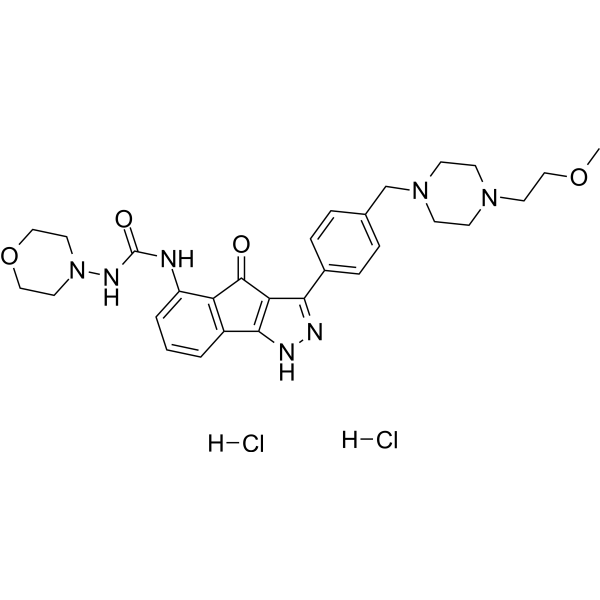
- Formula: C29H37Cl2N7O4
- Molecular Weight: 618.55
RGB-286638 is a potent inhibitor of CDK and MAPK9. RGB-286638 inhibits the activities of cyclin T1-CDK9, cyclin B1-CDK1, cyclin E-CDK2, cyclin D1-CDK4, cyclin E-CDK3 and p35-CDK5, with IC50 values of 1, 2, 3, 4, 5 and 5 nM, respectively. RGB-286638 inhibits GSK-3β and TAK1, with IC50 values of 3 nM and 5 nM, respectively. RGB-286638 induces caspase-dependent Apoptosis in cells. RGB-286638 delays tumor growth in an orthotopic glioblastoma mouse model. RGB-286638 extends survival in multiple myeloma models. RGB-286638 can be used in research related to glioblastoma and multiple myeloma.
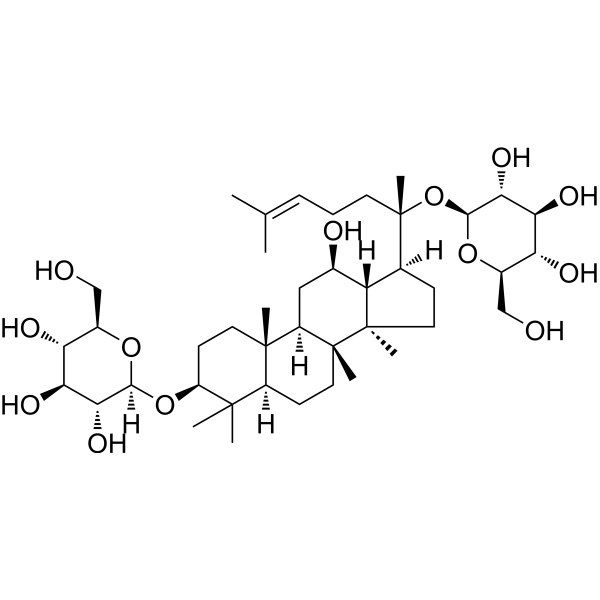
- Formula: C42H72O13
- Molecular Weight: 785.01
Ginsenoside F2 is an orally active bioactive compound that participates in the regulation of metabolism and inflammation. Ginsenoside F2 promotes the phosphorylation of AMPK and ACC, binds to PPARγ, inhibits the phosphorylation of MAPK, activates the PI3K/AKT/GSK-3β pathway, reduces GLRX expression, and regulates lipid metabolism. Ginsenoside F2 reduces ROS production and MDA levels, restores SOD activity in cells, and alleviates oxidative stress. Ginsenoside F2 induces cell apoptosis (Apoptosis) and increases the number of cleaved caspase-3-positive cells. Ginsenoside F2 reduces body weight gain, adipose tissue weight and serum lipid levels in obese mice, and activates the hepatic AMPK signaling pathway and the expression of antioxidant enzymes. Ginsenoside F2 alleviates atopic dermatitis in mice by inhibiting inflammation and reshaping the gut microbiota. Ginsenoside F2 is applicable to research related to insulin resistance, obesity, atopic dermatitis, liver cancer, glioblastoma and glioma.
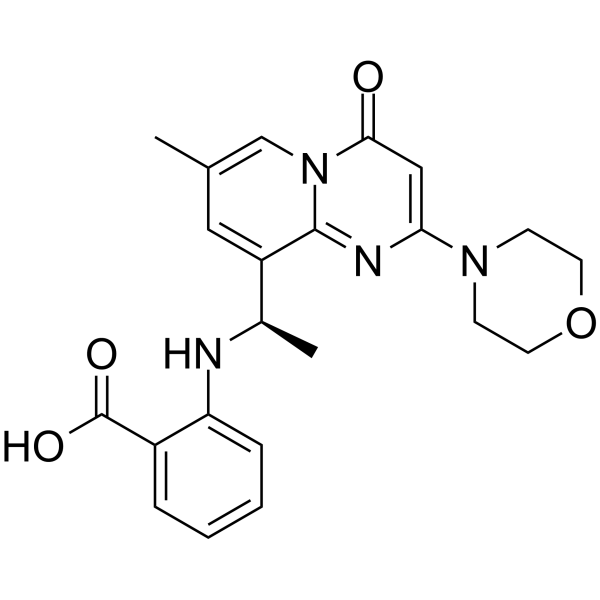
- Formula: C22H24N4O4
- Molecular Weight: 408.45
AZD 6482 (KIN-193) is a potent and selective p110β inhibitor with an IC50 of 0.69 nM.



