1. Search Result
Search Result
Pathways Recommended: Stem Cell/Wnt Cell Cycle/DNA Damage
Results for "

cancer cell lines

" in MedChemExpress (MCE) Product Catalog:

893

Inhibitors & Agonists

7

Fluorescent Dyes

7

Biochemical Assay Reagents

21

Peptides

19

Inhibitory Antibodies

150

Natural
Products

19

Isotope-Labeled Compounds

6

Click Chemistry

9

Oligonucleotides

2

GMP Molecules

Cat. No. Product Name Target Research Areas Chemical Structure
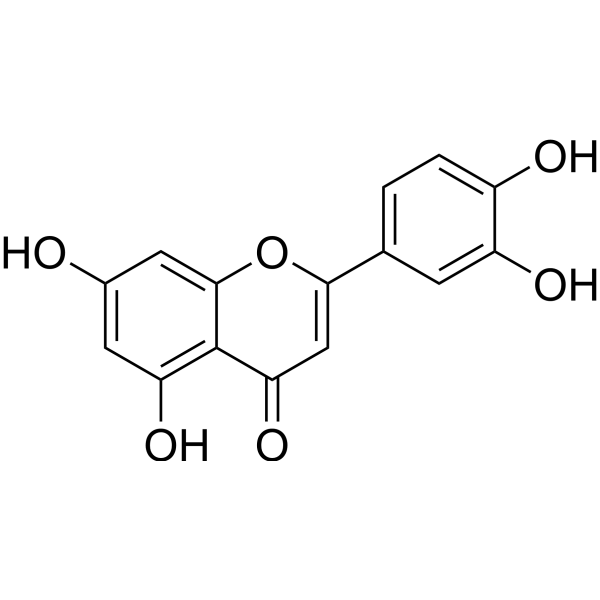
  • HY-N0162
    Luteolin
    Maximum Cited Publications
    89 Publications Verification

    Luteoline; Luteolol; Digitoflavone

    Keap1-Nrf2 Apoptosis Autophagy Endogenous Metabolite Inflammation/Immunology Cancer
    Luteolin (Luteoline), a flavanoid compound, is a potent Nrf2 inhibitor. Luteolin has anti-inflammatory, anti-cancer properties, including the induction of apoptosis and cell cycle arrest, and the inhibition of metastasis and angiogenesis, in several cancer cell lines, including human non-small lung cancer cells .
    Luteolin
  • HY-15160
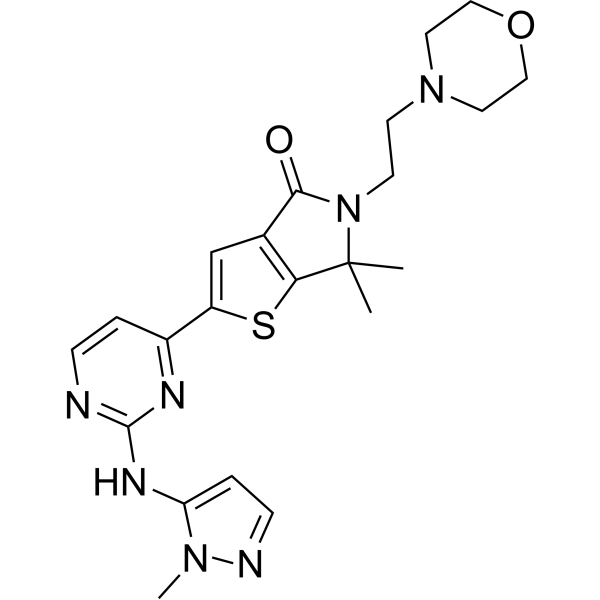
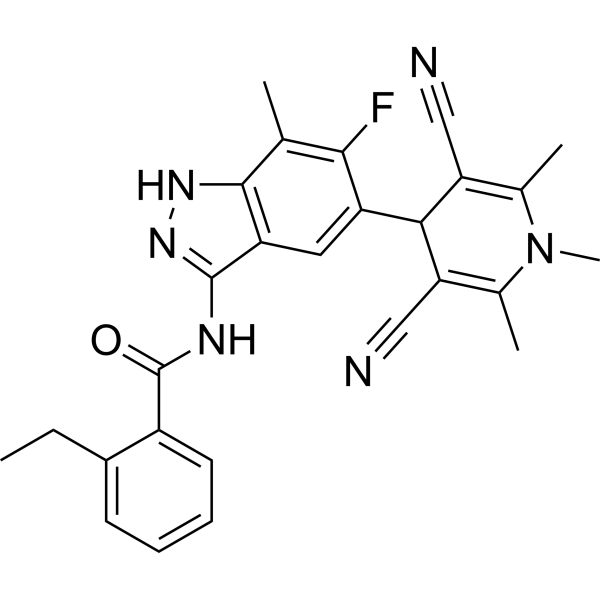
    TAK-960
    2 Publications Verification

    Polo-like Kinase (PLK) Cancer
    TAK-960 is an orally available, selective inhibitor of polo-like kinase 1 (PLK1), with an IC50 of 0.8 nM. TAK-960 also shows inhibitory activities against PLK2 and PLK3, with IC50s of 16.9 and 50.2 nM, respectively. TAK-960 inhibits proliferation of multiple cancer cell lines and exhibits significant efficacy against multiple tumor xenografts .
    TAK-960
  • HY-10340
    Tirbanibulin
    5+ Cited Publications

    KX2-391; KX-01

    Src Microtubule/Tubulin Cancer
    Tirbanibulin (KX2-391) is an inhibitor of Src that targets the peptide substrate site of Src, with GI50 of 9-60 nM in cancer cell lines.
    Tirbanibulin
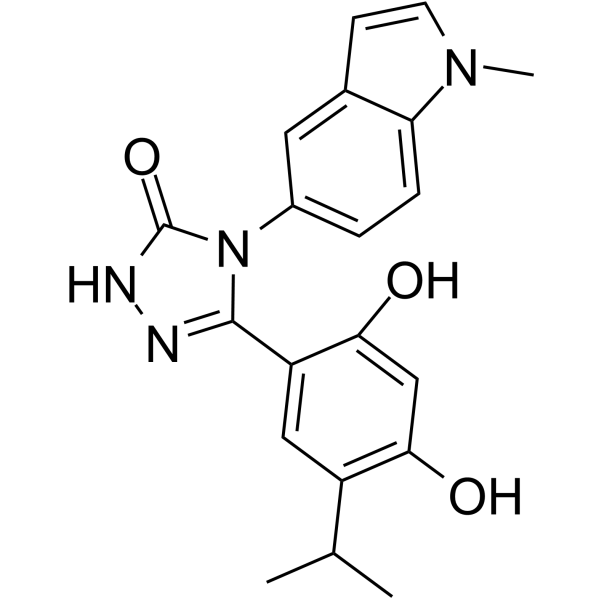
  • HY-149898

    Transmembrane Glycoprotein CD44 Cancer
    HA-CD44 interaction inhibitor 1 is a CD44 inhibitor that can inhibit the interaction between Hyaluronic acid (HA) (HY-B0633A) and CD44. HA-CD44 interaction inhibitor 1 exerts an antiproliferative effect on CD44+ cancer cell lines. HA-CD44 interaction inhibitor 1 can be used for the research of cancer .
    HA-CD44 interaction inhibitor 1
  • HY-100012
    CBR-5884
    15+ Cited Publications

    Phosphoglycerate Dehydrogenase (PHGDH) Cancer
    CBR-5884 is an active, selective inhibitor of phosphoglycerate dehydrogenase (PHGDH) with an IC50 of 33 μM. CBR-5884 inhibits de novo serine synthesis in cancer cells and is selectively toxic to cancer cell lines with high serine biosynthetic activity. CBR-5884 selectively inhibits the proliferation of melanoma and breast cancer lines that have a high propensity for serine synthesis .
    CBR-5884
  • HY-P99011
    Cibisatamab
    2 Publications Verification

    CD3 Cancer
    Cibisatamab, a T cell bispecific antibody, binds Carcino-Embryonic Antigen (CEA) on cancer cells and CD3 on T cells. Cibisatamab triggers T cell killing of cancer cell lines expressing moderate to high levels of CEA at the cell surface. Cibisatamab can be used for colorectal cancer research .
    Cibisatamab
  • HY-13915
    NSC348884
    3 Publications Verification

    Apoptosis Cancer
    NSC348884 is a nucleophosmin (NPM) inhibitor, it disrupts oligomer formation and induces apoptosis, inhibits cell proliferation with IC50s of 1.7-4.0 μM in distinct cancer cell lines. NSC348884 can be used for the research of cancer .
    NSC348884
  • HY-103454B
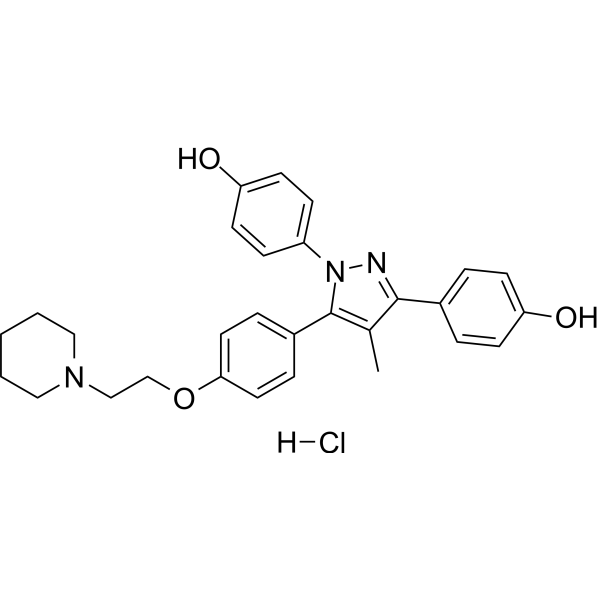
    MPP hydrochloride
    15+ Cited Publications

    Estrogen Receptor/ERR Apoptosis Endocrinology Cancer
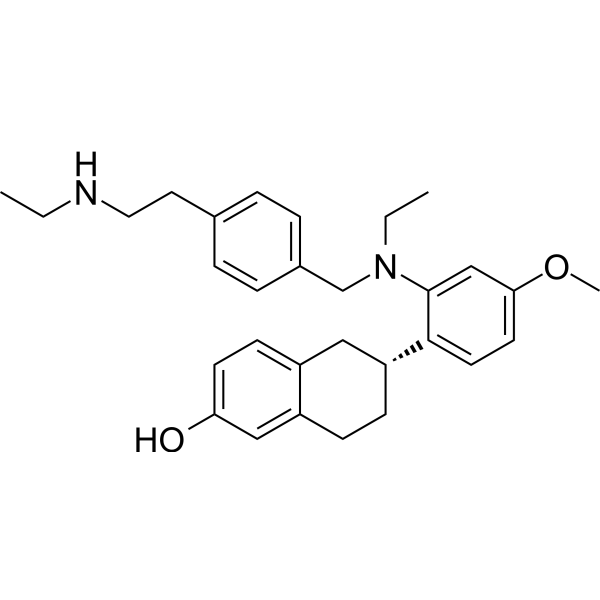
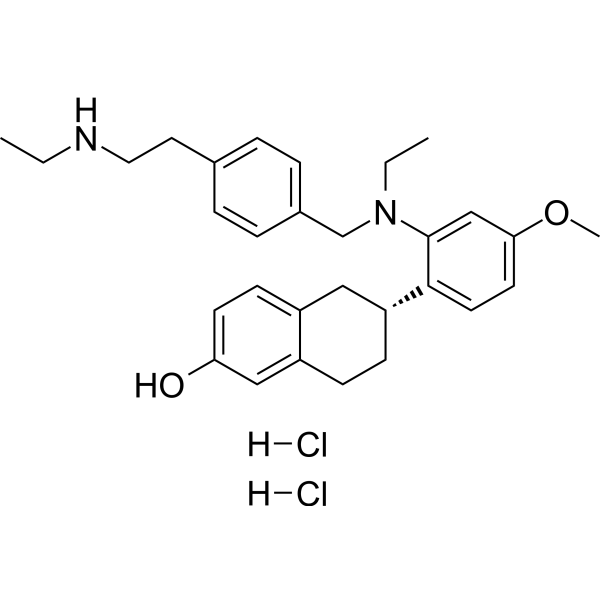
    MPP hydrochloride is a potent and selective ER (estrogen receptor) modulator. MPP hydrochloride induces significant apoptosis in the endometrial cancer and oLE cell lines. MPP hydrochloride reverses the the positive effects of beta-estradiol. MPP hydrochloride has mixed agonist/antagonist action on murine uterine ERalpha in vivo .
    MPP hydrochloride
  • HY-145729

    AZD9150

    STAT Apoptosis Cancer
    Danvatirsen (AZD9150) is an antisense oligonucleotide targeting STAT3. Danvatirsen reduces the viability and promotes apoptosis of leukemia cell lines. Danvatirsen inhibits the expression of endogenous STAT3 and its downstream target genes, and reduces the proliferation and tumorigenicity of neuroblastoma and lymphoma cells. Danvatirsen inhibited tumor growth in mouse models of neuroblastoma, lymphoma, and non-small cell lung cancer. Danvatirsen achieves STAT3 mRNA and protein depletion in a mouse model of epidermoid carcinoma. Danvatirsen can be used in research related to lymphoma, myelodysplastic syndrome, acute myeloid leukemia, neuroblastoma and non-small cell lung cancer .
    Danvatirsen
  • HY-10340A
    Tirbanibulin dihydrochloride
    5+ Cited Publications

    KX2-391 dihydrochloride; KX-01 dihydrochloride

    Src Microtubule/Tubulin Cancer
    Tirbanibulin (dihydrochloride) (KX2-391 (dihydrochloride)) is an inhibitor of Src that targets the peptide substrate site of Src, with GI50 of 9-60 nM in cancer cell lines.
    Tirbanibulin dihydrochloride
  • HY-B1817

    Environmental Pollutants Apoptosis Biochemical Assay Reagents HSP Cardiovascular Disease Inflammation/Immunology Cancer
    Zinc acetate acts as an immune response modulator. Zinc acetate enhances the expression of HSP-70 mRNA. Zinc acetate restores the proliferation and cytokine production capacities of splenocytes. Zinc acetate reduces the Apoptosis level of splenocytes in endotoxemic mice. Zinc acetate increases plasma zinc levels and improves survival rates in mice with LPS-induced lethal endotoxemia. Zinc acetate induces rapid death of prostate cancer cell lines in vitro. Zinc acetate inhibits the growth of prostate cancer xenografts in SCID mice. Zinc acetate can be used in endotoxemia research .
    Zinc acetate
  • HY-P0121
    ReACp53
    2 Publications Verification

    MDM-2/p53 Cancer
    ReACp53 could inhibit p53 amyloid formation and rescue p53 function in cancer cell lines.
    ReACp53
  • HY-121382

    Cholinesterase (ChE) Apoptosis Necroptosis Neurological Disease Cancer
    Gypsogenin is a selective mixed-type BChE inhibitor (Ki=19.99 μM) that also exhibits significant cytotoxicity against various human cancer cell lines. Gypsogenin inhibits tumor growth by inducing cell cycle arrest and triggering apoptosis. Gypsogenin displays antibacterial activity against bacteria such as Bacillus subtilis and Bacillus thuringiensis, and often serves as a key parent nucleus for the synthesis of anticancer compounds. Gypsogenin is widely used in research on Alzheimer's disease and various cancers including colon cancer, melanoma, and leukemia .
    Gypsogenin
  • HY-108992

    Quinone Reductase Apoptosis Reactive Oxygen Species (ROS) Cancer
    Deoxynyboquinone, an excellent NQO1 substrate, is a potent antineoplastic agent. Deoxynyboquinone induces apoptosis in cancer cell lines. Deoxynyboquinone kills cancer cells through oxidative stress and reactive oxygen species (ROS) formation .
    Deoxynyboquinone
  • HY-N3119

    Apoptosis Cancer
    Paeoniflorigenone, isolated as an active ingredient from the root of moutan cortex, induces apoptosis selectively in the cancer cell lines and exhibits antiproliferative effect .
    Paeoniflorigenone
  • HY-10340B
    Tirbanibulin Mesylate
    5+ Cited Publications

    KX2-391 Mesylate; KX01 Mesylate

    Src Microtubule/Tubulin Cancer
    Tirbanibulin Mesylate (KX2-391 Mesylate) is an inhibitor of Src that targets the peptide substrate site of Src, with GI50 of 9-60 nM in cancer cell lines.
    Tirbanibulin Mesylate
  • HY-100395

    Apoptosis Cancer
    F16 is a potent growth inhibitor of the neu-overexpressing cells and also selectively inhibits proliferation of mammary epithelial as well as a variety of mouse mammary tumor and human breast cancer cell lines.
    F16
  • HY-110245
    DMH2
    1 Publications Verification

    VU364849

    Apoptosis Cancer
    DMH2 is a potent BMP receptor antagonist. DMH2 downregulates the expression of Id1 and Id3 proteins, and inhibits the proliferation and induces cell death of lung cancer cell lines .
    DMH2
  • HY-146208
    BRD4 Inhibitor-20
    1 Publications Verification

    Epigenetic Reader Domain Cancer
    BRD4 Inhibitor-20 is a potent orally active bromodomain protein 4 (BRD4) inhibitor. BRD4 Inhibitor-20 has inhibitory activity for BRD4 (BD1) and BRD4 (BD2) with IC50 values of 19 nM and 28 nM, respectively. BRD4 Inhibitor-20 also has anti-proliferation activities in cancer cell lines. BRD4 Inhibitor-20 can be used for the research of kinds of cancer, such as colon cancer .
    BRD4 Inhibitor-20
  • HY-145729A

    AZD9150 sodium

    STAT Apoptosis Cancer
    Danvatirsen sodium (AZD9150 sodium) is an antisense oligonucleotide targeting STAT3. Danvatirsen sodium reduces the viability and promotes apoptosis of leukemia cell lines. Danvatirsen sodium inhibits the expression of endogenous STAT3 and its downstream target genes, and reduces the proliferation and tumorigenicity of neuroblastoma and lymphoma cells. Danvatirsen sodium inhibited tumor growth in mouse models of neuroblastoma, lymphoma, and non-small cell lung cancer. Danvatirsen sodium achieves STAT3 mRNA and protein depletion in a mouse model of epidermoid carcinoma. Danvatirsen sodium can be used in research related to lymphoma, myelodysplastic syndrome, acute myeloid leukemia, neuroblastoma and non-small cell lung cancer .
    Danvatirsen sodium
  • HY-123901

    Apoptosis Cancer
    Garcinone E is a natural xanthone found in the rind of the mangosteen fruit. Garcinone E induces apoptosis and inhibits cancer cell migration. Garcinone E has anticancer effects on different human cancer cell lines, including colorectal, breast, and hepatocellular carcinomas .
    Garcinone E
  • HY-N3057

    Others Cancer
    Pinostrobin chalcone is found to be potent natural cytotoxic compounds against MDA-MB-231 and HT-29 colon cancer cell lines(IC50 = 20.42±2.23 and 22.51±0.42 μg/mL) .
    Pinostrobin chalcone
  • HY-W303895
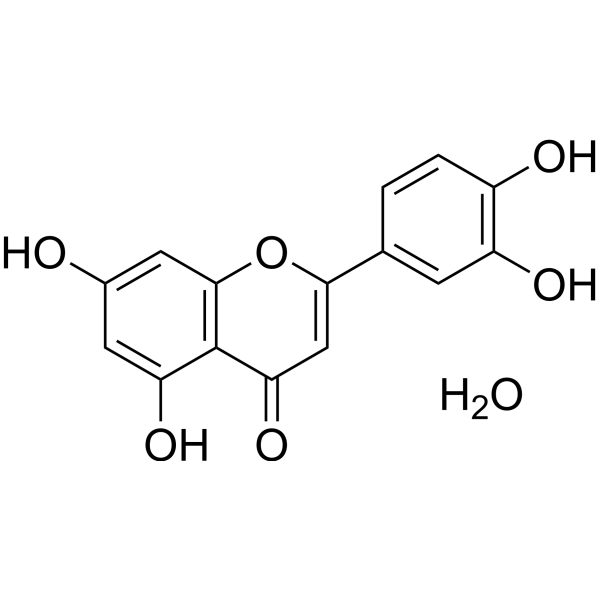
    Luteolin monohydrate
    Maximum Cited Publications
    89 Publications Verification

    Keap1-Nrf2 Apoptosis Autophagy Endogenous Metabolite Others Cancer
    Luteolin (monohydrate) is the monohydrate of Luteolin. Luteolin (Luteoline), a flavonoid, is also a potent Nrf2 inhibitor. Luteolin has anti-inflammatory and anticancer properties, induces apoptosis and cell cycle arrest in multiple human cancer cell lines, including non-small lung cancer cells, and inhibits cell metastasis and angiogenesis .
    Luteolin monohydrate
  • HY-19637

    Topoisomerase Cancer
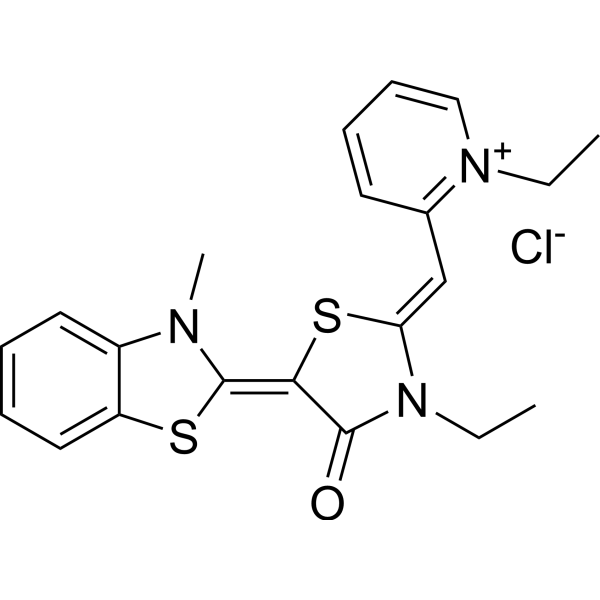
    SW044248 is a non-canonical topoisomerase I inhibitor, and selectively toxic for certain non-small cell lung cancer (NSCLC) cell lines.
    SW044248
  • HY-106588

    SKI 2053R

    DNA Alkylator/Crosslinker Cancer
    Heptaplatin (SKI 2053R) is a platinum derivative with anticancer activity against various cancer cell lines, including cisplatin-resistant tumor cell lines. SKI-2053R is active in the research of gastric adenocarcinoma and has favorable toxicity profiles .
    Heptaplatin
  • HY-N3924

    Others Others
    Ganoderiol F, a tetracyclic triterpene, is isolated from Ganoderma amboinense and found to induce senescence of cancer cell lines .
    Ganoderiol F
  • HY-N0944

    Others Cancer
    (-)-Heraclenol is a derivative of furocoumarin isolated from Ducrosia anethifolia. (-)-Heraclenol shows antiproliferative and cytotoxic activities on cancer cell lines .
    (-)-Heraclenol
  • HY-175164

    Apoptosis c-Myc Cancer
    SVC112 is a translation elongation inhibitor that prevents the cyclic dissociation of EF2 from the ribosome, thereby inhibiting the elongation step of translation. SVC112 shows activity in growth inhibition among cancer cell lines of various origins (acute myeloid leukemia (AML), multiple myeloma (Myeloma), colorectal cancer (CRC), and head and neck squamous cell carcinoma (HNSCC)). SVC112 preferentially impedes ribosomal processing of mRNAs, and decreaseds CSC-related proteins including Myc and Sox2. SVC112 induces apoptosis in hematologic cancer cell lines, while phosphorylation of c-Myc correlates with sensitivity to SVC112 in colorectal cancer cell lines. SVC112 inactivates HNSCC stem cells in vitro and prevents the regrowth of HNSCC tumor xenografts in mice. SVC112 can be used for the study of HNSCC .
    SVC112
  • HY-129156

    Apoptosis Cancer
    HS-1793 is a Resveratrol (HY-16561) analogue with antitumor activities in a variety of cancer cell lines . HS-1793 induces cell apoptosis .
    HS-1793
  • HY-172769

    Histone Methyltransferase Cancer
    CM112 is a selective protein arginine methyltransferase 1 (PRMT1) degrader by tethering hydrophobic tag, adamantane, to MS023 with a 5-PEG linker. CM112 induces the degradation of PRMT1 in various solid cancer cell lines. CM112 can also target the nonenzymatic function of PRMT1 by downregulating the stability of the orphan receptor TR3. CM112 is promising for research of cancers .
    CM112
  • HY-101597

    Apoptosis Cancer
    NVX-207, a Betulinic acid-derived anti-cancer compound, shows anti-tumor activity (mean IC50=3.5 μM) against various human and canine cell lines. NVX-207-induced apoptosis is associated with activation of the intrinsic apoptotic pathway via cleavage of caspases -9, -3, -7 and of PARP .
    NVX-207
  • HY-Z8644

    N-Formyl-N-deacetylcolchicine

    Microtubule/Tubulin Apoptosis Cancer
    N-Deacetyl-N-formylcolchicine (N-Formyl-N-deacetylcolchicine, Compound 11) is a selective inhibitor targeting the colchicine-binding site of tubulin. N-Deacetyl-N-formylcolchicine shows antiproliferative activity against various cancer cell lines with IC50 values of 32.61-100.28 nM. N-Deacetyl-N-formylcolchicine inhibits microtubule polymerization to block cell division, induces cancer cell apoptosis and suppresses migration. N-Deacetyl-N-formylcolchicine is promising for research of cancers such as lung cancer and various solid tumors .
    N-Deacetyl-N-formylcolchicine
  • HY-W278944

    Drug Derivative Cancer
    Antiproliferative agent-15 is an thienopyrimidine derivated anticancer agent. Antiproliferative agent-15 shows antiproliferative activity against human colon (HCT116 and HCT15) and brain (LN-229 and GBM-10) cancer cell lines .
    Antiproliferative agent-15
  • HY-17423I

    HIV Reverse Transcriptase Telomerase Apoptosis Drug Isomer Infection Cancer
    (R,R)-Abacavir is the (R,R)-enantiomer of Abacavir (HY-17423). Abacavir is an orally active and competitive nucleoside reverse transcriptase inhibitor. Abacavir can inhibits the replication of HIV. Abacavir shows anticancer activity in prostate cancer cell lines. Abacavir can trespass the blood-brain-barrier and suppresses telomerase activity .
    (R,R)-Abacavir
  • HY-15160B
    TAK-960 dihydrochloride
    2 Publications Verification

    Polo-like Kinase (PLK) Cancer
    TAK-960 dihydrochloride is an orally available, selective inhibitor of polo-like kinase 1 (PLK1), with an IC50 of 0.8 nM. TAK-960 dihydrochloride also shows inhibitory activities against PLK2 and PLK3, with IC50s of 16.9 and 50.2 nM, respectively. TAK-960 dihydrochloride inhibits proliferation of multiple cancer cell lines and exhibits significant efficacy against multiple tumor xenografts .
    TAK-960 dihydrochloride
  • HY-15160A

    Polo-like Kinase (PLK) Cancer
    TAK-960 hydrochloride is an orally available, selective inhibitor of polo-like kinase 1 (PLK1), with an IC50 of 0.8 nM. TAK-960 hydrochloride also shows inhibitory activities against PLK2 and PLK3, with IC50s of 16.9 and 50.2 nM, respectively. TAK-960 hydrochloride inhibits proliferation of multiple cancer cell lines and exhibits significant efficacy against multiple tumor xenografts .
    TAK-960 hydrochloride
  • HY-121352

    Drug Derivative Cancer
    Kibdelone C is a hexacyclic tetrahydroxanthone natural product and anticancer agent with sub-nanomolar GI50 activity against human SR leukemia and SN12C renal carcinoma cell lines. Kibdelone C disrupts the actin cytoskeleton in human cancer cells, leading to cell contraction and actin stress fiber formation, without direct actin binding, actin polymerization effects, topoisomerase I/II inhibition, or DNA binding. Kibdelone C can be used for the research of leukemia, and renal cell carcinoma .
    Kibdelone C
  • HY-N10304

    Apoptosis Cancer
    Isodispar B is an anticancer agent that inhibits the proliferation of nasopharyngeal carcinoma and breast cancer cells and induces cell apoptosis. Isodispar B is cytotoxic to a wide range of cancer cell lines .
    Isodispar B
  • HY-N8718

    Others Others
    Izalpinin is a dihydrochalcone with cytotoxic effect against cancer cell lines. Izalpinin can be isolated from the leaves of Muntingia calabura .
    Izalpinin
  • HY-P11007

    β-catenin Wnt Androgen Receptor Cancer
    β-catenin inhibitory peptoid (compound 13) inhibits the β-catenin:TCF interaction with an IC50 of 5.44 µM. β-catenin inhibitory peptoid inhibits both Wnt (IC50 of 0.105 µM) and androgen receptor (AR)-signaling (IC50 of 1.02 µM) in prostate cancer cell lines. β-catenin inhibitory peptoid markedly diminishes cell proliferation of prostate cancer cell lines .
    β-catenin inhibitory peptoid
  • HY-147971

    Parasite Topoisomerase Infection Cancer
    Anticancer agent 75 is a potent anticancer agent. Anticancer agent 75 shows cytotoxicity and selectivity in cancer cell lines. Anticancer agent 75 shows cytotoxicity to normal human kidney cell lines is at least 35 times lower than that of the Doxorubicin standard. Anticancer agent 75 shows good activity of antiplasmodial .
    Anticancer agent 75
  • HY-178941

    Dihydroorotate Dehydrogenase Apoptosis Caspase Reactive Oxygen Species (ROS) Cancer
    DHODH-IN-32 (Compound A1) is a DHODH inhibitor. DHODH-IN-32 shows significant cytotoxicity against NCI-60 cell lines, especially being sensitive to breast cancer, prostate cancer and leukemia cell lines. DHODH-IN-32 can induce cell apoptosis by activating the Caspase pathway. DHODH-IN-32 causes G0/G1 phase cell cycle arrest and inhibits cellular metabolism by ROS. DHODH-IN-32 exhibits significant anti-tumor properties in mouse breast cancer models. DHODH-IN-32 can be used for the study of breast cancer .
    DHODH-IN-32
  • HY-164568

    Drug Derivative Cancer
    7β,16α-Dihydroxybufalin is a dihydroxylated derivative of bufalin, which exhibits cytotoxicities against cancer cell lines .
    7β,16α-Dihydroxybufalin
  • HY-114646

    Endogenous Metabolite Cancer
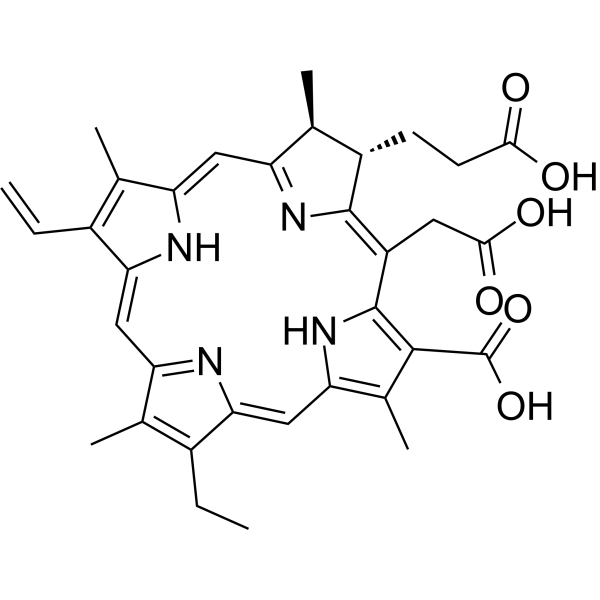
    TMC-205 is a natural fungal metabolite with antiproliferative activity against cancer cell lines. TMC-205 is a transcriptional up-regulator of SV40 promoter .
    TMC-205
  • HY-170787

    EGFR Apoptosis Bcl-2 Family Caspase Cancer
    TZEP7 is an EGFR kinase inhibitior in cancer cells. TZEP7 exhibits cytotoxic effects against cancer cell lines and induces apoptosis. TZEP7 demonstrates downregulation of antiapoptotic Bcl-2, upregulation of pro-apoptotic Bax, and increases caspase levels. TZEP7 is promising for research of anticancer agent .
    TZEP7
  • HY-168044

    AMPK Cancer
    ALKBH1-IN-3 is a potent DNA N6-methyladenine (6mA) demethylase ALKBH1 inhibitor. ALKBH1-IN-3 increases the abundance of 6mA, inhibits cell viability and upregulates the AMP-activated protein kinase (AMPK) signaling pathway in gastric cancer cell lines HGC27 and AGS. ALKBH1-IN-3 is promising for research of cancers, including gastric cancer .
    ALKBH1-IN-3
  • HY-116708

    Histone Methyltransferase Cancer
    DCE_254 is an EZH2 inhibitor (IC50=11 μM) that also exhibits significant antiproliferative activity against lymphoma cell lines. DCE_254 inhibits the development of hypermethylation-related cancers by inhibiting the SAM-mediated methyl transfer process (IC50=10.3 μM) .
    DCE_254
  • HY-170433

    Apoptosis Ferroptosis Cancer
    DefNEtTrp is a Fe dual chelator ligand, consisting of the Def and Trp moieties. DefNEtTrp exhibits potent and broad-spectrum antiproliferative and cell death behavior in cancer cell lines. DefNEtTrp induces both apoptosis and ferroptosis and has cytotoxicity with an IC50 value of 0.77 μM .
    DefNEtTrp
  • HY-114527

    Apoptosis Stearoyl-CoA Desaturase (SCD) Cancer
    TPMP-I-2 is an anticancer agent that induces cancer cell lines Apoptosis and decreases protein levels of stearoyl-CoA desaturase. TPMP-I-2 prolongs the survival time of nude rats in a simulated micrometastatic cervical cancer model and reduces tumor growth in a breast cancer model in nude mice combined with immunotoxins .
    TPMP-I-2
  • HY-144872

    Drug Derivative Cancer
    RJ-34, an aristolactam analogue, exhibits potent antitumor activities against a broad array of cancer cell lines with GI50 values in the subnanomolar range (GI50 <0.1 nM for A431, MES-SA, MES-SA/DX5, HCT-15, and HCT-15/CLO2 cells) .
    RJ-34

Inquiry Online

Your information is safe with us. * Required Fields.

Salutation


Country or Region *

Applicant Name *


Organization Name *

Department *


Email Address *


Product Name *

Cat. No.


Requested quantity *

Phone Number *


Remarks

Inquiry Online

Inquiry Information

Product Name:
Cat. No.:
Quantity:
MCE Japan Authorized Agent:

