88 Results for "

fatty acid β-oxidation

" in MedChemExpress (MCE) Product Catalog:
Products (88)

88 Results for "fatty acid β-oxidation" in MCE Product Catalog:

153
153 Publications Verification
Cat. No.: HY-50202
CAS No.: 124083-20-1
Synonyms: (R)-(+)-Etomoxir
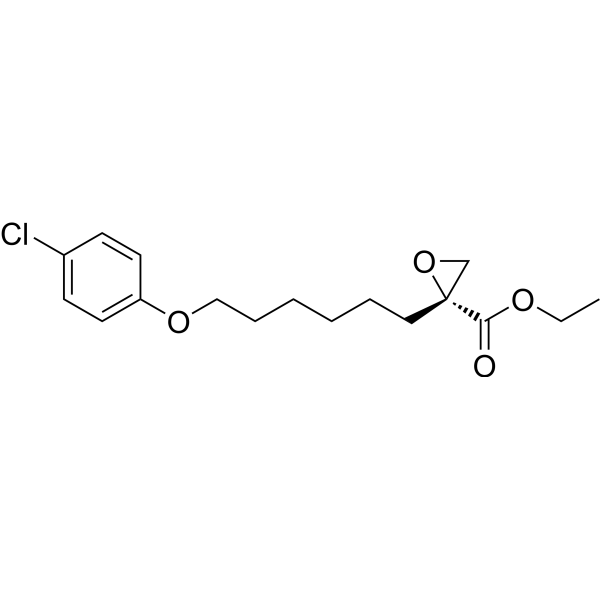
Etomoxir ((R)-(+)-Etomoxir) is an irreversible inhibitor of carnitine palmitoyltransferase 1a (CPT-1a), inhibits fatty acid oxidation (FAO) through CPT-1a and inhibits palmitate β-oxidation in human, rat and guinea pig.
loading...
    loading...
153
153 Publications Verification
Cat. No.: HY-50202A
CAS No.: 828934-41-4
Synonyms: (R)-(+)-Etomoxir sodium salt
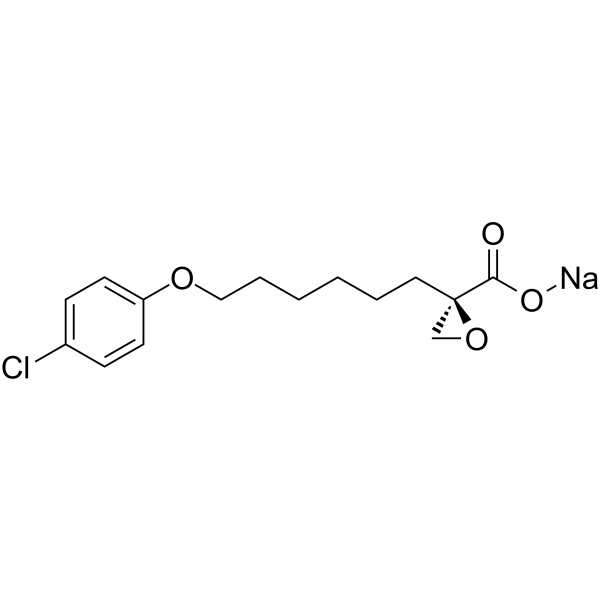
Etomoxir((R)-(+)-Etomoxir) sodium salt is an irreversible inhibitor of carnitine palmitoyltransferase 1a (CPT-1a), inhibits fatty acid oxidation (FAO) through CPT-1a and inhibits palmitate β-oxidation in human, rat and guinea pig .
loading...
    loading...
22
22 Cited Publications
Cat. No.: HY-B0399
CAS No.: 541-15-1
Synonyms: (R)-Carnitine; Levocarnitine
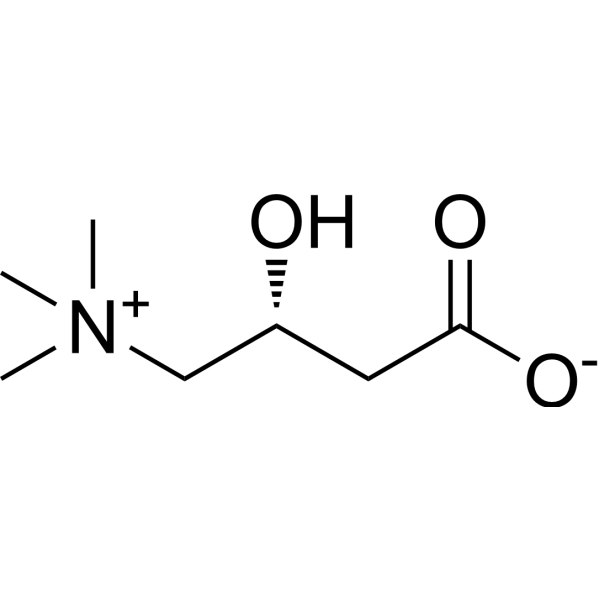
L-Carnitine ((R)-Carnitine), a highly polar, small zwitterion, is an essential co-factor for the mitochondrial β-oxidation pathway. L-Carnitine functions to transport long chain fatty acyl-CoAs into the mitochondria for degradation by β-oxidation. L-Carnitine is an antioxidant. L-Carnitine can ameliorate metabolic imbalances in many inborn errors of metabolism .
loading...
    loading...
22
22 Cited Publications
Cat. No.: HY-B2246
CAS No.: 6645-46-1
Synonyms: (R)-Carnitine hydrochloride; Levocarnitine hydrochloride
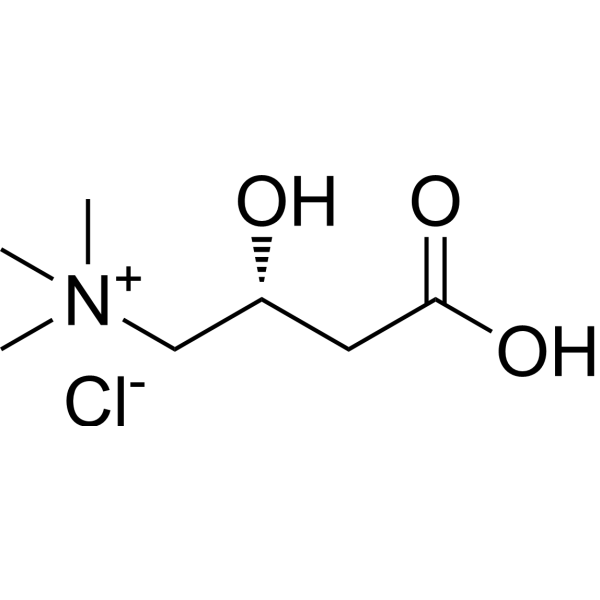
L-Carnitine hydrochloride ((R)-Carnitine hydrochloride), a highly polar, small zwitterion, is an essential co-factor for the mitochondrial β-oxidation pathway. L-Carnitine hydrochloride functions to transport long chain fatty acyl-CoAs into the mitochondria for degradation by β-oxidation. L-Carnitine hydrochloride is an antioxidant. L-Carnitine hydrochloride can ameliorate metabolic imbalances in many inborn errors of metabolism .
loading...
    loading...
22
22 Cited Publications
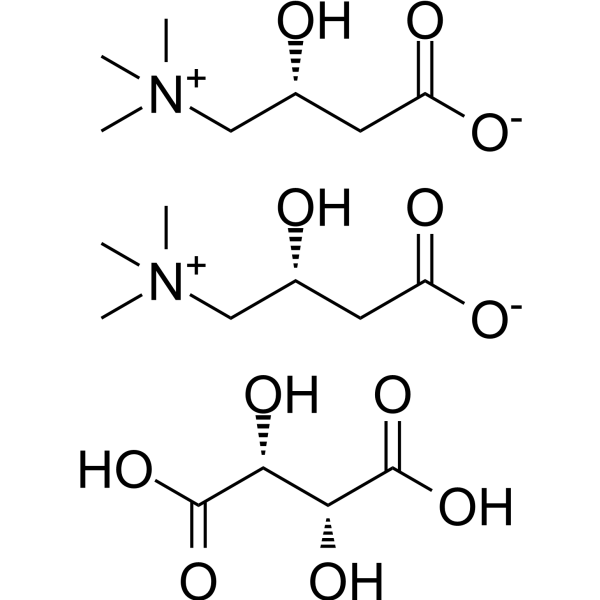
Cat. No.: HY-W105518
CAS No.: 36687-82-8
L-Carnitine tartrate is a highly polar, small zwitterion. L-Carnitine tartrate is an essential co-factor for the mitochondrial β-oxidation pathway. L-Carnitine tartrate functions to transport long chain fatty acyl-CoAs into the mitochondria for degradation by β-oxidation. L-Carnitine tartrate is an antioxidant. L-Carnitine tartrate can ameliorate metabolic imbalances in many inborn errors of metabolism [3] .
loading...
    loading...
19
19 Cited Publications
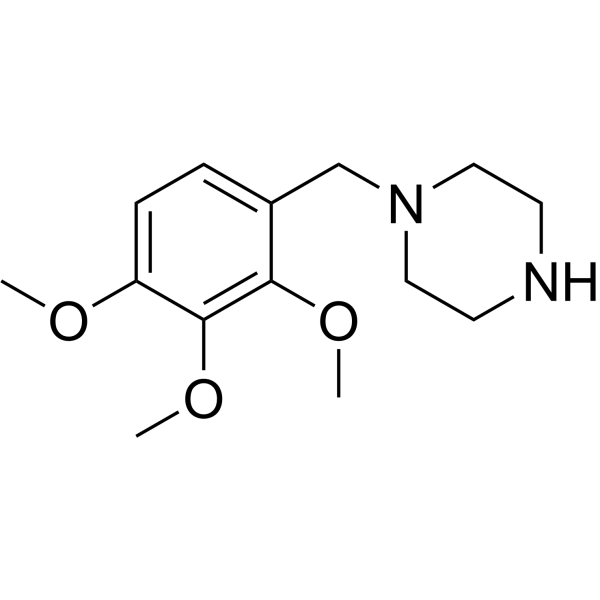
Cat. No.: HY-B0968A
CAS No.: 5011-34-7
Target:  

Autophagy

Research Areas:  

Cardiovascular Disease

Trimetazidine is a selective long chain 3-ketoyl coenzyme A thiolase inhibitor with an IC50 of 75 nM, which can inhibit β-oxidation of free fatty acid (FFA). Trimetazidine is an effective antianginal agent and a cytoprotective agent, has anti-oxidant, anti-inflammatory, antinociceptive and gastroprotective properties. Trimetazidine triggers autophagy. Trimetazidine is also a 3-hydroxyacyl-CoA dehydrogenase (HADHA) inhibitor .
loading...
    loading...
19
19 Cited Publications
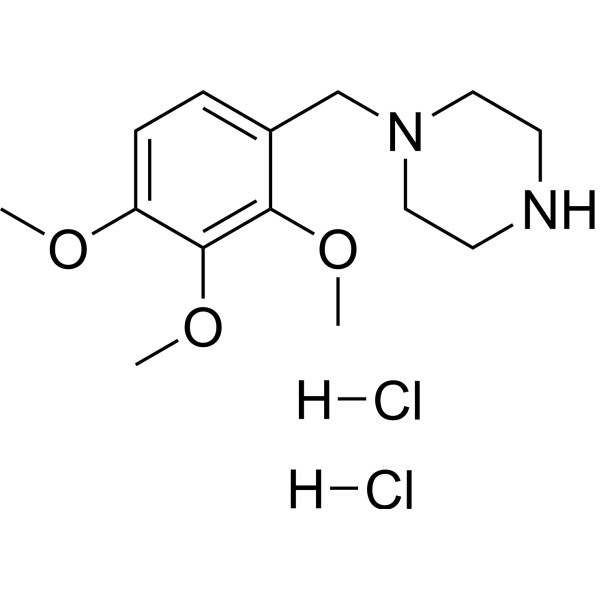
Cat. No.: HY-B0968
CAS No.: 13171-25-0
Target:  

Autophagy

Research Areas:  

Cardiovascular Disease

Trimetazidine dihydrochloride is a selective long chain 3-ketoyl coenzyme A thiolase inhibitor with an IC50 of 75 nM, which can inhibit β-oxidation of free fatty acid (FFA). Trimetazidine dihydrochloride is an effective antianginal agent and a cytoprotective agent, has anti-oxidant, anti-inflammatory, antinociceptive and gastroprotective properties. Trimetazidine dihydrochloride triggers autophagy. Trimetazidine dihydrochloride is also a 3-hydroxyacyl-CoA dehydrogenase (HADHA) inhibitor .
loading...
    loading...
3
3 Cited Publications
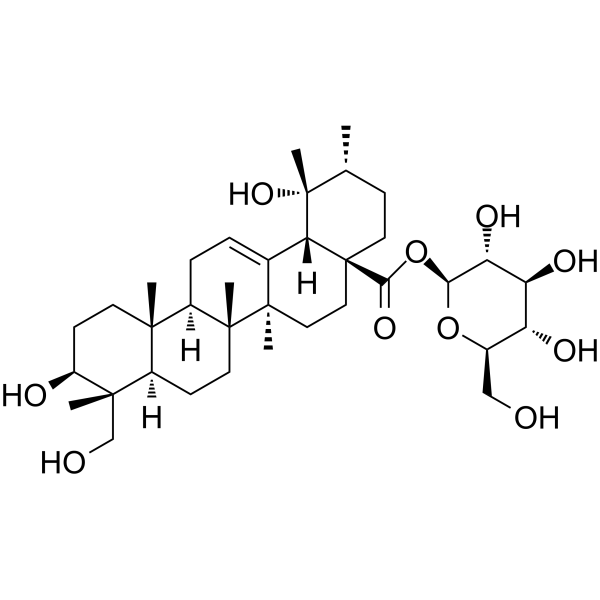
Cat. No.: HY-N0458
CAS No.: 42719-32-4
Pedunculoside exerts lipid-lowering effects partly through the regulation of?lipogenesis?and?fatty acid β-oxidation .
loading...
    loading...
2
2 Cited Publications
Cat. No.: HY-B0762
CAS No.: 5080-50-2
Synonyms: O-Acetyl-L-carnitine hydrochloride; ALCAR hydrochloride
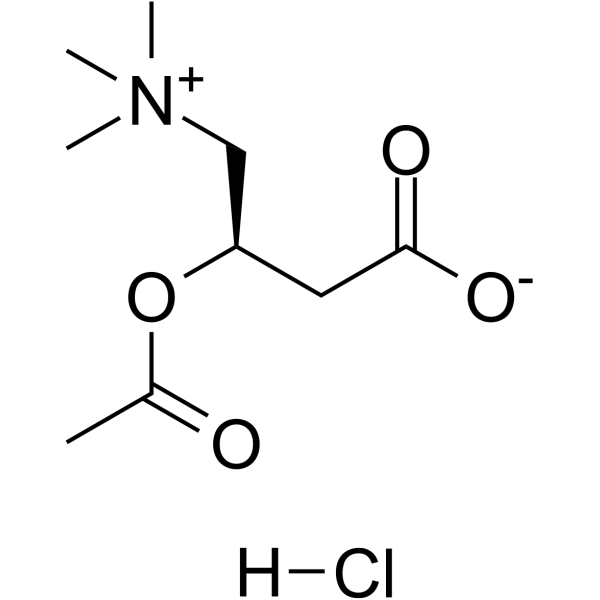
Acetyl-L-carnitine (O-Acetyl-L-carnitine; ALCAR) hydrochloride is an orally active mitochondrial energy metabolism regulator and neuroprotectant that can penetrate the blood-brain barrier. Acetyl-L-carnitine hydrochloride selectively enters cells and the brain through the organic cation transporter OCTN2. Acetyl-L-carnitine hydrochloride can participate in fatty acid β-oxidation, promote acetylcholine synthesis, regulate mitochondrial function and inhibit oxidative stress as an acetyl donor. Acetyl-L-carnitine hydrochloride exerts its activity by enhancing energy metabolism, protecting neurons and improving synaptic plasticity. Acetyl-L-carnitine hydrochloride is mainly used in the study of neurodegenerative diseases and metabolic disorder-related diseases such as neonatal hypoxic-ischemic brain damage, Alzheimer's disease, and depression .
loading...
    loading...
2
2 Cited Publications
Cat. No.: HY-113218
CAS No.: 3040-38-8
Purity:  ≥98.0%
Synonyms: O-Acetyl-L-carnitine; ALCAR
Target:  

Caspase Apoptosis

Acetyl-L-carnitine (O-Acetyl-L-carnitine; ALCAR) is an orally active mitochondrial energy metabolism regulator and neuroprotectant that can penetrate the blood-brain barrier. Acetyl-L-carnitine selectively enters cells and the brain through the organic cation transporter OCTN2. Acetyl-L-carnitine can participate in fatty acid β-oxidation, promote acetylcholine synthesis, regulate mitochondrial function and inhibit oxidative stress as an acetyl donor. Acetyl-L-carnitine exerts its activity by enhancing energy metabolism, protecting neurons and improving synaptic plasticity. Acetyl-L-carnitine is mainly used in the study of neurodegenerative diseases and metabolic disorder-related diseases such as neonatal hypoxic-ischemic brain damage, Alzheimer's disease, and depression .
loading...
    loading...
2
2 Cited Publications
Cat. No.: HY-B1453
CAS No.: 461-05-2
Synonyms: DL-Carnitine chloride; DL-Levocarnitine chloride
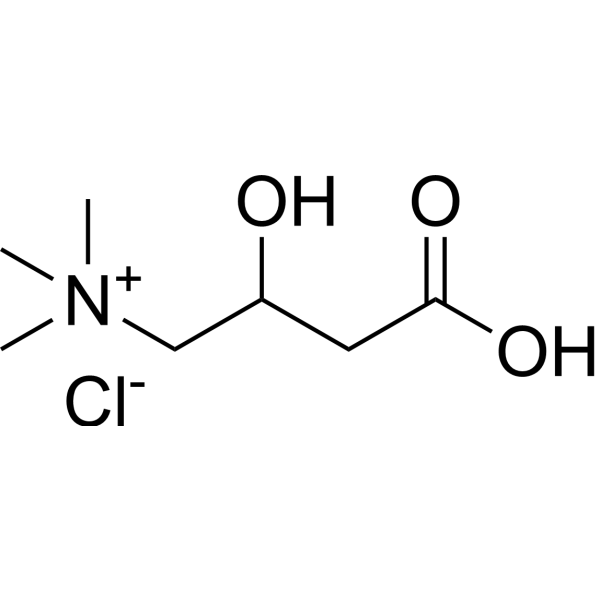
(±)-Carnitine chloride exists in two isomers, known as D and L. L-carnitine plays an essential role in the β-oxidation of fatty acids and also shows antioxidant, and anti-inflammatory activities.
loading...
    loading...
2
2 Cited Publications
Cat. No.: HY-113266
CAS No.: 40225-14-7
Purity:  ≥95.0%
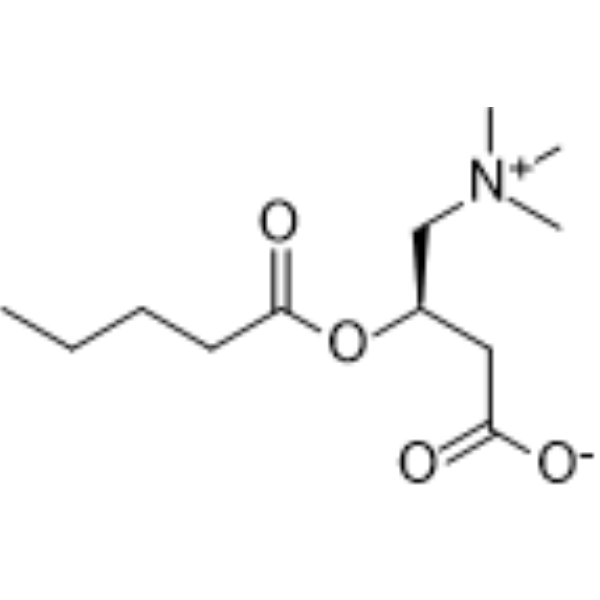
Valerylcarnitine is an endogenous metabolite, belonging to the short-chain acylcarnitines. Valerylcarnitine acts as a metabolomic biomarker for ionizing radiation exposure in nonhuman primates. Valerylcarnitine can be used for the research of type 1 diabetes .
loading...
    loading...
1
1 Cited Publications
Cat. No.: HY-113166
CAS No.: 25518-54-1
Purity:  99.75%
Synonyms: (-)-Lauroylcarnitine
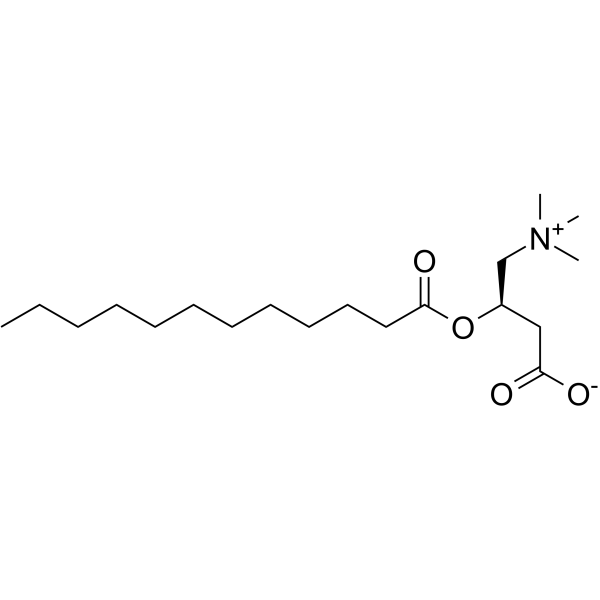
Dodecanoylcarnitine ((-)-Lauroylcarnitine) is a medium long-chain acylcarnitine, an intermediate product in key energy metabolic pathways of fatty acid β-oxidation and amino acids catabolism. The abnormal decrease in the Dodecanoylcarnitine levels indicats that mitochondrial fuel metabolism, including fatty acid oxidation is significantly disturbed. Changes in plasma concentrations of Dodecanoylcarnitine are not only associated with type II diabetes, but also with pre-diabetes status. Dodecanoylcarnitine is present in fatty acid oxidation disorders such as long-chain acyl CoA dehydrogenase deficiency, carnitine palmitoyltransferase I/II deficiency, and is also associated with celiac disease. Dodecanoylcarnitine deomonstrates high sensitivities and specificities in predicting asthma. Combined model of Decanoylcarnitine (HY-113069), Dodecanoylcarnitine, PC (16:0/0:0), and Asp Arg Pro can be used as a potential biomarker for the diagnosis of Yin-deficiency-heat syndrome .
loading...
    loading...
1
1 Cited Publications
Cat. No.: HY-W081067
CAS No.: 13252-13-6
Synonyms: HFPO-DA
Target:  

PPAR

Research Areas:  

Infection

Perfluoro (2-methyl-3-oxahexanoic) acid (HFPO-DA) is an orally active PPARα agonist with an EC50 of 2.1 μM for human PPARα. Perfluoro (2-methyl-3-oxahexanoic) acid induces peroxisome proliferation and increases the levels of proinflammatory mediators. It impairs intestinal barrier function and disrupts cecal flora balance. Perfluoro (2-methyl-3-oxahexanoic) acid is applicable to research related to developmental toxicity, hepatotoxicity and intestinal toxicity .
loading...
    loading...
1
1 Cited Publications
Cat. No.: HY-B2246S
CAS No.: 2687961-04-0
Synonyms: (R)-Carnitine-d9 chloride; Levocarnitine-d9 chloride
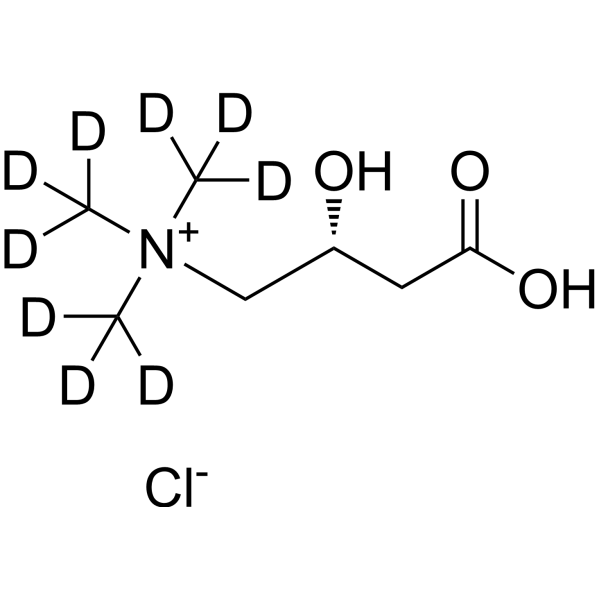
L-Carnitine-d9 (chloride)e is the deuterium labeled L-Carnitine chloride. L-Carnitine chloride, a highly polar, small zwitterion, is an essential co-factor for the mitochondrial β-oxidation pathway. L-Carnitine chloride functions to transport long chain fatty acyl-CoAs into the mitochondria for degradation by β-oxidation. L-Carnitine chloride is an antioxidant. L-Carnitine chloride can ameliorate metabolic imbalances in many inborn errors of metabolism .
loading...
    loading...
1
1 Cited Publications
Cat. No.: HY-B0399S
CAS No.: 126827-79-0
Synonyms: (R)-Carnitine-d9; Levocarnitine-d9
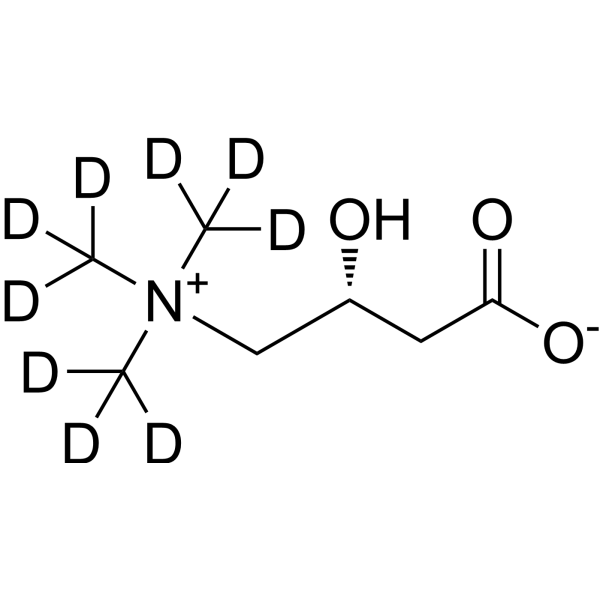
L-Carnitine-d9 is the deuterium labeled L-Carnitine. L-Carnitine (Levocarnitine) is an endogenous molecule involved in fatty acid metabolism, biosynthesized within the human body using amino acids: L-lysine and L-methionine, as substrates. L-Carnitine functions to transport long chain fatty acyl-CoAs into the mitochondria for degradation by β-oxidation. L-carnitine can ameliorate metabolic imbalances in many inborn errors of metabolism .
loading...
    loading...
1
1 Cited Publications
Cat. No.: HY-113165A
CAS No.: 6920-31-6
Purity:  ≥98.0%
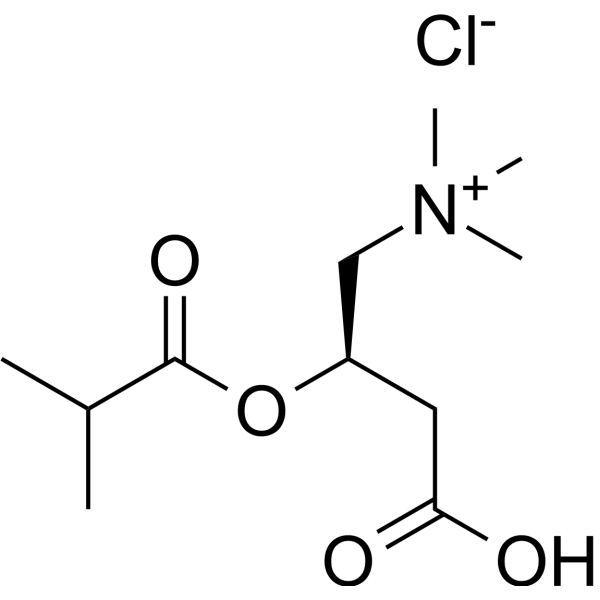
Isobutyryl-L-carnitine chloride is a biomarker. Isobutyryl-L-carnitine chloride is a product of acyl-CoA dehydrogenases involved in fatty acid β-oxidation, and it buffers the mitochondrial acyl-CoA/CoA ratio, oxidizes branched-chain amino acids, and supports the endogenous antioxidant defense system. Isobutyryl-L-carnitine chloride is a plasma biomarker of hepatic OCT1 transporter inhibition. Isobutyryl-L-carnitine chloride is a urinary biomarker of renal cell carcinoma, and its levels are elevated one year after nephrectomy compared with before nephrectomy. Isobutyryl-L-carnitine chloride can be used in research on renal cell carcinoma .
loading...
    loading...
1
1 Cited Publications
Cat. No.: HY-113165
CAS No.: 25518-49-4
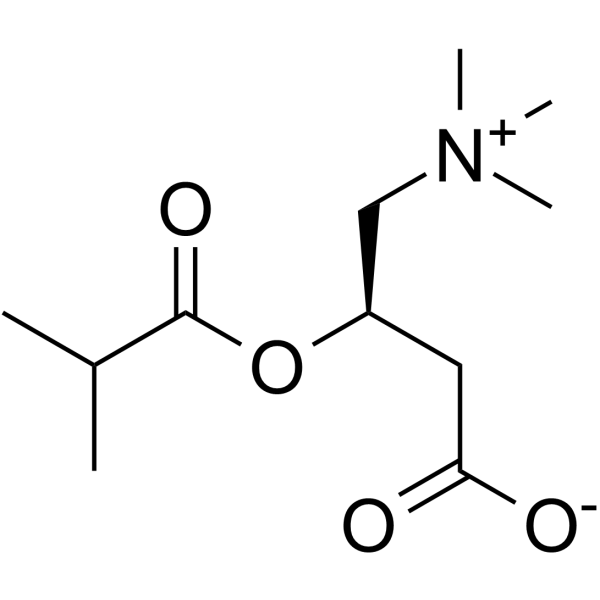
Isobutyryl-L-carnitine is a biomarker. Isobutyryl-L-carnitine is a product of acyl-CoA dehydrogenases involved in fatty acid β-oxidation, and it buffers the mitochondrial acyl-CoA/CoA ratio, oxidizes branched-chain amino acids, and supports the endogenous antioxidant defense system. Isobutyryl-L-carnitine is a plasma biomarker of hepatic OCT1 transporter inhibition. Isobutyryl-L-carnitine is a urinary biomarker of renal cell carcinoma, and its levels are elevated one year after nephrectomy compared with before nephrectomy. Isobutyryl-L-carnitine can be used in research on renal cell carcinoma .
loading...
    loading...
Cat. No.: HY-113261
CAS No.: 38677-66-6
Purity:  99.91%
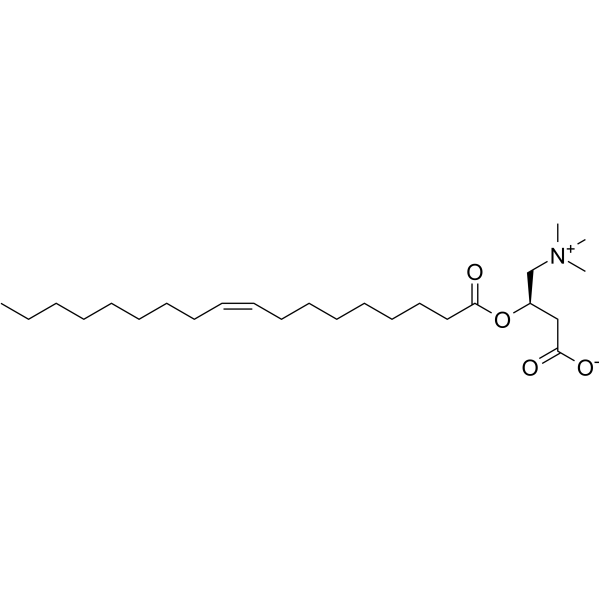
Oleoylcarnitine, the metabolite which accumulates through suppression of fatty acid β-oxidation, can enhance hepatocarcinogenesis via STAT3 activation .
loading...
    loading...
Cat. No.: HY-W015924
CAS No.: 594-61-6
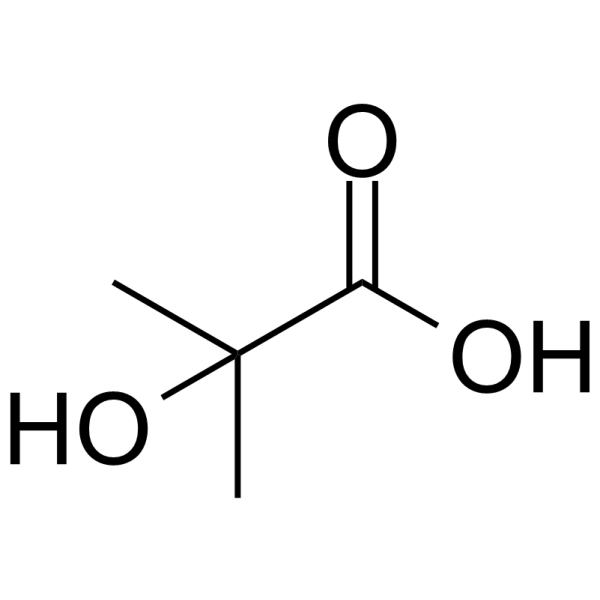
2-Hydroxyisobutyric acid (2-HIBA) is a selective modulator of the Insulin/IGF-1 pathway and the p38 MAPK pathway, which reduces reactive oxygen species (ROS) and fat accumulation in Caenorhabditis elegans. 2-Hydroxyisobutyric acid promotes β-oxidation and inhibits fatty acid synthesis by upregulating SKN-1/NRF2 and downregulating SREBP-1c transcription factors. 2-Hydroxyisobutyric acid has anti-aging and lipid-lowering effects, and can be used to study metabolic diseases such as obesity and diabetes. 2-Hydroxyisobutyric acid is also a renewable precursor of methacrylate through 2-HIB-CoA mutase-mediated biosynthesis[1][2].
loading...
    loading...

