


Search Result
Results for "
respiratory infection
" in MedChemExpress (MCE) Product Catalog:
2
Biochemical Assay Reagents
18
Isotope-Labeled Compounds
| Cat. No. |
Product Name |
Target |
Research Areas |
Chemical Structure |
-
- HY-P9944
-
|
MEDI 493
|
RSV
|
Infection
Inflammation/Immunology
Cancer
|
|
Palivizumab (MEDI 493) is a humanized monoclonal antibody against respiratory syncytial virus (RSV). Palivizumab can bind to RSV F protein with a Kd value of 1.4 nM. Palivizumab can prevent respiratory syncytial virus infection in cotton mice .
|
-
-
- HY-P99756
-
|
MEDI8897
|
RSV
|
Infection
|
|
Nirsevimab (MEDI8897) is a recombinant monoclonal antibody against human respiratory syncytial virus (RSV). Nirsevimab has neutralizing activity against RSV A and RSV B viruses, with IC50 values of 5.42 ng/mL and 9.71 ng/mL, respectively. Nirsevimab can be used for research on respiratory infections .
|
-
-
- HY-20685
-
-
-
- HY-B0198
-
-
-
- HY-B0439
-
|
Sulphadoxine
|
Parasite
HIV
Antibiotic
Endogenous Metabolite
|
Infection
|
|
Sulfadoxine(Sulphadoxine) is a long acting sulfonamide that is used, usually in combination with other agents, for respiratory, urinary tract and malarial infections. Sulfadoxine inhibits HIV replication in peripheral blood mononuclear cells.
|
-
-
- HY-B0395C
-
|
DU6859a hydrate
|
Bacterial
Antibiotic
|
Infection
|
|
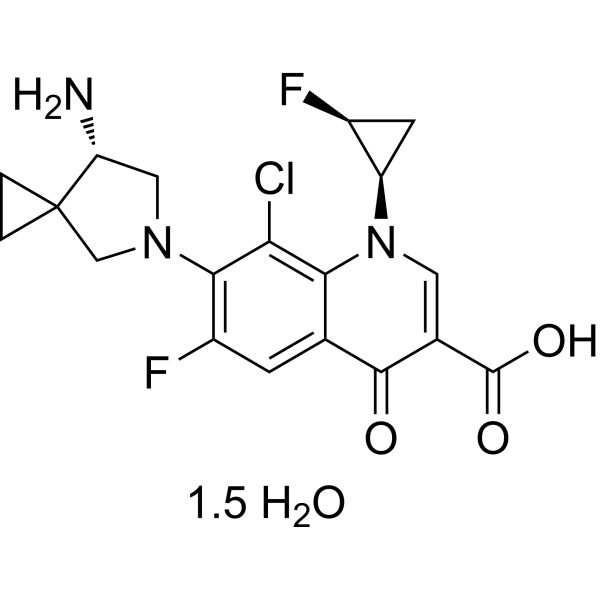
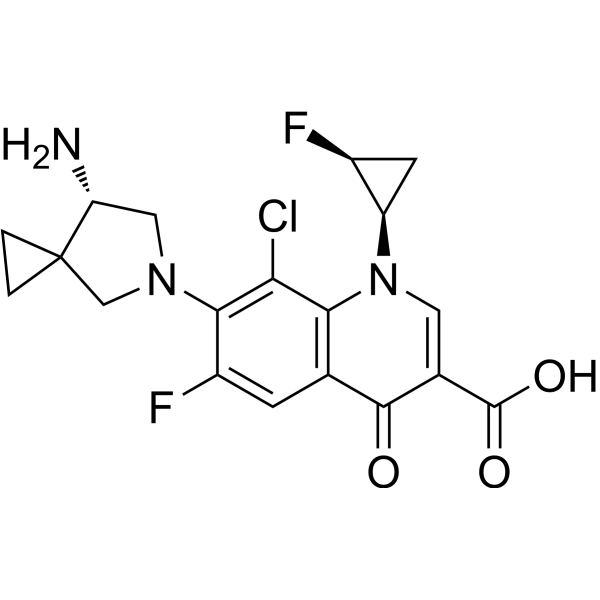
Sitafloxacin (DU6859a) hydrate is an orally active fluoroquinolone antibiotic (antibiotic) with in vitro activity against a wide range of Gram-positive and -negative bacteria, including anaerobic bacteria, as well as atypical pathogens. Sitafloxacin is used in the study of respiratory tract infections and urinary tract infections .
|
-
-
- HY-A0111
-
|
Ro 15-8074; Deacetoxycefotaxime
|
Antibiotic
Bacterial
Penicillin-binding protein (PBP)
Drug Metabolite
|
Infection
|
|
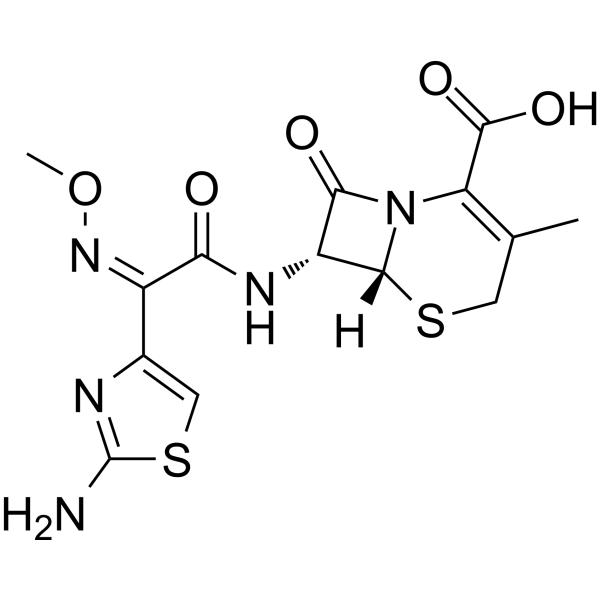
Cefetamet (Ro 15-8074) is a cephalosporin antibiotic and the active metabolite of Cefetamet pivoxil (HY-B1894A). Cefetamet binds to bacterial penicillin-binding protein (PBP) (IC50 for PBP3 in Escherichia coli W3110 is 2.5 μg/mL). Cefetamet has significant activity against Gram-negative bacteria such as Enterobacteriaceae, Neisseria species, and Haemophilus influenzae, as well as Gram-positive bacteria such as Streptococcus. Cefetamet kills and lyses Treponema pallidum. Cefetamet can be used in the research of respiratory tract, urinary tract, ear, nose and throat infections, and syphilis .
|
-
-
- HY-10367A
-
|
CI-1033 dihydrochloride; PD-183805 dihydrochloride
|
EGFR
Orthopoxvirus
|
Infection
Cancer
|
|
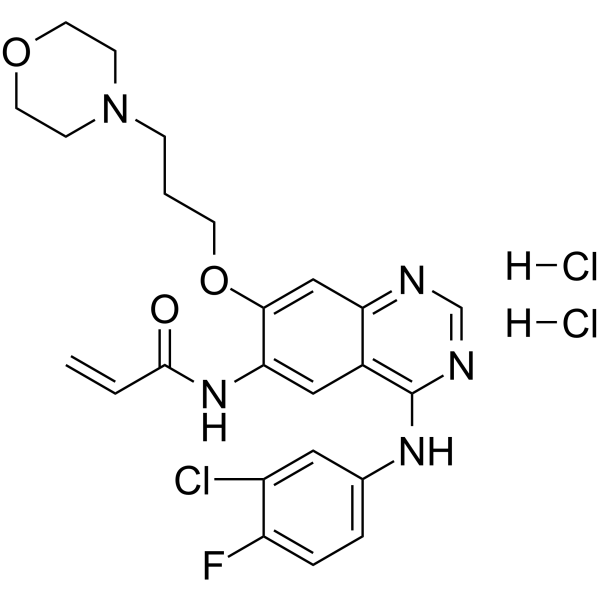
Canertinib dihydrochloride (CI-1033 dihydrochloride) is a potent and irreversible EGFR inhibitor; inhibits cellular EGFR and ErbB2 autophosphorylation with IC50s of 7.4 and 9 nM. Canertinib dihydrochloride is active against vaccinia virus respiratory infection in mice .
|
-
-
- HY-P99209
-
|
MEDI-524
|
RSV
|
Infection
|
|
Motavizumab (MEDI-524) is an anti-human RSV (respiratory syncytial virus) monoclonal antibody. Motavizumab can be used in respiratory syncytial virus infection in high-risk infants research .
|
-
-
- HY-B0395
-
|
DU6859a
|
Bacterial
Antibiotic
|
Infection
|
|
Sitafloxacin (DU6859a) is a potent, orally active fluoroquinolone antibiotic. Sitafloxacin shows antichlamydial activity and antibacterial activities against a broad range of gram-positive and gram-negative bacteria, including anaerobic bacteria, as well as against atypical pathogens. Sitafloxacin can be used for the research of respiratory tract infection and urinary tract infection .
|
-
-
- HY-N0677A
-
|
Potassium dehydroandrographolide succinate
|
Antibiotic
|
Infection
Inflammation/Immunology
|
|
Kalii Dehydrographolidi Succinas (Potassium dehydroandrographolide succinate) is an antibiotic. Kalii Dehydrographolidi Succinas exerts immunostimulatory, anti-infective and anti-inflammatory effects . Kalii Dehydrographolidi Succinas shows potential for research on viral pneumonia and viral upper respiratory tract infections .
|
-
-
- HY-B1257
-
|
Sodium cefmetazole
|
Bacterial
Antibiotic
|
Infection
Cancer
|
|
Cefmetazole sodium (Sodium cefmetazole) is a semisynthetic cephamycin antibiotic with broad-spectrum antibacterial activity, covering gram-positive, gram-negative, and anaerobic bacteria. Cefmetazole sodium binds to penicillin binding proteins (PBPs), resulting in interfering bacterial cell wall biosynthesis. Cefmetazole sodium is used for the research of gynecologic, intraabdominal, urinary tract, respiratory tract and skin and soft tissue infections .
|
-
-
- HY-16487
-
|
TMFX; TA-167 free acid; A-62254 free acid
|
Bacterial
Antibiotic
|
Infection
|
|
Temafloxacin (TMFX) is an orally active quinolone broad-spectrum antibacterial agent. Temafloxacin is well tolerated in lower respiratory and genitourinary tract infections .
|
-
-
- HY-B0213
-
|
Sulfametoxydiazine; 5-Methoxysulfadiazine; NSC 683528
|
Antibiotic
Bacterial
|
Infection
|
|
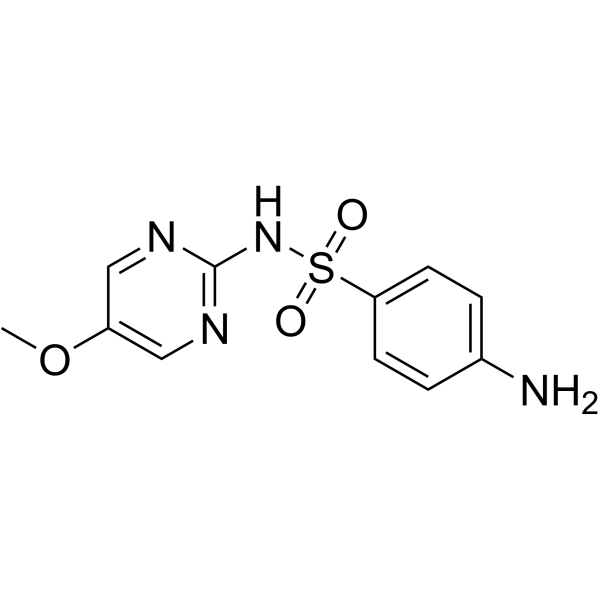
Sulfameter (Sulfametoxydiazine) is an orally active long-acting sulfonamide antibiotic. Sulfameter is active against both Gram-positive and Gram-negative bacteria. Sulfameter can be used for the research of diseases such as respiratory and urinary tract infections .
|
-
-
- HY-108402A
-
|
|
Penicillin-binding protein (PBP)
Bacterial
Antibiotic
|
Infection
|
|
Cefodizime sodium is a third generation cephalosporin antibiotic with a broad spectrum of antibacterial activity. Cefodizime sodium has no renal toxic effect, good tolerance and immune regulation activity, and can be used for the research of severe infections of the respiratory and urinary tracts .
|
-
-
- HY-123475A
-
|
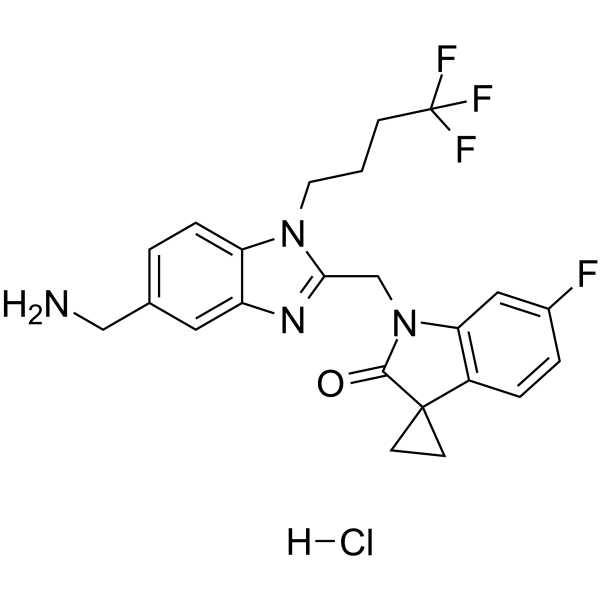
RV521 hydrochloride
|
RSV
|
Infection
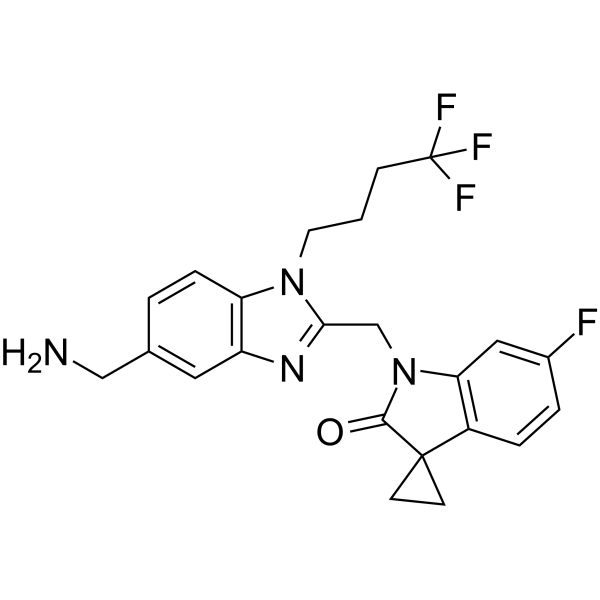
|
|
Sisunatovir (RV521) hydrochloride is a potent and orally active respiratory syncytial virus (RSV) inhibitor with IC50 values of 1.4, 1.0 nM for RSV A, RSV B, respectively. Sisunatovir hydrochloride inhibits RSV infection and reduces virus titers in the lungs of mice .
|
-
-
- HY-123475
-
|
RV521
|
RSV
|
Infection
|
|
Sisunatovir (RV521) is a potent and orally active respiratory syncytial virus (RSV) inhibitor with IC50 values of 1.4, 1.0 nM for RSV A, RSV B, respectively. Sisunatovir inhibits RSV infection and reduces virus titers in the lungs of mice .
|
-
-
- HY-B0771A
-
|
SCE-2787 hydrochloride
|
Antibiotic
Bacterial
Penicillin-binding protein (PBP)
|
Infection
|
|
Cefozopran (SCE-2787) hydrochloride is a potent antibiotic with broad-spectrum antibacterial activity. Cefozopran hydrochloride binds PBPs, induces cell wall destruction, cell elongation, filamentation, irregular septa formation, and bactericidal, bacteriolytic activity. Cefozopran hydrochloride reduces bacterial counts and eradicates bacteria in mouse respiratory, urinary, and thigh muscle infections. Cefozopran hydrochloride can be used for the research of bacterial infections .
|
-
-
- HY-A0161A
-
|
Clofedanol hydrochloride; Calmotusin hydrochloride; NSC 113595 hydrochloride
|
Others
|
Infection
|
|
Chlophedianol (Clofedanol) hydrochloride is an orally active and potent antitussive agent. Chlophedianol hydrochloride can be used for the research of acute cough due to upper respiratory tract infections (URIs) .
|
-
-
- HY-B0159
-
|
Q-35
|
Bacterial
Antibiotic
|
Infection
|
|
Balofloxacin (Q-35) is an orally active fluoroquinolone antibiotic with broad-spectrum antibacterial activity against gram-negative, gram-positive, and anaerobic bacteria. Balofloxacin can be used for the research of respiratory, intestinal, and urinary tract infections .
|
-
-
- HY-N0891
-
|
Tubeimoside-B
|
EGFR
TGF-β Receptor
RIG-I-like receptor (RLR)
SARS-CoV
|
Infection
Neurological Disease
Cancer
|
|
Tubeimoside II is an orally active triterpenoid saponin and antiviral agent that binds to PACT/PRKRA with Kd values of 5.37 μM and 133.1 μM, respectively. Tubeimoside II inhibits oxidase-dependent EGFR activation and reduces TGF-β1-induced oxidative stress. Tubeimoside II activates the RIG-I signaling pathway and increases IFN-β secretion. Tubeimoside II suppresses TPA-induced ear edema, mouse sarcoma 180 growth, and TPA-induced skin tumor formation. Tubeimoside II exerts broad-spectrum antiviral activity against SARS-CoV-2, HCoV-OC43, and IAV-H1N1/FM1. Tubeimoside II can be used in research related to retinoblastoma, respiratory viral infections, skin tumors, and sarcoma 180 .
|
-
-
- HY-16745
-
|
KRP-AM1977
|
Beta-lactamase
Bacterial
Antibiotic
|
Infection
|
|
Lascufloxacin (KRP-AM1977X) is a potent and orally active fluoroquinolone antibacterial agent. Lascufloxacin potently inhibits infections caused by various pathogens, including quinolone-resistant strains. Lascufloxacin has the potential for various infectious diseases treatment, including lower respiratory tract infections .
|
-
-
- HY-147240
-
|
ADX-629
|
Drug Derivative
|
Infection
Cardiovascular Disease
Inflammation/Immunology
|
|
Acloproxalap is a quinoline-based aldehyde scavenger that can be used in studies of diseases with toxic aldehyde accumulation, such as inflammatory diseases of the eye and skin, respiratory diseases such as pneumonia, organ diseases, and viral infection-related syndromes .
|
-
-
- HY-P991492
-
|
|
RSV
|
Infection
|
|
RSM-01 is a monoclonal antibody targeting site Ø of the pre-fusion F glycoprotein (Fusion glycoprotein F0) of respiratory syncytial virus (RSV). RSM-01 can be used in studies related to RSV infection .
|
-
-
- HY-107329
-
|
|
Bacterial
Antibiotic
|
Infection
|
|
Cefathiamidine is a first-generation cephalosporin antibacterial agent and is used to treat infections caused by susceptible bacteria. Cefathiamidine exhibits a wide spectrum of antimicrobial activity against bacteria. Cefathiamidine is used for the treatment of respiratory, liver, five senses, urinary tract infections, endocarditis and sepsis .
|
-
-
- HY-D0184R
-
|
Deoxycytidine (Standard); Cytosine deoxyriboside (Standard); Deoxyribose cytidine (Standard)
|
Reference Standards
Endogenous Metabolite
|
Cancer
|
|
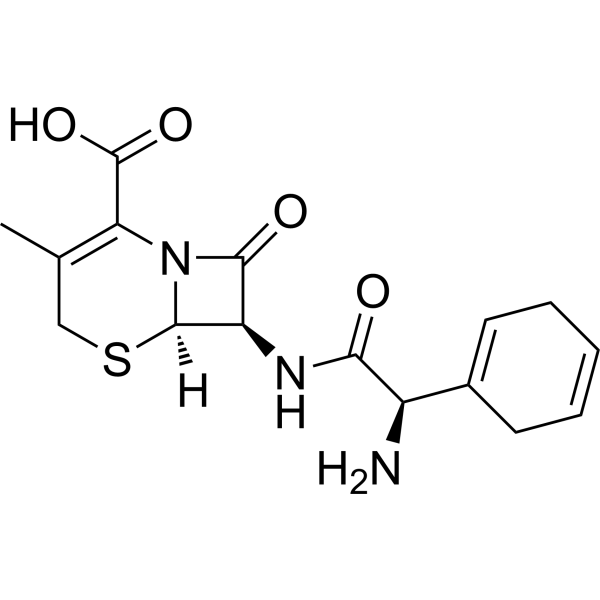
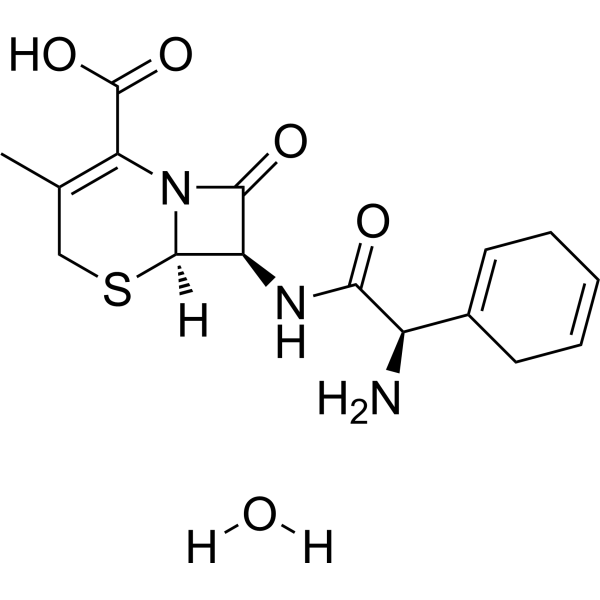
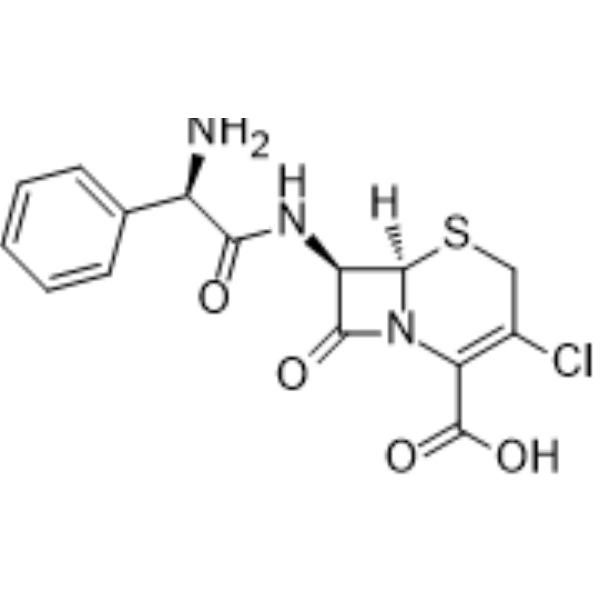
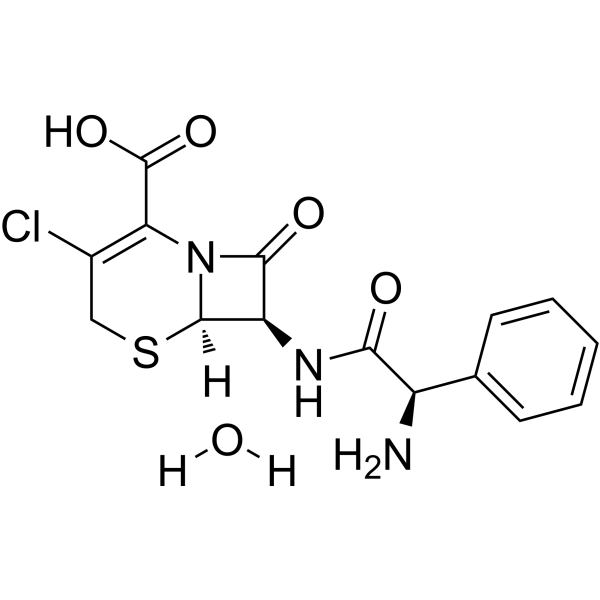
Cefaclor (monohydrate) (Standard) is the analytical standard of Cefaclor (monohydrate). This product is intended for research and analytical applications. Cefaclor is a well-absorbed orally active cephalosporin antibiotic. Cefaclor can specifically bind to specific for penicillin-binding protein 3 (PBP3). Cefaclor can be used for the research of depression and kinds of infections caused by bacteria, such as respiratory tract infections, bacterial bronchitis, pharyngitis and skin infections .
|
-
-
- HY-B0035S2
-
|
Sulfadimidine-13C6; Sulfadimerazine-13C6
|
Antibiotic
Bacterial
Isotope-Labeled Compounds
|
Others
|
|
Sulfamethazine- 13C6 is a 13C-labeled Sulfamethazine (HY-A0178). Sulfamethazine (Sulfadimidine) is an antimicrobial that is widely used to treat and prevent various animal diseases (such as gastrointestinal and respiratory tract infections) .
|
-
-
- HY-W709856
-
|
|
Influenza Virus
|
Infection
|
|
Dodeca-2E,4E,8Z,10Z/E-N-tetraenoic acid isobutylamide is a brain-penetrant substance and the main alkamide in Echinacea preparations, which might be used for research of common cold and various upper respiratory infections .
|
-
-
- HY-B1595
-
|
CS 1170
|
Antibiotic
Bacterial
|
Infection
Cancer
|
|
Cefmetazole (CS 1170) is a semisynthetic cephamycin antibiotic with broad-spectrum antibacterial activity, covering gram-positive, gram-negative and anaerobic bacteria. Cefmetazole binds to penicillin binding proteins (PBPs), resulting in interfering bacterial cell wall biosynthesis. Cefmetazole is used for the research of gynecologic, intraabdominal, urinary tract, respiratory tract and skin and soft tissue infections .
|
-
-
- HY-B2115
-
|
|
Bacterial
|
Inflammation/Immunology
|
|
Sulfogaiacol is a cough suppressant with expectorant properties, and it can be used for research on acute respiratory infections with oral activity .
|
-
-
- HY-20685S
-
|
Palmidrol-d4; Loramine P 256-d4
|
Influenza Virus
Endogenous Metabolite
|
Infection
|
|
Palmitoylethanolamide-d4 is the deuterium labeled Palmitoylethanolamide. Palmitoylethanolamide (Palmidrol) is an active endogenous compound which can used for preventing virus infection of the respiratory tract.
|
-
-
- HY-20685R
-
|
Palmidrol (Standard); Loramine P 256 (Standard)
|
Endogenous Metabolite
Reference Standards
Influenza Virus
|
Infection
Cancer
|
|
Palmitoylethanolamide (Standard) is the analytical standard of Palmitoylethanolamide. This product is intended for research and analytical applications. Palmitoylethanolamide (Palmidrol) is an active endogenous compound which can used for preventing virus infection of the respiratory tract.
|
-
-
- HY-Y0931
-
|
|
Biochemical Assay Reagents
|
Infection
|
|
3-Iodobenzoic acid is a Monoiodobenzoic acid. 3-Iodobenzoic acid inhibits the ADV7 virus. 3-Iodobenzoic acid can be used in the study of respiratory infections caused by ADV7 .
|
-
-
- HY-B0035S
-
|
Sulfadimidine-d4; Sulfadimerazine-d4
|
Bacterial
|
Infection
|
|
Sulfamethazine-d4 (Sulfadimidine-d4) is a deuterium labeled Sulfamethazine (Sulfadimidine). Sulfamethazine is an antimicrobial that is widely used to treat and prevent various animal diseases (such as gastrointestinal and respiratory tract infections) .
|
-
-
- HY-132282
-
|
|
Bacterial
|
Infection
|
|
Thiamphenicol glycinate hydrochloride is a broad-spectrum antibacterial agent that can be used for respiratory tract infections research .
|
-
-
- HY-109004
-
|
BTA-C585
|
RSV
|
Infection
|
|
Enzaplatovir (BTA-C585) is an orally bioavailable Inhibitor for respiratory syncytial virus (RSV) infection .
|
-
-
- HY-B0198A
-
-
-
- HY-108402
-
|
|
Penicillin-binding protein (PBP)
Bacterial
Antibiotic
|
Infection
|
|
Cefodizime is a third generation cephalosporin antibiotic with a broad spectrum of antibacterial activity. Cefodizime has no renal toxic effect, good tolerance and immune regulation activity, and has the potential for severe infections of the respiratory and urinary tracts .
|
-
-
- HY-B0771
-
|
SCE-2787
|
Antibiotic
Bacterial
Penicillin-binding protein (PBP)
|
Infection
|
|
Cefozopran (SCE-2787) is a potent antibiotic with broad-spectrum antibacterial activity. Cefozopran binds PBPs, induces cell wall destruction, cell elongation, filamentation, irregular septa formation, and bactericidal, bacteriolytic activity. Cefozopran reduces bacterial counts and eradicates bacteria in mouse respiratory, urinary, and thigh muscle infections. Cefozopran can be used for the research of bacterial infections .
|
-
-
- HY-108971
-
|
|
Antibiotic
Bacterial
|
Infection
|
|
Demecycline, a tetracycline antibiotic, is the C6-demethylated derivative of Tetracycline (HY-A0107) against bacterial infections including pneumonia and other respiratory tract infections .
|
-
-
- HY-B0395CR
-
|
DU6859a hydrate (Standard)
|
Bacterial
Antibiotic
Reference Standards
|
Infection
|
|
Sitafloxacin (hydrate) (Standard) is the analytical standard of Sitafloxacin (hydrate). This product is intended for research and analytical applications. Sitafloxacin (DU6859a) hydrate is an orally active fluoroquinolone antibiotic (antibiotic) with in vitro activity against a wide range of Gram-positive and -negative bacteria, including anaerobic bacteria, as well as atypical pathogens. Sitafloxacin is used in the study of respiratory tract infections and urinary tract infections .
|
-
-
- HY-A0035
-
|
|
Antibiotic
Bacterial
|
Infection
|
|
Faropenem is a potent and orally active beta-lactam antibiotic. Faropenem demonstrates broad-spectrum in vitro antimicrobial activity against many gram-positive and -negative aerobes and anaerobes. Faropenem is resistant to hydrolysis by nearly all beta-lactamases, including extended-spectrum beta-lactamases and AmpC beta-lactamases. Faropenem is developed as an oral proagent, faropenem medoxomil, for the research of respiratory tract infections .
|
-
-
- HY-B0159A
-
|
Q-35 dihydrate
|
Bacterial
Antibiotic
|
Infection
|
|
Balofloxacin dihydrate (Q-35 dihydrate) is an orally active fluoroquinolone antibiotic with broad-spectrum antibacterial activity against gram-negative, gram-positive, and anaerobic bacteria. Balofloxacin dihydrate can be used for the research of respiratory, intestinal, and urinary tract infections .
|
-
-
- HY-107798
-
|
|
Bacterial
|
Infection
|
|
Potassium guaiacolsulfonate hemihydrate is an orally active expectorant used for acute respiratory tract infections. Potassium guaiacolsulfonate hemihydrate helps loosen mucus and used for a cough caused by the common cold, infections or allergies in combination with other agents .
|
-
-
- HY-139805
-
|
|
Antibiotic
Bacterial
|
Infection
|
|
Ticarcillin is a semisynthetic, extended-spectrum, carboxypenicillin antibacterial agent, and is active against gram-positive cocci, including streptococci and staphylococci. Ticarcillin is also effective against most gram-negative organisms, including Pseudomonas aeruginosa. Ticarcillin can be used in lower respiratory tract infections, skin and skin structure infections, urinary tract infections, and intraabdominal infections research .
|
-
-
- HY-138956
-
|
|
NF-κB
RSV
|
Infection
|
|
MAY0132 is a potent and selective EPAC2 inhibitor with an IC50 of 0.4 μM. MAY0132 significantly inhibits replication of HMPV, AdV and RSV, reduces viral infection-induced cytokine/chemokine production, and inhibits NF-κB activation. MAY0132 has antiviral activity and can be used in the study of respiratory virus infection .
|
-
-
- HY-P991690
-
|
|
RSV
|
Infection
|
|
Glarivibart is a humanized IgG1κ monoclonal antibody inhibitor targeting Respiratory syncytial virus (RSV) fusion F protein (RSV-F). Glarivibart has significant antiviral activity. Glarivibart can be used for RSV infections research .
|
-
-
- HY-163773
-
|
|
RSV
|
Infection
|
|
JNJ-7950 (compound 5c) exhibits antiviral activity against RSV with an EC50 value of 0.78 nM. JNJ-7950 can be used in the study of respiratory tract infections .
|
-
-
- HY-147015
-
|
|
Orthopoxvirus
|
Infection
|
|
HOE961, the diacetate ester proagent of S2242, is active against respiratory cowpox virus infections, is orally active in infection models. Anti-orthopoxvirus activity .
|
-
-
- HY-P991497
-
|
|
RSV
|
Infection
|
|
ASN-500 is a human monoclonal antibody (mAb) targeting F/Fusion glycoprotein F0. ASN-500 can be used in respiratory syncytial virus infection research .
|
-
- HY-B0395A
-
|
DU6859a hydrochloride
|
Antibiotic
Bacterial
|
Infection
|
|
Sitafloxacin (DU6859a) hydrochloride is a potent, orally active fluoroquinolone antibiotic. Sitafloxacin hydrochloride shows antichlamydial activity and antibacterial activities against a broad range of gram-positive and gram-negative bacteria, including anaerobic bacteria, as well as against atypical pathogens. Sitafloxacin hydrochloride can be used for the research of respiratory tract infection and urinary tract infection .
|
-
- HY-P991496
-
|
|
RSV
|
Infection
|
|
IDB-002 is a human monoclonal antibody (mAb) targeting F/Fusion glycoprotein F0. IDB-002 can be used in respiratory syncytial virus infection research. Recommended isotype control: Human IgG1 kappa, Isotype Control (HY-P99001).
|
-
- HY-109072
-
|
|
DNA/RNA Synthesis
SARS-CoV
|
Infection
|
|
Riamilovir is an antiviral drug whose activity is primarily directed against RNA viruses. Riamilovir acts directly on the virus's RNA-dependent RNA polymerase, thereby preventing the virus from replicating. This mechanism allows Riamilovir to effectively reduce the amount of virus, accelerate the relief of symptoms, and help reduce the severity of the disease. Riamilovir can be used in the study of acute respiratory viral infections caused by new variants of SARS-CoV-2 .
|
-
- HY-108289
-
|
(Rac)-NRM-331
|
Drug Derivative
|
Inflammation/Immunology
|
|
Sobrerol ((Rac)-NRM-331) is a monoterpene compound. Sobrerol promotes mucus clearance and improves respiratory infections. Sobrerol can be used in research on respiratory diseases .
|
-
- HY-B0455B
-
|
SC47111A (aspartate); NY-198 (aspartate)
|
Bacterial
Antibiotic
|
Infection
|
|
Lomefloxacin (SC47111A) aspartate is a broad-spectrum quinolone antibiotic, with antimicrobial activity. Lomefloxacin aspartate can be used for researching respiratory tract infections, genitourinary infections, gastrointestinal infections, ENT infections, etc. .
|
-
- HY-P991500
-
|
|
RSV
|
Infection
|
|
EVO-46135 is a human monoclonal antibody (mAb) targeting F/Fusion glycoprotein F0. EVO-46135 can be used in Respiratory syncytial virus infections and Metapneumovirus infections research.
|
-
- HY-113595
-
|
TMFX hydrochloride; TA-167; A-62254
|
Antibiotic
Bacterial
|
Infection
|
|
Temafloxacin (TMFX) hydrochloride is an orally active quinolone broad-spectrum antibacterial agent. Temafloxacin hydrochloride is well tolerated in lower respiratory and genitourinary tract infections .
|
-
- HY-N9680
-
|
Ubiquinone 8
|
Endogenous Metabolite
Bacterial
|
Infection
Inflammation/Immunology
|
|
Coenzyme Q8 (Ubiquinone 8) is an isoprenoid quinone that mediates electron transfer within the aerobic respiratory chain and reduces oxidative stress. Coenzyme Q8 maintains bacterial respiratory function and enhances host resistance to bacterial infection. Coenzyme Q8 stimulates macrophage phagocytosis and increases antibody-producing cells. Coenzyme Q8 can be used in infectious disease research .
|
-
- HY-B0439R
-
|
Sulphadoxine (Standard)
|
Reference Standards
Parasite
HIV
Antibiotic
Endogenous Metabolite
|
Infection
|
|
Sulfadoxine (Standard) is the analytical standard of Sulfadoxine. This product is intended for research and analytical applications. Sulfadoxine(Sulphadoxine) is a long acting sulfonamide that is used, usually in combination with other agents, for respiratory, urinary tract and malarial infections. Sulfadoxine inhibits HIV replication in peripheral blood mononuclear cells.
|
-
- HY-108002
-
|
|
RSV
|
Infection
|
|
A 33903 is a respiratory syncytial virus (RSV) replication inhibitor. A 33903 can be used for the research of RSV-infection .
|
-
- HY-163567
-
|
|
RSV
|
Infection
|
|
RSV-IN-10 (compound 6a) shows antiviral activity against RSV with the IC50 of 4 μM. RSV-IN-10 can be used for study of respiratory infection .
|
-
- HY-163568
-
|
|
RSV
|
Infection
|
|
RSV-IN-11 (compound 10b) shows antiviral activity against RSV with the IC50 of 6.32 μM. RSV-IN-10 can be used for study of respiratory infection .
|
-
- HY-A0161
-
|
Clofedanol; Calmotusin; NSC 113595
|
Others
|
Infection
|
|
Chlophedianol (Clofedanol) is an orally active and potent antitussive agent. Chlophedianol can be used for the research of acute cough due to upper respiratory tract infections (URIs) .
|
-
- HY-A0161AR
-
|
Clofedanol hydrochloride (Standard); Calmotusin hydrochloride (Standard); NSC 113595 hydrochloride (Standard)
|
Sigma Receptor
Reference Standards
|
Infection
|
|
Chlophedianol (hydrochloride) (Standard) is the analytical standard of Chlophedianol (hydrochloride). This product is intended for research and analytical applications. Chlophedianol (Clofedanol) hydrochloride is an orally active and potent antitussive agent. Chlophedianol hydrochloride can be used for the research of acute cough due to upper respiratory tract infections (URIs) .
|
-
- HY-B0198R
-
-
- HY-B0198AR
-
-
- HY-107075A
-
|
|
Bacterial
|
Infection
|
|
WCK-1152 is a fluoroquinolone antibacterial agent. WCK-1152 is active against resistant pathogens bearing mutations of DNA gyrase and/or topoisomerase IV which also express efflux pumps. WCK-1152 can be used for the research of infection, such as respiratory infections caused by resistant pneumococci and staphylococci .
|
-
- HY-A0111A
-
|
Ro15-8074/001; Deacetoxycefotaxime sodium
|
Antibiotic
Bacterial
Penicillin-binding protein (PBP)
Drug Metabolite
|
Infection
|
|
Cefetamet (Ro 15-8074) sodium is a cephalosporin antibiotic and the active metabolite of Cefetamet pivoxil (HY-B1894A). Cefetamet sodium binds to bacterial penicillin-binding protein (PBP) (IC50 for PBP3 in Escherichia coli W3110 is 2.5 μg/mL). Cefetamet sodium has significant activity against Gram-negative bacteria such as Enterobacteriaceae, Neisseria species, and Haemophilus influenzae, as well as Gram-positive bacteria such as Streptococcus. Cefetamet sodium kills and lyses Treponema pallidum. Cefetamet sodium can be used in the research of respiratory tract, urinary tract, ear, nose and throat infections, and syphilis .
|
-
- HY-121571
-
|
|
Insecticide
|
Infection
Cancer
|
|
Prallethrin, a spatial mosquito repellent, is a non-fluorinated pyrethroid targeting lung surfactant proteins (SPs). prallethrin has vapor toxicity and can bind with the lung SPs by hydrogen and hydrophobic interactions, impairing functions of SPs. Prallethrin can be used for respiratory illness, pathogenic infections and malignancy research .
|
-
- HY-A0111R
-
|
Ro 15-8074 (Standard); Deacetoxycefotaxime (Standard)
|
Reference Standards
Antibiotic
Bacterial
Penicillin-binding protein (PBP)
Drug Metabolite
|
Infection
|
|
Cefetamet (Standard) is the analytical standard of Cefetamet (HY-A0111). This product is intended for research and analytical applications. Cefetamet (Ro 15-8074) is a cephalosporin antibiotic and the active metabolite of Cefetamet pivoxil (HY-B1894A). Cefetamet binds to bacterial penicillin-binding protein (PBP) (IC50 for PBP3 in Escherichia coli W3110 is 2.5 μg/mL). Cefetamet has significant activity against Gram-negative bacteria such as Enterobacteriaceae, Neisseria species, and Haemophilus influenzae, as well as Gram-positive bacteria such as Streptococcus. Cefetamet kills and lyses Treponema pallidum. Cefetamet can be used in the research of respiratory tract, urinary tract, ear, nose and throat infections, and syphilis .
|
-
- HY-B0159R
-
|
Q-35 (Standard)
|
Reference Standards
Bacterial
Antibiotic
|
Infection
|
|
Balofloxacin (Standard) is the analytical standard of Balofloxacin. This product is intended for research and analytical applications. Balofloxacin (Q-35) is an orally active fluoroquinolone antibiotic with broad-spectrum antibacterial activity against gram-negative, gram-positive, and anaerobic bacteria. Balofloxacin can be used for the research of respiratory, intestinal, and urinary tract infections .
|
-
- HY-B1257R
-
|
Sodium cefmetazole (Standard)
|
Reference Standards
Bacterial
Antibiotic
|
Infection
Cancer
|
|
Cefmetazole (sodium) (Standard) is the analytical standard of Cefmetazole (sodium). This product is intended for research and analytical applications. Cefmetazole sodium (Sodium cefmetazole) is a semisynthetic cephamycin antibiotic with broad-spectrum antibacterial activity, covering gram-positive, gram-negative, and anaerobic bacteria. Cefmetazole sodium binds to penicillin binding proteins (PBPs), resulting in interfering bacterial cell wall biosynthesis. Cefmetazole sodium is used for the research of gynecologic, intraabdominal, urinary tract, respiratory tract and skin and soft tissue infections .
|
-
- HY-111047
-
|
|
Topoisomerase
Bacterial
|
Infection
|
|
GSK945237 is a potent and orally active bacterial type IIA topoisomerases inhibitor. GSK945237 shows broad-spectrum activity against Gram-positive and Gram-negative bacteria (IC50 of 0.034 μg/mL against H. influenzae DNA gyrase). GSK945237 demonstrates good in vivo efficacy in a rat respiratory tract infection model. GSK945237 can be used for anti-infection research .
|
-
- HY-B0220S3
-
|
|
Bacterial
|
Infection
|
|
Erythromycin-13C2 is a macrolide antibiotic that can be used to treat respiratory infections, skin infections, and chlamydia infections .
|
-
- HY-B0455S
-
|
SC47111A-d5 hydrochloride; NY-198-d5 hydrochloride
|
Isotope-Labeled Compounds
|
Inflammation/Immunology
|
|
Lomefloxacin-d5 (hydrochloride) is the deuterium labeled Lomefloxacin hydrochloride. Lomefloxacin (SC47111A) hydrochloride is a broad-spectrum quinolone antibiotic, with antimicrobial activity. Lomefloxacin hydrochloride is used for the research of respiratory tract infections, genitourinary infections, gastrointestinal infections, ENT infections, etc. .
|
-
- HY-B0455AR
-
|
SC47111A (Standard); NY-198 (Standard)
|
Reference Standards
Bacterial
Antibiotic
|
Infection
|
|
Lomefloxacin (Standard) is the analytical standard of Lomefloxacin. This product is intended for research and analytical applications. Lomefloxacin (SC47111A) is a broad-spectrum quinolone antibiotic, with antimicrobial activity. Lomefloxacin is used for the research of respiratory tract infections, genitourinary infections, gastrointestinal infections, ENT infections, etc. .
|
-
- HY-B1908R
-
|
SF-837 (Standard); Antibiotic SF-837 (Standard)
|
Reference Standards
Bacterial
Antibiotic
|
Infection
|
|
Lomefloxacin (Standard) is the analytical standard of Lomefloxacin. This product is intended for research and analytical applications. Lomefloxacin (SC47111A) is a broad-spectrum quinolone antibiotic, with antimicrobial activity. Lomefloxacin is used for the research of respiratory tract infections, genitourinary infections, gastrointestinal infections, ENT infections, etc. .
|
-
- HY-B0337S
-
|
Sulphadimethoxine-d4
|
Bacterial
|
Infection
|
|
Sulfadimethoxine-d4 is a deuterium labeled Sulfadimethoxine (Sulphadimethoxine). Sulfadimethoxine is a sulfonamide antibiotic used to treat many infections including treatment of respiratory, urinary tract, enteric, and soft tissue infections .
|
-
- HY-B0220H
-
|
|
DNA/RNA Synthesis
Bacterial
Antibiotic
|
Infection
|
|
Erythromycin hydrochloride is a protein synthesis inhibitor with activity against the growth of both Gram-negative and Gram-positive bacteria. Erythromycin hydrochloride is commonly used in biomedicine to inhibit diseases caused by bacterial infections. Erythromycin hydrochloride is also involved in the inhibition of mammalian mRNA splicing. The application range of erythromycin hydrochloride includes respiratory tract infections, skin infections, and other infections caused by sensitive bacteria .
|
-
- HY-W740165
-
|
|
Antibiotic
Drug Metabolite
|
Infection
|
|
Desmethyl Levofloxacin hydrochloride is an antibacterial agent with broad-spectrum antibacterial activity against a variety of pathogens. Desmethyl Levofloxacin hydrochloride effectively fights bacterial infections by inhibiting bacterial DNA synthesis. Studies on Desmethyl Levofloxacin hydrochloride have shown that it has potential in inhibiting respiratory infections .
|
-
- HY-P991498
-
|
|
Influenza Virus
|
Infection
|
|
CAL-203 is a human monoclonal antibody (mAb) targeting F, Fusion glycoprotein F0. CAL-203 can be used in respiratory tract infections research.
|
-
- HY-139805A
-
|
|
Bacterial
Antibiotic
|
Cancer
|
|
Ticarcillin monosodium is a semisynthetic, extended-spectrum, carboxypenicillin antibacterial agent, and is active against gram-positive cocci, including streptococci and staphylococci. Ticarcillin monosodium is also effective against most gram-negative organisms, including Pseudomonas aeruginosa. Ticarcillin monosodium can be used in lower respiratory tract infections, skin and skin structure infections, urinary tract infections, and intraabdominal infections research .
|
-
- HY-107798R
-
|
|
Reference Standards
Bacterial
|
Infection
|
|
Potassium guaiacolsulfonate (hemihydrate) (Standard) is the analytical standard of Potassium guaiacolsulfonate (hemihydrate). This product is intended for research and analytical applications. Potassium guaiacolsulfonate hemihydrate is an orally active expectorant used for acute respiratory tract infections. Potassium guaiacolsulfonate hemihydrate helps loosen mucus and used for a cough caused by the common cold, infections or allergies in combination with other agents .
|
-
- HY-P991494
-
|
|
RSV
|
Infection
|
|
IN-002 is a human monoclonal antibody (mAb) targeting F, Fusion glycoprotein F0. IN-002 can be used in respiratory syncytial virus (RSV) infections research.
|
-
- HY-P991499
-
|
|
RSV
|
Infection
|
|
EVO-46120 is a human monoclonal antibody (mAb) targeting F, Fusion glycoprotein F0. EVO-46120 can be used in respiratory syncytial virus (RSV) and metapneumovirus infections research.
|
-
- HY-B0395B
-
|
DU6859a monohydrate
|
Bacterial
Antibiotic
|
Infection
|
|
Sitafloxacin (DU6859a) monohydrate is a potent, orally active fluoroquinolone antibiotic. Sitafloxacin monohydrate shows antichlamydial activity and antibacterial activities against a broad range of gram-positive and gram-negative bacteria, including anaerobic bacteria, as well as against atypical pathogens. Sitafloxacin monohydrate can be used for the research of respiratory tract infection and urinary tract infection .
|
-
- HY-16487R
-
|
TMFX (Standard); TA-167 free acid (Standard); A-62254 free acid (Standard)
|
Reference Standards
Bacterial
Antibiotic
|
Infection
|
|
Temafloxacin (Standard) is the analytical standard of Temafloxacin. This product is intended for research and analytical applications. Temafloxacin (TMFX) is an orally active quinolone broad-spectrum antibacterial agent. Temafloxacin is well tolerated in lower respiratory and genitourinary tract infections .
|
-
- HY-107329R
-
|
|
Reference Standards
Bacterial
Antibiotic
|
Infection
|
|
Cefathiamidine (Standard) is the analytical standard of Cefathiamidine. This product is intended for research and analytical applications. Cefathiamidine is a first-generation cephalosporin antibacterial agent and is used to treat infections caused by susceptible bacteria. Cefathiamidine exhibits a wide spectrum of antimicrobial activity against bacteria. Cefathiamidine is used for the treatment of respiratory, liver, five senses, urinary tract infections, endocarditis and sepsis[1][2].
|
-
- HY-B0439S
-
|
Sulphadoxine-d4
|
Parasite
HIV
Antibiotic
Endogenous Metabolite
|
Infection
|
|
Sulfadoxine-d4 is the deuterium labeled Sulfadoxine. Sulfadoxine(Sulphadoxine) is a long acting sulfonamide that is used, usually in combination with other agents, for respiratory, urinary tract and malarial infections. Sulfadoxine inhibits HIV replication in peripheral blood mononuclear cells.
|
-
- HY-108971R
-
|
|
Antibiotic
Reference Standards
Bacterial
|
Infection
|
|
Uridine 5'-monophosphate (disodium salt) (Standard) is the analytical standard of Uridine 5'-monophosphate (disodium salt). This product is intended for research and analytical applications. Uridine 5'-monophosphate disodium salt is component used for RNA synthesis.
|
-
- HY-A0161S
-
|
Clofedanol-13C6; Calmotusin-13C6; NSC 113595-13C6
|
Isotope-Labeled Compounds
|
Infection
|
|
Chlophedianol- 13C6 is the 13C labeled Chlophedianol (HY-A0161). Chlophedianol is an orally active and potent antitussive agent. Chlophedianol can be used for the research of acute cough due to upper respiratory tract infections (URIs) .
|
-
- HY-109004R
-
|
BTA-C585 (Standard)
|
Reference Standards
RSV
|
Infection
|
|
Enzaplatovir (Standard) is the analytical standard of Enzaplatovir (HY-109004). This product is intended for research and analytical applications. Enzaplatovir (BTA-C585) is an orally bioavailable Inhibitor for respiratory syncytial virus (RSV) infection .
|
-
- HY-185215
-
|
|
DNA/RNA Synthesis
RSV
|
Infection
|
|
GS-646089 is a broad-spectrum antiviral nucleoside analog that exhibits significant inhibitory activity against respiratory syncytial virus (RSV), human metapneumovirus (hMPV), rhinovirus (enterovirus) and enteroviruses. The IC50 of GS-646089 targeting RNA-dependent RNA polymerase (RdRp) ranges from 43 to 46 nM. GS-646089 blocks viral replication by being converted into a triphosphate metabolite intracellularly, which competes with ATP for incorporation into nascent RNA strands and acts as an immediate chain terminator. GS-646089 is the parent compound of the double prodrug GS-7682 (HY-161877), and is used in studies of acute respiratory viral infections and infections caused by related pathogens .
|
-
- HY-P992175
-
|
|
RSV
|
Infection
|
|
ADI-14448 is a RSV prefusion fusion glycoprotein inhibitor and HMPV fusion glycoprotein inhibitor, with a Kd of 3.8 × 10 -10 M for RSV preF. ADI-14448 binds to epitope III of RSV preF, thereby blocking viral infection. ADI-14448 neutralizes RSV subtype A and HMPV subtype A1. ADI-14448 can be used in studies related to respiratory syncytial virus infection and metapneumovirus infection .
|
-
- HY-12983B
-
|
|
Drug Metabolite
DNA/RNA Synthesis
|
Infection
|
|
ALS-8112-TP is the 5'-triphosphate metabolite of ALS-8112 (HY-12983). ALS-8112-TP is a potent, selective and competitive respiratory syncytial virus (RSV) RNA polymerase inhibitor, with selectivity against polymerases from host or viruses unrelated to RSV such as hepatitis C virus (HCV). ALS-8112-TP can be efficiently recognized by the recombinant RSV polymerase complex, causing chain termination of RNA synthesis. ALS-8112-TP can be used for RSV-infection research .
|
-
- HY-N18791
-
|
|
Bacterial
|
Infection
|
|
Onion oil, extracted from onions, has significant antibacterial and anti-inflammatory properties, which are helpful in the study of bacterial infections, respiratory diseases, and skin abnormalities.
|
-
- HY-180378
-
|
|
Biochemical Assay Reagents
|
Infection
|
|
3-Iodobenzoate sodium is a Monoiodobenzoic acid. 3-Iodobenzoate sodium inhibits the ADV7 virus. 3-Iodobenzoate sodium can be used in the study of respiratory infections caused by ADV7 .
|
-
- HY-175044
-
|
(±)14(15)-Epoxy eicosatrienoyl ethanolamide
|
Bacterial
|
Infection
Inflammation/Immunology
|
|
(±)14(15)-EET Ethanolamide ((±)14(15)-Epoxy eicosatrienoyl ethanolamide) is a fatty acid monoepoxide. (±)-14(15)-EET ethanolamide can be used in the research of Pseudomonas aeruginosa infections and respiratory diseases .
|
-
- HY-120660
-
|
|
RSV
|
Infection
|
|
AZD-4316 is a respiratory syncytial virus (RSV) L protein inhibitor. AZD-4316 has an inhibitory effect on RSV A subtypes (such as strain A2) and can effectively block viral replication in the early stage of infection (the viral entry stage). AZD-4316 is inactive when administered 12-24 hours after infection. AZD-4316 can be used for the research of RSV infection .
|
-
- HY-W740077
-
|
SCE-2787 dihydrochloride
|
Antibiotic
Bacterial
Penicillin-binding protein (PBP)
|
Infection
|
|
Cefozopran (SCE-2787) dihydrochloride is a potent antibiotic with broad-spectrum antibacterial activity. Cefozopran dihydrochloride binds PBPs, induces cell wall destruction, cell elongation, filamentation, irregular septa formation, and bactericidal, bacteriolytic activity. Cefozopran dihydrochloride reduces bacterial counts and eradicates bacteria in mouse respiratory, urinary, and thigh muscle infections. Cefozopran dihydrochloride can be used for the research of bacterial infections .
|
-
- HY-116229
-
|
SB-265805; LB20304
|
Antibiotic
Bacterial
|
Infection
|
|
Gemifloxacin, a fluoroquinolone, is a potent and orally active antipneumococcal agent. Gemifloxacin shows bactericidal activity against highly quinolone-resistant pneumococci.Gemifloxacin can be used for the research of respiratory infections, such as community-acquired pneumonia (CAP) and acute exacerbation of chronic bronchitis (AECB) .
|
-
- HY-B1156A
-
|
Cefradine sodium; SQ-11436 sodium
|
Bacterial
Antibiotic
TOPK
|
Infection
Inflammation/Immunology
|
|
Cephradine sodium is a broad-spectrum and orally active cephalosporin. Cephradine sodium is active against both gram-positive and gram-negative pathogens. Cephradine sodium is effective in eradicating most penicillinase-producing organisms. Cephradine sodium has been used in the research of genitourinary, gastrointestinal and respiratory tract infections, and in infections of the skin and soft tissues. Cephradine sodium blocks solar-ultraviolet induced skin inflammation through direct inhibition of TOPK .
|
-
- HY-B1156
-
|
Cefradine; SQ-11436
|
Bacterial
Antibiotic
TOPK
|
Infection
Inflammation/Immunology
|
|
Cephradine (Cefradine) is a broad-spectrum and orally active cephalosporin. Cephradine is active against both gram-positive and gram-negative pathogens. Cephradine is effective in eradicating most penicillinase-producing organisms. Cephradine has been used in the research of genitourinary, gastrointestinal and respiratory tract infections, and in infections of the skin and soft tissues. Cephradine blocks solar-ultraviolet induced skin inflammation through direct inhibition of TOPK .
|
-
- HY-B0035A
-
|
Sulfadimidine sodium; Sulfadimerazine sodium
|
Bacterial
Antibiotic
|
Infection
|
|
Sulfamethazine sodium (Sulfadimidine sodium) is an antimicrobial with blood-brain barrier permeability. Sulfamethazine sodium is widely used to treat and prevent various animal diseases (such as gastrointestinal and respiratory tract infections). In China and the European Commission, the maximum residue level for Sulfamethazine sodium in animal product is set at 100 μg/kg .
|
-
- HY-B0035
-
|
Sulfadimidine; Sulfadimerazine
|
Bacterial
Antibiotic
|
Infection
|
|
Sulfamethazine (Sulfadimidine) is an antimicrobial agent with blood-brain barrier permeability. Sulfamethazine is widely used to treat and prevent various animal diseases (such as gastrointestinal and respiratory tract infections). In China and the European Commission, the maximum residue level for Sulfamethazine in animal product is set at 100 μg/kg .
|
-
- HY-15033
-
|
|
Others
|
Infection
Inflammation/Immunology
|
|
ATB-343 is a derivative of Indomethacin that releases H2S. H2S has cytoprotective and anti-inflammatory effects, inhibiting leukocyte adhesion to vascular endothelium and leukocyte migration to inflammatory sites. ATB-343 can be used to suppress respiratory infections .
|
-
- HY-10367
-
|
CI-1033; PD-183805
|
EGFR
Orthopoxvirus
|
Infection
Cancer
|
|
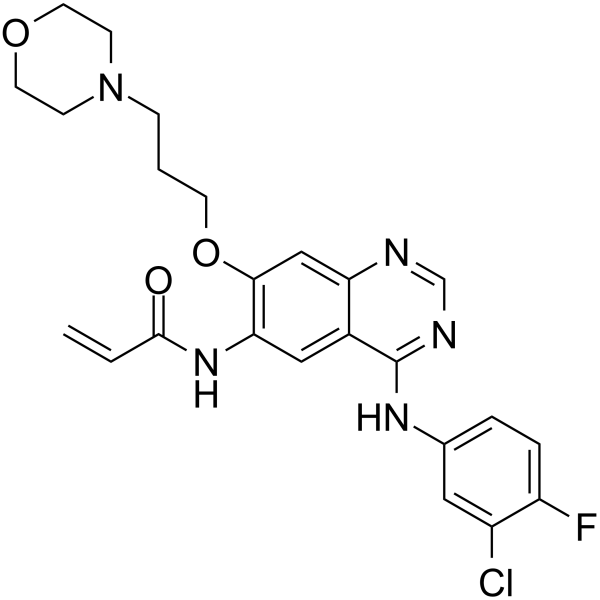
Canertinib (CI-1033;PD-183805) is a potent and irreversible EGFR inhibitor; inhibits cellular EGFR and ErbB2 autophosphorylation with IC50s of 7.4 and 9 nM. Canertinib is active against vaccinia virus respiratory infection in mice .
|
-
- HY-20685S2
-
|
Palmidol-d5, PEA-15,15,16,16,16-d5
|
Isotope-Labeled Compounds
Influenza Virus
Endogenous Metabolite
|
Infection
Cancer
|
|
Palmitoylethanolamide-d5 (Palmidol-d5, PEA-15,15,16,16,16-d5) is deuterium labeled Palmitoylethanolamide. Palmitoylethanolamide (Palmidrol) is an active endogenous compound which can used for preventing virus infection of the respiratory tract .
|
-
- HY-B0372A
-
|
|
SARS-CoV
Autophagy
HIV
|
Metabolic Disease
|
|
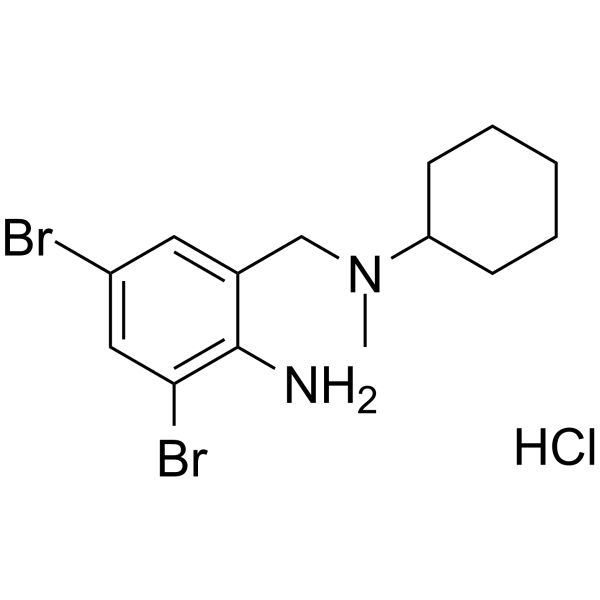
Bromhexine hydrochloride is a potent and specific TMPRSS2 protease inhibitor with an IC50 of 0.75 μM. Bromhexine hydrochloride can prevent and manage SARS-CoV-2 infection. Bromhexine hydrochloride is an autophagy agonist. Bromhexine hydrochloride is a mucolytic cough suppressant and has the potential for a range of respiratory conditions .
|
-
- HY-B0337A
-
|
Sulphadimethoxine sodium
|
Bacterial
Antibiotic
|
Infection
|
|
Sulfadimethoxine sodium (Sulphadimethoxine sodium) is a sulfonamide antibiotic. Sulfadimethoxine sodium causes a displacement of Thiopental in plasma protein binding in rats. Sulfadimethoxine sodium is used in a variety of infection studies including urinary tract infections .
|
-
- HY-B0337
-
|
Sulphadimethoxine
|
Bacterial
Antibiotic
|
Infection
|
|
Sulfadimethoxine (Sulphadimethoxine) is a sulfonamide antibiotic used to treat many infections .
|
-
- HY-B0337AR
-
|
Sulphadimethoxine sodium (Standard)
|
Reference Standards
Bacterial
Antibiotic
|
Infection
|
|
Sulfadimethoxine (sodium) (Standard) is the analytical standard of Sulfadimethoxine sodium (HY-B0337A). This product is intended for research and analytical applications. Sulfadimethoxine sodium (Sulphadimethoxine sodium) is a sulfonamide antibiotic. Sulfadimethoxine sodium causes a displacement of Thiopental in plasma protein binding in rats. Sulfadimethoxine sodium is used in a variety of infection studies including urinary tract infections .
|
-
- HY-B0337S1
-
|
Sulphadimethoxine-d6
|
Bacterial
Antibiotic
|
Infection
|
|
Sulfadimethoxine-d6 is the deuterium labeled Sulfadimethoxine. Sulfadimethoxine is a sulfonamide antibiotic used to treat many infections .
|
-
- HY-B0395S
-
|
DU6859a-d4
|
Isotope-Labeled Compounds
Bacterial
Antibiotic
|
Infection
|
|
Sitafloxacin-d4 (DU6859a-d4) is deuterium labeled Sitafloxacin. Sitafloxacin (DU6859a) is a potent, orally active fluoroquinolone antibiotic. Sitafloxacin shows antichlamydial activity and antibacterial activities against a broad range of gram-positive and gram-negative bacteria, including anaerobic bacteria, as well as against atypical pathogens. Sitafloxacin can be used for the research of respiratory tract infection and urinary tract infection .
|
-
- HY-106911
-
|
GV 118819X
|
Antibiotic
Bacterial
|
Infection
|
|
Sanfetrinem cilexetil (GV 118819X), a prodrug of Sanfetrinem (HY-106922), is an orally active antibiotic. Sanfetrinem cilexetil shows potent efficacy against experimental murine septicemia caused by Staphylococcus aureus, Streptococcus pyogenes, and Escherichia coli and against murine respiratory infections caused by Streptococcus pneumoniae .
|
-
- HY-113863
-
|
HOE 351
|
Fungal
|
Infection
|
|
Rilopirox (HOE 351) is a hydroxy-pyridone compound with antimycotic properties. Rilopirox, a chelating agent, can inhibit catalase. Rilopirox inhibits the respiratory chain. Rilopirox inhibits growth of yeast isolates with a MIC50 of 4 μg/mL. Rilopirox has the potential for vaginal candidosis and oropharyngeal Candida infections research .
|
-
- HY-B0035R
-
|
Sulfadimidine (Standard); Sulfadimerazine (Standard)
|
Reference Standards
Bacterial
Antibiotic
|
Infection
|
|
Sulfamethazine (Standard) is the analytical standard of Sulfamethazine. This product is intended for research and analytical applications. Sulfamethazine (Sulfadimidine) is an antimicrobial that is widely used to treat and prevent various animal diseases (such as gastrointestinal and respiratory tract infections). In China and the European Commission, the maximum residue level for Sulfamethazine in animal product is set at 100 μg/kg .
|
-
- HY-108402R
-
|
|
Penicillin-binding protein (PBP)
Reference Standards
Bacterial
Antibiotic
|
Infection
|
|
Cefodizime (Standard) is the analytical standard of Cefodizime. This product is intended for research and analytical applications. Cefodizime is a third generation cephalosporin antibiotic with a broad spectrum of antibacterial activity. Cefodizime has no renal toxic effect, good tolerance and immune regulation activity, and has the potential for severe infections of the respiratory and urinary tracts .
|
-
- HY-B0771AR
-
|
SCE-2787 hydrochloride (Standard)
|
Reference Standards
Antibiotic
Bacterial
Penicillin-binding protein (PBP)
|
Infection
|
|
Cefozopran (SCE-2787) hydrochloride (Standard) is the analytical standard of Cefozopran hydrochloride. Cefozopran (SCE-2787) dihydrochloride is a potent antibiotic with broad-spectrum antibacterial activity. Cefozopran dihydrochloride binds PBPs, induces cell wall destruction, cell elongation, filamentation, irregular septa formation, and bactericidal, bacteriolytic activity. Cefozopran dihydrochloride reduces bacterial counts and eradicates bacteria in mouse respiratory, urinary, and thigh muscle infections. Cefozopran dihydrochloride can be used for the research of bacterial infections .
|
-
- HY-128449
-
|
Cefradine monohydrate
|
Bacterial
Antibiotic
TOPK
|
Infection
Inflammation/Immunology
|
|
Cephradine (Cefradine) monohydrate is a broad-spectrum and orally active cephalosporin. Cephradine monohydrate is active against both grampositive and gram-negative pathogens and effective in eradicating most penicillinase-producing organisms known to be resistant to penicillin G, penicillin V, and ampicillin. Cephradine monohydrate has been used in the research of genitourinary, gastrointestinal and respiratory tract infections, and in infections of the skin and soft tissues. Cephradine monohydrate blocks solar-ultraviolet induced skin inflammation through direct inhibition of TOPK .
|
-
- HY-B0035AR
-
|
Sulfadimidine sodium (Standard); Sulfadimerazine sodium (Standard)
|
Reference Standards
Bacterial
Antibiotic
|
Infection
|
|
Sulfamethazine (sodium) (Standard) is the analytical standard of Sulfamethazine (sodium). This product is intended for research and analytical applications. Sulfamethazine sodium (Sulfadimidine sodium) is an antimicrobial that is widely used to treat and prevent various animal diseases (such as gastrointestinal and respiratory tract infections). In China and the European Commission, the maximum residue level for Sulfamethazine sodium in animal product is set at 100 μg/kg[1][2].
|
-
- HY-13859
-
|
L-FMAU
|
HBV
DNA/RNA Synthesis
Orthopoxvirus
|
Infection
|
|
Clevudine (L-FMAU), a nucleoside analog of the unnatural L-configuration, has potent anti-HBV activity with long half-life, low toxicity. Clevudine is a non-competitive inhibitor that is not incorporated into the viral DNA but rather binds to the polymerase. Clevudine is active against cowpox virus respiratory infection in mice .
|
-
- HY-P99804
-
|
MK1654
|
RSV
|
Infection
|
|
Clesrovimab (MK1654) is a humanized IgG1 monoclonal antibody targeting the respiratory syncytial virus (RSV) protein F. Clesrovimab binds to pre-fusion and post-fusion forms of RSV-A fusion protein with high affinity, with corresponding KD values of 71 pM and 480 pM, respectively. Clesrovimab is applicable for the research of RSV infection .
|
-
- HY-B1150
-
|
|
Bacterial
SARS-CoV
Antibiotic
|
Infection
Cancer
|
|
Clofoctol is a bacteriostatic antibiotic. Clofoctol is used in the treatment of respiratory tract and ear, nose and throat infections caused by Gram-positive bacteria. Clofoctol is only functional against Gram-positive bacteria and can penetrate into human lung tissue. Clofoctol is also an inhibitor of prostate cancer. Clofoctol has antiviral potency .
|
-
- HY-108402AR
-
|
|
Penicillin-binding protein (PBP)
Reference Standards
Bacterial
Antibiotic
|
Infection
|
|
Cefodizime (sodium) (Standard) is the analytical standard of Cefodizime (sodium). This product is intended for research and analytical applications. Cefodizime sodium is a third generation cephalosporin antibiotic with a broad spectrum of antibacterial activity. Cefodizime sodium has no renal toxic effect, good tolerance and immune regulation activity, and can be used for the research of severe infections of the respiratory and urinary tracts[1][2].
|
-
- HY-P2296
-
|
|
Fluorescent Dye
|
Others
|
|
Abz-FRLKGGAPIKGV-EDDNP TFA is a fluorogenic substrate used to measure the enzymatic activities of protease forms, such as papain-like protease 2 (PLP2) from severe acute respiratory syndrome coronavirus (SARS-CoV). Abz-FRLKGGAPIKGV-EDDNP TFA has the potential for study 2019-nCoV (COVID-19) infection .
|
-
- HY-Y0931S
-
|
|
Isotope-Labeled Compounds
Biochemical Assay Reagents
|
Infection
|
|
3-Iodobenzoic Acid- 13C6 is the 13C labeled 3-Iodobenzoic Acid (HY-Y0931). 3-Iodobenzoic acid is a Monoiodobenzoic acid. 3-Iodobenzoic acid inhibits the ADV7 virus. 3-Iodobenzoic acid can be used in the study of respiratory infections caused by ADV7 .
|
-
- HY-P991495
-
|
|
RSV
|
Infection
|
|
VIR-8190 is a human IgG1 monoclonal antibody (mAb) targeting F, Fusion glycoprotein F0. VIR-8190 can be used in respiratory syncytial virus (RSV) and metapneumovirus infections research. Recommended isotype control: Human IgG1 kappa, Isotype Control (HY-P99001).
|
-
- HY-B1156R
-
|
Cefradine (Standard); SQ-11436 (Standard)
|
Reference Standards
Bacterial
Antibiotic
TOPK
|
Infection
Inflammation/Immunology
|
|
Cephradine (Standard) is the analytical standard of Cephradine. This product is intended for research and analytical applications. Cephradine (Cefradine) is a broad-spectrum and orally active cephalosporin. Cephradine is active against both gram-positive and gram-negative pathogens. Cephradine is effective in eradicating most penicillinase-producing organisms. Cephradine has been used in the research of genitourinary, gastrointestinal and respiratory tract infections, and in infections of the skin and soft tissues. Cephradine blocks solar-ultraviolet induced skin inflammation through direct inhibition of TOPK .
|
-
- HY-B0372AS
-
|
|
Isotope-Labeled Compounds
SARS-CoV
Autophagy
HIV
|
Metabolic Disease
|
|
Bromhexine-d3 (hydrochloride) is deuterium labeled Bromhexine (hydrochloride). Bromhexine hydrochloride is a potent and specific TMPRSS2 protease inhibitor with an IC50 of 0.75 μM. Bromhexine hydrochloride can prevent and manage SARS-CoV-2 infection. Bromhexine hydrochloride is an autophagy agonist. Bromhexine hydrochloride is a mucolytic cough suppressant and has the potential for a range of respiratory conditions .
|
-
- HY-B0213S
-
|
Sulfametoxydiazine-d4; 5-Methoxysulfadiazine-d4; NSC 683528-d4
|
Isotope-Labeled Compounds
Antibiotic
Bacterial
|
Infection
|
|
Sulfameter-d4 (Sulfametoxydiazine-d4) is the deuterium labeled Sulfameter (HY-B0213) . Sulfameter (Sulfametoxydiazine) is an orally active long-acting sulfonamide antibiotic. Sulfameter is active against both Gram-positive and Gram-negative bacteria. Sulfameter can be used for the research of diseases such as respiratory and urinary tract infections .
|
-
- HY-10367AR
-
|
CI-1033 dihydrochloride (Standard); PD-183805 dihydrochloride (Standard)
|
Reference Standards
EGFR
Orthopoxvirus
|
Infection
Cancer
|
|
Canertinib (dihydrochloride) (Standard) is the analytical standard of Canertinib (dihydrochloride). This product is intended for research and analytical applications. Canertinib dihydrochloride (CI-1033 dihydrochloride) is a potent and irreversible EGFR inhibitor; inhibits cellular EGFR and ErbB2 autophosphorylation with IC50s of 7.4 and 9 nM. Canertinib dihydrochloride is active against vaccinia virus respiratory infection in mice .
|
-
- HY-117766
-
|
PC945
|
Fungal
Cytochrome P450
|
Infection
|
|
Opelconazole (PC945), a potent, long-acting antifungal triazole, possesses activity against a broad range of both azole-susceptible and azole-resistant strains of Aspergillus fumigatus. Opelconazole is also a potent, tightly binding inhibitor of A. fumigatus sterol 14α-demethylase activity, CYP51A and CYP51B, with IC50s of 0.23 μM and 0.22 μM, respectively .
|
-
- HY-B0213R
-
|
Sulfametoxydiazine (Standard); 5-Methoxysulfadiazine (Standard); NSC 683528 (Standard)
|
Reference Standards
Antibiotic
Bacterial
|
Infection
|
|
Sulfameter (Standard) (Sulfametoxydiazine (Standard)) is the analytical standard of Sulfameter (HY-B0213). This product is intended for research and analytical applications. Sulfameter (Sulfametoxydiazine) is an orally active long-acting sulfonamide antibiotic. Sulfameter is active against both Gram-positive and Gram-negative bacteria. Sulfameter can be used for the research of diseases such as respiratory and urinary tract infections .
|
-
- HY-159688
-
|
|
Antibiotic
Bacterial
Penicillin-binding protein (PBP)
Interleukin Related
|
Infection
|
|
Cefditoren is a broad-spectrum oral active cephalosporin that acts as a penicillin-binding protein (PBP) inhibitor. Cefditoren binds to specific PBPs in Gram-positive and Gram-negative bacteria, thereby inhibiting cell wall synthesis. Cefditoren also reduces serum levels of the inflammatory biomarkers IL-6 and KL-6. Cefditoren can be used in research related to acute exacerbation of chronic bronchitis, pharyngitis-tonsillitis, uncomplicated skin and skin structure infections, respiratory tract infections, acute pyelonephritis, and enterococcal endocarditis .
|
-
- HY-N7101
-
|
U-76,252; CS-807
|
Bacterial
Antibiotic
Penicillin-binding protein (PBP)
|
Infection
|
|
Cefpodoxime Proxetil is an orally active broad spectrum third-generation cephalosporin with potent antibacterial activity against both Gram-positive and Gram-negative bacteria including staphylococci, streptococci, Haemophilus influenzae, Neisseria gonorrhoeae, Escherichia coli, Klebsiella pnuemoniae, Citrobacter spp, and Proteus spp. Cefpodoxime Proxetil binds to penicillin binding proteins (PBPs), which inhibits peptidoglycan synthesis, finally results in interfering bacterial cell wall biosynthesis. Cefpodoxime Proxetil can be used against skin structure infections, acute otitis media, pharyngitis, tonsillitis, upper respiratory tract infection, urinary tract infections and sexually transmitted diseases .
|
-
- HY-B1149
-
|
|
Drug Derivative
Bacterial
Antibiotic
|
Infection
|
|
Bacampicillin is an orally active semi-synthetic aminopenicillin derivative, prodrug and bactericide that is readily inactivated by β-lactamases. Bacampicillin is hydrolyzed by carboxylester hydrolases and non-specific esterases in the gastrointestinal wall and plasma to form Ampicillin (HY-B0522), and produces higher levels of Ampicillin in rodents in vivo. Bacampicillin exhibits bactericidal activity against Gram-positive and Gram-negative bacteria. Bacampicillin can be used in studies related to bacterial infections .
|
-
- HY-B0372AR
-
|
|
Reference Standards
SARS-CoV
Autophagy
HIV
|
Metabolic Disease
|
|
Bromhexine (hydrochloride) (Standard) is the analytical standard of Bromhexine (hydrochloride). This product is intended for research and analytical applications. Bromhexine hydrochloride is a potent and specific TMPRSS2 protease inhibitor with an IC50 of 0.75 μM. Bromhexine hydrochloride can prevent and manage SARS-CoV-2 infection. Bromhexine hydrochloride is an autophagy agonist. Bromhexine hydrochloride is a mucolytic cough suppressant and has the potential for a range of respiratory conditions .
|
-
- HY-B0213S1
-
|
Sulfametoxydiazine-13C6; 5-Methoxysulfadiazine-13C6; NSC 683528-13C6
|
Isotope-Labeled Compounds
Antibiotic
Bacterial
|
Infection
|
|
Sulfameter- 13C6 (Sulfametoxydiazine- 13C6) is the 13C6 labeled Sulfameter (HY-B0213). Sulfameter (Sulfametoxydiazine) is an orally active long-acting sulfonamide antibiotic. Sulfameter is active against both Gram-positive and Gram-negative bacteria. Sulfameter can be used for the research of diseases such as respiratory and urinary tract infections .
|
-
- HY-10367R
-
|
CI-1033 (Standard); PD-183805 (Standard)
|
Reference Standards
EGFR
Orthopoxvirus
|
Infection
Cancer
|
|
Canertinib (Standard) is the analytical standard of Canertinib. This product is intended for research and analytical applications. Canertinib (CI-1033;PD-183805) is a potent and irreversible EGFR inhibitor; inhibits cellular EGFR and ErbB2 autophosphorylation with IC50s of 7.4 and 9 nM. Canertinib is active against vaccinia virus respiratory infection in mice .
|
-
- HY-P991551
-
|
|
Dipeptidyl Peptidase
p38 MAPK
ERK
|
Infection
Cancer
|
|
YS110 is a humanized anti-CD26 (DPP4) IgG1 monoclonal antibody. YS110 induces CD26 nuclear translocation through the caveolin pathway. YS110 inhibits the proliferation of tumor cell by delaying G2/M cell cycle transition. YS110 inhibits the infection of Middle East respiratory syndrome coronavirus (MERS CoV) by blocking the binding of MERS CoV S1 to CD26. YS110 can be used for researches on cancer or infection such as Malignant Mesothelioma and MERS .
|
-
- HY-B0395E
-
|
(1S,2R,7S)-DU-6859a; DU-6856
|
Antibiotic
Bacterial
Topoisomerase
|
Infection
|
|
(1S,2R,7S)-Sitafloxacin (DU-6856) is an enantiomer of Sitafloxacin (HY-B0395). (1S,2R,7S)-Sitafloxacin is a topoisomerase inhibitor. (1S,2R,7S)-Sitafloxacin is an antibiotic. (1S,2R,7S)-Sitafloxacin has inhibitory activity against Escherichia coli DNA gyrase (IC50 0.18 μg/mL) and Staphylococcus aureus topoisomerase IV. (1S,2R,7S)-Sitafloxacin has antibacterial activity and can be used in the study of various bacterial infections .
|
-
- HY-N7101R
-
|
U-76,252 (Standard); CS-807 (Standard)
|
Reference Standards
Bacterial
Antibiotic
Penicillin-binding protein (PBP)
|
Infection
|
|
Cefpodoxime Proxetil (Standard) is the analytical standard of Cefpodoxime Proxetil. This product is intended for research and analytical applications. Cefpodoxime Proxetil is an orally active broad spectrum third-generation cephalosporin with potent antibacterial activity against both Gram-positive and Gram-negative bacteria including staphylococci, streptococci, Haemophilus influenzae, Neisseria gonorrhoeae, Escherichia coli, Klebsiella pnuemoniae, Citrobacter spp, and Proteus spp. Cefpodoxime Proxetil binds to penicillin binding proteins (PBPs), which inhibits peptidoglycan synthesis, finally results in interfering bacterial cell wall biosynthesis. Cefpodoxime Proxetil can be used against skin structure infections, acute otitis media, pharyngitis, tonsillitis, upper respiratory tract infection, urinary tract infections and sexually transmitted diseases .
|
-
- HY-B0439S1
-
|
Sulphadoxine d3
|
Parasite
Antibiotic
|
Infection
|
|
Sulfadoxine-d3 is a deuterium labeled Sulfadoxine (HY-B0439). Sulfadoxine is a sulfonamide that is used, usually in combination with Pyrimethamine(HY-18062), for multidrug-resistant Plasmodium falciparum and P. vivax inhibition. Unlike PYR, Sulfadoxine has no impact on HIV replication or MT-2 cell cycle progression. But also Sulfadoxine exhibits suppression on respiratory, and urinary tract infections .
|
-
- HY-A0062
-
|
HMR3647; RU66647
|
Bacterial
Antibiotic
|
Infection
Inflammation/Immunology
|
|
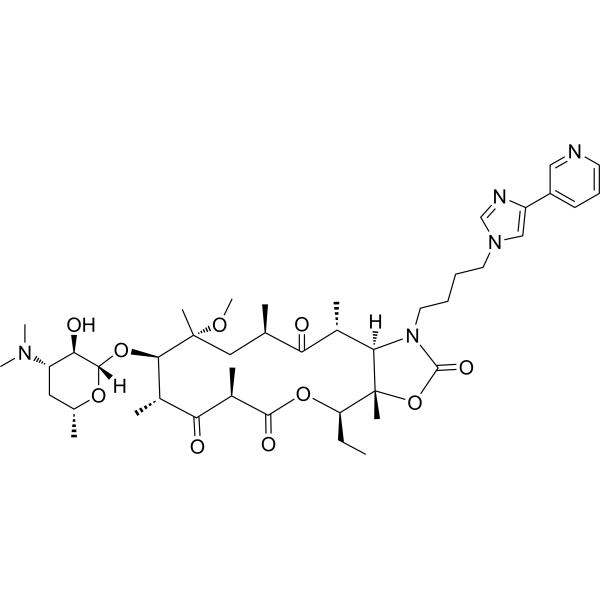
Telithromycin (HMR3647) is a novel ketolide antibiotic that structurally resembles macrolides. Telithromycin belongs to the ketolide family that is characterized by a keto group at position 3 of the macrolide ring and is active against bacteria causing community-acquired pneumonia, acute exacerbation of chronic bronchitis, and acute sinusitis. Telithromycin also has similar immunomodulatory effects as macrolides. Telithromycin can be used for the research of respiratory infections including bronchial asthma .
|
-
- HY-B1150R
-
|
|
Reference Standards
Bacterial
SARS-CoV
Antibiotic
|
Infection
Cancer
|
|
Clofoctol (Standard) is the analytical standard of Clofoctol. This product is intended for research and analytical applications. Clofoctol is a bacteriostatic antibiotic. Clofoctol is used in the treatment of respiratory tract and ear, nose and throat infections caused by Gram-positive bacteria. Clofoctol is only functional against Gram-positive bacteria and can penetrate into human lung tissue. Clofoctol is also an inhibitor of prostate cancer. Clofoctol has antiviral potency .
|
-
- HY-B1050
-
|
SB-265805S; LB-20304a
|
Bacterial
Antibiotic
DNA/RNA Synthesis
Topoisomerase
|
Infection
|
|
Gemifloxacin mesylate (SB-265805S; LB-20304a) is an orally active broad-spectrum quinolone antibacterial antibiotic. Gemifloxacin mesylate inhibits DNA synthesis by inhibiting DNA gyrase and Topoisomerase IV activities. Gemifloxacin mesylate has potent antibacterial activities against gram-positive bacteria in vitro efficacy study, particularly Streptococci and Staphylococci. Gemifloxacin mesylate has been used in the research of respiratory tract infections .
|
-
- HY-W251428
-
|
Egg PG
|
Biochemical Assay Reagents
|
Others
|
|
Phosphatidylglycerols (PG) is a selective inhibitor targeting the TLR4 accessory protein CD14/MD-2 complex, inhibiting LPS or virus (such as RSV)-mediated inflammatory signaling pathways through competitive binding. Phosphatidylglycerols directly bind to viral particles to block infection, inhibit COX-2 expression to reduce the release of inflammatory factors (IL-6, IL-8), and improve oxidative stress by regulating mitochondrial membrane phospholipid remodeling. Phosphatidylglycerols can be taken orally or by inhalation and can be used in the study of chronic inflammatory diseases (such as atherosclerosis) and respiratory viral infections (such as RSV) .
|
-
- HY-161877
-
|
|
RSV
|
Infection
|
|
GS-7682 is an antiviral compound. GS-7682 has inhibitory activity against pneumoviruses and picornaviruses. GS-7682 can be used in the study of respiratory diseases such as asthma and chronic obstructive pulmonary disease .
|
-
- HY-U00434
-
|
|
mTOR
Autophagy
Apoptosis
|
Infection
Inflammation/Immunology
|
|
3BDO is a IFITM3 modulator and mTOR activator with antiviral and autophagy-inhibiting effects. 3BDO exhibits inhibitory activity against porcine coronaviruses. 3BDO increases the protein abundance of IFITM3, inhibits virus-cell membrane fusion, and blocks viral entry. 3BDO inhibits the entry of transmissible gastroenteritis virus, porcine epidemic diarrhea virus, and porcine respiratory coronavirus into host cells. 3BDO can be used for research on porcine coronavirus infection .
|
-
- HY-136205
-
|
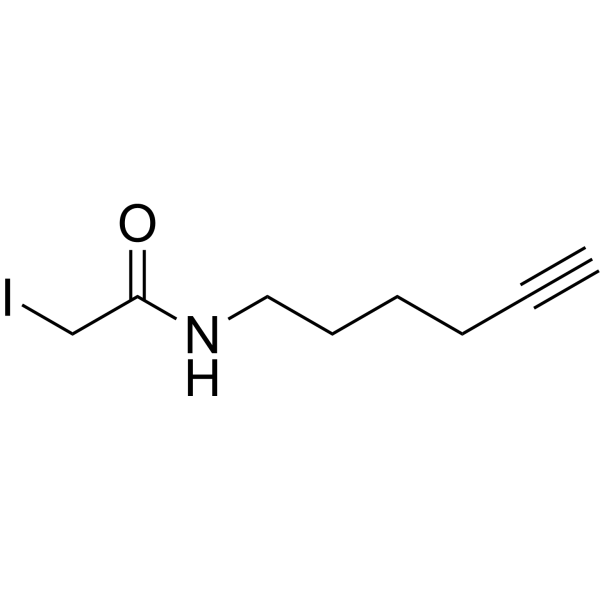
Iodoacetamide-alkyne; N-Hex-5-ynyl-2-iodo-acetamide
|
TRP Channel
|
Infection
Inflammation/Immunology
|
|
IA-Alkyne (Iodoacetamide-alkyne; N-Hex-5-ynyl-2-iodo-acetamide) is a TRP channel (TRPC) agonist and has the potential for the study of respiratory infection . IA-Alkyne can be used to develop an isotopically tagged probe for quantitative cysteine-reactivity profiling . IA-Alkyne is a click chemistry reagent, it contains an Alkyne group and can undergo copper-catalyzed azide-alkyne cycloaddition (CuAAc) with molecules containing Azide groups.
|
-
- HY-N17236
-
|
|
β-glucuronidase
Influenza Virus
RSV
|
Infection
|
|
Foryshiyanine A is a triterpenoid alkaloid. Foryshiyanine A possesses anti-inflammatory activity, inhibiting the release of β-glucuronidase from rat polymorphonuclear leukocytes. Foryshiyanine A exhibits antiviral activity, with an EC50 of 4.5 μM against respiratory syncytial virus (RSV) and an IC50 of 7.3 μM against influenza A virus (H1N1). Foryshiyanine A reduces viral load by disrupting viral replication and entry. Foryshiyanine A may be used for the researches of inflammation and infection .
|
-
- HY-P992423
-
|
|
RSV
|
Infection
|
|
NIAID RSVF2-5 is a human monoclonal antibody fragment. NIAID RSVF2-5 binds to conserved, distinct conformational epitopes on RSV fusion glycoprotein, and shows activity against RSV subgroup A and B strains. NIAID RSVF2-5 reduces pulmonary and lung viral titers in RSV-infected rodents. NIAID RSVF2-5 can be used for the research of respiratory syncytial virus infection .
|
-
- HY-I0501
-
|
o-aminoacetophenone
|
Bacterial
Apoptosis
Atg8/LC3
p62
Autophagy
|
Infection
Inflammation/Immunology
|
|
2'-Aminoacetophenone is an orally active inducer of apoptosis and respiratory biomarker. 2'-Aminoacetophenone can be used to detect Pseudomonas aeruginosa infections in the lungs of cystic fibrosis patients. 2'-Aminoacetophenone can inhibit the protein levels of LC3BII and p62 in macrophages infected with pqsA or mvfR and regulate autophagy. 2'-Aminoacetophenone can disrupt mitochondrial function by inducing oxidative stress and apoptosis signaling, leading to dysfunction in mouse skeletal muscle .
|
-
- HY-A0062R
-
|
HMR3647 (Standard); RU66647 (Standard)
|
Reference Standards
Bacterial
Antibiotic
|
Infection
Inflammation/Immunology
|
|
Telithromycin (Standard) is the analytical standard of Telithromycin. This product is intended for research and analytical applications. Telithromycin (HMR3647) is a novel ketolide antibiotic that structurally resembles macrolides. Telithromycin belongs to the ketolide family that is characterized by a keto group at position 3 of the macrolide ring and is active against bacteria causing community-acquired pneumonia, acute exacerbation of chronic bronchitis, and acute sinusitis. Telithromycin also has similar immunomodulatory effects as macrolides. Telithromycin can be used for the research of respiratory infections including bronchial asthma .
|
-
- HY-B1050R
-
|
SB-265805S (Standard); LB-20304a (Standard)
|
Reference Standards
Bacterial
Antibiotic
DNA/RNA Synthesis
Topoisomerase
|
Infection
|
|
Gemifloxacin (mesylate) (Standard) is the analytical standard of Gemifloxacin (mesylate). This product is intended for research and analytical applications. Gemifloxacin mesylate (SB-265805S; LB-20304a) is an orally active broad-spectrum quinolone antibacterial antibiotic. Gemifloxacin mesylate inhibits DNA synthesis by inhibiting DNA gyrase and Topoisomerase IV activities. Gemifloxacin mesylate has potent antibacterial activities against gram-positive bacteria in vitro efficacy study, particularly Streptococci and Staphylococci. Gemifloxacin mesylate has been used in the research of respiratory tract infections .
|
-
- HY-N7101S
-
|
U-76-d7,252-d7; CS-807-d7
|
Isotope-Labeled Compounds
Bacterial
Antibiotic
Penicillin-binding protein (PBP)
|
Infection
|
|
Cefpodoxime proxetil-d7 (U-76-d7,252-d7; CS-807-d7) is the deuterium labeled Cefpodoxime Proxetil (HY-N7101). Cefpodoxime Proxetil is an orally active broad spectrum third-generation cephalosporin with potent antibacterial activity against both Gram-positive and Gram-negative bacteria including staphylococci, streptococci, Haemophilus influenzae, Neisseria gonorrhoeae, Escherichia coli, Klebsiella pnuemoniae, Citrobacter spp, and Proteus spp. Cefpodoxime Proxetil binds to penicillin binding proteins (PBPs), which inhibits peptidoglycan synthesis, finally results in interfering bacterial cell wall biosynthesis. Cefpodoxime Proxetil can be used against skin structure infections, acute otitis media, pharyngitis, tonsillitis, upper respiratory tract infection, urinary tract infections and sexually transmitted diseases .
|
-
- HY-P992174
-
|
|
RSV
|
Infection
|
|
ADI-14359 is an antibody that binds to RSV postF, with a KD value of 387 nM, and exhibits non-neutralizing activity. ADI-14359 binds to antigenic site I on RSV postF through interactions of its conserved CDR H3 motif, germline-encoded IGKV1-39 light chain residues and heavy chain residues, where the light chain mediates preferential binding to postF by conflicting with the rearranged preF region. ADI-14359 can be used in studies related to respiratory syncytial virus (RSV) infection .
|
-
- HY-14837
-
|
Enisamium iodide
|
Influenza Virus
SARS-CoV
|
Infection
|
|
Amizon is an orally effective antiviral and anti-inflammatory agent. Amizon inhibits influenza virus replication and restricts viral RNA synthesis. Amizon reduces the mRNA expression of COX-1, COX-2, NF-κB, TGF1β, IL-1 and IL-6, and stimulates the secretion and mRNA expression of IL-10. Amizon inhibits the oxidative activity of macrophages and possesses antioxidant and free radical-scavenging activities. Amizon is applicable to research related to influenza and acute respiratory viral infections .
|
-
- HY-Y0588
-
|
L-Cbz-Proline
|
MMP
|
Others
|
|
Carbobenzoxyproline (L-Cbz-Proline) is an inhibitor of prolidase. Carbobenzoxyproline can be used for prolidase deficiency (PD) research .
|
-
- HY-N15249
-
|
Isovalerylspiramycin I; Shengjimycin E
|
Topoisomerase
DNA/RNA Synthesis
Checkpoint Kinase (Chk)
Apoptosis
Bacterial
|
Infection
Cancer
|
|
4"-Isovalerylspiramycin I (Isovalerylspiramycin I) is a topoisomerase 1 (TOP1) inhibitor and an antitumor agent. 4"-Isovalerylspiramycin I directly binds to TOP1, suppresses DNA replication, and induces DNA damage. 4"-Isovalerylspiramycin I downregulates phosphorylated CHEK1 and the ATR/CHEK1 DNA damage repair pathway, blocks DNA repair, and augments DNA damage. 4"-Isovalerylspiramycin I suppresses proliferation, migration, and invasion of osteosarcoma cells. 4"-Isovalerylspiramycin I induces apoptosis and cell cycle arrest in osteosarcoma cells. 4"-Isovalerylspiramycin I exerts antibacterial activity against methicillin-resistant Staphylococcus aureus. 4"-Isovalerylspiramycin I can be used for the research of osteosarcoma, upper respiratory bacterial infections, and methicillin-resistant Staphylococcus aureus infection .
|
-
- HY-N0677
-
|
|
Influenza Virus
Prostaglandin Receptor
Akt
GSK-3
|
Infection
Inflammation/Immunology
Cancer
|
|
Dehydroandrographolide succinate can be extracted from herbal medicine Andrographis paniculata (Burm f) Nees, is widely used in research for viral pneumonia and viral upper respiratory tract infections because of its immunostimulatory, anti-infective and anti-inflammatory effect. Dehydroandrographolide succinate exerts antithrombotic effect. Dehydroandrographolide succinate significantly inhibits the platelet aggregation rate (ED50 = 386.9 mg/kg) by decreasing TXB2 levels. Dehydroandrographolide succinate mitigates muscle astrophy via the Akt/GSK3β and MuRF-1 pathways .
|
-
- HY-154968
-
|
|
RSV
|
Infection
|
|
RSV L-protein-IN-5 (compound E) is a potent inhibitor of Respiratory syncytial virus (RSV) (EC50=0.1 μM). RSV L-protein-IN-5 inhibits Polymerase (IC50=0.66 μM),and blocks RSV mRNA synthesis by inhibiting guanylation of viral transcripts. RSV L-protein-IN-5 shows moderate cytotoxicity (CC50=10.7 μM,HEp-2),also exhibits activity and lowers virus titers in mouse models of RSV infection .
|
-
- HY-115574
-
|
|
RSV
|
Infection
|
|
RSV L-protein-IN-1 (compound D) is a potent inhibitor of Respiratory syncytial virus (RSV) (EC50=0.021 μM). RSV L-protein-IN-1 inhibits Polymerase (IC50=0.089 μM),and blocks RSV mRNA synthesis by inhibiting guanylation of viral transcripts. RSV L-protein-IN-1 shows moderate cytotoxicity (CC50=8.4 μM,HEp-2),also exhibits activity and lowers virus titers in mouse models of RSV infection .
|
-
- HY-P992301
-
|
|
RSV
|
Infection
|
|
Anti-RSV F Antibody (R4.C6) is a monoclonal antibody against RSV F, with a Kd of 0.34 nM for the post-fusion RSV F trimer. Anti-RSV F Antibody (R4.C6) recognizes a unique neutralizing epitope spanning epitopes II and IV on both pre-fusion and post-fusion RSV F. Anti-RSV F Antibody (R4.C6) can be used in studies related to respiratory syncytial virus infection .
|
-
- HY-B0519AR
-
|
|
Reference Standards
Bacterial
Antibiotic
|
Infection
|
|
Tylosin (Standard) is the analytical standard of Tylosin. This product is intended for research and analytical applications. Tylosin (Tylosin A) is a macrolide antibiotic found naturally as a fermentation product of Streptomyces fradiae. Tylosin exerts potent antimicrobial activity against Gram-positive bacteria. Tylosin is widely used as a feed additive for promoting animal growth. Tylosin is used for veterinary purposes against bacterial dysentery and respiratory diseases in poultry, pigs and cattle .
|
-
- HY-B0519R
-
|
|
Reference Standards
Bacterial
Antibiotic
|
Infection
|
|
Tylosin (tartrate) (Standard) is the analytical standard of Tylosin (tartrate). This product is intended for research and analytical applications. Tylosin tartrate is a macrolide antibiotic found naturally as a fermentation product of Streptomyces fradiae. Tylosin tartrate exerts potent antimicrobial activity against Gram-positive bacteria. Tylosin tartrate is widely used as a feed additive for promoting animal growth. Tylosin tartrate is used for veterinary purposes against bacterial dysentery and respiratory diseases in poultry, pigs and cattle .
|
-
- HY-B0519BR
-
|
|
Reference Standards
Bacterial
Antibiotic
|
Infection
|
|
Tylosin (phosphate) (Standard) is the analytical standard of Tylosin (phosphate). This product is intended for research and analytical applications. Tylosin phosphate is a macrolide antibiotic found naturally as a fermentation product of Streptomyces fradiae. Tylosin tartrate exerts potent antimicrobial activity against Gram-positive bacteria. Tylosin phosphate is widely used as a feed additive for promoting animal growth. Tylosin phosphate is used for veterinary purposes against bacterial dysentery and respiratory diseases in poultry, pigs and cattle .
|
-
- HY-B0519B
-
|
|
Bacterial
Antibiotic
|
Infection
|
|
Tylosin phosphate is a macrolide antibiotic found naturally as a fermentation product of Streptomyces fradiae. Tylosin tartrate exerts potent antimicrobial activity against Gram-positive bacteria. Tylosin phosphate is widely used as a feed additive for promoting animal growth. Tylosin phosphate is used for veterinary purposes against bacterial dysentery and respiratory diseases in poultry, pigs and cattle .
|
-
- HY-B0519A
-
Tylosin
1 Publications Verification
|
Bacterial
Antibiotic
|
Infection
|
|
Tylosin (Tylosin A) is a macrolide antibiotic found naturally as a fermentation product of Streptomyces fradiae. Tylosin exerts potent antimicrobial activity against Gram-positive bacteria. Tylosin is widely used as a feed additive for promoting animal growth. Tylosin is used for veterinary purposes against bacterial dysentery and respiratory diseases in poultry, pigs and cattle .
|
-
- HY-B0519
-
|
|
Bacterial
Antibiotic
|
Infection
|
|
Tylosin tartrate is a macrolide antibiotic found naturally as a fermentation product of Streptomyces fradiae. Tylosin tartrate exerts potent antimicrobial activity against Gram-positive bacteria. Tylosin tartrate is widely used as a feed additive for promoting animal growth. Tylosin tartrate is used for veterinary purposes against bacterial dysentery and respiratory diseases in poultry, pigs and cattle .
|
-
- HY-I0501R
-
|
o-aminoacetophenone (Standard)
|
Reference Standards
Bacterial
Apoptosis
Atg8/LC3
p62
Autophagy
|
Infection
Inflammation/Immunology
|
|
2'-Aminoacetophenone (Standard) is the analytical standard of 2'-Aminoacetophenone. This product is intended for research and analytical applications. 2'-Aminoacetophenone is an orally active inducer of apoptosis and respiratory biomarker. 2'-Aminoacetophenone can be used to detect Pseudomonas aeruginosa infections in the lungs of cystic fibrosis patients. 2'-Aminoacetophenone can inhibit the protein levels of LC3BII and p62 in macrophages infected with pqsA or mvfR and regulate autophagy. 2'-Aminoacetophenone can disrupt mitochondrial function by inducing oxidative stress and apoptosis signaling, leading to dysfunction in mouse skeletal muscle .
|
-
- HY-A0111B
-
|
Ro 15-8074 hydrochloride; Deacetoxycefotaxime hydrochloride
|
Antibiotic
Bacterial
Penicillin-binding protein (PBP)
Drug Metabolite
|
Infection
|
|
Cefetamet (Ro 15-8074) hydrochloride is a cephalosporin antibiotic and the active metabolite of Cefetamet pivoxil (HY-B1894A). Cefetamet hydrochloride binds to bacterial penicillin-binding protein (PBP) (IC50 for PBP3 in Escherichia coli W3110 is 2.5 μg/mL). Cefetamet hydrochloride has significant activity against Gram-negative bacteria such as Enterobacteriaceae, Neisseria species, and Haemophilus influenzae, as well as Gram-positive bacteria such as Streptococcus. Cefetamet hydrochloride kills and lyses Treponema pallidum. Cefetamet hydrochloride can be used in the research of respiratory tract, urinary tract, ear, nose and throat infections, and syphilis .
|
-
- HY-111127
-
|
|
Antibiotic
Bacterial
|
Infection
|
|
LY164846 is an orally active cephalosporin. LY164846 is highly sensitive to Haemophilus influenzae (including Ampicillin (HY-B0522)-resistant strains) and Moraxella catarrhalis (with MIC90 ≤ 4 μg/mL). LY164846 is generally sensitive to Methicillin (HY-121544)-resistant Staphylococcus aureus and Streptococcus (except Enterococcus) (with MIC90: 0.25 - 8 μg/mL), and moderately sensitive to anaerobic bacteria. LY164846 has MBC/MIC ratio to Haemophilus influenzae of ≤ 2, showing bactericidal activity. LY164846 can be used for research on respiratory and skin infections .
|
-
- HY-126818
-
|
|
Bacterial
Drug Metabolite
|
Infection
|
|
Desfuroylceftiofur is a metabolite of Ceftiofur (HY-N7102) and an Antibacterial agent. Desfuroylceftiofur exhibits comparable activity against Gram-negative bacteria to that of Ceftiofur .
|
-
- HY-P2317A
-
|
|
Bacterial
Endogenous Metabolite
|
Infection
|
|
Cecropin P1, porcine acetate is an antibacterial peptide that can be isolated from the upper part of the small intestine of the pig. Cecropin P1, porcine acetate shows antibacterial activity against Gram-negative bacteria. Cecropin P1, porcine acetate shows antiviral activity and inhibits PRRSV infection .
|
-
- HY-N6670
-
|
|
Antibiotic
Raf
ERK
Ras
MEK
Bacterial
|
Infection
|
|
Cefotetan is a binding agent that targets human Raf1 kinase inhibitor protein (hRKIP). Cefotetan binds to hRKIP, reduces the binding space between hRKIP and Raf1 kinase, relieves hRKIP's inhibition of the Ras/Raf1/MEK/ERK signaling pathway, and enhances ERK phosphorylation. Cefotetan can be used to study diseases associated with dysregulated Ras/Raf1/MEK/ERK signaling pathways. Cefotetan is also a broad-spectrum antibacterial agent that disrupts cell wall synthesis by binding to bacterial penicillin-binding proteins (PBPs). It is used to study bacterial infections such as bone, skin, urinary tract, and lower respiratory tract .
|
-
- HY-182030
-
|
|
RSV
|
Infection
|
|
RSV fusion protein IN-1 is an orally active RSV pre-fusion F protein inhibitor with an IC50 of 0.10 nM against RSV. RSV fusion protein IN-1 forms stable hydrogen bonds and π-π stacking interactions with pre-fusion F protein to block viral fusion and entry. RSV fusion protein IN-1 suppresses RSV F protein expression in epithelial cells. RSV fusion protein IN-1 reduces viral burden in the lungs of RSV-infected murine models.RSV fusion protein IN-1 can be used for the research of respiratory syncytial virus (RSV) infection .
|
-
- HY-P990816
-
|
|
SARS-CoV
|
Infection
|
|
Anti-SARS-CoV-2 S protein Antibody (NTD, SARS2-29) is a mouse-derived IgG1 κ type antibody inhibitor, targeting to SARS-CoV-2 S protein. Anti-SARS-CoV-2 S protein Antibody (NTD, SARS2-29) reacts with the N-terminal domain (NTD) in the spike (S) protein of SARS-CoV-2 (Severe Acute Respiratory Syndrome Coronavirus 2). Anti-SARS-CoV-2 S protein Antibody (NTD, SARS2-29) can be used for the detections of flow cytometry and ELISA in SARS-CoV-2 infection .
|
-
- HY-D0976
-
NF279
1 Publications Verification
|
P2X Receptor
HIV
NTPDase
CXCR
|
Infection
|
|
NF279 is a selective P2X1 receptor antagonist and NTPDase inhibitor, with a P2X1 IC50 value of 19 nM. NF279 suppresses GABA-evoked currents, reduces ATP-excited respiratory activity, alters hypoglossal nerve burst parameters, and blocks CXCR4, CCR5, CXCR3, and CXCR7-mediated calcium responses. NF279 arrests HIV-1 fusion downstream of CD4 binding, inhibits R5- and X4-tropic HIV-1 strains. NF279 can be used for the research of HIV-1 infection .
|
-
- HY-W743473
-
|
Ro 15-8074-d3; Deacetoxycefotaxime-d3
|
Isotope-Labeled Compounds
Bacterial
Antibiotic
Penicillin-binding protein (PBP)
Drug Metabolite
|
Infection
|
|
Cefetamet-d3 (Ro 15-8074-d3; Deacetoxycefotaxime-d3) is the deuterium labeled Cefetamet (HY-A0111). Cefetamet (Ro 15-8074) is a cephalosporin antibiotic and the active metabolite of Cefetamet pivoxil (HY-B1894A). Cefetamet binds to bacterial penicillin-binding protein (PBP) (IC50 for PBP3 in Escherichia coli W3110 is 2.5 μg/mL). Cefetamet has significant activity against Gram-negative bacteria such as Enterobacteriaceae, Neisseria species, and Haemophilus influenzae, as well as Gram-positive bacteria such as Streptococcus. Cefetamet kills and lyses Treponema pallidum. Cefetamet can be used in the research of respiratory tract, urinary tract, ear, nose and throat infections, and syphilis .
|
-
- HY-P10975
-
|
|
SARS-CoV
Influenza Virus
Enterovirus
|
Infection
|
|
P9R is an antiviral peptide. P9R has broad-spectrum antiviral activities against the coronaviruses (SARS-CoV-2, MERS-CoV and SARS-CoV), A(H1N1)pdm09, A(H7N9) virus, and rhinovirus. P9R directly binds to viruses and inhibits virus-host endosomal acidification. P9R significantly protects mice from A(H1N1)pdm09 infection without generating drug-resistant virus. P9R can be used for pH-dependent respiratory viruses research .
|
-
- HY-147089
-
|
|
Bacterial
Endogenous Metabolite
|
Infection
Inflammation/Immunology
|
|
PRRSV/CD163-IN-1 is a PRRSV/CD163 inhibitor. PRRSV/CD163-IN-1 can inhibit the interaction between the PRRSV glycoprotein (GP2a or GP4) and the CD163-SRCR5 domain. PRRSV/CD163-IN-1 can be used for the research of porcine reproductive and respiratory syndrome (PRRS) .
|
-
- HY-168034
-
|
|
STING
Integrin
NF-κB
SARS-CoV
|
Infection
Inflammation/Immunology
|
|
diABZI-4 is a STING activator and broad-spectrum antiviral agent with immunostimulatory activity. diABZI-4 triggers the TBK1-IRF3 and NF-κB signaling cascades by inducing STING oligomerization, thereby promoting the production of type I/III interferons and various proinflammatory cytokines. diABZI-4 exhibits broad-spectrum antiviral activity and effectively inhibits the replication of influenza A virus, SARS-CoV-2, herpes simplex virus, and other viruses. diABZI-4 also activates lymphocytes and macrophages to provide significant pre- and post-exposure protection in viral disease models. diABZI-4 can be used to study COVID-19, respiratory viral infections, and related immunopathological mechanisms .
|
-
- HY-179634
-
|
|
SARS-CoV
HIV
Enterovirus
Angiotensin-converting Enzyme (ACE)
RSV
Filovirus
|
Infection
|
|
ASF-006 sodium, a tetrapodal tryptophan derivative, is a potent viral invasion inhibitor. ASF-006 sodium shows potent antiviral activity against different SARS-CoV-2 Omicron variants but not against the ancestral SARS-CoV.2 strain (Wuhan-Hu-1). ASF-006 sodium competitively inhibits receptor-binding domain (RBD)-ACE2 binding via an allosteric mechanism. ASF-006 sodium inhibits Omicron BA.1, Omicron XBB.1.5, respiratory syncytial virus (RSV) and Ebola virus infection with IC50s of 0.02 μM, 0.3 μM, 1.52 μM and 0.2 μM, respectively. ASF-006 sodium inhibits cell entry of both HIV and enterovirus A71[1].
|
-
- HY-P990774
-
|
ASP-7266; TRAB-1; UPB-101
|
Interleukin Related
|
Inflammation/Immunology
|
|
Verekitug (ASP-7266; TRAB-1; UPB-101) is a human monoclonal antibody targeting the thymic stromal lymphopoietin receptor (TSLPR), with a mean half-life of approximately 20 days. At doses of Verekitug ≥100 mg, complete and sustained TSLPR-specific occupancy is achieved, and the antibody does not bind to IL-7Rα. By inhibiting TSLP-driven inflammatory responses, Verekitug blocks TSLP-induced cell proliferation and TARC expression, while reducing fractional exhaled NO levels, blood eosinophil counts, and levels of IL-5 and IgE. Verekitug significantly improves scores for nasal polyps, nasal congestion and olfactory dysfunction, with favorable safety and good tolerability; potential adverse reactions include headache, upper respiratory tract infection, sinusitis and nasopharyngitis. Verekitug is used in relevant studies on asthma, chronic rhinosinusitis with nasal polyps and chronic obstructive pulmonary disease .
|
-
- HY-182803
-
-
- HY-P990814
-
|
|
SARS-CoV
|
Infection
|
|
Anti-SARS-CoV-2 S protein Antibody (RBD epitope B, SARS2-34) is a mouse-derived IgG1 κ type antibody inhibitor, targeting to SARS-CoV-2 S protein. Anti-SARS-CoV-2 S protein Antibody (RBD epitope B, SARS2-34) reacts with the receptor binding domain (RBD) epitope B in the spike (S) protein of SARS-CoV-2 (Severe Acute Respiratory Syndrome Coronavirus 2). Anti-SARS-CoV-2 S protein Antibody (RBD epitope B, SARS2-34) can block the binding of the SARS-CoV-2 S protein to angiotensin-converting enzyme 2 (ACE2). Anti-SARS-CoV-2 S protein Antibody (RBD epitope B, SARS2-34) can be used for the research of SARS-CoV-2 infection .
|
-
- HY-P990815
-
|
|
SARS-CoV
|
Infection
|
|
Anti-SARS-CoV-2 S protein Antibody (RBD epitope A, SARS2-01) is a mouse-derived IgG1 κ type antibody inhibitor, targeting to SARS-CoV-2 S protein. Anti-SARS-CoV-2 S protein Antibody (RBD epitope A, SARS2-01) reacts with the receptor binding domain (RBD) epitope A in the spike (S) protein of SARS-CoV-2 (Severe Acute Respiratory Syndrome Coronavirus 2). Anti-SARS-CoV-2 S protein Antibody (RBD epitope A, SARS2-01) can block the binding of the SARS-CoV-2 S protein to angiotensin-converting enzyme 2 (ACE2). Anti-SARS-CoV-2 S protein Antibody (RBD epitope A, SARS2-01) can be used for the research of SARS-CoV-2 infection .
|
-
- HY-N14780
-
|
(+)-Pochonin D
|
HSP
Interleukin Related
Enterovirus
|
Infection
Inflammation/Immunology
Cancer
|
|
Pochonin D ((+)-Pochonin D) is an inhibitor of heat shock protein 90 (Hsp90) with antiviral and anti-inflammatory activities. Pochonin D inhibits Hsp90, affects the homeostasis, folding and assembly processes of viral proteins, and reduces the replication capacity of viruses. Pochonin D reduces the infiltration of inflammatory cells, decreases the secretion of inflammatory cytokines such as TNF-α and IL-1β, and alleviates inflammatory responses. Pochonin D is a promising candidate for research on human rhinovirus (HRV) infection and cancer .
|
-
- HY-P1837
-
|
|
Influenza Virus
HSV
|
Infection
|
|
Influenza HA (518-526) is an H-2d-restricted CTL epitope derived from influenza virus hemagglutinin. Influenza HA (518-526) is highly conserved across various H5N1, some H9N2, and H1N1 strains. Influenza HA (518-526) binds to the mouse MHC class I allele K d to form a complex, which is then recognized by specific CD8 + T cells. Influenza HA (518-526) is an immunodominant epitope in influenza-infected BALB/c mice, and it stimulates CD8 + T cells to secrete IFN-γ to induce a robust immune response. Currently, Influenza HA (518-526) is widely used in research related to respiratory syncytial virus (RSV), influenza virus, and H5N1 influenza .
|
-
- HY-P11146
-
|
Sakacin P inducer peptide
|
Bacterial
|
Infection
|
|
SppIP (Sakacin P inducer peptide) is a peptide consisting of 19 amino acids . SppIP is an essential inducer for sakacin P production . SppIP can induce the expression of PRRSV GP5 and SARS-CoV-2 spike protein in recombinant Lactobacillus plantarum. SppIP can activate the transcription of the sakacin P promoter to drive the expression of downstream heterologous capsid proteins, increasing the proportion of PCV2d capsid proteins displayed on the cell surface of Lactobacillus plantarum. SppIP can be used in studies related to sakacin P induction .
|
-
| Cat. No. |
Product Name |
Type |
-
- HY-W251428
-
|
Egg PG
|
Biochemical Assay Reagents
|
|
Phosphatidylglycerols (PG) is a selective inhibitor targeting the TLR4 accessory protein CD14/MD-2 complex, inhibiting LPS or virus (such as RSV)-mediated inflammatory signaling pathways through competitive binding. Phosphatidylglycerols directly bind to viral particles to block infection, inhibit COX-2 expression to reduce the release of inflammatory factors (IL-6, IL-8), and improve oxidative stress by regulating mitochondrial membrane phospholipid remodeling. Phosphatidylglycerols can be taken orally or by inhalation and can be used in the study of chronic inflammatory diseases (such as atherosclerosis) and respiratory viral infections (such as RSV) .
|
-
- HY-Y0931
-
|
|
Biochemical Assay Reagents
|
|
3-Iodobenzoic acid is a Monoiodobenzoic acid. 3-Iodobenzoic acid inhibits the ADV7 virus. 3-Iodobenzoic acid can be used in the study of respiratory infections caused by ADV7 .
|
| Cat. No. |
Product Name |
Target |
Research Area |
-
- HY-P11146
-
|
Sakacin P inducer peptide
|
Bacterial
|
Infection
|
|
SppIP (Sakacin P inducer peptide) is a peptide consisting of 19 amino acids . SppIP is an essential inducer for sakacin P production . SppIP can induce the expression of PRRSV GP5 and SARS-CoV-2 spike protein in recombinant Lactobacillus plantarum. SppIP can activate the transcription of the sakacin P promoter to drive the expression of downstream heterologous capsid proteins, increasing the proportion of PCV2d capsid proteins displayed on the cell surface of Lactobacillus plantarum. SppIP can be used in studies related to sakacin P induction .
|
-
- HY-P1837
-
|
|
Influenza Virus
HSV
|
Infection
|
|
Influenza HA (518-526) is an H-2d-restricted CTL epitope derived from influenza virus hemagglutinin. Influenza HA (518-526) is highly conserved across various H5N1, some H9N2, and H1N1 strains. Influenza HA (518-526) binds to the mouse MHC class I allele K d to form a complex, which is then recognized by specific CD8 + T cells. Influenza HA (518-526) is an immunodominant epitope in influenza-infected BALB/c mice, and it stimulates CD8 + T cells to secrete IFN-γ to induce a robust immune response. Currently, Influenza HA (518-526) is widely used in research related to respiratory syncytial virus (RSV), influenza virus, and H5N1 influenza .
|
-
- HY-P10975
-
|
|
SARS-CoV
Influenza Virus
Enterovirus
|
Infection
|
|
P9R is an antiviral peptide. P9R has broad-spectrum antiviral activities against the coronaviruses (SARS-CoV-2, MERS-CoV and SARS-CoV), A(H1N1)pdm09, A(H7N9) virus, and rhinovirus. P9R directly binds to viruses and inhibits virus-host endosomal acidification. P9R significantly protects mice from A(H1N1)pdm09 infection without generating drug-resistant virus. P9R can be used for pH-dependent respiratory viruses research .
|
-
- HY-P2296
-
|
|
Fluorescent Dye
|
Others
|
|
Abz-FRLKGGAPIKGV-EDDNP TFA is a fluorogenic substrate used to measure the enzymatic activities of protease forms, such as papain-like protease 2 (PLP2) from severe acute respiratory syndrome coronavirus (SARS-CoV). Abz-FRLKGGAPIKGV-EDDNP TFA has the potential for study 2019-nCoV (COVID-19) infection .
|
-
- HY-P2317A
-
|
|
Bacterial
Endogenous Metabolite
|
Infection
|
|
Cecropin P1, porcine acetate is an antibacterial peptide that can be isolated from the upper part of the small intestine of the pig. Cecropin P1, porcine acetate shows antibacterial activity against Gram-negative bacteria. Cecropin P1, porcine acetate shows antiviral activity and inhibits PRRSV infection .
|
| Cat. No. |
Product Name |
Target |
Research Area |
Image |
-
- HY-P9944
-
|
MEDI 493
|
RSV
|
Infection
Inflammation/Immunology
Cancer
|
|
Palivizumab (MEDI 493) is a humanized monoclonal antibody against respiratory syncytial virus (RSV). Palivizumab can bind to RSV F protein with a Kd value of 1.4 nM. Palivizumab can prevent respiratory syncytial virus infection in cotton mice .
|
-
(5)
-
- HY-P99756
-
|
MEDI8897
|
RSV
|
Infection
|
|
Nirsevimab (MEDI8897) is a recombinant monoclonal antibody against human respiratory syncytial virus (RSV). Nirsevimab has neutralizing activity against RSV A and RSV B viruses, with IC50 values of 5.42 ng/mL and 9.71 ng/mL, respectively. Nirsevimab can be used for research on respiratory infections .
|
-
(5)
-
- HY-P990774
-
|
ASP-7266; TRAB-1; UPB-101
|
Interleukin Related
|
Inflammation/Immunology
|
|
Verekitug (ASP-7266; TRAB-1; UPB-101) is a human monoclonal antibody targeting the thymic stromal lymphopoietin receptor (TSLPR), with a mean half-life of approximately 20 days. At doses of Verekitug ≥100 mg, complete and sustained TSLPR-specific occupancy is achieved, and the antibody does not bind to IL-7Rα. By inhibiting TSLP-driven inflammatory responses, Verekitug blocks TSLP-induced cell proliferation and TARC expression, while reducing fractional exhaled NO levels, blood eosinophil counts, and levels of IL-5 and IgE. Verekitug significantly improves scores for nasal polyps, nasal congestion and olfactory dysfunction, with favorable safety and good tolerability; potential adverse reactions include headache, upper respiratory tract infection, sinusitis and nasopharyngitis. Verekitug is used in relevant studies on asthma, chronic rhinosinusitis with nasal polyps and chronic obstructive pulmonary disease .
|
-
(5)
-
- HY-P99804
-
|
MK1654
|
RSV
|
Infection
|
|
Clesrovimab (MK1654) is a humanized IgG1 monoclonal antibody targeting the respiratory syncytial virus (RSV) protein F. Clesrovimab binds to pre-fusion and post-fusion forms of RSV-A fusion protein with high affinity, with corresponding KD values of 71 pM and 480 pM, respectively. Clesrovimab is applicable for the research of RSV infection .
|
-
(5)
-
- HY-P99209
-
|
MEDI-524
|
RSV
|
Infection
|
|
Motavizumab (MEDI-524) is an anti-human RSV (respiratory syncytial virus) monoclonal antibody. Motavizumab can be used in respiratory syncytial virus infection in high-risk infants research .
|
-
(5)
-
- HY-P991492
-
|
|
RSV
|
Infection
|
|
RSM-01 is a monoclonal antibody targeting site Ø of the pre-fusion F glycoprotein (Fusion glycoprotein F0) of respiratory syncytial virus (RSV). RSM-01 can be used in studies related to RSV infection .
|
-
(5)
-
- HY-P991551
-
|
|
Dipeptidyl Peptidase
p38 MAPK
ERK
|
Infection
Cancer
|
|
YS110 is a humanized anti-CD26 (DPP4) IgG1 monoclonal antibody. YS110 induces CD26 nuclear translocation through the caveolin pathway. YS110 inhibits the proliferation of tumor cell by delaying G2/M cell cycle transition. YS110 inhibits the infection of Middle East respiratory syndrome coronavirus (MERS CoV) by blocking the binding of MERS CoV S1 to CD26. YS110 can be used for researches on cancer or infection such as Malignant Mesothelioma and MERS .
|
-
(5)
-
- HY-P991690
-
|
|
RSV
|
Infection
|
|
Glarivibart is a humanized IgG1κ monoclonal antibody inhibitor targeting Respiratory syncytial virus (RSV) fusion F protein (RSV-F). Glarivibart has significant antiviral activity. Glarivibart can be used for RSV infections research .
|
-
(5)
-
- HY-P991497
-
|
|
RSV
|
Infection
|
|
ASN-500 is a human monoclonal antibody (mAb) targeting F/Fusion glycoprotein F0. ASN-500 can be used in respiratory syncytial virus infection research .
|
-
(5)
-
- HY-P991496
-
|
|
RSV
|
Infection
|
|
IDB-002 is a human monoclonal antibody (mAb) targeting F/Fusion glycoprotein F0. IDB-002 can be used in respiratory syncytial virus infection research. Recommended isotype control: Human IgG1 kappa, Isotype Control (HY-P99001).
|
-
(5)
-
- HY-P991500
-
|
|
RSV
|
Infection
|
|
EVO-46135 is a human monoclonal antibody (mAb) targeting F/Fusion glycoprotein F0. EVO-46135 can be used in Respiratory syncytial virus infections and Metapneumovirus infections research.
|
-
(5)
-
- HY-P991495
-
|
|
RSV
|
Infection
|
|
VIR-8190 is a human IgG1 monoclonal antibody (mAb) targeting F, Fusion glycoprotein F0. VIR-8190 can be used in respiratory syncytial virus (RSV) and metapneumovirus infections research. Recommended isotype control: Human IgG1 kappa, Isotype Control (HY-P99001).
|
-
(5)
-
- HY-P991498
-
|
|
Influenza Virus
|
Infection
|
|
CAL-203 is a human monoclonal antibody (mAb) targeting F, Fusion glycoprotein F0. CAL-203 can be used in respiratory tract infections research.
|
-
(5)
-
- HY-P991494
-
|
|
RSV
|
Infection
|
|
IN-002 is a human monoclonal antibody (mAb) targeting F, Fusion glycoprotein F0. IN-002 can be used in respiratory syncytial virus (RSV) infections research.
|
-
(5)
-
- HY-P991499
-
|
|
RSV
|
Infection
|
|
EVO-46120 is a human monoclonal antibody (mAb) targeting F, Fusion glycoprotein F0. EVO-46120 can be used in respiratory syncytial virus (RSV) and metapneumovirus infections research.
|
-
(5)
-
- HY-P990816
-
|
|
SARS-CoV
|
Infection
|
|
Anti-SARS-CoV-2 S protein Antibody (NTD, SARS2-29) is a mouse-derived IgG1 κ type antibody inhibitor, targeting to SARS-CoV-2 S protein. Anti-SARS-CoV-2 S protein Antibody (NTD, SARS2-29) reacts with the N-terminal domain (NTD) in the spike (S) protein of SARS-CoV-2 (Severe Acute Respiratory Syndrome Coronavirus 2). Anti-SARS-CoV-2 S protein Antibody (NTD, SARS2-29) can be used for the detections of flow cytometry and ELISA in SARS-CoV-2 infection .
|
-
(5)
-
- HY-P990814
-
|
|
SARS-CoV
|
Infection
|
|
Anti-SARS-CoV-2 S protein Antibody (RBD epitope B, SARS2-34) is a mouse-derived IgG1 κ type antibody inhibitor, targeting to SARS-CoV-2 S protein. Anti-SARS-CoV-2 S protein Antibody (RBD epitope B, SARS2-34) reacts with the receptor binding domain (RBD) epitope B in the spike (S) protein of SARS-CoV-2 (Severe Acute Respiratory Syndrome Coronavirus 2). Anti-SARS-CoV-2 S protein Antibody (RBD epitope B, SARS2-34) can block the binding of the SARS-CoV-2 S protein to angiotensin-converting enzyme 2 (ACE2). Anti-SARS-CoV-2 S protein Antibody (RBD epitope B, SARS2-34) can be used for the research of SARS-CoV-2 infection .
|
-
(5)
-
- HY-P990815
-
|
|
SARS-CoV
|
Infection
|
|
Anti-SARS-CoV-2 S protein Antibody (RBD epitope A, SARS2-01) is a mouse-derived IgG1 κ type antibody inhibitor, targeting to SARS-CoV-2 S protein. Anti-SARS-CoV-2 S protein Antibody (RBD epitope A, SARS2-01) reacts with the receptor binding domain (RBD) epitope A in the spike (S) protein of SARS-CoV-2 (Severe Acute Respiratory Syndrome Coronavirus 2). Anti-SARS-CoV-2 S protein Antibody (RBD epitope A, SARS2-01) can block the binding of the SARS-CoV-2 S protein to angiotensin-converting enzyme 2 (ACE2). Anti-SARS-CoV-2 S protein Antibody (RBD epitope A, SARS2-01) can be used for the research of SARS-CoV-2 infection .
|
-
(5)
-
- HY-P992175
-
|
|
RSV
|
Infection
|
|
ADI-14448 is a RSV prefusion fusion glycoprotein inhibitor and HMPV fusion glycoprotein inhibitor, with a Kd of 3.8 × 10 -10 M for RSV preF. ADI-14448 binds to epitope III of RSV preF, thereby blocking viral infection. ADI-14448 neutralizes RSV subtype A and HMPV subtype A1. ADI-14448 can be used in studies related to respiratory syncytial virus infection and metapneumovirus infection .
|
-
(5)
-
- HY-P992423
-
|
|
RSV
|
Infection
|
|
NIAID RSVF2-5 is a human monoclonal antibody fragment. NIAID RSVF2-5 binds to conserved, distinct conformational epitopes on RSV fusion glycoprotein, and shows activity against RSV subgroup A and B strains. NIAID RSVF2-5 reduces pulmonary and lung viral titers in RSV-infected rodents. NIAID RSVF2-5 can be used for the research of respiratory syncytial virus infection .
|
-
(5)
-
- HY-P992174
-
|
|
RSV
|
Infection
|
|
ADI-14359 is an antibody that binds to RSV postF, with a KD value of 387 nM, and exhibits non-neutralizing activity. ADI-14359 binds to antigenic site I on RSV postF through interactions of its conserved CDR H3 motif, germline-encoded IGKV1-39 light chain residues and heavy chain residues, where the light chain mediates preferential binding to postF by conflicting with the rearranged preF region. ADI-14359 can be used in studies related to respiratory syncytial virus (RSV) infection .
|
-
(5)
-
- HY-P992301
-
|
|
RSV
|
Infection
|
|
Anti-RSV F Antibody (R4.C6) is a monoclonal antibody against RSV F, with a Kd of 0.34 nM for the post-fusion RSV F trimer. Anti-RSV F Antibody (R4.C6) recognizes a unique neutralizing epitope spanning epitopes II and IV on both pre-fusion and post-fusion RSV F. Anti-RSV F Antibody (R4.C6) can be used in studies related to respiratory syncytial virus infection .
|
-
(5)
| Cat. No. |
Product Name |
Category |
Target |
Chemical Structure |
-
- HY-20685
-
-
-
- HY-B0519A
-
-
-
- HY-B0439
-
-
-
- HY-B0519
-
-
-
- HY-B1150
-
-
-
- HY-N0677A
-
-
-
- HY-N0677
-
-
-
- HY-B0519B
-
-
-
- HY-N0891
-
-
-
- HY-I0501
-
-
-
- HY-147089
-
-
-
- HY-D0184R
-
|
Deoxycytidine (Standard); Cytosine deoxyriboside (Standard); Deoxyribose cytidine (Standard)
|
Structural Classification
Natural Products
Microorganisms
Endogenous metabolite
Source Classification
|
Reference Standards
Endogenous Metabolite
|
|
Cefaclor (monohydrate) (Standard) is the analytical standard of Cefaclor (monohydrate). This product is intended for research and analytical applications. Cefaclor is a well-absorbed orally active cephalosporin antibiotic. Cefaclor can specifically bind to specific for penicillin-binding protein 3 (PBP3). Cefaclor can be used for the research of depression and kinds of infections caused by bacteria, such as respiratory tract infections, bacterial bronchitis, pharyngitis and skin infections .
|
-
-
- HY-W709856
-
-
-
- HY-20685R
-
-
-
- HY-B1150R
-
-
-
- HY-I0501R
-
|
o-aminoacetophenone (Standard)
|
Microorganisms
Ketones, Aldehydes, Acids
Source Classification
|
Reference Standards
Bacterial
Apoptosis
Atg8/LC3
p62
Autophagy
|
|
2'-Aminoacetophenone (Standard) is the analytical standard of 2'-Aminoacetophenone. This product is intended for research and analytical applications. 2'-Aminoacetophenone is an orally active inducer of apoptosis and respiratory biomarker. 2'-Aminoacetophenone can be used to detect Pseudomonas aeruginosa infections in the lungs of cystic fibrosis patients. 2'-Aminoacetophenone can inhibit the protein levels of LC3BII and p62 in macrophages infected with pqsA or mvfR and regulate autophagy. 2'-Aminoacetophenone can disrupt mitochondrial function by inducing oxidative stress and apoptosis signaling, leading to dysfunction in mouse skeletal muscle .
|
-
-
- HY-N14780
-
|
(+)-Pochonin D
|
Structural Classification
Natural Products
Microorganisms
Source Classification
|
HSP
Interleukin Related
Enterovirus
|
|
Pochonin D ((+)-Pochonin D) is an inhibitor of heat shock protein 90 (Hsp90) with antiviral and anti-inflammatory activities. Pochonin D inhibits Hsp90, affects the homeostasis, folding and assembly processes of viral proteins, and reduces the replication capacity of viruses. Pochonin D reduces the infiltration of inflammatory cells, decreases the secretion of inflammatory cytokines such as TNF-α and IL-1β, and alleviates inflammatory responses. Pochonin D is a promising candidate for research on human rhinovirus (HRV) infection and cancer .
|
-
-
- HY-B0519BR
-
-
-
- HY-N9680
-
-
-
- HY-B0439R
-
-
-
- HY-N17236
-
-
-
- HY-B0519AR
-
-
-
- HY-B0519R
-
-
-
- HY-B1908R
-
-
-
- HY-N18791
-
|
|
Structural Classification
Extract
|
Bacterial
|
|
Onion oil, extracted from onions, has significant antibacterial and anti-inflammatory properties, which are helpful in the study of bacterial infections, respiratory diseases, and skin abnormalities.
|
-
-
- HY-N15249
-
|
Isovalerylspiramycin I; Shengjimycin E
|
Structural Classification
Natural Products
Microorganisms
Source Classification
|
Topoisomerase
DNA/RNA Synthesis
Checkpoint Kinase (Chk)
Apoptosis
Bacterial
|
|
4"-Isovalerylspiramycin I (Isovalerylspiramycin I) is a topoisomerase 1 (TOP1) inhibitor and an antitumor agent. 4"-Isovalerylspiramycin I directly binds to TOP1, suppresses DNA replication, and induces DNA damage. 4"-Isovalerylspiramycin I downregulates phosphorylated CHEK1 and the ATR/CHEK1 DNA damage repair pathway, blocks DNA repair, and augments DNA damage. 4"-Isovalerylspiramycin I suppresses proliferation, migration, and invasion of osteosarcoma cells. 4"-Isovalerylspiramycin I induces apoptosis and cell cycle arrest in osteosarcoma cells. 4"-Isovalerylspiramycin I exerts antibacterial activity against methicillin-resistant Staphylococcus aureus. 4"-Isovalerylspiramycin I can be used for the research of osteosarcoma, upper respiratory bacterial infections, and methicillin-resistant Staphylococcus aureus infection .
|
-
| Cat. No. |
Product Name |
Chemical Structure |
-
- HY-B0035S2
-
|
|
|
Sulfamethazine- 13C6 is a 13C-labeled Sulfamethazine (HY-A0178). Sulfamethazine (Sulfadimidine) is an antimicrobial that is widely used to treat and prevent various animal diseases (such as gastrointestinal and respiratory tract infections) .
|
-
-
- HY-20685S
-
|
|
|
Palmitoylethanolamide-d4 is the deuterium labeled Palmitoylethanolamide. Palmitoylethanolamide (Palmidrol) is an active endogenous compound which can used for preventing virus infection of the respiratory tract.
|
-
-
- HY-B0035S
-
|
|
|
Sulfamethazine-d4 (Sulfadimidine-d4) is a deuterium labeled Sulfamethazine (Sulfadimidine). Sulfamethazine is an antimicrobial that is widely used to treat and prevent various animal diseases (such as gastrointestinal and respiratory tract infections) .
|
-
-
- HY-20685S2
-
|
|
|
Palmitoylethanolamide-d5 (Palmidol-d5, PEA-15,15,16,16,16-d5) is deuterium labeled Palmitoylethanolamide. Palmitoylethanolamide (Palmidrol) is an active endogenous compound which can used for preventing virus infection of the respiratory tract .
|
-
-
- HY-B0439S1
-
|
|
|
Sulfadoxine-d3 is a deuterium labeled Sulfadoxine (HY-B0439). Sulfadoxine is a sulfonamide that is used, usually in combination with Pyrimethamine(HY-18062), for multidrug-resistant Plasmodium falciparum and P. vivax inhibition. Unlike PYR, Sulfadoxine has no impact on HIV replication or MT-2 cell cycle progression. But also Sulfadoxine exhibits suppression on respiratory, and urinary tract infections .
|
-
-
- HY-B0372AS
-
|
|
|
Bromhexine-d3 (hydrochloride) is deuterium labeled Bromhexine (hydrochloride). Bromhexine hydrochloride is a potent and specific TMPRSS2 protease inhibitor with an IC50 of 0.75 μM. Bromhexine hydrochloride can prevent and manage SARS-CoV-2 infection. Bromhexine hydrochloride is an autophagy agonist. Bromhexine hydrochloride is a mucolytic cough suppressant and has the potential for a range of respiratory conditions .
|
-
-
- HY-W743473
-
|
|
|
Cefetamet-d3 (Ro 15-8074-d3; Deacetoxycefotaxime-d3) is the deuterium labeled Cefetamet (HY-A0111). Cefetamet (Ro 15-8074) is a cephalosporin antibiotic and the active metabolite of Cefetamet pivoxil (HY-B1894A). Cefetamet binds to bacterial penicillin-binding protein (PBP) (IC50 for PBP3 in Escherichia coli W3110 is 2.5 μg/mL). Cefetamet has significant activity against Gram-negative bacteria such as Enterobacteriaceae, Neisseria species, and Haemophilus influenzae, as well as Gram-positive bacteria such as Streptococcus. Cefetamet kills and lyses Treponema pallidum. Cefetamet can be used in the research of respiratory tract, urinary tract, ear, nose and throat infections, and syphilis .
|
-
-
- HY-B0220S3
-
|
|
|
Erythromycin-13C2 is a macrolide antibiotic that can be used to treat respiratory infections, skin infections, and chlamydia infections .
|
-
-
- HY-B0455S
-
|
|
|
Lomefloxacin-d5 (hydrochloride) is the deuterium labeled Lomefloxacin hydrochloride. Lomefloxacin (SC47111A) hydrochloride is a broad-spectrum quinolone antibiotic, with antimicrobial activity. Lomefloxacin hydrochloride is used for the research of respiratory tract infections, genitourinary infections, gastrointestinal infections, ENT infections, etc. .
|
-
-
- HY-B0337S
-
|
|
|
Sulfadimethoxine-d4 is a deuterium labeled Sulfadimethoxine (Sulphadimethoxine). Sulfadimethoxine is a sulfonamide antibiotic used to treat many infections including treatment of respiratory, urinary tract, enteric, and soft tissue infections .
|
-
-
- HY-B0439S
-
|
|
|
Sulfadoxine-d4 is the deuterium labeled Sulfadoxine. Sulfadoxine(Sulphadoxine) is a long acting sulfonamide that is used, usually in combination with other agents, for respiratory, urinary tract and malarial infections. Sulfadoxine inhibits HIV replication in peripheral blood mononuclear cells.
|
-
-
- HY-A0161S
-
|
|
|
Chlophedianol- 13C6 is the 13C labeled Chlophedianol (HY-A0161). Chlophedianol is an orally active and potent antitussive agent. Chlophedianol can be used for the research of acute cough due to upper respiratory tract infections (URIs) .
|
-
-
- HY-B0337S1
-
|
|
|
Sulfadimethoxine-d6 is the deuterium labeled Sulfadimethoxine. Sulfadimethoxine is a sulfonamide antibiotic used to treat many infections .
|
-
-
- HY-B0395S
-
|
|
|
Sitafloxacin-d4 (DU6859a-d4) is deuterium labeled Sitafloxacin. Sitafloxacin (DU6859a) is a potent, orally active fluoroquinolone antibiotic. Sitafloxacin shows antichlamydial activity and antibacterial activities against a broad range of gram-positive and gram-negative bacteria, including anaerobic bacteria, as well as against atypical pathogens. Sitafloxacin can be used for the research of respiratory tract infection and urinary tract infection .
|
-
-
- HY-Y0931S
-
|
|
|
3-Iodobenzoic Acid- 13C6 is the 13C labeled 3-Iodobenzoic Acid (HY-Y0931). 3-Iodobenzoic acid is a Monoiodobenzoic acid. 3-Iodobenzoic acid inhibits the ADV7 virus. 3-Iodobenzoic acid can be used in the study of respiratory infections caused by ADV7 .
|
-
-
- HY-B0213S
-
|
|
|
Sulfameter-d4 (Sulfametoxydiazine-d4) is the deuterium labeled Sulfameter (HY-B0213) . Sulfameter (Sulfametoxydiazine) is an orally active long-acting sulfonamide antibiotic. Sulfameter is active against both Gram-positive and Gram-negative bacteria. Sulfameter can be used for the research of diseases such as respiratory and urinary tract infections .
|
-
-
- HY-B0213S1
-
|
|
|
Sulfameter- 13C6 (Sulfametoxydiazine- 13C6) is the 13C6 labeled Sulfameter (HY-B0213). Sulfameter (Sulfametoxydiazine) is an orally active long-acting sulfonamide antibiotic. Sulfameter is active against both Gram-positive and Gram-negative bacteria. Sulfameter can be used for the research of diseases such as respiratory and urinary tract infections .
|
-
-
- HY-N7101S
-
|
|
|
Cefpodoxime proxetil-d7 (U-76-d7,252-d7; CS-807-d7) is the deuterium labeled Cefpodoxime Proxetil (HY-N7101). Cefpodoxime Proxetil is an orally active broad spectrum third-generation cephalosporin with potent antibacterial activity against both Gram-positive and Gram-negative bacteria including staphylococci, streptococci, Haemophilus influenzae, Neisseria gonorrhoeae, Escherichia coli, Klebsiella pnuemoniae, Citrobacter spp, and Proteus spp. Cefpodoxime Proxetil binds to penicillin binding proteins (PBPs), which inhibits peptidoglycan synthesis, finally results in interfering bacterial cell wall biosynthesis. Cefpodoxime Proxetil can be used against skin structure infections, acute otitis media, pharyngitis, tonsillitis, upper respiratory tract infection, urinary tract infections and sexually transmitted diseases .
|
-
| Cat. No. |
Product Name |
|
Classification |
-
- HY-136205
-
|
Iodoacetamide-alkyne; N-Hex-5-ynyl-2-iodo-acetamide
|
|
Alkynes
|
|
IA-Alkyne (Iodoacetamide-alkyne; N-Hex-5-ynyl-2-iodo-acetamide) is a TRP channel (TRPC) agonist and has the potential for the study of respiratory infection . IA-Alkyne can be used to develop an isotopically tagged probe for quantitative cysteine-reactivity profiling . IA-Alkyne is a click chemistry reagent, it contains an Alkyne group and can undergo copper-catalyzed azide-alkyne cycloaddition (CuAAc) with molecules containing Azide groups.
|
| Cat. No. |
Product Name |
|
Classification |
-
- HY-13859
-
|
L-FMAU
|
|
Nucleoside Analogs
Thymidine
|
|
Clevudine (L-FMAU), a nucleoside analog of the unnatural L-configuration, has potent anti-HBV activity with long half-life, low toxicity. Clevudine is a non-competitive inhibitor that is not incorporated into the viral DNA but rather binds to the polymerase. Clevudine is active against cowpox virus respiratory infection in mice .
|
Your information is safe with us. * Required Fields.
Inquiry Information
- Product Name:
- Cat. No.:
- Quantity:
- MCE Japan Authorized Agent:

