



Akt
PKB; Protein kinase B
Akt/PKB (Protein kinase B), a serine/threonine protein kinase with antiapoptotic activity, is one of the major downstream targets of PtdIns(3,4,5)P3 signaling pathway. It contains a pleckstrin homology domain (PH domain) that specifically binds PtdIns(3,4,5)P3 on the plasma membrane. Akt phosphorylation and activation are directly determined by the level of PtdIns(3,4,5)P3 on the plasma membrane, which is regulated by PI3K.
Akt consists of three isoforms: PKBα/Akt1, PKBβ/Akt2 and PKBγ/Akt3. Akt isoforms have an N-terminal PH (pleckstrin homology) domain and a kinase domain, which are separated by a 39-amino-acid hinge region. Catalytically active Akt regulates the function of numerous substrates involved in cell survival, growth, proliferation, metabolism and protein synthesis.
Akt is a crucial mediator of cell survival and its deactivation is implicated in various stress-induced pathological cell death and degenerative diseases.
Akt Isoform Specific Products
All Product Categories
-
Akt Inhibitors
(1020)
View all products
-
Akt Agonists
(7)
View all products
-
Akt Activators
(301)
View all products
-
Akt Modulators
(25)
View all products
-
Akt Chemical
(1)
View all products
-
Akt Inducers
(9)
View all products
-
Akt Degraders
(11)
View all products
-
Akt Control
(1)
View all products
-
Akt Substrate
(1)
View all products
-
Akt Ligands
(6)
View all products
-
AKT Serine/Threonine Kinase 2 (AKT2) Proteins
(5)
View all products
-
AKT Serine/Threonine Kinase 3 (AKT3) Proteins
(6)
View all products
-
Akt Related Products (1489)
Related Products (1489)

-
Recombinant Proteins (11)
-
Antibodies (11)
-
Akt Isoform Comparison
-
GSK3182571
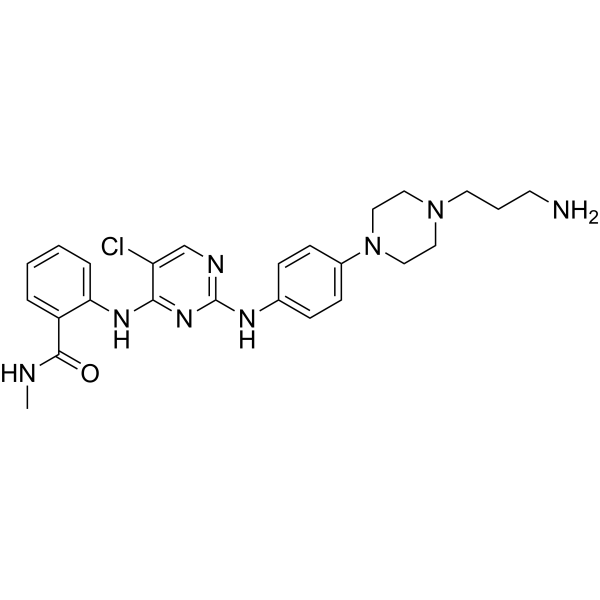 0 ImagesGSK3182571 is a non-selective broad-spectrum kinase inhibitor with similar structure to CTx-0294885 (HY-15985). GSK3182571 can induce changes in the thermostability of target proteins in cells. GSK3182571 can be used to explore the effects of drugs on kinase networks and off-target effects in leukemia cell models.
-
MKC-1
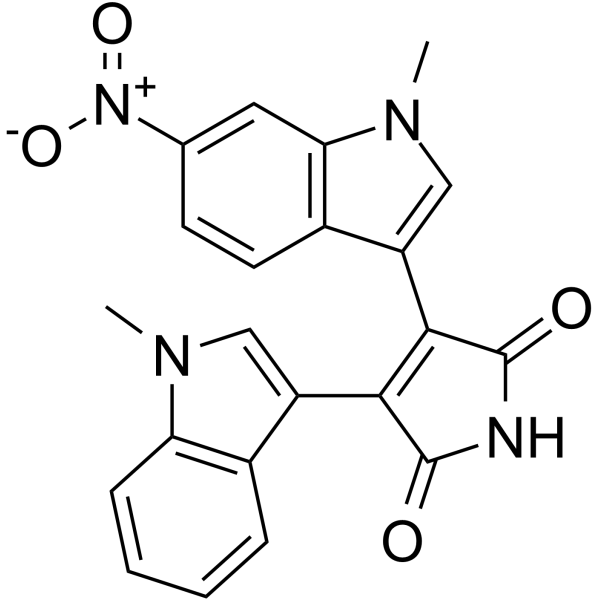 0 ImagesSynonyms: Ro-31-7453MKC-1 (Ro-31-7453) is an orally active and potent cell cycle inhibitor with broad antitumor activity. MKC-1 inhibits the Akt/mTOR pathway. MKC-1 arrests cellular mitosis and induces cell apoptosis by binding to a number of different cellular proteins including tubulin and members of the importin β family.
-
GSK2110183 analog 1 hydrochloride
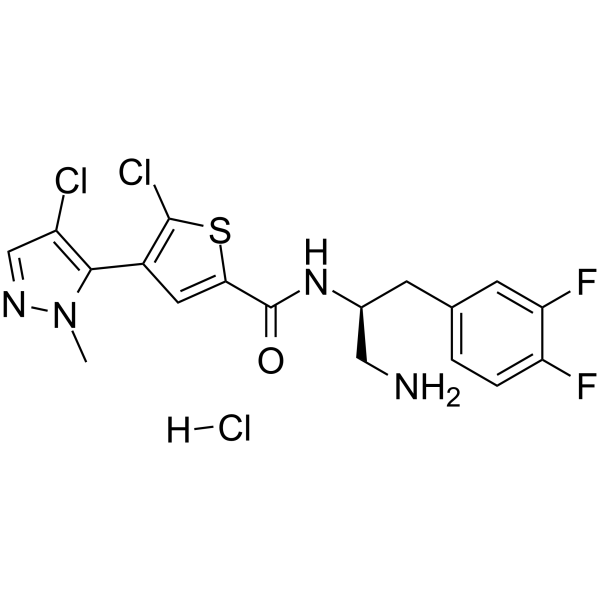 0 ImagesGSK2110183 analog 1 hydrochloride is the structural analogue of GSK2110183.
-
N6,N6-Dimethyladenosine (Standard)
 0 ImagesN6,N6-Dimethyladenosine (Standard) is the analytical standard of N6,N6-Dimethyladenosine (HY-101984). This product is intended for research and analytical applications. N6,N6-Dimethyladenosine, a modified ribonucleoside, is an endogenous A3 adenosine receptor ligand. N6,N6-Dimethyladenosine is an AKT inhibitor with antitumor effects. N6, N6-Dimethyladenosine targets SARS-CoV-2 entry protein ADAM17. N6, N6-Dimethyladenosine robustly inhibits AKT signaling in a variety of non-small cell lung cancer cell lines.
-
GSK3β-peptide
 0 ImagesGSK3β-peptide is a substrate mimetic peptide of glycogen synthase kinase 3-β (GSK3-β) that can bind to the active site of GSK3-β and mimic the behavior of a real substrate. GSK3β-peptide can be used to develop substrate mimetic inhibitors of Akt as potential anticancer drugs.
-
Methylnissolin-3-O-glucoside
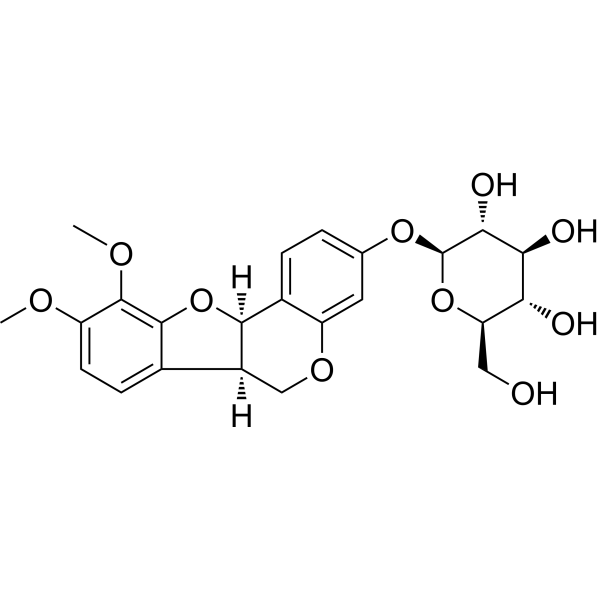 0 ImagesMethylnissolin-3-O-glucoside is a flavonoid glycoside derivative of Methylnissolin (HY-N2484). Methylnissolin-3-O-glucoside is isolated from plants of the genus Astragalus (Leguminosae). Methylnissolin-3-O-glucoside effectively induces the expression of AKT/Nrf2 and its downstream target genes HO-1 and NQO1. Methylnissolin-3-O-glucoside inhibits TNF-α-induced phosphorylation of MEK and ERK. Methylnissolin-3-O-glucoside exhibits free radical scavenging activity. Methylnissolin-3-O-glucoside inhibits cell proliferation and cell migration. Methylnissolin-3-O-glucoside is used in research on esophageal squamous cell carcinoma.
-
7-Methoxy-1-tetralone
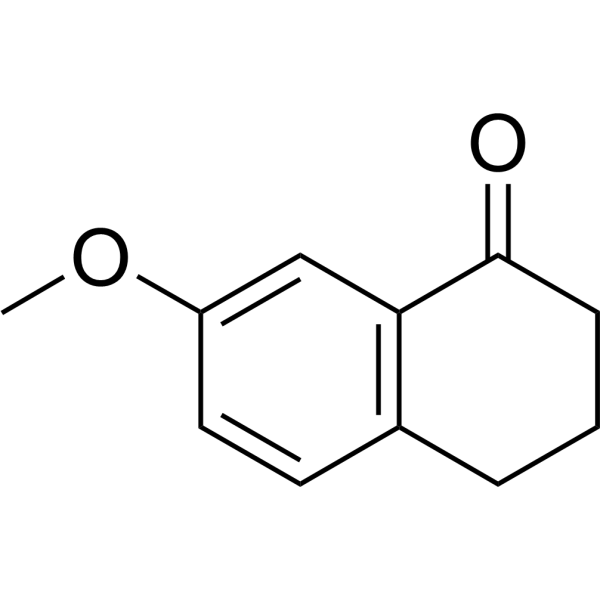 0 Images7-Methoxy-1-tetralone is a potent antitumor agent. 7-Methoxy-1-tetralone inhibits cancer cell proliferation and migration, and induces hepatocellular carcinoma cell (HCC) apoptosis. 7-Methoxy-1-tetralone decreased the protein levels of NF-κB, matrix metallopeptidase 2 (MMP2)/MMP9, and p-AKT. 7-Methoxy-1-tetralone showed antitumor activity in nude mice and had no effect on body weight and liver, spleen and organ index.

-
AKT inhibitor IV
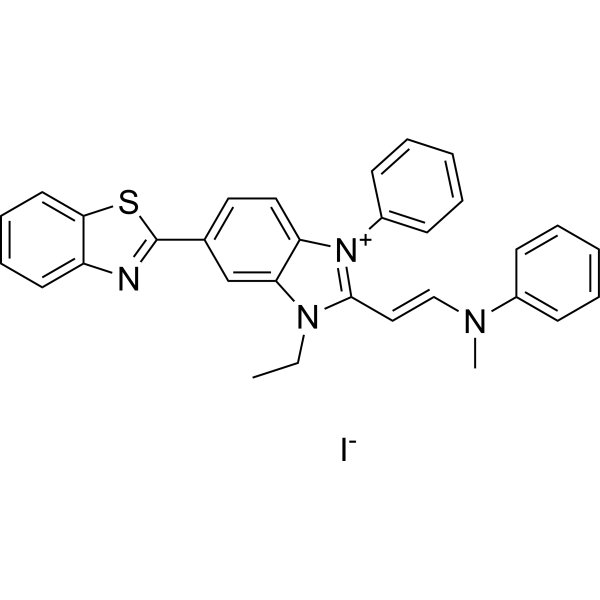 0 ImagesSynonyms: AKTIV
-
Flurochloridone
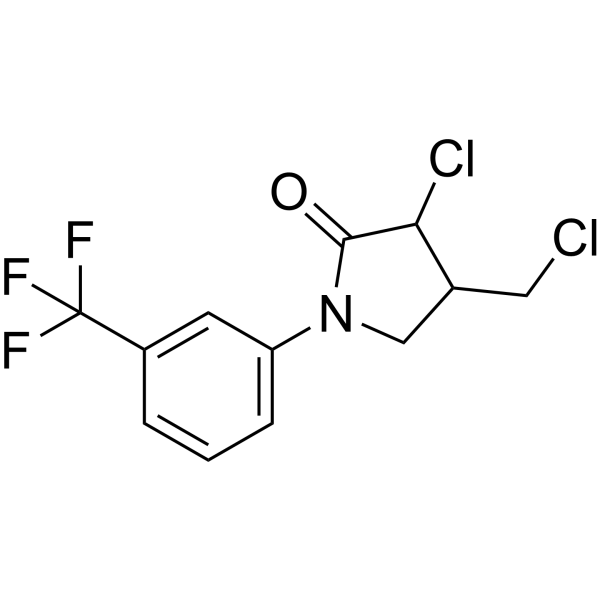 0 ImagesSynonyms: R-40244Flurochloridone (R-40244) is an orally active herbicide and an inducer of ER stress, apoptosis, and cytotoxicity. Flurochloridone upregulates GRP78 and activates the PERK-eIF2α-ATF4 UPR axis, ATF6, CHOP, Bax, and Bim. Flurochloridone decreases Akt, p-Akt, GSK3β, and p-GSK3β levels, and induces ROS, oxidative stress, γ-glutamyl cycle activation, and GSH accumulation. Flurochloridone inhibits mitochondrial respiration and ATP production while enhancing glycolysis and cell viability inhibition. Flurochloridone inhibits spermatogonial proliferation, spermatocyte meiosis, and sperm mitochondrial membrane potential, and induces Sertoli cell apoptosis and mitochondrial damage. Flurochloridone non-competitively binds phytoene desaturase, blocking phytoene desaturation and carotenoid synthesis, leading to leaf bleaching and phytotoxicity. Flurochloridone can be used for research on male reproductive toxicity, hepatotoxicity, and as a herbicide.
-
Ganglioside GT1b (bovine) ammonium
 0 ImagesGanglioside GT1b (bovine) ammonium is a member of the ganglioside family. Ganglioside GT1b (bovine) ammonium acts as a protective signal against nerve injury-induced spinal synapse elimination. Ganglioside GT1b (bovine) ammonium induces HA synthesis and the phosphorylation of Akt/mTOR in orbital fibroblasts. Ganglioside GT1b (bovine) ammonium enhances porcine oocyte maturation and induce activation of EGFR and ERK1/2 signaling. Ganglioside GT1b (bovine) ammonium is a putative host cell receptor for the Merkel cell polyomavirus. Ganglioside GT1b (bovine) ammonium can be used for the researches of cancer, infection, immunology, endocrinology and neurological disease, such as Thyroid eye disease.
-
YS-49 monohydrate
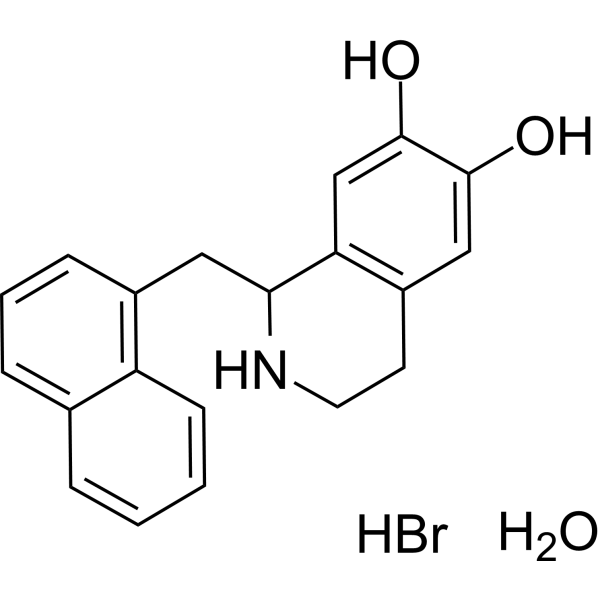 0 ImagesYS-49 (monohydrate) is a PI3K/Akt (a downstream target of RhoA) activator, to reduce RhoA/PTEN activation in the 3-methylcholanthrene-treated cells. YS-49 inhibits angiotensin II (Ang II)-stimulated proliferation of VSMCs via induction of heme oxygenase (HO)-1. YS-49 is also an isoquinoline compound alkaloid, has a strong positive inotropic action through activation of cardiac β-adrenoceptors.
-
ASP3026
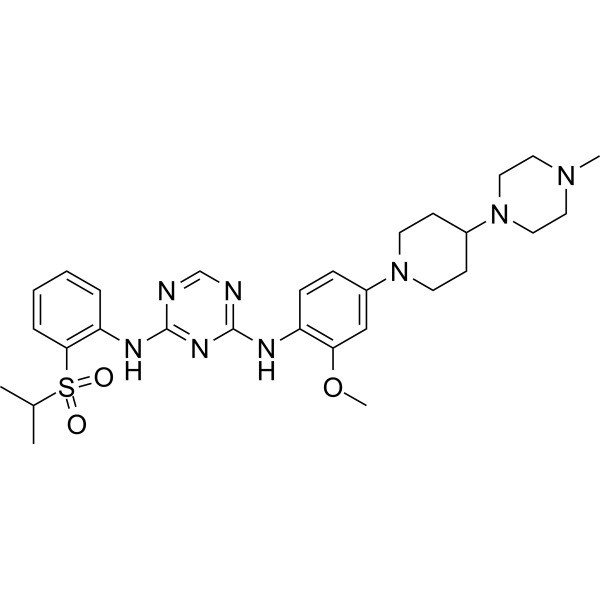 0 ImagesASP3026 is a selective and orally active inhibitor of anaplastic lymphoma kinase (ALK). ASP3026 is a selective and oral active anaplastic lymphoma kinase (ALK) inhibitor with a IC50 value of 3.5 nM. ASP3026 can inhibit the phosphorylation of IGF-1R, STAT3, AKT and JNK proteins, and induce the cleavage of caspase 3 and PARP. It also inhibited ROS and ACK. ASP3026 can be used in anti-tumor research.
-
MS15 TFA
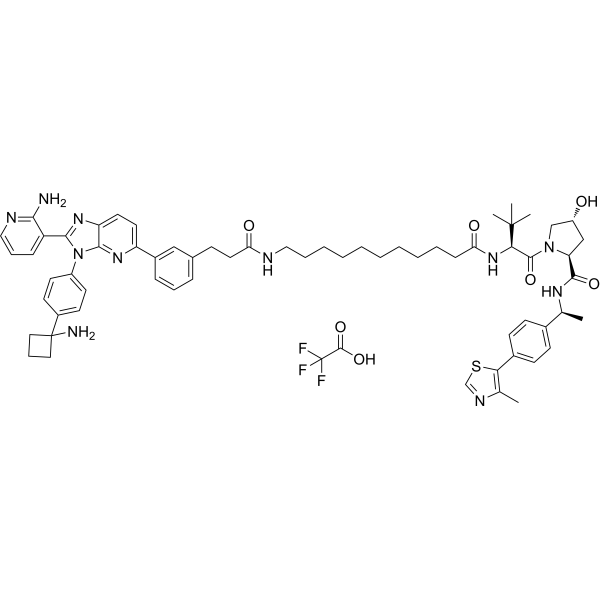 0 ImagesCat. No.: HY-151613APurity: 99.82%
-
CCT128930 hydrochloride
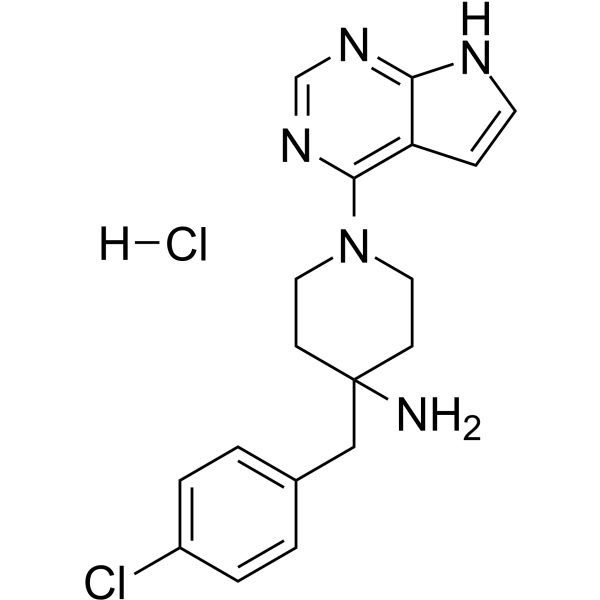 0 ImagesCCT128930 hydrochloride is a potent and selective inhibitor of AKT (IC50=6 nM). CCT128930 hydrochloride has 28-fold selectivity over the closely related PKA kinase (IC50=168 nM) through the targeting of Met282 of AKT (Met173 of PKA-AKT chimera), as well as 20-fold selectivity over p70S6K (IC50=120 nM). CCT128930 hydrochloride induces cell cycle arrest, DNA damage, and autophagy. Antitumor activity.
-
Wighteone
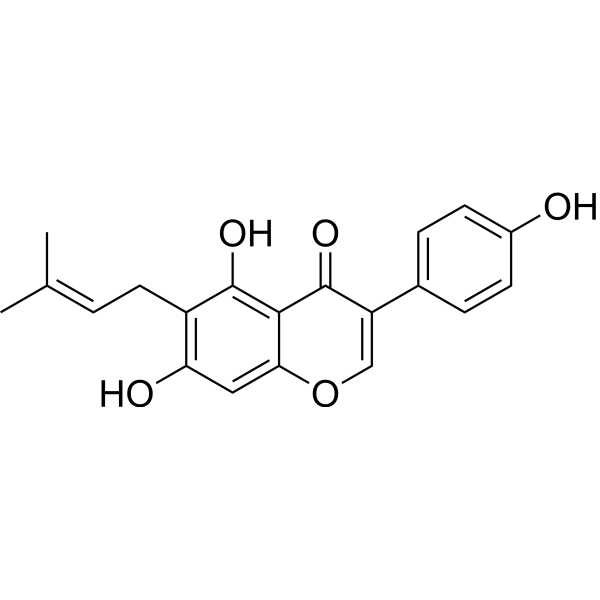 0 ImagesSynonyms: 6-Isopentenylgenistein; Erythrinin BWighteone (6-Isopentenylgenistein; Erythrinin B) is a prenylated isoflavone that acts as a HSP90/EGFRL858R/T790M inhibitor and antifungal agent. Wighteone reduces the expression level of HSP90, blocks EGF-induced phosphorylation of EGFR, and thereby inhibits the downstream ERK and AKT signaling pathways. Wighteone induces cell cycle redistribution, inhibits proliferation and triggers apoptosis in cancer cells. Wighteone can be isolated from Erythrina suberosa, and can also be induced to synthesize in Lotus japonicus under specific conditions. Wighteone can be used to study HER2-positive breast cancer, leukemia, non-small cell lung cancer with EGFRL858R/T790M mutation, and fungal infections.
-
Lupenone
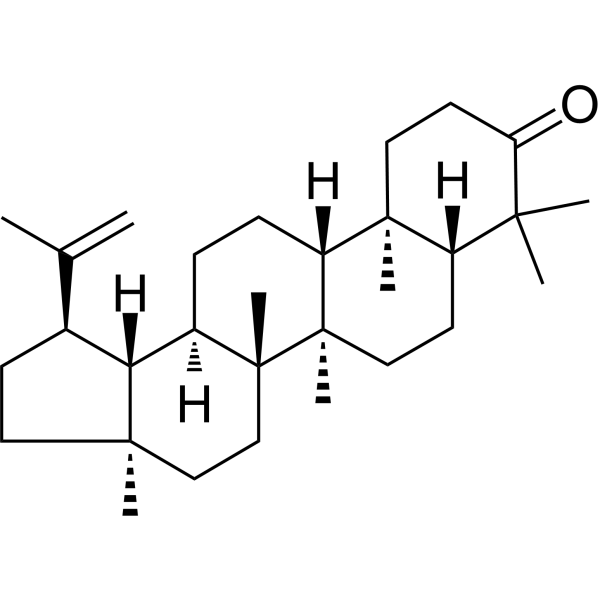 0 ImagesLupenone is an orally active lupine-type triterpenoid that can be isolated from Musa basjoo. Lupenone Lupenone plays a role through the PI3K/Akt/mTOR and NF-κB signaling pathways. Lupenone has anti-inflammatory, antiviral, antidiabetic and anticancer activities.
-
Arvanil
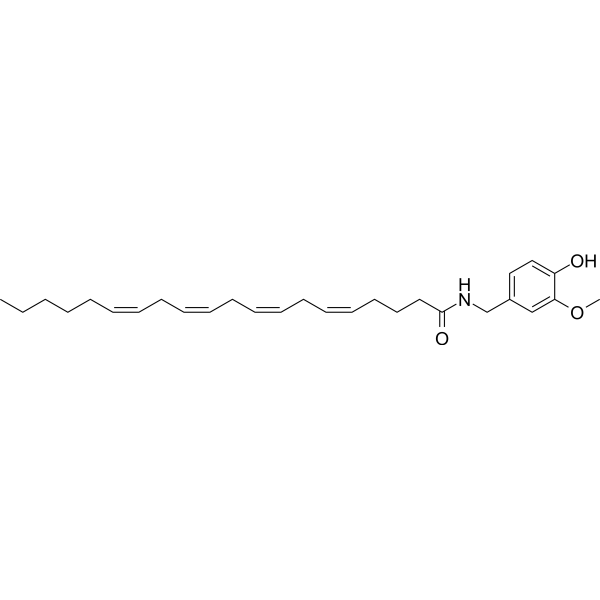 0 ImagesSynonyms: N-VanillylarachidonamideArvanil (N-Vanillylarachidonamide) is a mixed agonist of CB1 and TRPV1 receptors. Arvanil downregulates CD25, HLA-DR, CD134/OX40, blocks G1/S phase transition, and induces phosphorylation of Akt. Arvanil does not induce apoptosis in cells. Arvanil inhibits lymphocyte activation and ameliorates autoimmune encephalomyelitis. Arvanil can be used in research related to Huntington's disease, vomiting, and multiple sclerosis.
-
TRPM7-IN-1
 0 ImagesTRPM7-IN-1 (compound SUD), a benzoylurea derivative, is an effective TRPM7 inhibitor. TRPM7-IN-1 induces cell cycle arrest and apoptosis, decreases the migration of MCF-7 and BGC-823 cells. TRPM7-IN-1 decreases vimentin expression and increases E-cadherin expression. TRPM7-IN-1 potentially reduces the TRPM7-like current and decreases TRPM7 expression through the PI3K/Akt signaling pathway. TRPM7-IN-1 is a potential agent to suppress the metastasis of breast and gastric cancer by inhibiting TRPM7 expression and function.




