



Akt
PKB; Protein kinase B
Akt/PKB (Protein kinase B), a serine/threonine protein kinase with antiapoptotic activity, is one of the major downstream targets of PtdIns(3,4,5)P3 signaling pathway. It contains a pleckstrin homology domain (PH domain) that specifically binds PtdIns(3,4,5)P3 on the plasma membrane. Akt phosphorylation and activation are directly determined by the level of PtdIns(3,4,5)P3 on the plasma membrane, which is regulated by PI3K.
Akt consists of three isoforms: PKBα/Akt1, PKBβ/Akt2 and PKBγ/Akt3. Akt isoforms have an N-terminal PH (pleckstrin homology) domain and a kinase domain, which are separated by a 39-amino-acid hinge region. Catalytically active Akt regulates the function of numerous substrates involved in cell survival, growth, proliferation, metabolism and protein synthesis.
Akt is a crucial mediator of cell survival and its deactivation is implicated in various stress-induced pathological cell death and degenerative diseases.
Akt Isoform Specific Products
All Product Categories
-
Akt Inhibitors
(1020)
View all products
-
Akt Agonists
(7)
View all products
-
Akt Activators
(301)
View all products
-
Akt Modulators
(25)
View all products
-
Akt Chemical
(1)
View all products
-
Akt Inducers
(9)
View all products
-
Akt Degraders
(11)
View all products
-
Akt Control
(1)
View all products
-
Akt Substrate
(1)
View all products
-
Akt Ligands
(6)
View all products
-
AKT Serine/Threonine Kinase 2 (AKT2) Proteins
(5)
View all products
-
AKT Serine/Threonine Kinase 3 (AKT3) Proteins
(6)
View all products
-
Akt Related Products (1489)
Related Products (1489)

-
Recombinant Proteins (11)
-
Antibodies (11)
-
Akt Isoform Comparison
-
BI-4732
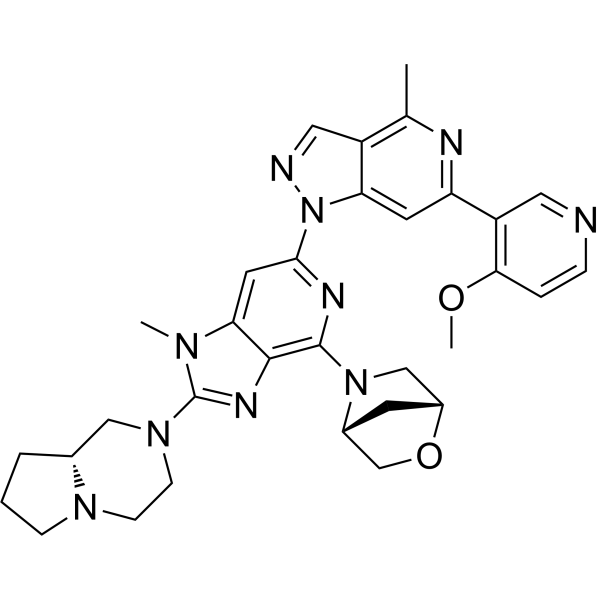 0 ImagesBI-4732 is an orally active, reversible, ATP-competitive EGFR inhibitor with blood-brain barrier penetration. BI-4732 inhibits the kinase activity of EGFR L858R, T790M and C797S with IC50 values of 1 nM while sparing EGFR wild-type. BI-4732 inhibits EGFR and reduces the phosphorylation of AKT, ERK, and S6K. BI-4732 demonstrates excellent intracranial anti-tumor efficacy in YU-1097 xenograft model harboring EGFR_E19del/T790M/C797S. BI-4732 can be used for the study of non-small cell lung cancer (NSCLC).
-
Clifutinib
 0 ImagesClifutinib is an orally active and selective internal tandem duplication mutation of FMS-like tyrosine kinase 3 (FLT3-ITD) inhibitor with an IC50 value of 15.1 nM. Clifutinib exerts strong antiproliferative effects on FLT3-ITD acute myeloid leukemia (AML) cell lines (MV-4-11: IC50 = 1.5 nM; MOLM-13: IC50 = 1.4 nM). Clifutinib inhibits the activity of FLT3-ITD kinase and blocks the downstream RAS/MAPK, PI3K/AKT, and JAK/STAT5 signaling pathways of FLT3. Clifutinib induces apoptosis of acute myeloid leukemia (AML) cells with FLT3-ITD mutations. Clifutinib demonstrates significant antitumor efficacy in mice bearing MV-4-11 or MOLM-13 xenografts. Clifutinib is promising for research of relapsed/refractory FLT3-ITD-positive acute myeloid leukemia.
-
Tizanidine-d4
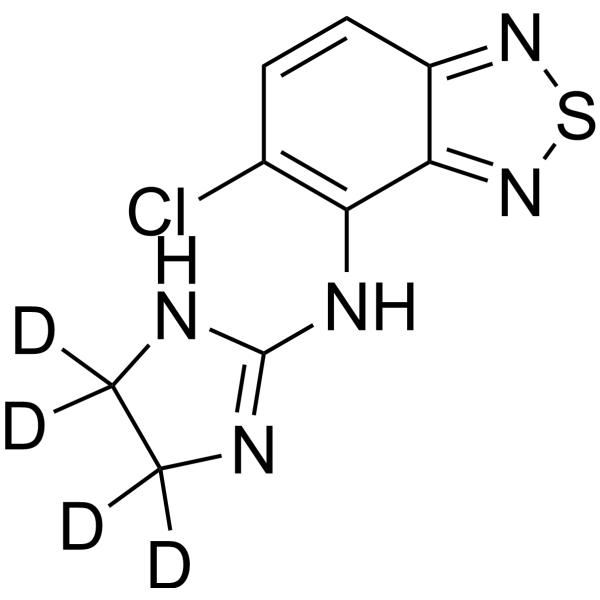 0 ImagesTizanidine-d4 is the deuterium labeled Tizanidine (HY-B0194). Tizanidine, a skeletal muscle relaxant, is an orally effective central α2-adrenoceptor agonist (IC50 = 6.9 nmol). Tizanidine primarily exerts muscle relaxation effects by inhibiting the release of excitatory amino acids (glutamate and aspartate) from the presynaptic terminals of spinal cord interneurons. Tizanidine has anti-injury activity and can inhibit gastrointestinal (GI) transport. Tizanidine can inhibit the proliferation, migration, and invasion of lung cancer cells and induce cell apoptosis by upregulating Nischarin and inhibiting the AKT and Wnt3a/β-catenin signaling pathways. Tizanidine can be used to treat spasticity caused by diseases such as multiple sclerosis (MS), stroke, and spinal cord injury (SCI).
-
Etilefrine hydrochloride
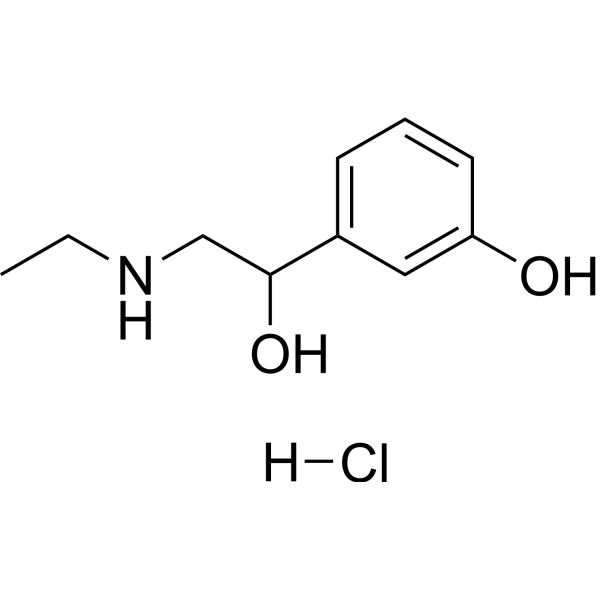 0 ImagesEtilefrine hydrochloride is a sympathetic nerve agonist and AMPK activator that selectively targets α1/β1 adrenergic receptors. Etilefrine hydrochloride stimulates α1 adrenergic receptors, leading to contraction of vascular smooth muscle and increased peripheral resistance. Etilefrine hydrochloride also stimulates β1 receptors to enhance myocardial contractility and increase heart rate, thereby increasing blood pressure and improving cardiac output. Etilefrine hydrochloride also bidirectionally regulates the AMPK/Akt pathway and modulates the phosphorylation levels. Etilefrine hydrochloride can be used in cardiovascular research, such as postural hypotension, chylothorax, and improving low cardiac output.
-
Pifusertib
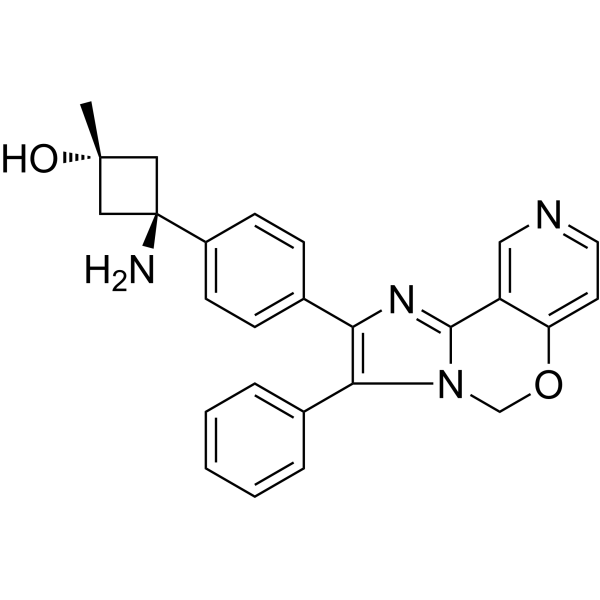 0 ImagesSynonyms: TAS-117Pifusertib (TAS-117) is a potent, selective, orally active allosteric Akt inhibitor (with IC50s of 4.8, 1.6, and 44 nM for Akt1, 2, and 3, respectively). Pifusertib triggers anti-myeloma activities and enhances fatal endoplasmic reticulum (ER) stress induced by proteasome inhibition. Pifusertib induces apoptosis and autophagy.
-
Kuwanon G
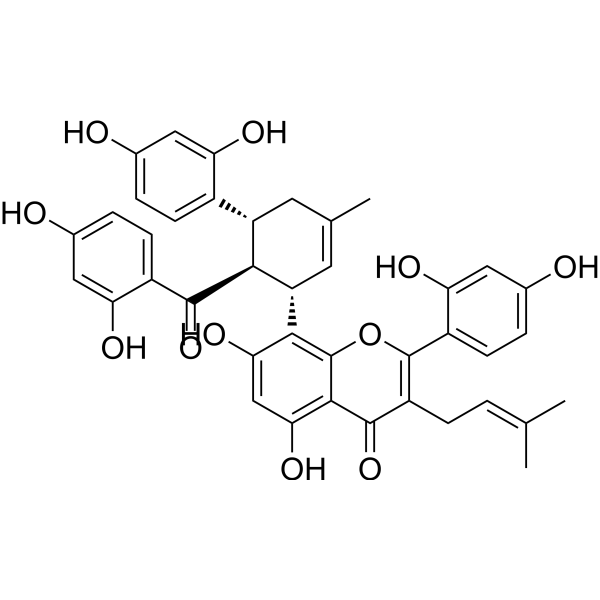 0 ImagesKuwanon G is a flavonoid compound and an antagonist of the bombesin receptor. Kuwanon G has multiple activities such as bactericidal, anti-tumor, anti-inflammatory, antioxidant, anti-atherosclerotic, and neuroprotective effects. Kuwanon G exhibits strong antibacterial activity against oral pathogens, especially cariogenic bacteria and periodontal pathogens. Kuwanon G can induce apoptosis and inhibit proliferation, migration, and invasion of tumor cells. Kuwanon G can be used in the research of diseases such as gastric cancer and atherosclerosis.
-
Vasicine hydrochloride
 0 ImagesVasicine hydrochloride (peganine hydrochloride) is a quinazoline alkaloid isolated from Justicia adhatoda. Vasicine hydrochloride activates PI3K/Akt signaling pathway, exhibits antioxidant, anti-inflammatory and antibacterial activities.
-
Brassinin
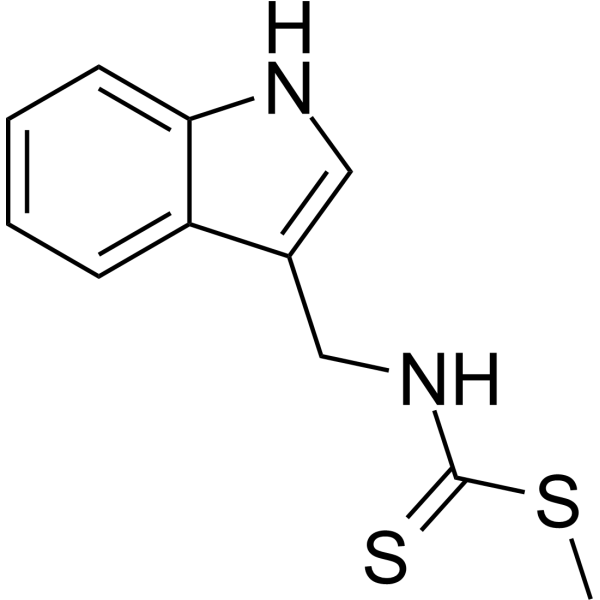 0 ImagesSynonyms: BrassinineBrassinin is an indole derivative found in cruciferous plants. Brassinin acts as an IDO inhibitor (Ki = 97.7 μM). Brassinin inhibits angiogenesis and induces apoptosis, autophagy, paraptosis, ROS production, and ER stress. Brassinin selectively stimulates lysosomal degradation of Tie2 and promotes lysosomal and proteasomal degradation of FGFR1 in endothelial cells, downregulating AKT and ERK phosphorylation. Brassinin inhibits endothelial cell proliferation, migration, tube formation, spheroid sprouting, and angiogenesis. Brassinin inhibits PI3K/Akt/mTOR/S6K1 signaling, upregulates p21 and p27, and induces G1 phase cell cycle arrest through RB hypophosphorylation. Brassinin inhibits tyrosinase catalytic activity, reduces tyrosinase mRNA, and inhibits MITF nuclear translocation. Brassinin is used for research on triple-negative breast cancer, chronic myeloid leukemia, colon cancer, glioma, atherosclerosis, and skin cancer.
-
Deoxyandrographolide
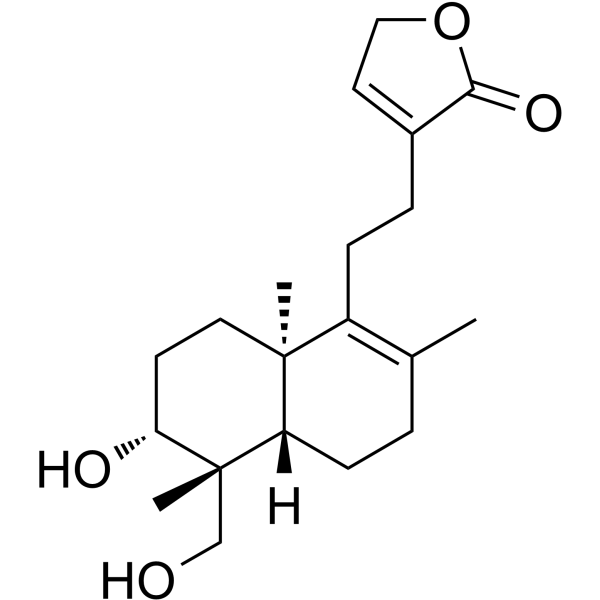 0 ImagesDeoxyandrographolide is an orally active lactone found in the Andrographis paniculata Nees. Deoxyandrographolide shows a KD of 38.4 μM of HDAC1. Deoxyandrographolide enhances GLUT4 plasma membrane translocation, activates PI3K and AMPK-dependent signaling pathways, suppresses fasting blood glucose, serum insulin, triglycerides, and LDL-cholesterol levels. Deoxyandrographolide enhances HDAC1 expression via inhibited ubiquitination degradation, represses H3K4me3, improves chromosome stability, and restrains aging biomarkers p16, p21, γH2A.X, p53 and ROS production. Deoxyandrographolide interacts with Foot-and-Mouth Disease Virus 3Cpro active site, inhibits protease and IFN-antagonist activity, derepresses ISG expression, and inhibits viral replication. Deoxyandrographolide can be used for the researches of type 2 diabetes mellitus, vascular senescence and virus infection.
-
Iridin
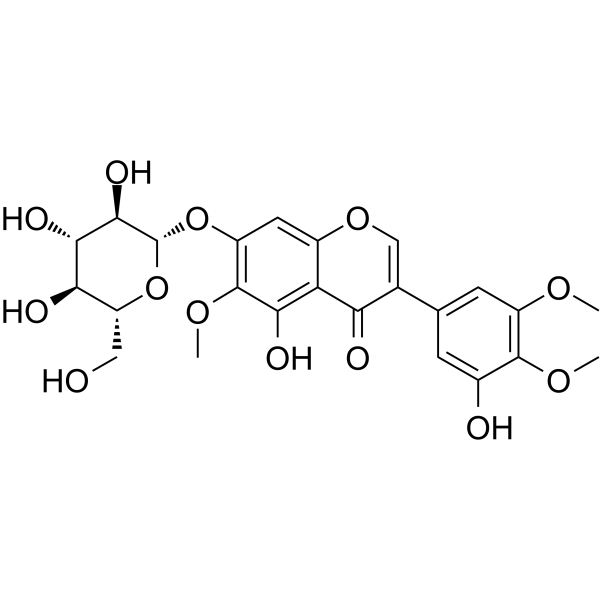 0 ImagesIridin is an orally active natural isoflavone. Iridin inhibits the PI3K/AKT and PKM2 signaling pathways, and downregulates the JAK/STAT and NF-κB pathways. Iridin induces Fas-mediated extrinsic apoptosis, G2/M cell cycle arrest, and inhibits cell proliferation. Iridin reduces inflammation, inhibits ROS production, suppresses glycolysis, and also exhibits antioxidant and antidiabetic activities. Iridin can be used in research related to gastric cancer and acute lung injury.
-
Levomilnacipran hydrochloride
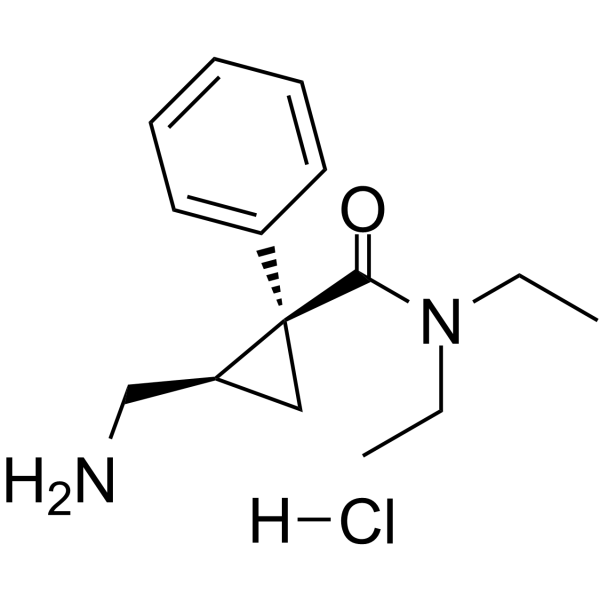 0 ImagesSynonyms: (1S,2R)-Milnacipran hydrochloride; F-2695 hydrochlorideLevomilnacipran ((1S,2R)-Milnacipran) hydrochloride is the enantiomer of Milnacipran (HY-B0168) and a strong substrate of P-gp that can cross the blood-brain barrier. Levomilnacipran hydrochloride is a serotonin and norepinephrine reuptake inhibitor, with IC50 values of 10.5 nM and 19.0 nM, and Ki values of 92.2 nM and 1.2 nM for human norepinephrine transporter (NET) and serotonin transporter (SERT), respectively. Levomilnacipran hydrochloride has antidepressant and anxiolytic activities. Levomilnacipran hydrochloride can be used for the research of depression.
-
KTC1101
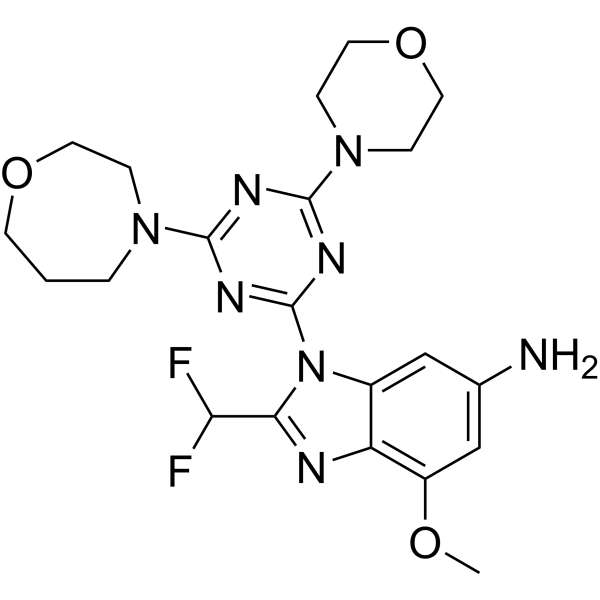 0 ImagesKTC1101 is an orally active pan-PI3K inhibitor. KTC1101 can inhibit the PI3K signaling pathway, reduce downstream AKT and mTOR phosphorylation, and reduces the expression of Ki67. The anti-tumor effect of KTC1101 has a dual mechanism of action: directly inhibiting tumor cell growth and dynamically enhancing immune response.
-
Bakkenolide A
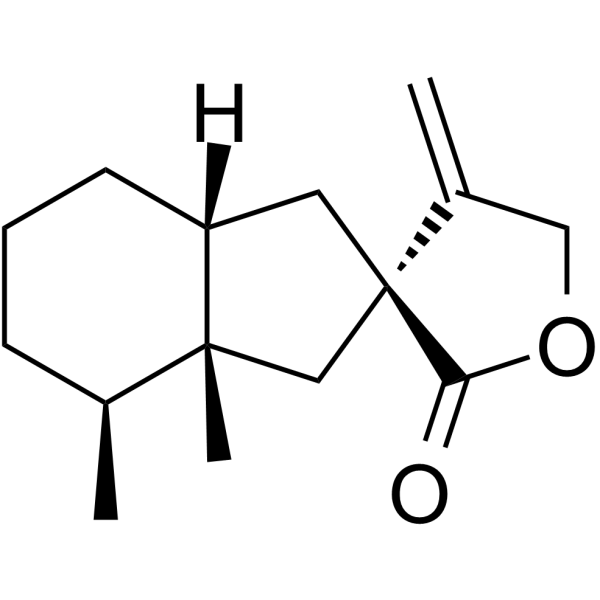 0 ImagesBakkenolide A is an anticancer agent. Bakkenolide A reduces the viability of leukemia cells, inhibits cell colony formation and invasion, and downregulates the expression of HDAC3 in cells. Bakkenolide A downregulates the expression of pro-inflammatory cytokines including TNF-α, interleukins such as IL-1β, TGF-β1 and IFN-γ, as well as the expression of PI3K, PDK and PKC in leukemia cells. Bakkenolide A downregulates activated Akt, GSK and Bad, while upregulates Cyto-c, cleaved Caspase3 and cleaved Caspase7, induces apoptosis (apoptosis) in leukemia cells and thereby inhibits inflammatory responses in leukemia cells. Bakkenolide A significantly slows the growth of subcutaneous leukemia tumors in nude mice. Bakkenolide A is applicable to leukemia-related research.
-
20(R)-Ginsenoside Rh2
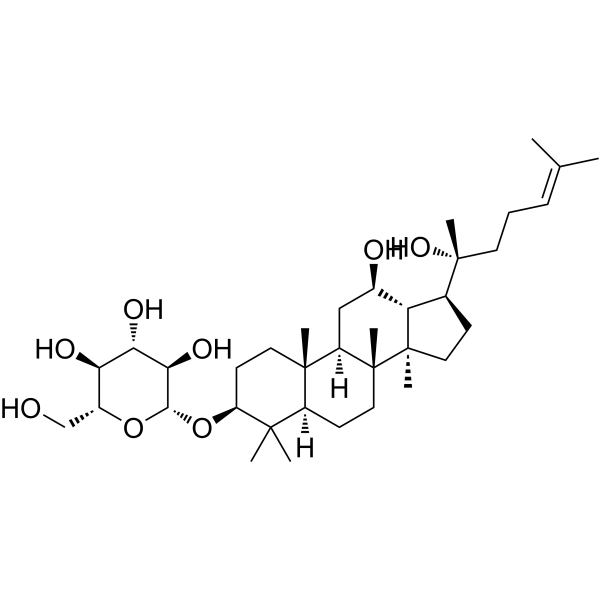 0 Images20(R)-Ginsenoside Rh2 is an orally active protopanaxadiol-type saponin with multiple biological activities. 20(R)-Ginsenoside Rh2 exerts a significant inhibitory effect on non-small cell lung cancer and liver cancer by inducing cell cycle arrest and promoting apoptosis. 20(R)-Ginsenoside Rh2 exerts anti-γ-herpesvirus effects by inhibiting viral DNA replication. 20(R)-Ginsenoside Rh2 inhibits inflammatory mediators by reducing the levels of NO, PGE2, and ROS; it can delay skin photoaging by reducing ROS and inhibiting MMP-9/2 activity. 20(R)-Ginsenoside Rh2 accelerates the recovery after muscle injury by activating the Akt1/PKB signaling pathway. 20(R)-Ginsenoside Rh2 can inhibit osteoclast formation and exert an anti-osteoporosis effect.
-
Sericin
 0 ImagesCat. No.: HY-NP192Sericin is an orally active globular protein produced by silkworm cocoons. Sericin inhibits the expression of COX2, iNOS, TLR4, MAPK and NF-κB; reduces the levels of IL-18, IL-1 and CCL2; antagonizes the activity of AChE; and downregulates the expression of Bcl-2. Sericin enhances the PI3K/AKT-mediated insulin signaling pathway. Sericin inhibits the activity of tyrosinase (Tyrosinase), scavenges ROS, chelates metal ions, and increases the levels of antioxidant enzymes. Sericin induces apoptosis and arrests the cell cycle. Sericin exhibits antibacterial, moisturizing, cardioprotective and anticoagulant properties. Sericin can be used in research related to type 2 diabetes, hyperlipidemia, obesity, Alzheimer's disease, colon cancer, peripheral nerve injury and ischemic myocardial infarction.
-
CAY10404
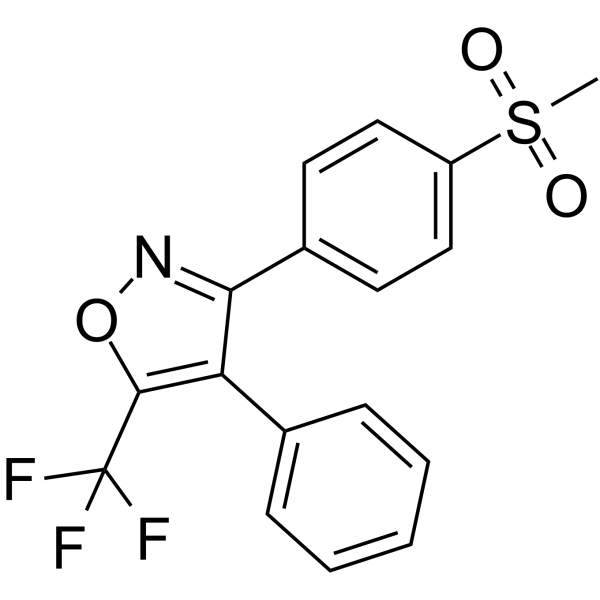 0 ImagesCAY10404 is a potent and selective cyclooxygenase-2 (COX-2) inhibitor with an IC50 of 1 nM and a selectivity index (SI; COX-1 IC50/COX-2 IC50) of >500000. CAY10404 is a potent PKB/Akt and MAPK signaling pathways inhibitor and induces apoptosis in non-small cell lung cancer (NSCLC) cells. CAY10404, a diarylisoxazole, has good analgesic, anti-inflammatory, and anti-cancer activities.
-
Demethylasterriquinone B1
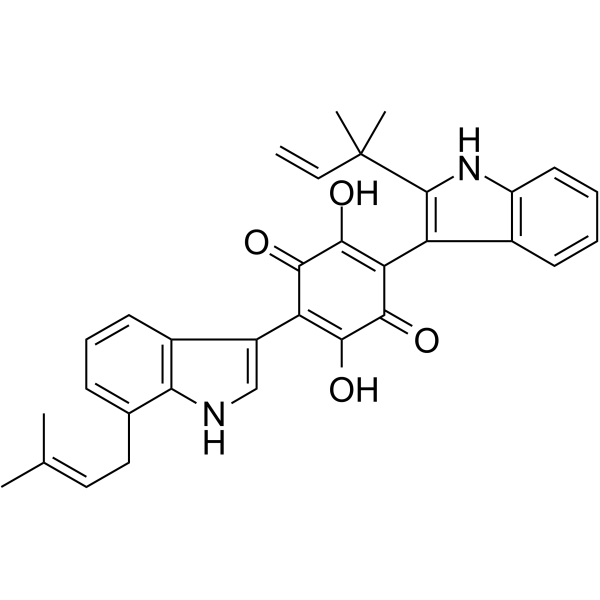 0 ImagesSynonyms: DAQ B1; L-783281; DimethylasterriquinoneDemethylasterriquinone B1 (DAQ B1; L-783281) is an orally active insulin receptor (insulin receptor) agonist and AKT activator. By activating AKT, Demethylasterriquinone B1 upregulates the expression and activity of eNOS to increase NO production, while downregulating the expression of the NADPH oxidase subunit p22phox to reduce oxidative stress and improve vascular endothelial dysfunction in hypertensive rats. Demethylasterriquinone B1 combind with an AKT inhibitor targets the insulin signaling pathway to activate two antiviral pathways, RNA interference and JAK/STAT, in mosquitoes, thereby reducing Zika virus infection.
-
Myrislignan
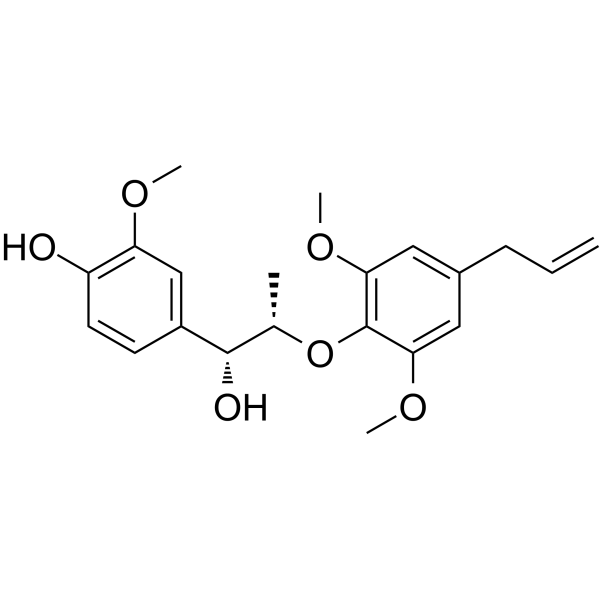 0 ImagesMyrislignan is a PI3K/AKT/NF-κB inhibitor that can cross the blood-brain barrier. Myrislignan exerts anticancer activity by inducing apoptosis and ferroptosis. Myrislignan inhibits the replication and invasion of Toxoplasma gondii; it induces reactive oxygen species (ROS) imbalance, autophagy, and the death of Toxoplasma gondii tachyzoites. Myrislignan inhibits mitochondrial function and ERK1/2 phosphorylation to improve ovariectomy-induced osteoporosis. Myrislignan can be used in studies related to gastric cancer, glioblastoma, osteoporosis, and toxoplasmosis.




