



Akt
PKB; Protein kinase B
Akt/PKB (Protein kinase B), a serine/threonine protein kinase with antiapoptotic activity, is one of the major downstream targets of PtdIns(3,4,5)P3 signaling pathway. It contains a pleckstrin homology domain (PH domain) that specifically binds PtdIns(3,4,5)P3 on the plasma membrane. Akt phosphorylation and activation are directly determined by the level of PtdIns(3,4,5)P3 on the plasma membrane, which is regulated by PI3K.
Akt consists of three isoforms: PKBα/Akt1, PKBβ/Akt2 and PKBγ/Akt3. Akt isoforms have an N-terminal PH (pleckstrin homology) domain and a kinase domain, which are separated by a 39-amino-acid hinge region. Catalytically active Akt regulates the function of numerous substrates involved in cell survival, growth, proliferation, metabolism and protein synthesis.
Akt is a crucial mediator of cell survival and its deactivation is implicated in various stress-induced pathological cell death and degenerative diseases.
Akt Isoform Specific Products
All Product Categories
-
Akt Inhibitors
(1020)
View all products
-
Akt Agonists
(7)
View all products
-
Akt Activators
(301)
View all products
-
Akt Modulators
(25)
View all products
-
Akt Chemical
(1)
View all products
-
Akt Inducers
(9)
View all products
-
Akt Degraders
(11)
View all products
-
Akt Control
(1)
View all products
-
Akt Substrate
(1)
View all products
-
Akt Ligands
(6)
View all products
-
AKT Serine/Threonine Kinase 2 (AKT2) Proteins
(5)
View all products
-
AKT Serine/Threonine Kinase 3 (AKT3) Proteins
(6)
View all products
-
Akt Related Products (1489)
Related Products (1489)

-
Recombinant Proteins (11)
-
Antibodies (11)
-
Akt Isoform Comparison
-
BEPP hydrochloride
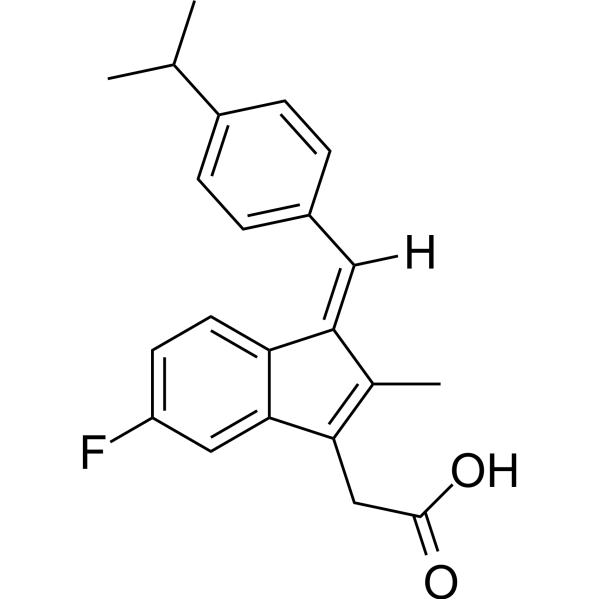
 0 ImagesBEPP hydrochloride is a double-stranded RNA-dependent protein kinase (PKR) modulator. BEPP hydrochloride enhances the phosphorylation levels of PKR and eIF2α, activates caspase-3, upregulates the pro-apoptotic protein BAX, and downregulates the anti-apoptotic protein Bcl-2. BEPP hydrochloride inhibits vaccinia virus replication and exhibits selective cytotoxicity in cells expressing PKR. BEPP hydrochloride can be used in research related to cancer and viral infections.
-
2-Aminonicotinaldehyde
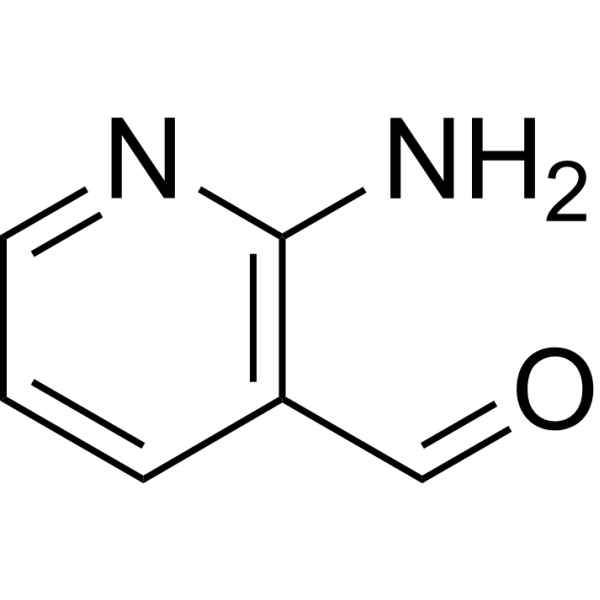 0 Images2-Aminonicotinaldehyde is a synthetic intermediate. 2-Aminonicotinaldehyde can be used for the synthesis of 5-HT3 receptor antagonists, AKT inhibitors, and other compounds. 2-Aminonicotinaldehyde is applicable to research on depression and cancers (including hepatocellular carcinoma).
-
Tizanidine hydrochloride
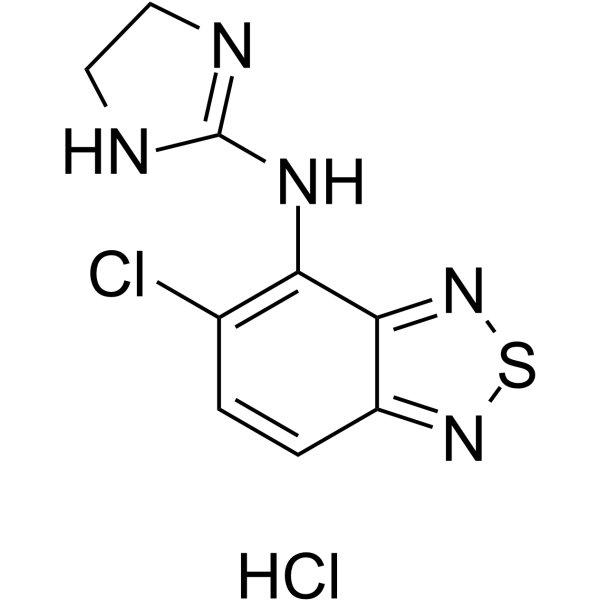 0 ImagesTizanidine hydrochloride, a skeletal muscle relaxant, is an orally effective central α2-adrenoceptor agonist (IC50 = 6.9 nmol). Tizanidine hydrochloride primarily exerts muscle relaxation effects by inhibiting the release of excitatory amino acids (glutamate and aspartate) from the presynaptic terminals of spinal cord interneurons. Tizanidine hydrochloride has anti-injury activity and can inhibit gastrointestinal (GI) transport. Tizanidine hydrochloride can inhibit the proliferation, migration, and invasion of lung cancer cells and induce cell apoptosis by upregulating Nischarin and inhibiting the AKT and Wnt3a/β-catenin signaling pathways. Tizanidine hydrochloride can be used to treat spasticity caused by diseases such as multiple sclerosis (MS), stroke, and spinal cord injury (SCI).
-
Dehydroandrographolide succinate
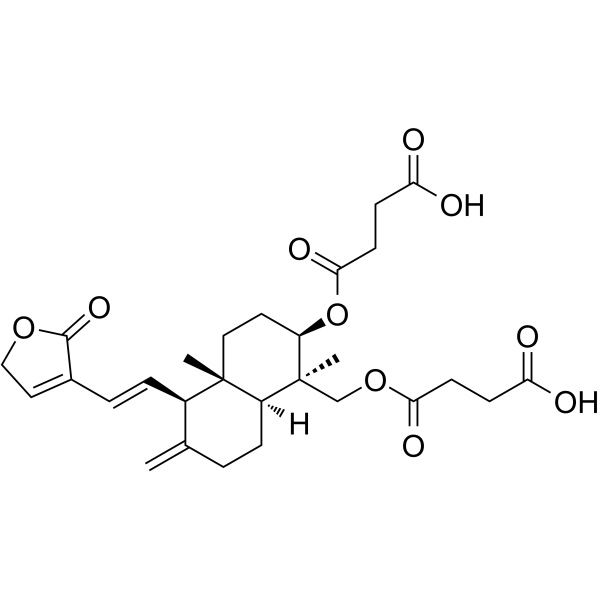 0 ImagesDehydroandrographolide succinate can be extracted from herbal medicine Andrographis paniculata (Burm f) Nees, is widely used in research for viral pneumonia and viral upper respiratory tract infections because of its immunostimulatory, anti-infective and anti-inflammatory effect. Dehydroandrographolide succinate exerts antithrombotic effect. Dehydroandrographolide succinate significantly inhibits the platelet aggregation rate (ED50 = 386.9 mg/kg) by decreasing TXB2 levels. Dehydroandrographolide succinate mitigates muscle astrophy via the Akt/GSK3β and MuRF-1 pathways.
-
Diphenyl disulfide
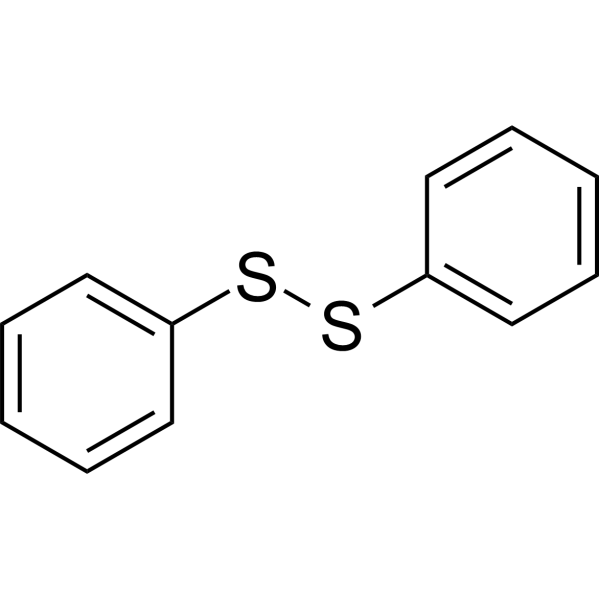 0 ImagesDiphenyl disulfide (Phenyl disulfide) is an organic disulfide compound. Diphenyl disulfide inhibits the PI3K/AKT/mTOR pathway, and induces ferroptosis (ferroptosis), apoptosis (apoptosis) and autophagy (autophagy) in cancer cells. Diphenyl disulfide downregulates GPX4 expression, inhibits NRF2 phosphorylation, induces lipid peroxidation, promotes xCT ubiquitination, induces proteolytic cleavage of p21 Bax into p18 Bax, and suppresses cell proliferation and viability. Diphenyl disulfide can be used in research related to melanoma and breast cancer.
-
WCY-8-67 TFA
 0 ImagesCat. No.: HY-178500APurity: 99.40%WCY-8-67 TFA is an orally active and selective USP5 inhibitor, with an IC50 value of 1.33 μM. WCY-8-67 TFA induces apoptosis and suppresses JAK/STAT3 and PI3K/AKT signaling pathways. WCY-8-67 TFA inhibits proliferation of AE-positive AML cells, induces G1 phase arrest and differentiation of AML cells. WCY-8-67 TFA demonstrates potent anti-leukemic efficacy in mice. WCY-8-67 TFA can be used for the study of acute myeloid leukemia.
-
Strictosamide
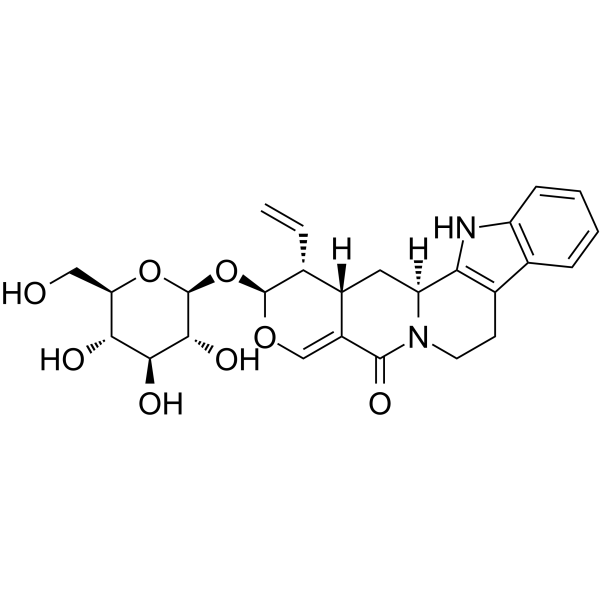 0 ImagesStrictosamide is a compound that can be isolated from Nauclea officinalis. Strictosamide has various activities such as anti-inflammatory, analgesic, anti-Plasmodium, antifungal, and promoting wound healing.
-
L-Valine-1-13C
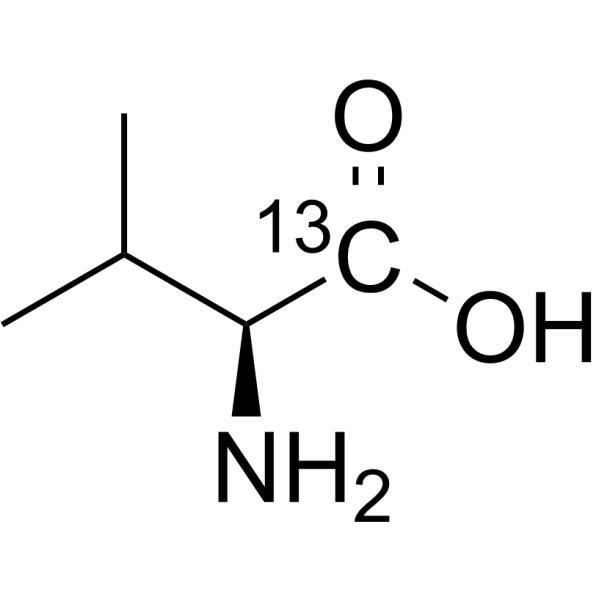 0 ImagesSynonyms: (S)-Valine-1-13CL-Valine-1-13C ((S)-Valine-1-13C) is the 13C-labeled L-Valine (HY-N0717). L-Valine ((S)-Valine) is a nonlinear semiorganic material. L-Valine causes lipid peroxidation and accumulation of malondialdehyde (MDA), exhibits inhibitory activity against cyanobacteria. L-Valine inhibits multidrug-resistant bacteria through activation of PI3K/Akt signaling pathway and inhibition of arginase.
-
Polyporenic acid C
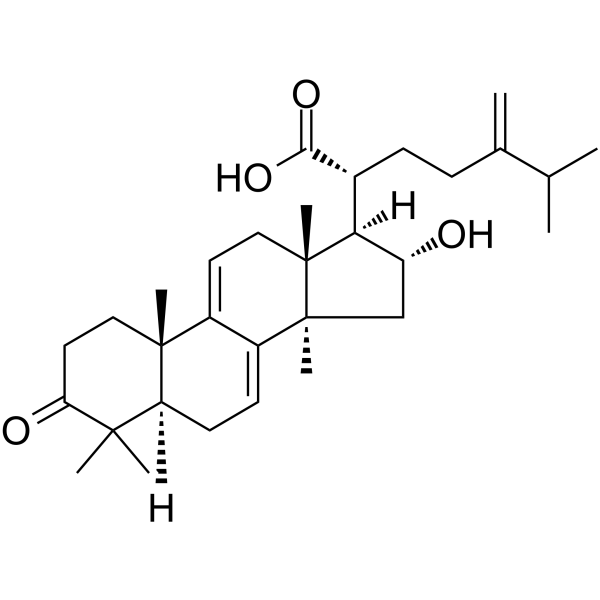 0 ImagesPolyporenic acid C is a lanostane-type triterpenoid. Polyporenic acid C can be isolated from Poria cocos. Polyporenic acid C causes the cleavage of caspase-8 and caspase-3, as well as the cleavage of PARP. Polyporenic acid C reduces the phosphorylation level of Akt (Ser473), increases the phosphorylation of PTEN and p53 (Ser15), and activates JNK. Polyporenic acid C induces Apoptosis. Polyporenic acid C shows anticancer activity against non-small cell lung cancer.
-
IBL-302
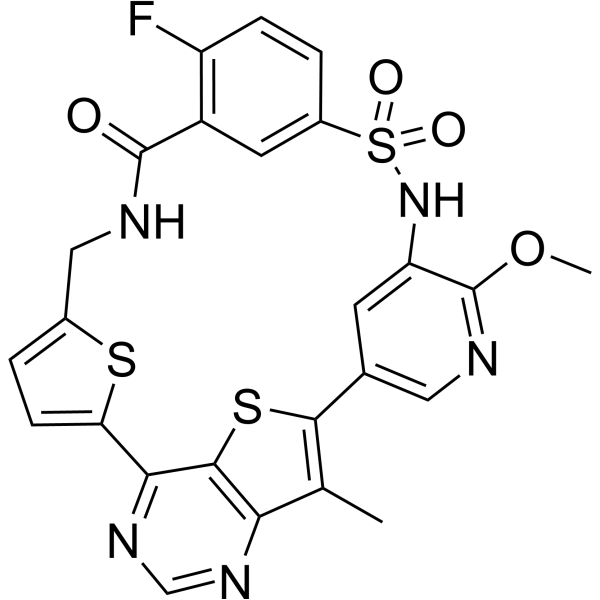 0 ImagesCat. No.: HY-157169CAS No.: 1414455-21-2Synonyms: AMU302IBL-302 (AMU302) is an orally available dual-signaling inhibitor of PIM and PI3K/AKT/mTOR with activity against breast cancer and neuroblastoma. IBL-302 demonstrated in vivo efficacy in a nude mouse xenograft model, inhibiting trastuzumab (HY-P9907) resistance challenges. IBL-302 also enhances the effects of common cytotoxic chemotherapy drugs cisplatin (HY-17394), doxorubicin (HY-15142A), and etoposide (HY-13629).

-
Cefminox sodium
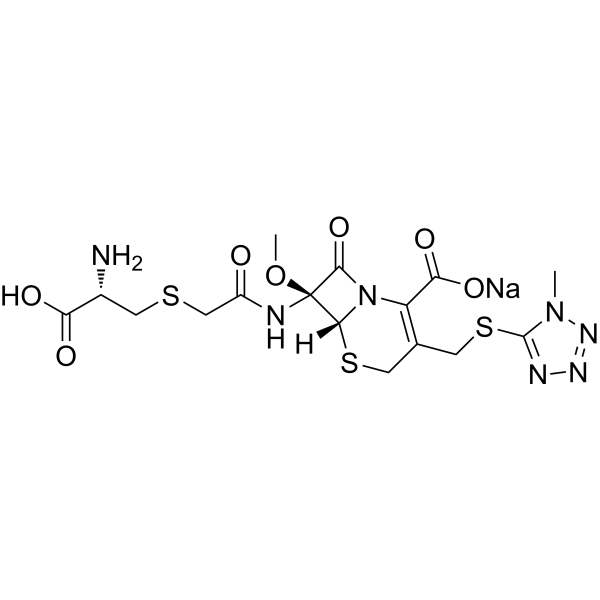 0 ImagesSynonyms: MT-141Cefminox sodium (MT-141) is a semisynthetic cephamycin, which exhibits antibacterial activity. Cefminox sodium is a broad-spectrum, bactericidal cephalosporin antibiotic. Cefminox sodium also acts as a dual agonist of prostacyclin receptor (IP) and PPARγ. Cefminox sodium upregulates cAMP production and PTEN expression and inhibits Akt/mTOR signaling. Cefminox sodium also prevents pulmonary arterial hypertension in rat model.
-
6-Methoxydihydrosanguinarine
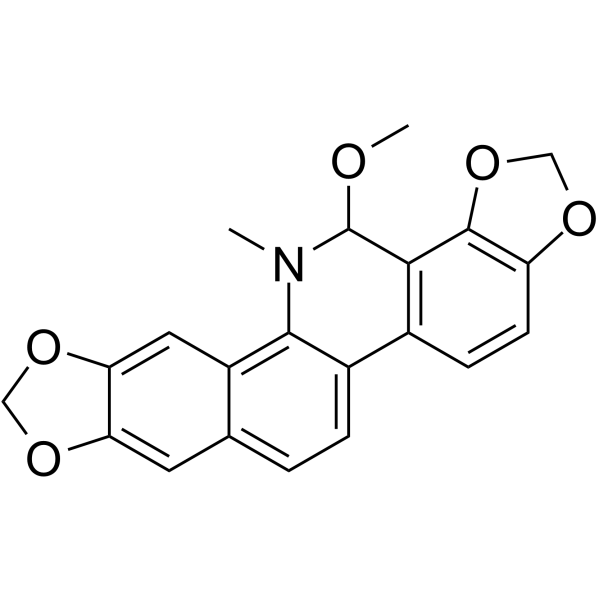 0 Images6-Methoxydihydrosanguinarine is an alkaloid with activity across multiple cancer cell types. 6-Methoxydihydrosanguinarine activates IRE1/JNK signaling, blocks Akt/mTOR and PI3K/AKT/mTOR pathways, reduces expression of Cdc25C, CyclinB1, Cdc2, YAP/TAZ, Survivin, GPX4, and EGFR, upregulates IRE1 and DR5, and activates JNK and caspases. 6-Methoxydihydrosanguinarine induces apoptosis, G2/M phase arrest, DNA damage, ROS generation, lipid peroxidation, ferroptosis, autophagy, and suppresses cancer cell growth. 6-Methoxydihydrosanguinarine disruptes the biofilm formation of Candida albicans (C. albicans). 6-Methoxydihydrosanguinarine can be used for the research of non-small cell lung cancer, hepatocellular carcinoma, melanoma, colon carcinoma, ovarian cancer and breast cancer.
-
Quinalizarin
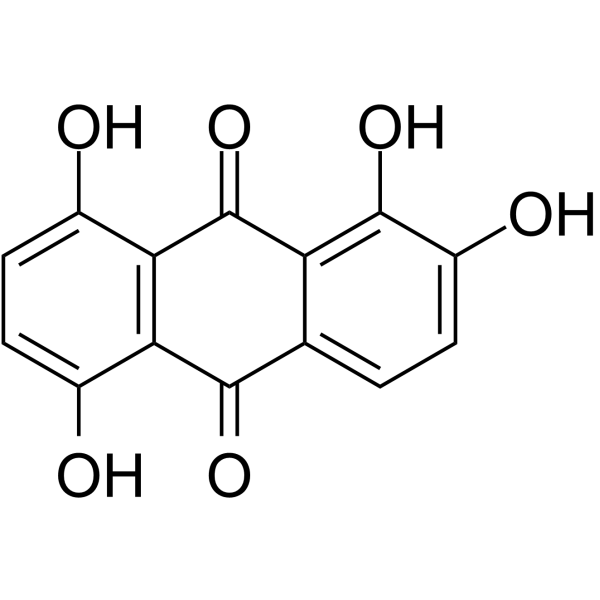 0 ImagesQuinalizarin is a protein kinase CK2 inhibitor with a Ki of 0.052 μM. Quinalizarin exhibits antifungal and anticancer activities. Quinalizarin induces ROS production, apoptotic signaling, mitochondrial pathway activation, cell cycle arrest, and cytotoxicity in cancer cells. Quinalizarin inhibits hyphal growth, biofilm formation, and mature biofilm integrity of Candida albicans. Quinalizarin can be used in research related to cancer and fungal infections.
-
Ergothioneine (Standard)
 0 ImagesDelphinidin-3-O-galactoside (chloride) (Standard) is the analytical standard of Delphinidin-3-O-galactoside (chloride). This product is intended for research and analytical applications. Delphinidin-3-O-galactoside (chloride) is an anthocyanin that extracts from wheat flour. Delphinidin-3-O-galactoside (chloride) can be used for the research of antioxidant and antimicrobial.
-
Benazepril hydrochloride
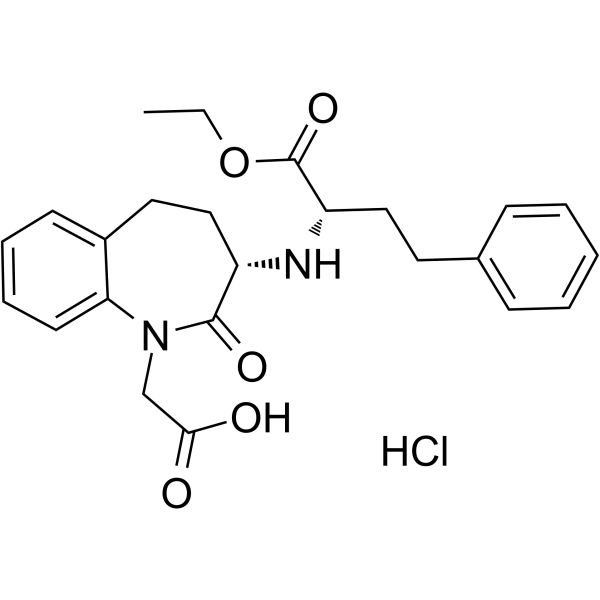 0 ImagesSynonyms: CGS14824ABenazepril (CGS14824A) hydrochloride is an orally active angiotensin-converting enzyme (ACE) inhibitor to reduce angiotensin-II production. Benazepril hydrochloride inhibits oxidative stress and inhibits apoptosis by the PI3K/Akt signaling pathway. In addition, Benazepril hydrochloride improves diabetic nephropathy and decreases proteinuria. Benazepril hydrochloride can be used in the study of hypertension, heart failure and diabetic nephropathy.
-
(+)-Medioresinol
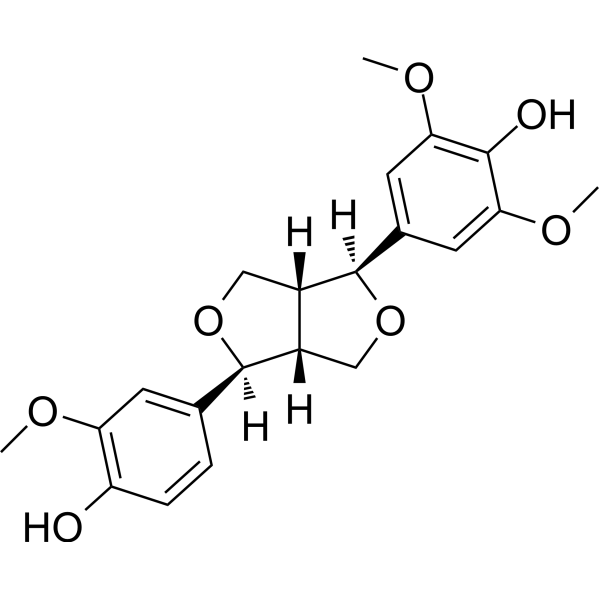 0 Images(+)-Medioresinol is a furofuran-type lignan with antifungal and antibacterial properties. (+)-Medioresinol synergizes with antibiotics to exert antimicrobial and antibiofilm effects. (+)-Medioresinol induces intracellular ROS accumulation and mitochondrial-mediated apoptosis in Candida albicans. (+)-Medioresinol inhibits LPS (HY-D1056)-stimulated IL-12p40 production. (+)-Medioresinol is a PGC-1α activator that protects against endothelial cell pyroptosis in ischemic stroke via the PPARα-GOT1 axis. (+)-Medioresinol can be used in research on fungal and bacterial infection, inflammation, and ischemic stroke.
-
(2S)-2'-Methoxykurarinone
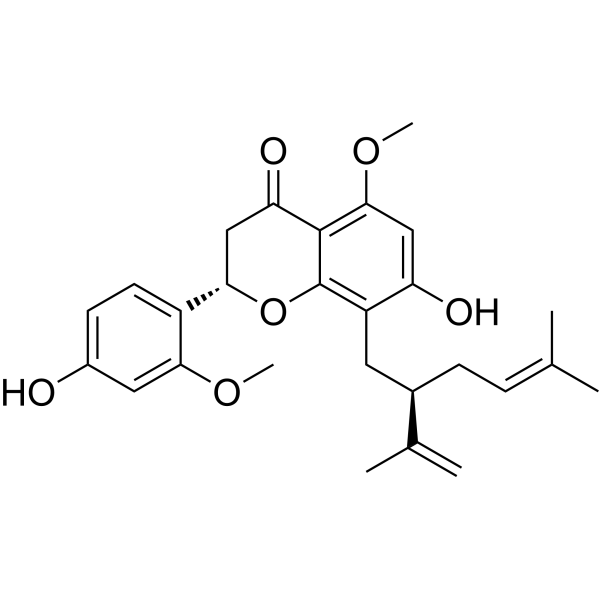 0 ImagesSynonyms: 2'-O-Methylkurarinone(2S)-2'-Methoxykurarinone (2'-O-Methylkurarinone) is a flavanone natural product found in the roots of Sophora flavescens, possessing anti-sepsis, inhibitory effects on osteoclast differentiation and bone resorption, anti-inflammatory, and anti-Plasmodium activities. (2S)-2'-Methoxykurarinone exhibits an EC50 = 2.4 μM against the FCR-3 strain of Plasmodium falciparum. In sepsis models, (2S)-2'-Methoxykurarinone modulates immune cell function and inhibits inflammation and oxidative stress. In bone-related models, (2S)-2'-Methoxykurarinone blocks osteoclast differentiation and bone resorption, and inhibits RANKL-mediated Akt, p38, and JNK signaling pathways. In skin inflammation models, (2S)-2'-Methoxykurarinone inhibits NF-κB pathway activation, upregulates HO-1 expression, and suppresses CCL27 chemokine production in HaCaT cells. (2S)-2'-Methoxykurarinone is useful for research on osteoporosis, sepsis, inflammatory skin diseases (such as atopic dermatitis and allergic contact dermatitis), and malaria.
-
PTPσ Inhibitor, ISP
 0 ImagesCat. No.: HY-P5982PTPσ Inhibitor, ISP is a PTPσ intracellular wedge domain mimetic peptide containing a TAT cell-penetrating domain, which acts as a PTPσ inhibitor. PTPσ Inhibitor, ISP binds to and inhibits PTPσ, thereby relieving CSPG-mediated axonal growth inhibition. PTPσ Inhibitor, ISP enhances CSPG degradation by promoting the secretion of Cathepsin B or MMP-2, and promotes DRG axonal growth, OPC migration and remyelination. PTPσ Inhibitor, ISP promotes nerve regeneration and improves sensory, motor and urinary functions in animal models of spinal cord injury, dorsal root injury and multiple sclerosis. PTPσ Inhibitor, ISP also increases the phosphorylation of ERK and AKT in colorectal cancer cells. PTPσ Inhibitor, ISP can be used in studies related to PTPσ/CSPG signaling, nerve regeneration, demyelinating diseases and RAS/ERK signaling.




