Akt
PKB; Protein kinase B
Akt/PKB (Protein kinase B), a serine/threonine protein kinase with antiapoptotic activity, is one of the major downstream targets of PtdIns(3,4,5)P3 signaling pathway. It contains a pleckstrin homology domain (PH domain) that specifically binds PtdIns(3,4,5)P3 on the plasma membrane. Akt phosphorylation and activation are directly determined by the level of PtdIns(3,4,5)P3 on the plasma membrane, which is regulated by PI3K.
Akt consists of three isoforms: PKBα/Akt1, PKBβ/Akt2 and PKBγ/Akt3. Akt isoforms have an N-terminal PH (pleckstrin homology) domain and a kinase domain, which are separated by a 39-amino-acid hinge region. Catalytically active Akt regulates the function of numerous substrates involved in cell survival, growth, proliferation, metabolism and protein synthesis.
Akt is a crucial mediator of cell survival and its deactivation is implicated in various stress-induced pathological cell death and degenerative diseases.
Akt Isoform Specific Products
All Product Categories
-
Akt Inhibitors
(1020)
View all products
-
Akt Agonists
(7)
View all products
-
Akt Activators
(301)
View all products
-
Akt Modulators
(25)
View all products
-
Akt Chemical
(1)
View all products
-
Akt Inducers
(9)
View all products
-
Akt Degraders
(11)
View all products
-
Akt Control
(1)
View all products
-
Akt Substrate
(1)
View all products
-
Akt Ligands
(6)
View all products
-
AKT Serine/Threonine Kinase 2 (AKT2) Proteins
(5)
View all products
-
AKT Serine/Threonine Kinase 3 (AKT3) Proteins
(6)
View all products
-
Akt Related Products (1489)
Related Products (1489)

-
Recombinant Proteins (11)
-
Antibodies (11)
-
Akt Isoform Comparison
-
Momordicine I
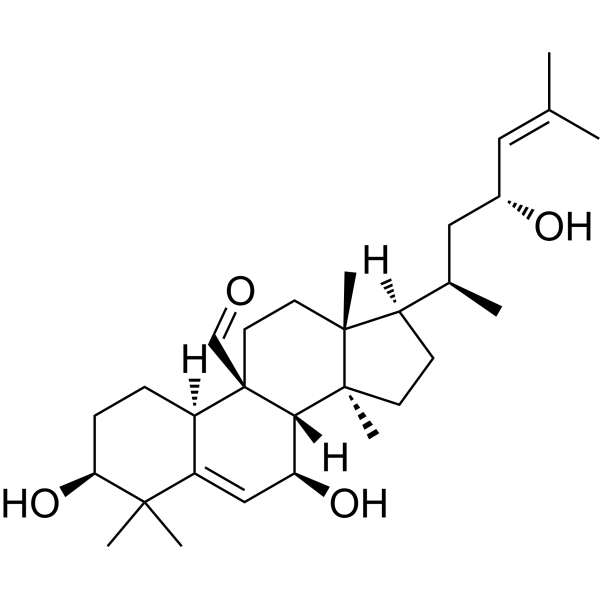 0 ImagesCat. No.: HY-122949CAS No.: 91590-76-0Momordicine I is a cucurbitane-type triterpenoids. Momordicine I suppresses glioma growth by promoting apoptosis and impairing mitochondrial oxidative phosphorylation. Momordicine I inhibits glycolysis, lipid metabolism, induces autophagy in HNC cells to suppress head and neck cancer growth. Momordicine I alleviates isoproterenol-induced cardiomyocyte hypertrophy through suppression of PLA2G6 and DGK-ζ. Momordicine I exerts its cardiovascular benefits by upregulating nitric oxide, inhibiting the activity of angiotensin-converting enzyme (ACE), activating the PI3K/Akt pathway, reducing oxidative stress and inflammation. Momordicine I inhibits AKT1, IL-6, and SRC, suggesting its potential application in type 2 diabetes.
-
Hordenine hydrochloride
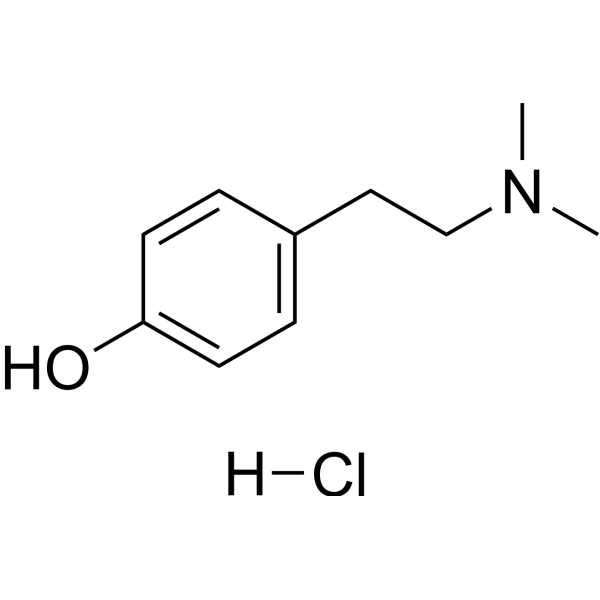 0 ImagesSynonyms: Ordenina hydrochloride; Peyocactine hydrochlorideHordenine hydrochloride (Ordenina hydrochloride; Peyocactine hydrochloride) is a multifunctional alkaloid with oral activity and blood-brain barrier penetration. Hordenine hydrochloride inhibits LPS-induced phosphorylation of p38, JNK, ERK1/2, p65, IκB, and AKT, prevents p65 nuclear translocation, and suppresses inflammatory cytokines and mediators. Hordenine hydrochloride promotes M2 macrophage polarization, restores blood-milk barrier integrity, alleviates oxidative stress by reducing ROS and MDA, and attenuates LPS-induced lung injury and pulmonary edema. Hordenine hydrochloride inhibits cAMP production, CREB phosphorylation, and MITF expression, thereby suppressing melanin synthesis in melanocytes and reconstructed epidermis. Hordenine hydrochloride activates the Wnt/β-catenin signaling pathway, promotes dermal papilla cell proliferation and hair shaft elongation, and accelerates hair regeneration. Hordenine hydrochloride activates DRD2, acts as a D3R partial agonist, α2A-AR full agonist, and 5-HT2A-R antagonist, and inhibits SERT and DAT. Hordenine hydrochloride inhibits α-synuclein accumulation and ameliorates motor deficits in Parkinson's disease models. Hordenine hydrochloride limits alcohol intake, reduces relapse drinking behavior, and modulates alcohol-induced conditioned place preference. Hordenine hydrochloride can be used for research on mastitis, skin pigmentation, acute lung injury, foodborne diseases, hair loss, Parkinson's disease, bacterial infections, and alcohol use disorder.
-
Stearamide (Standard)
 0 ImagesCat. No.: HY-W130610RCAS No.: 124-26-5Ginsenoside C-K (Standard) is the analytical standard of Ginsenoside C-K. This product is intended for research and analytical applications. Ginsenoside C-K, a bacterial metabolite of G-Rb1, exhibits anti-inflammatory effects by reducing iNOS and COX-2. Ginsenoside C-K exhibits an inhibition against the activity of CYP2C9 and CYP2A6 in human liver microsomes with IC50s of 32.0±3.6 μM and 63.6±4.2 μM, respectively.
-
Strictinin
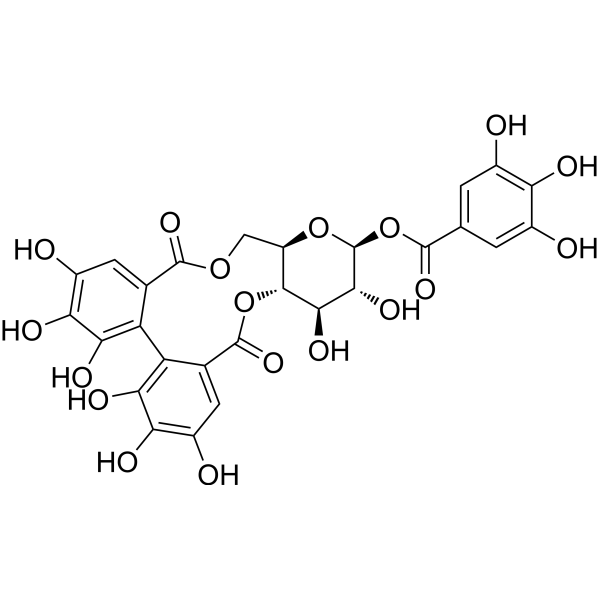 0 ImagesStrictinin is an orally active phenolic compound. Strictinin reduces xanthine oxidase activity, uric acid production, and the activation of ERK1/2, JNK, NF-κB, and NLRP3 inflammasome components in hepatocytes treated with Xanthine (HY-W017389). Strictinin decreases elevated serum uric acid levels and enhanced xanthine oxidase activity in mice treated with potassium oxonate. Strictinin acts as a ROR1 inhibitor and exhibits anticancer activity against highly aggressive non-androgen-dependent prostate cancer. Strictinin induces cancer cell apoptosis (apoptosis), arrests cell cycle, and inhibits cancer cell migration, invasion, and epithelial-mesenchymal transition. Strictinin modulates gut microbiota, inhibits bacterial growth and biofilm formation, accelerates small intestinal transit, and blocks viral entry and replication. Strictinin can be used in research related to hyperuricemia, androgen receptor-negative non-androgen-dependent prostate cancer, triple-negative breast cancer, bacterial infections, constipation, coronavirus infections, dental caries, and infections caused by influenza A, influenza B, and human parainfluenza virus type 1.
-
YHV98-4
 0 ImagesYHV98-4 is a selective, blood-brain barrier-permeable Hv1 inhibitor with an IC50 of 0.7 μM. YHV98-4 reduces ROS production and restores the SHP-1-pAKT signaling pathway. YHV98-4 decreases the spread of hyperphosphorylated Tau protein. YHV98-4 alleviates inflammation and produces analgesic effects. YHV98-4 improves cognitive function in mouse models of Alzheimer's disease. YHV98-4 can be used in research related to inflammatory pain, neuropathic pain and Alzheimer's disease.
-
Pegloxenatide
 0 ImagesCat. No.: HY-P3491CAS No.: 2420483-82-3Synonyms: Polyethylene glycol loxenatide; PEX 168Pegloxenatide (Polyethylene glycol loxenatide) is a long-acting glucagon-like peptide-1 receptor (GLP-1RA) agonist. Pegloxenatide has various activities such as lowering blood glucose, lowering blood lipids, improving body weight, anti-inflammation, promoting wound healing, protecting the liver, and protecting the heart. Pegloxenatide can be used in the research of type 2 diabetes and its multiple complications.
-
Hordenine-d6
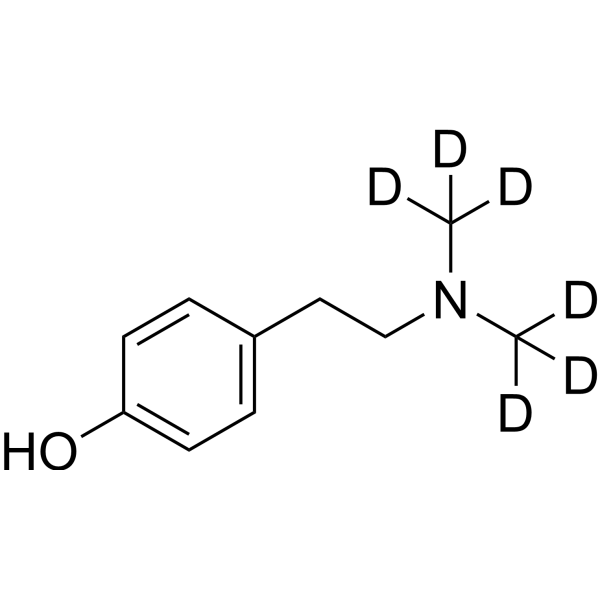 0 ImagesSynonyms: Ordenina-d6; Peyocactine-d6Hordenine-d6 (Ordenina-d6; Peyocactine-d6) is the deuterated-labeled Hordenine (HY-N0113). Hordenine (Ordenina; Peyocactine) is a multifunctional alkaloid with oral activity and blood-brain barrier penetration. Hordenine inhibits LPS-induced phosphorylation of p38, JNK, ERK1/2, p65, IκB, and AKT, prevents p65 nuclear translocation, and suppresses inflammatory cytokines and mediators. Hordenine promotes M2 macrophage polarization, restores blood-milk barrier integrity, alleviates oxidative stress by reducing ROS and MDA, and attenuates LPS-induced lung injury and pulmonary edema. Hordenine inhibits cAMP production, CREB phosphorylation, and MITF expression, thereby suppressing melanin synthesis in melanocytes and reconstructed epidermis. Hordenine activates the Wnt/β-catenin signaling pathway, promotes dermal papilla cell proliferation and hair shaft elongation, and accelerates hair regeneration. Hordenine activates DRD2, acts as a D3R partial agonist, α2A-AR full agonist, and 5-HT2A-R antagonist, and inhibits SERT and DAT. Hordenine inhibits α-synuclein accumulation and ameliorates motor deficits in Parkinson's disease models. Hordenine limits alcohol intake, reduces relapse drinking behavior, and modulates alcohol-induced conditioned place preference. Hordenine can be used for research on mastitis, skin pigmentation, acute lung injury, foodborne diseases, hair loss, Parkinson's disease, bacterial infections, and alcohol use disorder.
-
Pterosin A
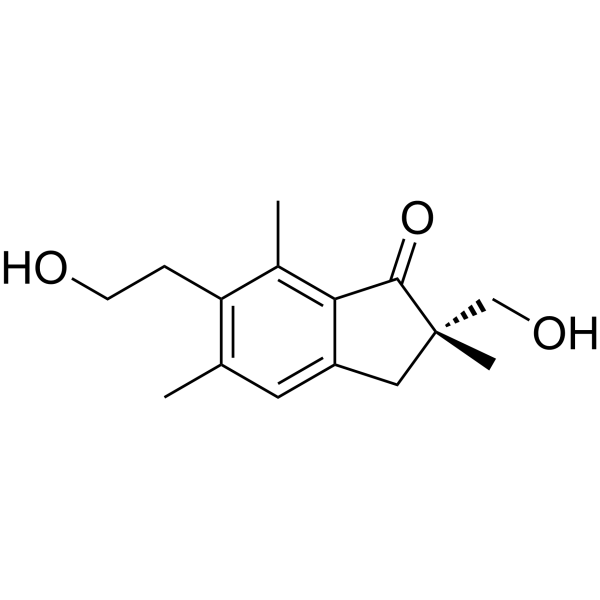 0 ImagesCat. No.: HY-N7912CAS No.: 35910-16-8Synonyms: (2S)-Pterosin APterosin A ((2S)-Pterosin A) is a sesquiterpene compound. Pterosin A is an orally active AMPK activator with anti-diabetic effect. Pterosin A can promote glucose uptake, increase serum insulin, and improve hyperglycemia and glucose intolerance. Pterosin A can prevent insulin-secreting cells death and reduce ROS production. Pterosin A can be used for the research of metabolic disease, such as diabetes.
-
pan-KRAS-IN-5
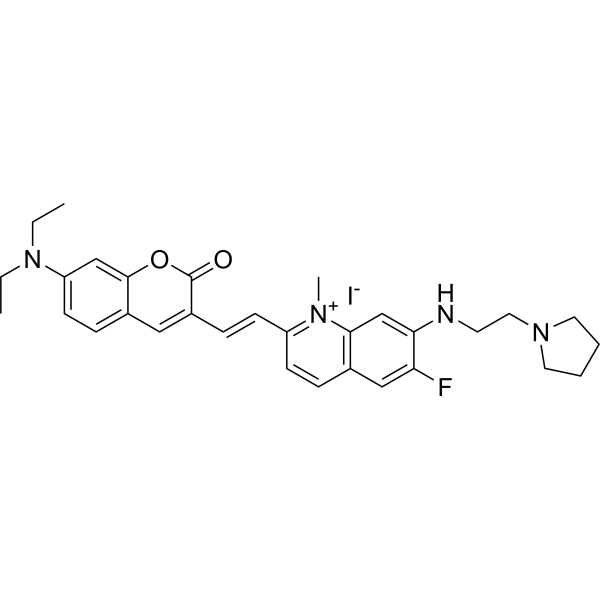 0 ImagesCat. No.: HY-163299CAS No.: 3027172-23-9pan-KRAS-IN-5 is a pan-KRAS translation inhibitor by targeting 5′-UTR RNA G-quadruplexes (rG4s). pan-KRAS-IN-5 strongly binds to and stabilizes KRAS rG4s, inhibits KRAS translation, and blocks the MAPK and PI3K-AKT pathways. pan-KRAS-IN-5 induces cell cycle arrest, prompts apoptosis in KRAS-driven cancer cells. pan-KRAS-IN-5 inhibits tumor growth and KRAS expression in KRAS-mutant xenograft. KRAS-IN-5 can be used for KRAS-driven cancer research.
-
Coelonin
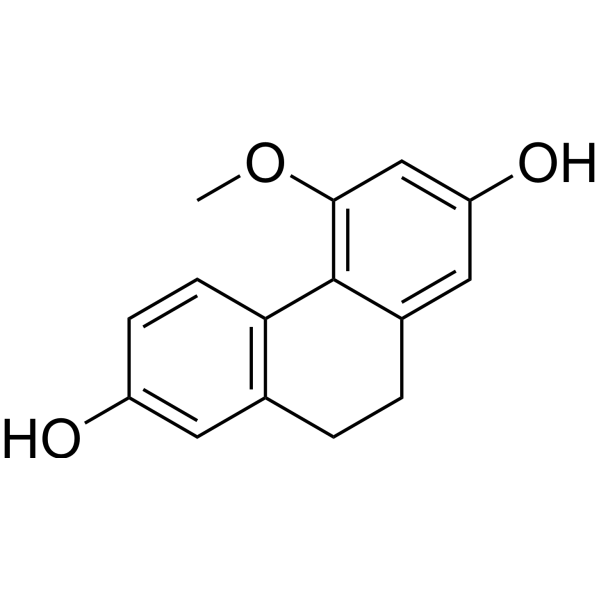 0 ImagesCoelonin is a dihydrophenanthrene with anti-inflammation activity. Coelonin inhibits LPS-induced PTEN phosphorylation. Coelonin inhibits NF-κB activation and p27Kip1 degradation by regulating the PI3K/AKT pathway negatively. Coelonin can inhibit IκBα phosphorylation and degradation and increases the expression of IκBα protein.
-
Chrysotoxine
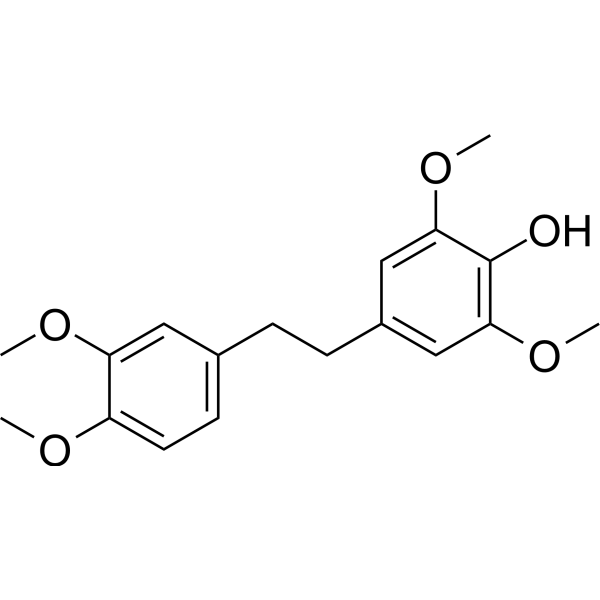 0 ImagesChrysotoxine is a dual inhibitor of Src/Akt. Chrysotoxine suppresses cancer stem cells (CSCs) phenotypes by down-regulating Src/Akt signaling. Chrysotoxine reduces cell viability and increases apoptosis level in H460 and H23 cells instead of non-tumor cell lines. Chrysotoxine shows rapid excretion and low bioavailability in rats. Chrysotoxine is used in cancer research.
-
Phellodendrine
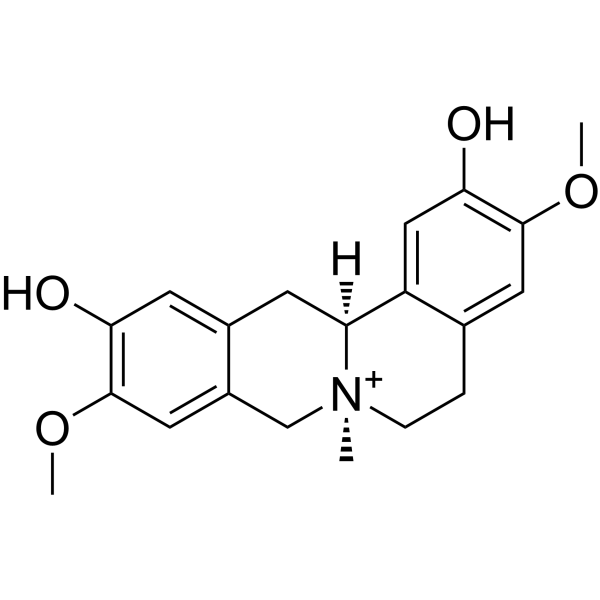 0 ImagesPhellodendrine is an orally active plant alkaloid. Phellodendrine inhibits the proliferation of KRAS-mutated pancreatic cancer cells by suppressing macropinocytosis and glutamine metabolism, inducing ROS accumulation and mitochondrial apoptosis. Phellodendrine promotes autophagy by activating the AMPK/mTOR pathway, alleviating intestinal damage in ulcerative colitis. Phellodendrine can alleviate gouty arthritis by inhibiting the IL-6/STAT3 signaling pathway. Phellodendrine suppresses allergic reactions by altering the conformation of MRGPRB3/MRGPRX2 protein, thereby inhibiting the activation of PKC and subsequent downstream MAPK and NF-κB signaling. Phellodendrine inhibits the AKT/NF-κB pathway and down-regulates the expression of COX-2, thereby protecting zebrafish embryos from oxidative stress. Phellodendrine has an anti-major depressive disorder (MDD) effect by down-regulating CHRM1, HTR1A, and the PI3K/Akt signaling pathway.
-
Hyaluronic acid, low endotoxin
 0 ImagesSynonyms: Hyaluronan, low endotoxin; Hyaluronate, low endotoxinHyaluronic acid, low endotoxin (Hyaluronan, low endotoxin) is a biopolymer composed of repeating disaccharide units containing low levels of endotoxin. Hyaluronic acid is a major component of the extracellular matrix (ECM). It is synthesized on the plasma membrane. Hyaluronic acid exerts its effects by binding to receptors CD44 and RHAMM. Hyaluronic acid activates PI3K-Akt signaling. Hyaluronic acid also enhances cell invasion and angiogenesis by promoting or stimulating the binding of proteolytic MMP-9 to the cell surface. Elevated hyaluronic acid levels are associated with tumor cell growth, adhesion, migration, invasion, and angiogenesis in digestive system cancers. Hyaluronic acid is involved in tissue remodeling and rapid cell proliferation in several physiological processes, including embryonic morphogenesis and wound healing. Hyaluronic acid can be used as a regulator of cancer-associated lymphangiogenesis. Hyaluronic acid can be used as a drug delivery carrier for sodium butyrate, enhancing its anti-proliferative activity against breast cancer cell lines. Hyaluronic acid can lubricate the corneal endothelium. Hyaluronic acid can improve tissue hydration and enhance the resistance of cells to mechanical damage. Hyaluronic acid has been conjugated with antibodies to ensure that the active compound continues to exert its effects at the site of inflammation. Hyaluronic acid can be used in research in the fields of osteoarthritis, ophthalmology, cosmetic dermatology, oncology, and liver diseases.
-
Ceramide (Egg)
 0 ImagesSynonyms: Ceramide (Egg, Chicken)Ceramide (Egg) (Ceramide (Egg, Chicken)) is a ceramide from chicken. Ceramide (Egg) is a sphingomyelin signaling pathway second messenger. Ceramide (Egg) activates PP2A, JNK, p38 MAPK, CAPK, ceramide-activated protein phosphatase, Vav, PKCζ, and SAPK/JNK cascade. Ceramide (Egg) downregulates or inhibits AKT, survivin, CDK2, mTOR, and FLIP. Ceramide (Egg) mediates apoptosis, autophagy, cell cycle arrest, mitochondrial dysfunction, redox state shifts, and ROS generation. Ceramide (Egg) can be used for the research of cancer and neurological disease.
-
6-Demethoxytangeretin
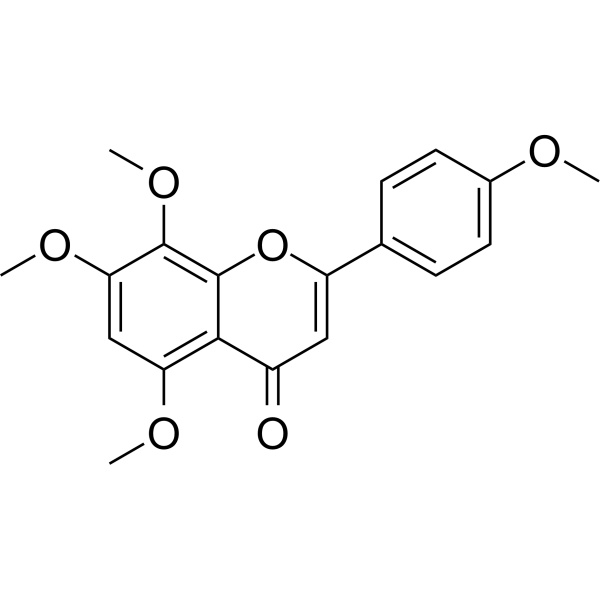 0 Images6-Demethoxytangeretin is a flavonoid compound that can be isolated from Citrus reticulata. 6-Demethoxytangeretin has anti-inflammatory and anti-allergic activities and can inhibit the production of IL-6 and the expression of related genes in human mast cells through the ALK and MAPK pathways. 6-Demethoxytangeretin can promote CRE-mediated transcription in hippocampal neurons.
-
MARY15
 0 ImagesMARY15 is a pyridinylpiperazine-based derivative of MARY1. MARY15 activates uncoupled mitochondrial respiration and upregulates p-AKT (S473) phosphorylation in renal proximal tubule cells.
-
KS-133
 0 ImagesKS-133 is a bicyclic peptide with VIPR2 antagonistic activity that can cross the blood-brain barrier. KS-133 selectively blocks VIPR2-mediated Gq/Ca, Gs/cAMP, cAMP/PKA/ERK and PI3K/AKT/GSK3β signaling pathways. KS-133 inhibits VIPR2 agonist-induced CREB phosphorylation in the prefrontal cortex of mice. KS-133 shifts the polarization direction of macrophages toward M1. KS-133 attenuates cancer cell proliferation and reduces the cell cycle distribution level at the S-M phase. KS-133 exerts antitumor effects in a mouse model of colorectal cancer. KS-133 reverses cognitive decline in mouse models of psychiatric disorders. KS-133 can be used for research related to schizophrenia, colorectal cancer and breast cancer.
-
STA-013
 0 ImagesCat. No.: HY-179572Purity: 99.18%STA-013 is a EphB tyrosine kinase inhibitor. STA-013 shows promising potency against EphB1 (IC50 = 0.69 µM), EphB2 (IC50 = 1.73 µM), and EphB4 (IC50 = 1.02 µM) tyrosine kinases. STA-013 results a inhibition of the EphB phosphorylated signal, coupled with increased p-AKT/AKT signaling, to suggest insulin signaling activation. STA-013 inhibits EphB tyrosine kinase by enhancing insulin receptor beta (IRβ) signaling, and decreasing TGF-β levels in the heart. STA-013 can be used for the study of type 2 diabetes and cardiac complications (diabetic cardiomyopathy).