



Caspase
Caspase Isoform Specific Products
-
Caspase 1
(81)
View all products
-
Caspase 2
(11)
View all products
-
Caspase 3
(563)
View all products
-
Caspase 4
(11)
View all products
-
Caspase 5
(5)
View all products
-
Caspase 6
(12)
View all products
-
Caspase 7
(110)
View all products
-
Caspase 8
(113)
View all products
-
Caspase 9
(197)
View all products
-
Caspase 10
(6)
View all products
-
Caspase 12
(3)
View all products
-
Caspase
(600)
View all products
-
Caspase 11
(2)
View all products
-
Caspase-13
(1)
View all products
All Product Categories
-
Caspase Inhibitors
(448)
View all products
-
Caspase Agonists
(41)
View all products
-
Caspase Activators
(646)
View all products
-
Caspase Modulators
(48)
View all products
-
Caspase Chemicals
(4)
View all products
-
Caspase MDM2 Inhibitor
(1)
View all products
-
Caspase Inducers
(49)
View all products
-
Caspase Degrader
(1)
View all products
-
Caspase Control
(1)
View all products
-
Caspase Substrates
(4)
View all products
-
Caspase Proteins
(10)
View all products
-
Caspase-1 Proteins
(3)
View all products
-
Caspase-3 Proteins
(3)
View all products
-
Caspase 7 Proteins
(1)
View all products
-
Caspase-8 Proteins
(1)
View all products
-
Caspase-10 Proteins
(1)
View all products
-
Caspase Related Products (1424)
Related Products (1424)

-
Recombinant Proteins (10)
-
Antibodies (35)
-
Caspase Signaling Pathway
-
Caspase Isoform Comparison
-
Casp2 Mouse Pre-designed siRNA Set A
 0 ImagesCat. No.: HY-RS01950
Casp2 Mouse Pre-designed siRNA Set A contains three designed siRNAs for Casp2 gene (Mouse), as well as a negative control, a positive control, and a FAM-labeled negative control.
-
Relaxin H3 (human)
 0 ImagesCat. No.: HY-P4890CAS No.: 1158181-62-4Relaxin H3 (human) is a relaxin peptide with anti-inflammatory, anti-apoptotic, anti-pyroptotic, anti-migratory, protective and anti-fibrotic activities. Relaxin H3 (human) acts on RXFP1 to generate cAMP and reduce the levels of ATP and ROS. Relaxin H3 (human) inhibits renal inflammatory pyroptosis (pyroptosis), NLRP3 inflammasome activation, caspase-1 activation, IL-1β/IL-18 secretion, collagen synthesis, TGF-β1 signaling pathway, Smad2 phosphorylation, myofibroblast differentiation, TIMP expression, and HRMEC migration. Relaxin H3 (human) activates AMPK, upregulates MFN2 expression, improves mitochondrial quality control and membrane potential, inhibits apoptosis (apoptosis) and pyroptosis, restores retinal ultrastructure, and reverses excessive left ventricular collagen expression. Relaxin H3 (human) can be used in studies related to kidney stones, nephrocalcinosis, diabetic cardiomyopathy, fibrotic cardiomyopathy, and diabetic retinopathy.
-
Ganoderic acid Mk
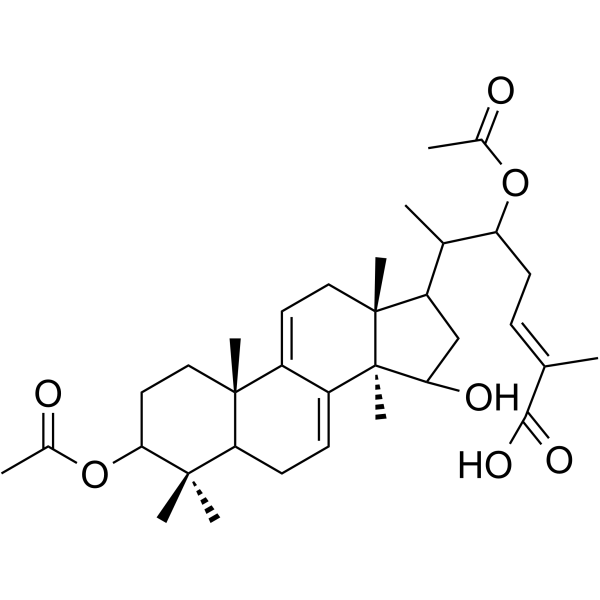 0 ImagesCat. No.: HY-N11643CAS No.: 110024-14-1Synonyms: GA-MkGanoderic acid Mk (GA-Mk) is a triterpenoid acid, that can be isolated from the mycelia of Ganoderma lucidum. Ganoderic acid Mk is efficiently anti-proliferative and can induce apoptosis of HeLa cells by mitochondria-mediated pathway. Ganoderic acid Mk can be used for cervical cancer research.
-
Dihydrocapsaicin-d3
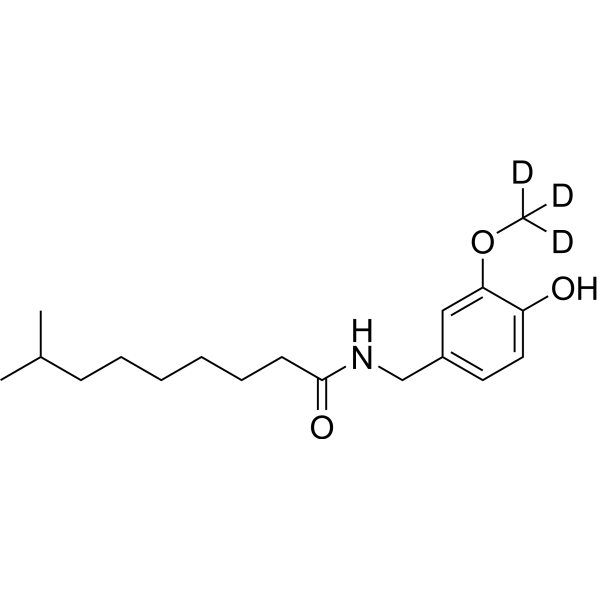 0 ImagesCat. No.: HY-N0361SCAS No.: 1330261-21-6Dihydrocapsaicin-d3 is the deuterium labeled Dihydrocapsaicin (HY-N0361). Dihydrocapsaicin, a capsaicin, is a potent and selective TRPV1 (transient receptor potential vanilloid channel 1) agonist. Dihydrocapsaicin reduces AIF, Bax, and Caspase-3 expressions, and increased Bcl-2, Bcl-xL and p-Akt levels. Dihydrocapsaicin enhances the hypothermia-induced neuroprotection following ischemic stroke via PI3K/Akt regulation in rat.
-
Boc-AEVD-CHO TFA
 0 ImagesCat. No.: HY-P5834ABoc-AEVD-CHO TFA is a Caspase 8 inhibitor. Boc-AEVD-CHO TFA significantly increases the frequencies of Nocodazole (HY-13520) or methyl methane sulfonate (MMS) induced micronuclei (MN) and micronucleated binucleates (MNCB) in PBMC by inhibiting cell apoptosis. Boc-AEVD-CHO TFA can be used for immune and inflammatory diseases research.
-
Mca-VDQVDGW-Lys(Dnp)-NH2
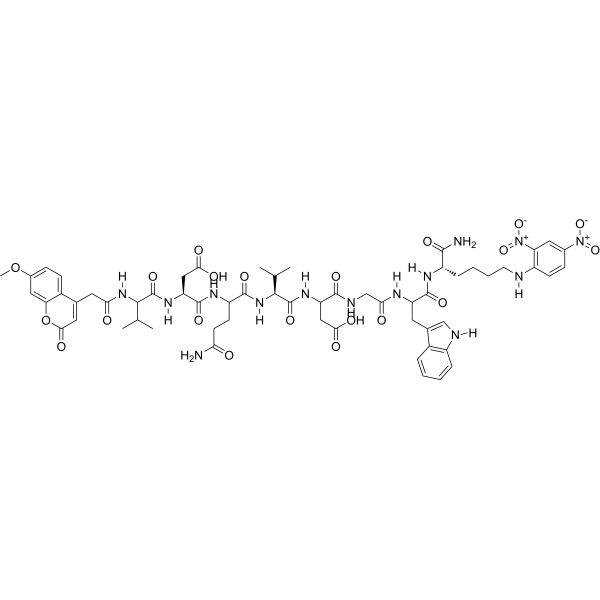 0 ImagesCat. No.: HY-P3476Mca-VDQVDGW-Lys(Dnp)-NH2 is a fluorogenic substrate of caspase-7. Mca-VDQVDGW-K(Dnp)-NH2 can be used to quantify caspase-7 activity.
-
CASP4 Human Pre-designed siRNA Set A
 0 ImagesCat. No.: HY-RS01955
CASP4 Human Pre-designed siRNA Set A contains three designed siRNAs for CASP4 gene (Human), as well as a negative control, a positive control, and a FAM-labeled negative control.
-
Ac-LEVDGWK(Dnp)-NH2
 0 ImagesCat. No.: HY-P10452CAS No.: 400727-81-3
-
Z-VEID-AFC TFA
 0 ImagesCat. No.: HY-P4401AZ-VEID-AFC TFA is the trifluoroacetate salt of Z-VEID-AFC (HY-P4401). Z-VEID-AFC TFA is a fluorescent substrate for caspase-6. When Z-VEID-AFC TFA is cleaved by caspase-6, 7-amino-4-trifluoromethylcoumarin (AFC) is released, and its fluorescence can be used to quantify caspase-6 activity (Ex/Em: 400/505 nm) .
-
FLC-8
 0 ImagesCat. No.: HY-182937CAS No.: 3100242-36-9FLC-8 is an orally active FLT3 inhibitor with IC50 values of 10.2 nM, 11.6 nM and 24.10 nM against human FLT3-WT, FLT3-G697R and FLT3-N676D, respectively. FLC-8 inhibits FLT3 autophosphorylation and downstream STAT5, AKT and ERK signaling pathways, and induces apoptosis in acute myeloid leukemia (AML) cells. FLC-8 exhibits potent antitumor activity in the MV4-11 xenograft model. FLC-8 can be used for the research of acute myeloid leukemia.
-
MN33-47
 0 ImagesCat. No.: HY-182759MN33-47 is a multi-target anti-tumor compound with broad-spectrum anti-proliferative activity. MN33-47 relieves the inhibition of the mitochondrial apoptosis pathway by downregulating the anti-apoptotic protein Bcl-2, while activating caspase-3 and inhibiting Topoisomerase I activity, thereby promoting its degradation through the ubiquitin-proteasome and autophagy-lysosome pathways. MN33-47 can also induce DNA cross-linking and G2/M cell cycle arrest, inhibit cancer cell migration and activate the mitochondrial apoptosis pathway, thus exerting potent anti-tumor effects. MN33-47 can improve the water solubility of SN-38 (HY-13704), and exhibits dose-dependent tumor growth inhibition effects in CT26 tumor-bearing mouse models without obvious toxic and side effects. MN33-47 can be used in related studies on colorectal adenocarcinoma, cervical adenocarcinoma, hepatocellular carcinoma, alveolar basal epithelial adenocarcinoma, gastric cancer and colon cancer.
-
ATWLPPRAANLLMAAS
 0 ImagesCat. No.: HY-P10832CAS No.: 1228447-26-4ATWLPPRAANLLMAAS is a chimeric peptide with anti-angiogenic and potent anti-tumor effects. ATWLPPRAANLLMAAS can inhibit the proliferation, viability, migration, and invasion of human hepatocellular carcinoma cells, and induce apoptosis..
-
Z-VAD-AMC
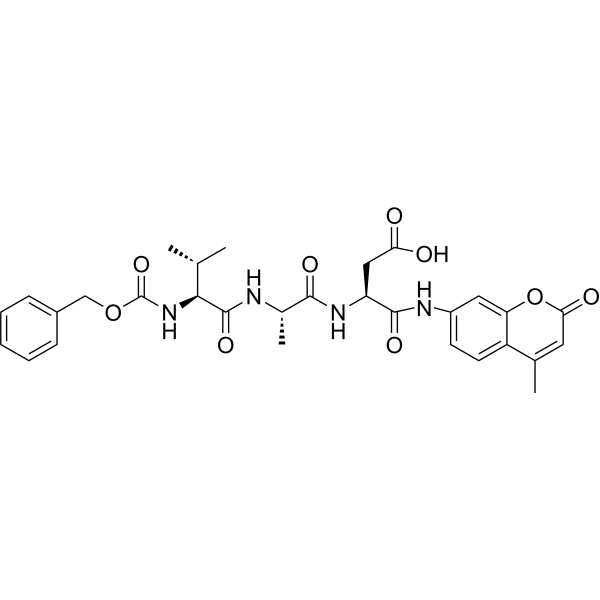 0 ImagesCat. No.: HY-P4392CAS No.: 219137-91-4Z-VAD-AMC is a substrate of caspase-9.
-
Deacetyltanghinin
 0 ImagesDeacetyltanghinin is a selective inhibitor targeting Na+/K+ ATPase, acting through non-covalent binding but is highly cardiotoxic. Deacetyltanghinin inhibits Na+/K+ ATPase activity, induces cancer cell apoptosis (involving caspase pathway activation), and at the same time affect the TXA2-PGI2 balance in the rabbit heart. Deacetyltanghinin has significant anti-cancer activity and is mainly used in the research field of targeted therapy of malignant tumors such as breast cancer and lung cancer. At the same time, attention should be paid to the regulation of its cardiotoxicity.
-
Aminoflavone
 0 ImagesCat. No.: HY-132974CAS No.: 165179-35-1Synonyms: NSC-686288Aminoflavone is an anti-tumor agent. Aminoflavone inhibits the expression of ITGA6/SOX2 by activating the AhR-miR-125b-2-3p axis, thereby targeting breast cancer stem cells. Aminoflavone induces an increase in intracellular ROS, increases the level of oxidative DNA damage marker 8-oxodG and DNA-protein cross-links. Aminoflavone causes S-phase arrest, activates caspase-3/8/9 and induces apoptosis (apoptosis). Aminoflavone inhibits HIF-1α expression in a manner independent of AhR. Aminoflavone can be used for the study of breast cancer.
-
Ac-LEHD-CHO
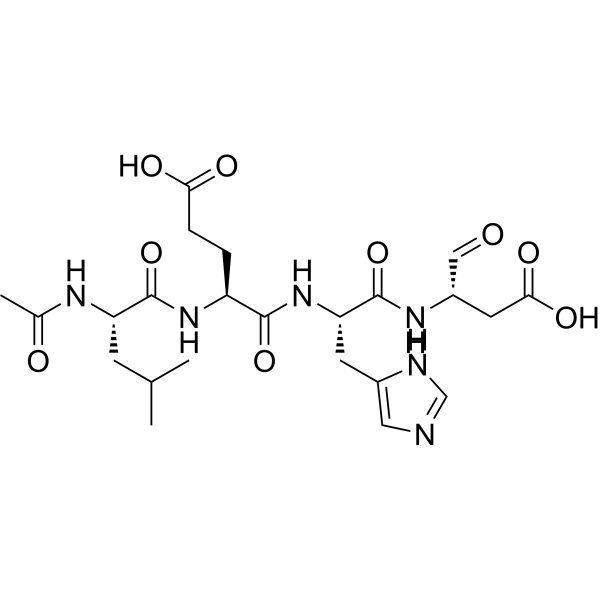 0 ImagesCat. No.: HY-P10241CAS No.: 319494-38-7Ac-LEHD-CHO is an inhibitor for caspase 8/9. Ac-LEHD-CHO prevents GalN/TNF-α-induced hepatotoxicity and hepatocyte apoptosis.
-
Sodium acetate trihydrate, United States Pharmacopeia (USP) Reference Standard
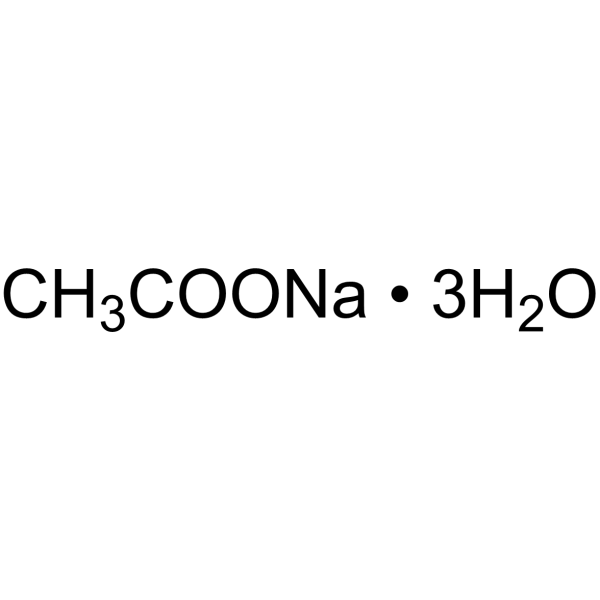 0 ImagesSynonyms: Sodium acetate trihydrate (Pharmaceutical primary standard, USP)Sodium acetate trihydrate, United States Pharmacopeia (USP) Reference Standard (Sodium acetate trihydrate (Pharmaceutical primary standard, USP)) is a carboxylic acid and short-chain fatty acid (SCFAs). Sodium acetate trihydrate activates AMPK, increases ROS, cleaved caspase 9, PPARα, downregulates SREBP-1c, ChREBP expression. Sodium acetate trihydrate exhibits antifungal activity against Saccharomyces cerevisiae W303-1A. Sodium acetate trihydrate regulates energy metabolism. Sodium acetate trihydrate has anticancer activity against gastric cancer. Sodium acetate trihydrate induces writhing reaction and ulcerative colitis. Sodium acetate trihydrate can be used in the researches for gastric cancer, ulcerative colitis, hepatic steatosis, and pain.
-
Tauroursodeoxycholate-d4-1
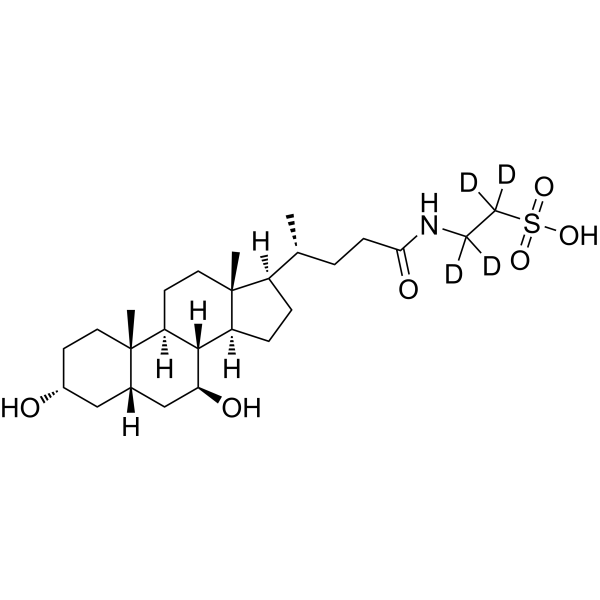 0 ImagesCat. No.: HY-19696S2CAS No.: 2573035-17-1Synonyms: Tauroursodeoxycholic acid-d4-1; TUDCA-d4-1; UR 906-d4-1Tauroursodeoxycholate-d4-1 is the deuterium labeled Tauroursodeoxycholate. Tauroursodeoxycholate (Tauroursodeoxycholic acid) is an endoplasmic reticulum (ER) stress inhibitor. Tauroursodeoxycholate significantly reduces expression of apoptosis molecules, such as caspase-3 and caspase-12. Tauroursodeoxycholate also inhibits ERK.
-
PARP1-IN-58
 0 ImagesCat. No.: HY-187473PARP1-IN-58 is a ROS-responsive prodrug constructed based on a natural stilbene scaffold, and its active parent nucleus 24c acts as a selective PARP-1 inhibitor. PARP1-IN-58 only hydrolyzes to release the active parent compound in the high-ROS microenvironment of tumors; the active parent compound competitively binds to PARP-1 and blocks DNA single-strand damage repair, upregulates intracellular ROS levels, reduces mitochondrial membrane potential, and thereby induces cell cycle arrest and mitochondria-dependent apoptosis. PARP1-IN-58 exerts potent proliferation-inhibiting effects on BRCA-deficient breast cancer cells under simulated tumor oxidative stress conditions, and exhibits tumor growth inhibitory activity in breast cancer xenograft models. PARP1-IN-58 can be used in cancer-related research.
-
Neosolaniol
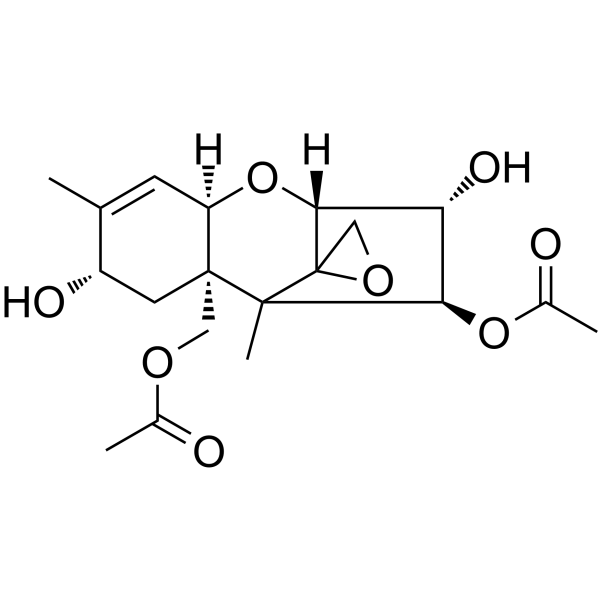 0 ImagesNeosolaniol is an orally active type A trichothecene mycotoxin, and it is a metabolite of T-2 Toxin (HY-N6792) in human cancer cells and renal epithelial cells. Neosolaniol targets Bax, Bcl-2, caspase 3, caspase 8, and cytochrome c, thereby inducing apoptosis, emesis and anorexia. Neosolaniol reduces intracellular ATP levels, elevates ROS levels, decreases mitochondrial membrane potential, induces mitochondrial damage, and exerts toxicity on Leydig cells. Neosolaniol downregulates the expression of intestinal tight junction proteins in broilers and increases the load of Salmonella enteritidis in the cecum of broilers. Neosolaniol can be used in research related to anorexia, lymphoma, Fusarium melonis rot, and Salmonella infection.




