



Ferroptosis
Ferroptosis
Ferroptosis is a non-apoptotic form of regulated cell death. It is distinct from other regulated cell death phenotypes, such as apoptosis and necroptosis. Ferroptosis is characterized by extensive lipid peroxidation, which can be suppressed by iron chelators or lipophilic antioxidants. Mechanistically, Ferroptosis inducers are divided into two classes: (1) inhibitors of cystine import via system xc− (e.g., Erastin), which subsequently causes depletion of glutathione (GSH), and (2) covalent inhibitors (e.g., (1S, 3R)-RSL3) of glutathione peroxidase 4 (GPX4). Since GPX4 reduces lipid hydroperoxides using GSH as a co-substrate, both compound classes ultimately result in loss of GPX4 activity, followed by elevated levels of lipid reactive oxygen species (ROS) and consequent cell death.
Ferroptosis is an iron- and ROS-dependent form of regulated cell death (RCD). Misregulated Ferroptosis has been implicated in multiple physiological and pathological processes, including cancer cell death, neurotoxicity, neurodegenerative diseases, acute renal failure, drug-induced hepatotoxicity, hepatic and heart ischemia/reperfusion injury, and T-cell immunity.
All Product Categories
-
Ferroptosis Related Products (771)
Related Products (771)

-
Antibodies (6)
-
Related Compound Screening Libraries (1)
-
Ferroptosis Signaling Pathway
-
SKLB-D18
 0 ImagesCat. No.: HY-173119Purity: 98.06%SKLB-D18 is an orally active ERK1/2/ERK5 inhibitor, with an IC50 of 38.69 nM and a Kd of 126.9 nM against human ERK1, an IC50 of 40.12 nM and a Kd of 209.8 nM against ERK2, and an IC50 of 59.72 nM and a Kd of 468.2 nM against ERK5. SKLB-D18 inhibits cancer cell proliferation, induces G0/G1 cell cycle arrest and apoptosis. SKLB-D18 reduces the levels of p-ERK5, p-RSKp90, p-c-Myc and c-Myc, and upregulates the level of p-ERK1/2, thereby inhibiting the ERK1/2/5 pathway in cells. SKLB-D18 increases LC3B-II accumulation, and decreases the levels of p62, p-mTOR and p-p70S6K. SKLB-D18 elevates the levels of ROS, lipid peroxidation and free ferrous ions, reduces the levels of NCOA4 and GPX4, and induces ferritin autophagy-dependent ferroptosis in cancer cells. SKLB-D18 exhibits antitumor activity in a triple-negative breast cancer xenograft mouse model. SKLB-D18 can be used in research related to triple-negative breast cancer.
-
4-Hydroxyestrone-d4
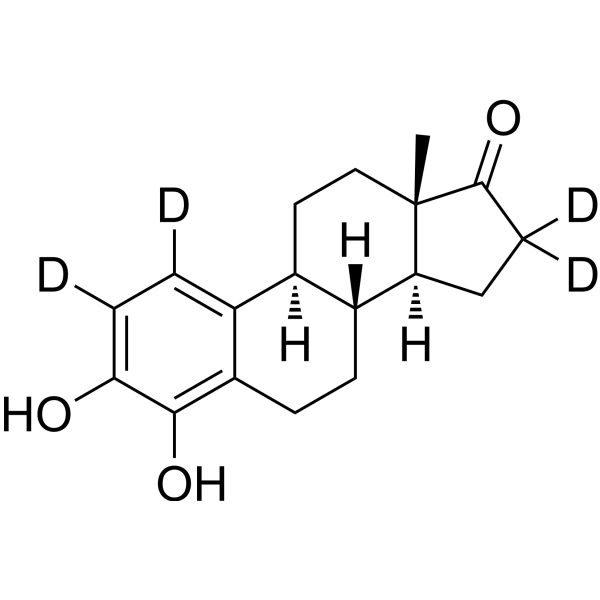 0 ImagesSynonyms: 4-OHE1-d44-Hydroxyestrone (4-OHE1)-d4 is the deuterium labeled 4-Hydroxyestrone (HY-W009300). 4-Hydroxyestrone is a brain-penetrant estrogen metabolite. 4-Hydroxyestrone shows neuroprotective effects involving increased cytoplasmic localization of p53 resulting from SIRT1-mediated p53 deacetylation. 4-Hydroxyestrone relies on PDI to mediate its protective effect against chemically induced ferroptosis in estrogen receptor-negative cancer cells. 4-Hydroxyestrone inhibits lipid peroxidation and lipid-ROS accumulation. 4-Hydroxyestrone blocks preovulatory luteinizing hormone surges in Rattus norvegicus. 4-Hydroxyestrone can be used for the researches of neurodegeneration, breast cancer and endocrine disease.
-
Trigonelline (Standard)
 0 ImagesTrigonelline (Standard) is the analytical standard of Trigonelline. This product is intended for research and analytical applications. Trigonelline is an alkaloid with potential antidiabetic activity that can be isolated from Trigonella foenum-graecum L or Leonurus artemisia. Trigonelline is a potent Nrf2 inhibitor that blocks Nrf2-dependent proteasome activity, thereby enhancing apoptosis in pancreatic cancer cells. Trigonelline also has anti-HSV-1, antibacterial, and antifungal activity and induces ferroptosis.
-
GPX4-IN-19
 0 ImagesGPX4-IN-19 is an effective GPX4 inhibitor (IC50 = 0.311 μM), covalently binds to the Sec 46 site of GPX4. GPX4-IN-19 shows strong anti-proliferative activity with high ferroptosis selectivity. GPX4-IN-19 causes intracellular Fe2+ accumulation, leading to increased levels of lipid peroxides (LPOs) and reactive oxygen species (ROS), which induces ferroptosis and subsequently results in DNA damage. GPX4-IN-19 can be used for the study of Triple-Negative Breast Cancer (TNBC).
-
Ethylenediaminetetraacetic acid trisodium salt
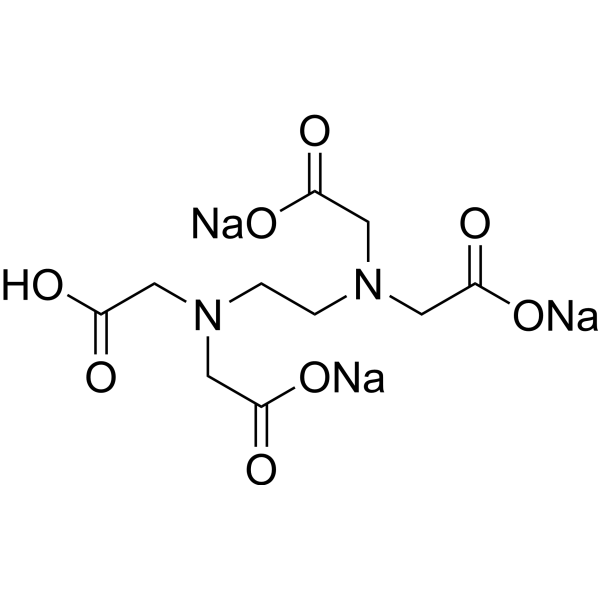 0 ImagesEthylenediaminetetraacetic acid trisodium salt (EDTA trisodium salt; Trisodium EDTA) is a kind of metal chelating agent (binds to bivalent and trivalent metal cations, including calcium). Ethylenediaminetetraacetic acid trisodium salt has antibacterial, anti-inflammatory, antioxidant, anti-hypercalcemia and anticoagulant activities. Ethylenediaminetetraacetic acid trisodium salt decreases the metal ion-catalyzed oxidative damage to proteins, and allows maintenance of reducing environment during protein purification. Ethylenediaminetetraacetic acid trisodium salt can alleviate the liver fibrosis. Ethylenediaminetetraacetic acid can be used for coronary artery disease and neural system disease research.
-
Deferitrin
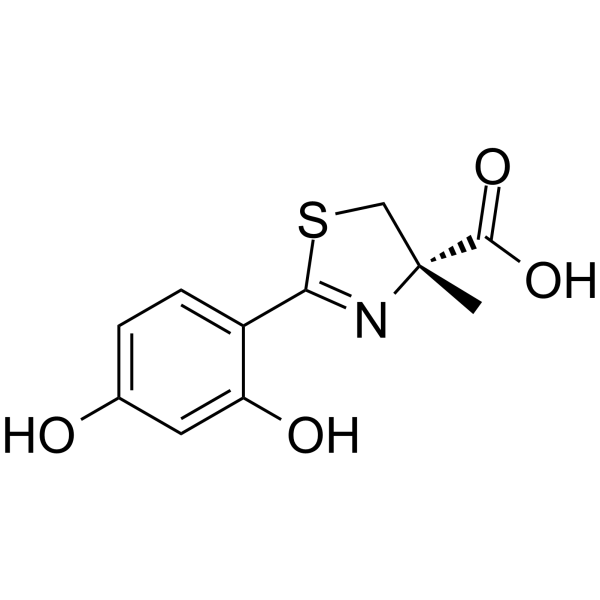 0 ImagesSynonyms: GT-56-252Deferitrin (GT-56-252), a desferrithiocin (DFT) analogue, is an orally active trident iron chelator. Deferitrin is used for chronic iron overload due to transfusional therapy. Deferitrin has the potential for beta-thalassemia major.
-
Ferroptosis inducer-1
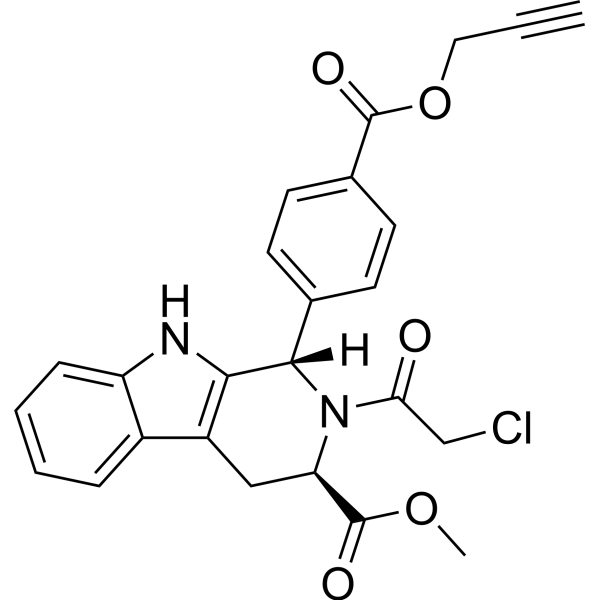 0 ImagesFerroptosis inducer-1 (compound BX-3a) is a Ferroptosis inducer with antitumor potential. Ferroptosis inducer-1 is a click chemistry reagent, it contains an Alkyne group and can undergo copper-catalyzed azide-alkyne cycloaddition (CuAAc) with molecules containing Azide groups.
-
Liposomal Coenzyme Q10
 0 ImagesCat. No.: HY-177839Purity: 98%Liposomal Coenzyme Q10 is an orally effective delivery system that encapsulates fat-soluble Coenzyme Q10 (CoQ10) (HY-N0111) via liposomal nanocarriers. Liposomal Coenzyme Q10 alleviates hepatic oxidative stress, attenuates hepatic inflammatory responses, reduces hepatocyte apoptosis, and ameliorates liver fibrosis. Liposomal Coenzyme Q10 activates the ferroptosis suppressor protein 1 (FSP1)/Coenzyme Q10 system, reduces the accumulation of malondialdehyde and ROS, and inhibits neuronal ferroptosis. Liposomal Coenzyme Q10 can be used in studies related to Propanoic acid (HY-W020017)-induced liver injury and subarachnoid hemorrhage.
-
LIBX-A402
 0 ImagesCat. No.: HY-175327Purity: 98.71%LIBX-A402 is a selective, ATP-dependent inhibitor of ACSL4 (hACSL4, IC50=0.33 μM, Kd=3.3 μM) and an inhibitor of ferroptosis. LIBX-A402 targets the fatty acid-binding pocket of ACSL4 and prevents cells from undergoing ferroptosis. LIBX-A402 can be used in the research of cancer and Parkinson's disease.
-
(1R,3S)-RSL3
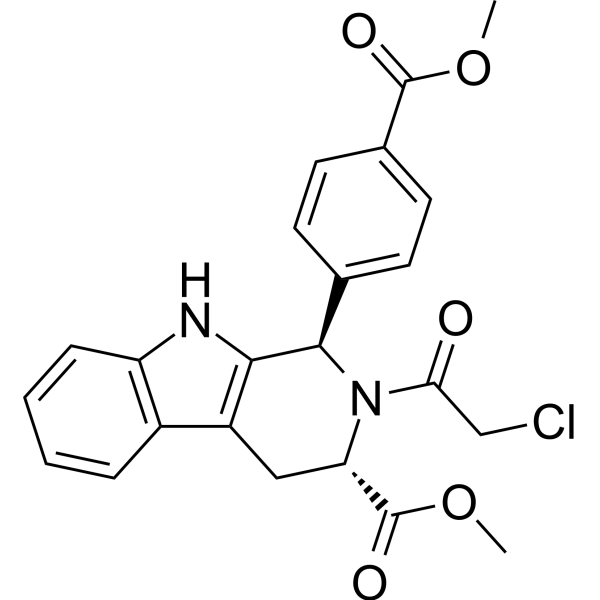 0 Images(1R,3S)-RSL3 is the less active (1R,3S)-enantiomer of RSL3 ((1S,3R)-RSL3). (1R,3S)-RSL3 and RSL3 induce cell death in HT22 wild-type cells with EC50 values of 5.2 µM and 0.004 µM, rspectively.
-
L-Glutamine-5-13C
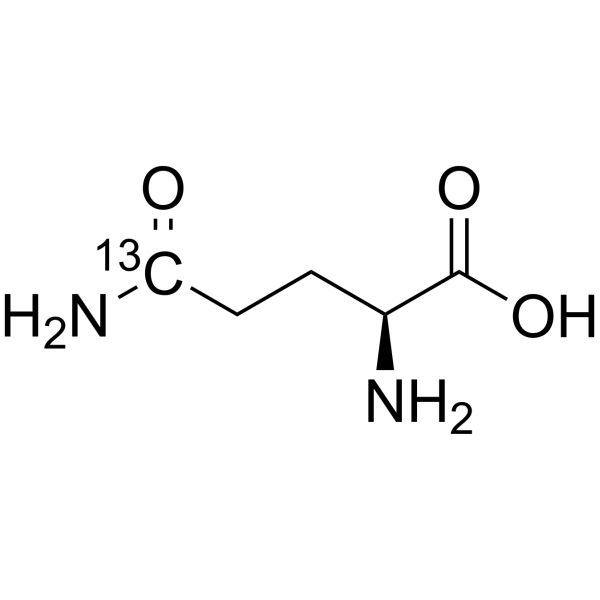 0 ImagesSynonyms: L-Glutamic acid 5-amide-5-13CL-Glutamine-5-13C is the 13C-labeled L-Glutamine (HY-N0390). L-Glutamine is an orally active nutritional agent and cellular metabolism regulator. L-Glutamine is taken up in a Na+-dependent manner and targets multiple key molecules including glutaminase, mTORC1, NF-κB, STAT-3 and HIF-1α. L-Glutamine enhances glutaminolytic catabolism, drives the conversion of glutamate to α-ketoglutarate, thereby regulating gene expression, integrating metabolic signals, mediating glutamine flux and maintaining redox homeostasis. L-Glutamine also promotes cell proliferation, osteogenic differentiation and fracture healing, exerts neuroprotective and cardioprotective effects, and inhibits osteoarthritis. L-Glutamine can be applied to research related to osteoporosis, osteoarthritis, ischemic stroke and acute cantharidin-induced cardiotoxicity.
-
NPD4928
 0 ImagesNPD4928, a GPX4 inhibitor, enhances RSL3 (HY-100218A)-dependent ferroptosis. NPD4928 binds to ferroptosis suppressor protein 1 (FSP1) and inhibits its enzymatic activity.
-
Nodosin
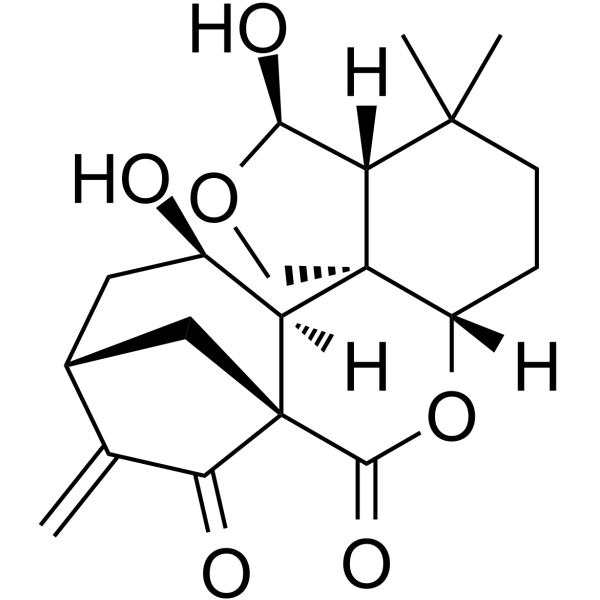 0 ImagesNodosin is an orally active diterpenoid compound that can be isolated from Isodon serra. Nodosin can inhibit the proliferation and induce cell cycle arrest and apoptosis of tumor cells. Nodosin can also inhibit oxidative stress, inflammatory responses, and ferroptosis. Nodosin has anti-inflammatory and anti-tumor activities.
-
Ferroptosis-IN-8
 0 ImagesFerroptosis-IN-8 is a potent ferroptosis inhibitor with an EC50 of 40.49 nM. Ferroptosis-IN-8 effectively reduces lipid ROS levels in cells. Ferroptosis-IN-8 act as an antioxidant by capturing lipid radicals, leading to a reduction in the accumulation of harmful lipid peroxides and, ultimately, inhibiting ferroptosis.
-
IM-93
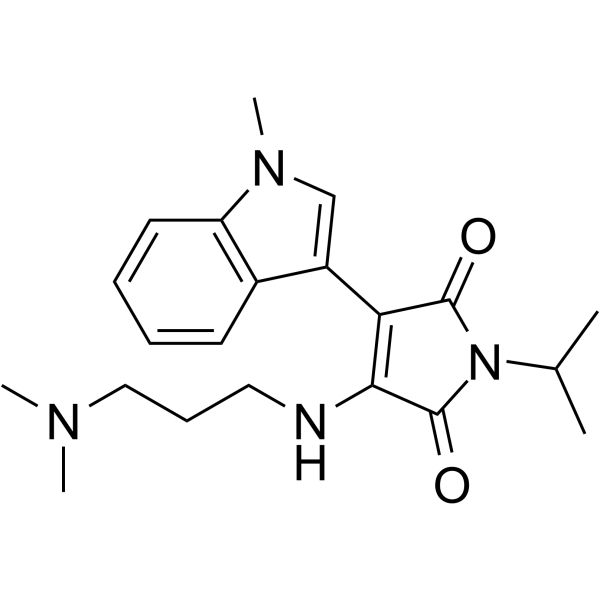 0 ImagesIM-93 inhibits ferroptosis and NETosis with an IC< sub>50 of 0.45 µM for cell death inhibition.
-
3-Hydroxyindole
 0 ImagesCat. No.: HY-W277951CAS No.: 480-93-33-Hydroxyindole is a hydroxyindole compound. 3-Hydroxyindole can be isolated from the fruits of Aristotelia chilensis. 3-Hydroxyindole inhibits Ferroptosis and scavenges DPPH free radicals. 3-Hydroxyindole protects against β-amyloid-induced toxicity. 3-Hydroxyindole exhibits antioxidant activity. 3-Hydroxyindole can be used in research related to neurodegenerative diseases.
-
trans-3-Indoleacrylic acid (Standard)
 0 Imagestrans-3-Indoleacrylic acid (Standard) is the analytical standard of trans-3-Indoleacrylic acid. This product is intended for research and analytical applications. Trans-3-Indoleacrylic acid is a tryptophan metabolite, which promotes tumor development through inhibition of RSL3 (HY-100218A) induced ferroptosis via AHR-ALDH1A3-FSP1-CoQ10 axis, and facilitates colorectal carcinogenesis[1]
-
DB0614
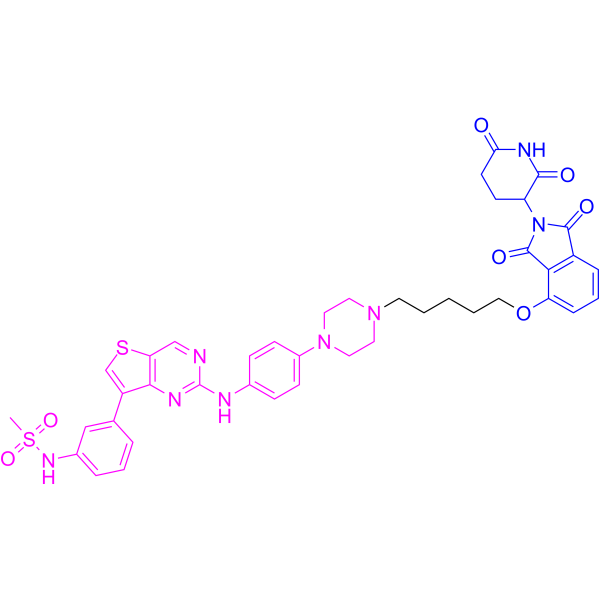 0 ImagesDB0614 is a PROTAC based on Cereblon ligand, which is a selective and potent targeted protein degrader of NEK9 inhibitor. DB0614 can degrade ABL1, ABL2, BLK, CDK11B, CDK4, CSK, EPHA3, FER, GAK, LIMK1, MAP3K20, MAP4K1, MAP4K2, MAP4K3, MAP4K5, MAPK14, MAPK7, MAPK8, MAPK9, MAPKAPK2, MAPKAPK3, NLK, PDIK1L, PTK2B, RIPK1, RPS6KA1, RPS6KA3, SIK2, SIK3, STK35, TNK2 and ULK1. DB0614 can be used for research of disease or disorder mediated by aberrant kinase activity.
-
JST-TfR09
 0 ImagesCat. No.: HY-P991381Purity: 99.59%Synonyms: PPMX-T003; TSP-A18JST‑TfR09 (PPMX‑T003) is a human monoclonal antibody (mAb) targeting transferrin receptor 1 (TfR1/CD71). JST‑TfR09 blocks the binding of transferrin to TfR1, inhibits TfR1 internalization, and suppresses cellular iron uptake. JST‑TfR09 triggers ferritin degradation via activating the autolysosomal system, promotes ROS production and lipid peroxidation, and ultimately induces ferroptosis. JST‑TfR09 exhibits cytotoxicity toward human erythroblasts differentiated from hematopoietic stem cells. JST-TfR09 can be used in leukemia research. Recommended isotype control: Human IgG1 lambda, Isotype Control (HY-P99992).
-
Auriculasin
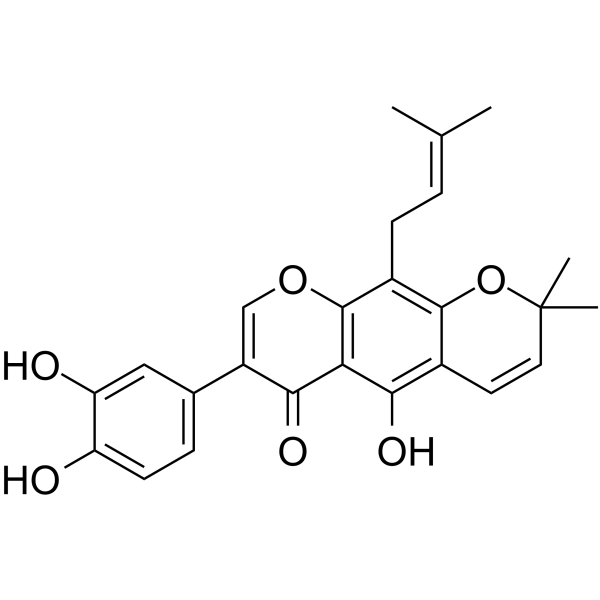 0 ImagesAuriculasin is an anticancer agent that inhibits VEGFR2, PI3K/AKT/mTOR, MAPK. Auriculasin can inhibit cell proliferation, induce cell apoptosis, and inhibit angiogenesis, and promotes mitochondrial oxidative stress and ferroptosis. Auriculasin is also active at the cannabinoid receptor CB1 with an IC50 of 8.92 μM. Auriculasin can be used in cancer research, especially related diseases such as prostate cancer and non-small cell lung cancer, as well as research on the development of anti-angiogenic drugs.




