



IFNAR
Interferon-α/β receptor; Interferon-alpha/beta receptor
The interferon-α/β receptor (IFNAR) is composed of two subunits, IFNAR1 and IFNAR2, encoding transmembrane polypeptides. Type-I IFNs, interferon α (IFN-α) and interferon β (IFN-β), act through a shared receptor complex, IFNAR. Binding of type-I IFN to IFNAR1 will robustly activate Janus activated kinase-signal transducer and activator of transcription (JAK-STAT) signaling pathway. Aberrant activation of the type-I IFN response results in a spectrum of disorders called interferonopathies.
Type-I IFN response occurs when IFN-α/β binds to their receptor complex, IFNAR. The ligand-receptor complex is phosphorylated, presumably by pre-associated Janus activated kinases (JAKs) namely tyrosine kinase 2 (TYK2) on IFNAR1 and JAK1 on IFNAR2. The phosphorylated receptors are docking sites for signal transducers and activators of transcription (STAT) factors that dimerise and translocate to the nucleus. STATs 1, 2, 3, 4, and 5 are activated by type-I IFNs in many cell types. Other kinases (e.g., mitogen-activated protein kinases) and transcription factors (e.g., nuclear factor-κB) can also be activated in response to type-I IFNs. Multiple pathways and IFN-regulated genes are activated by IFNs, many of which remain unknown.
All Product Categories
-
IFNAR Inhibitors
(130)
View all products
-
IFNAR Agonists
(11)
View all products
-
IFNAR Antagonists
(6)
View all products
-
IFNAR Activators
(87)
View all products
-
IFNAR Modulators
(4)
View all products
-
IFNAR Inducers
(23)
View all products
-
IFNAR Degraders
(2)
View all products
-
IFNAR Control
(1)
View all products
-
IFNAR Ligand
(1)
View all products
-
IFN-α/β Receptor Proteins
(16)
View all products
-
IFN-alpha/beta R2 Proteins
(6)
View all products
-
IFNAR Related Products (338)
Related Products (338)

-
Recombinant Proteins (16)
-
Antibodies (14)
-
2'-Deoxy-2'-fluorouridine
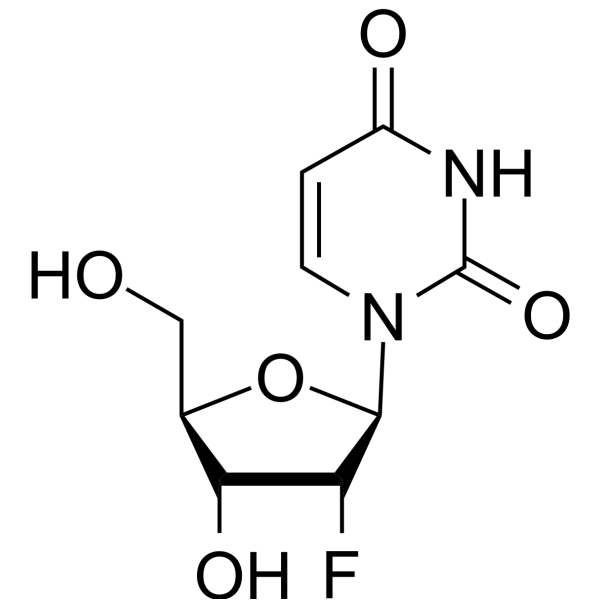 0 Images2'-Deoxy-2'-fluorouridine is a derivative of the pyrimidine nucleoside uridine. 2'-Deoxy-2'-fluorouridine is a nucleoside analog that inhibits the replication of wild-type viruses by binding to the viral RNA. Hepatitis C polyU/UC RNA strands containing 2'-Deoxy-2'-fluorouridine, bind to RIG-I but do not activate RIG-I signaling in a reporter assay using Huh7 cells. 2'-Deoxy-2'-fluorouridine also has been used as a starting material in the synthesis of respiratory syncytial virus (RSV) polymerase inhibitors. 2'-Deoxy-2'-fluorouridine can incorporate into DNA and RNA in rat and woodchuck model upon administration. 2'-Deoxy-2'-fluorouridine can be studied in anti-viral research.
-
ODN 1585
 0 ImagesCat. No.: HY-150725CAS No.: 386832-46-8ODN 1585 is a potent inducer of IFN and TNFα production. ODN 1585 is a potent stimulator of NK (natural killer) function. ODN 1585 increases CD8+ T-cell function, including the CD8+ T cell-mediated production of IFN-γ. ODN 1585 induces regression of established melanomas in mice. ODN 1585 can confer complete protection against malaria in mice. ODN 1585 can be used for acute myelogenous leukemia (AML) and malaria research. ODN 1585 can be used as a vaccine adjuvant.
-
ADAR1i-124
 0 ImagesCat. No.: HY-181129Purity: 98.71%ADAR1i-124 is an A-to-I RNA editing inhibitor by inhibiting the catalytic activities of both ADAR1p150 and ADAR1p110. ADAR1i-124 activates type I interferon (IFN) and ZBP1 pathways and dose-dependently inhibits viability across different types of cancer cell lines. ADAR1i-124 can induce cells apoptosis and necroptosis. ADAR1i-124 can be used for the research of cancer, such as cutaneous melanoma and ovarian cancer.
-
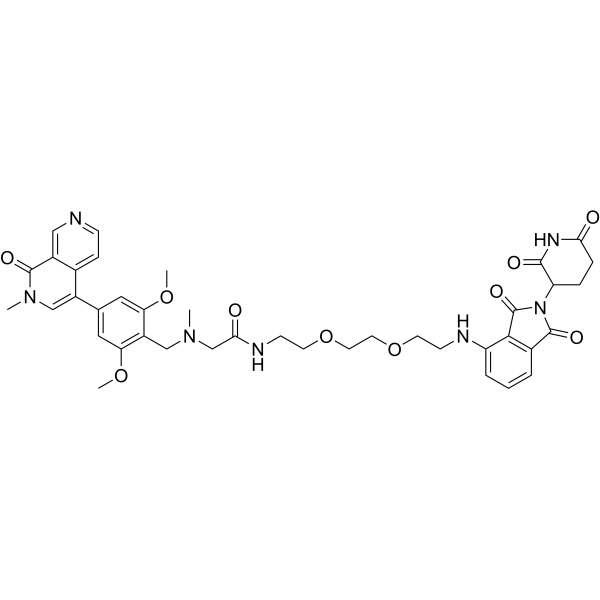
Zomiradomide
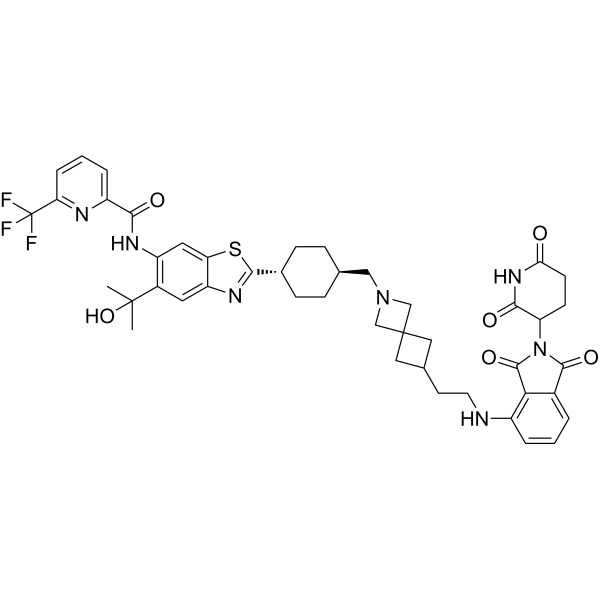 0 ImagesSynonyms: KT-413Zomiradomide (KT-413) is an orally active IRAK4 PROTAC degrader with a DC50 of 6 nM. Zomiradomide inhibits the NF-κB signaling pathway, while its molecular glue function mediates the degradation of Ikaros and Aiolos (with a DC50 of 1 nM for both), activates the IFN-I signaling pathway, and selectively degrades IMiD substrates. Zomiradomide inhibits cancer cell proliferation and tumor growth. Zomiradomide can be used in research related to B-cell non-Hodgkin's lymphoma and diffuse large B-cell lymphoma.
-
Royal Jelly acid
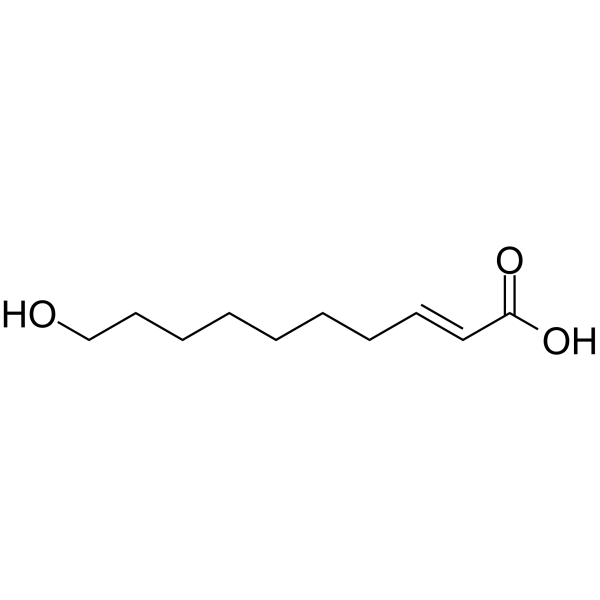 0 ImagesSynonyms: (E)-Queen Bee Acid; (E)-10-Hydroxy-2-decenoic acidRoyal Jelly Acid ((E)-Queen Bee Acid) is a major fatty acid found in royal jelly with oral bioavailability, exhibiting anti-inflammatory, anticancer, antimalarial, antiprotozoal, and neuroregulatory activities. Royal Jelly Acid can be used for research in various fields, including cancer, infections, immune inflammation, and neurological diseases.
-
Allura Red AC
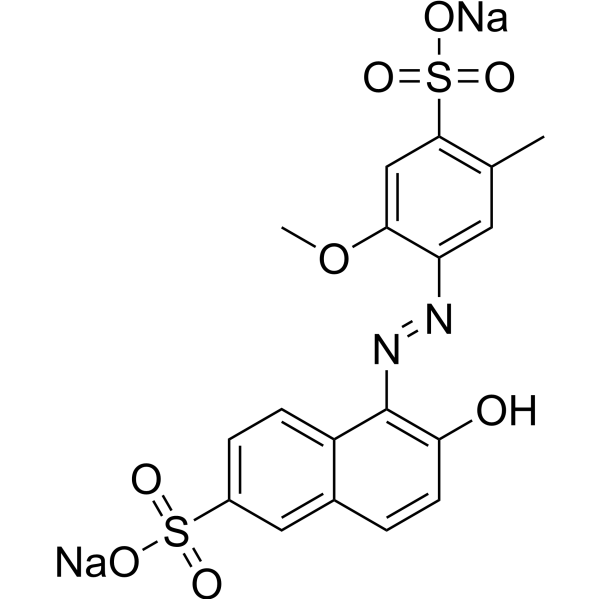 0 ImagesSynonyms: FD&C RED NO. 40; CI 16035Allura Red AC is a food colorant, appearing as a deep red water-soluble powder or granules, used in various applications such as beverages, syrups, candies, and cereals. Allura Red AC can statically quench the intrinsic fluorescence of HSA. Additionally, Allura Red AC is a 5-hydroxytryptamine (5-HT) pathway-associated pro-inflammatory agent, capable of exacerbating experimental colitis. Allura Red AC holds potential for research in inflammatory bowel disease (IBD), intestinal barrier function, and food additive safety.
-
Ovalbumin, low endotoxin
 0 ImagesCat. No.: HY-W250978ACAS No.: 9006-59-1Ovalbumin, low endotoxin are the major proteins in egg white. Ovalbumin, low endotoxin act as an allergen and inducer, and can be applied to mouse models of allergic diseases. Ovalbumin, low endotoxin can induce allergic rhinitis in mice via sensitization and nasal challenge. Ovalbumin, low endotoxin can be used to establish asthma models.
-
TIM-3-IN-2
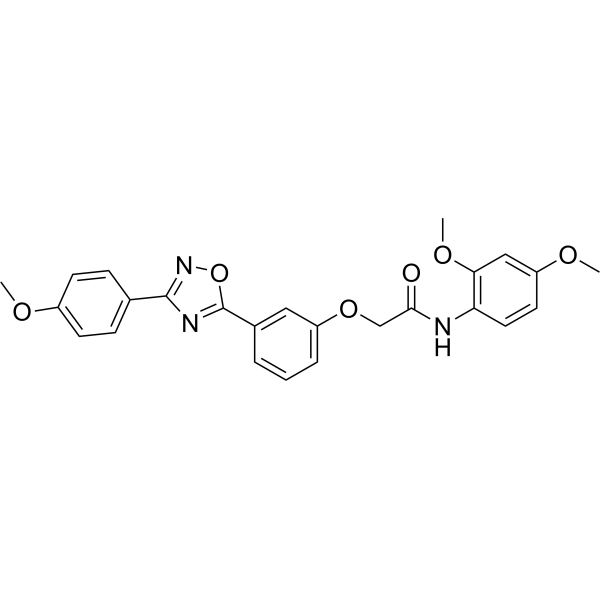 0 ImagesTIM-3-IN-2 is a TIM-3 inhibitor. TIM-3-IN-2 blocks the interactions of TIM-3 with PtdSer, CEACAM1 and Gal-9, and inhibits the immunosuppressive function of TIM-3. TIM-3-IN-2 restores IFNγ release from peripheral blood mononuclear cells. TIM-3-IN-2 inhibits the proliferation of acute myeloid leukemia cells. TIM-3-IN-2 can be used for the research of acute myeloid leukemia.
-
SNX281
 0 ImagesSNX281 is a selective STING agonist, with IC50 values of 4.1, 4.5, 10.7, and 3.7 μM against human, mouse, rat, and monkey STING, respectively. SNX281 undergoes homodimerization at the STING binding site, triggering a conformational shift of STING from an inactive open state to an active closed state, thereby driving downstream STING-dependent signaling pathways. SNX281 induces type I interferons, IFN-β, TNF-α, IL-6, cytokine release, T cell responses, and long-lasting immune memory. SNX281 exhibits anti-tumor activity and is applicable to research related to colorectal cancer, melanoma, advanced solid tumors, lymphoma, and ovarian cancer.
-
Anti-IFNγ Antibody (B133.5)
 0 ImagesCat. No.: HY-P990839Anti-IFNγ Antibody (B133.5) is a kind of mouse IgG1 chimeric antibody inhibitor, targeting to human IFNγ. Anti-IFNγ Antibody (B133.5) can neutralize human IFNγ (interferon gamma). Anti-IFNγ Antibody (B133.5) can be used for the research of immunology.
-
Sifalimumab
 0 ImagesSynonyms: MEDI-545; MDX 1103Sifalimumab (MEDI-545) is an anti-IFNα monoclonal antibody. Sifalimumab suppresses the abnormal immune activity by binding to multiple interferon-alpha (IFNα) subtypes. Sifalimumab can be used in systemic lupus erythematosus (SLE) research.
-
ODN M362 sodium
 0 ImagesCat. No.: HY-150750AODN M362 sodium is a TLR9 agonist that acts as a vaccine adjuvant. ODN M362 sodium activates mouse splenocytes, induces apoptosis in human hepatocellular carcinoma cells, upregulates proinflammatory cytokines in human hepatocellular carcinoma cells, and inhibits the proliferation of human hepatocellular carcinoma cells. ODN M362 sodium upregulates the expression of TLR9/TLR6, activates downstream signaling pathways via IRAK4 and IRF7, and strongly amplifies antigen-specific cellular immune responses to participate in innate immune activation. ODN M362 sodium can be used in research related to hepatocellular carcinoma and breast cancer.
-
Hycanthone
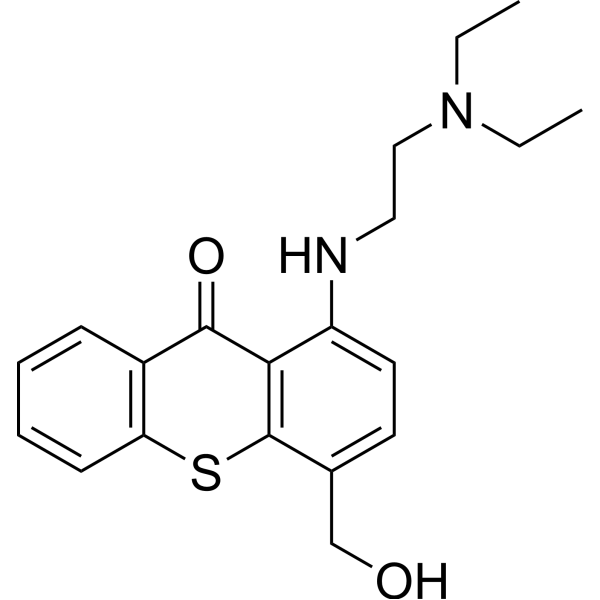 0 ImagesHycanthone is an apurinic/apyrimidinic endonuclease 1 (APE1) inhibitor, DNA intercalator and Antischistosomal agent, with an IC50 of 80 nM against APE1. Hycanthone irreversibly inhibits thymidine incorporation into DNA in adult sensitive *Schistosoma mansoni*, while exerts weak inhibitory effects on uridine and leucine incorporation. Hycanthone reduces influenza virus-induced interferon production. Hycanthone exhibits mutagenic effects in various organisms, shows teratogenicity in mice and rabbits, and induces neoplastic liver lesions in partially hepatectomized mice. Hycanthone can be used in research related to schistosomiasis and cancer.
-
HEI3090
 0 ImagesHEI3090 is a P2X7R activator. HEI3090 stimulates dendritic cells expressing P2X7R to produce IL-18, which subsequently promotes Natural Killer cells and CD4 T cells within tumors to produce IFN-γ, leading to a sustained antitumor response. HEI3090 can be used to enhance the efficacy of αPD-1 therapy in non-small cell lung cancer (NSCLC).
-
Anti-Mouse CD40L/CD154 Antibody (MR-1)
 0 ImagesCat. No.: HY-P990134Purity: 99.62%Anti-Mouse CD40L/CD154 Antibody (MR-1) is an anti-mouse CD40L/CD154 IgG monoclonal antibody. Anti-Mouse CD40L/CD154 Antibody (MR-1) reduces the expression of IFN signaling pathway and lowers the level of IFN-β. Anti-Mouse CD40L/CD154 Antibody (MR-1) can prolong the survival time of transplants. Anti-Mouse CD40L/CD154 Antibody (MR-1) can be used for researches on cancer, inflammation conditions and xenotransplantation such as pancreatic cancer and autoimmune cholangitis.
-
VVD-118313
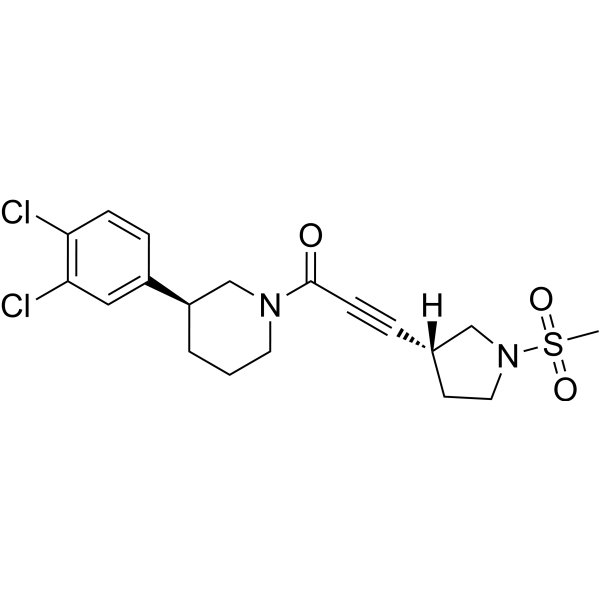 0 ImagesVVD-118313 (compound 5a) is a potent, selective JAK1 inhibitor. VVD-118313 targets an isoform-restricted allosteric cysteine to block JAK1-dependent trans-phosphorylation and cytokine signaling. VVD-118313 can be used for research of cancer. VVD-118313 is a click chemistry reagent, it contains an Alkyne group and can undergo copper-catalyzed azide-alkyne cycloaddition (CuAAc) with molecules containing Azide groups.
-
Ac-Pro-Gly-Pro-OH
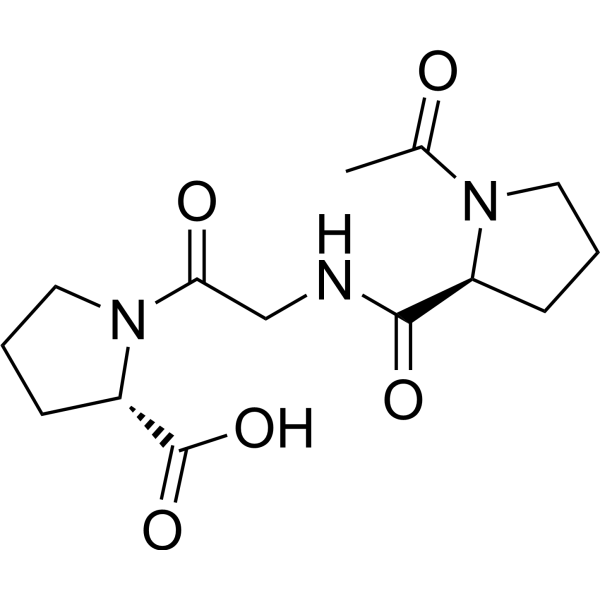 0 ImagesAc-Pro-Gly-Pro-OH is an endogenous degradation product of extracellular collagen and acts as a CXCR2 agonist. Ac-Pro-Gly-Pro-OH exerts bactericidal activity by generating hydrogen peroxide, inhibits pulmonary inflammation, and reduces immune cell apoptosis (apoptosis). Ac-Pro-Gly-Pro-OH promotes the production of IFN-γ and inhibits the production of TNF-α and IL-6 in leukocytes. Ac-Pro-Gly-Pro-OH increases the survival rate of mice in sepsis models, enhances the bactericidal activity of neutrophils, acts as a neutrophil chemoattractant, induces neutrophil polarization, and regulates inflammatory and repair processes. Ac-Pro-Gly-Pro-OH induces chronic inflammation and tissue remodeling through sustained action. Ac-Pro-Gly-Pro-OH is released via alkaline hydrolysis of corneal proteins in alkali-injured eyes, thereby driving the early infiltration of neutrophils into the cornea. Ac-Pro-Gly-Pro-OH is applicable to research related to sepsis, chronic obstructive pulmonary disease, cystic fibrosis, bronchiolitis obliterans syndrome, severe asthma, idiopathic pulmonary fibrosis, and corneal ulcer.
-
Cridanimod
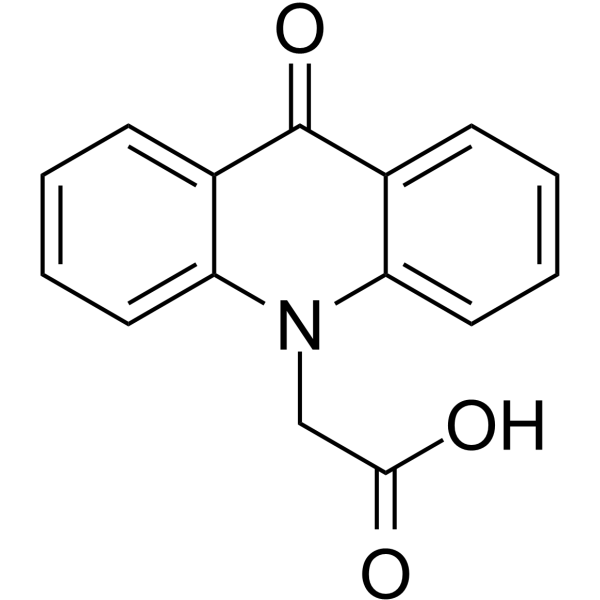 0 ImagesCridanimod is a potent progesterone receptor (PR) activator mediated through induction of IFNα and IFNβ expression. Cridanimod is a small-molecule immunomodulator and interferon inducer.
-
Icariside I
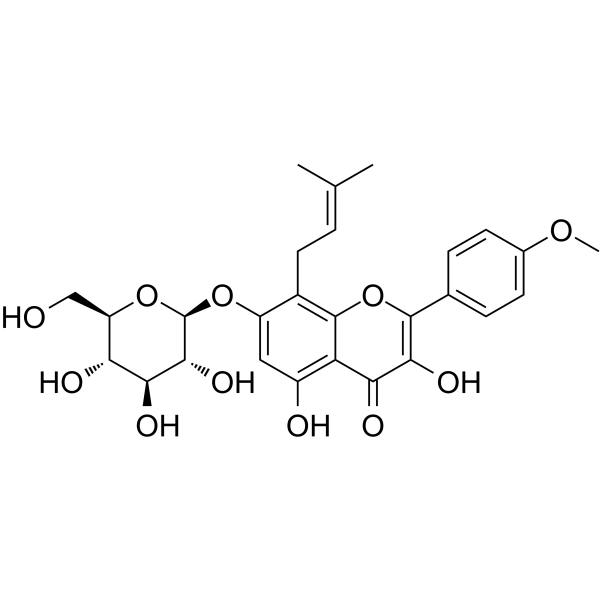 0 ImagesSynonyms: Icarisid IIcariside I (GH01) is an orally active metabolite of icalin. Icariside I improves estrogen deficiency-induced osteoporosis by simultaneously regulating osteoblast and osteoclast differentiation. Icariside I promotes ATP (HY-B2176) or Nigericin (HY-127019)-induced mtROS production and NLRP3 inflammasome activation and causes idiosyncratic hepatotoxicity. Icariside I does not alter the activation of NLRC4 and AIM2 inflammasomes. Icariside I inhibits breast cancer proliferation, apoptosis, invasion, and metastasis by targeting the IL-6/STAT3 pathway. Icariside I is a kynurenine-AhR pathway inhibitor that alleviates cancer by blocking tumor immune escape.




