



NF-κB
Nuclear factor-κB; Nuclear factor-kappaB
NF-κB (Nuclear factor kappa-light-chain-enhancer of activated B cells) is a protein complex that controls transcription of DNA. NF-κB is found in almost all animal cell types and is involved in cellular responses to stimuli such as stress, cytokines, free radicals, ultraviolet irradiation, oxidized LDL, and bacterial or viral antigens. NF-κB plays a key role in regulating the immune response to infection. Incorrect regulation of NF-κB has been linked to cancer, inflammatory, and autoimmune diseases, septic shock, viral infection, and improper immune development. NF-κB has also been implicated in processes of synaptic plasticity and memory. There are five proteins in the mammalian NF-κB family: NF-κB1, NF-κB2, RelA, RelB, c-Rel.
NF-κB Isoform Specific Products
All Product Categories
-
NF-κB Inhibitors
(1636)
View all products
-
NF-κB Agonists
(6)
View all products
-
NF-κB Antagonist
(1)
View all products
-
NF-κB Activators
(146)
View all products
-
NF-κB Modulators
(34)
View all products
-
NF-κB Inducers
(3)
View all products
-
NF-κB Degraders
(4)
View all products
-
NF-κB Controls
(7)
View all products
-
NF-κB Ligands
(2)
View all products
-
NF-κB Related Products (1973)
Related Products (1973)

-
Antibodies (32)
-
NF-κB Signaling Pathway
-
NF-κB Isoform Comparison
-
M351-0056
 0 ImagesM351-0056 is an orally active VISTA agonist with a Kd value of 12.60 μM. M351-0056 inhibits the activation of the JAK2-STAT2 pathway, reduces the phosphorylation levels of JAK2 and STAT2, and regulates type I interferon (IFN-I) and non-canonical NF-κB pathways. M351-0056 decreases the levels of cytokines (IFN-γ, IL-17A, TNF-α, IL-2 and IL-1β). M351-0056 improves imiquimod (HY-B0180)-induced psoriasis-like skin inflammation, reduces autoantibody levels, kidney damage and immune cell expansion in mice susceptible to chronic graft-versus-host disease and lupus, and delays the progression of systemic lupus erythematosus. M351-0056 can be used in research related to psoriasis-like dermatitis and systemic lupus erythematosus.
-
Melagatran
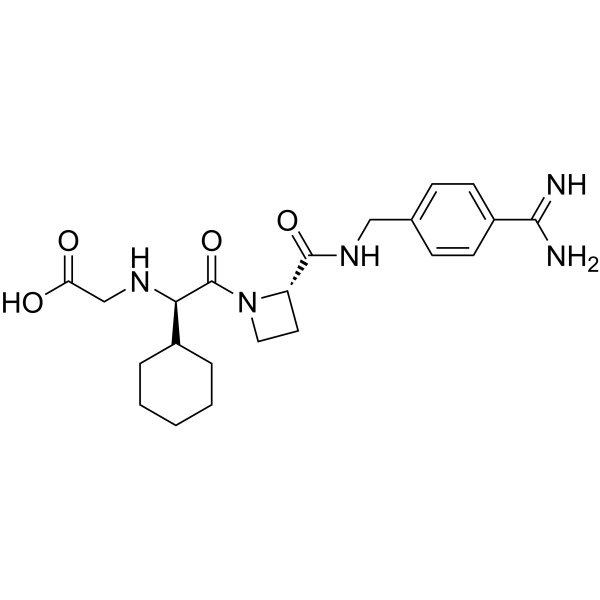 0 ImagesMelagatran is a reversible, selective, orally active direct inhibitor of thrombin with a Ki of 2 nM. Melagatran binds directly to the active site of thrombin, inhibiting thrombin-mediated conversion of fibrinogen to fibrin. Melagatran reduces the DNA binding activity of NF-κB and AP-1. Melagatran reduces fibrin deposition in organs, alleviates ischemic brain damage, and reduces the size of advanced atherosclerotic lesions. Melagatran can be used in the study of cardiovascular disease (coronary thrombosis, atherosclerosis) and ischemic brain damage.
-
NBD peptide
 0 ImagesNBD peptide inhibits NF-κB signaling pathway through inhibition of the NEMO-IKK complex combination. NBD peptide exhibits anti-inflammatory efficacy through block of pro-inflammatory cytokines production. NBD peptide exhibits immunosuppressive activity through regulation of immune cells. NBD peptide enhances its transmembrane ability by combining with cell-penetrating peptide HIV-TAT.
-
Hymenoxin
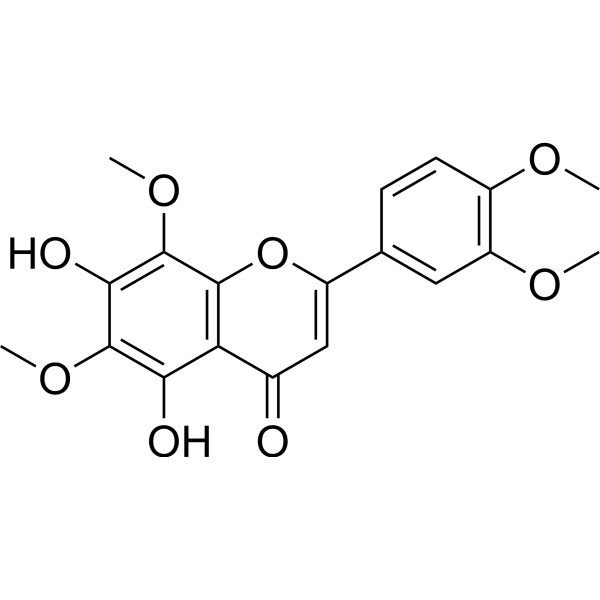 0 ImagesCat. No.: HY-N12735CAS No.: 56003-01-1
-
Tofacitinib-d3 citrate
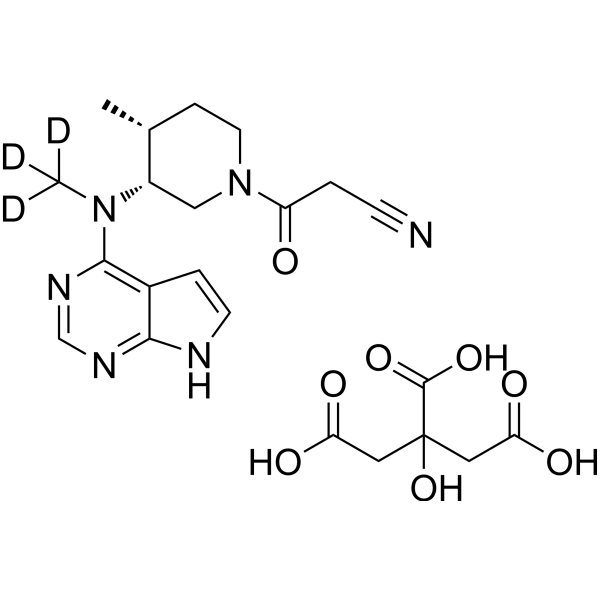 0 ImagesSynonyms: Tasocitinib-d3 citrate; CP-690550-d3 citrateTofacitinib-d3 citrate (Tasocitinib-d3 citrate; CP-690550-d3 citrate) is the deuterated-labeled Tofacitinib citrate (HY-40354A). Tofacitinib citrate (Tasocitinib citrate) is an orally active, blood-brain barrier permeable selective inhibitor of JAK1/JAK3. Tofacitinib citrate blocks the JAK-STAT/NF-κB signaling pathway, inhibits cytokine signal transduction, phosphorylation of STAT1/STAT5, and suppresses innate and adaptive immune responses. Tofacitinib citrate can be used in research related to major depressive disorder, rheumatoid arthritis, pulmonary diseases, systemic lupus erythematosus, and immune-mediated liver injury.
-
Sodium propionate-13C
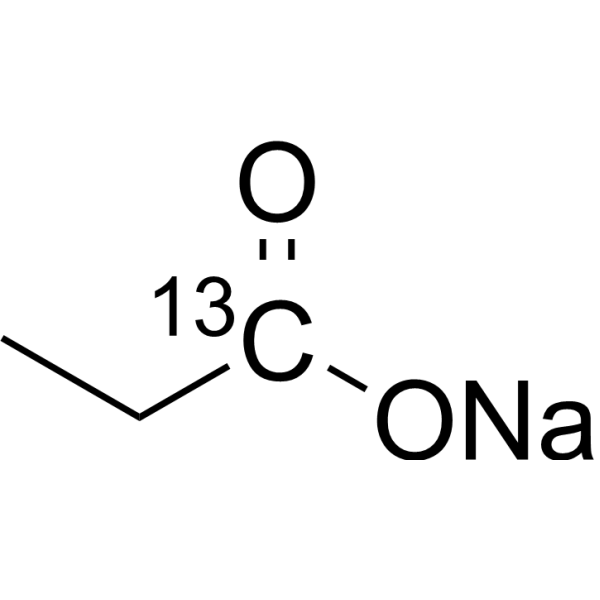 0 ImagesSodium propionate-13C is the 13C labeled Propionate sodium (HY-B1773A). Sodium propionate is an orally active short-chain fatty acid. Sodium propionate can be produced by intestinal bacteria from the metabolism of dietary fiber. Sodium propionate increases PPAR-γ, inhibits NF-κB activation, and reduces COX-2 expression and NO production. Sodium propionate also induces Apoptosis and Autophagy. Sodium propionate reduces HSV-1-induced keratitis. Sodium propionate has anticancer effects against glioblastoma. Sodium propionate exhibits neuroprotective, antioxidant, and anti-inflammatory activities. Sodium propionate can be used in the research of spinal cord injury and Alzheimer's disease.
-
12-Oxo phytodienoic acid (≥90%)
 0 ImagesCat. No.: HY-118828BCAS No.: 85551-10-6Synonyms: 12-OPDA (≥90%)12-Oxo phytodienoic acid (≥90%) (12-OPDA (≥90%)) is a plant lipid-derived anti-inflammatory compound. 12-Oxo phytodienoic acid (≥90%) induces the expression of SOCS-1 and inhibits LPS (HY-D1056)-induced activation of the NF-κB and p38 MAPK signaling pathways. 12-Oxo phytodienoic acid (≥90%) inhibits LPS-induced expression of IL-6 and TNF-α, and reduces LPS-induced NO production by decreasing iNOS levels. 12-Oxo phytodienoic acid (≥90%) induces activation of the Nrf2 signaling cascade. 12-Oxo phytodienoic acid (≥90%) can be used for the research of neurodegenerative diseases.
-
SMU-L11
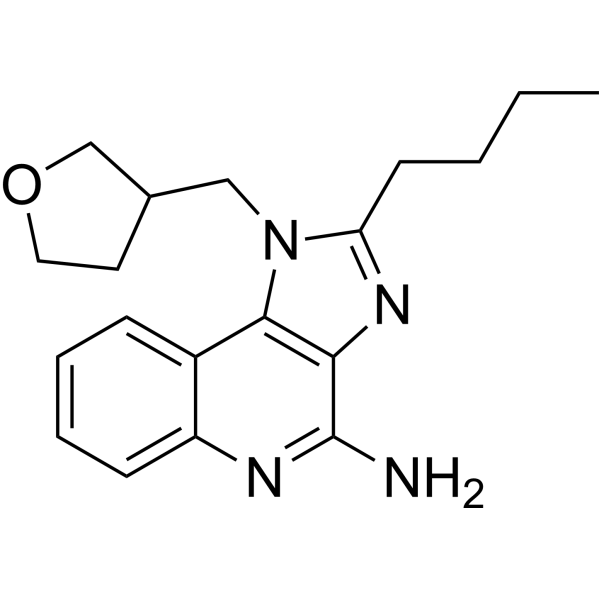 0 ImagesSMU-L11 is a specific TLR7 agonist (EC50=0.024 μM), which recruits MyD88 adapter protein and activates downstream NF-κB and MAPK signaling pathways. In murine models, SMU-L11 significantly enhances immune cell activation and promotes the proliferation of CD4+ T and CD8+ T cells, thereby directly killing tumor cells and inhibiting tumor growth. SMU-L11 can be used for cancer research, and also has the potential for studying immune system diseases.
-
Rela Mouse Pre-designed siRNA Set A
 0 ImagesCat. No.: HY-RS11827
Rela Mouse Pre-designed siRNA Set A contains three designed siRNAs for Rela gene (Mouse), as well as a negative control, a positive control, and a FAM-labeled negative control.
-
Pam2Cys
 0 ImagesSynonyms: Dipalmitoyl-S-glyceryl-cysteine; S-[2,3-Bis(palmitoyloxy)propyl]cysteinePam2Cys (Dipalmitoyl-S-glyceryl-cysteine; S-[2,3-Bis(palmitoyloxy)propyl]cysteine) is a TLR2 agonist and immunostimulant. Pam2Cys binds to TLR2 to activate dendritic cells and trigger the TLR2-dependent NF-κB signaling pathway. Pam2Cys also induces dendritic cell maturation by upregulating the expression of cell surface MHC II molecules. Pam2Cys activates innate immune signaling pathways, drives pro-inflammatory and antimicrobial responses, enhances the expression of macrophage activation markers, increases phagocytic activity, induces the release of IL-12 and pro-inflammatory cytokines, and polarizes macrophages into a pro-inflammatory, antimicrobial phenotype without interfering with IL-10-induced macrophage polarization. Pam2Cys also serves as the lipid moiety in synthetic lipopeptide vaccines and possesses self-adjuvant properties. Pam2Cys enhances the immunogenicity of conjugated peptide segments and induces cellular and humoral immune responses. However, it does not activate CD4 T cells in mouse splenocyte cultures when used alone. Pam2Cys activates pulmonary TLR2 signaling pathways, triggers innate immune responses, recruits neutrophils and macrophages, induces the secretion of various cytokines, alleviates symptoms and damages associated with influenza A virus infection in mice without impairing adaptive immunity. Pam2Cys can be used in studies related to tuberculosis and influenza A virus infection.
-
Stigmasta-3,5-dien-7-one
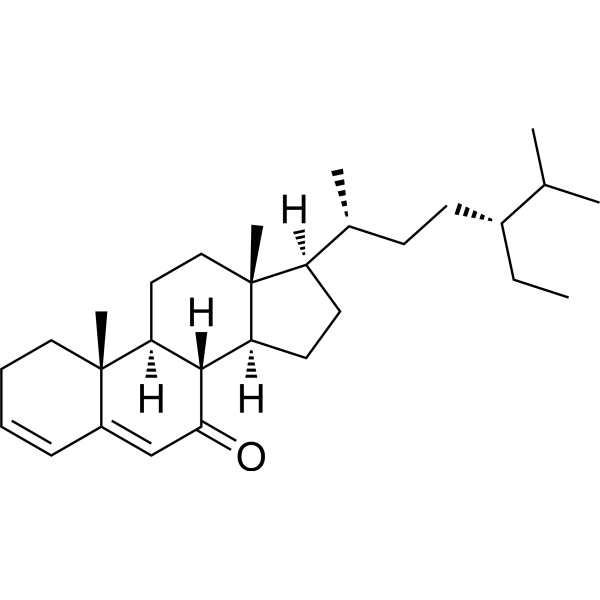 0 ImagesStigmasta-3,5-dien-7-one is a steroid compound that can be isolated from Harrisonia abyssinica. Stigmasta-3,5-dien-7-one blocks the NF-κB signaling pathway via down-regulation of phospho-p38 mitogen-activated protein kinase and phosphorylation and degradation of inhibitor of NF-κB α. Stigmasta-3,5-dien-7-one reduces LPS (HY-D1056)-induced nitric oxide, PGE2, and pro-inflammatory cytokine levels in macrophages. Stigmasta-3,5-dien-7-one can be used for inflammation diseases.
-
2,2'-Biphenol
 0 ImagesCat. No.: HY-W016183CAS No.: 1806-29-7Synonyms: o,o'-Biphenol2,2'-Biphenol (o,o'-Biphenol) is an anti-inflammatory agent and the major non-protein-bound phenolic metabolite activated by rat bone marrow homogenate and hydrogen peroxide. 2,2'-Biphenol inhibits lipopolysaccharide (LPS) (HY-D1056)-induced COX-2 mRNA and protein expression. 2,2'-Biphenol suppresses the binding of AP-1 and NF-κB to their respective consensus sequences. 2,2'-Biphenol is applicable to research related to inflammation.
-
2,3,5,4'-Tetrahydroxystilbene 2-O-β-D-glucoside (Standard)
 0 ImagesSynonyms: 2,3,4',5-Tetrahydroxystilbene 2-O-D-glucoside (Standard)2,3,5,4'-Tetrahydroxystilbene 2-O-β-D-glucoside (Standard) is the analytical standard of 2,3,5,4'-Tetrahydroxystilbene 2-O-β-D-glucoside. This product is intended for research and analytical applications. 2,3,5,4'-Tetrahydroxystilbene 2-O-β-D-glucoside isolats from the roots of Polygonaceae species, inhibits the formation of 5-HETE, HHT and thromboxane B2. 2,3,5,4'-Tetrahydroxystilbene 2-O-β-D-glucoside has hypotensive, anti-ageing, anti-inflammatory, hypolipidemic, cardioprotective, and neuroprotective actions.
-
Licoricidin
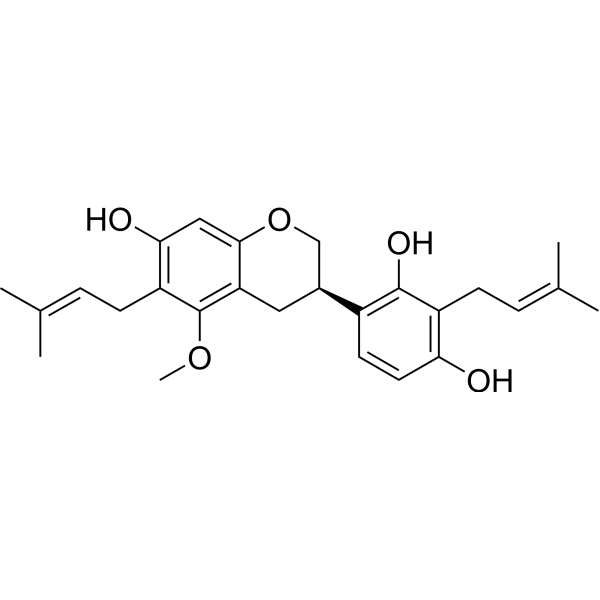 0 ImagesLicoricidin (LCD) is isolated from Glycyrrhiza uralensis Fisch, possesses anti-cancer activities. Licoricidin (LCD) inhibit SW480 cells (IC50=7.2 μM) by inducing cycle arrest, apoptosis and autophagy, and is a potential chemopreventive or chemotherapeutic agent against colorectal cancer. Licoricidin (LCD) inhibits Lung Metastasis by inhibition of tumor angiogenesis and lymphangiogenesis as well as changes in the local microenvironment of tumor tissues the anticarcinogenic effect. Licoricidin enhanced gemcitabine-induced cytotoxicity in Osteosarcoma (OS) cells by inactivation of the Akt and NF-κB pathways in vitro and in vivo. Licoricidin blocks UVA-induced photoaging via ROS scavenging, limits the activity of MMP-1, it can be considered as an active ingredient in new topically applied anti-ageing formulations.
-
trans-Isoferulic acid
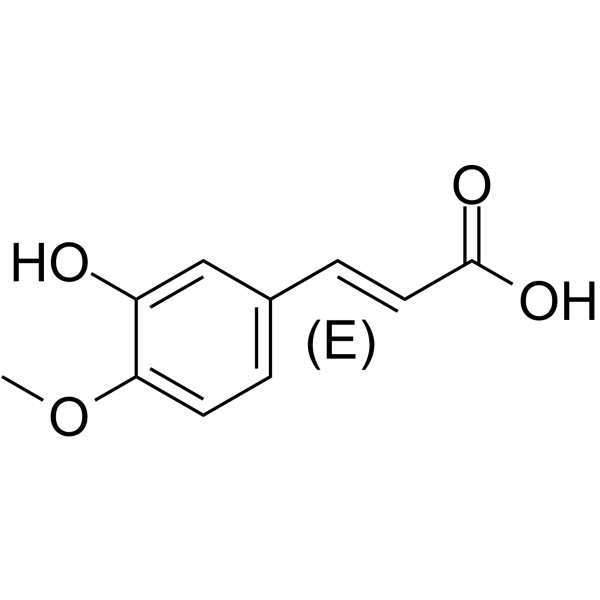 0 ImagesSynonyms: trans-3-Hydroxy-4-methoxycinnamic acidtrans-Isoferulic acid (trans-3-Hydroxy-4-methoxycinnamic acid) is an aromatic acid that exhibits anti-inflammatory activity. trans-Isoferulic acid dephosphorylates PI3K/Akt, suppresses LPS (HY-D1056)-induced NF-κB activation, enhances Nrf2 activity, downregulates iNOS and COX-2 expression, induces HO-1 expression, inhibits NO and PGE2 production, and scavenges hydroperoxyl radical. trans-Isoferulic acid can be used for research of inflammatiory diseases.
-
Pinobanksin
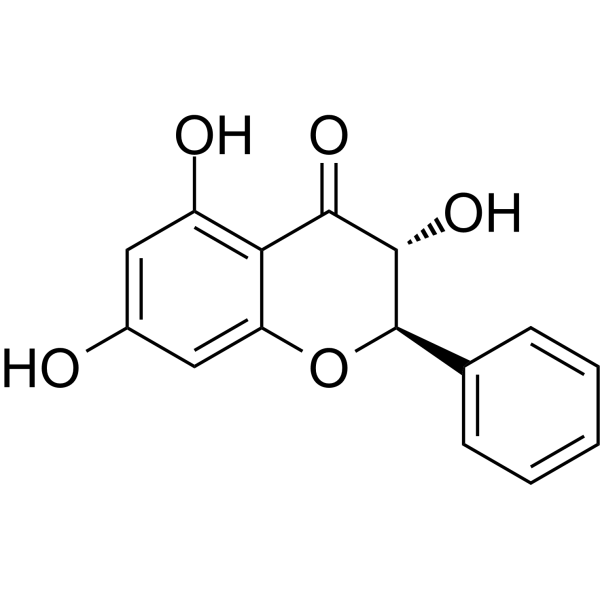 0 ImagesPinobanksin is an antioxidant and anti-ferroptosis agent found in sunflower honey and propolis, with oral activity. Pinobanksin enhances Nrf2-mediated antioxidant defense, inhibits NF-κB inflammation, and suppresses apoptosis and ferroptosis in in vivo models and normal cells. Pinobanksin exhibits apoptosis-inducing effects on B-cell lymphoma cells. Pinobanksin can be used in research related to perfluorooctane sulfonate-induced renal/cardiac toxicity, acute colitis, and B-cell lymphoma.
-
Physalin A
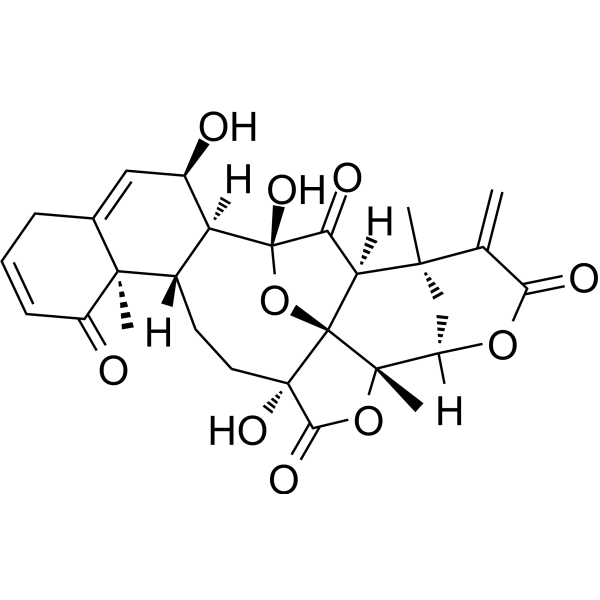 0 ImagesPhysalin A is a biologically active withanolide. Physalin A shows anti-inflammatory, antifibrotic and ameliorative effects on autophagy in models of disc degeneration. Physalin A has antitumor activity and can induce apoptosis, ROS production and G2/M phase cell cycle arrest. Besides. Physalin A can significantly increase the activity of quinone reductase and increase the expression of detoxifying enzymesc.
-
Desipramine-d4
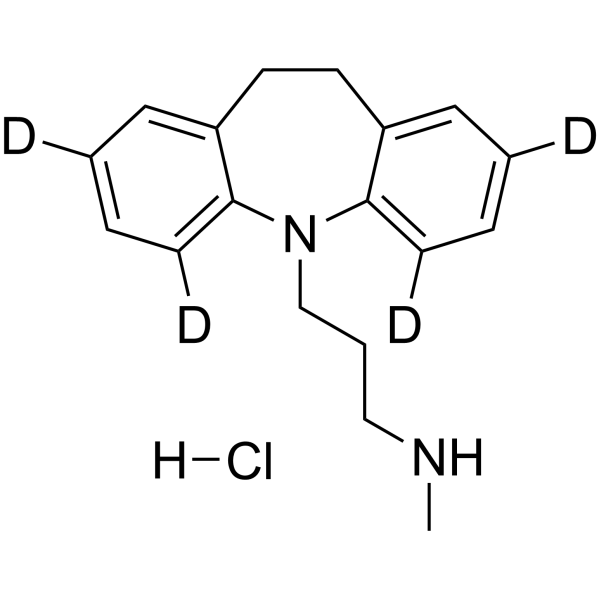 0 ImagesDesipramine-d4 is the deuterium labeled Desipramine (HY-B1272A). Desipramine is a first-generation tricyclic antidepressant. Desipramine selectively binds to norepinephrine transporter and blocks neuronal norepinephrine reuptake. Desipramine activates MAPK signaling via ERK1/2, JNK, and p38, represses NF-κB and AP-1 activity, and induces apoptosis via ROS elevation, mitochondrial membrane potential reduction, and intracellular calcium increase. Desipramine also shows anyi-inflammatory activity, inhibiting TNF-α production. Desipramine can be used for the research of hepatocellular cancer, inflammation, and neurological diseases.
-
Lactose (Standard)
 0 ImagesLactose (Standard) is the analytical standard of Lactose. This product is intended for research and analytical applications. Lactose is a β-galactoside consisting of galactose and glucose residues, the main carbohydrate in mammalian breast milk. Lactose, a macronutrient and an inducer of host innate immune responses, possesses immune modulatory functions.




