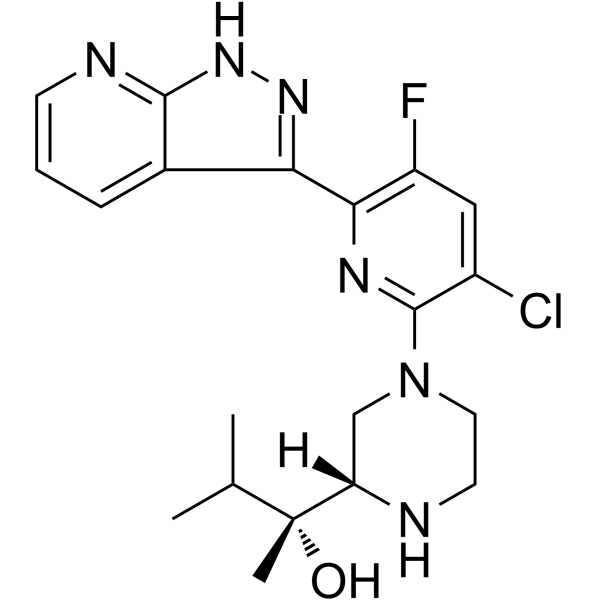
PKC
Protein kinase C
PKC (Protein kinase C) is a family of protein kinase enzymes that are involved in controlling the function of otherproteins through the phosphorylation of hydroxyl groups of serine and threonine amino acid residues on these proteins. PKC enzymes in turn are activated by signals such as increases in the concentration of diacylglycerol (DAG) or calcium ions (Ca2+). Hence PKC enzymes play important roles in several signal transduction cascades. The PKC family consists of 15 isozymes in humans: PKC-α (PRKCA), PKC-β1 (PRKCB), PKC-β2 (PRKCB), PKC-γ (PRKCG), PKC-δ (PRKCD), PKC-δ1 (PRKD1), PKC-δ2 (PRKD2), PKC-δ3 (PRKD3), PKC-ε (PRKCE), PKC-η (PRKCH), PKC-θ (PRKCQ), PKC-ι (PRKCI), PKC-ζ (PRKCZ), PK-N1 (PKN1), PK-N2 (PKN2), PK-N3 (PKN3). PKC is involved in receptor desensitization, in modulating membrane structure events, in regulating transcription, in mediating immune responses, in regulating cell growth, and in learning and memory. These functions are achieved by PKC-mediated phosphorylation of other proteins.
PKC Isoform Specific Products
-
PKC
(384)
View all products
-
PKCα
(51)
View all products
-
PKCβ
(43)
View all products
-
PKCγ
(29)
View all products
-
PKCδ
(29)
View all products
-
PKCε
(33)
View all products
-
PKCη
(15)
View all products
-
PKCζ
(14)
View all products
-
PKCθ
(21)
View all products
-
PKCμ
(4)
View all products
-
PKC-ι ℩
(2)
View all products
-
PKCι
(7)
View all products
All Product Categories
-
PKC Produits associés (509)
Produits associés (509)

-
Anticorps (21)
-
PKC Isoform Comparison
-
Thyrotropin
 0 ImagesThyrotropin (TSH, Pretiron) is a thyroid-stimulating hormone produced by thyrotrope cells in the anterior pituitary gland. Thyrotropin regulates the endocrine function of the thyroid. Thyrotropin induces transcriptional regulation of TH-gatekeeper genes in tanycytes through the Tshr/Gαq/PKC pathway. Thyrotropin prevents Apoptosis. Thyrotropin has an association of low levels with increased bone remodeling, reduced bone mass and a high fracture risk in mice. Thyrotropin is promising for research of skeletal remodeling, hyperthyroidism.
-
PKN1/2-IN-1
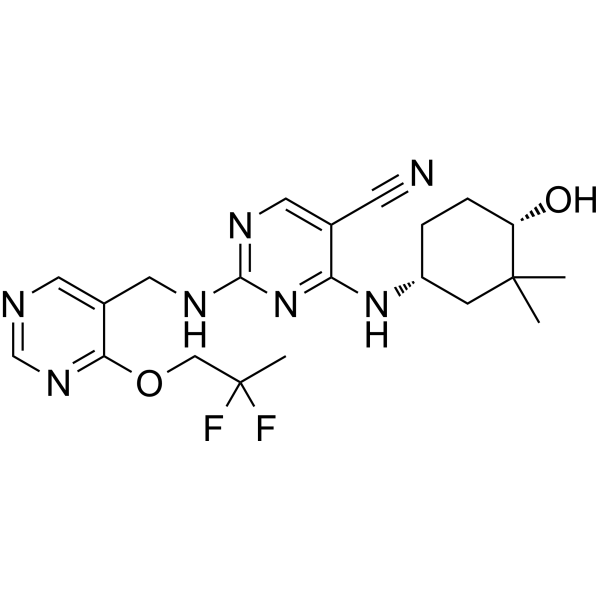
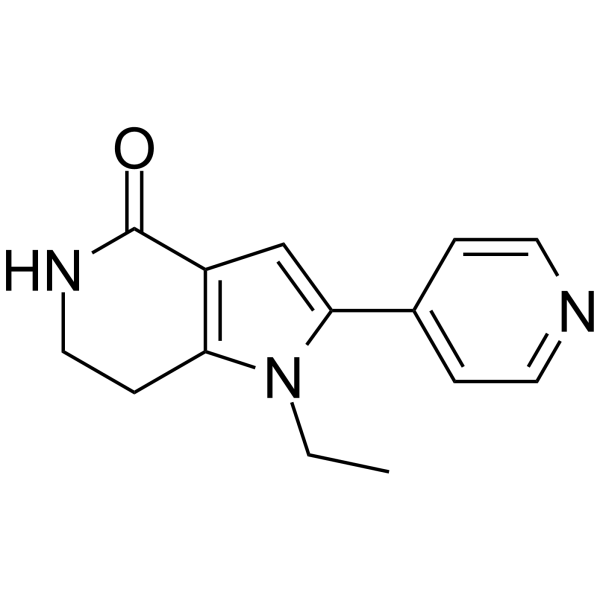 0 ImagesPKN1/2-IN-1 is a potent cell permeabilizer and selective PKN1/2 inhibitor with IC50 values of 16 nM and 210 nM for PKN1 and PKN2, respectively, and Ki values of 8 nM and 108 nM, respectively. PKN1/2-IN-1 exhibits strong intracellular PKN2 binding capacity in NanoBRET assays (IC50 = 2.1 μM). PKN1/2-IN-1 can be used to study physiological processes such as tumor cell migration.
-
(-)-Indolactam V
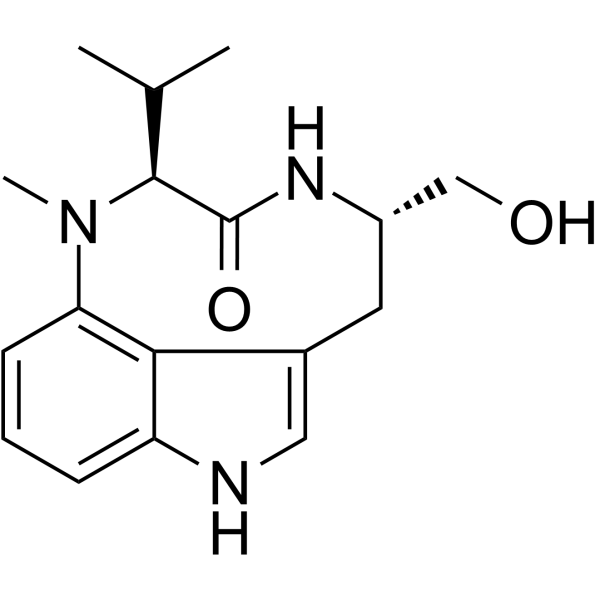 0 ImagesSynonyms: Indolactam V(-)-Indolactam V is a PKC activator, with Kis of 3.36 nM, 1.03 μM for η-CRD2 (PKCη surrogate peptide), γ-CRD2 (PKCγ surrogate peptide), and Kds of 5.5 nM (η-C1B), 7.7 nM (ε-C1B), 8.3 nM (δ-C1B), 18.9 nM (β-C1A-long), 20.8 nM (α-C1A-long), 137 nM (β-C1B), 138 nM (γ-C1A), 213 nM (γ-C1B), and has antitumor activity.
-
R59949
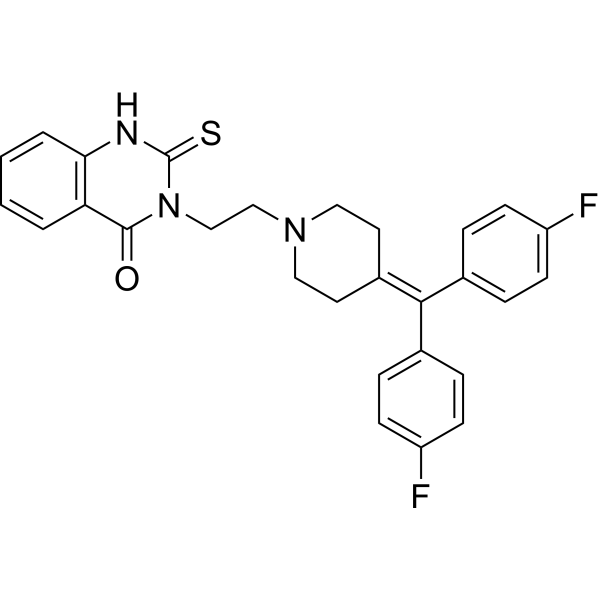 0 ImagesR59949 is a pan diacylglycerol kinase (DGK) inhibitor with an IC50 of 300 nM. R59949 strongly inhibits the activity of type I DGK α and γ and moderately attenuates the activity of type II DGK θ and κ. R59949 activates protein kinase C (PKC) by enhancing the levels of the endogenous ligand diacyl glycerol.
-
R 59-022
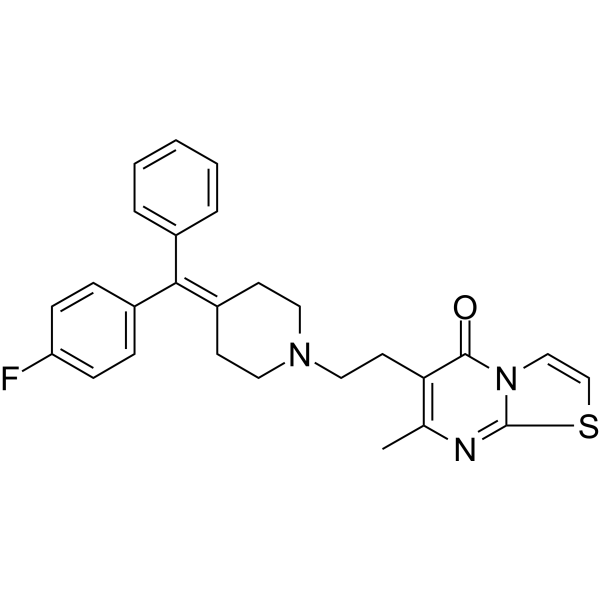 0 ImagesSynonyms: DKGI-I; Diacylglycerol kinase inhibitor IR 59-022 (DKGI-I) is a DGK inhibitor (IC50: 2.8 µM). R 59-022 inhibits the phosphorylation of OAG to OAPA. R 59-022 is a 5-HT Receptor antagonist, and activates protein kinase C (PKC). R 59-022 potentiates thrombin-induced diacylglycerol production in platelets and inhibits phosphatidic acid production in neutrophils.
-
Stearoylcarnitine
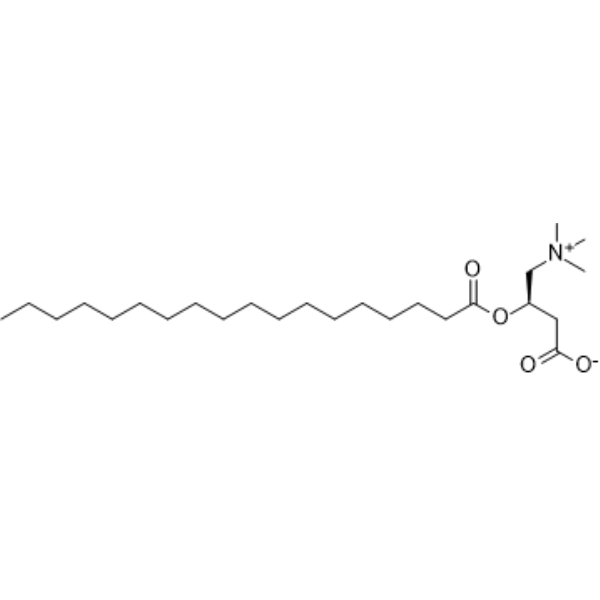 0 ImagesStearoylcarnitine, a fatty ester lipid molecule, is an endogenous metabolite. Stearoylcarnitine can be used as PKC inhibitor. Stearoylcarnitine accumulates in β cells, leading to arrest of insulin synthesis and energy deficiency in type 2 diabetes mouse. Stearoylcarnitine inhibits lecithin cholesterol acyltransferase (LCAT) in rat and rabbits plasma. Stearoylcarnitine acts as a metabolomics biomarker for Parkinson’s disease. Stearoylcarnitine is a less potent inhibitor of GlyT2.
-
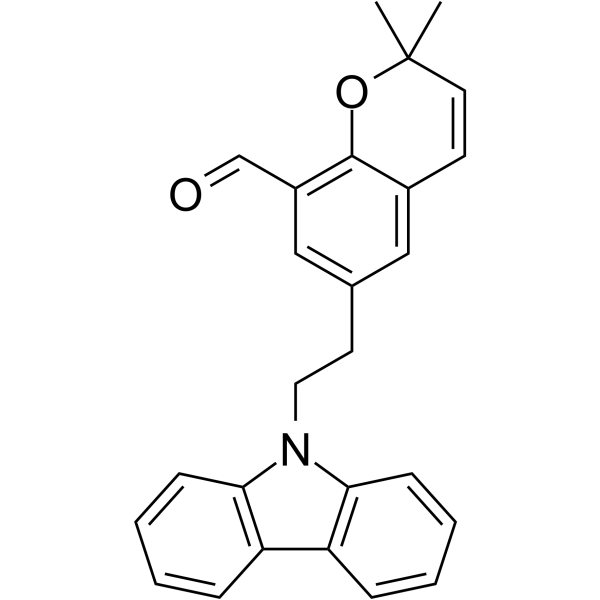
Decursin
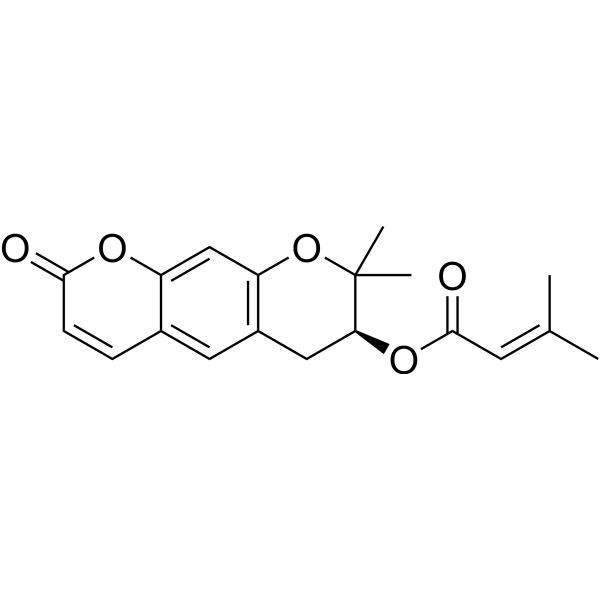 0 ImagesDecursin ((+)-Decursin) is a potent anti-tumor agent. Decursin also is a cytotoxic agent and a potent protein kinase C activator. Decursin induces apoptosis and cell cycle arrest at G1 phase. Decursin decreases the expression of CDK2, CDK4, CDK6, cyclin D1 protein at 48 h. Decursin inhibits cell proliferation and migration. Decursin shows anti-tumor, anti-inflammatory and analgesic activities.
-
1-Oleoyl-2-acetyl-sn-glycerol
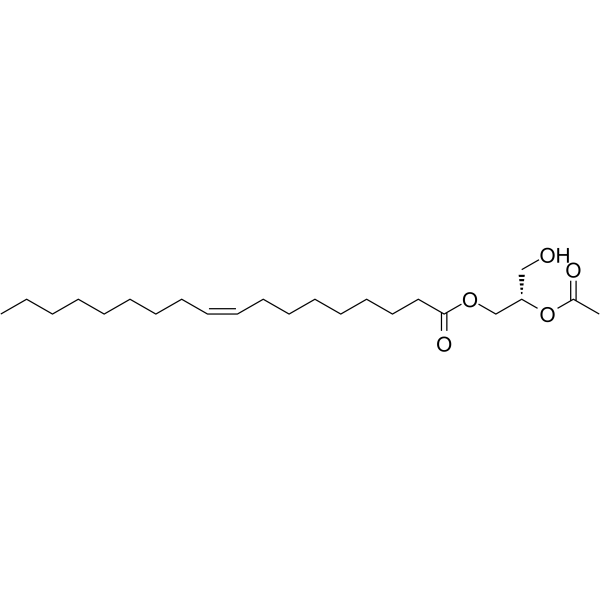 0 Images1-Oleoyl-2-acetyl-sn-glycerol is a cell-permeable analog of diacylglycerol (DAG) and can activate Protein kinase C (PKC). 1-Oleoyl-2-acetyl-sn-glycerol can activate the TRPC channels-mediated specific Ca2+ influx. 1-Oleoyl-2-acetyl-sn-glycerol can stimulate superoxide-generation from human neutrophils. 1-Oleoyl-2-acetyl-sn-glycerol stimulates the formation of phosphatidylinositol 4-phosphate in intact human platelets. 1-Oleoyl-2-acetyl-sn-glycerol can stimulate ascites tumor cell proliferation.
-
Pam2CSK4 TFA
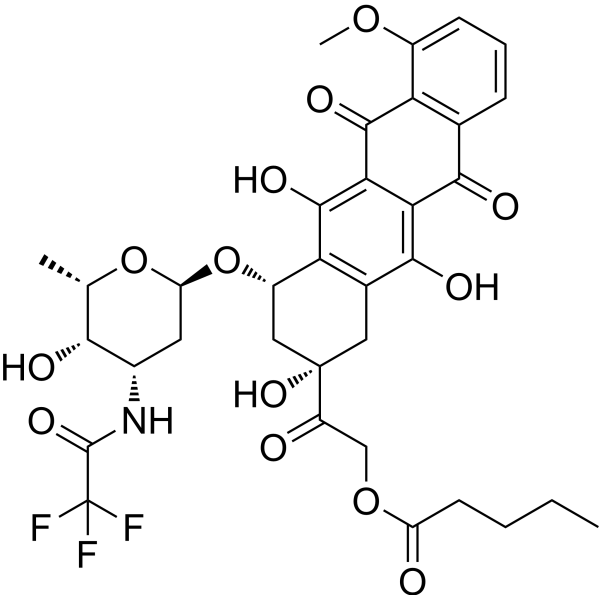
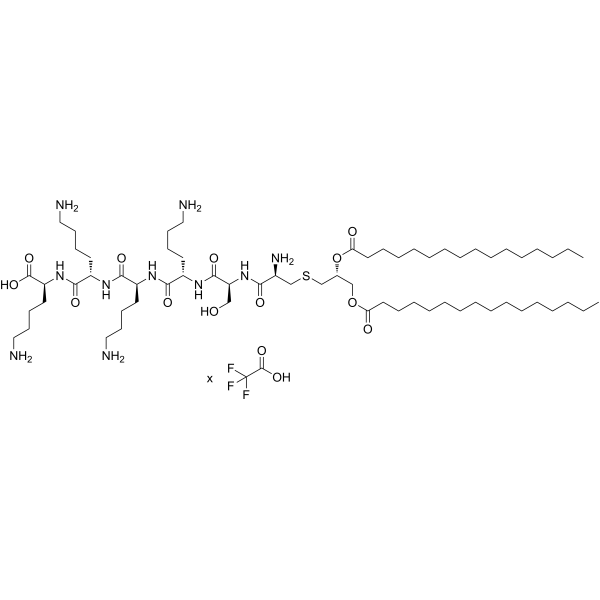 0 ImagesCat. No.: HY-P1181APureté: 99.46%Pam2CSK4 TFA is a TLR2 agonist. Pam2CSK4 TFA induces the expression of iNOS and NO in macrophage cell lines via TBK1 and MyD88 molecules. Pam2CSK4 TFA activates the NF-κB and Bruton's tyrosine kinase signaling pathways in platelets, and promotes platelet-endothelial cell interactions. TLR2 activation triggered by Pam2CSK4 TFA expands myeloid-derived suppressor cells (MDSCs) and suppresses anti-tumor immune responses in the tumor microenvironment. Pam2CSK4 TFA acts as a Th2-polarizing adjuvant in mouse vaccine models against Leishmania major and Brugia malayi. Pam2CSK4 TFA can be used in the research of various diseases, including thromboinflammatory diseases, sepsis, atherosclerosis, heart failure, influenza, lymphoma, melanoma, cutaneous leishmaniasis and lymphatic filariasis.
-
Plantainoside D
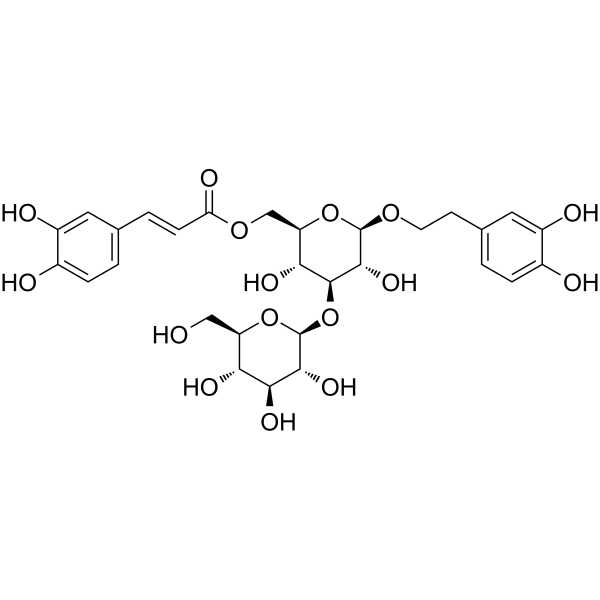 0 ImagesPlantainoside D, a phenylethanoid glycosides, is a IKK-β inhibitor with diverse biological activities. Plantainoside D shows inhibitory activity of angiotensin-converting enzyme (ACE) with an IC50 of 2.17 mM. Plantainoside D significantly reduces the release of glutamate from nerve terminals in the cerebral cortex of rats by inhibiting the voltage-dependent calcium channel (VDCCs) and protein kinase C (PKC) signaling cascade. Plantainoside D significantly alleviates cell apoptosis by inhibiting the generation of ROS and the activation of NF-κB. Plantainoside D significantly improves acute lung injury (ALI) induced by sepsis by regulating the Sirt3/NLRP3 signaling pathway. Plantainoside D can be used for the study of neuroprotection, antioxidant, anti-inflammation, antihypertension.
-
Epsilon-V1-2
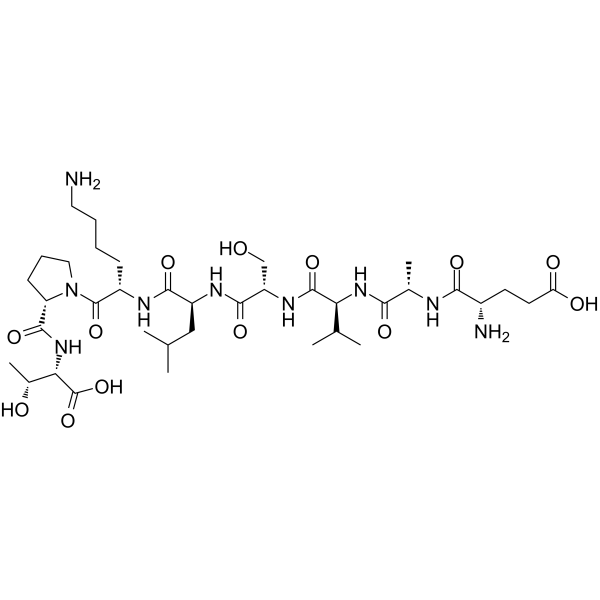 0 ImagesCat. No.: HY-P0154CAS No.: 182683-50-7Synonyms: ε-V1-2; EAVSLKPT
-
JW480
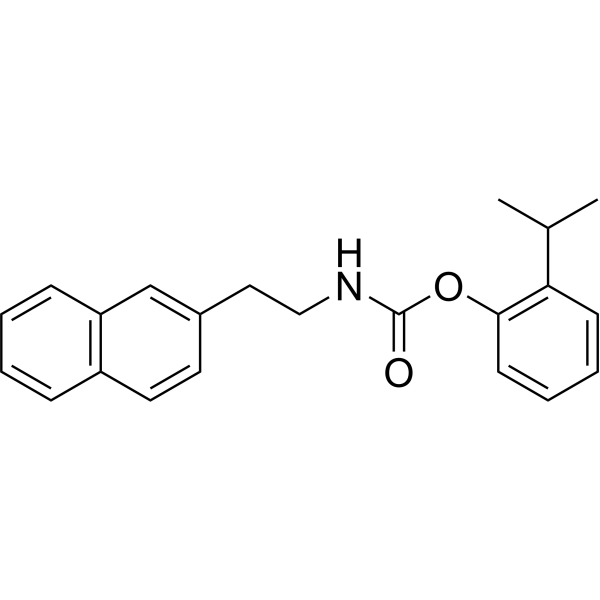 0 ImagesJW480 is a selective KIAA1363/AADACL1 inhibitor with oral activity, featuring IC50 values of 12 nM against human KIAA1363, 20 nM against mouse KIAA1363. JW480 blocks lipid deacetylase activity to restrain HAG metabolism and lowers retinyl ester hydrolase function in hepatic stellate cells. JW480 reduces MAGE lipid levels and inhibits migration, invasion, survival and tumor growth of prostate cancer cells. JW480 lowers PKCδ phosphorylation, facilitates HAGP accumulation, diminishes platelet aggregation, dense granule secretion and Ca2+ flux, delays arterial thrombosis and prolongs tail bleeding time in rats. JW480 can be used for the study of prostate cancer and thrombosis.
-
4aα,7α,7aα-Nepetalactone
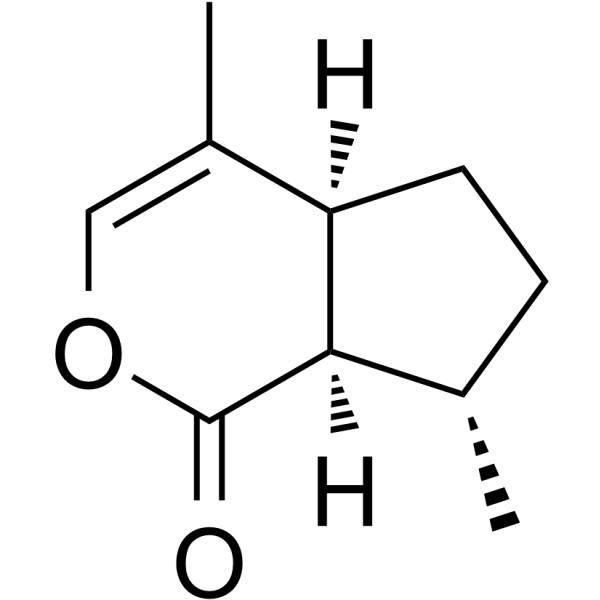 0 Images4aα,7α,7aα-Nepetalactone is an iridoid compound, a TRPA1 agonist, a repellent, and an attractant. 4aα,7α,7aα-Nepetalactone can be isolated from the oil of N. crispa. 4aα,7α,7aα-Nepetalactone induces repellent responses in three sap-sucking pests (Chinese psyllid, Asian citrus psyllid, and western flower thrips) via PKCα. Nepetalactone attracts two predatory lady beetles (Harmonia axyridis and Propylea japonica) through CaMKII. 4aα,7α,7aα-Nepetalactone causes mortality in Pogonomyrmex sp. ants. 4aα,7α,7aα-Nepetalactone can be used in studies related to bacterial infections and mandibulate pest infestations.