



TNF Receptor
Tumor Necrosis Factor Receptor; TNFR
Tumor necrosis factor (TNF) is a major mediator of apoptosis as well as inflammation and immunity, and it has been implicated in the pathogenesis of a wide spectrum of human diseases, including sepsis, diabetes, cancer, osteoporosis, multiple sclerosis, rheumatoid arthritis, and inflammatory bowel diseases.
TNF-α is a 17-kDa protein consisting of 157 amino acids that is a homotrimer in solution. In humans, the gene is mapped to chromosome 6. Its bioactivity is mainly regulated by soluble TNF-α–binding receptors. TNF-α is mainly produced by activated macrophages, T lymphocytes, and natural killer cells. Lower expression is known for a variety of other cells, including fibroblasts, smooth muscle cells, and tumor cells. In cells, TNF-α is synthesized as pro-TNF (26 kDa), which is membrane-bound and is released upon cleavage of its pro domain by TNF-converting enzyme (TACE).
Many of the TNF-induced cellular responses are mediated by either one of the two TNF receptors, TNF-R1 and TNF-R2, both of which belong to the TNF receptor super-family. In response to TNF treatment, the transcription factor NF-κB and MAP kinases, including ERK, p38 and JNK, are activated in most types of cells and, in some cases, apoptosis or necrosis could also be induced. However, induction of apoptosis or necrosis is mainly achieved through TNFR1, which is also known as a death receptor. Activation of the NF-κB and MAPKs plays an important role in the induction of many cytokines and immune-regulatory proteins and is pivotal for many inflammatory responses.
TNF Receptor Isoform Specific Products
-
TNF Receptor
(701)
View all products
-
TNFRSF1A/
CD120a (8)View all products
-
TNFRSF3/
CD18 (1)View all products
-
TNFRSF4
(5)
View all products
-
TNFRSF5/
CD40 (142)View all products
-
TNFRSF6/
Fas/ (2)CD95 View all products
-
TNFRSF7/
CD27 (2)View all products
-
TNFRSF8/
CD30 (3)View all products
-
TNFRSF9/
4-1BB/ (3)CD137 View all products
-
TNFRSF10B/
DR5/ (1)CD262 View all products
-
TNFRSF12A/
TWEAK (5)View all products
-
TNFRSF16/
NGF Receptor/ (1)CD271 View all products
-
TNFRSF18/
GITR/ (6)CD357 View all products
All Product Categories
-
TNF Receptor Inhibitors
(903)
View all products
-
TNF Receptor Agonists
(35)
View all products
-
TNF Receptor Antagonists
(25)
View all products
-
TNF Receptor Activators
(80)
View all products
-
TNF Receptor Modulators
(8)
View all products
-
TNF Receptor Inducers
(11)
View all products
-
TNF Receptor Controls
(4)
View all products
-
TNF Receptor Ligands
(2)
View all products
-
TNF Receptor Superfamily Proteins
(282)
View all products
-
TNF Receptor Related Products (1268)
Related Products (1268)

-
Recombinant Proteins (282)
-
Antibodies (23)
-
TNF Receptor Signaling Pathway
-
TNF Receptor Isoform Comparison
-
Kaempferol 3-O-sophoroside
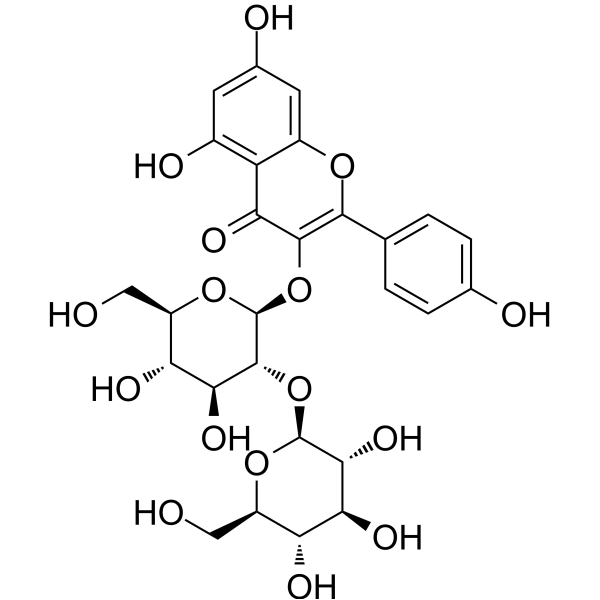 0 ImagesKaempferol 3-O-sophoroside is an orally active derivative of Kaempferol. It exhibits anti-inflammatory, analgesic, and antidepressant effects. Kaempferol 3-O-sophoroside is an inhibitor of the cell surface receptor toll-like receptor (TLR) 2/4 for High mobility group box 1 (HMGB1), and it also exerts anti-inflammatory effects by blocking the activation of NF-κB expression and the production of TNF-α. Kaempferol 3-O-sophoroside promotes the production of brain-derived neurotrophic factor (BDNF) and enhances autophagy by binding to AMP-activated protein kinase (AMPK), thereby exerting antidepressant effects. Kaempferol 3-O-sophoroside holds promise for research in the fields of inflammation and neurodegenerative diseases.
-
Ecliptasaponin A
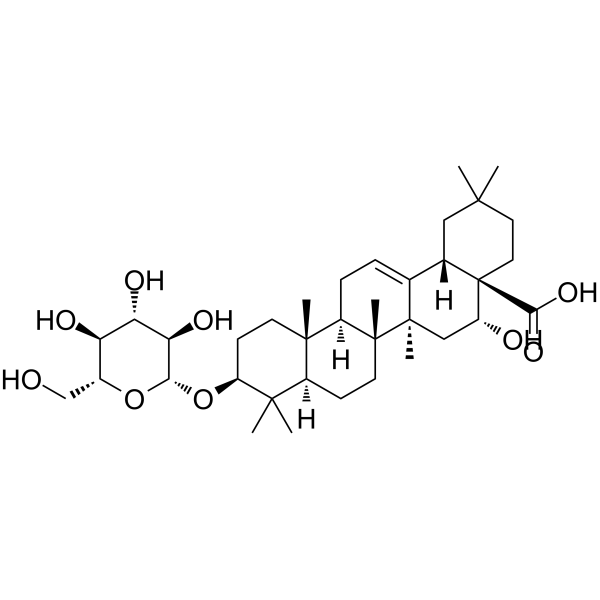 0 ImagesEcliptasaponin A is an orally active pentacyclic triterpenoid saponin. Ecliptasaponin A exerts anti-tumor activity by activating ASK1/JNK pathway, inducing apoptosis and autophagy in lung cancer cells. Ecliptasaponin A exerts anti-inflammatory/anti-fibrotic effects and protects the cardiovascular system by inhibiting the HMGB1/TLR4/NF-κB pathway, and the expression of COX-2 and MMP-9. Ecliptasaponin A can enhance SOD activity, reduce MDA levels, and alleviate oxidative stress damage. Ecliptasaponin A exerts chondroprotective effects by inhibiting the expression of MMP13 and regulating inflammatory factors. Ecliptasaponin A improves ovarian function and regulates sex hormones by upregulating the expression of ESR1 receptors.
-
Calenduloside E
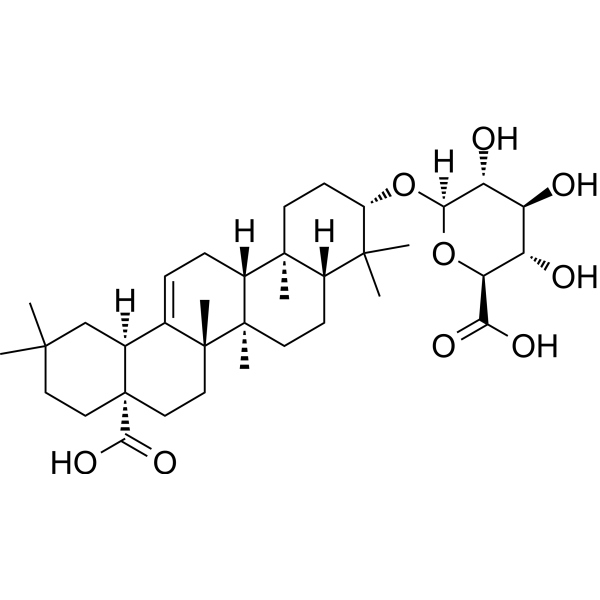 0 ImagesCalenduloside E is a pentacyclic triterpenoid saponin that can be extracted from the bark and roots of Aralia ovata, and has anti-inflammatory and anti-apoptotic activities. Calenduloside E alleviates atherosclerosis by regulating macrophage polarization, improves mitochondrial function by regulating the AMPK-SIRT3 pathway, and alleviates acute liver injury. In addition, Calenduloside E promotes the interaction between L-type calcium channels and Bcl-2 related apoptosis genes, inhibits calcium overload, and alleviates myocardial ischemia/reperfusion injury. Calenduloside E also improves non-alcoholic fatty liver disease by regulating heat shock-dependent pathways, and inhibits ROS mediated JAK1-STAT3 pathways to reduce cellular inflammatory responses.
-
GSK699
 0 ImagesGSK699 is a KAT2A/B/PCAF/GCN5 PROTAC degrader. GSK699 induces proteasome-dependent degradation of KAT2A, KAT2B, PCAF and GCN5, regulates the histone acetyltransferase activity of the SAGA complex, and reduces the level of histone H3K9ac. GSK699 inhibits the growth of neuroblastoma, acute myeloid leukemia and small cell lung cancer cells. GSK699 reduces the production of inflammatory cytokines and chemokines, and impairs LPS-stimulated immune cell responses. GSK699 is applicable to research related to acute myeloid leukemia, small cell lung cancer, neuroblastoma and inflammatory diseases.
-
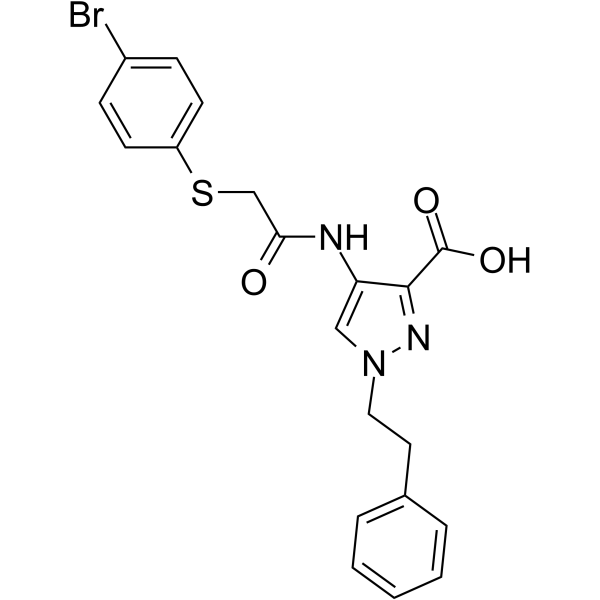
L524-0366
 0 ImagesL524-0366 is a specific, dose-dependent TWEAK-Fn14 inhibitor. L524-0366 specifically binds to the Fn14 surface with a KD of 7.12 μM, competitively inhibiting the binding of Fn14 to TWEAK (inhibition rate reaching 16%). L524-0366 inhibits TWEAK-induced glioma cell migration without potential cytotoxic effects.
-
Varlilumab
 0 ImagesCat. No.: HY-P99057CAS No.: 1393344-72-3Synonyms: CDX-1127Varlilumab (CDX-1127) is an agonist anti-CD27 monoclonal antibody. Varlilumab can promote T cell expansion and activate the immune response. Varlilumab has anti-tumor activity and can be used in the research of hematological malignancies and solid tumors.
-
Negletein
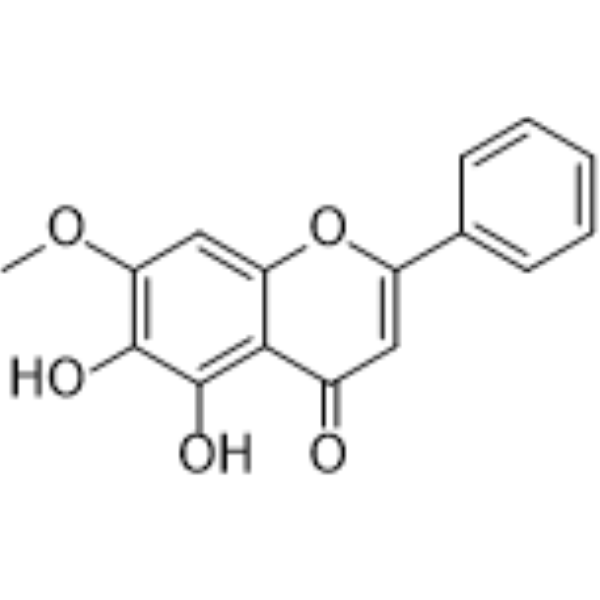 0 ImagesSynonyms: 5,6-Dihydroxy-7-methoxyflavoneNegletein (5,6-Dihydroxy-7-methoxyflavone) is a flavone found in Scutellaria. Negletein shows anti-inflammatory activity via inhibiting TNF-α and IL-1β with IC50 values of 16.4 and 6.4 μM, respectively. Negletein can activate Nrf2 and inhibit ROS production. Negletein can enhance the neuroprotective effect of nerve growth factor. Negletein can inhibit amyloid beta-peptide release and accumulation. Negletein can inhibit pathogens biofilms formation. Negletein can be used for the researches of cancer, infection, inflammation and neurological disease, such as colon cancer and Alzheimer's disease.
-
TREM-1 inhibitory peptide GF9
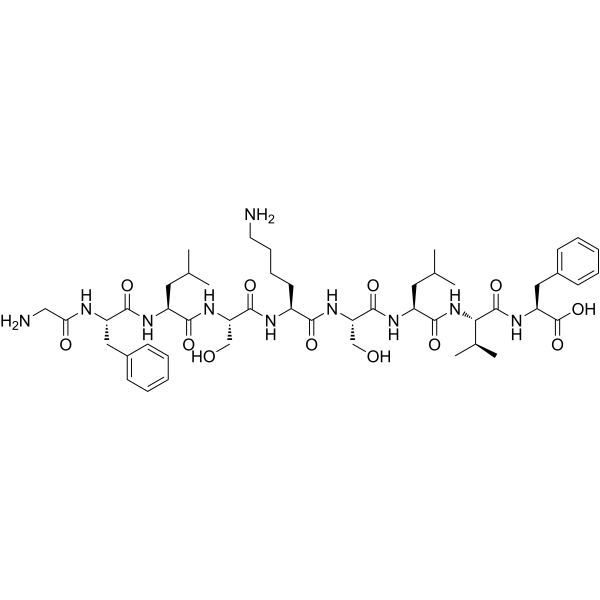 0 ImagesSynonyms: Human TREM-1(213-221)TREM-1 inhibitory peptide GF9 (Human TREM-1 (213-221)) is a TREM-1 inhibitor. TREM-1 inhibitory peptide GF9 blocks the TREM-1 signaling pathway via a ligand-independent mechanism, spontaneously inserts into the cell membrane to dissociate TREM-1 from DAP-12, and functions through the Signaling Chain Homooligomerization (SCHOOL) model. TREM-1 inhibitory peptide GF9 reduces the levels of TNFα, IL-1β, IL-6, and M-CSF. TREM-1 inhibitory peptide GF9 inhibits tumor growth, prolongs the survival of mice with pancreatic cancer models, ameliorates collagen-induced arthritis, and exerts protective effects on bone and cartilage simultaneously. TREM-1 inhibitory peptide GF9 can be used in research related to arthritis, pancreatic cancer, retinopathy, alcoholic liver disease, and liver cancer.
-
AMG-966
 0 ImagesCat. No.: HY-P991440Purity: 98.38%AMG-966 is a human bispecific antibody (bsAb) targeting TNFSF15/TL1A & TNFα. AMG 966 restores the ability of the aglycosylated Fc domain to bind FcγRIa and FcγRIIa, leading to the formation of anti-drug antibodies (ADA). AMG 966 can be used in research on Crohn's disease and ulcerative colitis. Recommended isotype control: Human IgG1 kappa, Isotype Control (HY-P99001).
-
Lenalidomide (Standard)
 0 ImagesSynonyms: CC-5013 (Standard)Lenalidomide (Standard) (CC-5013 (Standard)) is the analytical standard of Lenalidomide (HY-A0003). This product is intended for research and analytical applications. Lenalidomide (CC-5013) is an orally active immunomodulatory agent that binds CRBN as a molecular glue to alter substrate specificity, inducing ubiquitination and proteasome-dependent degradation of IKZF1, IKZF3 and CK1α. Lenalidomide induces apoptosis by degrading IKZF1/3, and activates p53 by degrading CK1α. Lenalidomide promotes IL-2 release and effector functions of CD8+ T/NK cells, while inhibiting TNF-α secretion and M1-type pyroptosis. Lenalidomide can be used in research related to hematological malignancies, acute liver failure and acute kidney injury.
-
PQA-18
 0 ImagesPQA-18 is a unique PAK2 inhibitor (IC50: 10 nM). PQA-18 has immunosuppressing effects. PQA-18 suppresses IL2, IL4, IL6, and TNFα. PQA-18 inhibits the population of a subset of regulatory T cells and the immunoglobulin (Ig) production against T cell-dependent antigens as well as alleviates dermatitis in mice.
-
Tanimilast
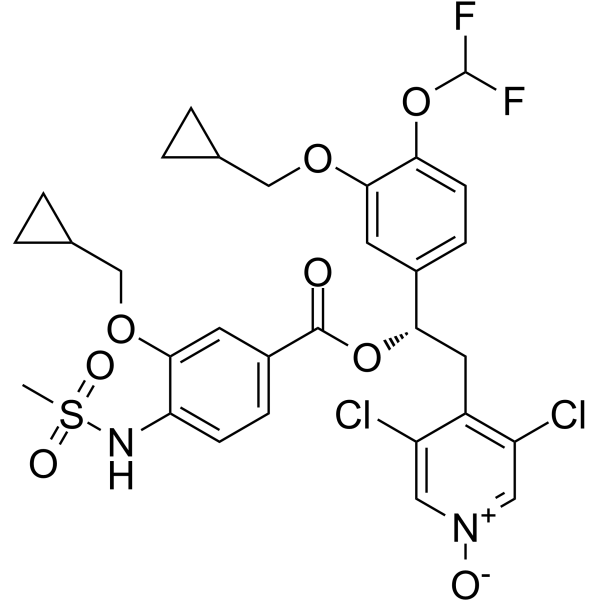 0 ImagesSynonyms: CHF-6001Tanimilast (CHF-6001) is an orally active and selective phosphodiesterase 4 inhibitor (IC50=0.026 nM) with robust anti-inflammatory activity and suitable for topical pulmonary administration. Tanimilast increases cellular cAMP levels, and inhibits NF-κB signaling pathway. Tanimilast is used for the research of obstructive lung diseases.
-
Bleselumab
 0 ImagesSynonyms: ASKP 1240
-
Ragifilimab
 0 ImagesSynonyms: INCAGN-1876Ragifilimab (INCAGN-1876) is an agonist monoclonal antibody targeting the glucocorticoid-induced TNFR-related protein (GITR). Ragifilimab binds to and activates GITR on T cells, which stimulates the immune system to enhance its anti-tumor activity. Ragifilimab can be used for advanced or metastatic solid tumors research.
-
AQX-016A
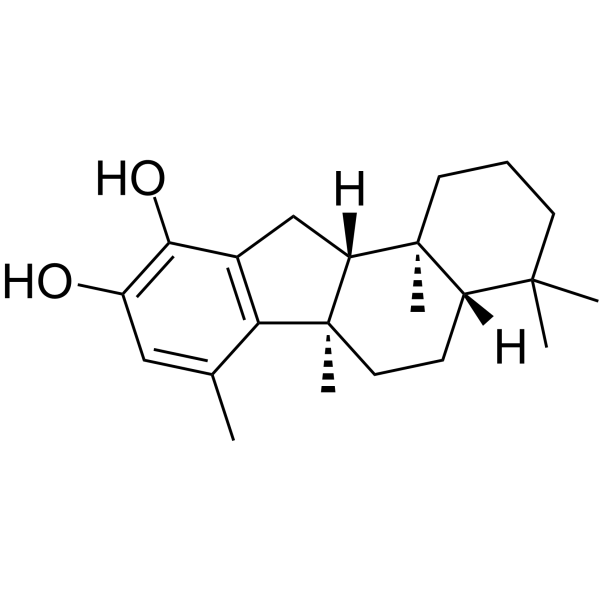 0 ImagesAQX-016A is an orally active and potent SHIP1 agonist. AQX-016A can activate recombinant SHIP1 enzyme in vitro and stimulate SHIP1 activity. AQX-016A also can inhibit the PI3K pathway and TNFa production, can be useful for various inflammatory diseases research.
-
Theophylline (Standard)
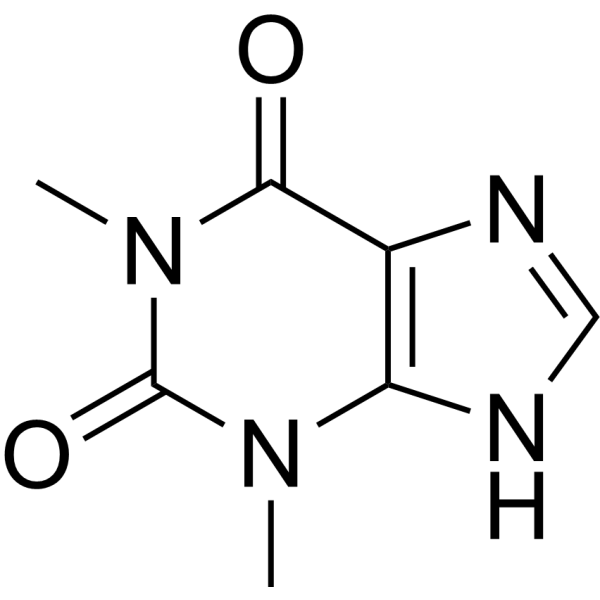 0 ImagesSynonyms: 1,3-Dimethylxanthine(Standard); Theo-24 (Standard)Theophylline (Standard) is the analytical standard of Theophylline. This product is intended for research and analytical applications. Theophylline (1,3-Dimethylxanthine) is a potent phosphodiesterase (PDE) inhibitor, adenosine receptor antagonist, and histone deacetylase (HDAC) activator. Theophylline (1,3-Dimethylxanthine) inhibits PDE3 activity to relax airway smooth muscle. Theophylline (1,3-Dimethylxanthine) has anti-inflammatory activity by increase IL-10 and inhibit NF-κB into the nucleus. Theophylline (1,3-Dimethylxanthine) induces apoptosis. Theophylline (1,3-Dimethylxanthine) can be used for asthma and chronic obstructive pulmonary disease (COPD) research.
-
Kaolin
 0 ImagesCat. No.: HY-W115786CAS No.: 1332-58-7Kaolin is a family of kaolinitic clays, which is found in the earth's crust. Kaolin alleviates the toxicity of graphene oxide for mammalian cells. Kaolin can be utilized in industrial, cosmetic and medical fields, excipient.
-
Cornuside
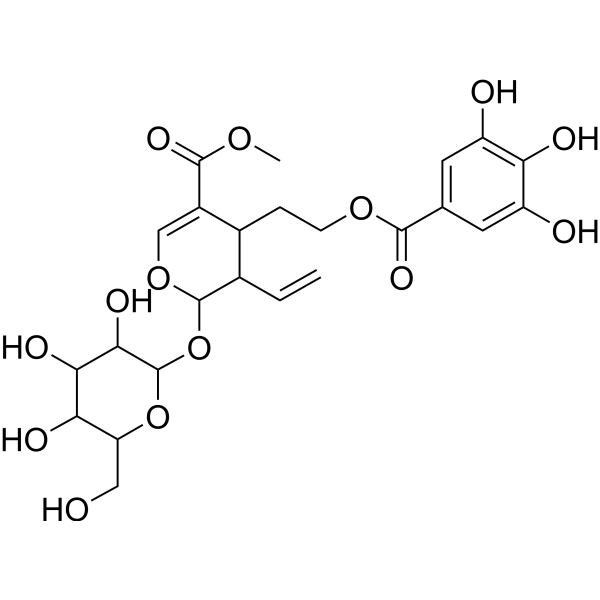 0 ImagesCornuside is an iridoid glycoside with anti-allergic, anti-inflammatory, and neuroprotective activities. Cornuside exerts anti-allergic activity by downregulating the p38 MAPK, JNK, and NF-κB signaling pathways, and inhibits IgE-mediated histamine release from mast cells. Cornuside improves cognitive impairment in mice by inhibiting BACE1 activity (IC50 = 55.84 μg/mL) and enhancing ChAT activity. Cornuside inhibits LPS (HY-D1056)-induced inflammatory mediators, including iNOS, COX-2, PGE2, TNF-α, IL-6, and IL-1β, by suppressing NF-κB activation.




