



TNF Receptor
Tumor Necrosis Factor Receptor; TNFR
Tumor necrosis factor (TNF) is a major mediator of apoptosis as well as inflammation and immunity, and it has been implicated in the pathogenesis of a wide spectrum of human diseases, including sepsis, diabetes, cancer, osteoporosis, multiple sclerosis, rheumatoid arthritis, and inflammatory bowel diseases.
TNF-α is a 17-kDa protein consisting of 157 amino acids that is a homotrimer in solution. In humans, the gene is mapped to chromosome 6. Its bioactivity is mainly regulated by soluble TNF-α–binding receptors. TNF-α is mainly produced by activated macrophages, T lymphocytes, and natural killer cells. Lower expression is known for a variety of other cells, including fibroblasts, smooth muscle cells, and tumor cells. In cells, TNF-α is synthesized as pro-TNF (26 kDa), which is membrane-bound and is released upon cleavage of its pro domain by TNF-converting enzyme (TACE).
Many of the TNF-induced cellular responses are mediated by either one of the two TNF receptors, TNF-R1 and TNF-R2, both of which belong to the TNF receptor super-family. In response to TNF treatment, the transcription factor NF-κB and MAP kinases, including ERK, p38 and JNK, are activated in most types of cells and, in some cases, apoptosis or necrosis could also be induced. However, induction of apoptosis or necrosis is mainly achieved through TNFR1, which is also known as a death receptor. Activation of the NF-κB and MAPKs plays an important role in the induction of many cytokines and immune-regulatory proteins and is pivotal for many inflammatory responses.
TNF Receptor Isoform Specific Products
-
TNF Receptor
(701)
View all products
-
TNFRSF1A/
CD120a (8)View all products
-
TNFRSF3/
CD18 (1)View all products
-
TNFRSF4
(5)
View all products
-
TNFRSF5/
CD40 (142)View all products
-
TNFRSF6/
Fas/ (2)CD95 View all products
-
TNFRSF7/
CD27 (2)View all products
-
TNFRSF8/
CD30 (3)View all products
-
TNFRSF9/
4-1BB/ (3)CD137 View all products
-
TNFRSF10B/
DR5/ (1)CD262 View all products
-
TNFRSF12A/
TWEAK (5)View all products
-
TNFRSF16/
NGF Receptor/ (1)CD271 View all products
-
TNFRSF18/
GITR/ (6)CD357 View all products
All Product Categories
-
TNF Receptor Inhibitors
(903)
View all products
-
TNF Receptor Agonists
(35)
View all products
-
TNF Receptor Antagonists
(25)
View all products
-
TNF Receptor Activators
(80)
View all products
-
TNF Receptor Modulators
(8)
View all products
-
TNF Receptor Inducers
(11)
View all products
-
TNF Receptor Controls
(4)
View all products
-
TNF Receptor Ligands
(2)
View all products
-
TNF Receptor Superfamily Proteins
(282)
View all products
-
TNF Receptor Related Products (1268)
Related Products (1268)

-
Recombinant Proteins (282)
-
Antibodies (23)
-
TNF Receptor Signaling Pathway
-
TNF Receptor Isoform Comparison
-
Malvidin-3-glucoside chloride
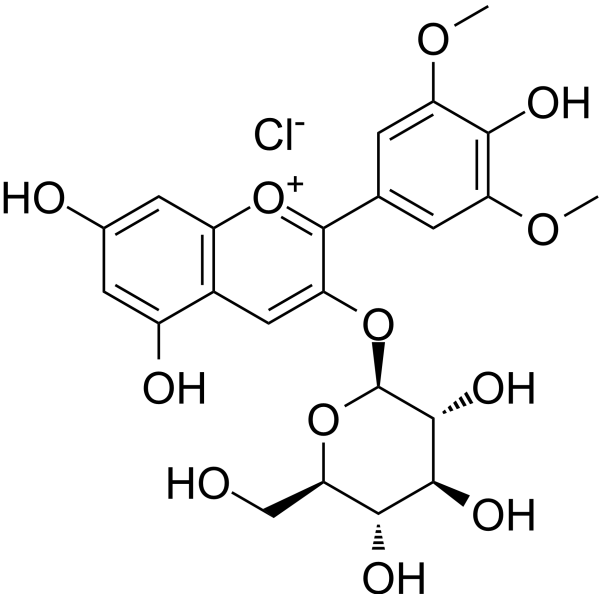 0 ImagesSynonyms: Malvidin-3-O-glucoside chloride; Oenin chlorideMalvidin-3-glucoside (Malvidin-3-O-glucoside; Oenin) chloride is an orally active inhibitor of the NF-κB pathway, which blocks inflammatory responses induced by TNF-α, reduces IκB-α degradation and p65 nuclear translocation, and upregulates endothelial nitric oxide synthase eNOS to increase NO production. Malvidin-3-glucoside chloride exerts anti-inflammatory and antioxidant effects by inhibiting pro-inflammatory molecules such as MCP-1, ICAM-1, and IL-6, and regulating intestinal microorganisms and metabolites, while protecting endothelial cells and improving intestinal microecological dysbiosis under inflammatory conditions. Malvidin-3-glucoside chloride can be used to study chronic inflammatory-related diseases such as atherosclerosis and inflammatory bowel disease, and has the potential to prevent vascular inflammation and improve intestinal health.
-
Schisantherin B
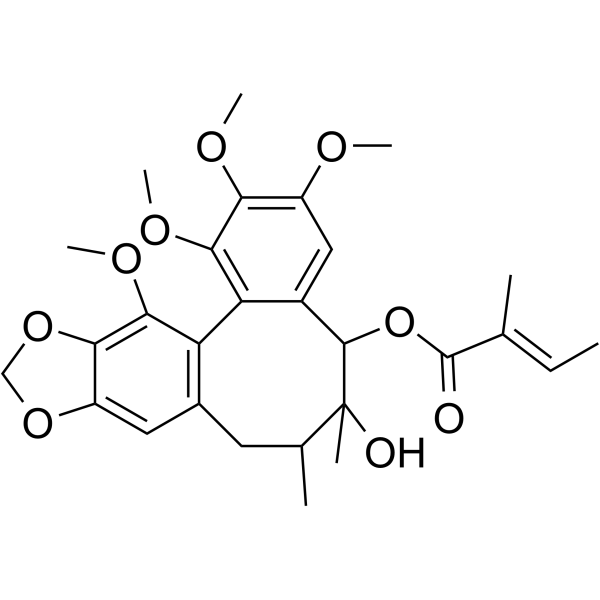 0 ImagesSynonyms: Gomisin-B; Wuweizi ester-B; Schisantherin-BSchisantherin B (Gomisin-B) is a lignan compound and one of the active components of Schisandra chinensis. Schisantherin B activates the PI3K/AKT signaling pathway, restores the activity of GSK3β, and reduces the hyperphosphorylation of tau protein in hippocampal and cerebral cortical tissues. Schisantherin B upregulates the level of GLT-1, decreases the expression of pro-inflammatory cytokines TNF-α/IL-1β/IL-6, upregulates the expression of IL-10, and inhibits cell apoptosis. Schisantherin B is applicable to the research of spinal cord injury, Alzheimer's disease and depression.
-
Acimtamig
 0 ImagesSynonyms: AFM13Acimtamig (AFM13) is a CD30/CD16A bispecific innate cell engager. Acimtamig binds to the CD16A expressed on natural killer (NK) cells and binds to CD30 on CD30-expressing tumor cells, thereby selectively cross-linking tumor and NK cells. Acimtamig can be used for the study of eripheral T-cell lymphoma (PTCL).
-
Licoricesaponin G2
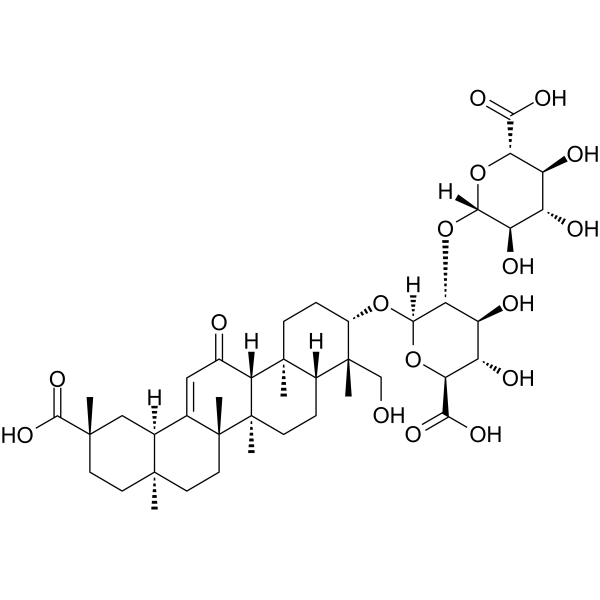 0 ImagesLicoricesaponin G2 is an orally active component found in Licorice. Licoricesaponin G2 significantly ameliorates Bleomycin (HY-108345)-induced pulmonary fibrosis by inhibiting the TNF-α signaling pathway, reducing epithelial-mesenchymal transition, and decreasing extracellular matrix deposition. Licoricesaponin G2 inhibits cancer cells proliferation, migration, inhibits PI3K/AKT/mTOR signaling pathway and increases ROS production. Licoricesaponin G2 can be used for the research of lung cancer and pulmonary fibrosis.
-
Defensin HNP-1 human
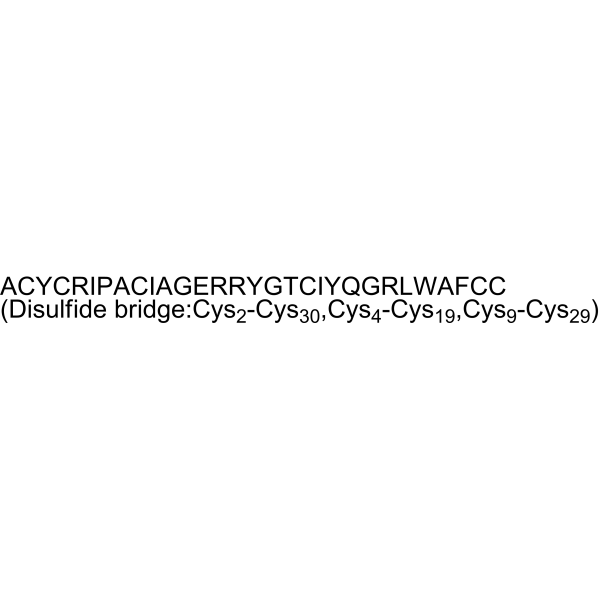 0 ImagesDefensin HNP-1 human is a type of human neutrophil peptide (HNPs). Defensin HNP-1 human possesses immunomodulatory functions and can delay the apoptosis of neutrophils. Defensin HNP-1 human inhibits DNA/RNA/protein synthesis and interferes with metabolic pathways, thus exhibiting broad antibacterial activity. Defensin HNP-1 human has direct inactivation effects on HIV, HSV-1, HSV-2, CMV, influenza virus, etc. Defensin HNP-1 human has antileishmanial activity. Defensin HNP-1 human is involved in endothelial cell dysfunction during the early development of atherosclerosis.
-
Anti-Monkey/Human CD40L/CD154 Antibody (5C8)
 0 ImagesCat. No.: HY-P990133Anti-Monkey/Human CD40L/CD154 Antibody (5C8) is a mouse-derived IgG2a type antibody inhibitor, targeting to monkey/human CD40L/CD154. Anti-Monkey/Human CD40L/CD154 Antibody (5C8) blocks the interactionbetween CD154 and CD40. Anti-Monkey/Human CD40L/CD154 Antibody (5C8) can be used for the researches of inflammation and immunology, such as colitis and transplant.
-
EGR-1-IN-2
 0 ImagesEGR-1-IN-2 (compound 2) is an EGR-1 inhibitor with anti-inflammatory activity. EGR-1-IN-2 inhibits the formation of EGR-1-DNA complexes induced by TNF-α in HaCaT cells.
-
Toralizumab
 0 ImagesSynonyms: IDEC-131; Anti-Human CD40 ligand Recombinant AntibodyToralizumab (IDEC-131) is a humanized monoclonal antibody (mAb) against CD40L (CD154) comprised of human gamma 1 heavy chains and human kappa light chains. Toralizumab binds specifically to human CD40L on T cells, thereby preventing CD40 signaling. Toralizumab is an immunosuppressive agent. Toralizumab can lead to increased thrombosis. Toralizumab can be studied in research for diseases such as multiple sclerosis, systemic lupus erythematosus (SLE), and Crohn’s disease.
-
5-Methoxytryptophol
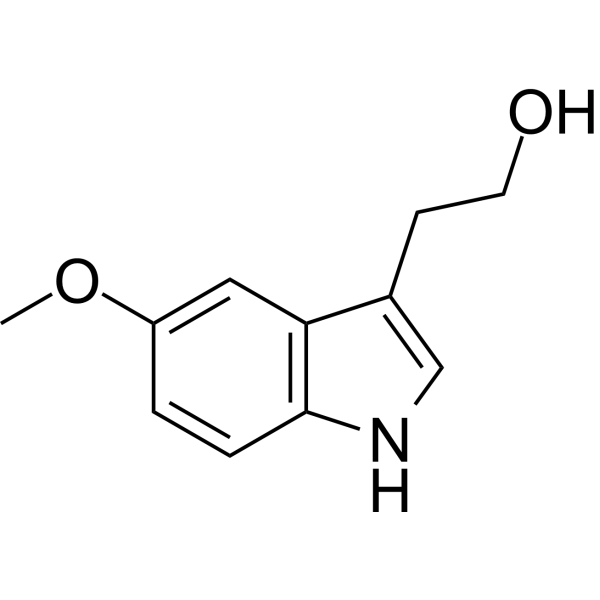 0 Images5-Methoxytryptophol is a 5-methoxyindole alcohol structurally homologous to Melatonin (HY-B0075). It is secreted by the mammalian pineal gland and exhibits an inverse circadian rhythm. 5-Methoxytryptophol regulates bone metabolism by activating the ERK1/2 pathway. It reduces the levels of pro-inflammatory cytokines TNF-α and IL-1β, as well as proteolytic enzymes MMP-1 and MMP-2, in serum and dental pulp tissues, thereby ameliorating acute pulpitis. 5-Methoxytryptophol induces rapid sleep in mice, while high doses cause respiratory depression and death. 5-Methoxytryptophol. 5-Methoxytryptophol can be used in studies related to acute pulpitis, hypnosis, and bone metabolism.
-
Pinocembrin 7-O-[3''-O-galloyl-4'',6''-hexahydroxydiphenoyl]-β-D-glucoside
![Pinocembrin 7-O-[3''-O-galloyl-4'',6''-hexahydroxydiphenoyl]-β-D-glucoside](https://file.medchemexpress.com/product_pic/hy-n5084.gif "Click to View Pinocembrin 7-O-[3''-O-galloyl-4'',6''-hexahydroxydiphenoyl]-β-D-glucoside Product Detail") 0 ImagesPinocembrin 7-O-[3''-O-galloyl-4'',6''-hexahydroxydiphenoyl]-β-D-glucoside is a TRPV1 antagonist and HDAC7 inhibitor. Pinocembrin 7-O-[3''-O-galloyl-4'',6''-hexahydroxydiphenoyl]-β-D-glucoside blocks TRPV1-mediated calcium influx, suppresses phosphorylation of p65, IκBα, p38, JNK, and ERK1/2, inhibiting NF-κB and MAPK signaling cascades. Pinocembrin 7-O-[3''-O-galloyl-4'',6''-hexahydroxydiphenoyl]-β-D-glucoside reduces production and gene expression of pro-inflammatory cytokines IL-1β, IL-6, and TNF-α. Pinocembrin 7-O-[3''-O-galloyl-4'',6''-hexahydroxydiphenoyl]-β-D-glucoside exhibits potent analgesic activity, elevates thermal pain threshold and mechanical pain threshold in murine models. Pinocembrin 7-O-[3''-O-galloyl-4'',6''-hexahydroxydiphenoyl]-β-D-glucoside restores CD8+ T cell infiltration into bladder cancer tumors and improves bladder cancer immunotherapy efficacy. Pinocembrin 7-O-[3''-O-galloyl-4'',6''-hexahydroxydiphenoyl]-β-D-glucoside can be used for the researches of painand bladder cancer.
0 ImagesPinocembrin 7-O-[3''-O-galloyl-4'',6''-hexahydroxydiphenoyl]-β-D-glucoside is a TRPV1 antagonist and HDAC7 inhibitor. Pinocembrin 7-O-[3''-O-galloyl-4'',6''-hexahydroxydiphenoyl]-β-D-glucoside blocks TRPV1-mediated calcium influx, suppresses phosphorylation of p65, IκBα, p38, JNK, and ERK1/2, inhibiting NF-κB and MAPK signaling cascades. Pinocembrin 7-O-[3''-O-galloyl-4'',6''-hexahydroxydiphenoyl]-β-D-glucoside reduces production and gene expression of pro-inflammatory cytokines IL-1β, IL-6, and TNF-α. Pinocembrin 7-O-[3''-O-galloyl-4'',6''-hexahydroxydiphenoyl]-β-D-glucoside exhibits potent analgesic activity, elevates thermal pain threshold and mechanical pain threshold in murine models. Pinocembrin 7-O-[3''-O-galloyl-4'',6''-hexahydroxydiphenoyl]-β-D-glucoside restores CD8+ T cell infiltration into bladder cancer tumors and improves bladder cancer immunotherapy efficacy. Pinocembrin 7-O-[3''-O-galloyl-4'',6''-hexahydroxydiphenoyl]-β-D-glucoside can be used for the researches of painand bladder cancer.
-
Amcinonide
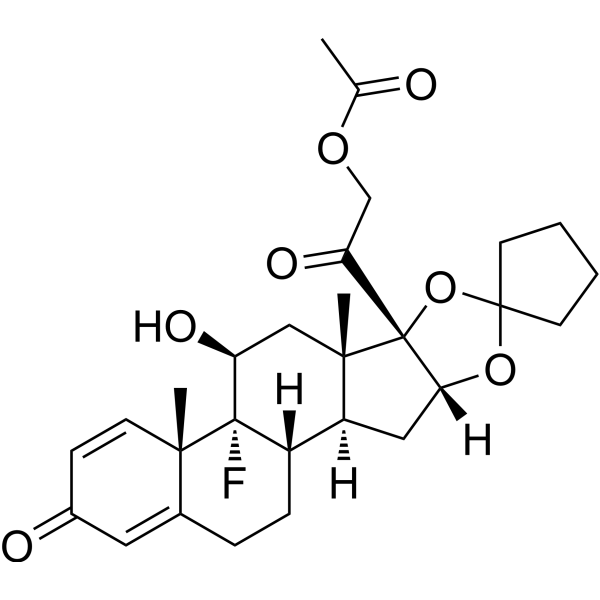 0 ImagesSynonyms: CL-34699Amcinonide is an inhibitor of NO release (IC50 = 3.38 nM). Amcinonide inhibits NNC-induced expression of the proinflammatory genes iNOS, TNF-α, and IL-1β in glial cells. Amcinonide reduces the numbers of T6+/Ia+ cells with a concomitant increase in T6+/Ia- cells. Amcinonide induces a selective reduction in expression of Ia antigens. Amcinonide can also be studied in research for eczematous dermatitis.
-
Khasianine
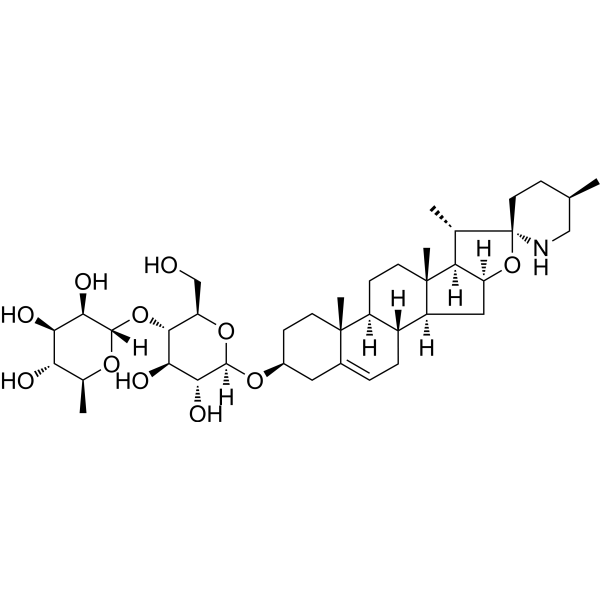 0 ImagesKhasianine is a steroidal glycoalkaloid. Khasianine alleviates psoriasis-like skin inflammation by inhibiting the TNF-α/NF-κB axis. Khasianine can downregulate the RhoA pathway and exhibits potential antimetastatic activity. Khasianine upregulates the expression of TNFR I and TNFR II without inducing apoptotic effects. Khasianine can be used in studies related to psoriasis, pancreatic ductal adenocarcinoma, and liver cancer.
-
2'-Acetylacteoside
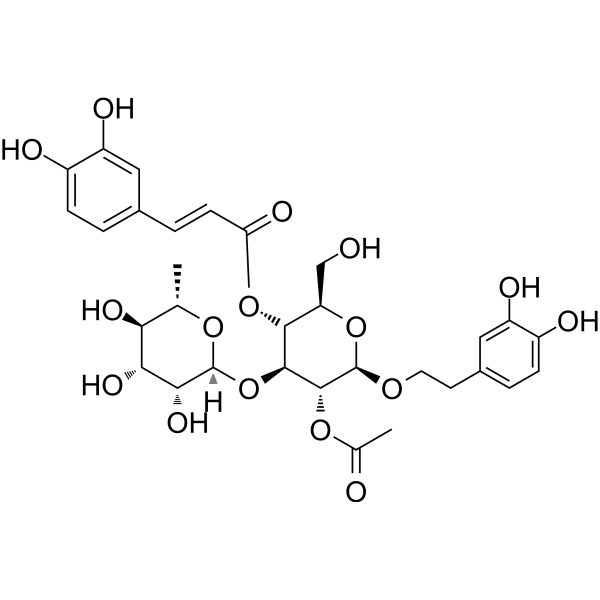 0 ImagesSynonyms: 2'-AA2'-Acetylacteoside (2'-AA) is a natural compound with oral activity and blood-brain barrier permeability. 2'-Acetylacteosideexhibits MAO‑B inhibitory activity (IC50 = 17.71 μM, Ki = 13.81 μM). 2'-Acetylacteoside downregulates the expression of RANK, TRAF6, NF‑κB, NFATc1 and IKKβ, disrupts the RANKL/RANK interaction, blocks downstream signaling pathways, and increases the level of phosphorylated Akt. 2'-Acetylacteoside possesses potent anti-osteoclastogenic, anti-bone resorptive, pro-neurogenic, neuroprotective and antioxidant activities. 2'-Acetylacteoside can be used in the research of osteoporosis, ischemic stroke and Parkinson's disease.
-
Aloesone
 0 ImagesAloesone is an orally active phenolic heptaketide natural product that can cross the blood-brain barrier. Aloesone inhibits LPS-induced oxidative stress, inflammation, M1 polarization and apoptosis in RAW264.7 macrophages by reducing ROS production and NO release, and downregulating the mRNA expression of iNOS, IL-1β and TNF-α. Aloesone also inhibits glutamate-induced neuronal damage and pentylenetetrazol (PTZ)-induced seizures by activating c-SRC.
-
Anti-Mouse TNFR2 Antibody (TR75-54.7)
 0 ImagesCat. No.: HY-P99149Purity: 98.864%Anti-Mouse TNFR2 Antibody (TR75-54.7) is an anti-mouse TNFR2 IgG monoclonal antibody. Anti-Mouse TNFR2 Antibody (TR75-54.7) can reduce white blood cell count (WBC) and decrease the expression of some pro-inflammatory cytokines such as CCL2 and CXCL5. Anti-Mouse TNFR2 Antibody (TR75-54.7) can be used for researches on inflammation conditions and cancer such as breast cancer.
-
Punicic acid
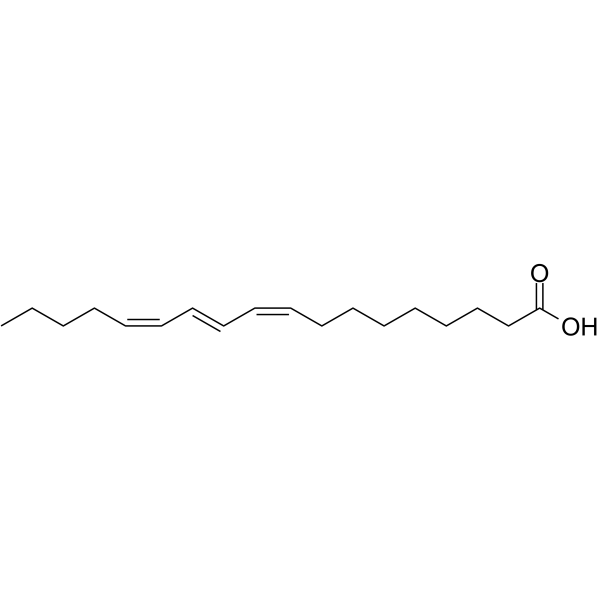 0 ImagesPunicic acid is a bioactive compound of pomegranate seed oil. Punicic acid is an isomer of conjugated α-linolenic acid and ω-5 polyunsaturated fatty acids. Punicic acid has anti-inflammatory and antioxidant activities and can inhibit the expression of inflammatory mediators such as tumor necrosis factor α (TNF-α). Punicic acid can also reduce the formation of β-amyloid deposits and hyperphosphorylation of tau by increasing the expression of GLUT4 protein and inhibiting the overactivation of calpain, and is used to prevent and treat neurodegenerative diseases. In addition, punicic acid also has breast cancer inhibitor properties that depend on lipid peroxidation and PKC pathways.
-
Givastomig
 0 ImagesSynonyms: TJ-CD4B; ABL111; TJ033721Givastomig (ABL111, TJ033721) is a bispecific antibody (BsAb) inhibitor. Givastomig can specifically binds to Claudin18.2 (CLDN 18.2) on the surface of cancer cells and 4-1BB (CD137, TNFRSF9) on the surface of activated T cells and natural killer (NK) cells. Givastomig is engineered to contain a single Fc-domain mutation (asparagine to alanine) to eliminate Fc-effector function. Givastomig-bound cell lines expressing a range of CLDN18.2 levels with high affinity and induced 4-1BB activation only in the context of CLDN18.2 binding. Givastomig can be used for the study of colon carcinoma.
-
Chondroitin sulfate (from chicken)
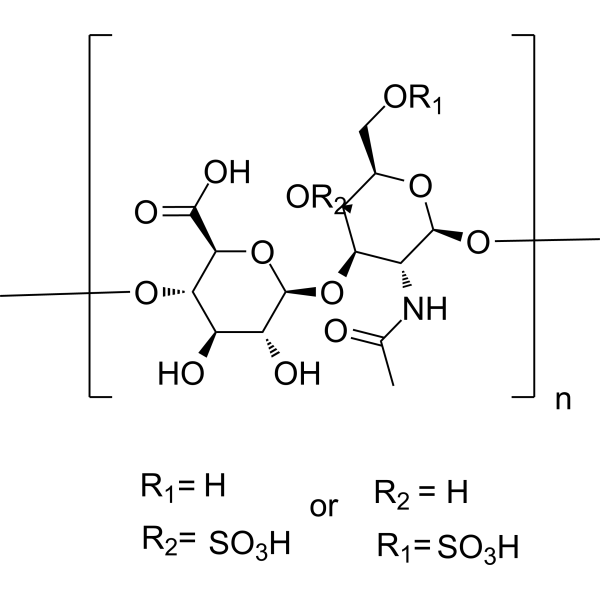 0 ImagesSynonyms: Chondroitin polysulfate (from chicken)Chondroitin sulfate (from chicken) (Chondroitin polysulfate (from chicken)) is an orally active, sulfated linear polysaccharide extracted from chickens, which belongs to glycosaminoglycans. Chondroitin sulfate (from chicken) reduces the phosphorylation levels of ERK1/2 and p38MAPK, inhibits the expression of inflammatory cytokines and MMP, and downregulates the levels of IL-1β, IL-6, TNF-α and PGE2. Chondroitin sulfate (from chicken) improves motor function, protects cartilage tissue, reverses chondrocyte aggregation, and regulates the structure of intestinal flora. Chondroitin sulfate (from chicken) can be used in research related to osteoarthritis.
-
KPT-276
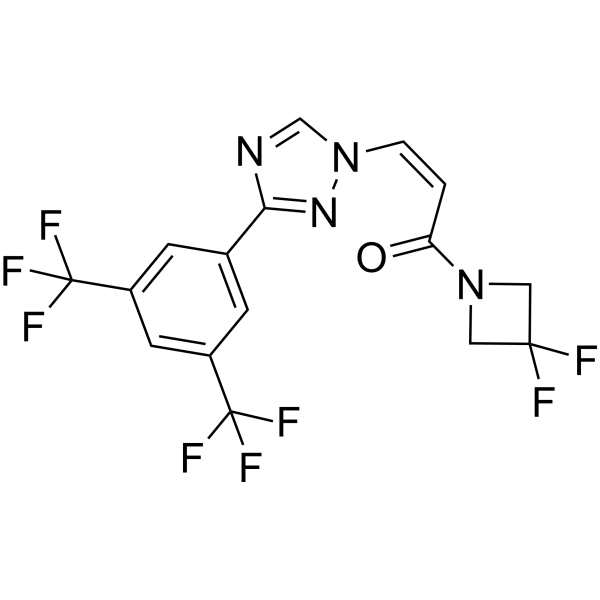 0 ImagesKPT-276 is an orally active and blood-brain barrier-penetrant selective XPO1/CRM1 inhibitor. KPT-276 blocks XPO1-mediated nuclear export function and promotes nuclear retention of various tumor suppressor proteins. KPT-276 induces apoptosis and G1 cell cycle arrest in tumor cells, and downregulates c-MYC, CDC25A, and BRD4. KPT-276 reduces immune cell proliferation through nuclear accumulation of cell cycle inhibitors, rescues TDP-43 cytoplasmic mislocalization, and restores axon growth and growth rate in mutant PFN1 motor neurons. KPT-276 maintains axonal cytoskeletal integrity and mitochondrial function, and inhibits tumor growth. KPT-276 can be used for research on glioblastoma, non-Hodgkin lymphoma, amyotrophic lateral sclerosis, multiple myeloma, and non-small cell lung cancer.
-
Edpetiline
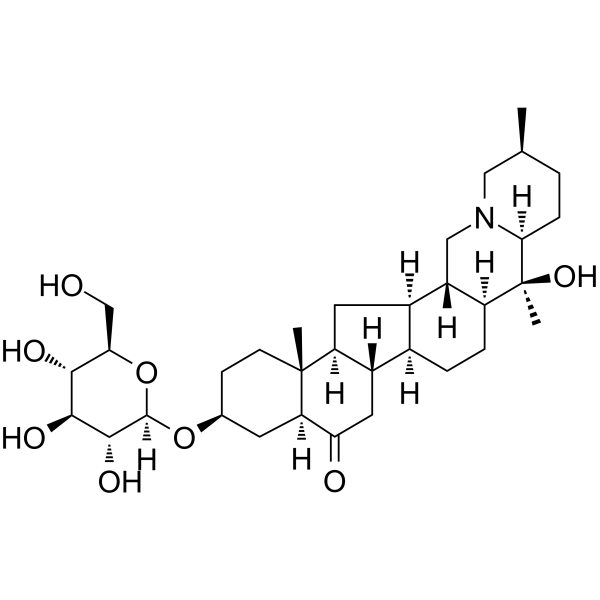 0 ImagesEdpetiline is an anti-inflammatory agent. Edpetiline inhibits the phosphorylation of IκB, nuclear transcription/translocation of NF-κB p65, as well as the phosphorylation of p38 MAPK and ERK MAPK. Edpetiline reduces intracellular ROS levels, inhibits the expression of TNF-α, IL-6, iNOS, COX-2, and promotes the expression of IL-4. Edpetiline is applicable to the research of diseases associated with inflammation and oxidative stress.




