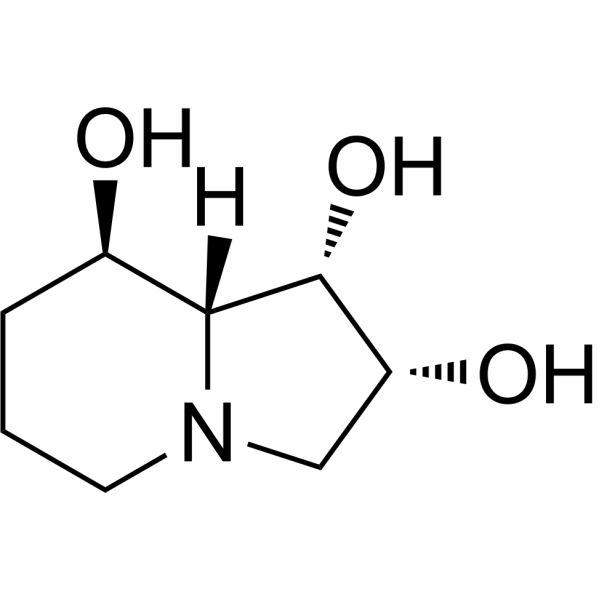
Antibiotic
Antibiotics are a class of secondary metabolites produced from microorganisms, animals or plants. Some of them exhibit anti-bacterial, anti-fungal, anthelmintic, anti-tumor or immunosuppressive activities with a wealth of structural classes such as β-lactams, macrolide and polyether. As major sources of antibiotics, streptomycetes, penicillium and marine organisms produce a wide variety of commercially important polyketide compounds including the well-known macrolide, polyene and polyether antibiotics with wide range of activities. Antibiotics such as penicillin, cephalosporin, streptomycin, and tetracycline can be used in the treatment of human and veterinary diseases. However, antibiotic resistance is also a growing threat to global public health.
Antibiotic Isoform Specific Products
-
Antibiotic
(2782)
View all products
-
Aminoglycoside
(46)
View all products
-
Glycopeptide
(19)
View all products
-
Lipopeptide
(7)
View all products
-
Macrolide
(76)
View all products
-
Oxazolidinone
(16)
View all products
-
Quinolone
(101)
View all products
-
Tetracycline
(42)
View all products
-
β-lactam
(199)
View all products
All Product Categories
-
Antibiotic Related Products (3548)
Related Products (3548)

-
Related Compound Screening Libraries (1)
-
Antibiotic Isoform Comparison
-
Albendazole
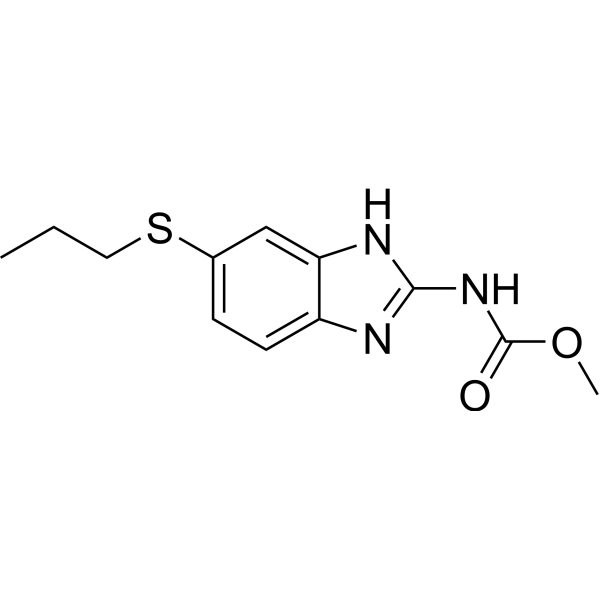 0 ImagesSynonyms: SKF-62979Albendazole (SKF-62979) is an orally active and broad-spectrum parasiticide with high effectiveness and low host toxicity, is used for the research of gastrointestinal parasites in humans and animals. Albendazole induces apoptosis and autophagy in cancer cells. Albendazole also inhibits tubulin polymerization and HIF-1α, VEGF expression, has antioxidant activity, and inhibits the glycolytic process in cancer cells.
-
Fosfomycin sodium
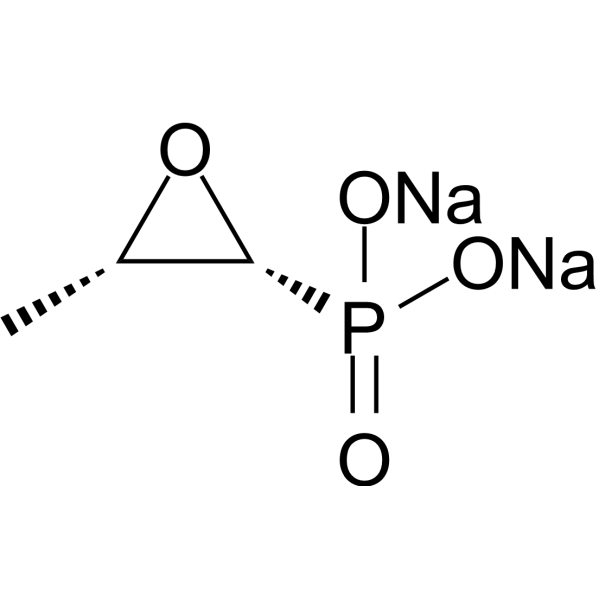 0 ImagesSynonyms: MK-0955 sodiumFosfomycin (MK-0955) sodium is a blood-brain barrier penetrating, broad-spectrum antibiotic by irreversibly inhibiting an early stage in cell wall synthesis. Fosfomycin sodium shows both in vivo and in vitro activity against a wide range of bacteria, including multidrug-resistant (MDR), extensively drug-resistant (XDR), and pan-drug-resistant (PDR) bacteria.
-
KT5823
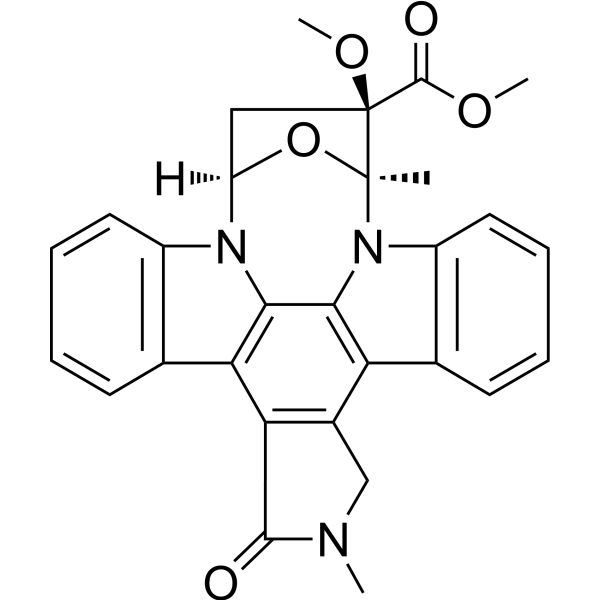 0 ImagesKT5823, a selective the cGMP-dependent protein kinase (PKG) inhibitor with an Ki value of 0.23 μM, it also inhibits PKA and PKC with Ki values of 10 μM and 4 μM, respectively. KT5823 is a Staurosporine-related protein kinase inhibitor, increases thyroid-stimulating hormone-induced (Na+/I- symporter) NIS expression, and iodide uptake in thyroid cells. KT5823 arrests cells after the G0/G1 boundary and causes increases in the levels of apoptotic DNA fragmentation.
-
Bekanamycin
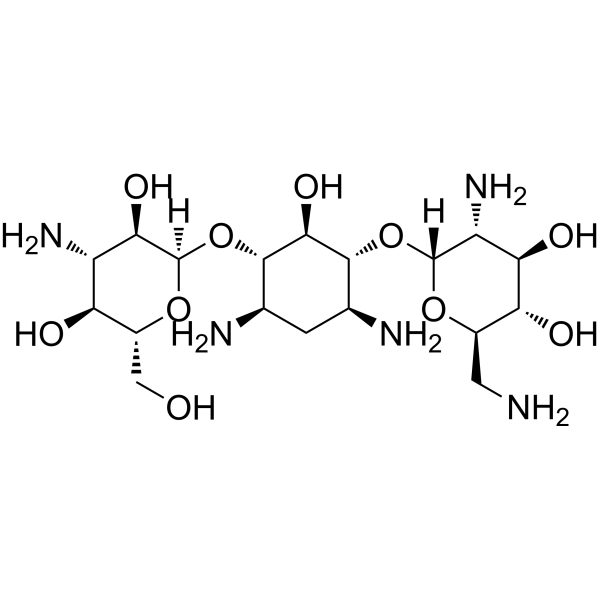 0 ImagesBekanamycin (Kanamycin B) is an aminoglycoside antibiotic produced by Streptomyces kanamyceticus, against an array of Gram-positive and Gram-negative bacterial strain.
-
D-Cycloserine
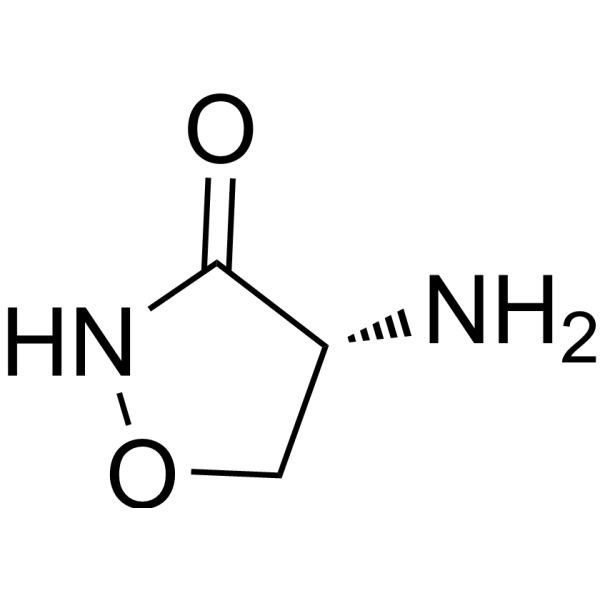 0 ImagesD-Cycloserine is an antibiotic which targets sequential bacterial cell wall peptidoglycan biosynthesis enzymes, with blood-brain barrier permeability. D-Cycloserine is a partial NMDA agonist that can improve cognitive functions. D-Cycloserine can be used for multidrug-resistant tuberculosis research.
-
Actinonin
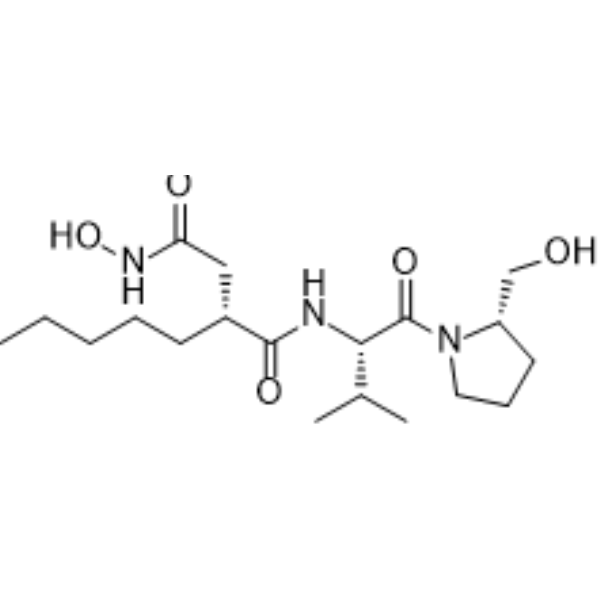 0 ImagesSynonyms: (-)-ActinoninActinonin ((-)-Actinonin) is a naturally occurring antibacterial agent produced by Actinomyces. Actinonin inhibits aminopeptidase M, aminopeptidase N and leucine aminopeptidase. Actinonin is a potent reversible peptide deformylase (PDF) inhibitor with a Ki of 0.28 nM. Actinonin also inhibits MMP-1, MMP-3, MMP-8, MMP-9, and hmeprin α with Ki values of 300 nM, 1,700 nM, 190 nM, 330 nM, and 20 nM, respectively. Actinonin is an apoptosis inducer. Actinonin has antiproliferative and antitumor activities.
-
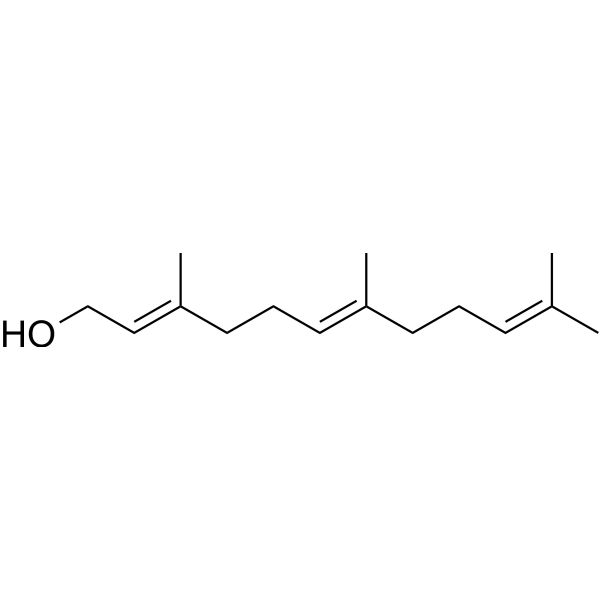
Penicillin G potassium
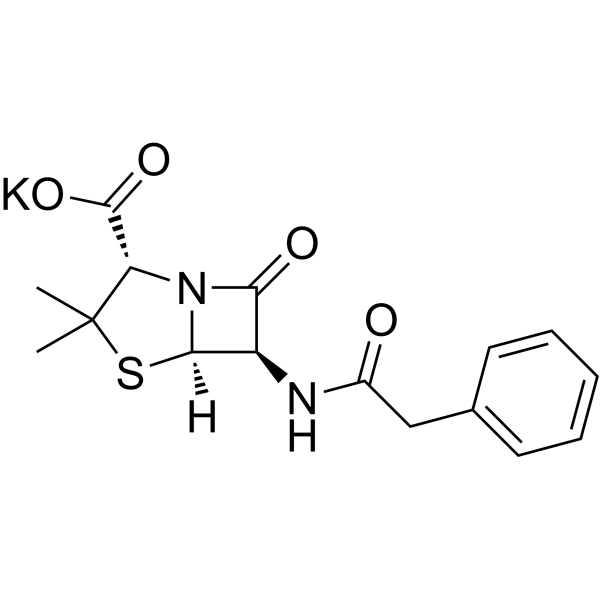 0 ImagesPenicillin G potassium is a fast-acting penicillin family antibiotic. Penicillin G potassium can be used for the research of bacterial infections that affect the blood, heart, lungs, joints, and genital areas.
-
Ceftriaxone
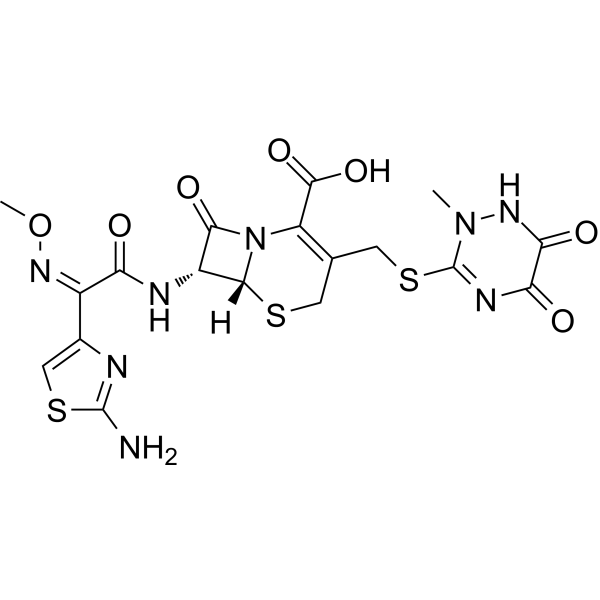 0 ImagesSynonyms: Ro 13-9904 free acidCeftriaxone (Ro 13-9904 free acid) is a broad spectrum β-lactam third-generation cephalosporin antibiotic, which has good antibacterial activity against a variety of gram-negative and positive bacteria. Ceftriaxone is a covalent inhibitor of GSK3β with IC50 value of 0.78 μM. Ceftriaxone is an inhibitor of Aurora B. Ceftriaxone has anti-inflammatory, antitumor and antioxidant activities. Ceftriaxone can be used in the study of bacterial infections and meningitis.
-
Epothilone B
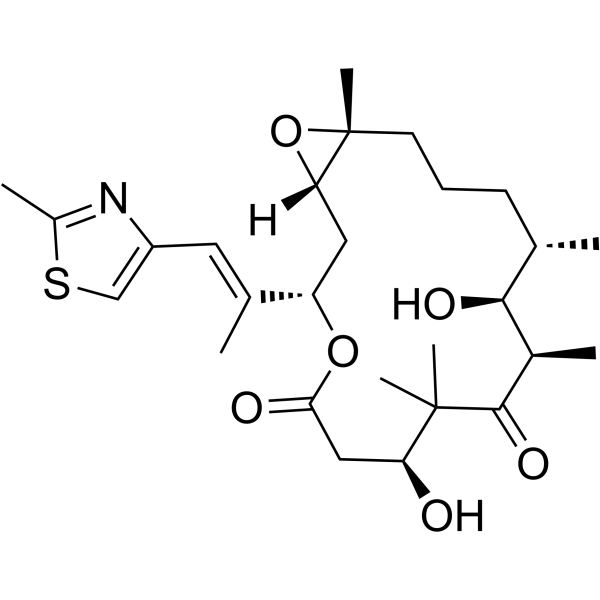 0 ImagesSynonyms: EPO 906; PatupiloneEpothilone B is a microtubule stabilizer (MSA) with a Ki of 0.71μM, and is a MSA with blood-brain barrier permeability. Epothilone B acts by binding to the αβ-tubulin heterodimer subunit which causes decreasing of αβ-tubulin dissociation.
-
Natamycin
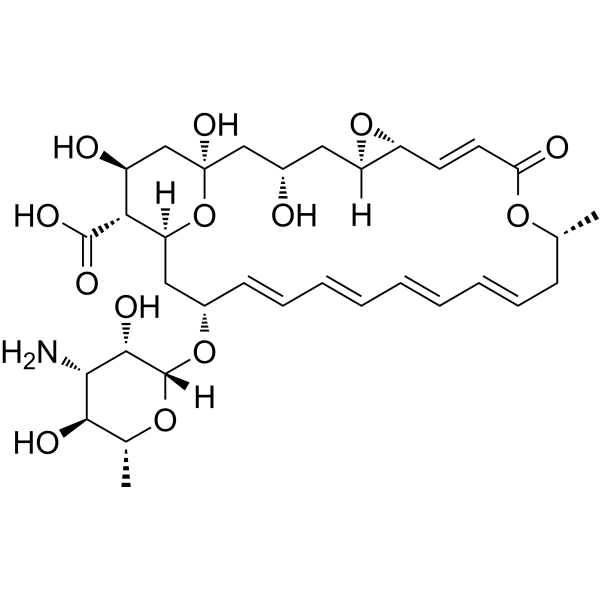 0 ImagesNatamycin (Pimaricin) is a macrolide antibiotic agent produced by several Streptomyces strains. Natamycin inhibits the growth of fungi via inhibition of amino acid and glucose transport across the plasma membrane. Natamycin is a food preservative, an antifungal agent in agriculture, and is widely used for fungal keratitis research.
-
7-Aminoactinomycin D
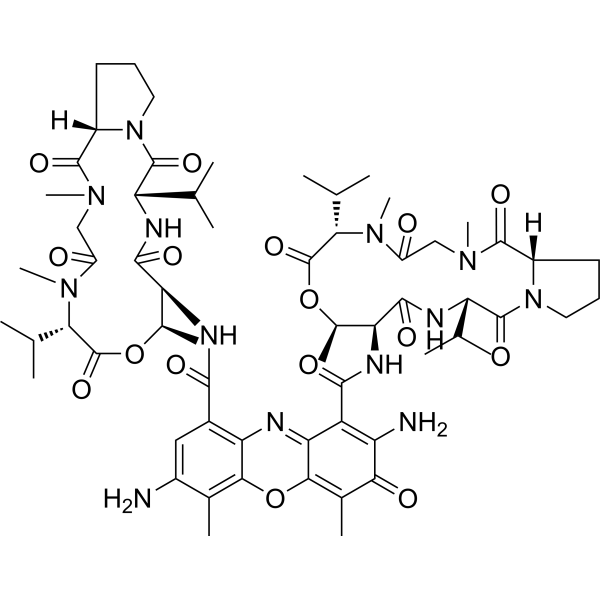 0 Images7-Aminoactinomycin D (7-AAD) a cell-impermeant fluorescent DNA stain, is a potent RNA polymerase inhibitor. 7-Aminoactinomycin D selectively binds to GC regions of the DNA. 7-Aminoactinomycin D also has antibacterial effects.
-
Penicillin G sodium salt
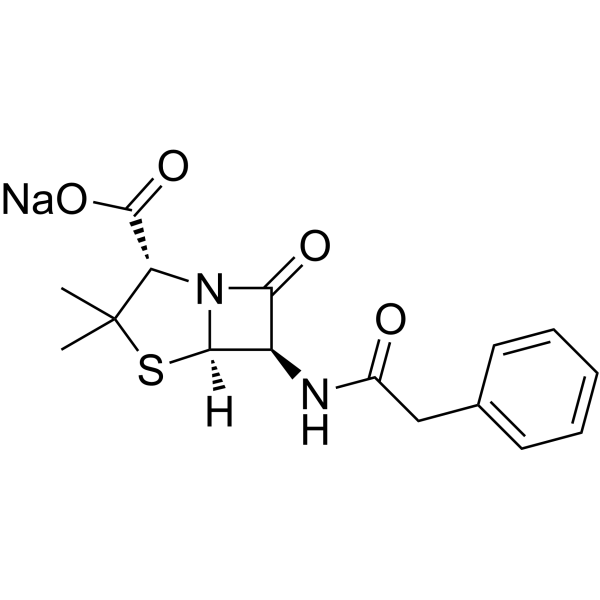 0 ImagesPenicillin G sodium salt is a typical β-lactam antibiotic.
-
Mupirocin
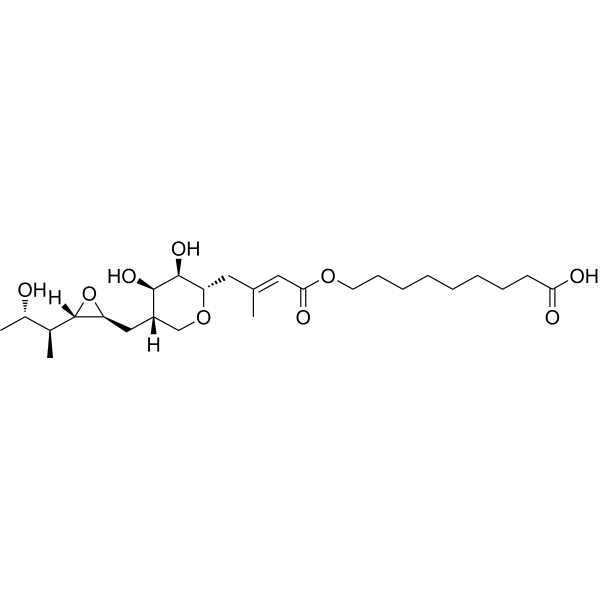 0 ImagesSynonyms: BRL-4910A; Pseudomonic acidMupirocin is an antibiotic. Mupirocin inhibits bacterial isoleucyl-tRNA synthetase, blocking protein synthesis. Mupirocin has high activity against Gram-positive bacteria such as Staphylococcus and Streptococcus, as well as some Gram-negative bacteria (such as Haemophilus influenzae). Mupirocin can be used in the research of diseases such as skin infections (such as MRSA infections) and chronic sinusitis.
-
Telacebec
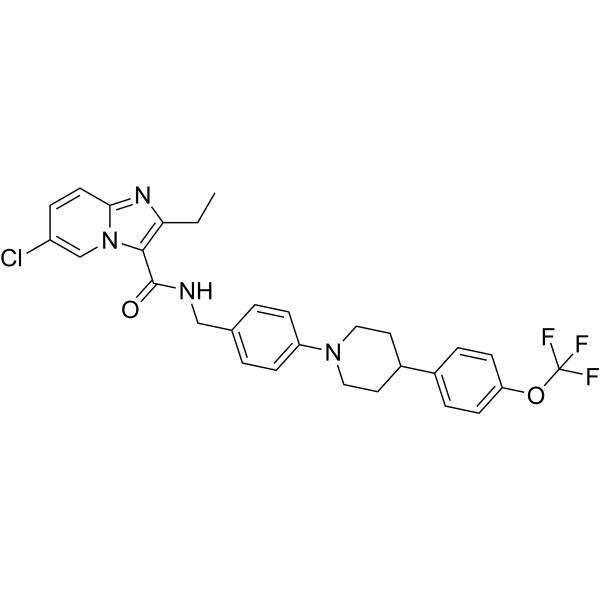 0 ImagesSynonyms: Q203; IAP6Telacebec (Q203) is a midazopyridine amide compound. Telacebec is active against Mycobacterium tuberculosis H37Rv with an MIC50 of 2.7 nM in culture broth medium.
-
Clindamycin hydrochloride
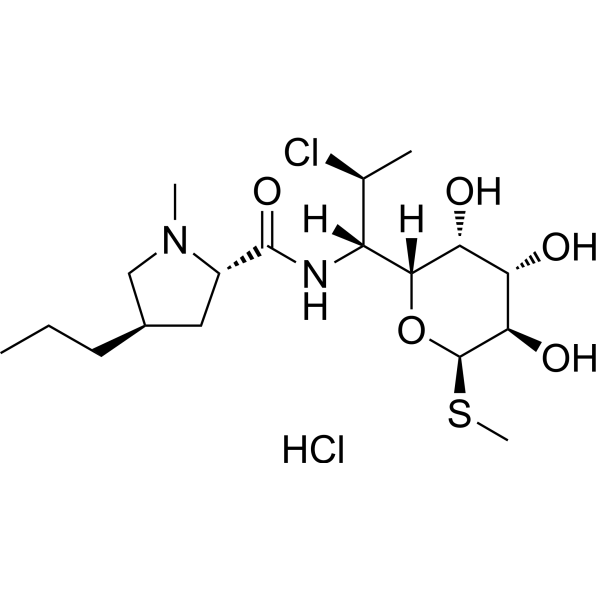 0 ImagesClindamycin (hydrochloride) is a semisynthetic lincosamide antibiotic, which inhibits protein synthesis by acting on the 50S ribosomal.
-
Corylin
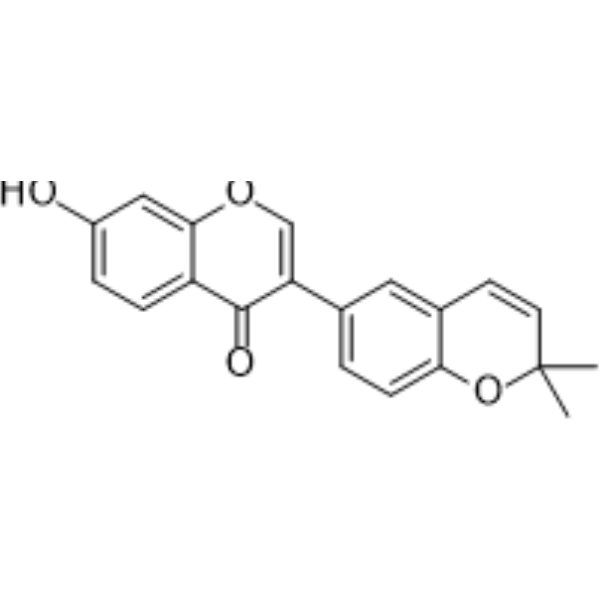 0 ImagesCorylin is an orally active flavonoid anti-inflammatory and osteogenic agent that inhibits IL-6-induced STAT3 promoter activity and STAT3 phosphorylation. Corylin also has anticancer, antiatherosclerotic, and ameliorating activity in hyperlipidemia and insulin resistance, inducing adipocyte browning and lipolysis through SIRT1 or β3-AR-dependent pathways.
-
Fidaxomicin
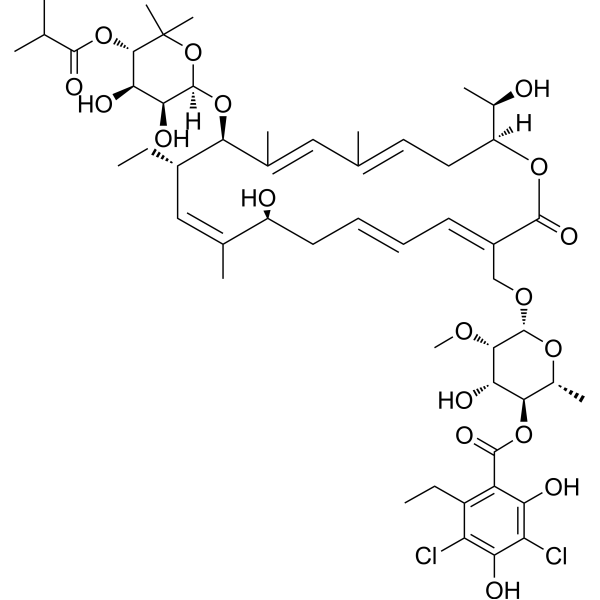 0 ImagesSynonyms: OPT-80; PAR-101Fidaxomicin (OPT-80), a macrocyclic antibiotic, is an orally active and potent RNA polymerase inhibitor. Fidaxomicin has a narrow spectrum of antibacterial activity and a good anti-Clostridium difficile activity (MIC90=0.12 μg/mL). Fidaxomicin can be used for Clostridium difficile infection (CDI) research.
-
Nalidixic acid
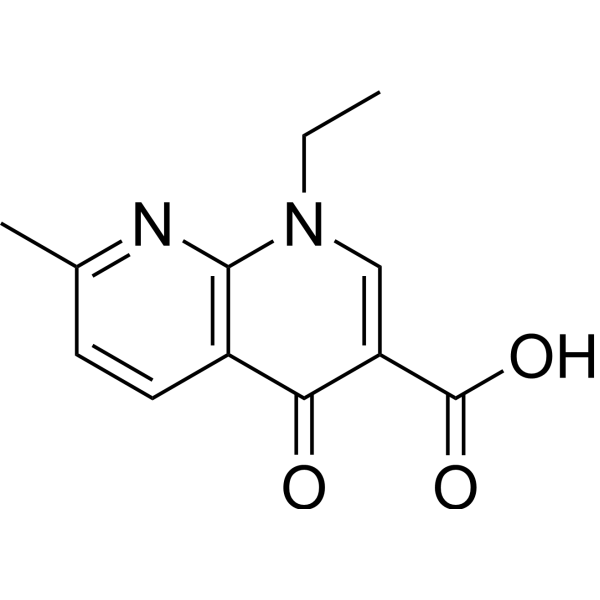 0 ImagesNalidixic acid, a quinolone antibiotic, is effective against both gram-positive and gram-negative bacteria. Nalidixic acid acts in a bacteriostatic manner in lower concentrations and is bactericidal in higher concentrations. Nalidixic acid inhibits a subunit of DNA gyrase and topoisomerase IV and reversibly blocks DNA replication in susceptible bacteria.