



Reactive Oxygen Species (ROS)
Reactive oxygen species (ROS), such as superoxide anion (O2-), hydrogen peroxide (H2O2), and hydroxyl radical (HO•), consist of radical and non-radical oxygen species formed by the partial reduction of oxygen. Cellular ROS are generated endogenously during mitochondrial oxidative metabolism as well as in cellular response to xenobiotics, cytokines, and bacterial invasion.
ROS also activates MAPK pathways by the direct inhibition of MAPK phosphatases. Through PTEN, the PI3K pathway is subject to reversible redox regulation by ROS generated by growth factor stimulation. The activation of autophagy may be a cellular defense mechanism in response to ROS.
All Product Categories
-
Reactive Oxygen Species (ROS) Inhibitors
(1091)
View all products
-
Reactive Oxygen Species (ROS) Agonists
(37)
View all products
-
Reactive Oxygen Species (ROS) Antagonists
(2)
View all products
-
Reactive Oxygen Species (ROS) Activators
(525)
View all products
-
Reactive Oxygen Species (ROS) Modulators
(22)
View all products
-
Reactive Oxygen Species (ROS) MDM2 Inhibitor
(1)
View all products
-
Reactive Oxygen Species (ROS) Inducers
(645)
View all products
-
Reactive Oxygen Species (ROS) Controls
(5)
View all products
-
Reactive Oxygen Species (ROS) Substrates
(3)
View all products
-
Reactive Oxygen Species (ROS) Related Products (2859)
Related Products (2859)

-
Antibodies (8)
-
D-α-Hydroxyglutaric acid-13C5 (disodium)
 0 ImagesD-α-Hydroxyglutaric acid-13C5 disodium is the 13C-labeled D-α-Hydroxyglutaric acid (HY-113038). D-α-Hydroxyglutaric acid ((R)-2-Hydroxyglutarate) is the principal metabolite accumulating in neurometabolic disease D-2-hydroxyglutaric aciduria. D-α-Hydroxyglutaric acid is a weak competitive antagonist of α-ketoglutarate (α-KG) and inhibits multiple α-KG-dependent dioxygenases with a Ki of 10.87 mM. D-α-Hydroxyglutaric acid increases reactive oxygen species (ROS) production. D-α-Hydroxyglutaric acid binds and inhibits ATP synthase and inhibits mTOR signaling.
-
AT-051/43421517
 0 ImagesAT-051/43421517 is a PGK1 activator with a Kd of 2.45 μM. AT-051/43421517 induces enhanced glycolytic metabolism and maintains TCA cycle activity, while inhibiting ROS production and Apoptosis. AT-051/43421517 reduces Aβ deposition and Tau hyperphosphorylation. AT-051/43421517 alleviates neuropathological damage in the brains of 3×Tg-AD mice. AT-051/43421517 improves cognitive impairment. AT-051/43421517 can be used for research on Alzheimer's disease and Parkinson's disease.
-
IR-775 chloride
 0 ImagesCat. No.: HY-W248590CAS No.: 199444-11-6Synonyms: IR-775 chlorideIR-775 chloride is a cyanine dye with near-infrared absorption (Ex/Em = 775/795 nm). IR-775 chloride acts as a photosensitizer or photothermal agent, and induces apoptosis via generating ROS or exerting photothermal effects upon irradiation; its combination with 2-methoxyestradiol (HY-12033) inhibits SOD2 to enhance photodynamic therapy (PDT) efficacy, and its liposomal encapsulation enables phytotherapy-photothermal therapy (PTT) synergy. IR-775 chloride is applicable for investigating PDT/PTT and near-infrared fluorescence imaging in ovarian cancer and breast cancer.
-
Triphenyl phosphate-d15
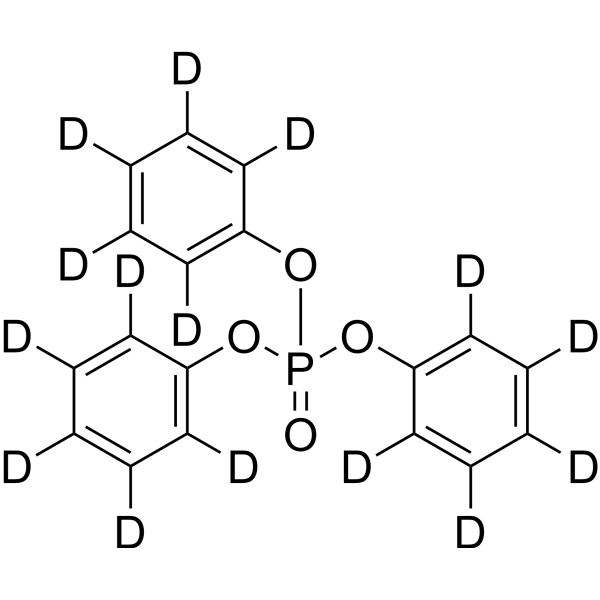 0 ImagesSynonyms: Celluflex TPP-d15; DHPF 005-d15; Disflamol TP-d15; Disflamoll TP-d15; NSC 57868-d15; Phenyl phosphate ((PhO)3PO)-d15; Phoscon FR 903N-d15Triphenyl phosphate-d15 is the deuterium labeled Triphenyl phosphate. Triphenyl phosphate is an orally active, blood-brain barrier-permeable aryl organophosphate flame retardant and endocrine disruptor. Triphenyl phosphate disrupts mitochondrial dynamic balance through oxidative stress, induces excessive mitophagy and apoptosis, and ultimately leads to myocardial fibrosis. In the brain, Triphenyl phosphate activates the NF-κB inflammatory pathway by disrupting the gut microbiota, alters tryptophan metabolism and elevates neurotoxins, thereby inducing anxiety- and depression-like behaviors. In the skeletal and reproductive systems, Triphenyl phosphate inhibits osteoblast differentiation and induces germ cell apoptosis by suppressing the MAPK/ERK pathway and activating the JNK signal, respectively. In adipose and placental tissues, Triphenyl phosphate promotes lipid accumulation by activating the PI3K/AKT-PPARγ axis, and disrupts placental metabolism via the MAOA/ROS/NF-κB cascade, impairing neurodevelopment of offspring.
-
(3S,4R)-ME-344
 0 Images(3S,4R)-ME-344 is the (3S,4R)-enantiomer of ME-344 (HY-112749). ME-344 is a mitochondrial Heme oxygenase 1 (HO-1) inhibitor. ME-344 specifically binds and alters HO-1 structure, and increases HO-1 translocation from the rough endoplasmic reticulum to mitochondria, but only in drug-sensitive cells (such as H460 and SHP-77 cells). ME-344 decreases mitochondrial ATP production and induces ROS, with subsequent disruption of redox homeostasis and mitochondrial function. ME-344 has significant antitumor activity, and can be used for cancers like breast cancer research.
-
Ureidopropionic acid (Standard)
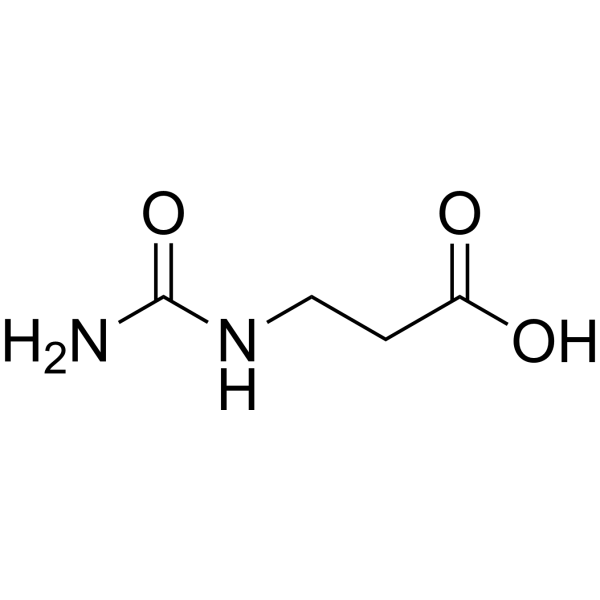 0 ImagesSynonyms: 3-Ureidopropionic acid (Standard)Ureidopropionic acid (Standard) is the analytical standard of Ureidopropionic acid. This product is intended for research and analytical applications. Ureidopropionic acid (3-Ureidopropionic acid) is a selective mitochondrial respiratory chain complex V inhibitor. Ureidopropionic acid induces the production of reactive oxygen species, delayed elevation of intracellular calcium concentration, secondary energy-dependent excitotoxicity and neurodegeneration in neurons. Ureidopropionic acid promotes neuropathological changes by impairing mitochondrial energy metabolism, oxidative stress and excitotoxicity pathways. Ureidopropionic acid can be used in studies related to 3-ureidopropionase deficiency and severe propionic aciduria.
-
L-Ornithine monohydrochloride,suitable for cell culture
 0 ImagesL-Ornithine monohydrochloride,suitable for cell culture is a CaSR activator and p38 activator suitable for cell culture. L-Ornithine monohydrochloride,suitable for cell culture inhibits ROS and supports urea cycle function. L-Ornithine monohydrochloride,suitable for cell culture can be used to study kidney diseases involving proximal tubular cell damage caused by oxidative stress or crystallopathy, as well as research related to anxiety disorders.
-
LL-Z1640-4
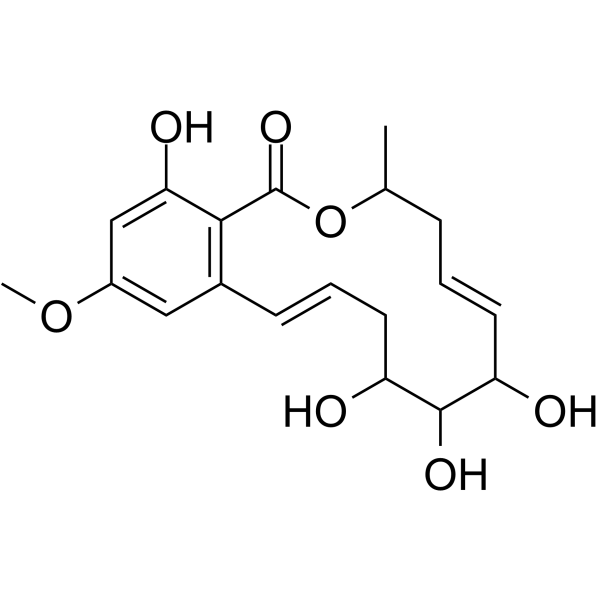 0 ImagesLL-Z1640-4 is a potent p38/JNK signaling inhibitor. LL-Z1640-4 significantly diminishes p38 and JNK activation in HCC cells transfected with MLK4 siRNA. LL-Z1640-4 markedly attenuates ROS production induced by MLK4 knockdown. LL-Z1640-4 significantly reduces the apoptotic cells in HCC cells transfected with siMLK4.
-
Chlojaponilactone B
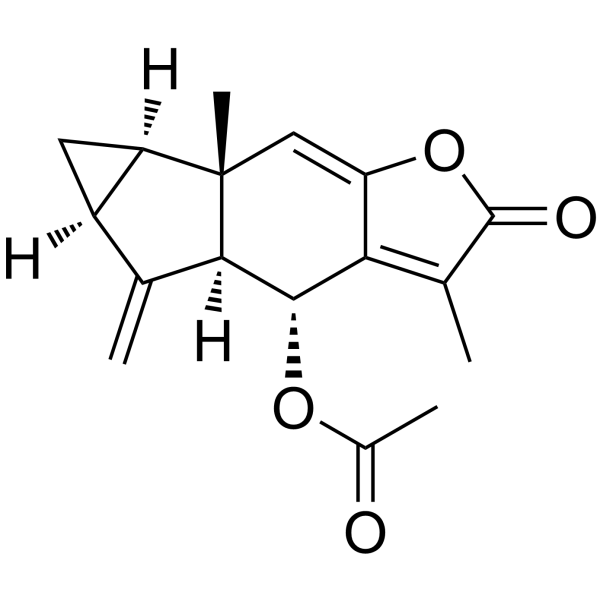 0 ImagesChlojaponilactone B is a lindenane-type sesquiterpenoid with anti-inflammatory properties. Chlojaponilactone B suppresses inflammatory responses by inhibiting TLR4 and subsequently decreasing reactive oxygen species (ROS) generation, downregulating the NF-κB, thus reducing the expression of the pro-inflammatory cytokines iNOS, NO, COX-2, IL-6 and TNF-α.
-
3-Phenoxybenzoic acid-13C6
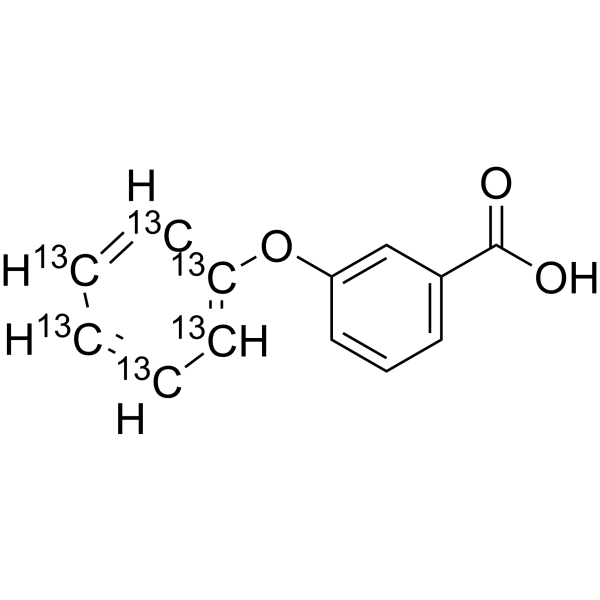 0 ImagesSynonyms: 3-PBA-13C63-Phenoxybenzoic acid-13C6 is the 13C6 labeled 3-Phenoxybenzoic acid. 3-Phenoxybenzoic acid is the metabolite of pyrethroid insecticides. 3-Phenoxybenzoic acid induces immunotoxicity and oxidative stress, and inhibits the phagocytic ability of macrophages.
-
Zedoarondiol
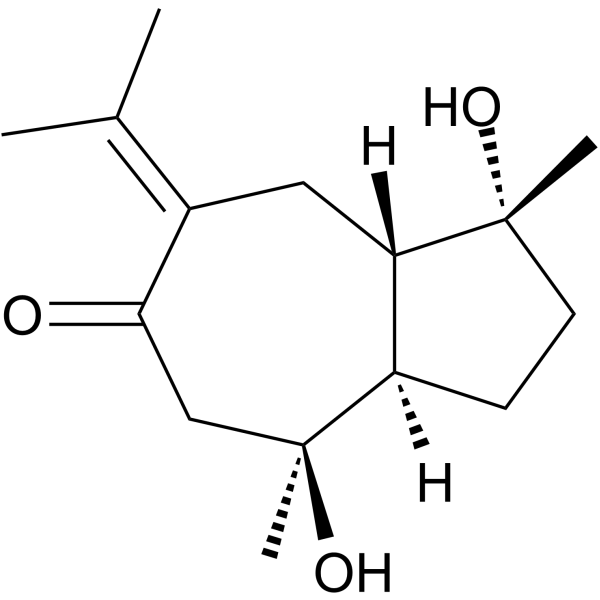 0 ImagesZedoarondiol, a sesquiterpene lactone compound, with antioxidant and anti-inflammatory activity. Zedoarondiol can be used for atherosclerosis research.
-
Swertianolin
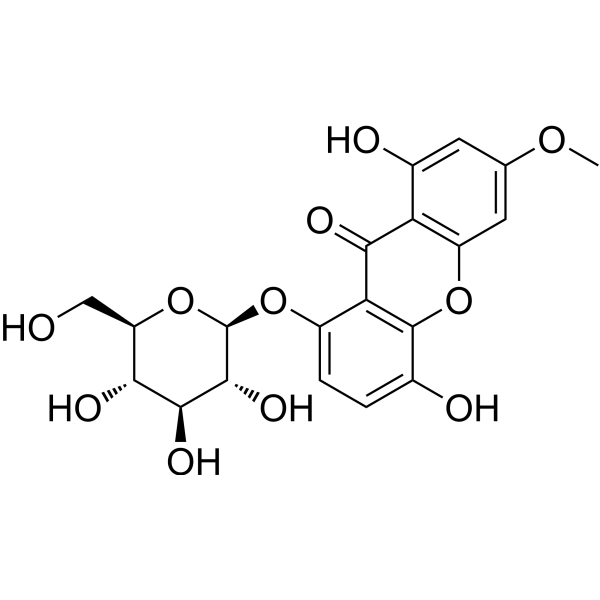 0 ImagesSwertianolin is a xanthone glycoside. Swertianolin can be isolated from plants of the Gentianaceae family (e.g., Gentiana campestris and Swertia punicea). Swertianolin inhibits p38 phosphorylation and NF-κB activation, and reduces NO and ROS production. Swertianolin exhibits anti-Helicobacter pylori activity with an IC50 of 6.1 μM and a minimum bactericidal concentration of 91.7 μM. Swertianolin modulates immune function in sepsis. Swertianolin is useful in the research of diseases such as Alzheimer's disease, hepatitis B, Helicobacter pylori infection, and sepsis.
-
Letosteine
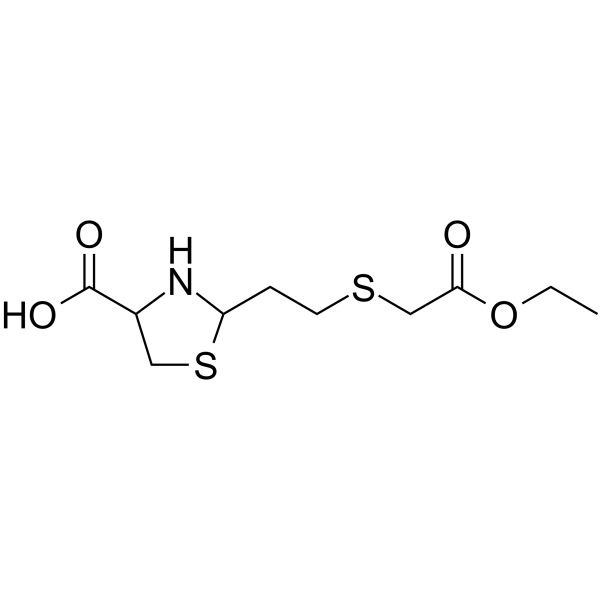 0 ImagesLetosteine is an orally active, potent and safe expectorant. Letosteine has the effect of scavenging reactive oxygen species (ROS). Letosteine dissolves bronchial mucus and reduces respiratory inflammation symptoms, and restores gas exchanges and natural defense mechanisms in the lung. Letosteine can be used for acute or chronic respiratory diseases (such as bronchopneumopathies) research.
-
Ethyl 3,4,5-trimethoxybenzoate
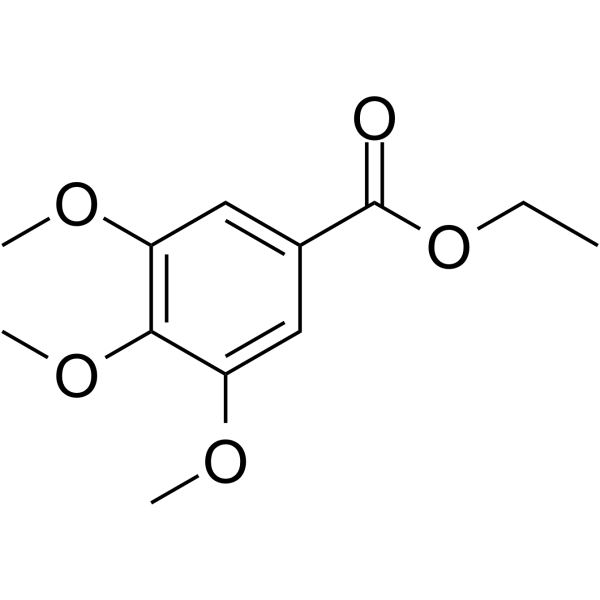 0 ImagesEthyl 3,4,5-trimethoxybenzoate is a melanogenesis inhibitor. Ethyl 3,4,5-trimethoxybenzoate does not directly target tyrosinase activity, but inhibits melanin synthesis in a dose-dependent manner by downregulating α-MSH (HY-P0252)-induced tyrosinase protein expression and scavenging ROS. Ethyl 3,4,5-trimethoxybenzoate scavenges DPPH free radicals. Ethyl 3,4,5-trimethoxybenzoate can be used in the research of hyperpigmentation.
-
(+)-Schisandrin B
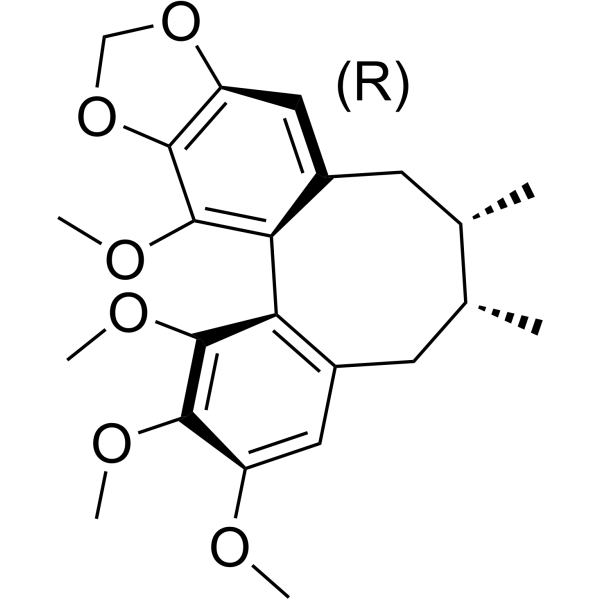 0 Images(+)-Schisandrin B is an enantiomer of Schisandrin B. Schisandrin B is an active dibenzocyclooctadiene derivative isolated from the fruit of Schisandra chinensis, has antioxidant effect on rodent liver and heart.
-
Citronellol (Standard)
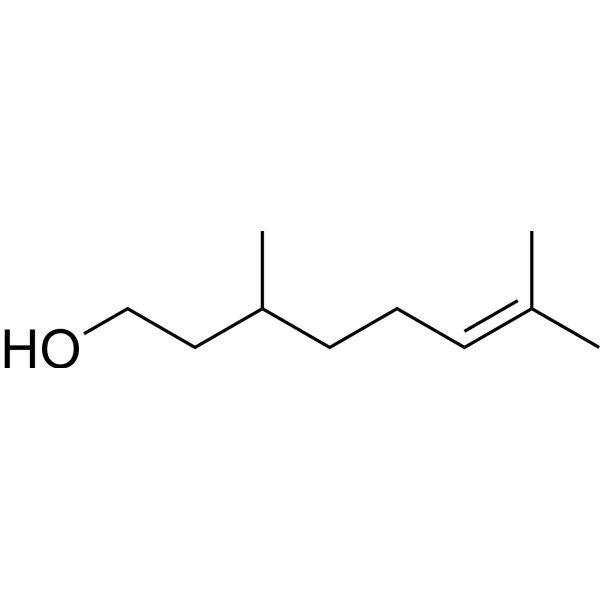 0 ImagesCat. No.: HY-W010201RCAS No.: 106-22-9Synonyms: (±)-Citronellol (Standard); (±)-β-Citronellol (Standard)Citronellol (Standard) is the analytical standard of Citronellol. Citronellol (Standard) is an orally active inducer of apoptosis. Citronellol (Standard) can prevent oxidative stress, mitochondrial dysfunction, and apoptosis in the SH-SY5Y cell Parkinson's disease model induced by 6-OHDA by regulating the ROS-NO, MAPK/ERK, and PI3K/Akt signaling pathways. Citronellol (Standard) can induce necroptosis in human lung cancer cells through the TNF-α pathway and accumulation of ROS. Citronellol (Standard) can reduce the levels of LC-3 and p62 to regulate the autophagy pathway, inhibit oxidative stress and neuroinflammation, and thus have neuroprotective effects on Parkinson's rats. Citronellol (Standard) exhibits anti-fungal activity against Trichophyton rubrum by inhibiting ergosterol synthesis.
-
Coptisine
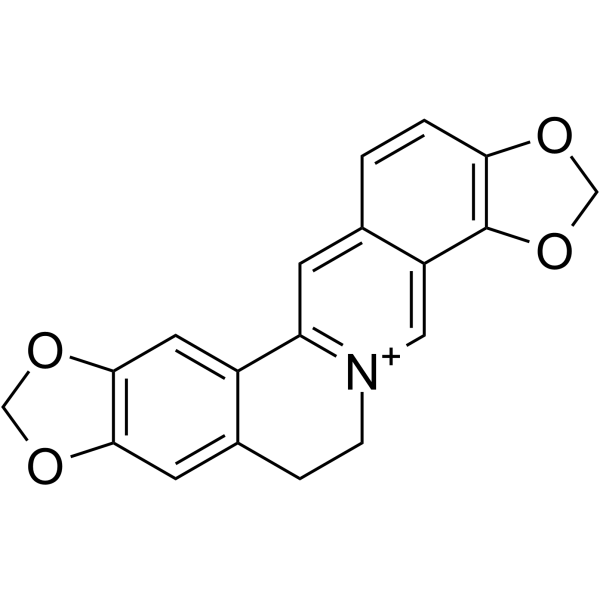 0 ImagesCoptisine is an orally active and brain-penetrant alkaloid found in Coptis chinensis. Coptisine is a reversible, uncompetitive IDO inhibitor with a Ki of 5.8 μM and an IC50 of 6.3 μM. Coptisine suppresses neuroinflammation, reduces Aβ plaque burden and shows neuroprotective activity. Coptisine shows anti-inflammation activity by blocking NF-κB, MAPK, and PI3K/Akt activation. Coptisine inhibits cancer cells proliferation, induces DNA damage, G2/M phase cell cycle arrest, apoptosis, ROS production and mitochondrial dysfunction. Coptisine inhibits Rho/ROCK pathway activation, reduces arrhythmia, limits cardiac injury marker release, reduces infarct size, and preserves cardiac function in rat myocardial ischemia/reperfusion models. Coptisine downregulates HMGCR and upregulates LDLR and CYP7A1 to modulate cholesterol metabolism, reduces abnormal serum lipid levels, and promotes fecal bile acid excretion. Coptisine can be used for the research of cancer, hypercholesterolemia, Alzheimer’s disease, inflammatory disorders and cardiovascular disease.
-
Berberine sulfate (Standard)
 0 ImagesSynonyms: Natural Yellow 18 sulfate (Standard)Berberine (sulfate) (Standard) is the analytical standard of Berberine (sulfate). This product is intended for research and analytical applications. Berberine sulfate is an alkaloid isolated from the Chinese herbal medicine Huanglian, as an antibiotic. Berberine sulfate induces reactive oxygen species (ROS) generation and inhibits DNA topoisomerase. Berberine sulfate has antineoplastic properties. The sulfate form improves bioavailability[1][2].




