

331 Results for "

Fatty acids

" in MedChemExpress (MCE) Product Catalog:
Products (331)

331 Results for "Fatty acids" in MCE Product Catalog:

29
29 Publications Verification
Cat. No.: HY-B0511
CAS No.: 58-85-5
Synonyms: Vitamin B7; Vitamin H; D-Biotin
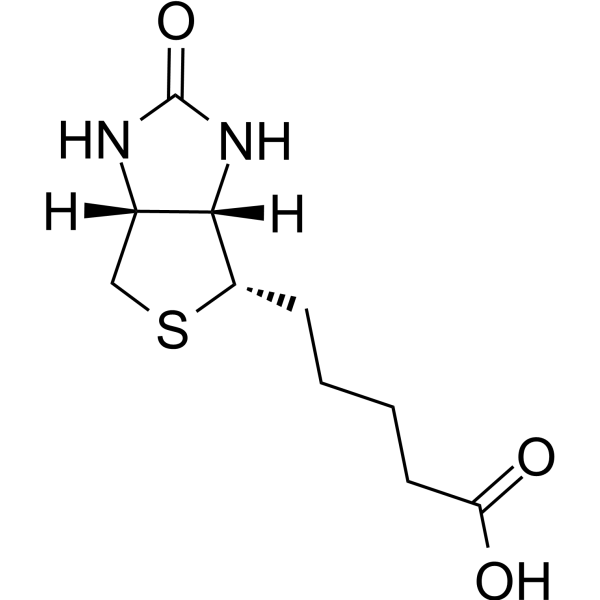
Biotin, vitamin B7 and serves as a coenzyme for five carboxylases in humans, involved in the synthesis of fatty acids, isoleucine, and valine, and in gluconeogenesis. Biotin is necessary for cell growth, the production of fatty acids, and the metabolism of fats and amino acids .
loading...
    loading...
29
29 Publications Verification
Cat. No.: HY-101903
CAS No.: 300657-03-8
Purity:  99.93%
Target:  

FABP

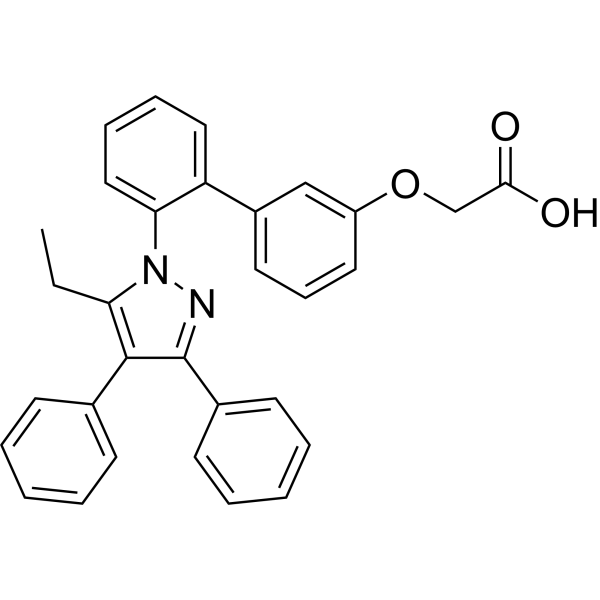
BMS-309403 is a potent, orally active and selective adipocyte fatty acid binding protein (also known as FABP4, aP2) inhibitor with Kis of <2, 250, and 350 nM for FABP4, FABP3, and FABP5, respectively. BMS-309403 interacts with the fatty-acid-binding pocket within the interior of the protein and competitively inhibits the binding of endogenous fatty acids. BMS-309403 improves endothelial function in apolipoprotein E-deficient mice and in cultured human endothelial cells .
loading...
    loading...
29
29 Publications Verification
Cat. No.: HY-101903A
CAS No.: 2802523-05-1
Purity:  99.93%
Target:  

FABP

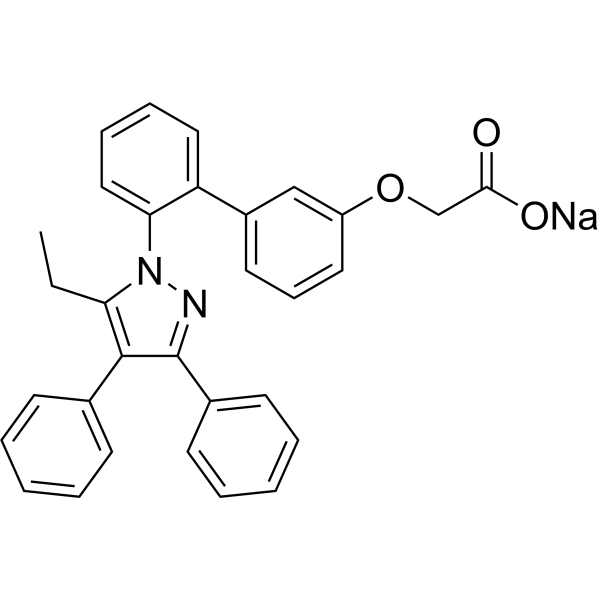
BMS-309403 sodium is a potent, orally active, and selective adipocyte fatty acid binding protein (also known as FABP4, aP2) inhibitor, with Kis of <2, 250, and 350 nM for FABP4, FABP3, and FABP5, respectively. BMS-309403 sodium interacts with the fatty-acid-binding pocket within the interior of the protein and competitively inhibits the binding of endogenous fatty acids. BMS-309403 sodium improves endothelial function in apolipoprotein E-deficient mice and in cultured human endothelial cells .
loading...
    loading...
22
22 Cited Publications
Cat. No.: HY-F0003
CAS No.: 2646-71-1
Research Areas:  

Metabolic Disease Cancer

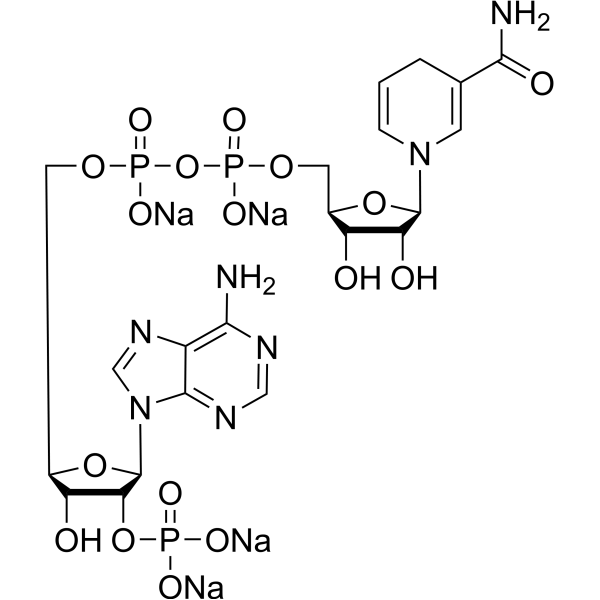
NADPH tetrasodium salt functions as an important cofactor in a variety of metabolic and biosynthetic pathways. NADPH tetrasodium salt is an endogenous inhibitor of ferroptosis. NADPH tetrasodium salt plays a vital role in the biosynthesis of agents, chiral alcohols, fatty acids and biopolymers, while also being required for lipid biosynthesis, biomass formation, and cell replication .
loading...
    loading...
22
22 Cited Publications
Cat. No.: HY-F0003A
CAS No.: 100929-71-3
Research Areas:  

Metabolic Disease Cancer

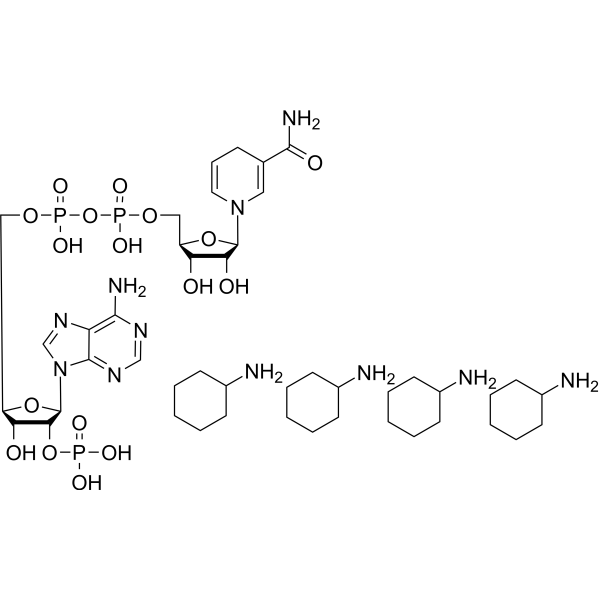
NADPH tetracyclohexanamine functions as an important cofactor in a variety of metabolic and biosynthetic pathways. NADPH tetracyclohexanamine is an endogenous inhibitor of ferroptosis. NADPH tetracyclohexanamine plays a vital role in the biosynthesis of agents, chiral alcohols, fatty acids and biopolymers, while also being required for lipid biosynthesis, biomass formation, and cell replication .
loading...
    loading...
17
17 Cited Publications
Cat. No.: HY-103311
CAS No.: 11103-72-3
Purity:  ≥97.0%
Synonyms: Ammoniated ruthenium oxychloride
Target:  

Calcium Channel

Research Areas:  

Cardiovascular Disease

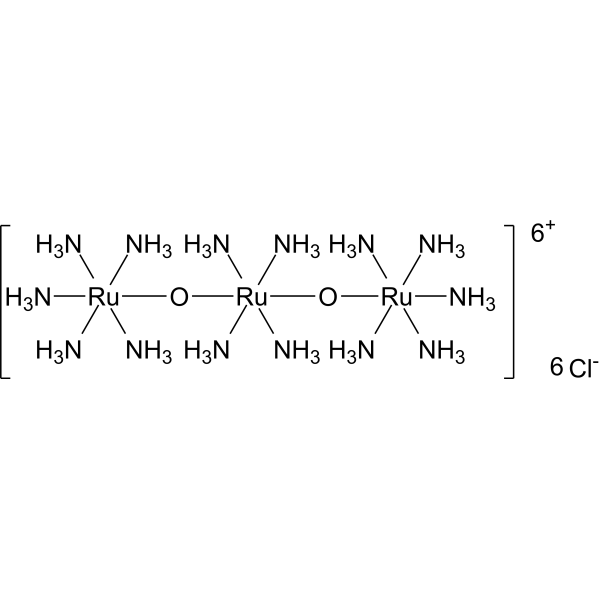
Ruthenium red (Ammoniated ruthenium oxychloride) is a polycationic dye widely used for electron microscopy (EM) of cells, tissues and vegetative bacteria. Ruthenium red strongly reacts with phospholipids and fatty acids and binds to acidic mucopolysaccharides. Ruthenium red is a L-type calcium current (ICa) blocker. When using Ruthenium Red to stain plant tissue sections affected by pathogens, the breakdown of mucilaginous substances by the pathogens prevents them from taking up the stain, whereas the cell walls of healthy tissue stain red .
loading...
    loading...
7
7 Cited Publications
Cat. No.: HY-W099601
CAS No.: 629-25-4
Synonyms: Lauric acid sodium salt, 99-100%
Sodium LaurateIt is an organic compound belonging to fatty acids. It is the sodium salt of lauric acid, a medium-chain saturated fatty acid found in various animal and vegetable fats. Sodium LaurateCommonly used as surfactants, emulsifiers and cleaning agents in various industries such as cosmetics, personal care and detergent industries. It's found in a variety of products, including soaps, shampoos, toothpaste, and laundry detergent. Furthermore, it also has applications in the food industry where it is used as a food additive to improve texture and stability.
loading...
    loading...
6
6 Cited Publications
Cat. No.: HY-128851
CAS No.: 85-61-0
Purity:  94.29%
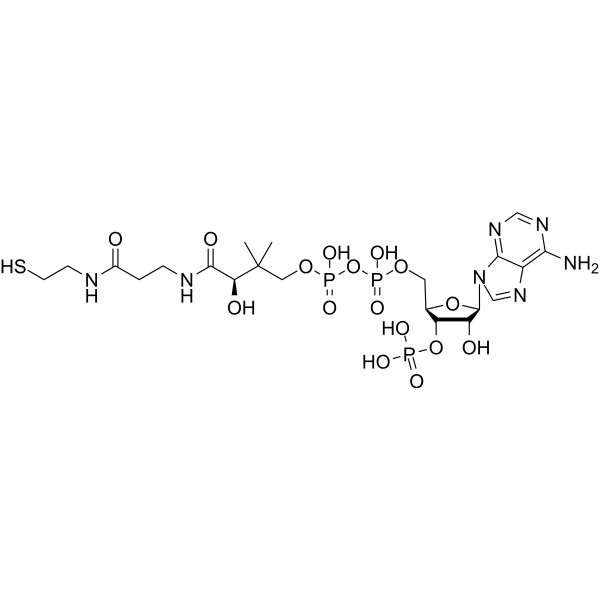
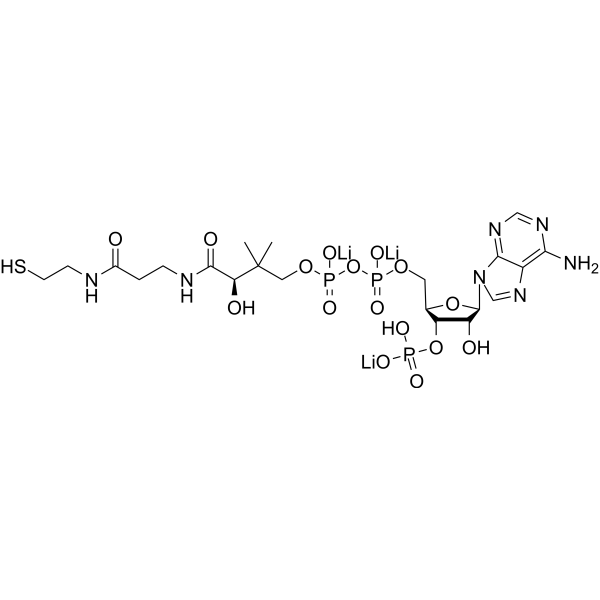
Coenzyme A (CoASH) is a ubiquitous and essential cofactor, which is an acyl group carrier and carbonyl-activating group for the citric acid cycle and fatty acid metabolism. Coenzyme A plays a central role in the oxidation of pyruvate in the citric acid cycle and the metabolism of carboxylic acids, including short- and long-chain fatty acids .
loading...
    loading...
6
6 Cited Publications
Cat. No.: HY-128851B
CAS No.: 55672-92-9
Purity:  99.46%
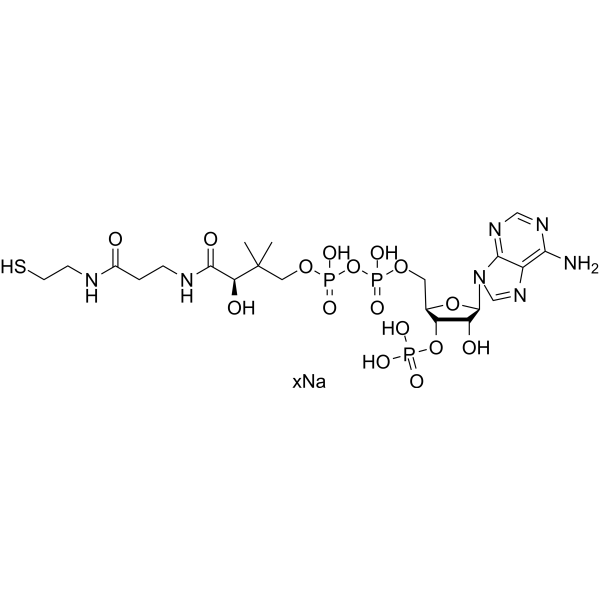
Coenzyme A (CoASH) sodium is a ubiquitous and essential cofactor, which is an acyl group carrier and carbonyl-activating group for the citric acid cycle and fatty acid metabolism. Coenzyme A plays a central role in the oxidation of pyruvate in the citric acid cycle and the metabolism of carboxylic acids, including short- and long-chain fatty acids .
loading...
    loading...
6
6 Cited Publications
Cat. No.: HY-128851A
CAS No.: 18439-24-2
Purity:  95.40%
Coenzyme A (CoASH) is a ubiquitous and essential cofactor, which is an acyl group carrier and carbonyl-activating group for the citric acid cycle and fatty acid metabolism. Coenzyme A plays a central role in the oxidation of pyruvate in the citric acid cycle and the metabolism of carboxylic acids, including short- and long-chain fatty acids .
loading...
    loading...
5
5 Cited Publications
Cat. No.: HY-131370B
CAS No.: 68890-65-3
Synonyms: 20% Fat Emulsion
Intralipid 20% is a safe fat emulsion, composed of soybean oil (consisting of a mixture of long-chain triglycerides (C14-24) of predominantly unsaturated fatty acids), and egg phospholipids, can be used as a nutritional supplement. Intralipid 20% effectively inhibits the opening of the mitochondrial permeability transition pore, effectively protecting the heart from ischaemia-reperfusion injury and has some potential to modulate the innate immune response .
loading...
    loading...
4
4 Cited Publications
Cat. No.: HY-N7109
CAS No.: 112-86-7
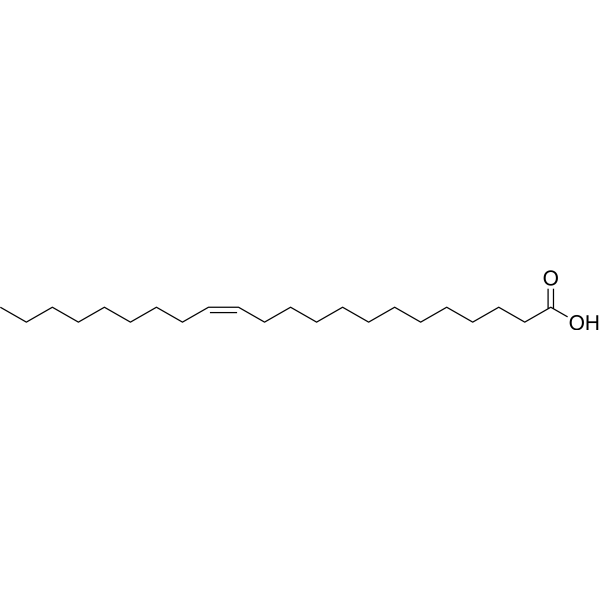
Erucic acid, a monounsaturated fatty acid (MUFA), is isolated from the seed of Raphanus sativus L. Erucic acid can readily cross the blood-brain barrier (BBB), it has been reported to normalize the accumulation of very long-chain fatty acids in the brain. Erucic acid can improve cognitive impairment and be effective against dementia .
loading...
    loading...
4
4 Cited Publications
Cat. No.: HY-N7075
CAS No.: 9005-80-5
Inulin is an orally active prebiotic targeting the intestinal microbiota, selectively promoting the proliferation and activity of beneficial bacteria such as bifidobacteria and lactic acid bacteria, and playing a role in regulating the intestinal microecology. The functions of Inulin include: Fermentation by probiotics in the colon to produce short-chain fatty acids (such as butyrate and propionate), lowering the intestinal pH and inhibiting the overgrowth of harmful bacteria; Enhancing the intestinal barrier function and reducing endotoxin translocation; Directly scavenging free radicals (such as superoxide free radicals, hydroxyl free radicals) and activating antioxidant enzymes (SOD, CAT) to reduce oxidative stress. Inulin can also be used in the study of intestinal diseases (constipation, IBD), metabolic syndrome (diabetes, obesity) and liver damage by regulating glucose and lipid metabolism (such as reducing triglycerides, improving insulin sensitivity) and immune response (enhancing NK cell activity, inhibiting inflammatory factors)[1][2][3][4].
loading...
    loading...
3
3 Cited Publications
Cat. No.: HY-N2341
CAS No.: 10030-73-6
Synonyms: 9-trans-Hexadecenoic acid; trans-Palmitoleic acid
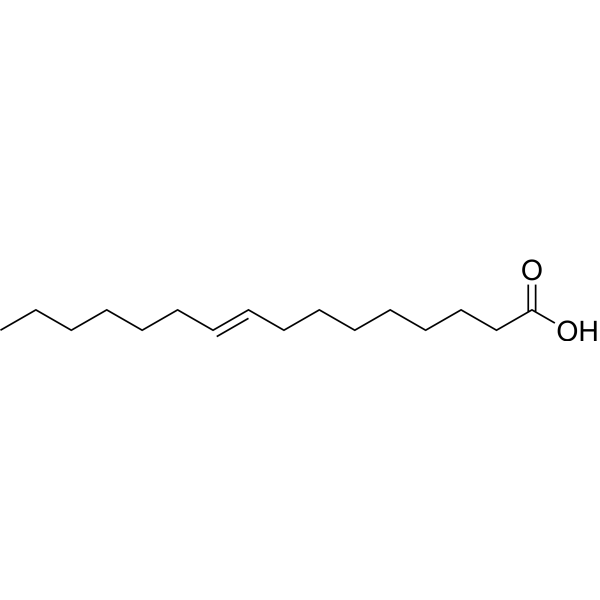
Palmitelaidic acid (9-trans-Hexadecenoic acid) is the trans isomer of palmitoleic acid. Palmitoleic acid is one of the most abundant fatty acids in serum and tissue.
loading...
    loading...
2
2 Cited Publications
Cat. No.: HY-B0283
CAS No.: 51037-30-0
Synonyms: K-9321
Target:  

Carbonic Anhydrase

Research Areas:  

Metabolic Disease

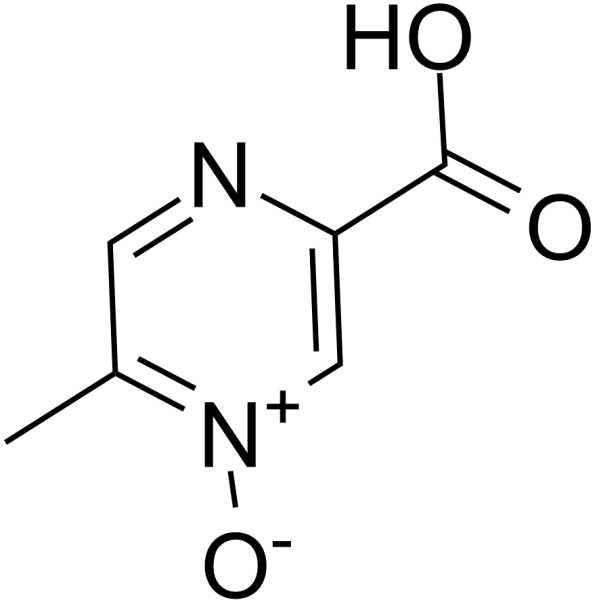
Acipimox (K-9321), a nicotinic acid analogue, is an antilipolytic compound. Acipimox stimulates leptin releas, inhibits lipolysis and suppresses systemic levels of free fatty acids (FFAs) and improves insulin sensitivity .
loading...
    loading...
2
2 Cited Publications
Cat. No.: HY-B1453
CAS No.: 461-05-2
Synonyms: DL-Carnitine chloride; DL-Levocarnitine chloride
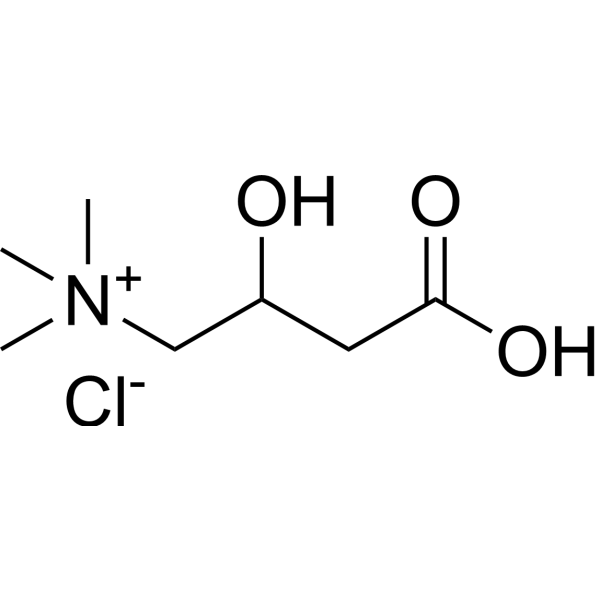
(±)-Carnitine chloride exists in two isomers, known as D and L. L-carnitine plays an essential role in the β-oxidation of fatty acids and also shows antioxidant, and anti-inflammatory activities.
loading...
    loading...
2
2 Cited Publications
Cat. No.: HY-N1478
CAS No.: 24512-62-7
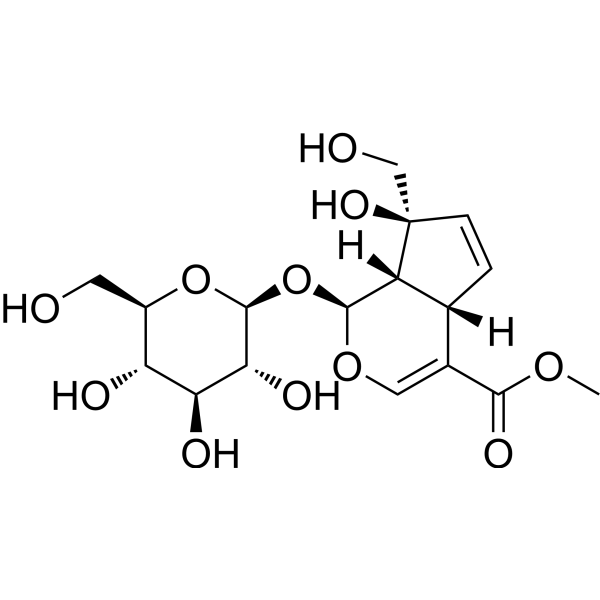
Gardenoside is an orally active natural compound found in Gardenia fruits. Gardenoside reliefs chronic constriction injury (CCI)-induced neuropathic pain by regulating the P2X3 and P2X7 receptors. Gardenoside has an inhibitory effect on free fatty acids (FFA)-induced cellular steatosis. Gardenoside reduces reactive oxygen species (ROS). Gardenoside can be used for anti-inflammatory, antinociceptive and hepatoprotective study .
loading...
    loading...
2
2 Cited Publications
Cat. No.: HY-P1723
CAS No.: 1370290-58-6
Synonyms: Neuropeptide Q
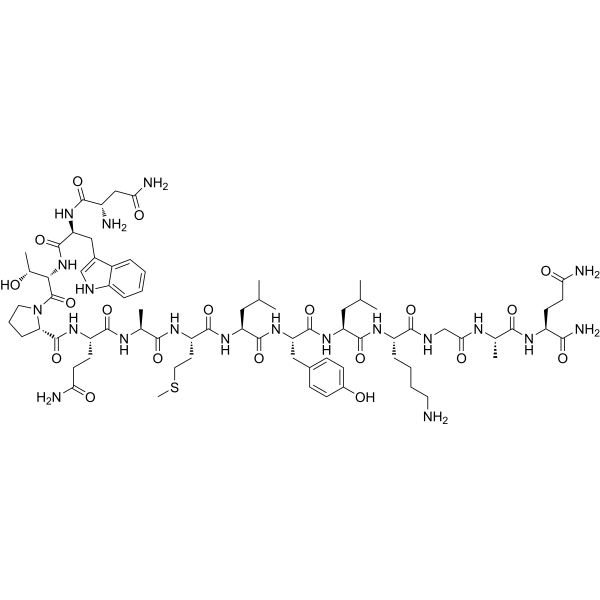
Spexin (Neuropeptide Q) is a selective agonist of galanin receptors GAL2 and GAL3, and is a conserved peptide that functions as a neurotransmitter/neuromodulator and endocrine factor. Spexin can function through both central and peripheral actions. Spexin upregulates Beclin 1 to inhibit ferroptosis induced by excessive autophagy, reduces the uptake of long-chain fatty acids by adipocytes, and regulates energy metabolism by increasing lipid oxidation (e.g., reducing the respiratory exchange ratio in rodents). Spexin improves cardiac function in the Doxorubicin hydrochloride (HY-15142)-induced cardiotoxicity model, protects mitochondrial membrane potential, and reduces iron accumulation and lipid peroxidation. Spexin can be used to study obesity and its related metabolic disorders, cardiovascular diseases (e.g., cardioprotection), and side effects of tumor chemotherapy .
loading...
    loading...
1
1 Cited Publications
Cat. No.: HY-175067
Synonyms: DHPI-4,5-P2 sodium salt; PI(4,5)P2 (6:0/6:0) sodium salt; PIP2[4',5'](6:0/6:0) sodium salt
Research Areas:  

Others

PtdIns-(4,5)-P2 (1,2-dihexanoyl) (sodium salt) is a synthetic analog of natural Ptdlns with C6:0 fatty acids at the sn-1 and sn-2 positions.
loading...
    loading...
1
1 Cited Publications
Cat. No.: HY-21268
CAS No.: 301-00-8
Synonyms: Linolenic acid methyl ester
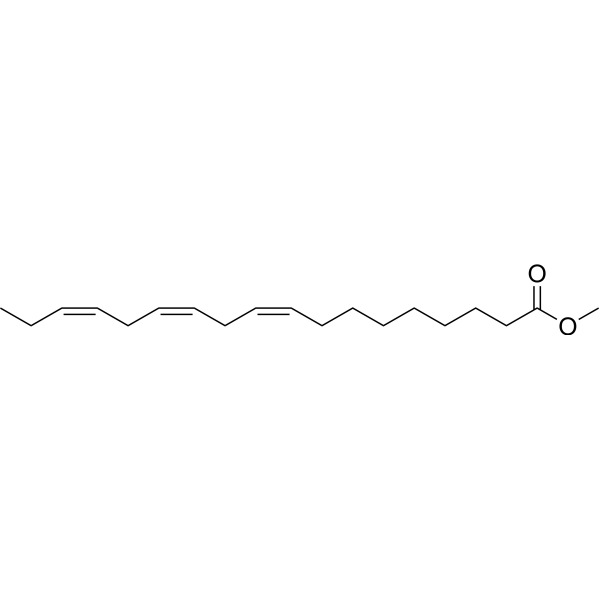
Methyl linolenate is a polyunsaturated fattly acid (PUFA). Methyl linolenate has an anti-melanogenesis activity with an IC50 of 60 μM. Methyl linolenate can also be used for studies of the mechanisms and prevention of oxidation/peroxidation of unsaturated fatty acids .
loading...
    loading...

