372 Results for "

lung cancer cell proliferation

" in MedChemExpress (MCE) Product Catalog:
Products (372)

372 Results for "lung cancer cell proliferation" in MCE Product Catalog:

147
147 Publications Verification
Cat. No.: HY-50896
CAS No.: 183321-74-6
Synonyms: CP-358774; NSC 718781; OSI-774
Target:  

EGFR OAT ERK GSK-3 β-catenin

Research Areas:  

Endocrinology Cancer

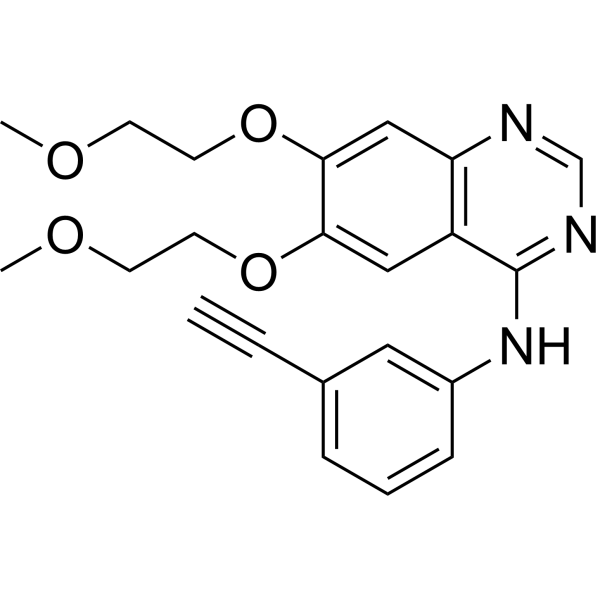
Erlotinib (CP-358774) is a selective, orally active EGFR tyrosine kinase inhibitor. Erlotinib also acts as a substrate and inhibitor of OATP2B1, with an IC50 of approximately 0.079 μM for inhibiting OATP2B1-mediated uptake of estrone 3-sulfate. Erlotinib blocks EGFR phosphorylation, downstream signal transduction, as well as the growth and proliferation of cancer cells. Erlotinib inhibits MMP-10-mediated renal injury, fibrotic lesions, the ERK1/2, GSK-3β and β-catenin signaling pathways, fibronectin, α-SMA, collagen deposition, and renal injury markers. Erlotinib is metabolized via CYP3A to produce the active metabolite OSI-420. Erlotinib can be used in research related to non-small cell lung cancer, gastric cancer, papillary renal cell carcinoma, pancreatic cancer, renal fibrosis, and other conditions .
loading...
    loading...
147
147 Publications Verification
Cat. No.: HY-12008
CAS No.: 183319-69-9
Purity:  99.94%
Synonyms: CP-358774 hydrochloride; NSC 718781 hydrochloride; OSI-774 hydrochloride
Target:  

EGFR OAT ERK GSK-3 β-catenin

Research Areas:  

Endocrinology Cancer

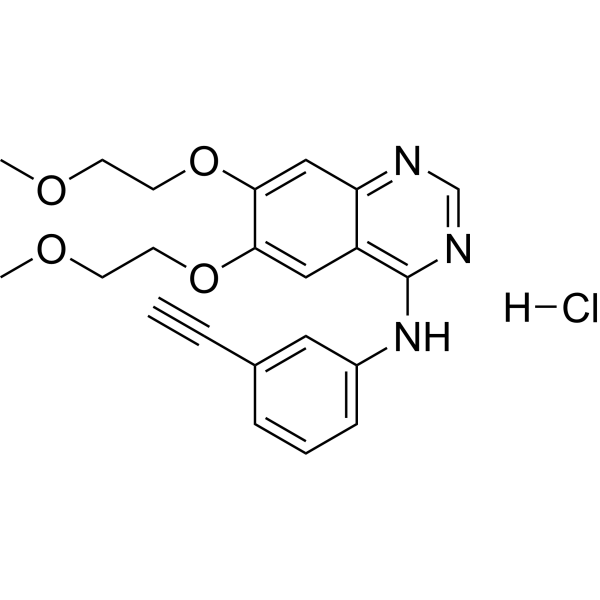
Erlotinib (CP-358774) Hydrochloride is a selective, orally active EGFR tyrosine kinase inhibitor. Erlotinib Hydrochloride also acts as a substrate and inhibitor of OATP2B1, with an IC50 of approximately 0.079 μM for inhibiting OATP2B1-mediated uptake of estrone 3-sulfate. Erlotinib Hydrochloride blocks EGFR phosphorylation, downstream signal transduction, as well as the growth and proliferation of cancer cells. Erlotinib Hydrochloride inhibits MMP-10-mediated renal injury, fibrotic lesions, the ERK1/2, GSK-3β and β-catenin signaling pathways, as well as the deposition of fibronectin, α-SMA, collagen and renal injury markers. Erlotinib Hydrochloride is metabolized via CYP3A to produce the active metabolite OSI-420. Erlotinib Hydrochloride can be used in research related to non-small cell lung cancer, gastric cancer, papillary renal cell carcinoma, EGFR inhibitor resistance and renal fibrosis .
loading...
    loading...
70
70 Cited Publications
Cat. No.: HY-10585
CAS No.: 99-66-1
Purity:  99.19%
Synonyms: VPA; 2-Propylpentanoic acid; Dipropylacetic acid
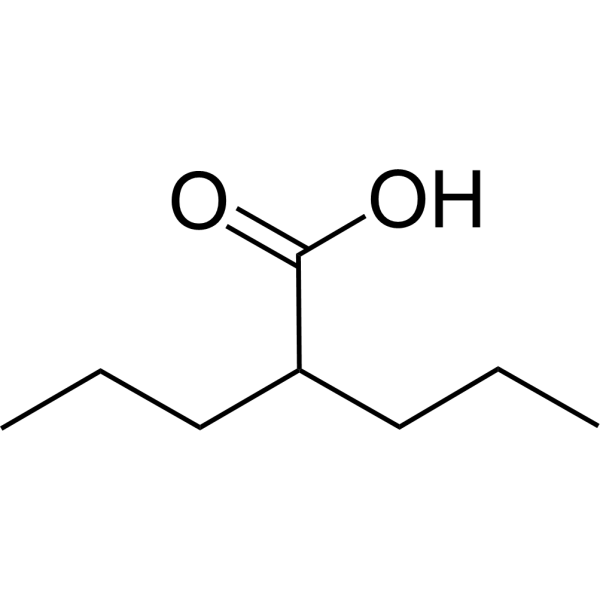
Valproic acid (VPA) is an orally active HDAC inhibitor, with IC50 in the range of 0.5 and 2 mM. Valproic acid inhibits HDAC1 (IC50, 400 μM), and induces proteasomal degradation of HDAC2. Valproic acid activates Notch1 signaling and inhibits proliferation in small cell lung cancer (SCLC) cells. Valproic acid is used in the epilepsy, bipolar disorder, metabolic disease, HIV infection and prevention of migraine headaches .
loading...
    loading...
70
70 Cited Publications
Cat. No.: HY-10585A
CAS No.: 1069-66-5
Purity:  98.14%
Synonyms: Sodium Valproate; VPA sodium; 2-Propylpentanoic acid sodium
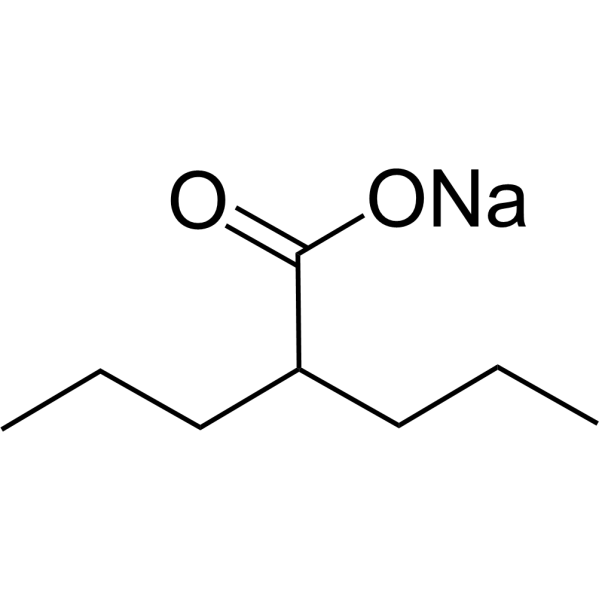
Valproic acid (Sodium Valproate) sodium is an orally active HDAC inhibitor, with IC50 in the range of 0.5 and 2 mM, also inhibits HDAC1 (IC50, 400 μM), and induces proteasomal degradation of HDAC2. Valproic acid sodium activates Notch1 signaling and inhibits proliferation in small cell lung cancer (SCLC) cells. Valproic acid sodium is used in the treatment of epilepsy, bipolar disorder, metabolic disease, HIV infection and prevention of migraine headaches .
loading...
    loading...
26
26 Cited Publications
Cat. No.: HY-135146
CAS No.: 2170136-65-7
Purity:  99.95%
Synonyms: (R)-GSK3482364
Research Areas:  

Cancer

GSK-3484862 is a highly potent non-covalent inhibitor and demethylating agent of DNMT1. GSK-3484862 induces genome-wide DNA demethylation, including the regulatory elements of DNMT3B and the promoter region of TERT, and significantly inhibits cell viability, growth, proliferation and self-renewal. GSK-3484862 blocks the transformation of young AT2 cells, induces apoptosis, and generates transcriptomic features similar to those of senescent cells. GSK-3484862 is widely used in studies related to lung cancer, oral squamous cell carcinoma and lung adenocarcinoma .
loading...
    loading...
24
24 Cited Publications
Cat. No.: HY-N0171
CAS No.: 83-46-5
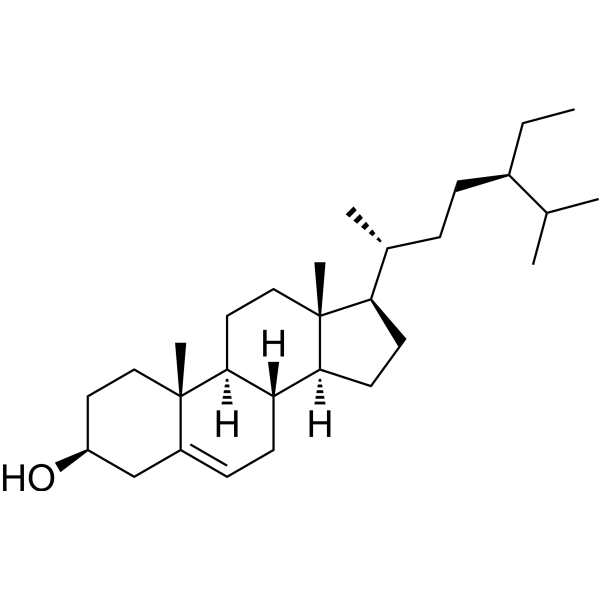
Beta-Sitosterol (purity≥80%) is orally active. Beta-Sitosterol exhibits multiple activities, including anti-inflammatory, anticancer, antioxidant, antimicrobial, antidiabetic, antioxidant enzyme, and analgesic. Beta-Sitosterol inhibits inflammation and impaired adipogenesis in bovine mammary epithelial cells by reducing levels of ROS, TNF-α, IL-1β, and NF-κB p65 and restoring the activity of the HIF-1α/mTOR signaling pathway. Beta-Sitosterol induces apoptosis in cancer cells through ROS-mediated mitochondrial dysregulation and p53 activation. Beta-Sitosterol exerts its anticancer effects in cancer cells by activating caspase-3, caspase-8, and caspase-9, mediating PARP inactivation, MMP loss, altered Bcl-2-Bax ratio, and cytochrome c release. Beta-Sitosterol modulates macrophage polarization and reduces rheumatoid inflammation in mice. Beta-Sitosterol inhibits tumor growth in multiple mouse cancer models. Beta-Sitosterol can be used in the research of arthritis, lung cancer, breast cancer and other cancers, diabetes, etc .
loading...
    loading...
11
11 Cited Publications
Cat. No.: HY-14463
CAS No.: 912999-49-6
Purity:  99.92%
Synonyms: AT13387
Target:  

HSP

Research Areas:  

Cancer

Onalespib (AT13387) is a potent and cross the blood-brain barrier heat-shock-protein-90 (Hsp90) inhibitor. Onalespib inhibits the proliferation, survival and migration. Onalespib decreases the expression of EGFR, p-EGFR, AKT, P-AKT, ERK1/2, P-ERK1/2, S6, P-S6 protein. Onalespib shows antitumor activity. Onalespib has the potential for the research of non-small cell lung cancer (NSCLC) .
loading...
    loading...
10
10 Cited Publications
Cat. No.: HY-129241
CAS No.: 330834-54-3
Purity:  99.33%
AGX51 is a pan-Id (inhibitors of DNA-binding/differentiation proteins) antagonist that disrupts ID-E protein interactions, thereby triggering ubiquitin-mediated proteasomal degradation of ID1, ID2, ID3 and ID4. AGX51 induces ROS production, G0/G1 cell cycle arrest, non-apoptotic cell death, and regulates EMT-related proteins. AGX51 reduces the proliferation, migration and myofibroblast differentiation of lung fibroblasts, alleviates pulmonary fibrosis, inhibits cancer cell viability and tumor growth, impairs neovascularization, and shows no obvious toxicity in mice. AGX51 can be used in research related to idiopathic pulmonary fibrosis, triple-negative breast cancer, breast cancer, pancreatic ductal adenocarcinoma, colorectal tumors, wet age-related macular degeneration and retinopathy of prematurity .
loading...
    loading...
6
6 Cited Publications
Cat. No.: HY-P5321
CAS No.: 152051-61-1
Target:  

FGFR

Research Areas:  

Cancer

bFGF (119-126) is a ligand of bFGF. The complex formed by bFGF (119-126) and bFGF can bind to FGFR1, while inhibiting the bFGF-FGFR1 interaction, FGFR1 phosphorylation and downstream signaling pathways. Therefore, bFGF (119-126) induces cell apoptosis and inhibits cell proliferation, migration, angiogenesis and metastasis. When conjugated with a carrier, bFGF (119-126) enhances cellular uptake via FGFR-mediated endocytosis and serves as an effective FGFR-targeted ligand. When used in combination with ultrasound and Doxorubicin (HY-15142A), bFGF (119-126) significantly enhances the inhibitory effect on tumors. bFGF (119-126) is applicable to research related to lung cancer, breast cancer, glioblastoma and ovarian cancer .
loading...
    loading...
6
6 Cited Publications
Cat. No.: HY-13326
CAS No.: 1097917-15-1
Purity:  99.88%
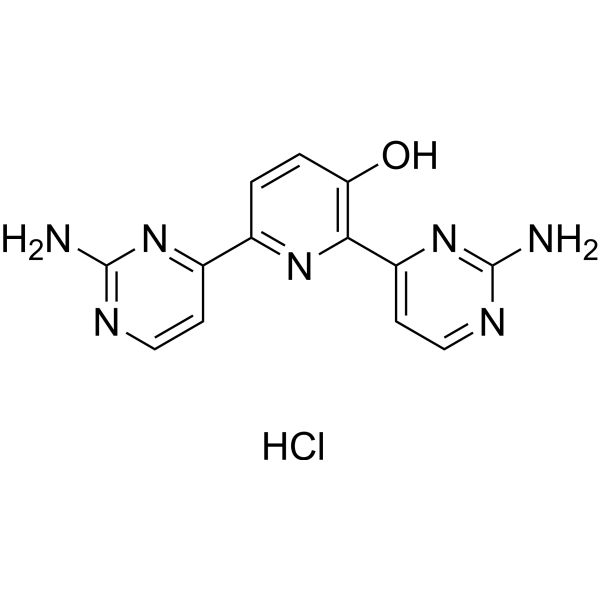
ASP3026 is a selective and orally active inhibitor of anaplastic lymphoma kinase (ALK). ASP3026 is a selective and oral active anaplastic lymphoma kinase (ALK) inhibitor with a IC50 value of 3.5 nM. ASP3026 can inhibit the phosphorylation of IGF-1R, STAT3, AKT and JNK proteins, and induce the cleavage of caspase 3 and PARP. It also inhibited ROS and ACK. ASP3026 can be used in anti-tumor research .
loading...
    loading...
4
4 Cited Publications
Cat. No.: HY-126477
CAS No.: 64091-91-4
Purity:  99.98%
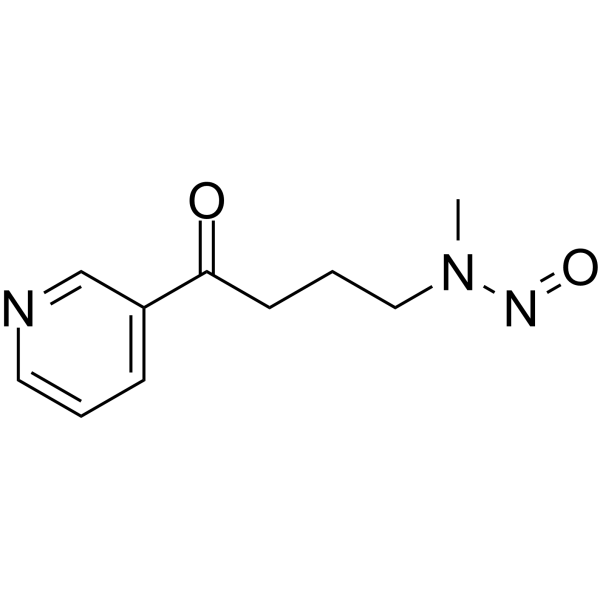
NNK is a nicotine-nitrosated derivative. NNK simultaneously stimulates Bcl2 phosphorylation exclusively at Ser 70 and c-Myc at Thr 58 and Ser 62 through activation of both ERK1/2 and PKCα . NNK induces survival and proliferation of human lung cancer cells. NNK can be used for lung cancer mice model structure .
loading...
    loading...
4
4 Cited Publications
Cat. No.: HY-137432
CAS No.: 1983983-41-0
Purity:  99.72%
Synonyms: BEY1107
Target:  

CDK Apoptosis

Research Areas:  

Cancer

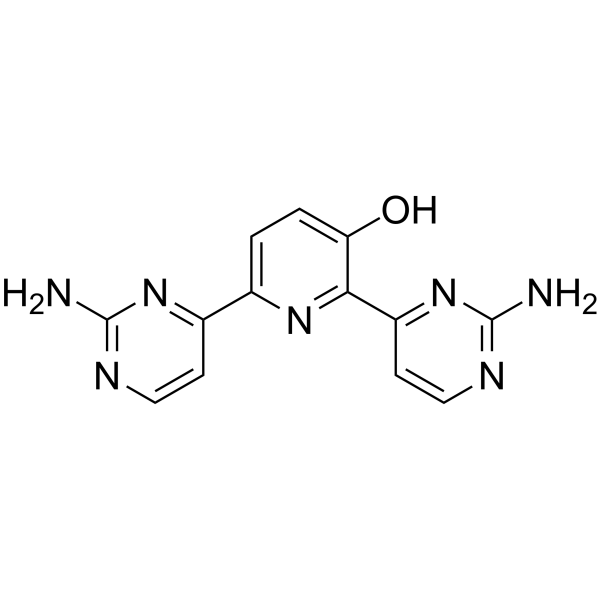
Avotaciclib (BEY1107) is an orally active cyclin-dependent kinase 1 (CDK1) inhibitor. Avotaciclib can inhibit the proliferation and induce apoptosis of tumor cells. Avotaciclib can be used in the research of cancer such as pancreatic cancer and lung cancer .
loading...
    loading...
4
4 Cited Publications
Cat. No.: HY-137432A
CAS No.: 1983984-01-5
Purity:  99.60%
Synonyms: BEY1107 trihydrochloride
Target:  

CDK Apoptosis

Research Areas:  

Cancer

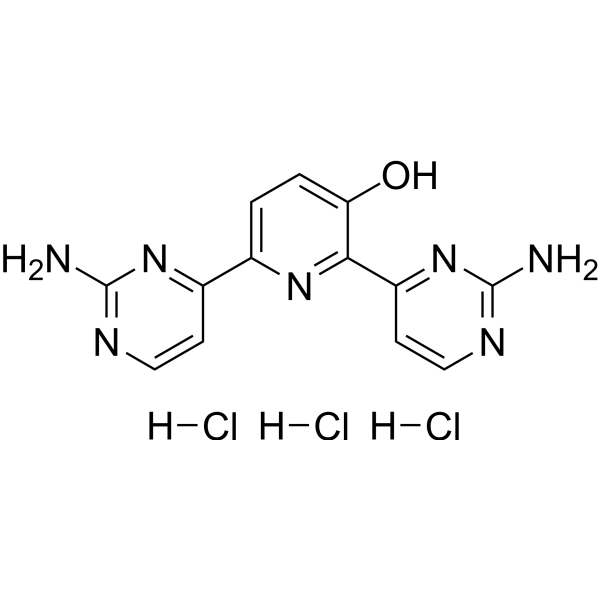
Avotaciclib (BEY1107) trihydrochloride is an orally active cyclin-dependent kinase 1 (CDK1) inhibitor. Avotaciclib trihydrochloride can inhibit the proliferation and induce apoptosis of tumor cells. Avotaciclib trihydrochloride can be used in the research of cancer such as pancreatic cancer and lung cancer .
loading...
    loading...
4
4 Cited Publications
Cat. No.: HY-137432B
Purity:  99.75%
Synonyms: BEY1107 hydrochloride
Target:  

CDK Apoptosis

Research Areas:  

Cancer

Avotaciclib (BEY1107) hydrochloride is an orally active cyclin-dependent kinase 1 (CDK1) inhibitor. Avotaciclib hydrochloride can inhibit the proliferation and induce apoptosis of tumor cells. Avotaciclib hydrochloride can be used in the research of cancer such as pancreatic cancer and lung cancer .
loading...
    loading...
4
4 Cited Publications
Cat. No.: HY-112155
CAS No.: 2229036-62-6
Purity:  99.72%
Research Areas:  

Cancer

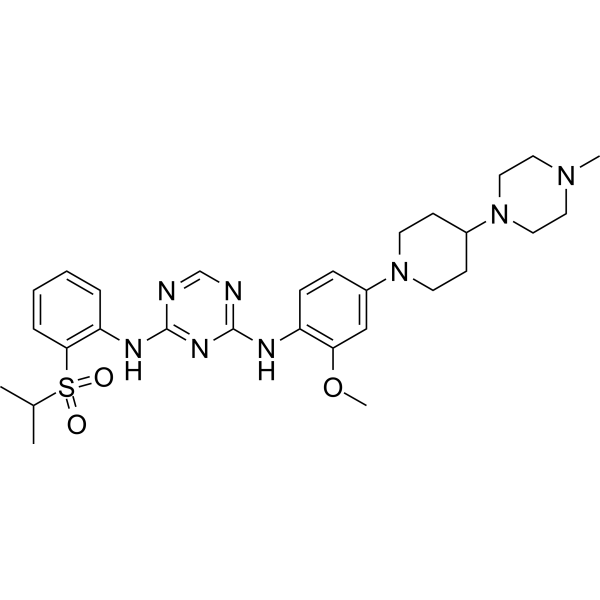
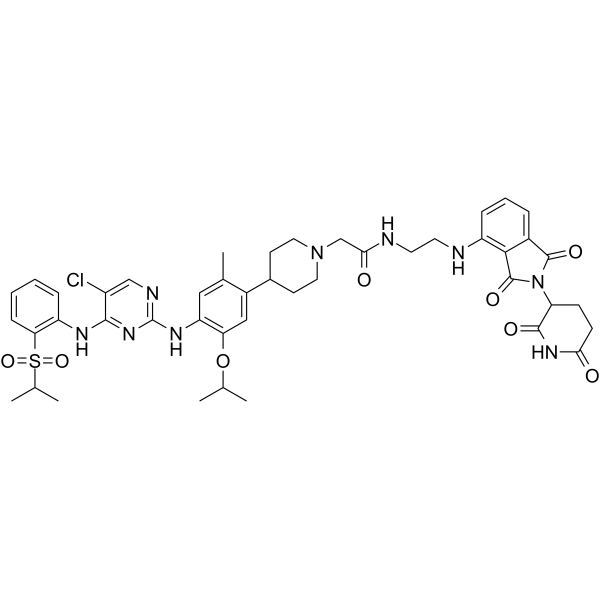
MS4078 is a ALK PROTAC degrader with a DC50 of 11 nM in SU-DHL-1 cells and a DC50 of 59 nM in NCI-H2228 cells, and its Kd value for ALK binding is 19 nM. MS4078 induces ALK degradation via the ubiquitin-proteasome pathway by recruiting cereblon, and inhibits the phosphorylation of ALK and STAT3, thereby suppressing cancer cell proliferation. MS4078 is applicable for the research of non-small cell lung cancer and anaplastic large cell non-Hodgkin's lymphoma .
loading...
    loading...
4
4 Cited Publications
Cat. No.: HY-B0735A
CAS No.: 67227-57-0
Synonyms: Fenoldopam methanesulfonate; SKF-82526 mesylate
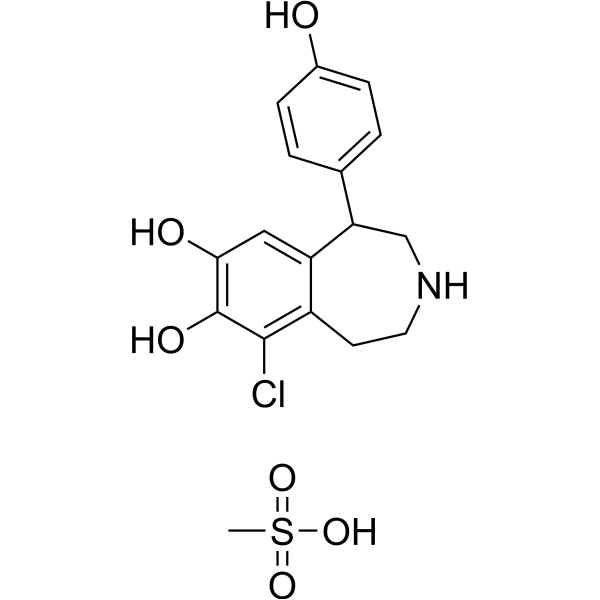
Fenoldopam (SKF-82526) mesylate is a selective dopamine D1 receptor agonist. Fenoldopam mesylate binds to rat D1B dopamine receptors (Kd = 11 nM) and human D1A receptors (Kd = 17 nM) in COS-7 cell membranes expressing the cloned receptors. Fenoldopam mesylate modulates dopamine receptor expression, induces vasorelaxation in vascular tissues, reverses glomerular hyperfiltration in rat models, increases intracellular cAMP levels, promotes DARPP-32 phosphorylation in small cell lung cancer (SCLC) cells, inhibits cytokine secretion, and downregulates T cell activation markers in activated human T cells. Fenoldopam mesylate can be used for research on hypertension, acute kidney injury, psoriasis, and small cell lung cancer .
loading...
    loading...
3
3 Cited Publications
Cat. No.: HY-N0781
CAS No.: 728-61-0
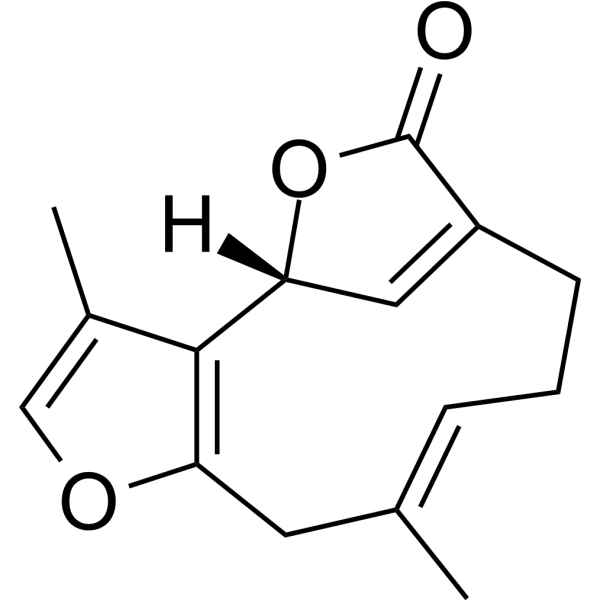
Linderalactone is an important sesquiterpene lactone isolated from Lindera aggregata. Linderalactone inhibits cancer growth by modulating the expression of apoptosis-related proteins and inhibition of JAK/STAT signalling pathway. Linderalactone also inhibits the proliferation of the lung cancer A-549 cells with an IC50 of 15 µM .
loading...
    loading...
3
3 Cited Publications
Cat. No.: HY-N1073
CAS No.: 51225-30-0
Synonyms: 6-Isopentenylgenistein; Erythrinin B
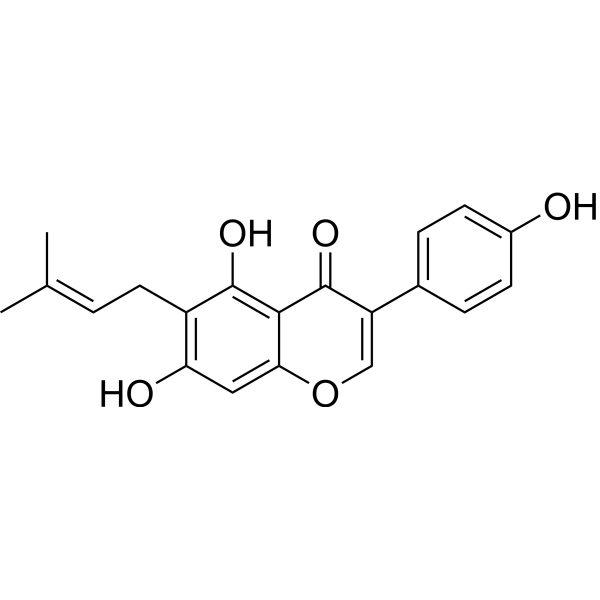
Wighteone (6-Isopentenylgenistein; Erythrinin B) is a prenylated isoflavone that acts as a HSP90/EGFR L858R/T790M inhibitor and antifungal agent. Wighteone reduces the expression level of HSP90, blocks EGF-induced phosphorylation of EGFR, and thereby inhibits the downstream ERK and AKT signaling pathways. Wighteone induces cell cycle redistribution, inhibits proliferation and triggers apoptosis in cancer cells. Wighteone can be isolated from Erythrina suberosa, and can also be induced to synthesize in Lotus japonicus under specific conditions. Wighteone can be used to study HER2-positive breast cancer, leukemia, non-small cell lung cancer with EGFR L858R/T790M mutation, and fungal infections .
loading...
    loading...
3
3 Cited Publications
Cat. No.: HY-N6871
CAS No.: 514-10-3
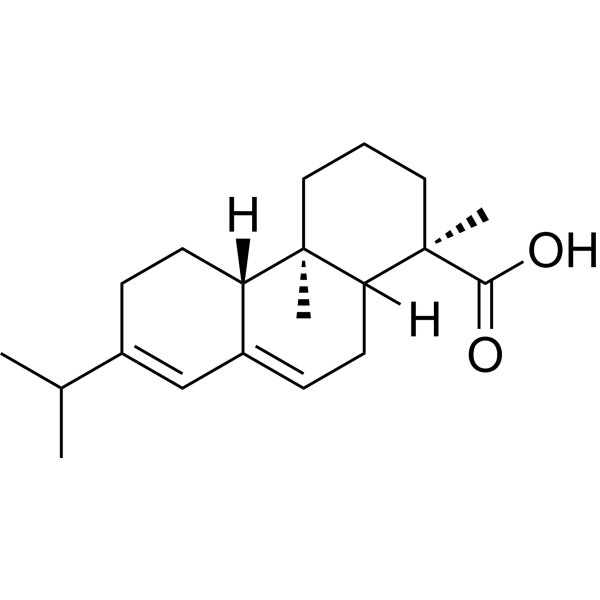
Abietic acid, an orally active diterpene isolated from Colophony, displays significant anti-proliferative, anti-inflammatory, anti-obesity effect, bacteriostatic, cell cycle arresting and pro-apoptotic activities. Abietic acid inhibits lipoxygenase activity for allergy. Abietic acid enhances cell migration and tube formation in HUVECs. Abietic acid induces significant angiogenic potential, which is associated with upregulation of extracellular signal-regulated kinase (ERK) and p38 expression. Abietic acid attenuates sepsis-induced lung injury by inhibiting nuclear factor kappa-light-chain-enhancer of activated B cells (NF-κB) pathway to inhibit M1 macrophage polarization. Abietic acid exhibits a positive effect against liver injury by attenuating inflammation and ferroptosis. Abietic acid shows accelerated wound closure in a mouse model of cutaneous wounds. Abietic acid significantly reduces the proliferation and growth of NSCLC cells by IKKβ inhibition.Additionally, Abietic acid ameliorates psoriasis-like inflammation and modulates gut microbiota in mice. Abietic acid is promising for research in non-small-cell lung cancer (NSCLC), liver injury-related deseases and psoriasis .
loading...
    loading...
3
3 Cited Publications
Cat. No.: HY-B0984
CAS No.: 13636-18-5
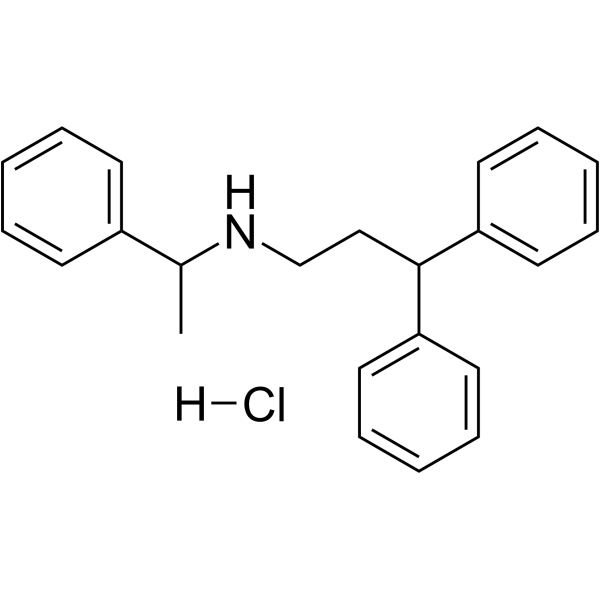
Fendiline hydrochloride, a diphenylalkylamine type of antianginal agent, is an L-type calcium channel blocker (IC50 of 17 µM). Fendiline hydrochloride is also a selective K-Ras inhibitor, and has no effect on H-Ras and N-Ras. Fendiline hydrochloride inhibits K-Ras plasma membrane localization (IC50 of 9.64 μM), inhibits K-Ras signal output and blocks the proliferation of pancreatic, colon, lung, and endometrial cancer cell lines expressing oncogenic mutant K-Ras. Fendiline hydrochloride is a STING agonist and is able to inhibit the growth of multiple refractory cold tumors (MC38, CT26 and B16F10) .
loading...
    loading...

