



1. Search Result
Search Result
Pathways Recommended: Stem Cell/Wnt Cell Cycle/DNA Damage
Results for "

primary cancer cell

" in MedChemExpress (MCE) Product Catalog:

77

Inhibitors & Agonists

3

Biochemical Assay Reagents

6

Peptides

14

Inhibitory Antibodies

6

Natural
Products

2

Click Chemistry

5

Oligonucleotides

Cat. No. 상품명 Target 연구분야 Chemical Structure
  • HY-P99592

    AMG 110

    CD3 Cancer
    Solitomab (AMG 110) is a bispecific anti-CD3 and anti-epithelial-cell-adhesion-molecule (EpCAM) antibody. Solitomab can be used for the research of primary uterine and ovarian carcinosarcoma cancer .
    Solitomab
  • HY-173158

    PROTACs Histone Acetyltransferase Cancer
    AUR1545 is a selective KAT2A/KAT2B ((GCN5/PCAF)) PROTAC degrader that induces monocyte differentiation and inhibits the growth of acute myeloid leukemia cells. AUR1545 inhibits cell growth, induces epithelial differentiation and suppresses tumor growth in small cell lung cancer models. AUR1545 inhibits cell growth and induces differentiation in neuroendocrine prostate cancer cells and primary patient-derived organoids. AUR1545 is applicable to research related to acute myeloid leukemia, small cell lung cancer and neuroendocrine prostate cancer .
    AUR1545
  • HY-107999
    CADD522
    5 Publications Verification

    Reactive Oxygen Species (ROS) Cancer
    CADD522 is a RUNX2-DNA binding inhibitor (downregulates RUNX2-mediated transcription of downstream target genes), with an IC50 of 10 nM. CADD522 inhibits primary tumor growth and experimental metastasis of tumor cells in the lungs of immune-compromised mice. CADD522 can be used in study of cancer .
    CADD522
  • HY-122515
    Fulvic Acid
    1 Publications Verification

    Others Metabolic Disease Inflammation/Immunology
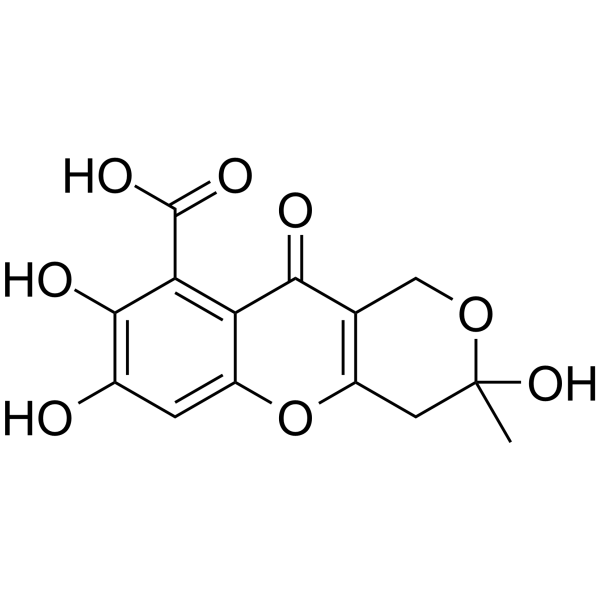
    Fulvic Acid is a natural product, which comes from humic substances produced by microorganisms in soil. Fulvic Acid can modulate the immune system, influence the oxidative state of cells, and improve gastrointestinal function. Fulvic Acid has the potential for researching chronic inflammatory diseases, including diabetes .
    Fulvic Acid
  • HY-P99956

    VLS-101; MK-2140

    Antibody-Drug Conjugates (ADCs) Apoptosis Cancer
    Zilovertamab vedotin (VLS-101) is a novel antibody-drug conjugate comprising the humanized monoclonal antibody zilovertamab and and the anti-microtubule cytotoxin monomethyl vedotin. Zilovertamab vedotin binding to tumor cell ROR1 results in rapid internalization, trafficking to lysosomes, antibody–agent conjugate cleavage, and monomethyl vedotin release. Zilovertamab vedotin induces apoptosis. Zilovertamab vedotin can be used in research of cancer .
    Zilovertamab vedotin
  • HY-N0554
    Escin IA
    1 Publications Verification

    HIV Protease Monoamine Oxidase Infection Inflammation/Immunology Cancer
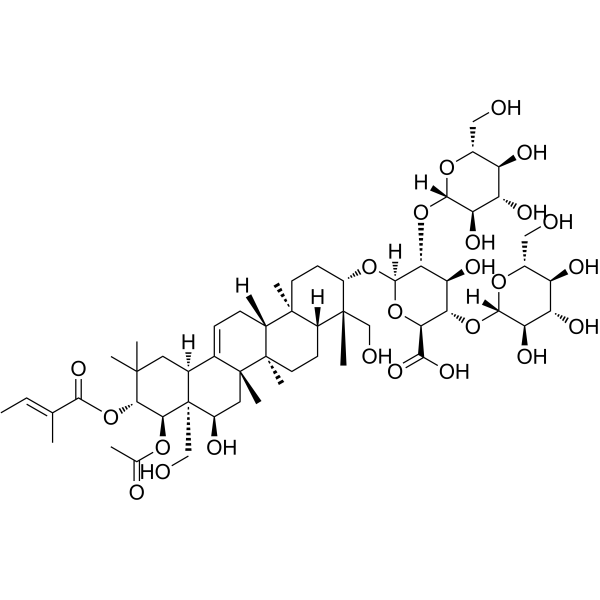
    Escin IA is an oral LOXL2 inhibitor and EMT inhibitor, with selectivity for LOXL2-expressing cells. Escin IA suppresses invasion, migration, and metastasis of breast cancer cells, and acts as the primary anti-TNBC metastasis constituent of Aesculus chinensis Bunge fruit saponin fraction. Escin IA can be used for the research of triple-negative breast cancer, acute inflammation, and ethanol-induced gastric mucosal lesions .
    Escin IA
  • HY-W591424

    mPEG2000-SC; mPEG2000-Succinimidyl ester

    Biochemical Assay Reagents MMP Cancer
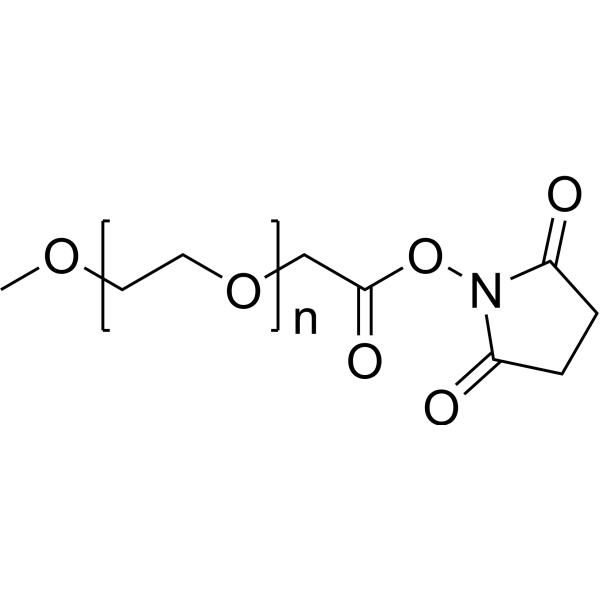
    m-PEG2000-NHS ester (mPEG2000-SC) is a reagent with both cell adhesion inhibition and peptide conjugation functions. The NHS ester group of m-PEG2000-NHS ester forms stable amide bonds with primary amine-containing molecules (e.g., the N-terminus of MMP-2-cleavable octapeptide) to generate mPEG-peptide intermediates for liposome surface modification. When m-PEG2000-NHS ester is immobilized on a cystamine-modified gold surface, it can construct an in vitro model for cell adhesion kinetic studies, and higher PEG density and thicker layers correlate with lower cell adhesion rates. m-PEG2000-NHS ester can synthesize MMP-2-responsive PEGylated lipid conjugates to achieve MMP-triggered dePEGylation in the tumor microenvironment. m-PEG2000-NHS ester can be used in studies related to colon cancer and other conditions .
    m-PEG2000-NHS ester
  • HY-N0493
    Pectolinarigenin
    2 Publications Verification

    COX Lipoxygenase NF-κB p38 MAPK ERK HIF/HIF Prolyl-Hydroxylase Keap1-Nrf2 PI3K Apoptosis Autophagy Neurological Disease Inflammation/Immunology Cancer
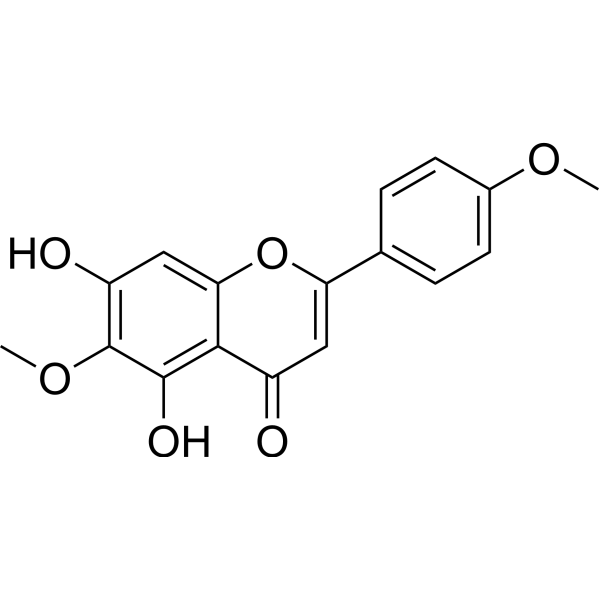
    Pectolinarigenin is an orally active dual inhibitor of COX-2/5-LOX with anti-inflammatory, antioxidant, antitumor and neuroprotective activities. Pectolinarigenin exerts neuroprotective and anti-inflammatory effects on astrocyte inflammation via the NFκB and MAPK pathways. Pectolinarigenin inhibits LPS-induced phosphorylation of ERK1/2, N-FκB and p38MAPK, directly inhibits the enzymatic activity or binding of COX-2, 5-LOX and HIF-1α, and reduces the level of XIAP. Pectolinarigenin modifies Keap1 to promote nuclear accumulation of Nrf2, induces ARE-mediated antioxidant enzyme expression, and possesses direct free radical scavenging activity. Pectolinarigenin reduces the release of NO, proinflammatory mediators and leukotrienes, and increases the level of IL-10. Pectolinarigenin induces G2/M cell cycle arrest, apoptosis (Apoptosis) and autophagy (Autophagy) via the PI3K/AKT/mTOR signaling pathway. Pectolinarigenin reduces renal crystal deposition and inhibits melanin synthesis. Pectolinarigenin inhibits inflammation and alleviates allergy in mouse models of inflammation. Pectolinarigenin alleviates renal injury, inflammation and oxidative stress in mice by inhibiting HIF-1α activity. Pectolinarigenin can be used for the research of neurodegenerative diseases, inflammatory/allergic diseases, calcium oxalate nephrocalcinosis, gastric cancer, melasma, post-inflammatory diseases and chloasma .
    Pectolinarigenin
  • HY-160041A

    NOX-A12 sodium

    CXCR Cancer
    Olaptesed pegol (NOX-A12) sodium is a L-oligoribonucleotide aptamer targeting CXCL12 based on a pegylated structure. Olaptesed pegol sodium neutralizes CXCL12, and CXCL12 inhibition mobilizes chronic lymphocytic leukemia cells into the circulation and prevents their homing into the protective microenvironment. Olaptesed pegol sodium can enhances the infiltration of human primary T cells and NK cells and inhibit tumor growth companied with anti-PD-1 antibody. Olaptesed pegol sodium can be used for researches of colon cancer and lymphocytic leukemia .
    Olaptesed pegol sodium
  • HY-160041

    NOX-A12

    CXCR Cancer
    Olaptesed pegol (NOX-A12) is a L-oligoribonucleotide aptamer targeting CXCL12 based on a pegylated structure. Olaptesed pegol neutralizes CXCL12, and CXCL12 inhibition mobilizes chronic lymphocytic leukemia cells into the circulation and prevents their homing into the protective microenvironment. Olaptesed pegol can enhances the infiltration of human primary T cells and NK cells and inhibit tumor growth companied with anti-PD-1 antibody. Olaptesed pegol can be used for researches of colon cancer and lymphocytic leukemia .
    Olaptesed pegol
  • HY-134978A
    (+)SHIN2
    2 Publications Verification

    SHMT Cancer
    (+)SHIN2 is a serine hydroxymethyltransferase (SHMT) inhibitor, whose target can be traced with 13C-serine. (+)SHIN2 increases survival in NOTCH1-driven mouse primary acute lymphoblastic leukemia (T-ALL) in vivo with a synergistic effect with Methotrexate (HY-14519) . (+)SHIN2 is a click chemistry reagent, it contains an Alkyne group and can undergo copper-catalyzed azide-alkyne cycloaddition (CuAAc) with molecules containing Azide groups.
    (+)SHIN2
  • HY-B0596
    Taltirelin
    1 Publications Verification

    TA-0910

    Thyroid Hormone Receptor Apoptosis Neurological Disease Endocrinology
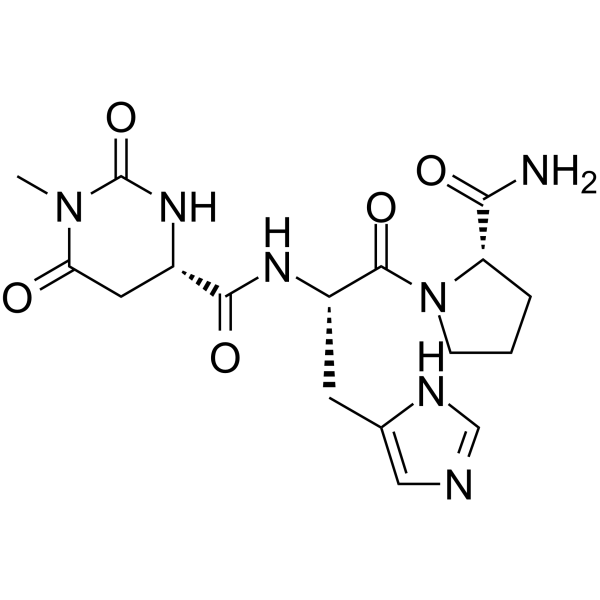
    Taltirelin (TA-0910) is an orally effective analogue of thyrotropin releasing hormone (TRH) and a TRH receptor (TRH-R) superagonist (IC50 at 910 nM). Taltirelin can cross the blood-brain barrier. Taltirelin stimulates an increase in cytosolic Ca 2+ concentration (Ca 2+ release) with an EC50 value of 36 nM. Taltirelin increases cell viability and reduces apoptosis in SH-SY5Y cells and primary rat mesencephalic neurons treated with MPP+ (HY-W008719) or Rotenone (HY-B1756). Taltirelin has neuroprotective effects in both cellular and animal models of Parkinson's disease. Taltirelin alleviates fatigue-like behavior in mouse models of cancer-related fatigue .
    Taltirelin
  • HY-N0864

    Macranthoiside I

    Apoptosis COX Reactive Oxygen Species (ROS) Caspase SOD Cancer
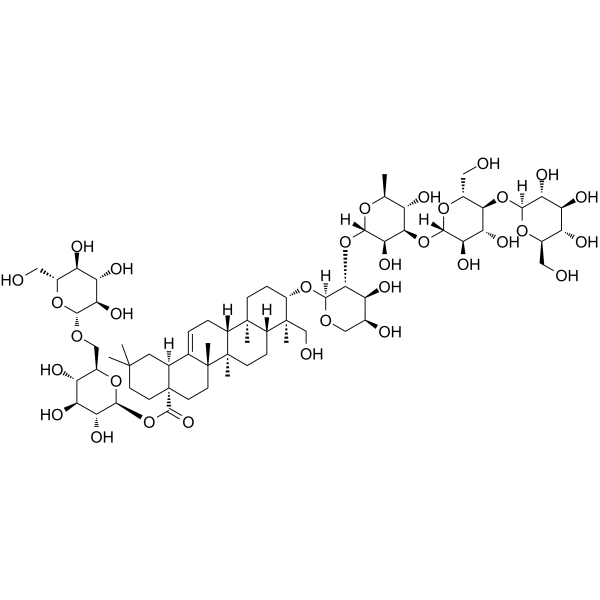
    Macranthoidin B (Macranthoiside I) is an orally active triterpene saponin. Macranthoidin B inhibits epithelial-mesenchymal transition in endometriosis via the COX‑2/PGE2 pathway, and also induces tumor cell apoptosis and inhibits their proliferation by regulating metabolism and increasing ROS levels . Macranthoidin B can be used in studies related to endometriosis, colorectal cancer and hepatocellular carcinoma .
    Macranthoidin B
  • HY-B0237

    DL-Aminoglutethimide

    Cytochrome P450 Neurological Disease Endocrinology Cancer
    Aminoglutethimide (DL-Aminoglutethimide) is an orally active anticonvulsant with various endocrine-related side effects. Aminoglutethimide blocks multiple steroid hormone synthesis pathways by inhibiting several cytochrome P-450-dependent hydroxylases, such as aromatase, cholesterol side-chain cleavage enzyme, 11-hydroxylase, and 18-hydroxylase, with IC50 values of 0.3, 3.5, 120, and 20 μM, respectively. Aminoglutethimide reduces cortisol levels. Aminoglutethimide can be used in research on Cushing's syndrome, breast cancer, and other conditions .
    Aminoglutethimide
  • HY-121362

    Bacterial Endogenous Metabolite TrxR Infection Neurological Disease Inflammation/Immunology Cancer
    Evernic Acid is an orally active thioredoxin reductase 1 (TrxR1) inhibitor and antiproliferative agent. Evernic Acid inhibits the proliferation and migration of human breast cancer cells. Evernic Acid blocks the NF-κB pathway by inhibiting p65 nuclear translocation and IκBα phosphorylation, thereby suppressing downstream inflammatory mediators. Evernic Acid acts as an antioxidant, anti-inflammatory agent and neuroprotective agent, protects neurons from cell death, mitochondrial dysfunction and oxidative stress damage, reduces astrocyte activation, and ameliorates dopaminergic neuron loss and neuroinflammation. Evernic Acid inhibits enoyl reductases FabI and FabZ of Plasmodium falciparum. Evernic Acid downregulates the expression of lasB and rhlA genes in Pseudomonas aeruginosa, inhibits quorum sensing and biofilm formation, and exerts antibacterial activity against Gram-positive bacteria, Gram-negative bacteria and fungi. Evernic Acid is applicable to research related to breast cancer, Parkinson's disease, bacterial infections and fungal infections .
    Evernic Acid
  • HY-110390

    Carboxylesterase (CES) Free Fatty Acid Receptor Reactive Oxygen Species (ROS) Mitochondrial Metabolism Ferroptosis Apoptosis Cardiovascular Disease Cancer
    GR148672X is an inhibitor of carboxylesterase 1 (CES1) and hepatic microsomal triglyceride hydrolase (TGH). GR148672X blocks the catalytic activity of CES1, impairs the functions of triglyceride and cholesteryl ester lipase, reduces triglyceride mobilization and secretion, and decreases apolipoprotein B-100 secretion in primary rat hepatocytes. Under low-glucose conditions, GR148672X inhibits the survival of colorectal cancer cells by reducing free fatty acid availability, inducing toxic triglyceride accumulation, ROS production, mitochondrial damage, ferroptosis and apoptosis. GR148672X can be used in studies related to colorectal cancer and atherosclerosis .
    GR148672X
  • HY-136528

    Deubiquitinase Apoptosis Cancer
    RA-9 is a potent and selective proteasome-associated deubiquitinating enzymes (DUBs) inhibitor with favorable toxicity profile and anticancer activity. RA-9 blocks ubiquitin-dependent protein degradation without impacting 20S proteasome proteolytic activity. RA-9 selectively induces onset of apoptosis in ovarian cancer cell lines and primary cultures derived from donors. RA-9 induces endoplasmic reticulum (ER)-stress responses in ovarian cancer cells .
    RA-9
  • HY-B1309

    AMAP

    Drug Derivative Mitochondrial Metabolism Infection Cancer
    Metacetamol (AMAP) is an analog of Acetaminophen (HY-66005). Metacetamol induces dose-dependent necrosis in primary hepatocytes via glutathione depletion, mitochondrial damage, and formation of mitochondrial protein adducts. Metacetamol derivatives act as anticancer and antibacterial agents. Metacetamol can be used in studies related to breast cancer, bacterial infections, and fungal infections (candidiasis) .
    Metacetamol
  • HY-W011654

    4-Aminophenyl-beta-D-galactopyranoside, 98%

    Glycosidase Inflammation/Immunology Cancer
    4-Aminophenyl-β-D-galactopyranoside, 98% is a highly efficient substrate for β-galactosidase. It is specifically hydrolyzed by this enzyme to release galactose and electroactive p-aminophenol. 4-Aminophenyl-β-D-galactopyranoside, 98% is widely used in colorimetric and electrochemical assays for detecting β-galactosidase activity and determining enzyme kinetics, such as in biosensing fields including cellular senescence, pathogen and contaminant detection. In addition, since β-galactosidase is often overexpressed in primary ovarian cancer, 4-Aminophenyl-β-D-galactopyranoside, 98% can also be applied to related research on primary ovarian cancer .
    4-Aminophenyl-β-D-galactopyranoside, 98%
  • HY-164278

    STING Cathepsin Cancer
    diABZI-V/C-Mal is a STING agonist (with a STING EC50 of 314 nM in TH1 dual reporter cells) and a Cathepsin B substrate. diABZI-V/C-Mal activates STING, thereby triggering the IRF3 signaling pathway. diABZI-V/C-Mal is cleaved by Cathepsin B to regenerate diABZI-NH2 .
    diABZI-V/C-Mal
  • HY-142035
    N-Propargylglycine
    1 Publications Verification

    Mitochondrial Metabolism Neurological Disease Metabolic Disease Inflammation/Immunology Cancer
    N-Propargylglycine is a brain-penetrant and orally active PRODH inhibitor. N-Propargylglycine covalently modifies enzyme-bound FAD and active site lysine, causing enzyme structural distortion, protein decay, and irreversible inhibition of proline and 4-hydroxyproline catabolism. N-Propargylglycine induces UPRmt, upregulates mitochondrial chaperones and YME1L1, enhances mitochondrial proteostasis, blocks astrocytic L-proline consumption, and abolishes L-proline’s ATP-maintaining and viability-protective effects. N-Propargylglycine stimulates neural processes, increases brain proline, hydroxyproline, and sarcosine levels, partially normalizes Huntington’s disease whole brain transcriptomes. N-Propargylglycine reduces hyperoxaluria, prevents calcium oxalate stone formation, reduces kidney tubular damage, and restores weight and survival in Grhpr knockout mice. N-Propargylglycine can be used for the research of breast cancer, neurodegenerative disorders, Huntington’s disease, and primary hyperoxaluria type 2 .
    N-Propargylglycine
  • HY-153863

    PROTACs MEK Raf Cancer
    MS934 is a novel improved VHL-recruiting MEK 1/2 PROTAC degrader. MS934 also degrades CRAF. MS934 can be used for the research of variety of human cancers, such as melanoma, nonsmall cell lung cancer (NSCLC), colorectal cancer, primary brain tumors, and hepatocellular carcinoma (Pink: Target protein ligand (HY-168288); Black: linker (HY-168289); Blue: E3 ligase ligand (HY-112078)) .
    MS934
  • HY-159500

    OTL-0078; OTL78

    PSMA Cancer
    Zopocianine (OTL-0078; OTL78) is a near-infrared optical probe targeting PSMA. Zopocianine binds to PSMA on the surface of PSMA-expressing cells, enters cells via receptor-mediated endocytosis, and accumulates in acidic endosomes. Zopocianine selectively accumulates in PSMA-positive cancer tissues and enables the detection of small tumors, primary prostate tumors, and locoregional metastases. Zopocianine helps achieve negative tumor surgical margins during fluorescence-guided surgery. Zopocianine is applicable to research related to prostate cancer .
    Zopocianine
  • HY-147218

    ARRY-067

    TAM Receptor Cancer
    PF-07265807 (ARRY-067) is a kinase inhibitor with primary targets AXL, MERTK, and TYRO3. PF-07265807 acts as an immunomodulator that cross-activates CD8 + T cells by enhancing dendritic cell function. PF-07265807 blocks downstream signal transduction of AXL and MERTK, and inhibits the proliferation and migration of tumor cells with high expression of these two kinases. PF-07265807 is applicable to research related to advanced or metastatic solid tumors, such as colorectal cancer .
    PF-07265807
  • HY-P99653A

    VAY-736 (FUT8-KO)

    TNF Receptor Apoptosis NF-κB Inflammation/Immunology Cancer
    Ianalumab (VAY-736) (FUT8-KO) is an anti-BAFF-R monoclonal antibody expressed in CHO cells with the fucosyltransferase 8 gene (FUT8) knocked out. Fucose depletion enhances its B cell clearance capacity. Ianalumab (FUT8-KO) competitively blocks the binding of BAFF to BAFF-R, inhibits the BAFF-mediated alternative NF-κB pro-survival signaling pathway, and abrogates the apoptotic (apoptosis) protective effect of BAFF on cancer cells. Ianalumab (FUT8-KO) can be used in research related to primary Sjögren's syndrome and chronic lymphocytic leukemia .
    Ianalumab (FUT8-KO)
  • HY-P990552A

    PAI-1 Integrin Cancer
    huATN-658 is an inhibitor that specifically targets the DIII domain of human urokinase plasminogen activator receptor (uPAR). huATN-658 neutralizes uPAR function by blocking the interaction between uPAR and integrins, without interfering with the binding of uPA or vitronectin to uPAR. huATN-658 inhibits the proliferation and invasion of breast cancer cells, slows the growth of primary breast tumors, reduces breast cancer-induced bone lesions and decreases osteoclast activity. huATN-658 also alters the gene expression of the TGF-β receptor complex signaling pathway. huATN-658 exerts synergistic anticancer effects when combined with Zoledronic Acid (HY-13777), and does not cause physiological or behavioral abnormalities in immunodeficient mice. huATN-658 can be used in research related to breast cancer, metastatic breast cancer and breast cancer-induced bone disease .
    huATN-658
  • HY-176497

    G297X

    Cytochrome P450 Metabolic Disease Cancer
    GW273297X is a selective CYP27A1 inhibitor. GW273297X blocks 27-hydroxycholesterol biosynthesis and sterol product formation in human macrophages. GW273297X reduces cancer cells colonization by inhibiting pro-metastatic effects of 27-hydroxycholesterol. GW273297X can be used for the researches of cancer and metabolic disease, such as breast cancer .
    GW273297X
  • HY-173679

    PROTACs PARP Interleukin Related STAT Integrin HSV VSV Infection Cancer
    RBN012811 is a highly selective PROTAC-based PARP14 degrader. RBN012811 forms a ternary complex with cereblon by binding to the NAD + site of PARP14, and mediates the specific degradation of PARP14 via the ubiquitin-proteasome pathway (IC50=10 nM). RBN012811 effectively depletes endogenous PARP14 in various cell lines and primary human macrophages, thereby downregulating IL-10 production and IFN-β mRNA levels, increasing phosphorylated STAT1 levels to enhance inflammatory signaling, and inhibiting interferon-induced ADPr condensate formation. RBN012811 also modulates viral replication, exhibiting increased HSV1 replication while reducing VSV replication. RBN012811 has important application value in research related to cancer and viral infections .
    RBN012811
  • HY-115062

    Phospholipase NADPH Oxidase p38 MAPK Akt NF-κB AP-1 Reactive Oxygen Species (ROS) Cardiovascular Disease Inflammation/Immunology Cancer
    MJ-33 lithium salt is a competitive phospholipase A2 (PLA2) inhibitor with an IC50 of 0.3 μM. MJ-33 lithium salt inhibits NOX2 activation and reduces ROS production by blocking the PLA2 activity of Prdx6. MJ-33 lithium salt effectively inhibits the activity of acidic PLA2 (pH 4.0) and reduces the degradation of alveolar surfactant phosphatidylcholine (PC), but exerts no effect on alkaline PLA2 (pH 8.5). MJ-33 lithium salt significantly alleviates lung oxidative injury induced by ischemia-reperfusion (I/R). MJ-33 lithium salt significantly inhibits the invasion, migration and adhesion abilities of prostate cancer cells by suppressing the MAPK, AKT, NF-κB and AP-1 signaling pathways. MJ-33 lithium salt can be used for the research of ROS-related diseases and prostate cancer .
    MJ33 lithium salt
  • HY-W588187

    5β-Cholestan-3-one

    Drug Metabolite Apoptosis Cancer
    Coprostanone (5β-cholestan-3-one) is an oxysterol and active metabolite of Cholesterol (HY-N0322). Coprostanone induces apoptosis in primary dog gallbladder epithelial cells. Coprostanone is promising for research of colon cancers or adenomatous polyps .
    Coprostanone
  • HY-P99962

    BGB-A425

    Mucin Cancer
    Surzebiclimab (BGB-A425) is a humanized IgG1-variant monoclonal antibody against T-cell immunoglobulin and mucin-domain containing-3 (TIM-3). Surzebiclimab binds to the extracellular domain of human Tim-3 with high affinity (KD=0.36 nM) and specificity. Surzebiclimab can be used in research of cancer .
    Surzebiclimab
  • HY-119715

    CDK Apoptosis Inflammation/Immunology Cancer
    AG-012986 is a pan-CDK inhibitor with Ki values of 44 nM (CDK1), 9.2 nM (CDK4), 94 nM (CDK2), and IC50 values of 22 nM (CDK5), 4 nM (CDK9). AG-012986 causes apoptosis of T-cells by targeting upstream kinases in the p38 Mitogen-activated protein kinase (MAPK) pathway and impairing cellular survival. AG-012986 induces cell cycle arrest, retinoblastoma protein hypophosphorylation, and reduces Ki-67 expression. AG-012986 exerts antiproliferative activity in tumor cells, demonstrates antitumor efficacy in human xenograft models, and causes retinal and peripheral neurotoxicity, plus immune cell toxicity. AG-012986 can be used for the research of colon carcinoma, non-small cell lung carcinoma, lung carcinoma, breast carcinoma, ovarian tumor, pancreatic carcinoma, osteosarcoma, lymphoma, leukemia, retinotoxicity .
    AG-012986
  • HY-B0596A
    Taltirelin acetate
    1 Publications Verification

    TA-0910 acetate

    Thyroid Hormone Receptor Apoptosis Neurological Disease Endocrinology
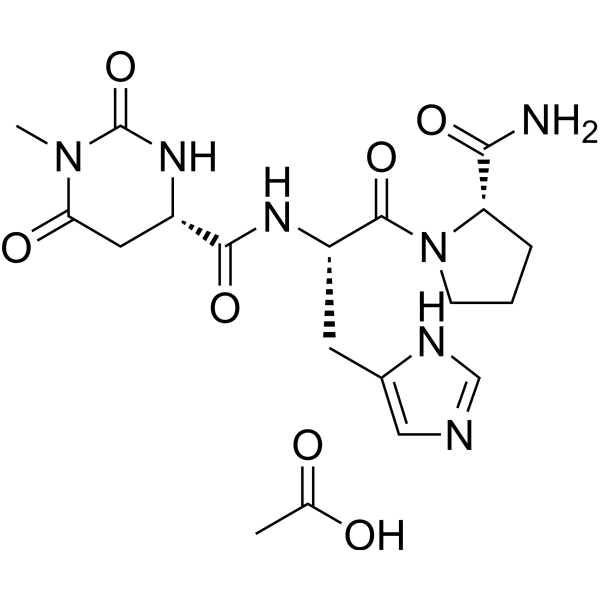
    Taltirelin acetate (TA-0910) is an acetate form of Taltirelin (TA-0910). Taltirelin (TA-0910) is an orally effective analogue of thyrotropin releasing hormone (TRH) and a TRH receptor (TRH-R) superagonist (IC50 at 910 nM). Taltirelin can cross the blood-brain barrier. Taltirelin stimulates an increase in cytosolic Ca 2+ concentration (Ca 2+ release) with an EC50 value of 36 nM. Taltirelin increases cell viability and reduces apoptosis in SH-SY5Y cells and primary rat mesencephalic neurons treated with MPP+ (HY-W008719) or Rotenone (HY-B1756). Taltirelin has neuroprotective effects in both cellular and animal models of Parkinson's disease. Taltirelin alleviates fatigue-like behavior in mouse models of cancer-related fatigue .
    Taltirelin acetate
  • HY-159692

    IONIS-1063734

    TGF-beta/Smad Inflammation/Immunology Cancer
    AZD8701 (IONIS-1063734) is an antisense oligonucleotide targeting FOXP3 in regulatory T cells (Tregs), with a human IC50 of 65.2 nM. AZD8701 binds to intronic sites of all FOXP3 pre-mRNA isoforms and mediates dose-dependent FOXP3 knockdown via free uptake. AZD8701 can be used in cancer-related research .
    AZD8701
  • HY-149056

    MAP4K Interleukin Related Cancer
    GNE-6893 is an orally active, selective HPK1 inhibitor with a Ki < 0.02 nM. GNE-6893 enhances T cell receptor signaling in primary human T cells. GNE-6893 increases IL2 production in stimulated primary human T cells. GNE-6893 can be used for the research of chronic refractory cancers .
    GNE-6893
  • HY-Y1269D

    Salmiac, for molecular biology

    TGF-beta/Smad Apoptosis Chloride Channel Neurological Disease Cancer
    Ammonium chloride (Salmiac), for molecular biology is an inhibitor of Slc26a4 and SMAD2. Ammonium chloride, for molecular biology reduces the protein expression level of Slc26a4 in lung tissue, and attenuates ozone-induced increases in proinflammatory cytokines, inflammatory cells, pulmonary resistance, goblet cell hyperplasia, peribronchial inflammation and thiocyanate levels in mouse tissues and bronchoalveolar lavage fluid. Ammonium chloride, for molecular biology decreases the level of phosphorylated SMAD2, inhibits autophagy by reducing autophagy-related proteins, and enhances Cisplatin (HY-17394)-induced cancer cell apoptosis and DNA double-strand breaks. Ammonium chloride, for molecular biology also inhibits the TCA cycle, reduces ATP production, increases glucose utilization, regulates the levels of lactic acid, glutamic acid and ATP, and induces morphological degeneration of neuroblastoma cells. Ammonium chloride, for molecular biology can be used in studies related to ozone-induced airway injury, hepatocellular carcinoma, human cervical cancer, hepatic encephalopathy, Reye syndrome, epilepsy and neurodegenerative diseases .
    Ammonium chloride, for molecular biology
  • HY-160267

    HIV DNA/RNA Synthesis Infection Neurological Disease Cancer
    iPAF1C is a inhibitor of the polymerase-associated factor 1 complex (PAF1C) with specific targeting to the PAF1 binding groove of CTR9 (a key subunit of PAF1C). iPAF1C disrupts PAF1C assembly by interfering with the PAF1-CTR9 interaction. iPAF1C selectively impairs BRD4-mediated recruitment of PAF1 to chromatin at hypoxia-responsive genes and inhibits RNA polymerase II (RNAPII) pause release. iPAF1C increases the population of HIV-1 NL4.3 Nef-IRES-GFP infected primary human CD4 +T cells in a dose-dependent manner. PAF1C can be used for the study of infection and diseases associated with abnormal hypoxic adaptation (e.g., cancers, neurological disorders) .
    iPAF1C
  • HY-P990650

    TREM receptor Cancer
    PY159 is a humanized antibody targeting TREM1/CD354. PY159 reprograms immunosuppressive intratumoral myeloid cells towards an inflammatory, anti-tumor phenotype, promotes anti-tumor immune responses, upregulates monocyte activation markers, and induces proinflammatory cytokines. PY159 can be used for the research of platinum-resistant ovarian cancer, advanced solid tumors, and advanced refractory solid tumors .
    PY159
  • HY-W338764

    Apoptosis Aryl Hydrocarbon Receptor Cancer
    AHR agonist 3 is an aryl hydrocarbon receptor (AhR) agonist, that can induces cell cycle arrest or apoptosis via activation of tumor-suppressive transcriptional programs. AHR agonist 3 inhibits triple-negative breast cancer (TNBC) stem cell growth via AhR while exhibits minimal cytotoxicity against normal human primary cells and can be used for cancer research .
    AHR agonist 3
  • HY-175673

    Carnitine Palmitoyltransferase (CPT) Apoptosis Oxidative Phosphorylation Mitochondrial Metabolism Reactive Oxygen Species (ROS) Cancer
    LCB-2151 (Compound 2), a nucleoside analogue, is an anticancer agent. LCB-2151 disrupts the two primary sources of ATP production (glycolysis and mitochondrial oxidative phosphorylation), reducing the bioenergetic capacity of KRAS-mutated pancreatic cancer cells and inducing ROS formation. LCB-2151 effectively inhibits key enzymes (such as CACT and CPT2) in glycolysis, the TCA cycle and fatty acid β-oxidation. LCB-2151 has significant cytotoxicity and induces cells apoptosis. LCB-2151 can be used for radiation therapy of cancers research .
    LCB-2151
  • HY-175212

    PDGFR Cancer
    PDGFRA-IN-1 (Compound 4p) is a Platelet-derived growth factor receptor A (PDGFRA) inhibitor with an IC50 of 1.25  μM. PDGFRA-IN-1 has a significant anticancer activity and potently kills cancer cells including primary patient-derived glioma cells .
    PDGFRA-IN-1
  • HY-P11265

    GnRH Receptor Fluorescent Dye Cancer
    YQGN-7 is a targeted fluorescent probe for the gonadotropin-releasing hormone receptor (RnRHR). YQGN-7 exhibits high selectivity and affinity for breast cancer cells (KD = 217.8 nM). YQGN-7 achieves precise visualization of the primary and metastatic lesions of breast cancer by targeting the highly expressed GnRHR in tumor cells. YQGN-7 can be used in the research of breast cancer breast-conserving surgery (BCS) .
    YQGN-7
  • HY-135276

    MicroRNA Apoptosis Cancer
    Targaprimir-96 is a potent inhibitor of microRNA-96 (miR-96) processing. Targaprimir-96 selectively modulates miR-96 production in cancer cells and triggers apoptosis. Targaprimir-96 binds primary miR-96 (pri-miR-96) with low nanomolar affinity. Targaprimir-96 directly engages pri-miR-96 in breast cancer cells and is ineffective on healthy breast cells .
    Targaprimir-96
  • HY-161577

    Bcl-2 Family Cancer
    BFC1103 is a small-molecule compound whose primary mechanism of action involves interaction with a specific domain of Bcl-2, particularly its loop domain. This interaction induces a conformational change in Bcl-2, exposing its BH3 (Bcl-2 homology 3) domain, thereby switching Bcl-2's function from anti-apoptotic to pro-apoptotic. The cell death induced by BFC1103 is dependent on the presence of Bax or Bak, both of which are key proteins involved in the intrinsic apoptotic pathway mediated by mitochondria. BFC1103 has successfully inhibited lung metastasis of triple-negative breast cancer in mouse models. It can be utilized in studying the roles of Bcl-2 family proteins in cancer development and how they impact the survival and proliferation of cancer cells .
    BFC1103
  • HY-P10947

    Epigenetic Reader Domain YAP Cancer
    MACTIDE-V is an orally active and selective peptide-drug conjugate targeting CD206. MACTIDE-V delivers Verteporfin (HY-B0146) to CD206 + tumor-associated macrophages (TAM) to inhibit the YAP/TAZ signaling pathway, prompting YAP exclusion from the nucleus, inducing TAM polarization toward an anti-tumoral phenotype with enhanced phagocytosis and antigen presentation, and boosting T cell infiltration and NK cell activity. MACTIDE-V suppresses primary tumor growth and lung metastasis in triple-negative breast cancer (TNBC) mouse models .
    MACTIDE-V
  • HY-178371

    PI3K Metabolic Disease
    PI3KC2γ-IN-1 (Compound 23) is an orally active and selective PI3KC2γ inhibitor (IC50 = 4 nM). PI3KC2γ-IN-1 downregulats the Akt2-glycogen synthase (GS) signaling pathway, ultimately inhibiting the conversion of glucose to glycogen and reduces excessive glycogen accumulation in the liver. PI3KC2γ-IN-1 can significantly inhibit insulin-induced PI(3,4)P2 accumulation in both primary hepatocytes and HepG2 liver cancer cells. PI3KC2γ-IN-1 can be used for the study of glycogen storage diseases (GSDs) .
    PI3KC2γ-IN-1
  • HY-147968

    Others Cancer
    Anticancer agent 74 is a moderate anticancer agent. Anticancer agent 74 has lower selectivity and cytotoxicity than doxorubicin to normal cell .
    Anticancer agent 74
  • HY-135276A

    MicroRNA Apoptosis Cancer
    Targaprimir-96 TFA is a potent inhibitor of microRNA-96 (miR-96) processing. Targaprimir-96 TFA selectively modulates miR-96 production in cancer cells and triggers apoptosis. Targaprimir-96 TFA binds primary miR-96 (pri-miR-96) with low nanomolar affinity. Targaprimir-96 TFA directly engages pri-miR-96 in breast cancer cells and is ineffective on healthy breast cells .
    Targaprimir-96 TFA
  • HY-P991555

    TNF Receptor Apoptosis Cancer
    XmAb5485 is an Fc-engineered humanized anti-CD40 monoclonal antibody with high affinity to Fc-γ receptors. XmAb5485 induces potent antibody-dependent cell-mediated cytotoxicity (ADCC) and antibody-dependent cellular phagocytosis (ADCP) against tumor cells. XmAb5485 inhibits proliferation and induces apoptosis of tumor cells. XmAb5485 shows highly cytotoxic against lymphoma, leukemia and multiple myeloma cell lines as well as primary cancer cells .
    XmAb5485
  • HY-174713

    mRNA Inflammation/Immunology
    Human FASLG mRNA encodes the human Fas ligand (FASLG) protein, a member of the tumor necrosis factor superfamily. The primary function of the FASLG is the induction of apoptosis triggered by binding to FAS. The FAS/FASLG signaling pathway is essential for immune system regulation, including activation-induced cell death (AICD) of T cells and cytotoxic T lymphocyte induced cell death. It has also been implicated in the progression of several cancers.
    Human FASLG mRNA

온라인 문의

Your information is safe with us. * Required Fields.

호칭


Country or Region *

고객명 *


회사명 *

Department *


메일주소 *


상품명 *

Cat. No.


Requested quantity *

전화번호 *


비고

온라인 문의

Inquiry Information

상품명:
Cat. No.:
수량:
MCE Japan Authorized Agent:

