



ERK
Extracellular signal regulated kinases
ERKs (Extracellular-signal-regulated kinases) are widely expressed protein kinase intracellular signalling molecules that are involved in functions including the regulation of meiosis, mitosis, and postmitotic functions in differentiated cells. Many different stimuli, including growth factors, cytokines, virus infection, ligands for heterotrimeric G protein-coupled receptors, transforming agents, and carcinogens, activate the ERK pathway. In the MAPK/ERK pathway, Ras activates c-Raf, followed by mitogen-activated protein kinase kinase (abbreviated as MKK, MEK, or MAP2K) and then MAPK1/2 (below). Ras is typically activated by growth hormones through receptor tyrosine kinases and GRB2/SOS, but may also receive other signals. ERKs are known to activate many transcription factors, such as ELK1, and some downstream protein kinases. Disruption of the ERK pathway is common in cancers, especially Ras, c-Raf and receptors such as HER2.
ERK Isoform Specific Products
All Product Categories
-
ERK Inhibitors
(762)
View all products
-
ERK Agonists
(10)
View all products
-
ERK Activators
(267)
View all products
-
ERK Modulators
(19)
View all products
-
ERK Chemical
(1)
View all products
-
ERK Inducers
(17)
View all products
-
ERK Degraders
(2)
View all products
-
ERK Controls
(3)
View all products
-
ERK Ligands
(2)
View all products
-
ERK Related Products (1167)
Related Products (1167)

-
Antibodies (22)
-
ERK Isoform Comparison
-
Hordenine hydrochloride
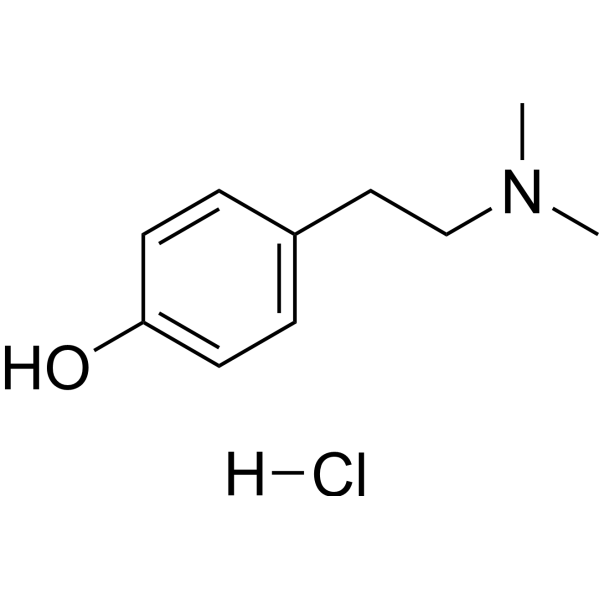 0 ImagesSynonyms: Ordenina hydrochloride; Peyocactine hydrochlorideHordenine hydrochloride (Ordenina hydrochloride; Peyocactine hydrochloride) is a multifunctional alkaloid with oral activity and blood-brain barrier penetration. Hordenine hydrochloride inhibits LPS-induced phosphorylation of p38, JNK, ERK1/2, p65, IκB, and AKT, prevents p65 nuclear translocation, and suppresses inflammatory cytokines and mediators. Hordenine hydrochloride promotes M2 macrophage polarization, restores blood-milk barrier integrity, alleviates oxidative stress by reducing ROS and MDA, and attenuates LPS-induced lung injury and pulmonary edema. Hordenine hydrochloride inhibits cAMP production, CREB phosphorylation, and MITF expression, thereby suppressing melanin synthesis in melanocytes and reconstructed epidermis. Hordenine hydrochloride activates the Wnt/β-catenin signaling pathway, promotes dermal papilla cell proliferation and hair shaft elongation, and accelerates hair regeneration. Hordenine hydrochloride activates DRD2, acts as a D3R partial agonist, α2A-AR full agonist, and 5-HT2A-R antagonist, and inhibits SERT and DAT. Hordenine hydrochloride inhibits α-synuclein accumulation and ameliorates motor deficits in Parkinson's disease models. Hordenine hydrochloride limits alcohol intake, reduces relapse drinking behavior, and modulates alcohol-induced conditioned place preference. Hordenine hydrochloride can be used for research on mastitis, skin pigmentation, acute lung injury, foodborne diseases, hair loss, Parkinson's disease, bacterial infections, and alcohol use disorder.
-
β-Glycerophosphate disodium salt hydrate (Standard)
 0 Imagesβ-Glycerophosphate disodium salt hydrate (Standard) is the analytical standard of β-Glycerophosphate disodium salt hydrate (HY-126304). This product is intended for research and analytical applications. β-Glycerophosphate disodium salt pentahydrate is a bioactive endogenous metabolite and a phosphatase inhibitor. β-Glycerophosphate disodium salt pentahydrate plays an important role in inducing and maintaining osteoblast differentiation, mineral metabolism and signal transduction, and can be used as a drug carrier to form heat-sensitive hydrogels. β-Glycerophosphate disodium salt hydrate accelerates the calcification of vascular smooth muscle cells.
-
Ulixertinib (Standard)
 0 ImagesSynonyms: BVD-523 (Standard); VRT752271 (Standard)Ulixertinib (Standard) is the analytical standard of Ulixertinib. This product is intended for research and analytical applications. Ulixertinib (BVD-523; VRT752271) is a potent, orally active, highly selective, ATP-competitive and reversible covalent inhibitor of ERK1/2 kinases, with an IC50 of <0.3 nM against ERK2. Ulixertinib (BVD-523; VRT752271) inhibits the phosphorylated ERK2 (pERK) and downstream kinase RSK (pRSK) in an A375 melanoma cell line.
-
Lucidenic acid B
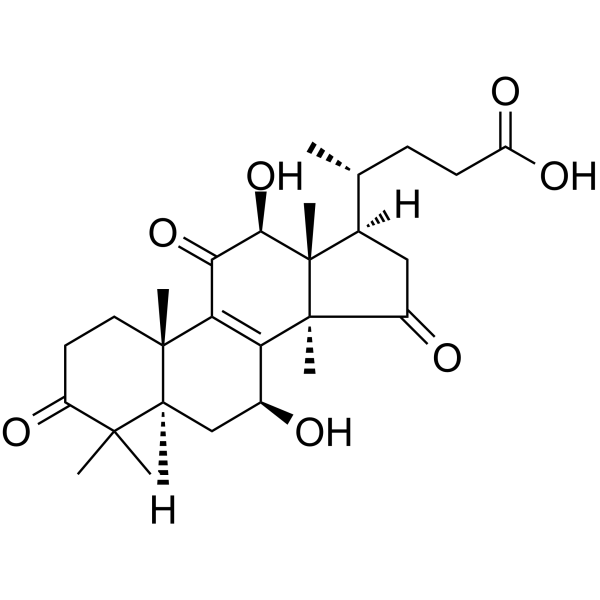 0 ImagesLucidenic acid B is a triterpenoid compound. Lucidenic acid B inhibits the activities of ERK1/2, AP-1, NF-kB, and IKK, suppresses PMA (Phorbol 12-myristate 13-acetate) (HY-18739)-induced MMP-9 expression and cell invasion, and induces apoptosis in leukemia cells via the mitochondrial pathway. Lucidenic acid B inhibits the growth of various cancer cell lines without affecting normal lymphocytes and does not induce G1 phase arrest or necrosis. Lucidenic acid B can be used in research on hepatocellular carcinoma, human acute promyelocytic leukemia, and skin tumor promotion.
-
EVT801
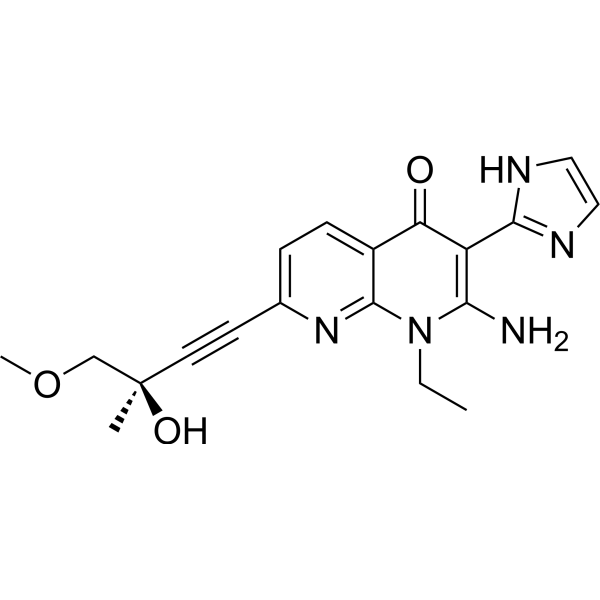 0 ImagesCat. No.: HY-152293CAS No.: 1412453-70-3EVT801 is an orally active and selective inhibitor of VEGFR-3 (IC50=11 nM), which has antitumor effects. EVT801 inhibits not only VEGF-C-induced human endothelial cell proliferation, but also tumor (lymphatic) angiogenesis in tumor mouse models. EVT801 can reduce tumor hypoxia, immunosuppressive cytokines (CCL4, CCL5) and myeloid derived suppressor cells (MDSC) production. EVT801 has synergistic effect with immune checkpoint therapy (ICT), which improves ICT response rate and has better inhibitory effect on cancer mouse models. EVT801 is a click chemistry reagent, it contains an Alkyne group and can undergo copper-catalyzed azide-alkyne cycloaddition (CuAAc) with molecules containing Azide groups.
-
Rineterkib hydrochloride
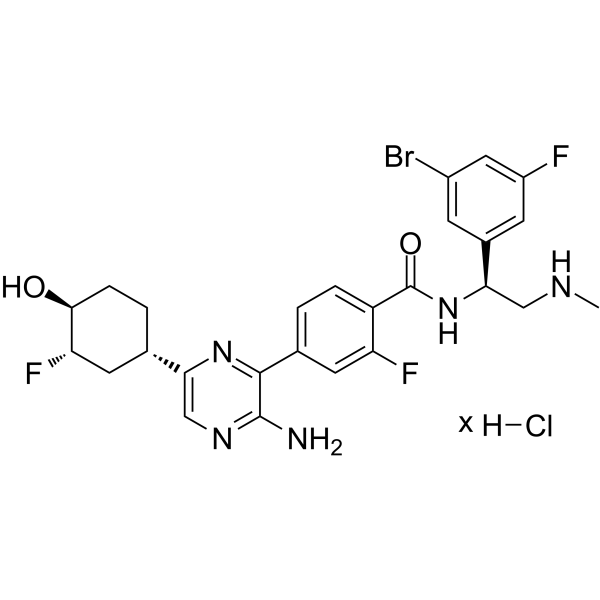 0 ImagesRineterkib hydrochloride (compound B) is an orally available ERK1 and ERK2 inhibitor in the treatment of a proliferative disease characterized by activating mutations in the MAPK pathway. The activity is particularly related to the treatment of KRAS-mutant NSCLC, BRAF-mutant NSCLC, KRAS-mutant pancreatic cancer, KRAS-mutant colorectal cancer (CRC) and KRAS-mutant ovarian cancer. Rineterkib hydrochloride can also inhibit RAF.
-
Strictinin
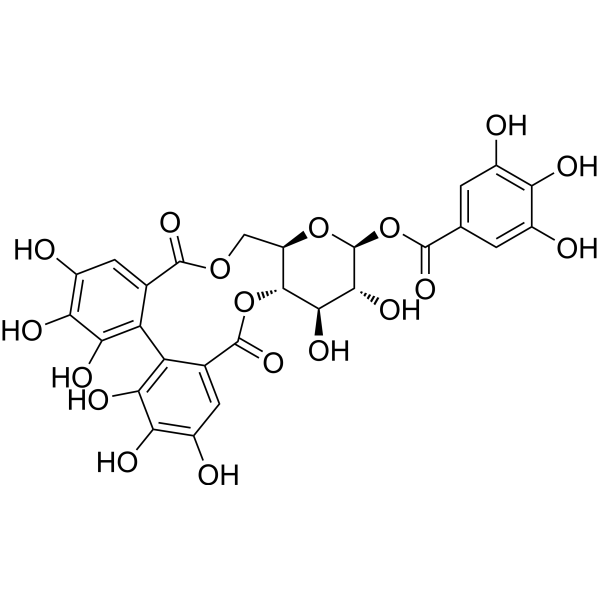 0 ImagesStrictinin is an orally active phenolic compound. Strictinin reduces xanthine oxidase activity, uric acid production, and the activation of ERK1/2, JNK, NF-κB, and NLRP3 inflammasome components in hepatocytes treated with Xanthine (HY-W017389). Strictinin decreases elevated serum uric acid levels and enhanced xanthine oxidase activity in mice treated with potassium oxonate. Strictinin acts as a ROR1 inhibitor and exhibits anticancer activity against highly aggressive non-androgen-dependent prostate cancer. Strictinin induces cancer cell apoptosis (apoptosis), arrests cell cycle, and inhibits cancer cell migration, invasion, and epithelial-mesenchymal transition. Strictinin modulates gut microbiota, inhibits bacterial growth and biofilm formation, accelerates small intestinal transit, and blocks viral entry and replication. Strictinin can be used in research related to hyperuricemia, androgen receptor-negative non-androgen-dependent prostate cancer, triple-negative breast cancer, bacterial infections, constipation, coronavirus infections, dental caries, and infections caused by influenza A, influenza B, and human parainfluenza virus type 1.
-
Rafutrombopag
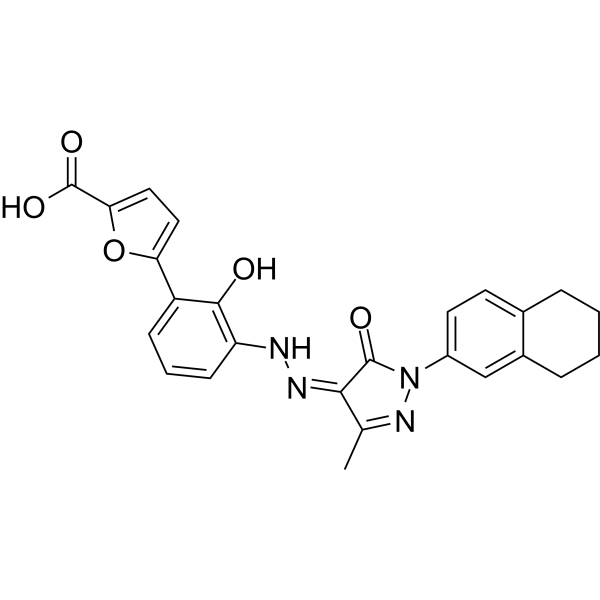 0 ImagesCat. No.: HY-145589CAS No.: 2600513-51-5Synonyms: Hetrombopag; SHR-8735Rafutrombopag (Hetrombopag) is an orally active nonpeptide thrombopoietin receptor (TPOR/MPL) agonist. Rafutrombopag can chelate iron and alleviate iron overload while promoting haematopoiesis. Rafutrombopag specifically stimulates proliferation and differentiation of human TPOR-expressing cells, including 32D-MPL and human hematopoietic stem cells through stimulation of STAT, PI3K and ERK signalling pathways. Rafutrombopag effectively up-regulates G1-phase-related proteins, including p-RB, Cyclin D1 and CDK4/6, normalizes progression of the cell cycle, and prevents apoptosis by modulating BCL-XL/BAK expression in 32D-MPL cells. Rafutrombopag protects cardiomyocyte survival from oxidative stress damage as an enhancer of stem cells. Rafutrombopag can be used for the study of immune thrombocytopenia and oxidative stress-related cardiovascular disease.
-
KBU2046
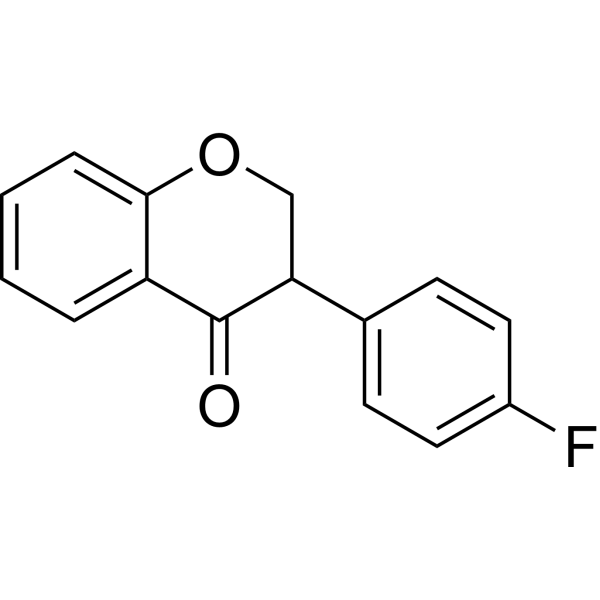 0 ImagesKBU2046 is an orally active transforming growth factor-β (TGF-β1) inhibitor. KBU2046 reduces integrin family protein expression, decreases Raf, RIPK1 and ERK phosphorylation to deactivate the ERK signaling pathway, and down-regulates genes linked to TGF-β1 maturation. KBU2046 suppresses tumor cell motility, impedes cancer invasion and metastasis, and inhibits human ESCC growth and metastasis in a murine model. KBU2046 can be used for the researches of triple-negative breast cancer and esophageal squamous cell carcinoma.
-
Hordenine-d6
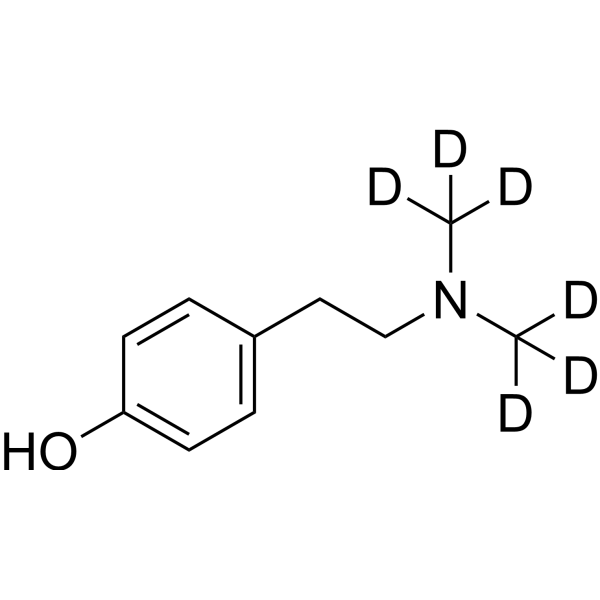 0 ImagesSynonyms: Ordenina-d6; Peyocactine-d6Hordenine-d6 (Ordenina-d6; Peyocactine-d6) is the deuterated-labeled Hordenine (HY-N0113). Hordenine (Ordenina; Peyocactine) is a multifunctional alkaloid with oral activity and blood-brain barrier penetration. Hordenine inhibits LPS-induced phosphorylation of p38, JNK, ERK1/2, p65, IκB, and AKT, prevents p65 nuclear translocation, and suppresses inflammatory cytokines and mediators. Hordenine promotes M2 macrophage polarization, restores blood-milk barrier integrity, alleviates oxidative stress by reducing ROS and MDA, and attenuates LPS-induced lung injury and pulmonary edema. Hordenine inhibits cAMP production, CREB phosphorylation, and MITF expression, thereby suppressing melanin synthesis in melanocytes and reconstructed epidermis. Hordenine activates the Wnt/β-catenin signaling pathway, promotes dermal papilla cell proliferation and hair shaft elongation, and accelerates hair regeneration. Hordenine activates DRD2, acts as a D3R partial agonist, α2A-AR full agonist, and 5-HT2A-R antagonist, and inhibits SERT and DAT. Hordenine inhibits α-synuclein accumulation and ameliorates motor deficits in Parkinson's disease models. Hordenine limits alcohol intake, reduces relapse drinking behavior, and modulates alcohol-induced conditioned place preference. Hordenine can be used for research on mastitis, skin pigmentation, acute lung injury, foodborne diseases, hair loss, Parkinson's disease, bacterial infections, and alcohol use disorder.
-
Erlotinib-d6
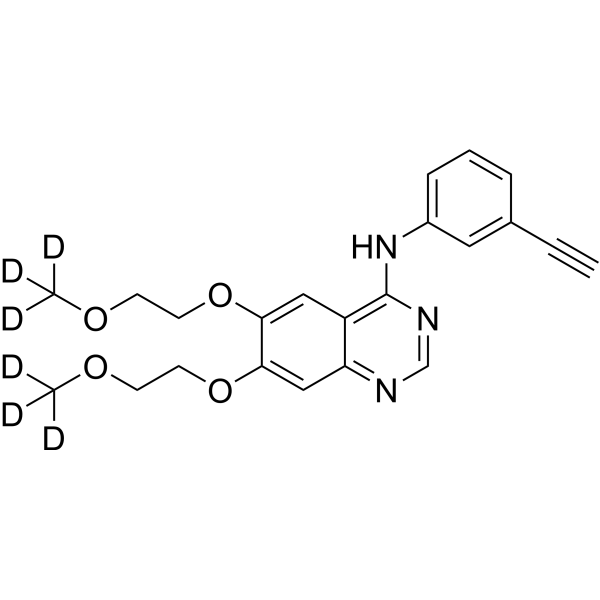 0 ImagesSynonyms: CP-358774-d6; NSC 718781-d6; OSI-774-d6Erlotinib-d6 (CP-358774-d6) is the deuterated-labeled Erlotinib (HY-50896). Erlotinib (CP-358774) is a selective, orally active EGFR tyrosine kinase inhibitor. Erlotinib also acts as a substrate and inhibitor of OATP2B1, with an IC50 of approximately 0.079 μM for inhibiting OATP2B1-mediated uptake of estrone 3-sulfate. Erlotinib blocks EGFR phosphorylation, downstream signal transduction, as well as the growth and proliferation of cancer cells. Erlotinib inhibits MMP-10-mediated renal injury, fibrotic lesions, the ERK1/2, GSK-3β and β-catenin signaling pathways, fibronectin, α-SMA, collagen deposition, and renal injury markers. Erlotinib is metabolized via CYP3A to produce the active metabolite OSI-420. Erlotinib can be used in research related to non-small cell lung cancer, gastric cancer, papillary renal cell carcinoma, pancreatic cancer, renal fibrosis, and other conditions.
-
PROTAC HPK1 Degrader-3
 0 ImagesCat. No.: HY-162816Purity: 98.11%PROTAC HPK1 Degrader-3 is an orally active, PROTAC degrader that selectively targets HPK1, with a DC50 of 21.26 nM. PROTAC HPK1 Degrader-3 induces HPK1 degradation via the ubiquitin-proteasome system and forms a stable ternary complex with HPK1 and CRBN. It inhibits the SLP76 and NF-κB signaling pathways, enhances MAPK signal transduction, reverses the immunosuppressive factor-mediated inhibition of T cell cytokine secretion, and promotes the secretion of T cell immune cytokines. PROTAC HPK1 Degrader-3 suppresses tumor growth and enhances anti-PD-L1-mediated antitumor activity. It can be used in studies related to malignant tumors, such as colorectal cancer.
-
Citropten (Standard)
 0 ImagesSynonyms: 5,7-Dimethoxycoumarin (Standard); Limettin (Standard)Citropten (Standard) is the analytical standard of Citropten. This product is intended for research and analytical applications. Citropten (5, 7-dimethoxycoumarin) is one of the coumarin derivatives. Citropten is an effective oral anticancer agent. Citropten has anti-proliferative activity against A2058 and B16 melanoma cells. Citropten exerts anti-inflammatory effects through the NFκB and MAPK signaling pathways. Citropten acts as an antidepressant through heat shock protein-70, monoamine oxidase-A and inhibition of apoptosis .
-
Pellitorine
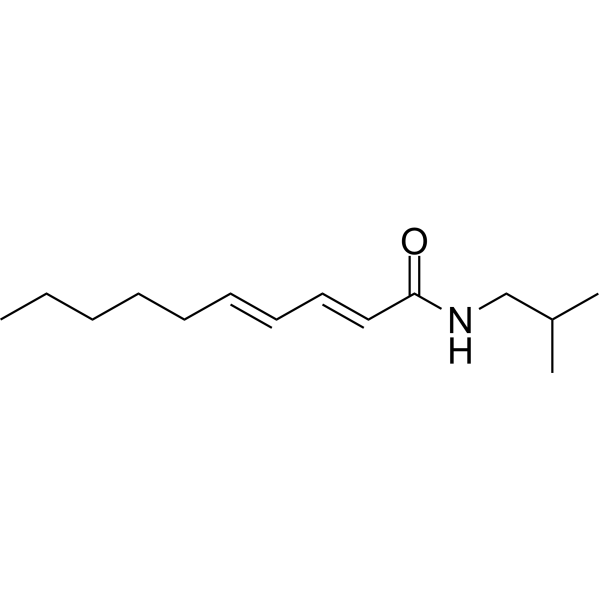 0 ImagesPellitorine is a bioactive natural amide compound. Pellitorine can competitively antagonize the activation of TRPV1 by Capsaicin (HY-10448), thereby reducing pain signal transmission. Pellitorine improves cognitive dysfunction by upregulating the BDNF-ERK1/2-CREB and Nrf2-HO-1 pathways. Pellitorine exerts anti-inflammatory and anti-sepsis effects by inhibiting the release of high mobility group protein B1 (HMGB1) and the expression of RAGE/TLR4. Pellitorine exerts its antithrombotic effect by prolonging the clotting time, inhibiting the activity of clotting factors and thrombin. Pellitorine inhibits lipid peroxidation and resists ferroptosis by upregulating GPX4 and DHODH. Pellitorine kills Aedes aegypti mosquito larvae by inhibiting V-type H⁺-ATPase and aquaporin 4 (AaAQP4). Pellitorine exhibits anti-cancer activity (e.g., leukemia and breast cancer) and has inhibitory effects on certain bacteria.
-
6-Demethoxytangeretin
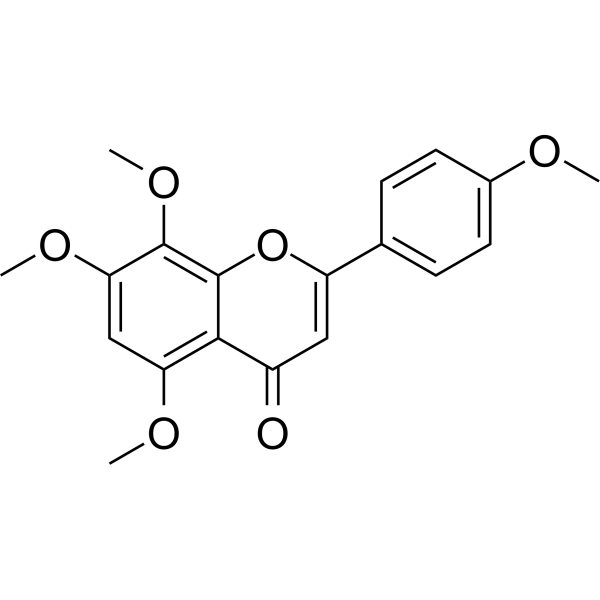 0 Images6-Demethoxytangeretin is a flavonoid compound that can be isolated from Citrus reticulata. 6-Demethoxytangeretin has anti-inflammatory and anti-allergic activities and can inhibit the production of IL-6 and the expression of related genes in human mast cells through the ALK and MAPK pathways. 6-Demethoxytangeretin can promote CRE-mediated transcription in hippocampal neurons.
-
KS-133
 0 ImagesKS-133 is a bicyclic peptide with VIPR2 antagonistic activity that can cross the blood-brain barrier. KS-133 selectively blocks VIPR2-mediated Gq/Ca, Gs/cAMP, cAMP/PKA/ERK and PI3K/AKT/GSK3β signaling pathways. KS-133 inhibits VIPR2 agonist-induced CREB phosphorylation in the prefrontal cortex of mice. KS-133 shifts the polarization direction of macrophages toward M1. KS-133 attenuates cancer cell proliferation and reduces the cell cycle distribution level at the S-M phase. KS-133 exerts antitumor effects in a mouse model of colorectal cancer. KS-133 reverses cognitive decline in mouse models of psychiatric disorders. KS-133 can be used for research related to schizophrenia, colorectal cancer and breast cancer.
-
WQ-C-401
 0 ImagesWQ-C-401 is an orally active platelet-derived growth factor receptor (PDGFR) inhibitor. WQ-C-401 inhibits cell proliferation by blocking PDGFR autophosphorylation in a concentration-dependent manner, with EC50 values of 3.5 nM for PDGFRα Y849 and 5.8 nM for PDGFRβ Y1021. Additionally, WQ-C-401 can inhibit PASMCs proliferation and migration by blocking PDGF-BB-induced ERK1/2 phosphorylation, reducing collagen I synthesis, and increasing α-SMA expression, thereby preventing pulmonary vascular remodeling. WQ-C-401 holds promise for research in the field of pulmonary arterial hypertension.
-
Elaidic acid-d9
 0 ImagesElaidic acid-d9 is deuterium labeled Elaidic acid (HY-113016). Elaidic acid is an orally active trans fatty acid. Elaidic acid enhances the stemness of colorectal cancer cells by activating the Wnt/ERK1/2 pathway, thereby promoting cell proliferation, invasion and metastasis, and inhibiting apoptosis. Elaidic acid also inhibits the growth of Lactobacillus and alters the cell surface hydrophobicity of Lactobacillus. Elaidic acid reduces basal 2-deoxyglucose uptake in muscle cells and adipocytes. Elaidic acid can be used in research on colorectal cancer, insulin and other related areas.
-
Kanglexin
 0 ImagesKanglexin is an orally active and novel anthraquinone compound. Kanglexin inhibits NLRP3 inflammatory body activation and cell pyroptosis, and has a cardioprotective effect. Kanglexin promotes angiogenesis through FGFR1/ERK signaling pathway and accelerates diabetic wound healing. In addition, Kanglexin has the effect of lipid-lowering and inhibiting the dedifferentiation of vascular smooth muscle cells, and can be used in the study of hyperlipidemia, fatty liver and atherosclerosis.
-
Ambuic acid
 0 ImagesCat. No.: HY-126858CAS No.: 340774-69-8Synonyms: (+)-Ambuic acidAmbuic acid exhibits antimicrobial activity against Staphylococcus aureus, with IC50 of 43.9 μM for strain ATCC 6538. Ambuic acid is an inhbitor for the biosynthesis of cyclic peptide quorum sensing molecules (quormones) in gram-positive bacteria. Ambuic acid exhibits anti-inflammatory activity through ERK/JNK/MAPK signaling pathway.




