



Keap1-Nrf2
Keap1-Nrf2 is the major regulator of cytoprotective responses to electrophilic chemicals or reactive oxygen species (ROS). Keap1 is an E3 ligase, which induces the degradation of Nrf2 by ubiquitin-proteasome system (UPS). Upregulation of Nrf2 inducing by inactivation of Keap1 is often observed in cancer cells. Aberrant activation of Nrf2 in cancer cells accelerates proliferation and metabolism. For this case, Nrf2 is an attractive molecule as a therapeutic target in cancer and a lot number of Nrf2 inhibitors are developed. What’s interesting, Nrf2 induction is also reported to be treatment strategies for accelerating the detoxification of carcinogens and protect the body from chemical carcinogenesis.
All Product Categories
-
Keap1-Nrf2 Related Products (550)
Related Products (550)

-
Antibodies (7)
-
BC-1901S
 0 ImagesBC-1901S is a proteasome-independent NRF2 activator and stabilizer. BC-1901S binds to DCAF1 (E3 ligase subunit) and disrupts NRF2/DCAF1 interaction, and activates NRF2 by inhibiting NRF2 ubiquitination in a KEAP1-independent manner. BC-1901S shows anti-inflammatory effect in a murine model of LPS-induced acute lung injury.

-
Picein
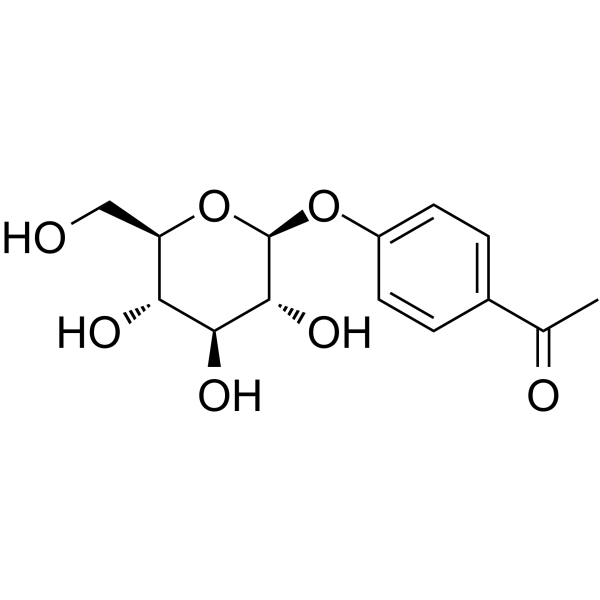 0 ImagesPicein is an antioxidant and anti-inflammatory agent. Picein can be isolated from the leaves of Picrorhiza kurroa. Picein reduces MDA levels and increases the levels of SOD, GPX and TAC. Picein alleviates oxidative stress and promotes bone regeneration in osteoporotic bone defects by inhibiting Ferroptosis (via activation of the Nrf2/HO-1/GPX4 pathway). Picein prevents scopolamine (HY-N0296)-induced passive avoidance memory impairment in rats. Picein can be used in research related to osteoporotic bone defects and Alzheimer's disease.
-
PGK1-IN-1
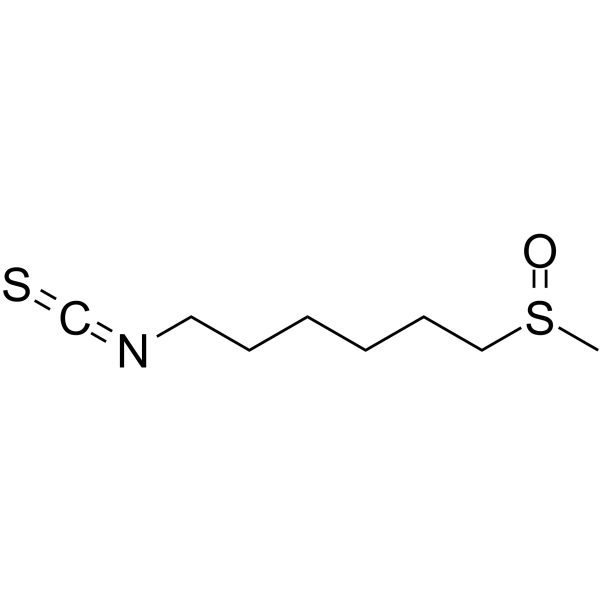
 0 ImagesPGK1-IN-1 (Compound 6e) is a potent and selective PGK1 inhibitor (IC50: 33 nM). PGK1-IN-1 inhibits PGK1-mediated glycolytic metabolism and reduces glucose consumption/lactate production. PGK1-IN-1 enhances Nrf2 accumulation and HO-1 expression, and suppresses the transcription and protein levels of the inflammatory cytokines IL-1β and IL-6. PGK1-IN-1 ameliorates Dextran sulfate sodium (DSS) (HY-116282C)-induced experimental colitis in mice. PGK1-IN-1 can be used for research of inflammatory bowel disease (IBD).
-
Isoastragaloside I
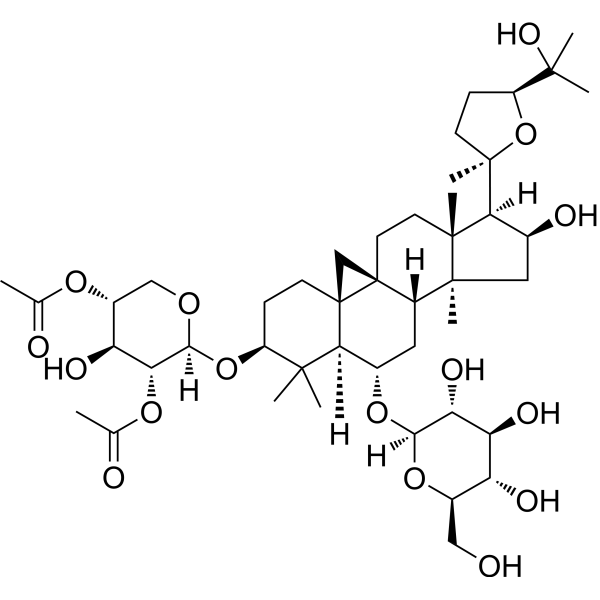 0 ImagesSynonyms: Isoastragaloside-IIsoastragaloside I is a natural compound found in Astragalus membranaceus, with oral activity and multiple biological activities such as anti-inflammatory and antioxidant properties. Isoastragaloside I inhibits Akt, NF-κB, MAPKs and PI3K, enhances the activity of hepatic FXR, regulates the TGF-β/Smads signaling pathway, and upregulates antioxidant molecules downstream of Nrf2. Isoastragaloside I inhibits the expression of NO, TNF-α, iNOS, COX-2, IL-1β and VCAM-1, and reduces intracellular ROS levels. Isoastragaloside I attenuates blood-brain barrier disruption, restores intestinal barrier function, increases β-cell mass, improves glucose homeostasis, and elevates circulating adiponectin levels. Isoastragaloside I can be used for the study of neuroinflammation-related neurodegenerative diseases, cholestatic liver disease, and diabetes.
-
Nrf2 activator-3
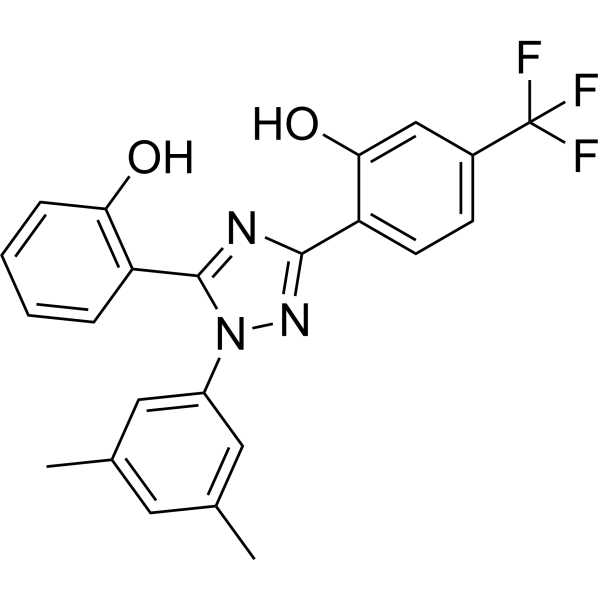 0 ImagesNrf2 activator-3 is a potent Nrf2 activator. Nrf2 activator-3 is used for cerebral ischemic injury research.
-
Physalin B
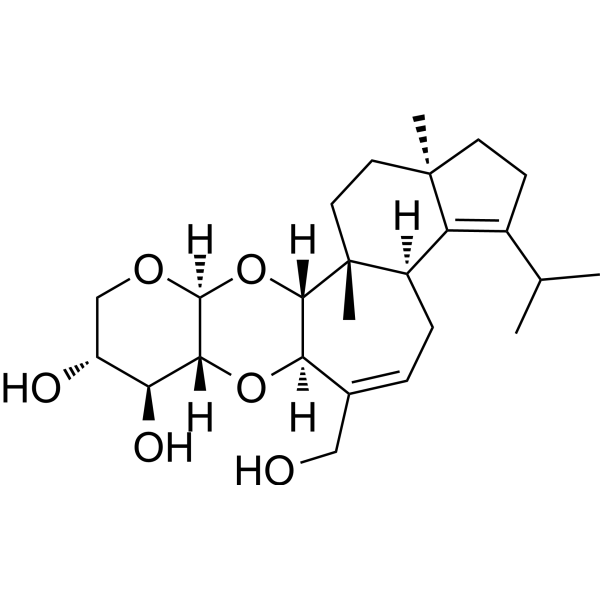
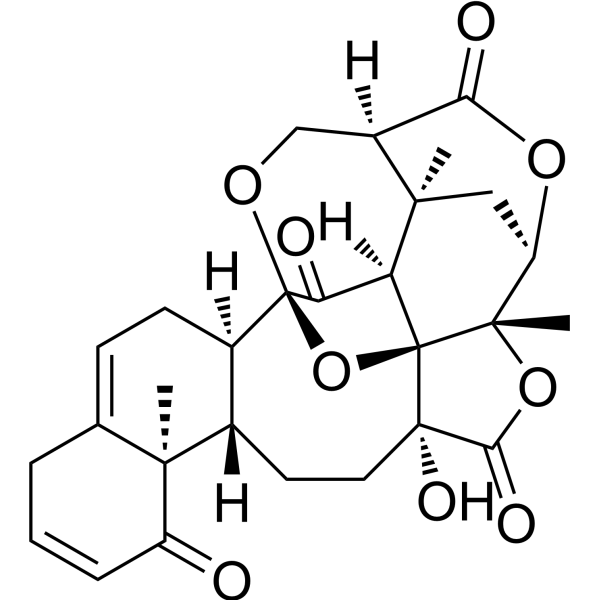 0 ImagesCat. No.: HY-N7695CAS No.: 23133-56-4Physalin B is an orally active anti-inflammatory and anticancer agent. Physalin B can be isolated from Physalis alkekengi L. var. Franchetii. Physalin B inhibits the activation of the NF-κB, NLRP3 inflammasome, STAT3, PI3K/Akt and Hedgehog signaling pathways, regulates the phosphorylation levels of GSK-3β, p38 MAPK, ERK1/2 and JNK, and promotes the nuclear translocation of NRF2. Physalin B reduces the levels of pro-inflammatory cytokines and factors, induces mitochondrial reactive oxygen species (mito-ROS) production, Apoptosis, G2/M cell cycle arrest and incomplete Autophagy, alters cytoskeleton structure and alleviates oxidative stress. Physalin B reduces cancer cell viability, ameliorates liver and lung tissue damage and alleviates liver fibrosis. Physalin B can be used in research related to ulcerative colitis, breast cancer, acute lung injury, colon cancer, non-alcoholic steatohepatitis, liver fibrosis, lung cancer, pancreatic cancer, lymphoma, ovarian cancer, sarcoma and leukemia.
-
CBR-470-2
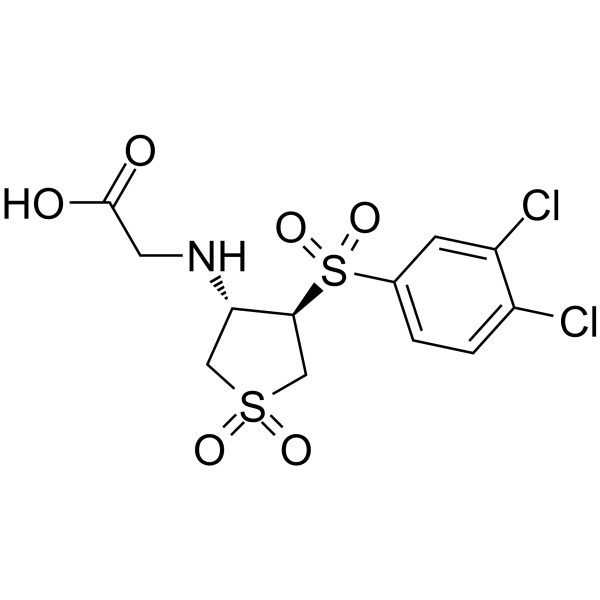 0 ImagesCBR-470-2, a glycine-substituted analog, can activate NRF2 signaling. CBR-470-2 can be used for the research of modulation glycolysis.
-
2-tert-Butyl-1,4-benzoquinone
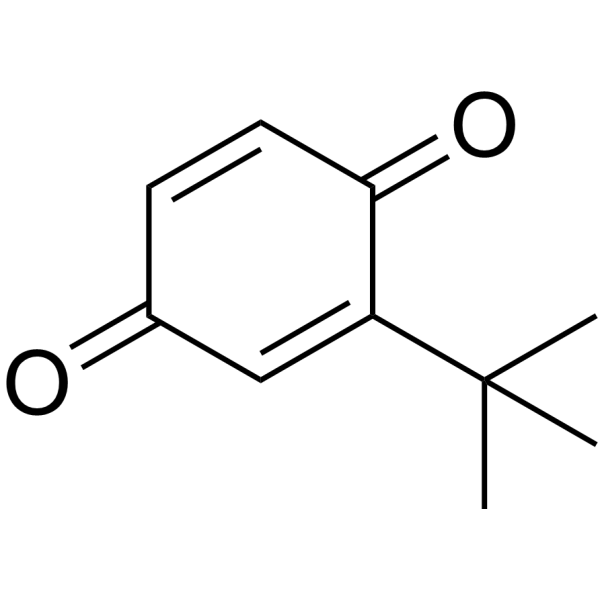 0 Images2-tert-Butyl-1,4-benzoquinone is a food additive oxidant, an electrophilic metabolite of Butylated hydroxyanisole (HY-B1066), and an antibacterial agent. 2-tert-Butyl-1,4-benzoquinone reduces virulence factors, activates Nrf2, and induces S-arylation of its negative regulator Keap1. 2-tert-Butyl-1,4-benzoquinone induces HO-1. 2-tert-Butyl-1,4-benzoquinone exhibits quorum sensing inhibitory activity against Chromobacterium violaceum.
-
5,7-Dihydroxychromone
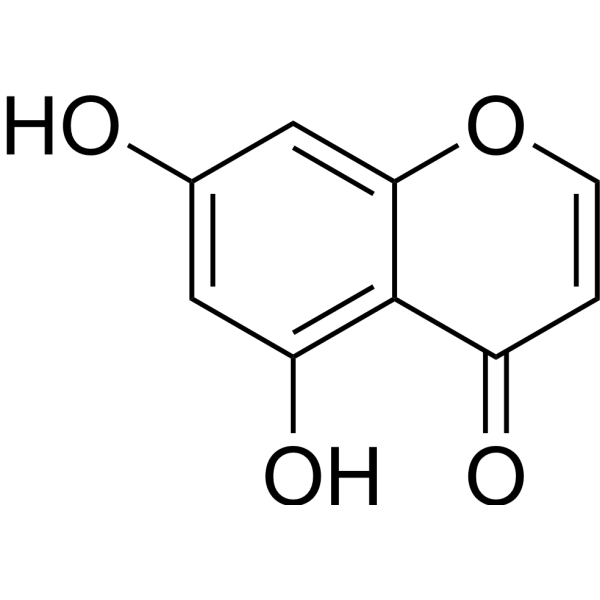 0 Images5,7-Dihydroxychromone is a flavonoid compound with antioxidant properties. 5,7-Dihydroxychromone induces Nrf2 nuclear translocation, increases Nrf2/ARE binding activity, and up-regulates Nrf2-dependent antioxidant genes HO-1, NQO1, GCLc. 5,7-Dihydroxychromone attenuates excessive ROS generation, inhibits activated caspase-3, caspase-9, cleaved PARP expression, and prevents neuronal apoptosis and cell death. 5,7-Dihydroxychromone increases LXRα and PPARγ mRNA expression, induces preadipocyte differentiation, and regulates blood glucose levels. 5,7-Dihydroxychromone inhibits radial growth of soil pathogenic fungi, radicle elongation of select seedlings, and transiently inhibits Bradyrhizobium sp. growth in high mannitol medium. 5,7-Dihydroxychromone can be used for the research of Parkinson’s disease, type 2 diabetes mellitus and pathogenic fungal infection.
-
Dimethyl fumarate (Standard)
 0 ImagesDimethyl fumarate (Standard) is the analytical standard of Dimethyl fumarate. This product is intended for research and analytical applications. Dimethyl fumarate (DMF) is an orally active and brain-penetrant Nrf2 activator and induces upregulation of antioxidant gene expression. Dimethyl fumarate induces necroptosis in colon cancer cells through GSH depletion/ROS increase/MAPKs activation pathway, and also induces cell autophagy. Dimethyl fumarate can be used for multiple sclerosis research.
-
Germacrone (Standard)
 0 ImagesGermacrone (Standard) is an analytical standard of Gemmacrone (HY-N0440). This product is intended for research and analytical applications. Germacrone (Standard) is a sesquiterpene compound with multiple biological activities. Germacrone (Standard) inhibits the H1N1 and H3N2 influenza A viruses and the influenza B virus. Germacrone (Standard) blocks the progressionof arthritis by regulating Th1/Th2 balance and inhibiting NF-κB signaling. Germacrone (Standard) can arrest the cell cycle at G0/G1 and G2/M phases and induce apoptosis in breast cancer cells. Germacrone (Standard) inhibits 5α-reductase and has anti-androgenic effect. Germacrone (Standard) has neuroprotective functions and can be used for the study of traumatic brain injury (TBI). Germacrone (Standard) also has antioxidant activity.
-
(E/Z)-Necrosulfonamide
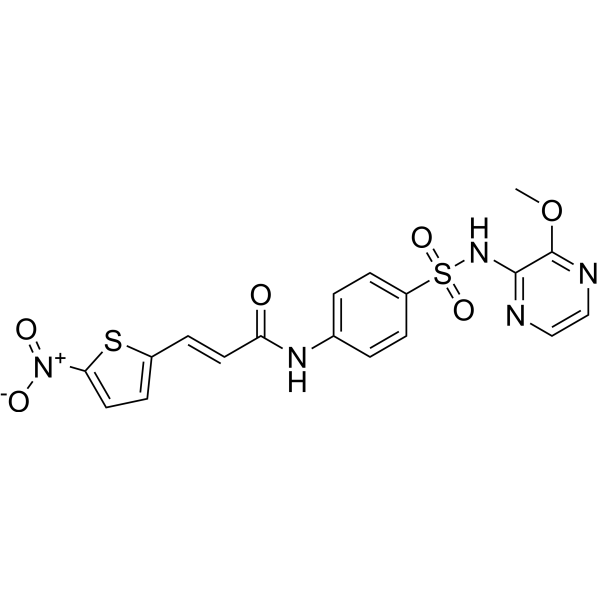 0 Images(E/Z)-Necrosulfonamide is a racemic compound of Necrosulfonamide (HY-100573). Necrosulfonamide is a MLKL and Gasdermin D (GSDMD) inhibitor, capable of separately inhibiting necroptosis and pyroptosis of cells. Necrosulfonamide does not affect the activation of upstream signals, but specifically inhibits the downstream executor oligomerization step. Necrosulfonamide reduces the expression of the key kinases NLRP3 and caspase-1 involved in necroptosis and pyroptosis, activate the Nrf2 pathway and the downstream antioxidant enzymes, and also downregulates a variety of inflammatory factors. Necrosulfonamide plays significant roles in various diseases such as neurodegenerative diseases (such as Parkinson’s disease), tissue damage and ischemia-reperfusion injury, inflammatory bowel disease, osteoarthritis and fracture repair, and hair loss by regulating two important programmed necrosis pathways.
-
Isosorbide di-(methyl fumarate)
 0 ImagesSynonyms: IDMFIsosorbide di-(methyl fumarate) (IDMF), topical DMF (HY-17363) derivative, is an NRF2/ARE pathway activator. Isosorbide di-(methyl fumarate) downregulates ANCR targets, modulates epithelial differentiation, represses proinflammatory cytokine genes, IL-17A- and TNF-induced keratinocyte genes, psoriatic skin lesion-specific genes, and immune response genes. Isosorbide di-(methyl fumarate) stimulates oxidative stress response gene transcription, reduces erythema and scaling in Imiquimod (HY-B0180)-induced psoriasiform lesions. Isosorbide di-(methyl fumarate) exhibits no genotoxicity or radiation sensitivity in skin fibroblasts, is nonirritating and nonsensitizing in rodent models. Isosorbide di-(methyl fumarate) can be used for the research of psoriasis vulgaris.
-
Ezetimibe (Standard)
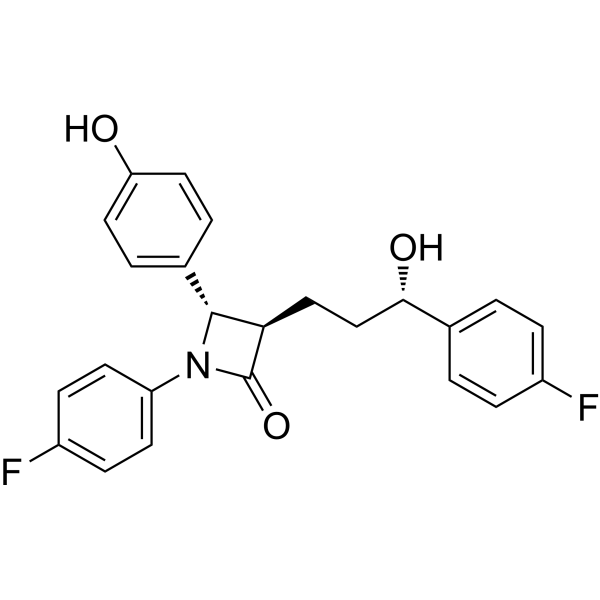 0 ImagesSynonyms: SCH 58235 (Standard)Ezetimibe (Standard) is the analytical standard of Ezetimibe. This product is intended for research and analytical applications. Ezetimibe (SCH 58235) is a potent cholesterol absorption inhibitor. Ezetimibe is a Niemann-Pick C1-like1 (NPC1L1) inhibitor, and is a potent Nrf2 activator.
-
Pongamol
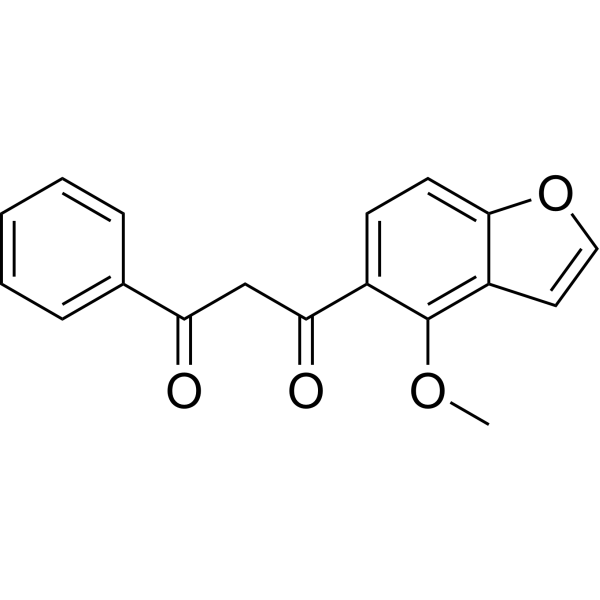 0 ImagesPongamol (Lanceolatin C) is an orally active flavonoid with an IC50 of 75 μM and a Ki of 58 μM against PTPase-1B, and an IC50 of 103.5 μM against intestinal α-Glycosidase. Pongamol reduces the release of IL‑1β, TNF‑α, COX‑2 and iNOS in cells, reverses the nuclear translocation of NF‑κB, and upregulates the levels of Beclin 1 and LC3 Ⅱ/LC3 Ⅰ. Pongamol promotes glucose uptake by increasing the level of GLUT4 on the surface of skeletal muscle cells. Pongamol inhibits epithelial-mesenchymal transition by suppressing the FAK/Akt-mTOR signaling pathway. Pongamol inhibits neuronal cytotoxicity, suppresses cell apoptosis and extends the lifespan of Caenorhabditis elegans by activating the MAPKs/Nrf2 signaling pathway. Pongamol exerts hypoglycemic effects in diabetic mouse models. Pongamol exhibits antibacterial activity. Pongamol alleviates oxidative stress, neuroinflammation, Aβ deposition and excessive phosphorylation of Tau Protein, and restores autophagy function in Alzheimer's disease mouse models by inhibiting the Akt/mTOR signaling pathway. Pongamol is applicable to research related to Alzheimer's disease, type 2 diabetes, non-small cell lung cancer and postprandial hyperglycemia.
-
(R,R)-Nrf2 activator-1
 0 ImagesCat. No.: HY-145390A(R,R)-Nrf2 activator-1 is the enantiomer of Nrf2 activator-1. Nrf2 activator-1 is a potent activator of NF-E2 related factor 2 (Nrf2). Nrf2 activator-1 has the potential for the research of COPD and other respiratory diseases, including asthma, Acute Lung Injury (ALI), Acute Respiratory Distress Syndrome (ARDS) and pulmonary fibrosis.
-
Oleocanthal
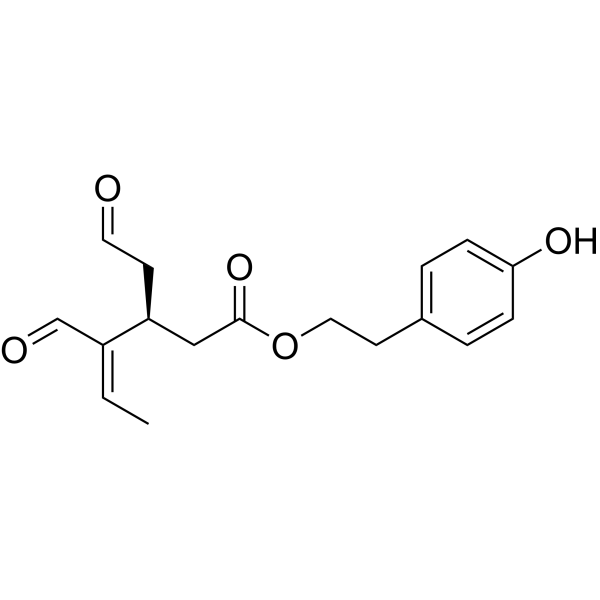 0 ImagesCat. No.: HY-124481CAS No.: 289030-99-5Oleocanthal is an orally active phenolic seciridoid compound. Oleocanthal can be extracted from olive oil. Oleocanthal inhibits COX-1 and COX-2, reduces ROS and NO, and upregulates Nrf-2 and HO-1. Oleocanthal reduces Aβ deposition. Oleocanthal exhibits anti-Leishmania activity against promastigotes and amastigotes of L. major, with IC50 values of 18.7 and 87 μg/mL, respectively. Oleocanthal exhibits anticancer activity against colon, breast, liver, and melanoma cancers. Oleocanthal also exhibits anti-inflammatory and neuroprotective properties. Oleocanthal can be used in Alzheimer's disease research.




