



STAT
STAT is a family of cytoplasmic protein that regulates many aspects of growth, survival and differentiation in cells. The transcription factors of this family are activated by Janus kinase and dysregulation of this pathway is frequently observed in primary tumours and leads to increased angiogenesis, enhanced survival of tumours and immunosuppression. Gene knockout studies have provided evidence that STAT proteins are involved in the development and function of the immune system and play a role in maintaining immune tolerance and tumour surveillance. STAT proteins were originally described as latent cytoplasmic transcription factors that require phosphorylation for nuclear retention. The unphosphorylated STAT proteins shuttle between cytosol and the nucleus waiting for its activation signal. Once the activated transcription factor reaches the nucleus, it binds to consensus DNA-recognition motif called gamma-activated sites (GAS) in the promoter region of cytokine-inducible genes and activates transcription of these genes.
STAT Isoform Specific Products
All Product Categories
-
STAT Inhibitors
(717)
View all products
-
STAT Agonists
(9)
View all products
-
STAT Antagonists
(5)
View all products
-
STAT Activators
(80)
View all products
-
STAT Modulators
(23)
View all products
-
STAT Inducers
(2)
View all products
-
STAT Degraders
(26)
View all products
-
STAT Controls
(2)
View all products
-
STAT Ligands
(7)
View all products
-
STAT Related Products (934)
Related Products (934)

-
Antibodies (25)
-
STAT Isoform Comparison
-
Fadeucravacitinib
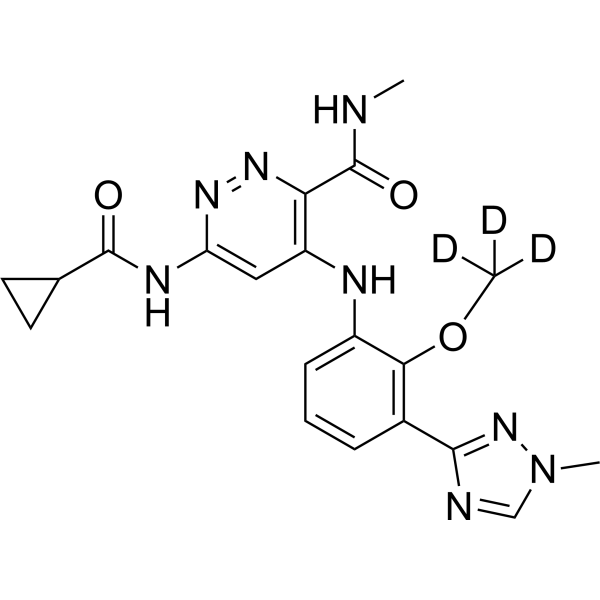 0 ImagesSynonyms: Tyk2-IN-8Fadeucravacitinib (Tyk2-IN-8) is an orally active selective TYK2 inhibitor with an IC50 of 5.7 nM against the JH2 pseudokinase domain. Fadeucravacitinib specifically binds to the TYK2 JH2 domain to exert allosteric inhibition, reduces JH1 kinase activity, and thereby blocks the TYK2/STAT pathway and pro-inflammatory signaling cascades. Fadeucravacitinib can be used in research related to inflammatory bowel disease.
-
Biflorin
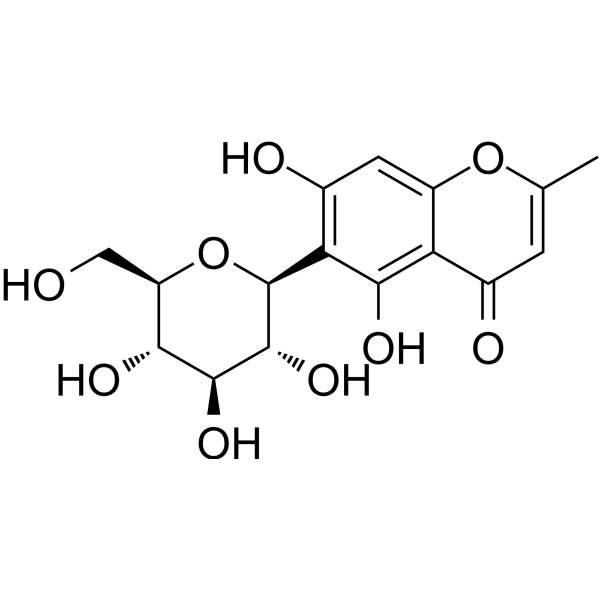 0 ImagesBiflorin has antimicrobial, antitumor, antiinflammatory and antimutagenic activities. Biflorin is found in the roots of Capraria biflora L.
-
(E/Z)-OSM-SMI-8
 0 ImagesCat. No.: HY-148693ASynonyms: (E/Z)-NSC642624(E/Z)-OSM-SMI-8 ((E/Z)-NSC642624) is the racemate of OSM-SMI-8 (HY-148693). OSM-SMI-8 is an oncostatin M (OSM) inhibitor with a pKi of 44.82 nM against human targets. OSM-SMI-8 inhibits the activation of STAT3, JNK, ERK 42/44 and AKT signaling pathways induced by OSM. OSM-SMI-8 is applicable to research related to cancer metastasis and Crohn's disease.
-
Dual Cathepsin L/JAK-IN-1
 0 ImagesDual Cathepsin L/JAK-IN-1 (Compound A8) is a dual inhibitor of Cathepsin L (CTSL) and JAK, with IC50 values of 0.68 μM, 337.1 nM, 5.251 nM, 27.29 nM, and 172.6 nM for CTSL, JAK1/2/3, and TYK2, respectively. Dual Cathepsin L/JAK-IN-1 effectively blocks the activation of the MAPK, NF-κB, and JAK/STAT signaling pathways, leading to significant anti-inflammatory therapeutic effects. Dual Cathepsin L/JAK-IN-1 can be used in research on acute lung injury (ALI).
-
Butamirate citrate
 0 ImagesButamirate citrate is an orally active antitussive agent that acts centrally through the receptors in the brainstem. Butamirate citrate also reduces the resistance in the airways by inhibiting bronchospasm and anti-inflammatory effect. Butamirate citrate inhibits glioblastoma (GBM) growth and STAT3 activity. Butamirate citrate can be used for the study of glioblastoma.
-
Icotrokinra acetate
 0 ImagesCat. No.: HY-P10587APurity: 99.87%Synonyms: JNJ-77242113 acetate; JNJ-2113 acetate; PN-235 acetateIcotrokinra (JNJ-77242113) acetate is an orally available, selective antagonist of the IL-23 receptor. Icotrokinra acetate inhibits IL-23-induced STAT3 phosphorylation in peripheral blood mononuclear cells (IC50=5.6 pM) and inhibits IL-23-induced interferon IFN-γ production in NK cells with an IC50 of 18.4 pM. Icotrokinra acetate exhibits anti-inflammatory activity in a rat TNBS-induced colitis model. Icotrokinra acetate can be used in the study of psoriasis, psoriatic arthritis, and inflammatory bowel disease.
-
Cucurbitacin R
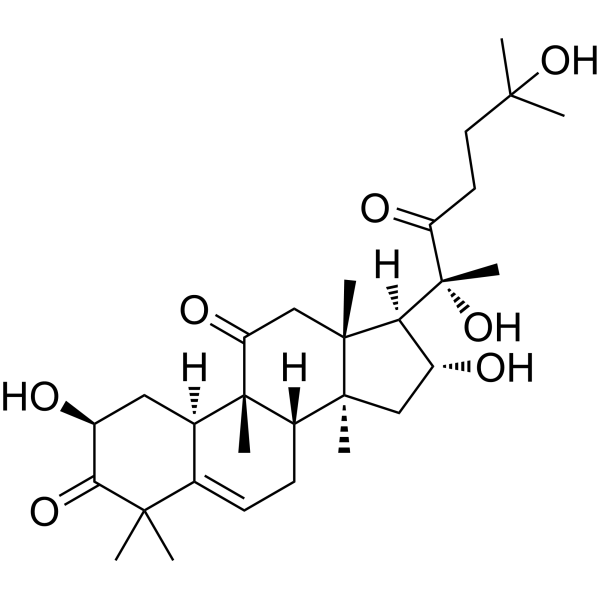 0 ImagesCat. No.: HY-N11080CAS No.: 55903-92-9Cucurbitacin R is an orally active anti-inflammatory agent. Cucurbitacin R is isolated from the roots of Cayaponia tayuya. Cucurbitacin R inhibits Cyclooxygenase-2. Cucurbitacin R inhibits Interleukin-6-induced STAT3 activation and cytokine production, blocks NF-κB activation, and selectively prevents NFAT nuclear translocation without affecting Calcineurin activity. Cucurbitacin R inhibits TNF-α production and Nitric-oxide synthase-2 expression. Cucurbitacin R reduces joint damage, soft tissue swelling, paw edema, ear edema, inflammatory cell infiltration, and epithelial thickness. Cucurbitacin R can be used for research on arthritis and delayed-type hypersensitivity.
-
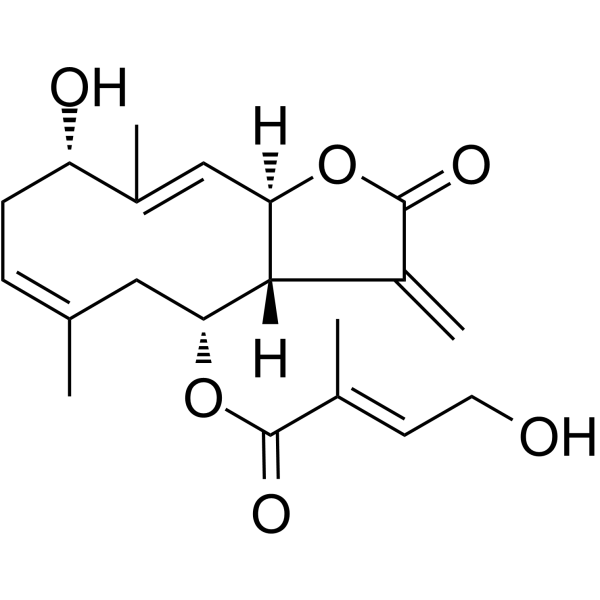
Stafia-1-dipivaloyloxymethyl ester
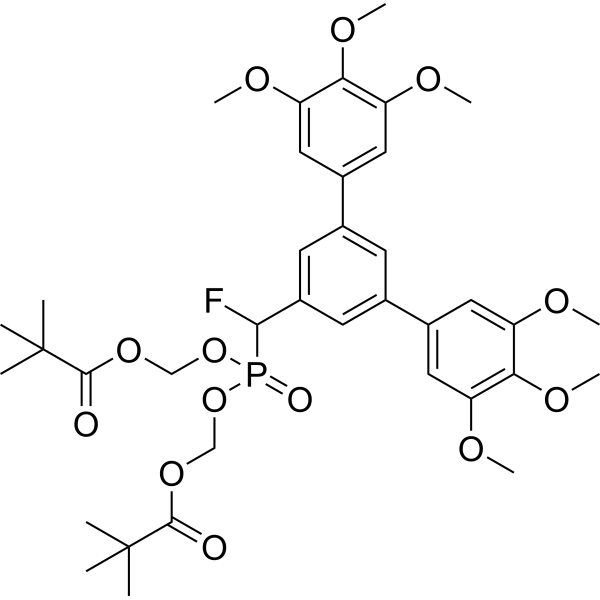 0 ImagesCat. No.: HY-136568CAS No.: 2582755-72-2Stafia-1-dipivaloyloxymethyl ester (compound 27, 0-200 μM) decreases pSTAT5a expression significantly, and has no obvious inhibition on pSTAT5b.
-
Norbergenin
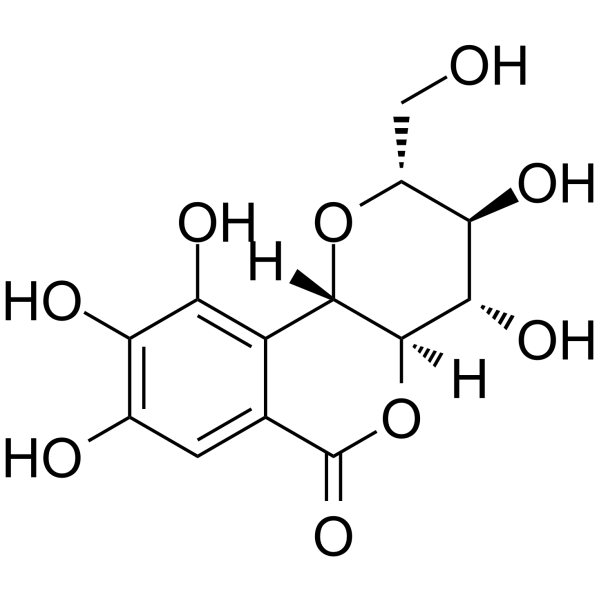 0 ImagesNorbergenin is a polyphenolic isocoumarin derivative. Norbergenin acts as a non-competitive inhibitor of bovine adrenal tyrosine hydroxylase (TH) with a Ki value of 69.6 μM. Norbergenin inhibits lipopolysaccharide-induced inflammatory responses in macrophages by suppressing the activation of NF-κB, MAPK and STAT3, as well as blocking metabolic reprogramming. Norbergenin inhibits aluminum chloride-induced oxidative stress and apoptosis and restores neurocognitive parameters. Norbergenin scavenges ROS through multiple mechanisms and protects cell membranes from lipid peroxidation damage. Norbergenin can be used in research related to Alzheimer's disease, peptic ulcer and arthritis.
-
IMC-EB10
 0 ImagesCat. No.: HY-P991641Purity: 98%Synonyms: LY3012218IMC-EB10 (LY3012218) is an anti-FLT3 monoclonal antibody. IMC-EB10 binds to FLT3 with high affinity (Kd = 158 pM) and blocks the binding of FLT3 ligand to FLT3 (IC50 ≈ 10 nM), thereby inhibiting MAPK, STAT5, and PI3K/Akt signaling in leukemia cells. IMC-EB10 can enhance the anti-leukemic effect of Methotrexate (HY-14519) and inhibit leukemias expressing wild-type or ITD-mutated FLT3 receptors. IMC-EB10 prolongs the survival of acute lymphoblastic leukemia (ALL) cells and primary leukemia samples and reduces engraftment in non-obese diabetic/severe combined immunodeficiency patients. IMC-EB10 is indicated for leukemia research.
-
Fluacrypyrim
 0 ImagesCat. No.: HY-W414644CAS No.: 229977-93-9Fluacrypyrim, a Miticide, is a STAT3 inhibitor. Fluacrypyrim significantly increases the protein tyrosine phosphatases(PTPs) activity. Fluacrypyrim inhibits the growth of leukemia cells by a predominant G1 arrest with significant decrease of the protein and mRNA levels of cyclin D1. Fluacrypyrim selectively inhibits STAT3 signaling, inducing growth arrest and apoptosis in STAT3-dependent cancer cells. Fluacrypyrim mitigates IR-induced hematopoietic system injury mainly by preventing apoptosis in the HSCs. Fluacrypyrim demonstrates significant analgesic and anti-inflammatory effects by inhibiting uterine smooth muscle contraction and inflammatory responses.
-
Withaphysalin A
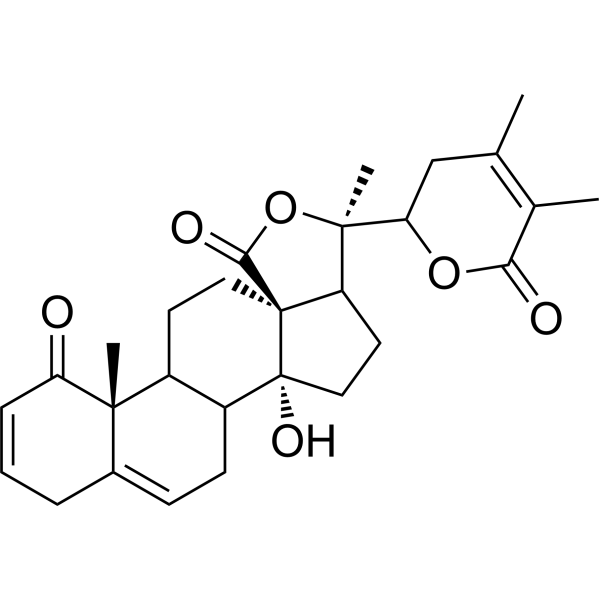 0 ImagesWithaphysalin A is a withanolide compound with anti-inflammatory and antioxidant activities. Withaphysalin A inhibits LPS (HY-D1056)-induced nuclear translocation of NF-κB p65, as well as phosphorylation of STAT3, ERK, JNK and p38 MAPK. Withaphysalin A upregulates the expression of HO-1. Withaphysalin A inhibits LPS-induced production of NO, PGE2, IL-1β, IL-6 and TNF-α. Withaphysalin A downregulates LPS-induced expression of iNOS and COX-2. Withaphysalin A interacts with B-cell activating factor protein (BAFF) to exert inhibitory effects. Withaphysalin A exhibits ELOVL6 inhibitory activity. Withaphysalin A can be used in the research of inflammatory diseases, nephrotic syndrome and chronic myeloid leukemia.
-
Perindopril (Standard)
 0 ImagesSynonyms: S-9490 (Standard)Perindopril (Standard) is the analytical standard of Perindopril. This product is intended for research and analytical applications. Perindopril (S-9490) is an orally available, long-acting angiotensin-converting enzyme (ACE) inhibitor. Perindopril inhibits inflammatory cell influx and intimal thickening, preserving elastin on the inside of the aorta. Perindopril effectively inhibits experimental abdominal aortic aneurysm (AAA) formation in a rat model and reduces pulmonary vasoconstriction in rats with pulmonary hypertension.
-
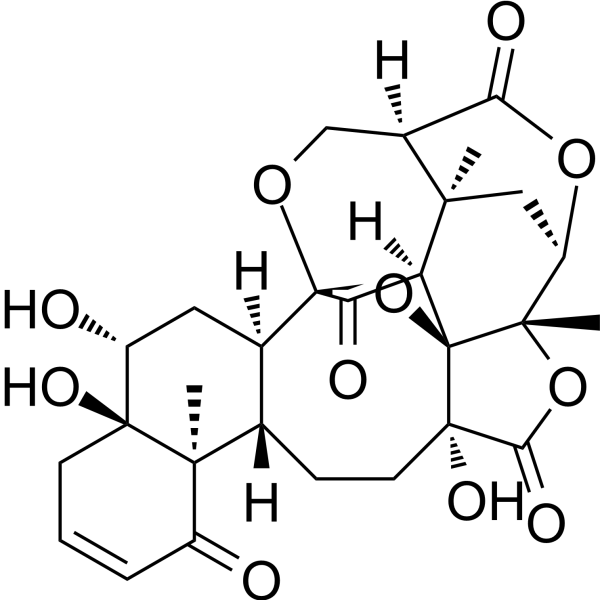
Gamma-glutamylcysteine TFA (Standard)
 0 ImagesCat. No.: HY-113402ARCAS No.: 283159-88-6Synonyms: γ-Glu-Cys TFA (Standard)Gamma-glutamylcysteine (TFA) (Standard) is the analytical standard of Gamma-glutamylcysteine (TFA). This product is intended for research and analytical applications. Gamma-glutamylcysteine TFA (γ-Glu-Cys TFA) is an orally active, blood-brain barrier permeable dipeptide. Gamma-glutamylcysteine TFA activates AMPK, SIRT1, IL-4/STAT6, AC/cAMP/PI3K, IGF-1R/IRS1/PI3K, and Nrf2 signaling pathways; it inhibits NF-κB, JAK1/STAT1/3, MAPKs, cadmium-induced p38 MAPK, JNK, and PI3K/Akt signaling pathways. Gamma-glutamylcysteine TFA regulates macrophage polarization, modulates the trafficking of CD36 and GLUT4, induces glutathione synthesis, improves metabolic dysfunction, reduces lipid deposition, ameliorates glucose homeostasis, inhibits apoptosis (Apoptosis), stabilizes mitochondria, suppresses lipid peroxidation, iron accumulation and ferroptosis (Ferroptosis), reduces ds-HMGB1 levels, reverses mechanical hyperalgesia, and alleviates hepatic lipid droplet formation. Gamma-glutamylcysteine TFA is applicable to research related to inflammatory bowel disease, type 2 diabetes, cadmium-induced neurotoxicity, Alzheimer's disease, cerebral ischemia/reperfusion injury, neuropathy, and alcoholic liver disease.
-
TAVO101
 0 ImagesCat. No.: HY-P992474TAVO101 is a humanized anti-TSLP antibody with an EC50 of 0.19 nM against hTSLP. TAVO101 inhibits STAT5 activation and CCL17 release. TAVO101 carries Fc region mutations that enhance its binding to FcRn while reducing its binding to FcγRI, FcγRIIIA and C1q, thereby attenuating effector functions. TAVO101 reduces the levels of inflammatory markers, cell infiltration and histopathological damage in preclinical models of asthma, psoriasis and atopic dermatitis. TAVO101 can be used for research related to asthma, psoriasis and atopic dermatitis.
-
Flubendazole (Standard)
 0 ImagesFlubendazole (Standard) is the analytical standard of Flubendazole. This product is intended for research and analytical applications. Flubendazole is an anthelmintic drug based on altering microtubule structure, inhibition of tubulin polymerization and disruption of microtubule function. Flubendazole induces apoptosis in human colorectal cancer (CRC) by blocking the STAT3 signaling axis and activation of autophagy. Flubendazole induces P53 expression and reduced Cyclin B1 and p-cdc2 expression. Flubendazole is an antitumor agent. Flubendazole can be used for worm and intestinal parasites.
-
Leucrose
 0 ImagesLeucrose (5-O-α-D-Glucopyranosyl-D-fructose) is an orally active Sucrose (HY-B1779) isomer naturally found in pollen and honey. Leucrose promotes phosphorylation of JAK1 and STAT6, reduces pro-inflammatory mediators and cytokinesas (TNFα, and IL-1β), increases M2 macrophage polarization and suppresses DSS (HY-116282C)-induced colitis. Leucrose suppresses hepatic triglyceride accumulation, improves fasting blood glucose levels, and regulates hepatic lipogenesis and fatty acid β-oxidation in high-fat diet-induced obese mice. Leucrose is slowly hydrolyzed into glucose and fructose by α-glucosidase and acts as as a sugar substitute in diet.
-
Laricitrin
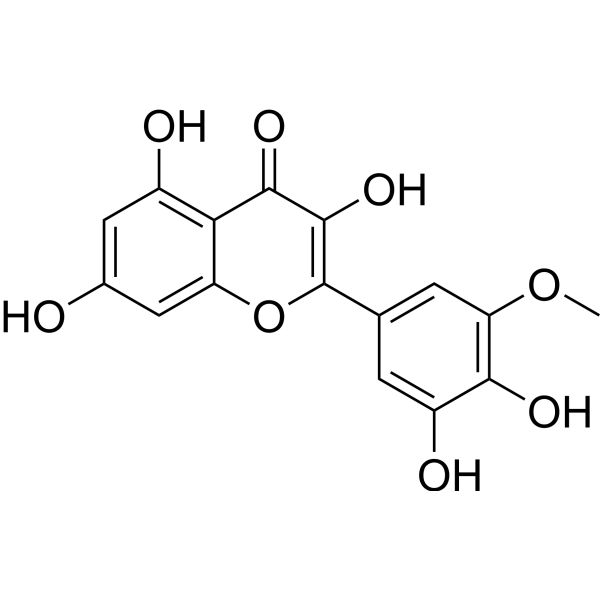 0 ImagesLaricitrin is a natural product with multiple biological activities. Laricitrin inhibits the phosphorylation and DNA-binding activity of STAT3, and downregulates the expression of IL-10. Laricitrin acts as an immunomodulator to regulate the differentiation, maturation and function of dendritic cells (DCs). Laricitrin inhibits the migration and invasion of lung cancer cells, and ameliorates lung cancer progression. Laricitrin can be used in research related to hypertension and lung cancer.




