



HO-1 Activator
- 1
- 2
-
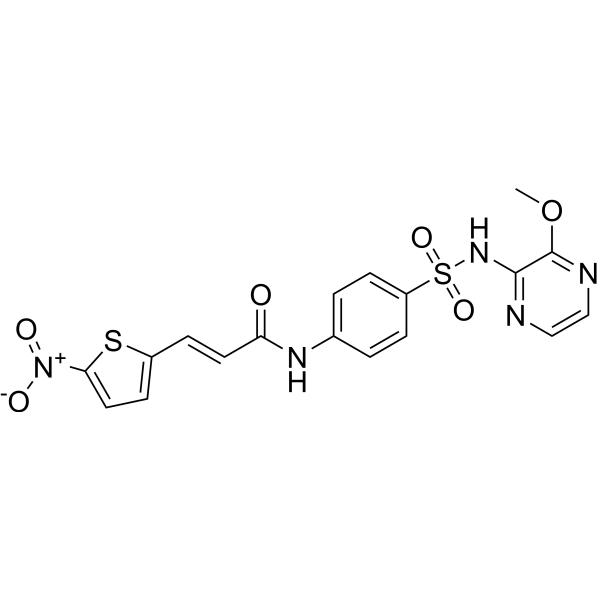
Necrosulfonamide
 0 Images
Necrosulfonamide is a MLKL and Gasdermin D (GSDMD) inhibitor, capable of separately inhibiting necroptosis and pyroptosis of cells. Necrosulfonamide does not affect the activation of upstream signals, but specifically inhibits the downstream executor oligomerization step. Necrosulfonamide reduces the expression of the key kinases NLRP3 and caspase-1 involved in necroptosis and pyroptosis, activate the Nrf2 pathway and the downstream antioxidant enzymes, and also downregulates a variety of inflammatory factors. Necrosulfonamide plays significant roles in various diseases such as neurodegenerative diseases (such as Parkinson’s disease), tissue damage and ischemia-reperfusion injury, inflammatory bowel disease, osteoarthritis and fracture repair, and hair loss by regulating two important programmed necrosis pathways.
-
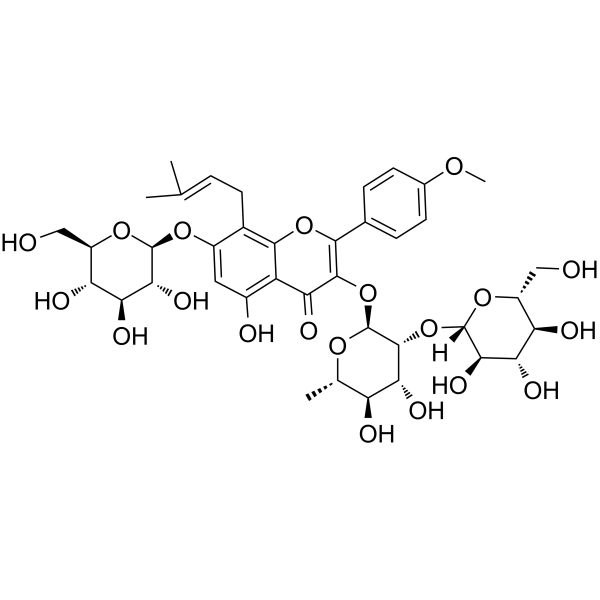
Epimedin A
 0 Images
Epimedin A, one of the main flavonoid active components in Herba Epimedii, is orally active. Epimedin A can inhibit osteoclastogenesis, differentiation, and bone resorption. Epimedin A also possesses anti-inflammatory activity. Epimedin A can be used in the research of osteoporosis and inflammatory diseases.
-
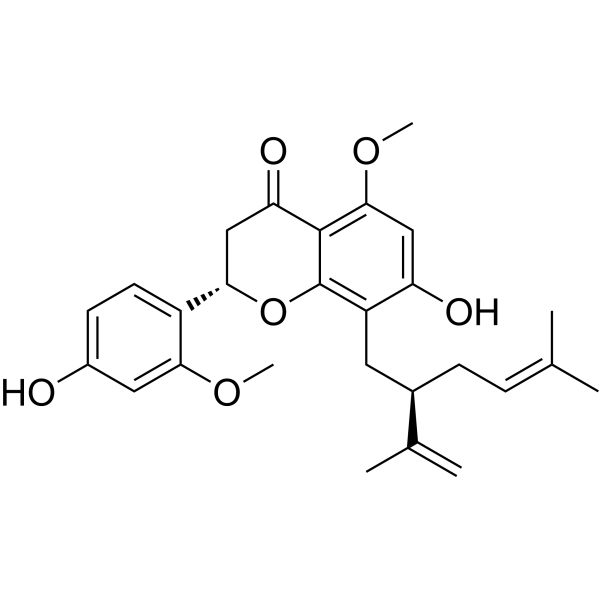
(2S)-2'-Methoxykurarinone
 0 ImagesSynonyms: 2'-O-Methylkurarinone
(2S)-2'-Methoxykurarinone (2'-O-Methylkurarinone) is a flavanone natural product found in the roots of Sophora flavescens, possessing anti-sepsis, inhibitory effects on osteoclast differentiation and bone resorption, anti-inflammatory, and anti-Plasmodium activities. (2S)-2'-Methoxykurarinone exhibits an EC50 = 2.4 μM against the FCR-3 strain of Plasmodium falciparum. In sepsis models, (2S)-2'-Methoxykurarinone modulates immune cell function and inhibits inflammation and oxidative stress. In bone-related models, (2S)-2'-Methoxykurarinone blocks osteoclast differentiation and bone resorption, and inhibits RANKL-mediated Akt, p38, and JNK signaling pathways. In skin inflammation models, (2S)-2'-Methoxykurarinone inhibits NF-κB pathway activation, upregulates HO-1 expression, and suppresses CCL27 chemokine production in HaCaT cells. (2S)-2'-Methoxykurarinone is useful for research on osteoporosis, sepsis, inflammatory skin diseases (such as atopic dermatitis and allergic contact dermatitis), and malaria.
-
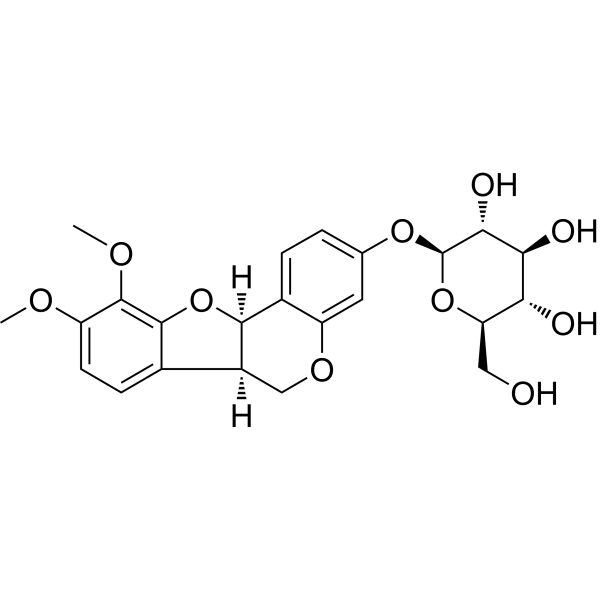
Methylnissolin-3-O-glucoside
 0 Images
Methylnissolin-3-O-glucoside is a flavonoid glycoside derivative of Methylnissolin (HY-N2484). Methylnissolin-3-O-glucoside is isolated from plants of the genus Astragalus (Leguminosae). Methylnissolin-3-O-glucoside effectively induces the expression of AKT/Nrf2 and its downstream target genes HO-1 and NQO1. Methylnissolin-3-O-glucoside inhibits TNF-α-induced phosphorylation of MEK and ERK. Methylnissolin-3-O-glucoside exhibits free radical scavenging activity. Methylnissolin-3-O-glucoside inhibits cell proliferation and cell migration. Methylnissolin-3-O-glucoside is used in research on esophageal squamous cell carcinoma.
-
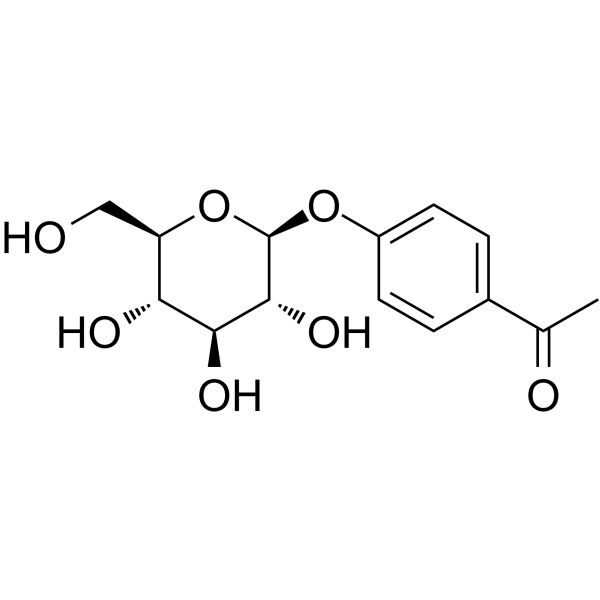
Picein
 0 Images
Picein is an antioxidant and anti-inflammatory agent. Picein can be isolated from the leaves of Picrorhiza kurroa. Picein reduces MDA levels and increases the levels of SOD, GPX and TAC. Picein alleviates oxidative stress and promotes bone regeneration in osteoporotic bone defects by inhibiting Ferroptosis (via activation of the Nrf2/HO-1/GPX4 pathway). Picein prevents scopolamine (HY-N0296)-induced passive avoidance memory impairment in rats. Picein can be used in research related to osteoporotic bone defects and Alzheimer's disease.
-
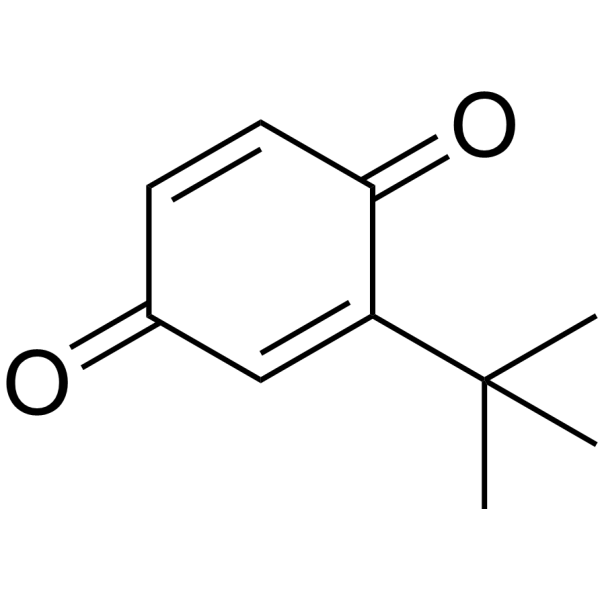
2-tert-Butyl-1,4-benzoquinone
 0 Images
2-tert-Butyl-1,4-benzoquinone is a food additive oxidant, an electrophilic metabolite of Butylated hydroxyanisole (HY-B1066), and an antibacterial agent. 2-tert-Butyl-1,4-benzoquinone reduces virulence factors, activates Nrf2, and induces S-arylation of its negative regulator Keap1. 2-tert-Butyl-1,4-benzoquinone induces HO-1. 2-tert-Butyl-1,4-benzoquinone exhibits quorum sensing inhibitory activity against Chromobacterium violaceum.
-
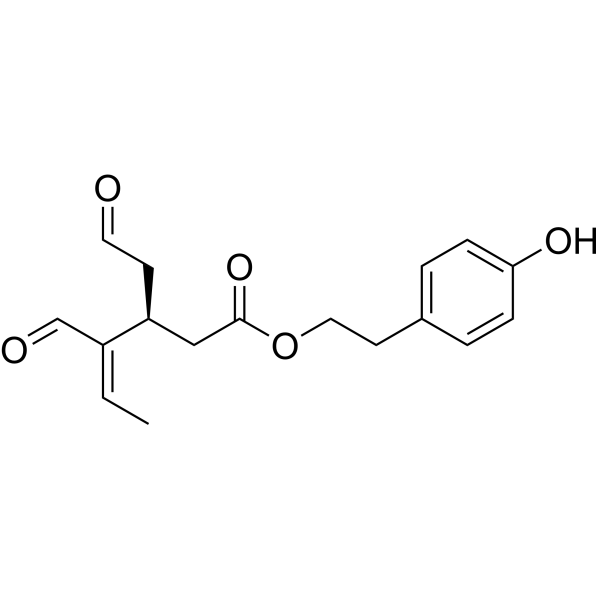
Oleocanthal
 0 ImagesCat. No.: HY-124481CAS No.: 289030-99-5
Oleocanthal is an orally active phenolic seciridoid compound. Oleocanthal can be extracted from olive oil. Oleocanthal inhibits COX-1 and COX-2, reduces ROS and NO, and upregulates Nrf-2 and HO-1. Oleocanthal reduces Aβ deposition. Oleocanthal exhibits anti-Leishmania activity against promastigotes and amastigotes of L. major, with IC50 values of 18.7 and 87 μg/mL, respectively. Oleocanthal exhibits anticancer activity against colon, breast, liver, and melanoma cancers. Oleocanthal also exhibits anti-inflammatory and neuroprotective properties. Oleocanthal can be used in Alzheimer's disease research.
-
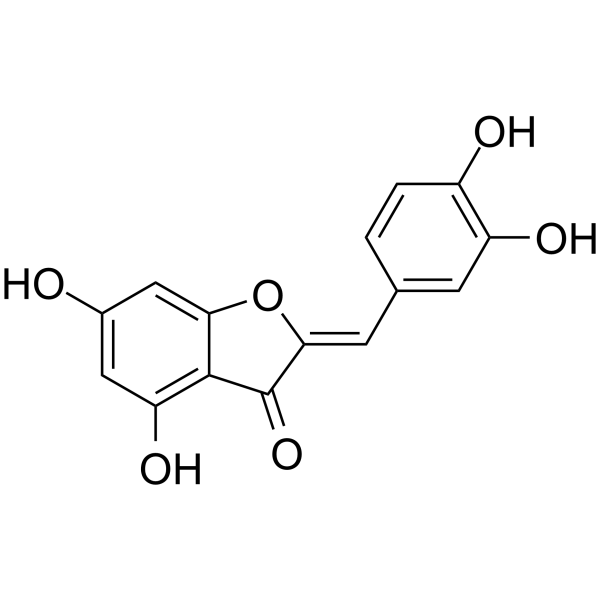
Aureusidin
 0 ImagesCat. No.: HY-N9834CAS No.: 38216-54-5
Aureusidin is a flavonoid compound that is isolated and extracted from Antirrhinum majus and exhibits oral activity. Aureusidin possesses antioxidant, neuroprotective, and anti-inflammatory properties. Aureusidin directly targets and binds MD2 and Caspase-3 with high affinity, synergistically inhibits the TLR4/NF-κB inflammatory pathway and GSDME-mediated pyroptosis, and activates the Nrf2/HO-1 antioxidant axis via the ROS/MAPKs pathway. Aureusidin is a bovine liver arginase inhibitor with an IC50 of 57.1 µM. Aureusidin is used for research on inflammation-related diseases (osteoarthritis), acute liver injury, and endothelial dysfunction.
-
Gymnoside II
 0 ImagesCat. No.: HY-N16929CAS No.: 899430-02-5
Gymnoside II is one of the main bioactive constituents isolated from Bletilla striata. Gymnoside II inhibits nano SiO2-induced A549 cell viability reduction, apoptosis, and ROS generation by activating Nrf2. Gymnoside II upregulates HO-1 and γ-GCSc, while downregulating the Bax/Bcl-2 ratio. Gymnoside II is applicable for research on nano SiO2-induced pulmonary injury.
-
SIN 14
 0 ImagesCat. No.: HY-173518CAS No.: 3064262-80-9
SIN 14, a derivative of Sinomenine (HY-15122), is an orally active HO-1 activator (KD = 17.2 μM). SIN 14 binds to the catalytic core domain of HO-1 and induces HO-1 activation in catalysis. SIN 14 significantly increases HO-1 stability. SIN 14 has anti-inflammatory effects and inhibits M1 macrophage polarization while promoting M2 polarization in LPS (Lipopolysaccharides)(HY-D1056)-induced RAW264.7 cells. SIN 14 inhibits inflammatory mediator production (eg: NO, IL-6, IL-1β and CCL2, inhibits production of ROS and down-regulates the expression of COX-2 and iNOS. SIN 14 can inhibit RA-related inflammatory edema in collagen-induced arthritis (ClA) mice.
-
Nrf2/HO-1 activator 4
 0 ImagesCat. No.: HY-184698CAS No.: 3072761-08-8
Nrf2/HO-1 activator 4 is a Nrf2/HO-1 activator. Nrf2/HO-1 activator 4 inhibits nitric oxide production and the expression of pro-inflammatory cytokines IL-1β, IL-6, TNF-α, as well as upstream inflammatory enzymes COX-2 and iNOS. Nrf2/HO-1 activator 4 reduces ROS accumulation, and restores GSH levels and SOD activity. Nrf2/HO-1 activator 4 ameliorates depression-like behaviors in mice. Nrf2/HO-1 activator 4 can be used for research on major depressive disorder.
-
TrxR1-IN-B19
 0 ImagesCat. No.: HY-120914CAS No.: 170950-29-5Synonyms: GO-Y015
TrxR1-IN-B19 (GO-Y015) is a Curcumin (HY-N0005) derivative and TrxR1 inhibitor. TrxR1-IN-B19 inhibits de novo selenoprotein synthesis, suppresses SeP and GPx expression, and impairs selenium incorporation into Sec-tRNA[Sec]. TrxR1-IN-B19 induces Nrf2 accumulation through Keap1 cysteine modification, HO-1 expression, GSH synthesis, ROS accumulation, ER stress, mitochondrial dysfunction, Apoptosis, and G2/M phase arrest. TrxR1-IN-B19 improves glucose tolerance and insulin sensitivity, lowers blood glucose, inhibits tumor growth, and reduces arsenic accumulation. TrxR1-IN-B19 can be used for research on type 2 diabetes, arsenite-induced toxicity, and gastric cancer.
-
Keap1/Nrf2/ARE activator 2
 0 ImagesCat. No.: HY-180155CAS No.: 3105470-83-2
Keap1/Nrf2/ARE activator 2 is an activator of Keap1/Nrf2/ARE pathway and non-competitively inhibits AChE with an IC50 of 14.79 μM and a Ki of 1.35 μM. Keap1/Nrf2/ARE activator 2 promotes Nrf2 nuclear translocation, leading to antioxidant gene upregulation and enhanced cellular defense against oxidative stress. Keap1/Nrf2/ARE activator exhibits robust neuroprotection against both H2O2- and Scopolamine (SCA) (HY-N0296)-induced injury in PC12 cells. Keap1/Nrf2/ARE activator 2 ameliorates memory impairment and the neuro-inflammation associated with SCA-initiated cognitive dysfunction in a zebrafish model. Keap1/Nrf2/ARE activator 2 can be used for the research of Alzheimer's disease.
-
Dankasterone A
 0 ImagesCat. No.: HY-N17406CAS No.: 244303-77-3
Dankasterone A is a secondary metabolite. Dankasterone A can be derived from the Fungus Talaromyces purpurogenu. Dankasterone A upregulates HO-1 protein expression, induces Apoptosis, induces excessive ROS production. Dankasterone A has anti-cancer activity against prostate cancer.
-
Ginnalin A
 0 ImagesCat. No.: HY-N17603CAS No.: 76746-56-0Synonyms: Acertannin
Ginnalin A (Acertannin) is a Nrf2 activator. Ginnalin A shows antiproliferative activity against HCT116, SW480 and SW620 cells with IC50 values of 24.8, 22.0, and 39.7 μM, respectively. Ginnalin A can induce cancer cells S phase arrest. Ginnalin A can activate the p62-Keap1-Nrf2 signaling pathway, significantly upregulate the mRNA and protein expression of Nrf2, HO-1, and NQO1, and promote the transport of Nrf2 from the cytoplasm to the nucleus. Ginnalin A can be used for the research of colon cancer.
-
Keap1-Nrf2-IN-30
 0 ImagesCat. No.: HY-184761
Keap1-Nrf2-IN-30 is an orally active, blood-brain barrier-permeable Keap1-Nrf2 protein-protein interaction inhibitor with a Keap1 Kd value of 157 nM. Keap1-Nrf2-IN-30 selectively inhibits the Keap1-Nrf2 protein-protein interaction, promotes Nrf2 nuclear translocation, suppresses induced ferroptosis, reduces the expression of Aβ and p-Tau, and upregulates the expression of GPX4 and SLC7A11. Keap1-Nrf2-IN-30 upregulates the expression of HO-1 and NQO1, alleviates neuronal damage, and improves cognitive and spatial memory deficits. Keap1-Nrf2-IN-30 can be used in the research of Alzheimer's disease.
-
N,N-dimethyldithiocarbamate potassium
 0 ImagesCat. No.: HY-W679138CAS No.: 128-03-0
N,N-dimethyldithiocarbamate potassium is a ubiquitin-activating enzyme E1 inhibitor. N,N-dimethyldithiocarbamate potassium inhibits the activation of E1 and reduces the level of activated ubiquitinated E1 (ub-E1). N,N-dimethyldithiocarbamate potassium increases intracellular copper levels, enhances oxidative stress, elevates protein carbonyl levels, and upregulates the expression of HO-1. N,N-dimethyldithiocarbamate potassium is applicable to research related to Parkinson's disease.
-
FSVVPSPK
 0 ImagesCat. No.: HY-P11608CAS No.: 2016043-82-4
FSVVPSPK is an orally active peptide. FSVVPSPK exerts significant anti-adipogenic, antioxidant and anti-inflammatory effects in vitro and in vivo, mainly through activating the HO-1/Nrf2 pathway. FSVVPSPK can be used in research related to obesity and metabolic disorders.
-
JHB-17
 0 ImagesCat. No.: HY-184115
JHB-17 is an IKKβ inhibitor with blood-brain barrier permeability, with an IC50 of 1.1 μM and a KD of 1.293 μM. JHB-17 is a non-ATP competitive inhibitor targeting the allosteric site of IKKβ, and it inhibits the phosphorylation of IKKβ. JHB-17 promotes the nuclear translocation of Nrf2, upregulates the expression of HO-1, SLC7A11 and glutathione, and reduces ROS to exert antioxidant effects. JHB-17 reduces cerebral infarction volume and improves neurobehavioral function. JHB-17 can be used in the research of cerebral ischemia-reperfusion injury.
-
Methylnissolin-3-O-glucoside (Standard)
 0 ImagesCat. No.: HY-N2473RCAS No.: 94367-42-7
Methylnissolin-3-O-glucoside (Standard) is the analytical standard of Methylnissolin-3-O-glucoside (HY-N2473). This product is intended for research and analytical applications. Methylnissolin-3-O-glucoside is a flavonoid glycoside derivative of Methylnissolin (HY-N2484). Methylnissolin-3-O-glucoside is isolated from plants of the genus Astragalus (Leguminosae). Methylnissolin-3-O-glucoside effectively induces the expression of AKT/Nrf2 and its downstream target genes HO-1 and NQO1. Methylnissolin-3-O-glucoside inhibits TNF-α-induced phosphorylation of MEK and ERK. Methylnissolin-3-O-glucoside exhibits free radical scavenging activity. Methylnissolin-3-O-glucoside inhibits cell proliferation and cell migration. Methylnissolin-3-O-glucoside is used in research on esophageal squamous cell carcinoma.
- 1
- 2



